Reviewed · KYOTO TOURS
Shamisen Discovery in Kyoto 【Group】
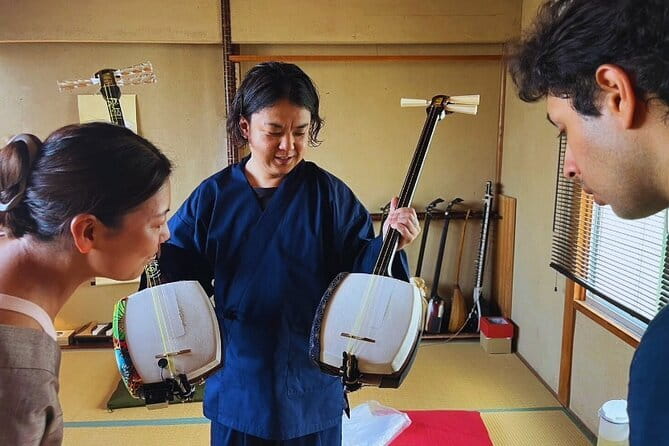
Shamisen training in Kyoto can be surprisingly friendly. In a small group class at the Shamisen Dojo, you get hands-on instruction on this classic Japanese string instrument, plus real interaction with instructor Jack. I especially love the small-group attention and the photo session where you can actually pose with the shamisen and play.
The one thing to keep in mind is that it is a 1-hour intro. You will leave feeling musical, but you are not walking out as a shamisen player ready for a concert.
Key things I think you’ll care about
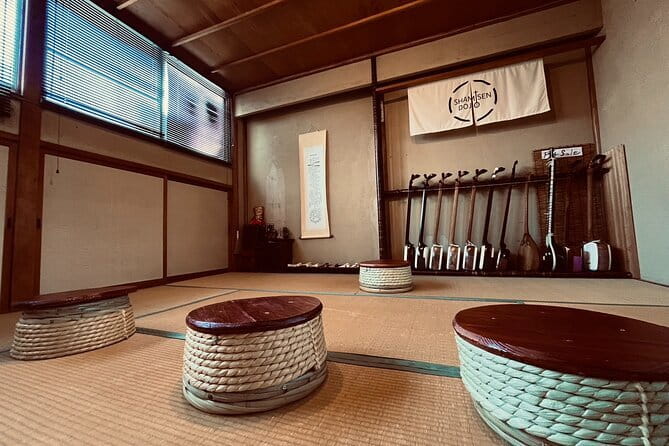
- Max 5 travelers, so questions do not get lost
- Rental shamisen included, with a photo session for your chosen instrument
- History plus basics, including how to hold the instrument and bachi
- Scales and free playing time, so you can try what you are taught
- Jam session with accompaniment, where you create melodies
- Lefty shamisen available, which is rare for music classes
Why this Kyoto shamisen lesson beats the usual sightseeing script
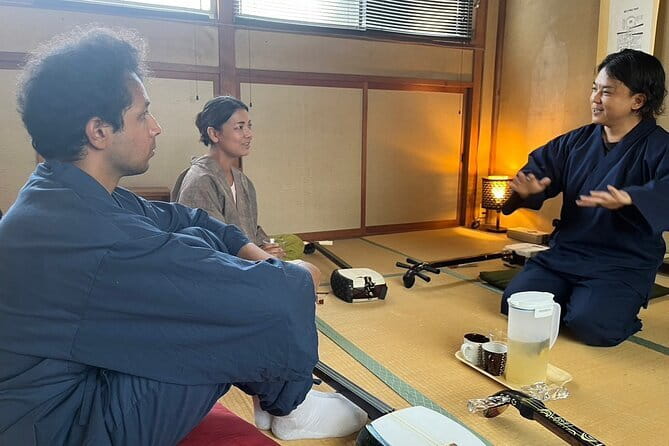
Kyoto already has plenty to look at. Temples, gardens, and shopping streets can fill your day fast. This experience works because it switches your role from observer to musician for an hour. You are not just learning facts about Japanese culture. You are producing sound, right there in the room.
What makes it feel special is the combination of structure and freedom. You start with a guided lesson, then you get time to practice on your own, and then you finish with a jam where the instructor accompanies you. That arc matters. It keeps the class from turning into a lecture and it gives you a way to walk away with a sense of progress.
Also, the instructor, Jack, has over 20 years of experience, and that shows in how the lessons are paced. In reviews, people repeatedly mention that he guides step by step and that time goes by quickly because you are actually doing the work, not watching someone else do it.
A few more Kyoto days worth comparing
- PERFECT KYOTO 1-Day Bus Tour
★ 5.0 · 13,518 reviews - Kyoto: Fushimi Inari, Kinkakuji, Bamboo Grove 1 Day Bus Tour
★ 4.8 · 4,316 reviews - Kyoto: Tea Ceremony in a Traditional Tea House in Kiyomizu
★ 4.9 · 3,519 reviews
Entering the dojo: what the first moments feel like
Your class starts back at the meeting point in Kyoto: Murasakino Nakakashiwanocho, Kita Ward, Kyoto 603-8312. The activity ends back at the meeting point, so you are not juggling extra transfers at the end of your lesson.
Because it is near public transportation and the group is capped at five people, you can treat this like a focused pocket of time, not a whole logistics project. You can build your schedule around it. A lot of people like putting something like this after a morning of sightseeing, when they want a break that is still active.
Once you arrive, you should expect a quick orientation. You will learn basic information about the shamisen, including types and history, and then you will move into physical technique. In other words, it is not one of those classes where you spend the hour learning names only. You get to pick up the instrument and start learning how it feels.
The 60-minute flow: from holding the shamisen to a real jam
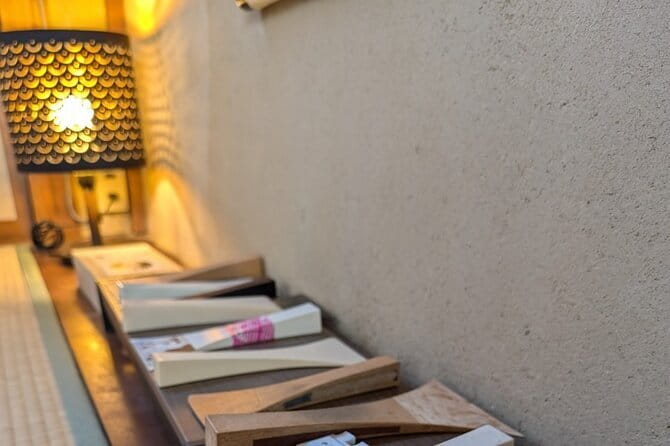
This is a short course, so every segment has a job. Here is what the session is built around.
1) Basic shamisen introduction
You begin with an introduction to basic information about the shamisen, including types and history. For most first-timers, this part helps you understand what you are holding. It also gives you context for why certain technique choices matter.
Same corner of Japan, a different kind of day:
- Kyoto Geisha Walking Tour: Gion District & Hidden Gems
★ 4.7 · 3,273 reviews - Kyoto: Tea Ceremony Ju-An at Jotokuji Temple
★ 4.9 · 3,207 reviews - Kyoto: Gion Magical Night Walking Tour with Geisha Trivia
★ 4.9 · 2,393 reviews - Kyoto: 45-Minute Tea Ceremony Lesson Experience
★ 4.3 · 2,378 reviews
2) Photo session with the shamisen
A photo session is included, and you get to use the shamisen you like. The instructor can take photos of you while you play, which is a big deal for a handheld instrument lesson. It also solves the awkward part where you want proof of your experience, but you do not want to hand your phone to a stranger.
3) Technique lesson: holding and bachi
Next comes a hands-on lesson on basic shamisen playing techniques. That includes proper form for holding the instrument and using the bachi (the playing plectrum). You will also be introduced to at least one shamisen scale during the course.
This technique segment is where a smaller group really matters. If you try to learn an instrument from a video, you miss small angles and hand position details. In a five-person cap, you get help before you develop bad habits.
4) Free time to play
After you get the basics, you get free time to play the shamisen freely. This is not just filler. It is your chance to translate instruction into muscle memory, even if you sound a little chaotic at first (normal, and kind of fun).
5) Jam session with instructor accompaniment
You finish with a jam session. The instructor provides accompaniment, and participants can create melodies. The course is designed so you are not expected to “already know the song.” You get guided support while you experiment.
In the course description, you will also hear about the five signature sounds of Japan as part of the learning approach. Even if you cannot replicate everything perfectly at first, the goal is to get your ears and hands synced to how shamisen sounds in motion.
The rental shamisen experience, and why it makes the class easier
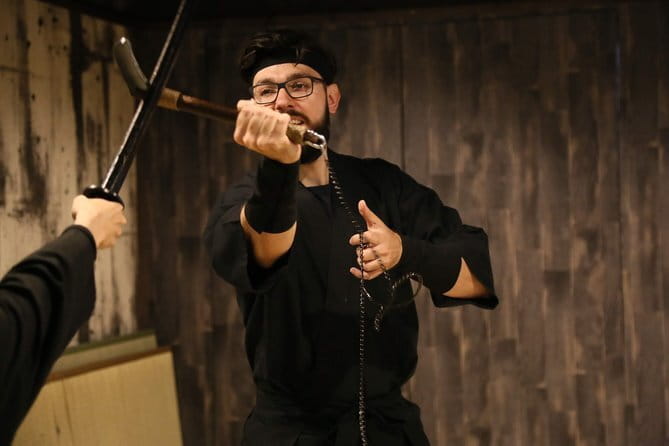
A huge value driver here is that rental shamisen is included. That changes the feel of the day. You do not need to figure out how to transport a fragile instrument, find a shop, or pay separate rental fees. You simply show up, pick the instrument you want for the lesson, and learn.
There is also a lefty option. A lefty shamisen is available for left-handed players. That is worth noting. Many “hands-on” classes assume right-handed technique by default, and then left-handed learners are left to adapt on their own. Here, at least part of the setup is ready for you.
If you care about learning outcomes, rental also helps in a practical way: the instructor can set you up with a usable instrument immediately. You are not spending time adjusting and troubleshooting before you even start.
Scales, sounds, and what you actually take away
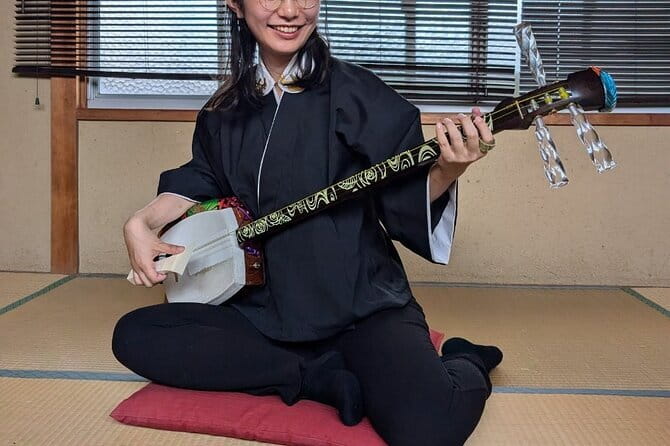
This is not marketed as a long conservatory program, and it is not trying to be. It is built to give you a clean introduction and then let you play.
During the lesson, you will learn basic technique and you will get exposure to scales. The course includes an introduction to one shamisen scale, and in real-world feedback people mention learning several Japanese scales during the hour. Either way, the point is that you will hear patterns, try them, and then use them during free playing and the jam.
That pattern-based approach is how traditional music sticks to you faster than random note playing. Once you understand even one scale or repeated sound, you can experiment and feel more in control.
Also, the class helps you connect technique to musical intention. Instead of feeling like you are only copying movements, the jam session gives you room to create melodies. Even if you are a first-timer, you can still contribute sound that fits with the accompaniment.
The small-group advantage: why you get help fast
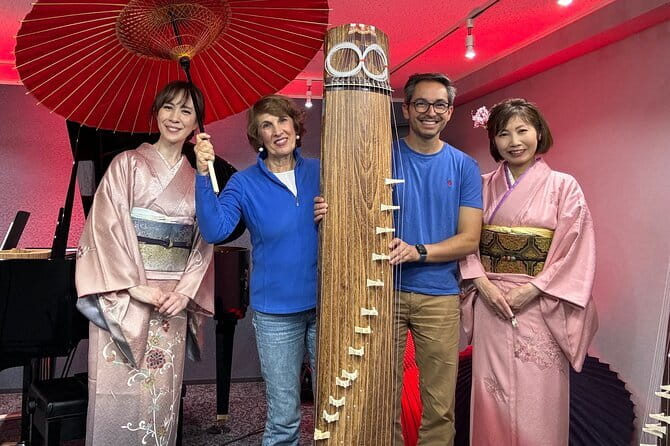
This experience caps at a maximum of five travelers. That means the instructor can adjust what you are doing in real time and keep the pace moving. In reviews, Jack is described as able to gauge understanding quickly and adapt accordingly.
That adaptation matters for two reasons:
1) Instrument technique is physical. Tiny changes to hand position can change the sound a lot.
2) Learning speed varies. Some people will pick it up in minutes. Others need a few more tries to feel comfortable.
The coffee or tea break included in the session also helps keep things comfortable. You get a short pause during your learning day, which is useful when you are focusing your attention and concentrating on new hand movements.
Price, value, and whether it fits your Kyoto budget
At $65.89 per person for about one hour, this is not the cheapest thing in Kyoto. But it is also not a “watch someone perform” experience. You are getting:
- a guided lesson on playing technique
- a rental shamisen
- a photo session where the instructor can take pictures of you playing
- time to practice on your own
- a jam session with accompaniment
- coffee and/or tea
For music classes, instrument rental plus instructor time is a big cost factor. Here, the price bundles the biggest pieces into one ticket. If you are deciding between this and a more passive activity, think about what you want from Kyoto.
If you want a memorable, hands-on cultural experience with a personal outcome (you will play, not just listen), this price starts to make sense.
One more practical detail: on average, this is booked about 25 days in advance. If you have specific dates during peak seasons, booking ahead helps.
Who should book this shamisen discovery class
This is a strong fit if you want something cultural, hands-on, and not locked behind “you must already play music.” The format is built for beginners, and most travelers can participate.
It is also a good option if you like sharing an experience with someone. Multiple reviews mention people coming with a partner or bringing a parent or sibling and finding it fun and memorable together. Music lessons can get awkward when one person knows everything and the other is lost. This one is structured so both people can participate.
If you are a traveler who likes short activities that feel personal, the one-hour length works well. If you are looking for deep mastery of the shamisen, this is more of an introduction than a finishing school.
Before you go: how to get the best results in your hour
You will get the rental instrument and instruction, so you do not need to bring shamisen gear. Still, a few habits will help you get more from the session:
- Arrive with a curious, patient mindset. You will learn technique faster when you expect repetition.
- Mentally plan to take photos. Since the instructor takes them, tell yourself you will use them. It helps you stay present.
- Wear comfortable clothes you can move in, since holding the instrument and using the bachi is physical.
- If you are left-handed, mention it when you book so you get the lefty shamisen option.
And if you are wondering whether you will feel awkward making sounds in front of a group, relax. The class is built for beginners. The goal is you creating a few musical moments by the end, not perfect performance on day one.
Should you book this Kyoto group shamisen lesson?
Yes, I think you should book it if you want a hands-on cultural experience that ends with you playing, not just learning about playing.
Choose this class over a museum-style activity if your idea of a great trip includes doing something with your own hands. The small-group size, the rental shamisen, the instructor photo session, and the jam session with accompaniment make it feel like a complete experience in one hour.
Skip it only if you are chasing a long, technical course or you expect a performance-level outcome. This is an introduction. The reward is how quickly you get to feel what shamisen sounds like when you participate.
If you are in Kyoto and you want one activity that gives you a real story to take home, this is a strong pick.
FAQ
How long is the shamisen discovery class in Kyoto?
The course lasts about 1 hour.
What is included in the 60-minute lesson?
It includes a rental shamisen, a photo session holding the shamisen, an introduction to basic shamisen playing techniques, an introduction to one shamisen scale, free time to play, and a jam session with instructor accompaniment. It also includes coffee and/or tea (green tea).
Can left-handed players join?
Yes. A lefty shamisen is available for left-handed players.
Is transportation included?
No. Private transportation is not included.
Where does the activity take place, and does it return there?
The meeting point is Murasakino Nakakashiwanocho, Kita Ward, Kyoto 603-8312, Japan, and the activity ends back at the meeting point.
What is the cancellation policy?
You can cancel for a full refund up to 24 hours in advance of the experience start time. If you cancel less than 24 hours before, the amount paid is not refunded.
Fresh options around Kyoto
- Kyoto: Personalize, private tour (3h, 5h, 8h) [W/Car Option]★ 4.9 · 24 reviews
- Kyoto: Kiyomizu-dera, Fushimi Inari & Gion Geisha District★ 5.0 · 24 reviews
- Kyoto Geisha Show Cultural Hour with an apprentice geisha, Maiko★ 5.0 · 25 reviews
- Kyoto Full Course Tour: Explore 10 Must-See Sights & Hidden Gems★ 4.5 · 25 reviews
- Kyoto kiyomizu Temple : Maiko and Samurai Couple Photoshoot★ 4.8 · 25 reviews
- Kyoto: Private Tea Ceremony at local home with tea master★ 5.0 · 25 reviews
- Slow Cycling Tour at Uji’s Matcha Green Tea Fields and Heritage★ 5.0 · 25 reviews
- Kyoto: Zen Meditation at a Private Temple with a Monk★ 5.0 · 25 reviews
Kyoto Tours, compared.
Fushimi Inari, Kinkakuji, Bamboo Grove 1 Day Bus Tour
Read our review →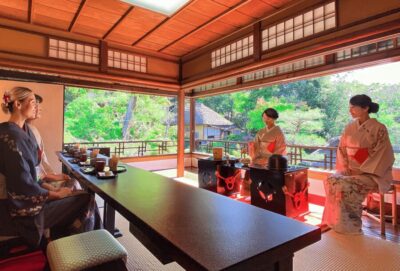
Tea Ceremony in a Traditional Tea House in Kiyomizu
Read our review →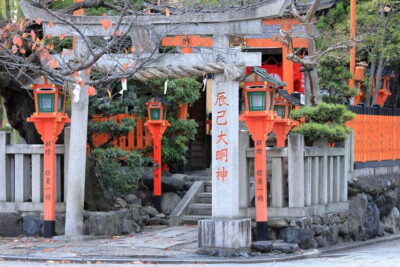
Kyoto Geisha Walking Tour: Gion District & Hidden Gems
Read our review →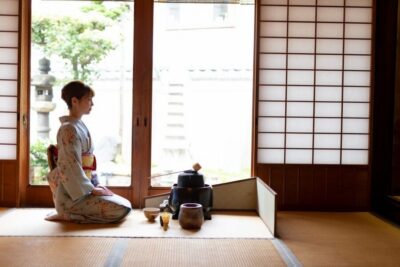

Gion Magical Night Walking Tour with Geisha Trivia
Read our review →