
Reviewed · TEA CEREMONIES IN KYOTO
Authentic Kyoto Tea Ceremony: Camellia Flower Teahouse
Matcha tastes better when you make it. This Kyoto tea ceremony at Camellia Flower in Higashiyama is a calm, hands-on way to learn the ritual behind matcha, in about 45 minutes. You meet at Tea Ceremony Camellia FLOWER at 349-13 Masuyachō, Higashiyama Ward, then follow an English-speaking instructor through the process.
I really like two things right away: you get clear, step-by-step guidance on the utensils, and you get to make and taste your own matcha. The host also builds in time for questions, so you can ask about tea, Kyoto, and daily Japanese life as you go. It is not just watch-and-sip, you actually practice.
One consideration: this experience is not wheelchair accessible, and it may involve floor seating unless you use the chairs and tables available.
Key things to know before you go
- Small group size (max 8) keeps the class personal and gives you time to practice.
- English-speaking instructors explain both technique and the meaning behind the steps.
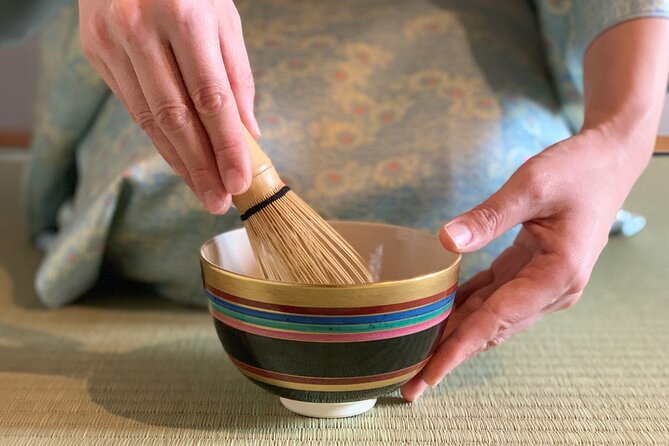
- You make your own bowl of matcha, using provided tools like bowls, scoops, and whisks.
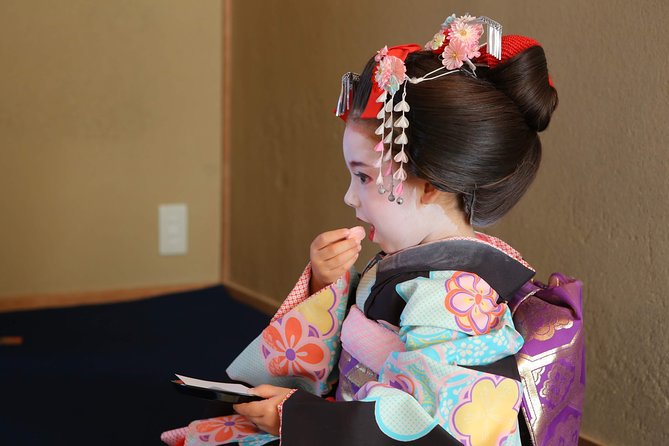
- Seasonal sweets come with your tea, adding a local flavor to the ritual.
- Photos and short videos are permitted, so you can capture the moment without stress.
Finding Tea Ceremony Camellia Flower in Kyoto’s Higashiyama Ward
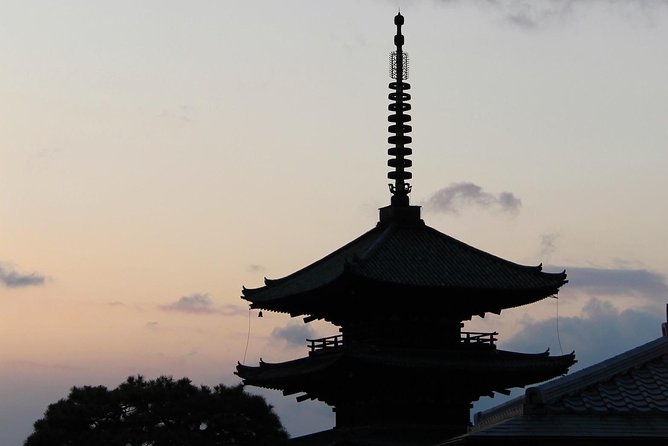
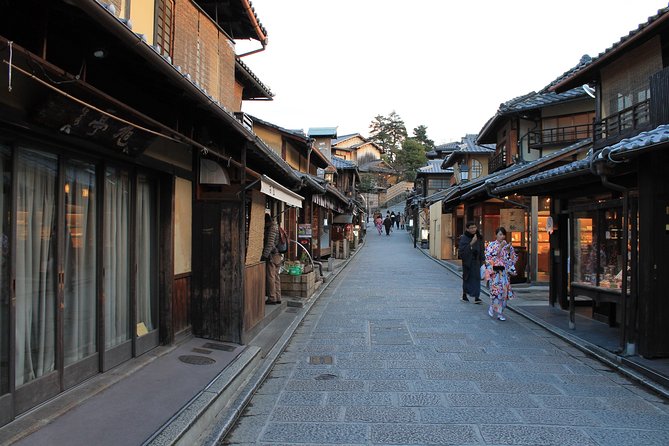
Camellia Flower is based in Kyoto’s Higashiyama Ward, a great area for walking and classic Kyoto sights. The meeting point is at Tea Ceremony Camellia FLOWER, 349-13 Masuyachō, Higashiyama Ward, Kyoto 605-0826, Japan. It is listed as easy to find and near public transportation, so you can fit it into a day without doing complicated logistics.
This matters because tea ceremonies reward timing. If you show up rushed, you miss the calm part. Plan to arrive a bit early, then use the wait to slow down, take in the neighborhood, and get your head in the right place for a quiet ritual.
Also, know the physical setup before you go. The ceremony is not wheelchair accessible, but chairs and tables are available. If you prefer not to sit on the floor, choose the option at the start so you can settle in right away.
More Tea Ceremonies in Kyoto
- Kyoto: Tea Ceremony in a Traditional Tea House in Kiyomizu
★ 4.9 · 3,519 reviews - Kyoto: Tea Ceremony Ju-An at Jotokuji Temple
★ 4.9 · 3,207 reviews - Kyoto: 45-Minute Tea Ceremony Lesson Experience
★ 4.3 · 2,378 reviews
What Makes This Kyoto Matcha Session Feel Like More Than a Class
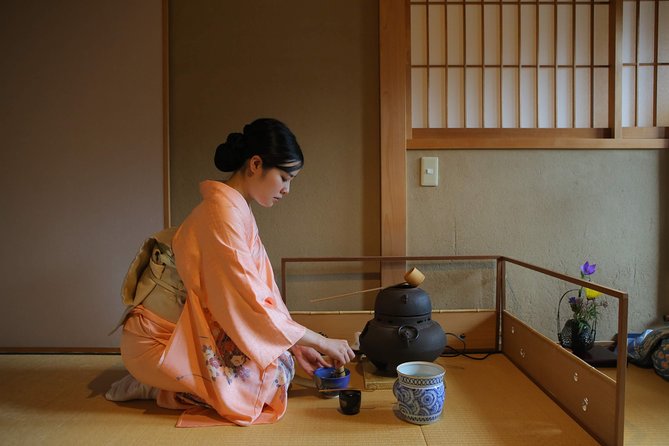
The goal here is to experience tea ceremony as a centuries-old ritual, not a souvenir show. At the start, your host gives a short introduction to matcha and the cultural background. Then your instructor explains how the ceremony works, including the steps, the utensils, and why the room’s decoration and layout matter.
I like that they do not treat it like a script. They encourage questions and conversation, which keeps it from feeling stiff. In fact, the experience is designed to feel educational and friendly at the same time, and the teaching team speaks English fluently.
They also mention that the instructors come from one of Kyoto’s three main tea ceremony schools. You do not need to memorize school names, but it signals something practical: you are learning a structured approach, with real technique and etiquette, not just a casual how-to.
Utensils, Steps, and Whisking Your Own Frothy Matcha
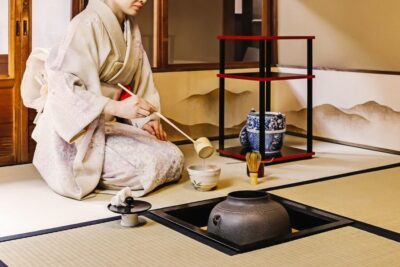
Here is the heart of it: you get the tools and the coaching to make matcha yourself. You will be provided with tea bowls, tea scoops, and tea whisks. That means you are not trying to improvise with random gear from home, and you are learning how the ritual is meant to be done.
Your session typically follows a simple flow. First, you watch the instructor’s demonstration. Then you try the movements and timing yourself, with guidance along the way. You are also given a chance to ask questions during the experience, which helps when something feels awkward, like grip, wrist motion, or how much powder to use.
You should expect a big focus on precision. Several past participants highlight how exact the process feels. That makes sense, because matcha is not forgiving. If you whisk too fast, too slow, or with the wrong approach, you will notice it in texture and froth. The good news is that you get practice during your own session.
You will also learn what each utensil does in real terms:
- The tea bowl is not just a cup, it is part of how you hold and serve the tea.
- The tea scoop helps you measure consistently.
- The whisk is where the texture magic happens, especially getting that frothy finish.
The experience ends with you making your own bowl of frothy matcha. That is the moment that turns a story you heard into a skill you can actually repeat.
The Seasonal Sweet, Room Meaning, and Etiquette Details You Might Remember
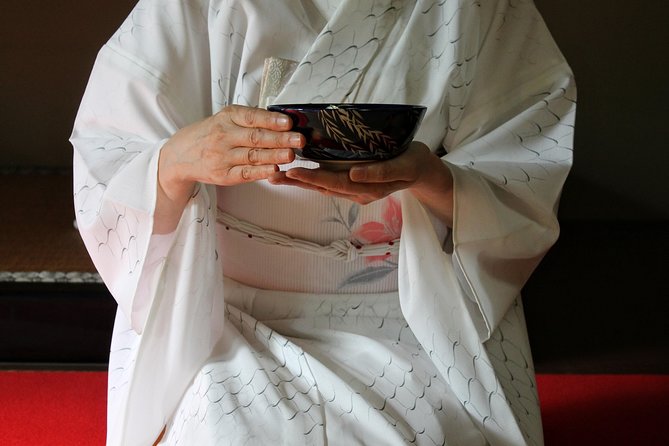
Most people come for matcha, but the ceremony works because it layers in meaning. Before you make tea yourself, your instructor talks about the importance of the rooms decoration and layout. That might sound abstract, but you will feel it once you are sitting in that quiet space. Tea ceremony is designed to slow you down and bring attention to small actions.
You will also get a seasonal sweet with your tea. It is included, and it helps balance the bitterness of matcha with something subtle and Kyoto-seasonal. Even if you do not love sweets, treat this as part of the pacing of the ritual, not an afterthought.
One other element you may hear about is purification and respect. Some participants found the explanations about calming and respect for the guest especially memorable. Even when you are not 100% sure what every concept means, you will notice how the instructor frames each step, and that shapes the experience.
And yes, you can photograph and take short videos. Just remember this is still a ceremony. Use your camera to capture details, but keep most of your attention on what you are doing with your hands.
Same corner of Japan, a different kind of day:
- PERFECT KYOTO 1-Day Bus Tour
★ 5.0 · 13,518 reviews - Kyoto: Fushimi Inari, Kinkakuji, Bamboo Grove 1 Day Bus Tour
★ 4.8 · 4,316 reviews - Kyoto Geisha Walking Tour: Gion District & Hidden Gems
★ 4.7 · 3,273 reviews - Kyoto: Gion Magical Night Walking Tour with Geisha Trivia
★ 4.9 · 2,393 reviews
Seating Choices, Group Size, and How Long You Really Need
The session runs about 45 minutes. That is a realistic length for a group activity. You get enough time to learn the basics, ask questions, and make tea yourself, without feeling like you are trapped in a long workshop.
Group size is capped at 8 travelers. That is a sweet spot for learning. If you are one of a dozen-plus people, you usually end up watching more than practicing. Here, the small size helps you get corrections and encouragement when you need them.
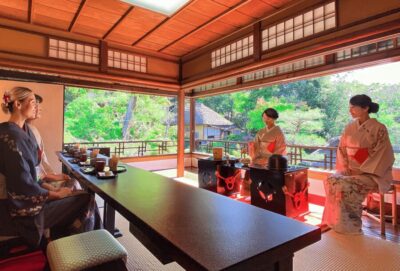
Seating is another practical factor. Guests usually sit on the floor, but chairs and tables are available if you prefer. If you have any mobility concerns or simply want a more comfortable height for learning, choose the seating option when you arrive. It can make a big difference in how relaxed you feel while learning whisking technique.
Age limits matter too. This is for all ages, but children under 6 cannot join the experience. Service animals are allowed, and the location is near public transportation, so you can plan it without extra hassle.
Price and Value for a 45-Minute Hands-On Matcha Experience
The price is $36.48 per person. For Kyoto, that is in line with a guided cultural activity, but the value comes from what is included. You get the ceremony instruction in English, you get all the utensils provided (bowls, scoops, whisks), you taste matcha with a seasonal sweet, and you make your own frothy bowl to take with you as a memory and a skill.
What makes it feel like good value is the practice time. You are not just learning about matcha, you are learning how to whisk it. That is the difference between paying for a talk and paying for a real activity where your hands get involved.
Also consider the group size. Max 8 travelers means the instructor can actually watch what you do. That is harder to achieve when a class is large, and it is exactly the kind of thing you feel during the session.
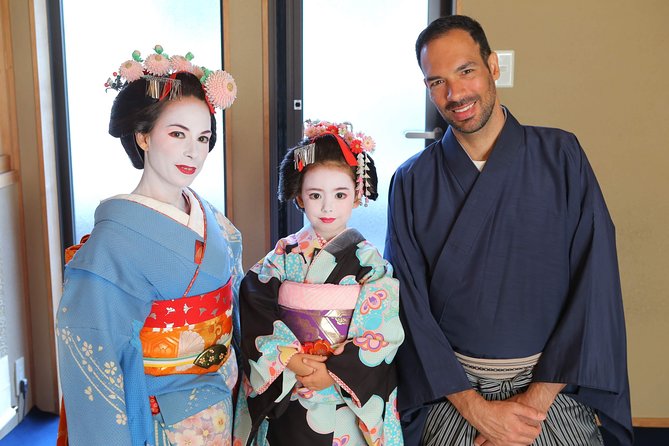
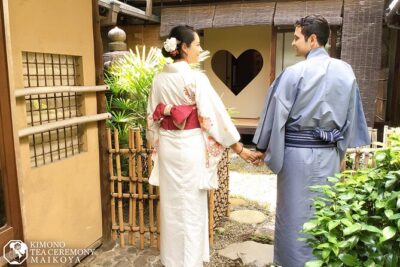
If you want extra visual authenticity, there is a kimono rental option available for an additional charge. You can request it by message. Some people strongly recommend adding it because it makes the whole ritual feel more complete.
Who This Kyoto Tea Ceremony Suits Best
This experience is a strong fit if you want a meaningful stop that is not another temple photo line. Tea ceremony is quiet, structured, and hands-on, so it works well when you want a break from the fast pace of sightseeing.
You will also enjoy it if you like learning craft basics. Matcha whisking has a learning curve, and the ceremony format helps you understand why the technique exists. If you care about etiquette and symbolism, your instructor will explain steps, utensils, and why the room setup matters.
It is also good for first-time Japan visitors. The host welcomes questions, and you get to ask about culture in a comfortable setting. For families, this can be great for children old enough to participate, but remember the under-6 age rule.
If you are the type who hates sitting still, or you need constant motion, this one might feel a bit slow. It is designed to be calm, and that is the point.
Should You Book Camellia Flower Teahouse in Kyoto?
Yes, you should book this if you want an efficient, hands-on cultural experience with small group attention and a clear matcha outcome. The session is short enough to fit your day, but structured enough that you actually leave knowing how to whisk matcha properly.
I would book it even if you already know you like matcha, because the technique and ritual details are the real payoff. If you are curious about Japanese tea culture, this gives you a practical foundation, not just a story.
Just go in with realistic expectations about the setting and accessibility. It is not wheelchair accessible, and while chairs and tables are available, some people may still find the room setup more modest than they imagined. If that sort of detail matters to you, pick the seating option that makes you comfortable.
FAQ
How long is the Kyoto tea ceremony at Camellia Flower?
Plan around 45 minutes for the ceremony.
What is the group size limit?
The experience has a maximum of 8 travelers.
Is kimono rental included?
No. Kimono rental is not included, but you can request it by message for an additional charge.
Is this tea ceremony wheelchair accessible?
No. The experience is not wheelchair accessible.
Can I take photos or short videos?
Yes. Photos and short videos are permitted.
Are children allowed?
This is for all ages, but children under 6 years old cannot join the experience.
What happens if the weather is bad or I need to cancel?
The experience requires good weather. If it is canceled due to poor weather, you will be offered a different date or a full refund. You can cancel for free up to 24 hours in advance for a full refund.
Fresh options around Kyoto
- Kyoto: Quiet and Graceful Tea Ceremony★ 4.5 · 19 reviews
- Oboro | Mindful Tea Ceremony in a 100-Year-Old Kyoto Teahouse★ 5.0 · 19 reviews
- Ikebana Traditional Japanese Art of Flower Arranging★ 4.5 · 19 reviews
- Kyoto Satoyama Cycling with Lunch and English Guide★ 5.0 · 19 reviews
- Kyoto International Party Solo Friendly Expats and Locals★ 5.0 · 19 reviews
- Tea Ceremony Experience in Traditional Kyoto Townhouse★ 5.0 · 19 reviews
- Kyoto: Amanohashidate Ine Funaya Tour★ 4.4 · 19 reviews
- Kyoto Private Food Tours with a Local Foodie: 100% Personalized★ 4.5 · 19 reviews
Tea Ceremonies in Kyoto, compared.
Tea Ceremony in a Traditional Tea House in Kiyomizu
Read our review →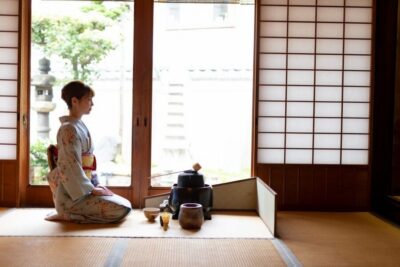
Arashiyama Bamboo Forest, Monkeys, Matcha & Temple Tour
Read our review →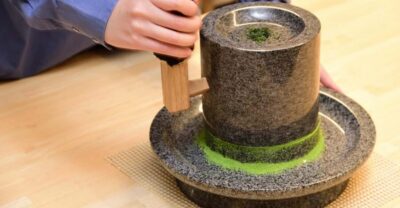
Tea Museum Tickets and Matcha Grinding Experience
Read our review →
Browse the lists this tour appears in