
Reviewed · DESSERT TOURS
Tokyo: Tea Ceremony & Japanese Traditional Sweets
Matcha teaches Tokyo in one hour. This hands-on tea ceremony gives you the basics plus the graceful otemae flow, then lets you whisk your own bowl and taste what you made.
I especially like two parts: learning how matcha is prepared in front of you, and making nerikiri Japanese sweets that reflect the seasons. One thing to keep in mind, though: at just 1 hour, it is more of a focused introduction than a long, repeatable practice session.
Key Things I’d Prioritize Before You Go
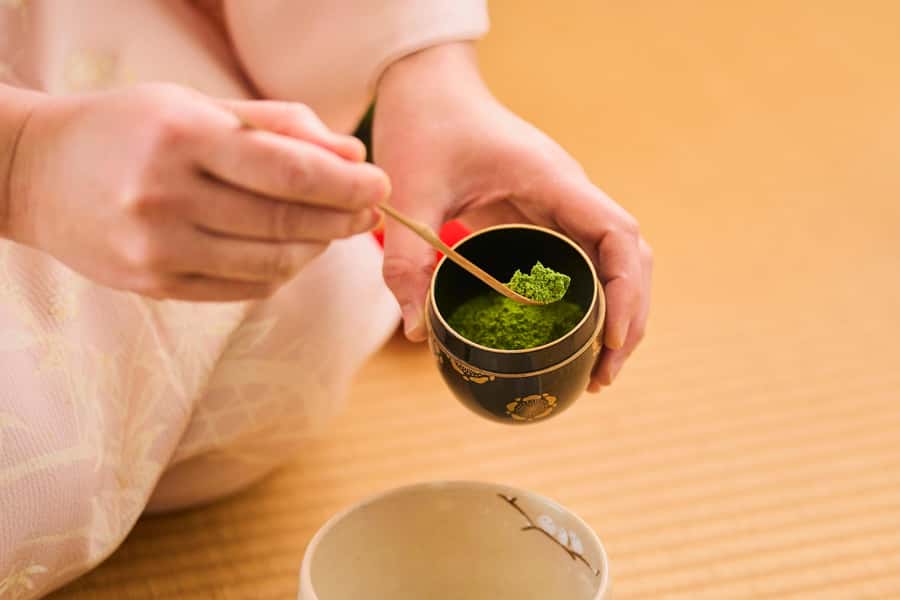
- Brew your own matcha and taste it while it is fresh and warm
- Watch the otemae demonstration before you start making your own
- Make seasonal nerikiri yourself, with shapes and motifs tied to the time of year
- Learn from a tea master with 10+ years of experience
- Stay in a small group of 10, so you can ask questions in English
A Calm 1-Hour Matcha Lesson With Otemae and Nerikiri
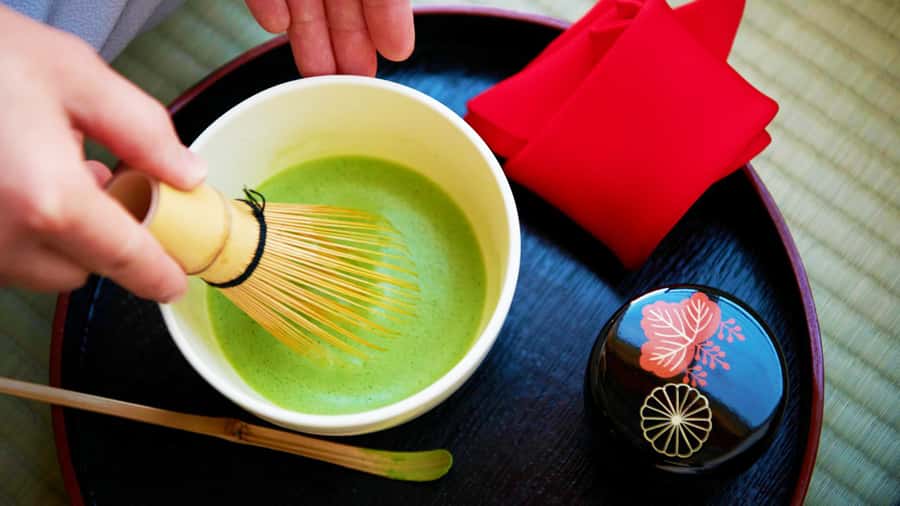
If you want a Tokyo activity that slows your brain down, this is a strong choice. You get a traditional tea ceremony structure, not just a quick tasting. The order matters here: you start by observing the ceremony style and then you move into making and tasting.
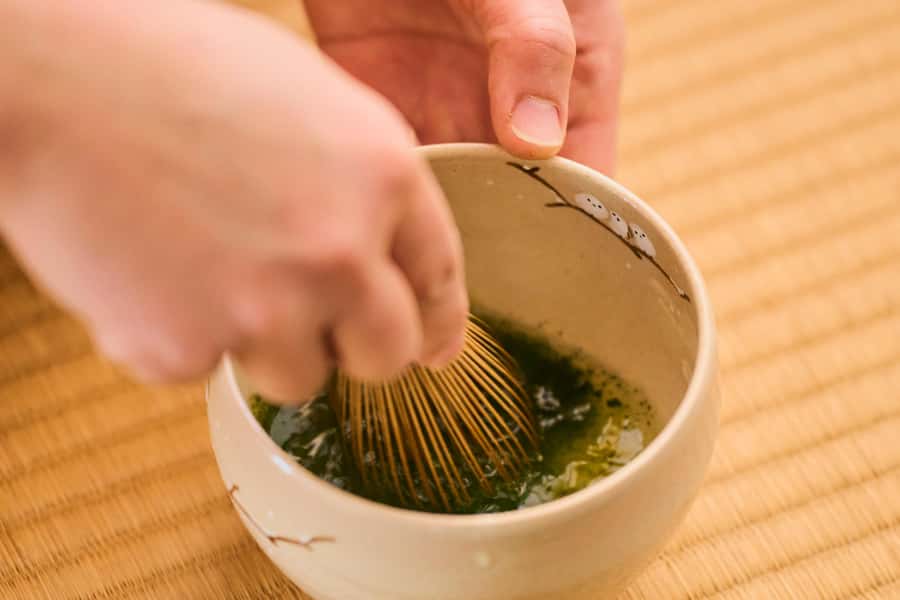
The flow typically goes like this. First, you learn how matcha is prepared by a tea master. Then you watch the otemae demonstration, the graceful sequence of how tea service is done. After that, you switch roles and prepare your own matcha to whisk and taste.
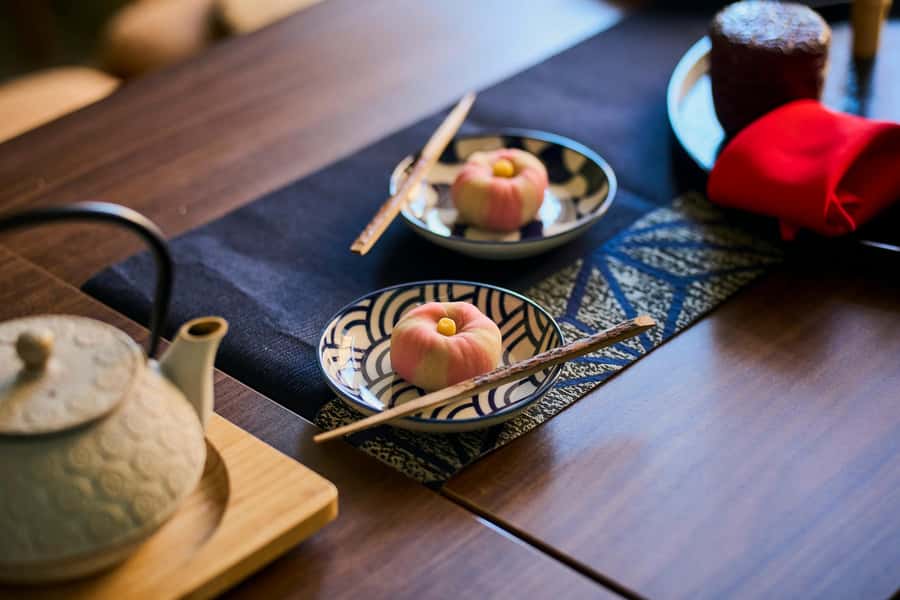
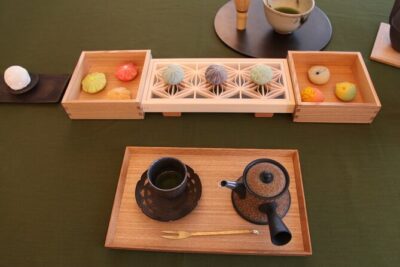
Then the sweet portion takes over. You get the chance to make nerikiri, a traditional Japanese confection designed around the seasons. In the workshop, the sweets are described as having vivid colors and delicate shapes, using seasonal motifs like flowers and seasonal themes. That is not just decoration. It is part of the idea that food in Japan often signals time, mood, and place.
This is also guided in English by an expert host, which is a big deal in a city where you might otherwise feel stuck. The explanations are there to help you understand what you are doing and why, so the whole hour feels like a lesson, not a performance you watch from the sidelines.
More Tea Ceremonies in Tokyo
- Matcha Making Class in Tokyo with Authentic Japanese Sweets Set
★ 5.0 · 744 reviews - Tokyo: Traditional Tea Ceremony with a Tea Master
★ 5.0 · 528 reviews - Tokyo: Matcha Making Experience with Mochi Sweets in Asakusa
★ 4.9 · 388 reviews
Meeting Point Near Hakusan Station: What to Expect on Arrival
You will meet about a 5-minute walk from Toei Mita Line Hakusan Station. The address is 2nd Floor, Phil Park Hakusan Hills, 1-26-17 Hakusan, Bunkyo-ku, Tokyo, and you are directed to come to the 2nd floor as shown on Google Maps.
Plan for the arrival to feel slightly more specific than typical street-level meeting points. In Tokyo, “2nd floor” can mean you are looking at a building with stairs or an elevator and a suite or office up top. Give yourself a few extra minutes so you can spot the right entrance without stress.
What I like about meeting near Hakusan Station is that it keeps you away from the busiest tourist knots. You still get to experience a very traditional practice, but the setting is practical and easy to reach. That matters when you are stacking multiple activities in a short stay.
As for what to bring, the practical answer is simple: wear comfortable clothes. You will be moving through a seated workshop format and making sweets, so dress for doing, not dressing up.
English Guidance Meets Otemae: How the Tea Master Teaches
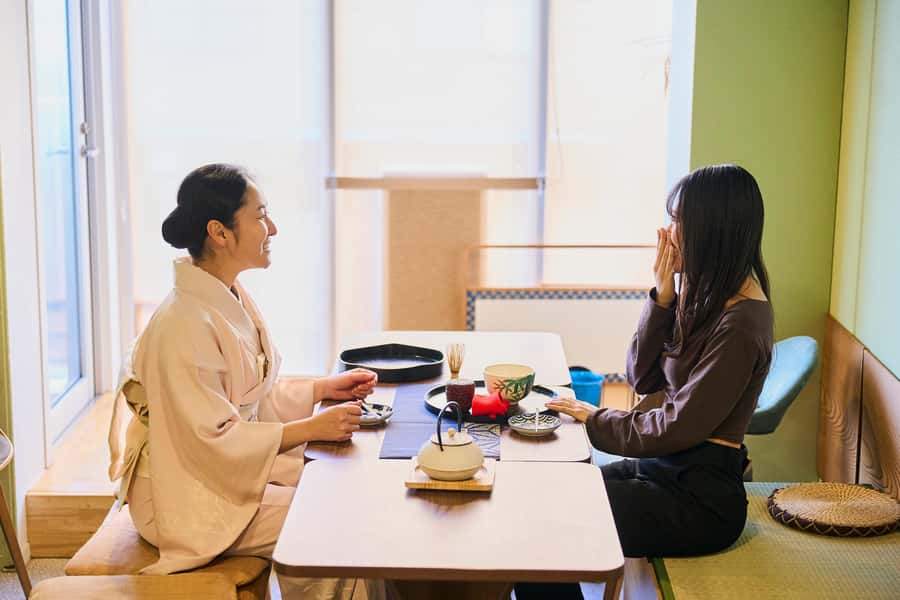
The heart of this experience is learning from a licensed tea master with 10+ years of experience, supported by an English-speaking host. Even if you have never done anything like this before, the English explanations are part of how you follow the ceremony rhythm.
Here is what makes this setup work for first-timers. You watch the otemae demonstration, and the host helps you connect the visual steps to the overall meaning. Then, when you start making matcha yourself, you are not guessing. You know what you are aiming for and what to notice.
A calm tone is also part of the value. One common reaction people have to this kind of class is that it feels like a break from the nonstop pace of Tokyo. You get a quiet, controlled environment where questions are welcome, and you are not sprinting between stops.
Also, note the language rule: the tour is conducted in English only. There is no Japanese language support included. If you are comfortable learning technical details in English, you will be right at home. If not, you might still enjoy the visuals, but you will lose some of the meaning that makes the ceremony special.
Brew Your Own Matcha: What You Actually Learn and Taste
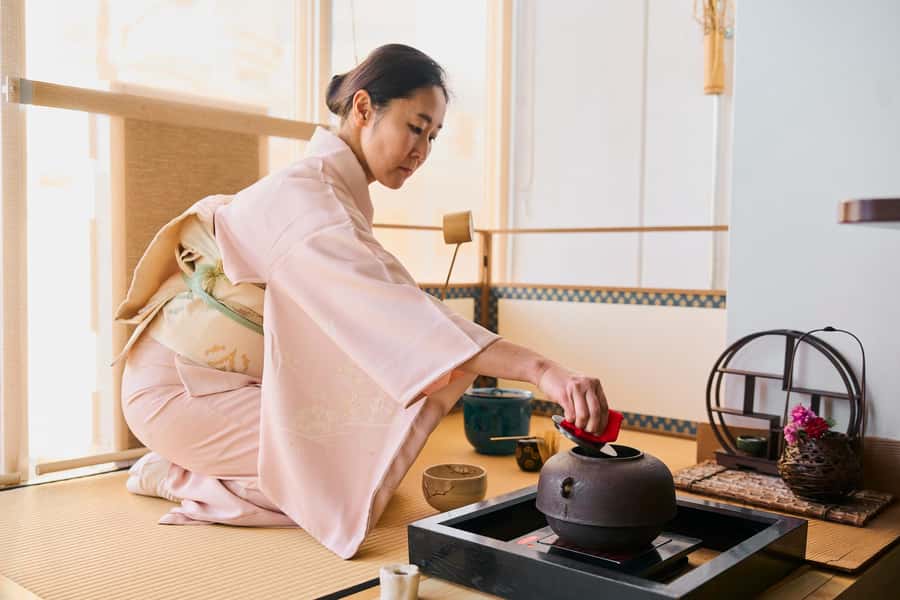
Matcha is not just a drink here. It is the lesson. After the otemae demonstration, you prepare your own bowl and then whisk and taste it. That hands-on part is where you start noticing differences that you would never catch in a casual café visit.
You learn the preparation process from the tea master and then apply it yourself. The goal is to taste your matcha and understand it as something intentional, not just something sweetened or flavored. The workshop description specifically frames matcha as having a rich flavor, and tasting your own bowl helps you connect the result to the steps you just did.
Why this matters for your Tokyo trip: it gives you a reference point. After this, when you order matcha elsewhere, you can tell the difference between plain preparation and a more generic version. You also become more confident asking questions, like what kind of matcha is used and how it is made.
One practical tip: because you are making and tasting within a short 1-hour slot, show up on time and pay attention during the demonstration. The more you follow along early, the more satisfying your own bowl will be at the end.
Same corner of Japan, a different kind of day:
- Mt Fuji and Hakone 1-Day Bus Tour Return by Bullet Train
★ 5.0 · 26,383 reviews - 1-Day Tokyo Bus Tour
★ 5.0 · 14,250 reviews - Tokyo: TOKYO SKYTREE® Admission ticket
★ 4.5 · 11,192 reviews - Tokyo: teamLab Planets TOKYO Digital Art Museum Entry Ticket
★ 4.6 · 9,779 reviews
Make Seasonal Nerikiri: A Dessert Workshop With Meaning
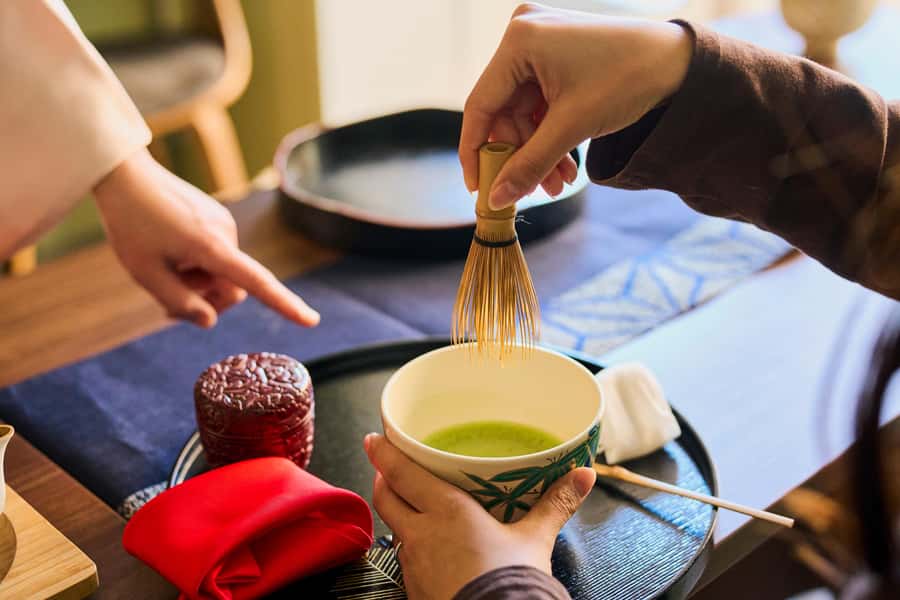
Nerikiri is the sweet you get to craft yourself, and it is a surprisingly clever part of this class. The workshop is designed so you make something that reflects the season, using motifs like flowers and seasonal themes.
That seasonal angle is useful because it changes the feeling of the workshop each time. Even if you already love Japanese sweets, making nerikiri gives you a new kind of appreciation: you see that confectionery can be detailed and symbolic, not just tasty.
The nerikiri-making part is also a good counterbalance to the matcha. Tea ceremonies have a certain calm seriousness. Nerikiri brings in a more playful, shaping-focused activity. You get to work with delicate forms and vibrant colors, and the instructions guide you toward a finished sweet that matches the season’s theme.
And then, paired with your freshly prepared matcha, the taste experience makes sense. You are not separating tea and sweets. You are experiencing the harmony the ceremony is aiming for, tea matched with confection.
If you are a fan of food crafting, you will likely enjoy the sensory shift from whisking tea to shaping sweets. If you are not, it still works because the workshop structure holds your hand through it.
Price and Time Value in Tokyo: Is $27 Worth It?
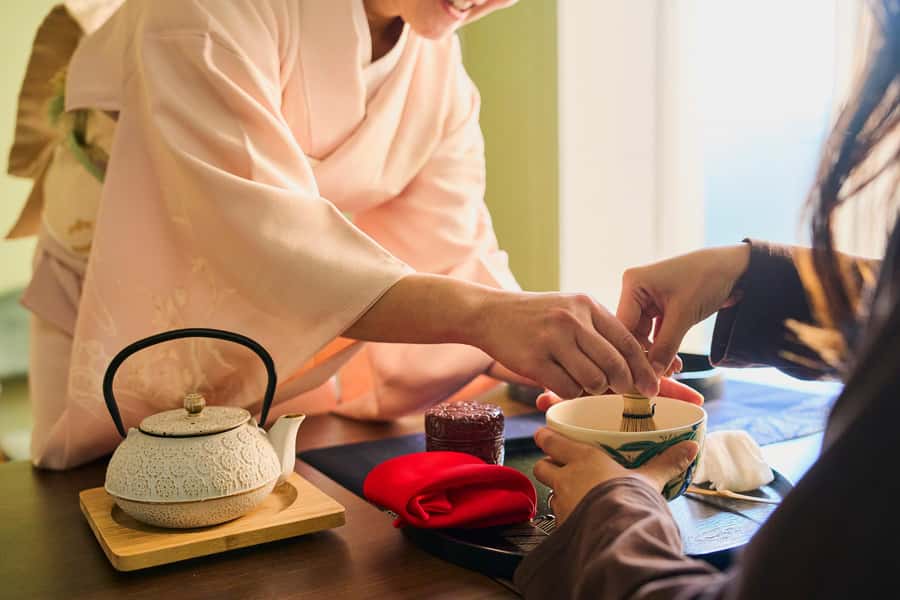
At $27 per person for a 1-hour experience, the value depends on what you want from your time in Tokyo. If you are looking for a quick souvenir activity, this might feel like it is too short. But if you want a guided, traditional practice where you actively participate, it is a solid deal for the specificity you get.
Two things justify the price. First, you have a tea master with 10+ years of experience teaching you how matcha is prepared and demonstrating otemae. Second, you also make nerikiri yourself, not just eat it. That is a real materials and instruction component.
The small group size helps too. With a cap of 10 participants, you are not likely to be stuck watching from across the room. It is easier to follow instructions and ask questions in English. That interaction is part of the reason the experience lands as calm and approachable rather than intimidating.
The one tradeoff is duration. One hour is enough for a meaningful introduction, but it is not enough to become repeat-perfect at nerikiri shaping or matcha preparation. If your goal is serious skill-building, you may want to look at longer workshops. If your goal is understanding and trying, this fits well.
Who This Tea Ceremony Workshop Fits Best
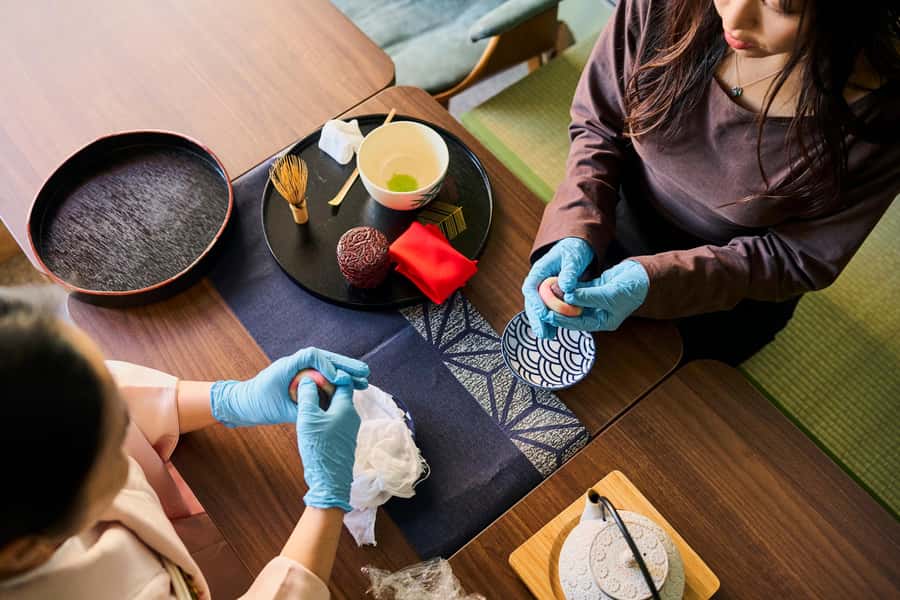
This is a great match if you want a traditional Tokyo activity that feels quiet, structured, and hands-on. It also works well if you want something different from the usual rush of temples, shopping, and photo stops.
You will likely enjoy it if:
- you are traveling in a small group or as a solo traveler who likes guided experiences
- you want an English-friendly way to learn cultural food traditions
- you enjoy interactive classes where you leave with a bowl of matcha and a sweet you made
It is also wheelchair accessible, which is reassuring if you need that detail planned ahead.
Should You Book This Tokyo Tea Ceremony Workshop?
I think you should book this if you want a calm break from Tokyo intensity, and you care about doing the activity rather than just watching it. The combination of matcha preparation, otemae demonstration, and hands-on nerikiri gives you a full sensory loop: learn, make, taste, and shape.
If you hate structured activities or you only want the cheapest possible option, this might not be for you. It is also best for English speakers since it is English only, with no Japanese language support included.
My practical advice: treat this as your “reset” activity. Put it somewhere in your day when you want to slow down, not right after a chaotic schedule. Then walk in comfortable and ready to focus for an hour. You will get more out of it that way.
FAQ
How long is the Tokyo tea ceremony experience?
It lasts 1 hour.
What is the price per person?
The price is $27 per person.
Is the experience offered in English?
Yes. The tour is conducted in English only.
Where is the meeting point?
It is about a 5-minute walk from Toei Mita Line Hakusan Station. You meet on the 2nd floor at Phil Park Hakusan Hills, 1-26-17 Hakusan, Bunkyo-ku, Tokyo (2nd Floor, Phil Park Hakusan Hills).
What will I learn to do during the ceremony?
You will learn how to prepare matcha with a tea master, watch the otemae demonstration, and then prepare your own matcha to whisk and taste.
What traditional Japanese sweets will I make?
You will have the chance to make nerikiri, a seasonal Japanese confection, and you will craft it yourself during the session.
How big is the group?
The group is small, limited to 10 participants.
Is the tour wheelchair accessible?
Yes, it is wheelchair accessible.
What should I wear or bring?
Wear comfortable clothes.
What is the cancellation policy?
You can cancel up to 24 hours in advance for a full refund.
Fresh options around Tokyo
- Tokyo: Nagano Snow Monkeys and Zenkoji Tour with Temples★ 4.9 · 19 reviews
- Yokohama Port: Private Customizable Tour with Transfer★ 5.0 · 19 reviews
- Explore Unique Tokyo Streets / Learn with a Pro Photographer★ 5.0 · 19 reviews
- Sushi Making with Interactive Samurai Experience at JIN-ASAKUSA★ 5.0 · 19 reviews
- DAIKOKU excursion by car DRIFT automobile encounter★ 4.5 · 19 reviews
- Official Street Go Kart Tour Akihabara 2nd★ 5.0 · 19 reviews
- Cosplay Experience with Professional Makeup and Photo Shoot!★ 5.0 · 19 reviews
- Japanese Traditional Sweets making★ 4.1 · 19 reviews
Dessert Tours, compared.

Matcha Making Class in Tokyo with Authentic Japanese Sweets Set
Read our review →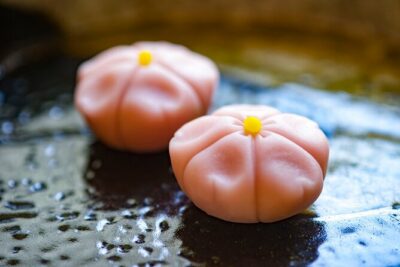
Matcha Making Class in Osaka with Authentic Japanese Sweets Set
Read our review →
Matcha Making Experience with Mochi Sweets in Asakusa
Read our review →
Japanese Traditional Sweets Making and Tea Ceremony
Read our review →
Make Traditional Nerikiri Sweets & Matcha experience in Shibuya
Read our review →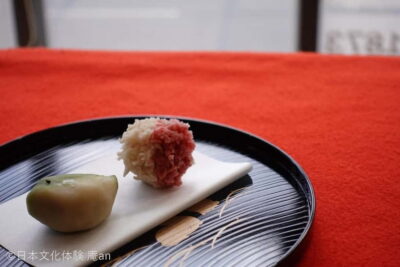
Japanese Traditional Sweets Making and Tea Ceremony
Read our review →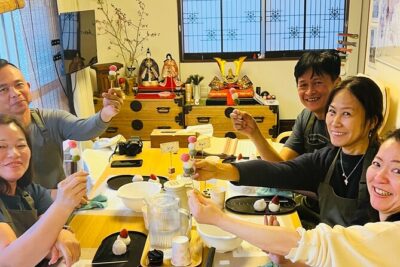
Private Mochi Sweets Making class near Shibuya area
Read our review →Browse the lists this tour appears in