Reviewed · COOKING CLASSES
Tokyo: Sushi and Ramen Cooking Class with Sake Pairing Set
Ramen and nigiri, taught in one afternoon. In Tokyo’s Tsukishima area, you’ll make both dishes from scratch, with ramen starting from the pot and nigiri finishing with your own hands and a guided sake pairing.
I especially like how practical the class feels. You get real, step-by-step coaching (including help from instructors such as Sato, Haruko, Risa, Alex, Alisa, Misa, and Luna), and the small size keeps attention on your technique, not just the group vibe. I also like that you’re not only cooking, you’re learning the why, from sushi origins to how ramen’s building blocks create its flavor.
One drawback to plan around: this class is not suitable for vegans or vegetarians, because chashu pork and sushi ingredients are part of the menu.
Key moments you should care about
- Small-group setup (up to 8) means less waiting and more hands-on guidance
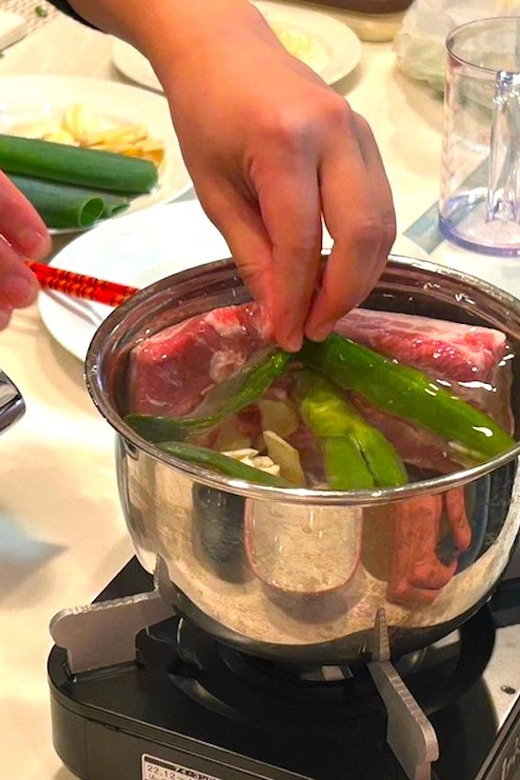
- Ramen broth + chashu training from scratch, with practical technique focus
- Nigiri sushi by hand plus context on sushi origins so it makes sense
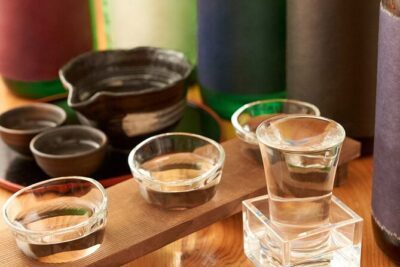
- Three premium sake tastings led by a certified sake sommelier
- Recipe booklet and chopsticks to take home so the skills stick after Tokyo
- Tsukishima meeting point near Tsukishima Station keeps travel stress low
Tsukishima First-Timers: why this area works for a food class
If this is your first time in Tokyo, I like the Tsukishima setup for one simple reason: it’s not as intimidating as the busiest central zones. You’re still close enough to famous sights to feel like you’re in the Tokyo loop, but the vibe around the class feels more neighborhood and workable.
That matters because cooking classes are not really about touring. They’re about staying focused for three hours. When you’re not fighting complicated transfers or sprinting from one landmark to another, you can actually pay attention to rice temperature, broth seasoning, and the order of steps.
More Cooking Classes in Tokyo
- Ramen & Gyoza Cooking Class in Tokyo with Local Supermarket Visit
★ 5.0 · 823 reviews - Tokyo: Easy Ramen Cooking Experience in Kabukicho, Shinjuku
★ 4.6 · 321 reviews - Ramen and Sushi Cooking Class with Sake Pairing Set in Tokyo
★ 5.0 · 291 reviews
Finding HAUS Tsukishima: the fastest way to arrive without stress
You’ll meet at 2nd Floor, HAUS Tsukishima, 2-13-5 Tsukuda, Chuo-ku, Tokyo 104-0051. The easiest route is a short walk from Tsukishima Station (Exit 4), about five minutes on foot.
If you’re taking a taxi, the Japanese address you can show is:
東京都中央区佃2-13-5 HAUS Tsukishima 2階
Two small practical tips that will make your start smoother:
- Arrive about five minutes early. This is hands-on cooking, so being prompt helps the whole flow.
- Wear comfy clothes you don’t mind getting a bit dirty. You’ll be working with ingredients where splashes happen. This is normal.
Also note: hotel pickup and drop-off are not included, so plan to get yourself to the meeting point.
Ramen from scratch: broth and chashu, where the real technique lives
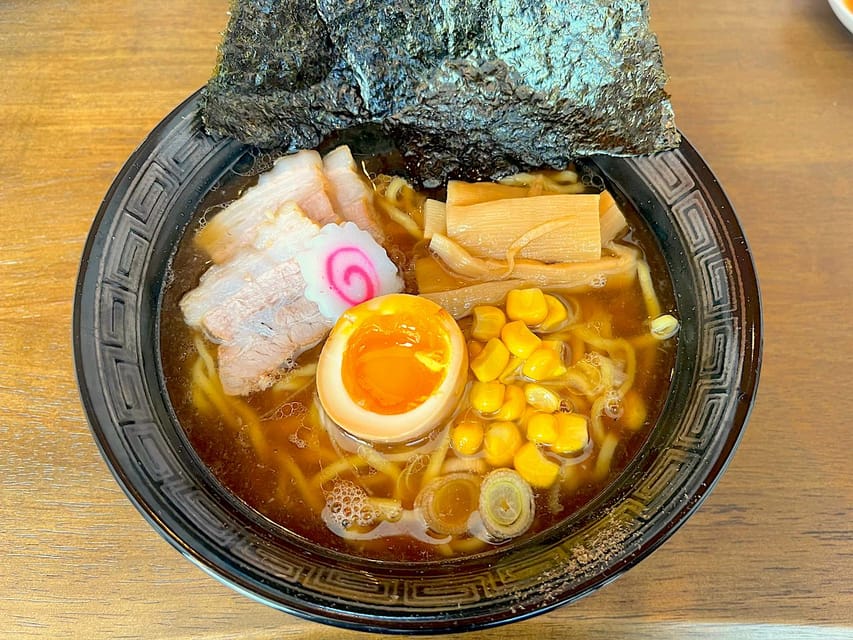
The ramen portion is the part that turns sushi-and-ramen fans into people who actually understand the dish. You’re not just assembling. You learn how to build flavor.
Here’s what the class is designed to teach:
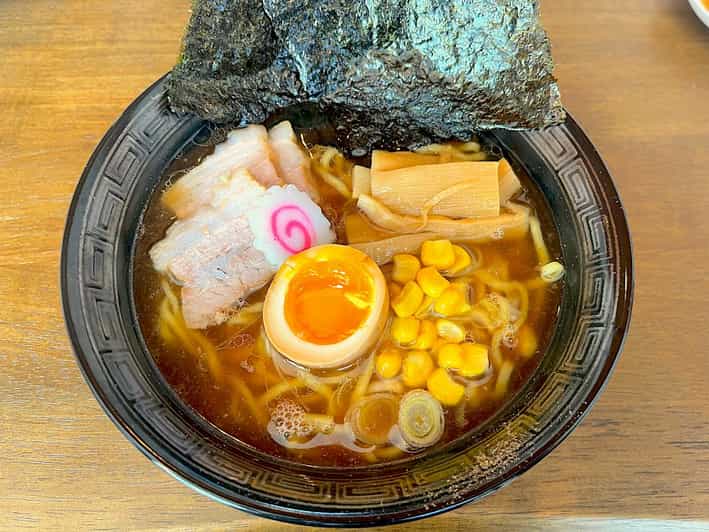
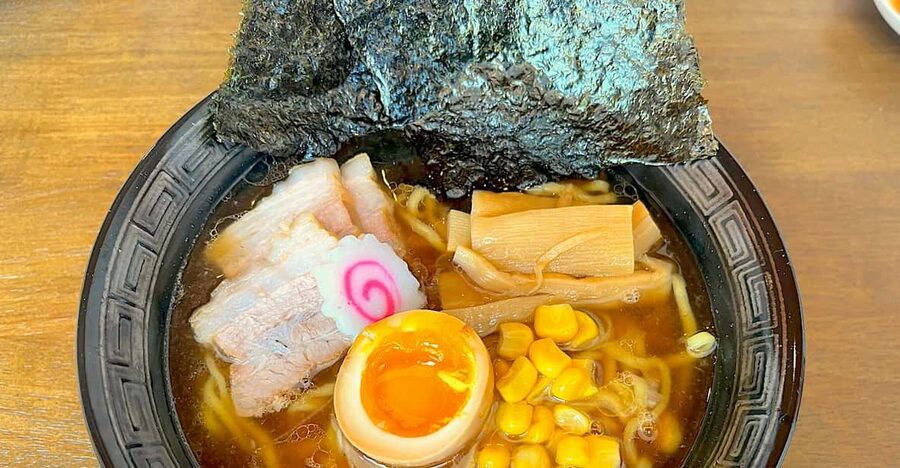
- Ramen soup from scratch, including how to get a rich broth
- Chashu, the melt-in-your-mouth pork belly component
- Ingredient guidance and practical tips so you can replicate results later
Even if you’ve eaten excellent ramen in Tokyo, broth is where most home cooks get stuck. The class approach is helpful because it breaks down what matters, not just what to do. When you learn the broth foundations and how chashu fits into that whole bowl, ramen stops being a mystery dish.
A benefit I really like here is timing. The class is scheduled as a full three-hour block, so you don’t feel like you’re rushing between tasks. You get enough active time to contribute, then you get to sit down and enjoy what you made.
Nigiri sushi hands-on: rice, shaping, and the origin story that makes it click

After ramen, the class shifts into sushi. This is where you’ll see why “sushi” is more than one flavor profile. It’s texture, temperature, and technique.
You’ll focus on:
- Nigiri sushi preparation, using provided ingredients and tools
- Hand-forming nigiri correctly, with attention to how it should look and feel
- A lesson on the origins of sushi, so the steps make cultural sense
Nigiri sounds simple until you do it. The rice has to be handled a certain way, and the shaping has to be deliberate. That’s why the small group matters. With up to eight participants, instructors can correct small details before they become habits.
If you’re a beginner, this is a friendly advantage. If you’re not new to cooking, you still benefit because you’re learning the specific movement and finish people associate with nigiri.
More Food Tours in Tokyo
- Tokyo: Shinjuku Food Tour (13 Dishes at 4 Local Eateries)
★ 5.0 · 6,603 reviews - Tokyo Tsukiji Fish Market Food and Culture Walking Tour
★ 5.0 · 3,184 reviews - Tokyo: Shinjuku Food Tour (15 Dishes and 4 Eateries)
★ 4.9 · 2,033 reviews - Best of Shinjuku: Izakaya Food Tour (4 Stops, 14+ Tastings)
★ 5.0 · 1,863 reviews
Three premium sakes: pairing without the snobbery
This class includes a curated sake tasting with three premium Japanese sakes, selected by a certified sake sommelier. The goal isn’t to turn you into a sake expert. It’s to help you taste with a purpose.
A useful way to think about this pairing is balance:
- Ramen is warm, savory, and often deep with fat and umami.
- Nigiri brings clean seafood flavors and rice sweetness.
- Sake can bridge those worlds by matching aroma and acidity to what’s on your tongue.
You’ll get guided tasting during the experience, which makes it easier to connect flavors instead of guessing. And based on the experience style reported by many participants, the atmosphere stays relaxed. You’re learning, not performing.
What you actually eat and how the class wraps up
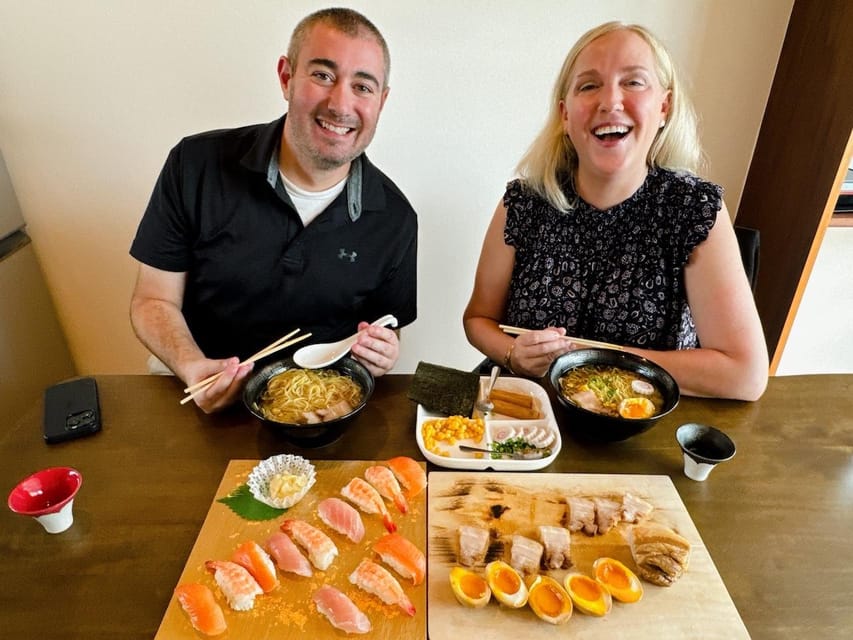
At the end, the meal is the payoff. You’ll get to enjoy the ramen and nigiri you prepared, which is far more satisfying than cooking “for later.”
This class also builds in elements that make it feel like a real exchange, not a workshop you rush through:
- English-speaking support throughout
- Ingredient tips you can use when shopping overseas
- Cultural context around ramen and sushi, not just recipe steps
One detail I appreciate: the class materials help you keep the skills. You’ll receive a comprehensive recipe booklet designed for recreating ramen, gyoza, and sushi at home. That’s extra value because it extends beyond what you cooked in the room.
And as a keepsake, you get souvenir chopsticks, so you’re not leaving with memories only. You’re leaving with tools and instructions.
Price and value at $129 per person
Let’s talk money in a grounded way. At $129 per person for three hours, the price is covering more than “someone shows you how to cook.”
Here’s what you’re getting that affects value:
- Hands-on ramen and sushi instruction, in a small group
- All necessary ingredients provided
- A full sake tasting component with a certified sake sommelier
- A take-home recipe booklet with detailed instructions
- A physical souvenir (chopsticks)
Cooking classes can feel pricey when they’re mostly watching. This one is built around participation, with enough time to do both ramen and nigiri rather than treating one dish like a token add-on.
The best way to judge the value for you is to ask one question: Do you want to learn technique you can repeat at home? If yes, this format makes the price easier to swallow.
Who this Tokyo sushi and ramen class is best for
This class is designed for people who want a fun, welcoming way to connect with Japanese food culture without needing advanced cooking skills.
You’ll likely enjoy it if you:
- Want beginner-friendly instruction with step-by-step help
- Like small-group experiences where you get correction and encouragement
- Are excited about both ramen and sushi, not just one
- Want cultural context along with cooking (sushi origins, ramen foundations, ingredient tips)
It may not be the right fit if you:
- Are vegan or vegetarian, since the class is not set up for that (chashu pork and sushi ingredients are part of the learning)
- Prefer purely theoretical instruction. This is active cooking, and you’ll get hands-on.
Family-wise, the class can work well because it’s structured, guided, and interactive. But always remember it’s still three hours of cooking tasks, so energy level matters.
Should you book this Tokyo sushi and ramen class?
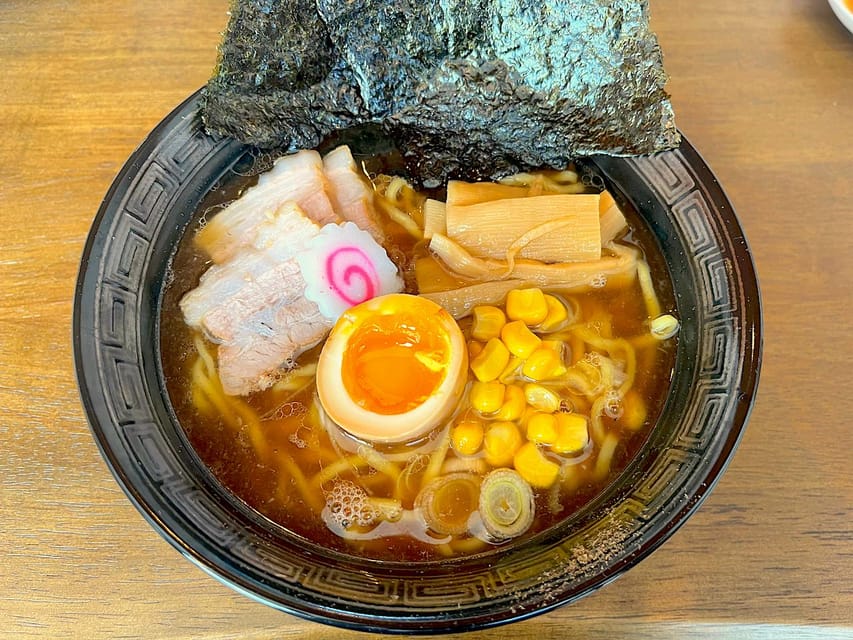
I’d book it if you want a single afternoon that teaches two core Tokyo foods, ramen and nigiri, in a way you can actually repeat later. The small group size helps a lot, and the combination of hands-on coaching plus sake tasting plus take-home recipes makes it feel complete.
The main reason not to book is simple: it’s not for vegans or vegetarians. If that fits you, and you’re happy to get a little messy and walk to the meeting point in Tsukishima, this is the kind of Tokyo activity that gives you both dinner and skills.
FAQ
How long is the Tokyo sushi and ramen cooking class?
The class lasts 3 hours.
What is the group size?
It is a small group, limited to about 8 participants.
Is the instruction available in English?
Yes, the instructor provides instruction in English.
What dishes will I learn to make?
You’ll learn how to make ramen (including ramen soup and chashu) and how to prepare nigiri sushi.
Is sake tasting included?
Yes. The experience includes tasting three premium Japanese sakes.
Where is the meeting point?
You meet at 2nd Floor, HAUS Tsukishima, 2-13-5 Tsukuda, Chuo-ku, Tokyo 104-0051, about a 5-minute walk from Exit 4 of Tsukishima Station.
Is hotel pickup included, and is the class suitable for vegetarians or vegans?
Hotel pickup and drop-off are not included. The class is not suitable for vegans or vegetarians.
More Sake Tastings in Tokyo
- Sake Tasting Masterclass in Shinjuku (8+ Varieties with a Pro)
★ 5.0 · 271 reviews - Sake Omakase in Tokyo: Guided Tasting by Certified Sommeliers
★ 5.0 · 239 reviews - Tasting All Types of Sake with Sommelier
★ 5.0 · 151 reviews - Wagyu & Sake Pairing in Shinjuku – Steak, Shabu-Shabu & More
★ 5.0 · 112 reviews
More Ramen Tours in Tokyo
- Eat and Drink Like a Local: Tokyo Ueno Food Tour-Taverns&Ramen
★ 5.0 · 957 reviews - Tokyo: Ramen Tasting Tour with 6 Mini Bowls of Ramen
★ 4.9 · 432 reviews - Professional Ramen & Gyoza with Ramen Chef in a restaurant!
★ 5.0 · 223 reviews - Shibuya: Ramen Dojo Tokyo | Make All 3 (Tonkotsu/Shoyu/Miso)
★ 5.0 · 214 reviews
Fresh options around Tokyo
- Tokyo: Nikko Kegon Falls Lake Chuzenji Toshogu Temple & More★ 4.9 · 12 reviews
- Tokyo: Samurai History Walking Tour★ 5.0 · 12 reviews
- Harajuku: Kawaii Fashion and Pop-Culture Tour★ 4.7 · 12 reviews
- Tokyo: Mt. Fuji & Lake Kawaguchi Instagram Full Day Trip★ 4.1 · 12 reviews
- Shibuya Tokyo: Modern Kintsugi Workshop in Shibuya★ 5.0 · 12 reviews
- Tokyo: GTR Guided Daikoku Experience at Night★ 5.0 · 12 reviews
- Tokyo: Daikoku JDM Car Culture Tour★ 4.6 · 12 reviews
- Mt Fuji Private Day Trip from Tokyo with English speaking driver★ 5.0 · 13 reviews
Cooking Classes, compared.
Ramen Cooking Class at Ramen Factory in Kyoto
Read our review →
Ramen & Gyoza Cooking Class in Tokyo with Local Supermarket Visit
Read our review →
Ramen Cooking Class at a Ramen Factory with Souvenir
Read our review →
Japanese Washoku Bento Small Group Cooking Class
Read our review →
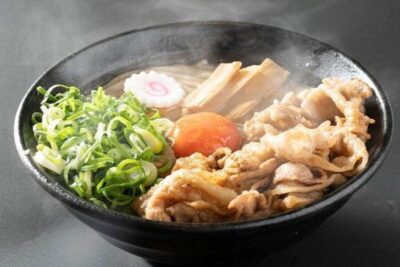
Easy Ramen Cooking Experience in Kabukicho, Shinjuku
Read our review →