
Reviewed · RAMEN TOURS IN TOKYO
Shibuya: Ramen Dojo Tokyo | Make All 3 (Tonkotsu/Shoyu/Miso)
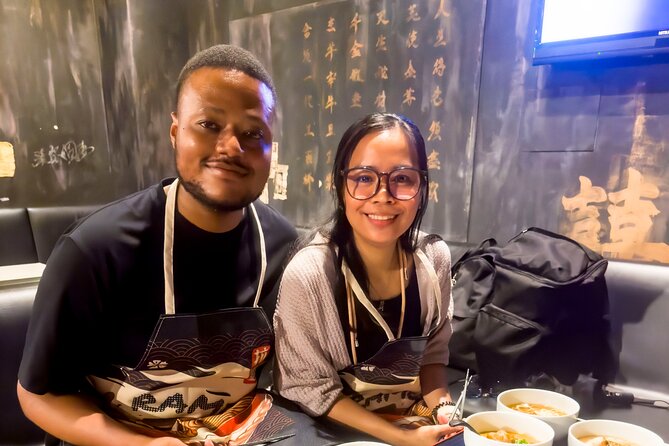
Ramen lessons in Shibuya hit different. This one is special because you make tonkotsu, shoyu, and miso side by side, using a noodle machine.
I love the hands-on format, and the fact that you finish by eating the three styles you created. You also get an English-speaking instructor plus a digital recipe after class, which makes it easier to repeat the results at home.
One consideration: it is not a good fit for severe wheat, egg, or soy allergies, or for celiac disease and strict dietary needs, and the class centers on chicken chashu.
Key highlights you will feel right away
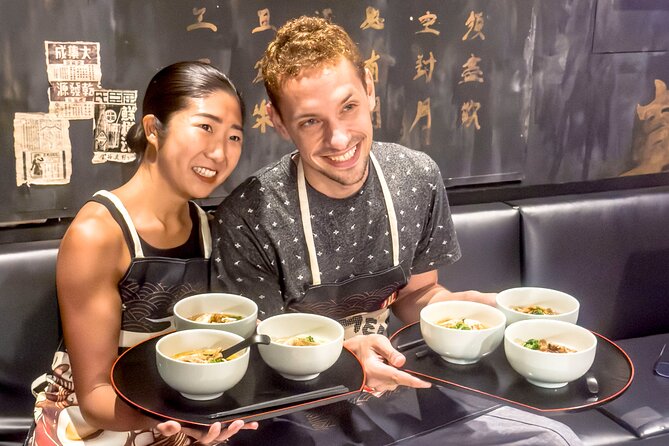
- Three ramen styles in one lesson: tonkotsu, shoyu, and miso are tasted side by side.
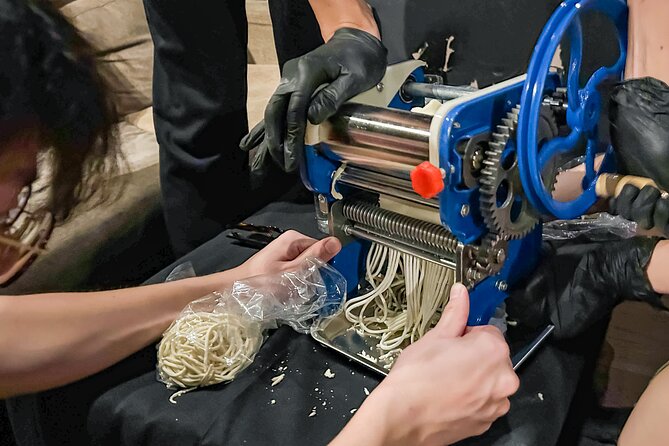
- Fresh noodle making with pro tools: knead, cut, and shape noodles using a dedicated machine.
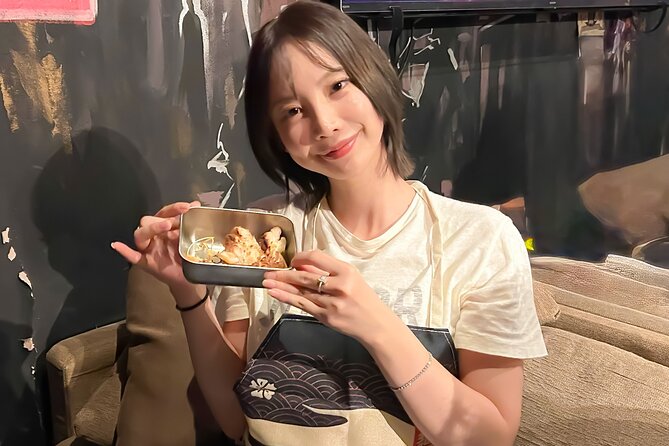
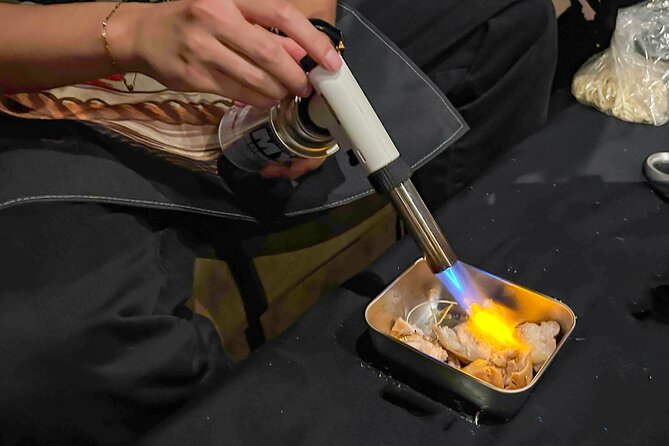
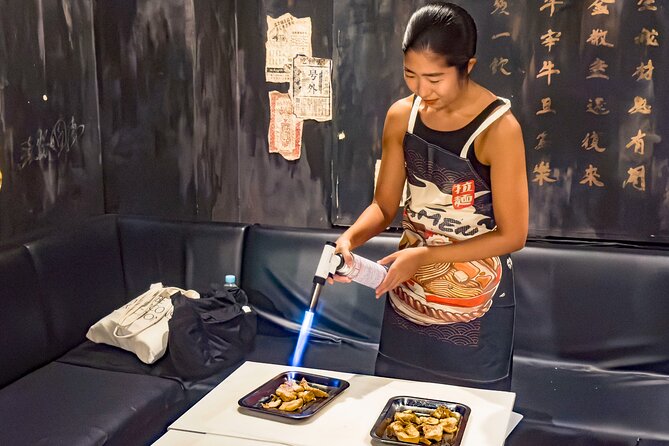
- Chicken chashu hands-on: you prep and finish it during the session.
- Small group, up to 8 people: you get close, practical help while you work.
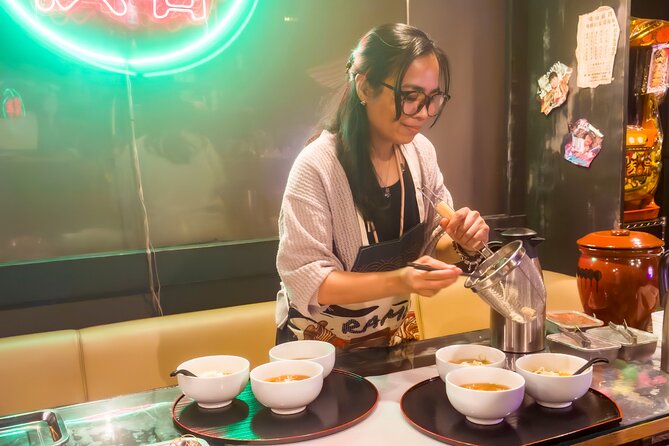
- You eat what you make: three mini bowls are included, so there is no “just watch” feeling.
Getting to Ramen Dojo Tokyo and what to expect on arrival
This class meets near Shibuya, at the Umekita Building (7-11 Maruyamachō, Shibuya, Tokyo 150-0044). You are looking at about a 10-minute walk from the station, so it fits easily into a Shibuya day without wasting time on transit.
You will use a mobile ticket, and you can plan to check in, get your briefing, then start cooking right away. Since the activity begins and ends at the same location, you can head right back out to explore Shibuya after you eat.
If you are bringing family, this is the kind of hands-on workshop where kids can follow along. One parent shared that their 8-year-old was accommodated and the guides stayed patient. That matters, because ramen prep can look intimidating until someone slows you down and shows each step.
More Ramen Tours in Tokyo
- Eat and Drink Like a Local: Tokyo Ueno Food Tour-Taverns&Ramen
★ 5.0 · 957 reviews - Ramen & Gyoza Cooking Class in Tokyo with Local Supermarket Visit
★ 5.0 · 823 reviews - Tokyo: Ramen Tasting Tour with 6 Mini Bowls of Ramen
★ 4.9 · 432 reviews
The 90 minutes breakdown, from chashu prep to tasting three bowls
The session runs about 1 hour 30 minutes, and it is paced like a cooking class, not a long lecture. Here is how the time typically gets used, and why each part matters.
1) Check-in and briefing, about 10 minutes
You start with check-in and a quick overview of what you will do. This is the moment when instructors set expectations for noodle texture, soup building, and timing, which is important because ramen is all about balance and heat control.
2) Chicken chashu prep, about 5 minutes
You do an early step of the chicken chashu process. Even though the class keeps moving, you are not just observing. This gives you a sense of how the chashu fits into the ramen experience, especially because you will also see it on your final bowls.
A few more Tokyo days worth comparing
- Tokyo: Easy Ramen Cooking Experience in Kabukicho, Shinjuku
★ 4.6 · 321 reviews - Ramen and Sushi Cooking Class with Sake Pairing Set in Tokyo
★ 5.0 · 291 reviews - Professional Ramen & Gyoza with Ramen Chef in a restaurant!
★ 5.0 · 223 reviews - Shibuya: Ramen Dojo Tokyo | Make All 3 (Tonkotsu/Shoyu/Miso)
★ 4.8 · 207 reviews
3) Noodle making, about 20 minutes
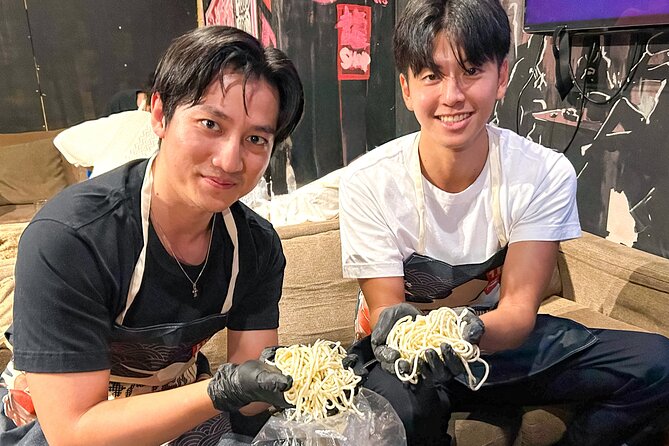
This is the centerpiece. You knead dough, then cut noodles using a professional noodle cutter. You learn how the dough should feel and how to handle the machine without rushing.
If you have ever tried making noodles at home and ended up with uneven thickness, this is where the workshop helps. The equipment and guided steps give you a realistic starting point for recreating the process later.
4) Chicken chashu finishing, about 10 minutes
After noodle work, you move back to the chashu. That timing matters because chashu needs care to be ready when the noodles and soup are ready to plate.
5) Boiling noodles and soup preparation, about 10 minutes
This portion is where the flavors come together. You boil the noodles, prep the soup, and then you have a chance to adjust to your preferred taste. That “adjusting” step is more valuable than it sounds, since ramen is not one-size-fits-all. People like different levels of saltiness and richness.
6) Plating, about 5 minutes
You assemble the three mini bowls. This is quicker than a restaurant, but it is still an actual plating step, with attention to how the toppings and noodles sit. The goal is that the bowls look good and also taste right immediately.
7) Tasting and photo time, about 30 minutes
Now you eat. You taste the three styles you made: tonkotsu, shoyu, and miso. You also get time for photos during the tasting.
One subtle benefit here: tasting three styles in one seated comparison teaches you what changes when you switch broths and seasoning. It is the quickest way to understand your personal ramen preferences.
The ramen trio: tonkotsu, shoyu, and miso, compared on the same table
Most ramen experiences in Tokyo give you one bowl and move you on. This class does the opposite. You make and taste three styles in one sitting, so you can compare flavor and texture without guessing later.
Tonkotsu style
Tonkotsu is usually prized for a creamy, rich feel. In this class, you focus on how the soup tastes once it is assembled with noodles and toppings. When you adjust the flavor to your own preference, you start learning what “rich” means in practice, not just as a label.
Shoyu style
Shoyu is the soy-forward lane. You get to see how the ramen shifts when the soup base changes, and you taste it right next to the other two. If you like a cleaner, saltier punch, this is often the lane people gravitate toward after trying the trio.
Miso style
Miso ramen tends to feel earthy and savory. The workshop gives you a chance to make it and taste it immediately, so you can tell whether you like a deeper miso profile or a more balanced version.
Across all three, the common thread is that you are not just eating, you are adjusting. That is how this class becomes useful later.
Noodle machine training, the skill that actually helps you cook again
The most practical part of this experience is the noodle work. You knead dough, then you cut noodles with a professional cutter. This teaches you what “right dough” feels like and how noodle thickness affects the final bite.
At home, the hardest part is not the cooking. It is getting consistent texture. By working through the steps in a guided setting, you build a baseline you can repeat. You also get a digital recipe provided after the class, which helps you remember the key points without trying to reconstruct the process from memory.
If your goal is to become a home noodle maker, this lesson delivers more than most. One person said they learned to make the noodles, even though they were initially most interested in the broth. That is a realistic way to look at the class: noodle and overall ramen assembly are the focus, while broth learnings are tied to your tasting and flavor adjusting.
Chicken chashu: why it is more than a topping
Because the lesson includes chicken chashu prep and finishing, you get to understand how the main protein component changes the ramen experience. Chashu is not just decoration. It is a flavor anchor and a texture contrast to the noodles.
You start working on the chashu early, then you finish it later, which helps keep everything timed so you can plate and eat the trio without long waiting. If you like ramen because it feels like a full meal, the inclusion of chashu is a strong part of the value.
Instructor support, English class flow, and beginner comfort
This is designed to be beginner welcome. The class runs in English, and the group size is capped at 8, which means you are less likely to get lost or feel rushed.
The biggest compliment you will want to take seriously here is the attention and patience. One parent specifically called out that the guides were nice and accommodating for an 8-year-old. Another person said the guides were very patient and made it fun enough that they could make their own ramen even on their first attempt.
That is exactly what you want in a cooking workshop. Ramen has small timing and texture details, so friendly coaching is not just comfort, it is what prevents wasted dough and “why is this not working” stress.
Price and value around Shibuya
The price is $86.22 per person for about 90 minutes. That is not the cheapest meal option in Tokyo, but you are not just paying to eat. You are paying for instruction, ingredients, and equipment use, plus the apron loan and the fact that you get three mini bowls.
Here is how the math feels in real terms:
- You get fresh noodles you made yourself, not just noodles served to you.
- You get chicken chashu prep and tasting as part of the ramen set.
- You get tasting across three soup styles in one session.
- You leave with a digital recipe to recreate at home.
Also, the experience shows strong demand, with the activity being booked 5+ times in the prior week. That usually signals consistent demand for a hands-on food class, not just a random event.
If you already have deep ramen knowledge and only care about one perfect bowl, you might find a regular ramen restaurant gives better bang for a single night. But if you want skills, comparisons, and a take-home recipe, the price makes more sense.
Who should book, and who might want to choose something else
This class is a great match if you:
- want a guided way to start making ramen at home
- enjoy hands-on food work, especially noodle making
- like flavor comparisons and want to taste tonkotsu, shoyu, and miso in one go
- are traveling with a child and want a patient environment that can accommodate them
It is not a good match if you:
- have severe wheat (gluten), egg, or soy allergies, or celiac disease
- have severe airborne flour sensitivity
- need strict dietary compliance (the class has clear limits here)
- cannot use stairs, since it is not suitable for people unable to use them
- follow fully vegan or strict religious dietary rules, since substitutions beyond the listed options are not part of the promise
If you are vegetarian, you might find the chicken chashu focus does not fit your needs. The lesson centers on making and assembling a ramen set that includes chicken chashu, so plan accordingly.
Should you book Ramen Dojo Tokyo Make All 3?
Book it if you want more than a meal. You will leave with practical noodle-making experience, a ramen trio tasting that teaches you your own flavor preferences, and a digital recipe for repeating what you made.
Skip it if your top priority is only broth science, because the class spreads attention across noodles, chashu, soup prep, and then tasting. Skip it too if you have allergy needs or strict dietary requirements that fall outside the supported limitations.
If your plan is to spend time in Shibuya anyway, this is one of those activities that feels like part of the city, not a detour. You start near Shibuya, make real ramen with real tools, eat what you cooked, then you are free to keep exploring right after.
FAQ
How long is the ramen class?
The class lasts about 1 hour 30 minutes.
Where do I meet for the experience?
You meet at Umekita Building, 7-11 Maruyamachō, Shibuya, Tokyo 150-0044, Japan, and the experience ends back at the same location.
Is the class conducted in English?
Yes, the class is conducted in English with attentive support for small groups.
What food do I get during the lesson?
You get no hunger pangs, because three mini bowls of ramen are included, tasting tonkotsu, shoyu, and miso.
Do I make the noodles myself?
Yes. You knead dough and prepare fresh noodles using a professional noodle machine, then cut them with a professional cutter.
Do I get a recipe to take home?
Yes. You receive a digital recipe after the class.
What is included besides the meal?
All ingredients and use of kitchen equipment are included, and you also get an apron loan.
Is it suitable for people with allergies or celiac disease?
It is not suitable for severe wheat (gluten), egg, or soy allergies, or for celiac disease, and it is not suitable for severe airborne flour sensitivity.
Is there a limit on group size?
Yes. The class has a maximum of 8 travelers, so you get more hands-on time and instructor access.
Fresh options around Tokyo
- Tokyo: Nikko Kegon Falls Lake Chuzenji Toshogu Temple & More★ 4.9 · 12 reviews
- Tokyo: Samurai History Walking Tour★ 5.0 · 12 reviews
- Harajuku: Kawaii Fashion and Pop-Culture Tour★ 4.7 · 12 reviews
- Tokyo: Mt. Fuji & Lake Kawaguchi Instagram Full Day Trip★ 4.1 · 12 reviews
- Shibuya Tokyo: Modern Kintsugi Workshop in Shibuya★ 5.0 · 12 reviews
- Tokyo: GTR Guided Daikoku Experience at Night★ 5.0 · 12 reviews
- Tokyo: Daikoku JDM Car Culture Tour★ 4.6 · 12 reviews
- Mt Fuji Private Day Trip from Tokyo with English speaking driver★ 5.0 · 13 reviews
Ramen Tours in Tokyo, compared.
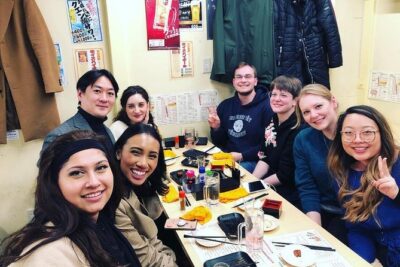
Eat and Drink Like a Local: Tokyo Ueno Food Tour-Taverns&Ramen
Read our review →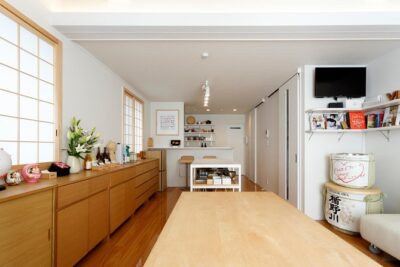
Ramen & Gyoza Cooking Class in Tokyo with Local Supermarket Visit
Read our review →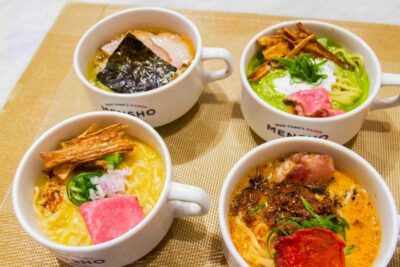
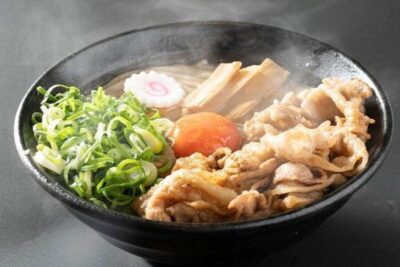
Easy Ramen Cooking Experience in Kabukicho, Shinjuku
Read our review →
Ramen and Sushi Cooking Class with Sake Pairing Set in Tokyo
Read our review →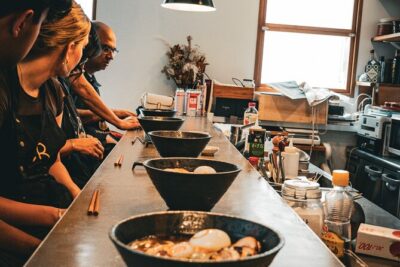
Professional Ramen & Gyoza with Ramen Chef in a restaurant!
Read our review →
Shibuya: Ramen Dojo Tokyo | Make All 3 (Tonkotsu/Shoyu/Miso)
Read our review →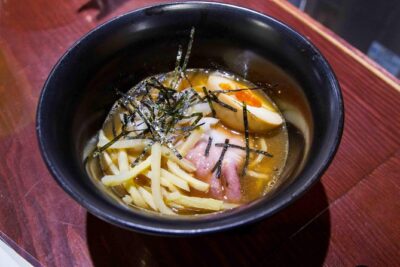
Browse the lists this tour appears in