
Reviewed · KIMONO EXPERIENCES IN TOKYO
Tokyo: Matcha and Kimono Experience
Matcha taught with a kimono change. In Tokyo, this near Shinjuku experience pairs an easy-to-wear kimono with a hands-on matcha lesson and a clear lesson on how to make a beautiful bowl at home. I love the first flush matcha focus and the way Komei breaks down the differences between real matcha and the fake stuff. One consideration, the kimono dressing is part of the clock, so if you mainly want maximum time whisking matcha, plan to enjoy the whole cultural flow, not just the bowl.
You meet close to Yotsuya Station, put on socks for the flooring, and then move from lecture to making tea with the tools provided. Along the way you also get Japanese sweets and a welcome drink, plus instruction on tea ceremony manners, not just the recipe. The result is a practical, fun Tokyo activity that explains what to do and why, so you can actually carry the method home.
Key Points You’ll Care About
- First flush matcha from their larger collection so you taste quality, not just a generic green drink
- Teaism plus tea ceremony basics so you understand the philosophy behind the gestures
- Kimono that is designed to go on quickly compared with traditional dressing times
- Real matcha vs overseas matcha comparison plus how to use your eyes, nose, and tongue
- Hands-on matcha making with tool rental so you leave with technique, not theory
Matcha and Kimono Near Shinjuku, What the Experience Feels Like
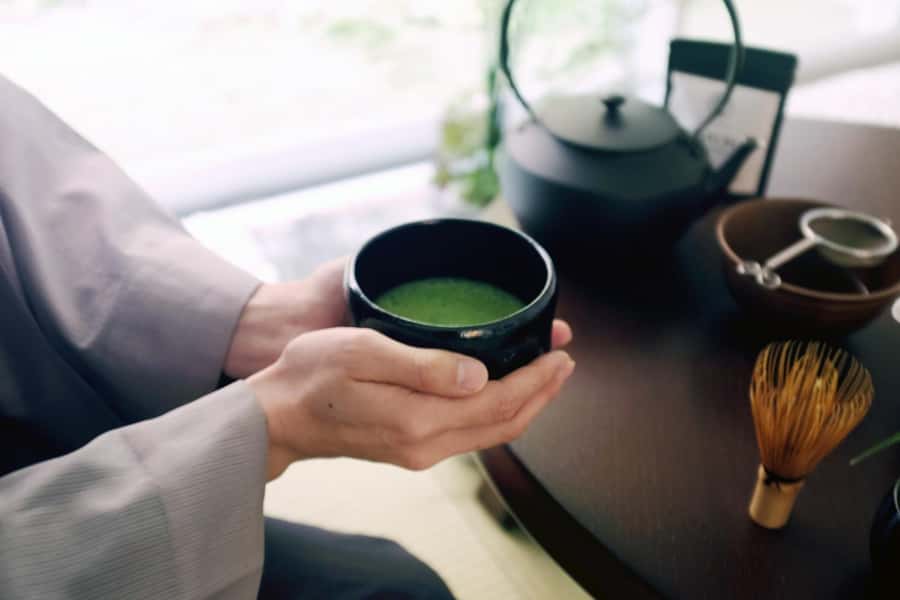
This is the kind of Tokyo cultural activity that makes sense even if you are not a “tea person” yet. You start with the visual and sensory stuff, kimono and aroma, then you move into a structured lesson about tea culture and tools. By the end, you are making matcha yourself, and you are learning how to drink it properly too.
I like that it is not just a performance. The experience aims to teach you the steps, the rules, and the taste checks so you can reproduce a decent bowl later. It also gives you a built-in comparison, which is a smart move because matcha quality is hard to judge when you only see one kind.
You are also doing it near Shinjuku, which helps if your Tokyo days are already packed. This does not feel like a long commute into the countryside. It feels like a good cultural stop you can slot into an afternoon.
More Kimono Experiences in Tokyo
- Let’s make kimono !(Kimono is a gift for you
★ 5.0 · 252 reviews - Tokyo: Asakusa Kimono Dressing and Matcha Experience
★ 4.9 · 173 reviews - Asakusa: Kimono Tea Ceremony with Matcha and Sweet
★ 4.9 · 153 reviews
Finding the Meeting Point by Yotsuya Station (and Why Socks Matter)
You start at a spot right by public transit, with your guide waiting outside the LUUP scooter stand next to the ACN Yotsuya Building, look for a workshop sign. Google Maps link is provided, and it is about a 6 minute walk from Yotsuya Station. It is also close to Shinjuku Station, so you can combine it with other nearby sights.
Plan to arrive early because the activity has a strict timing rule. Your booking is automatically canceled if you are more than 10 minutes late, and there is no refund in that case. This is one of those “small detail, big effect” policies that matters in Tokyo where trains run on schedules and people still get delayed.
Then there is the socks rule. You must bring socks to protect the traditional flooring. If you forget, you can be asked to buy them at the workshop place. This is not just housekeeping, it signals the space is meant to be treated with care, like a real tea room environment.
Also note the basics of house rules: no alcohol or drugs, no strong fragrances, and keep noise down. Translation: show up smelling neutral, talk softly, and treat it like a classroom and tea room combined.
The Easy Kimono Step, What You Learn Beyond Looking Cute
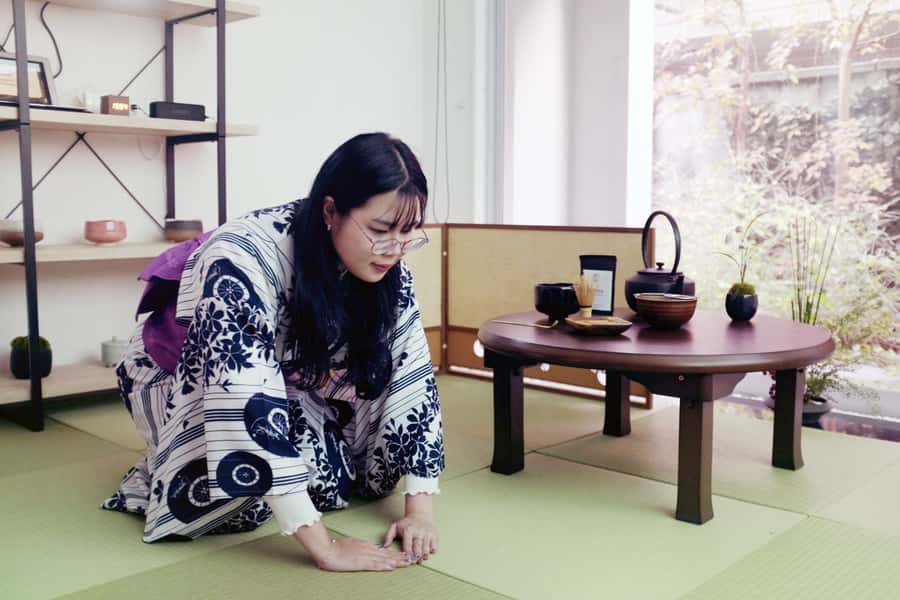
Before the lecture, you put on a kimono you can wear throughout the experience. Traditional kimono dressing can take a long time, but this one is designed to go on quickly and easily. In other words, you get the look and cultural feel without turning the whole afternoon into a dressing session.
This matters for you because Tokyo kimono experiences can go two ways: either you get lots of tea time, or you get lots of waiting while someone adjusts fabric. Here, the promise is more balanced, and several people highlight that the kimono portion is part of the fun photo moment, plus a lesson in how to wear it properly.
What you practice is not just posing. You learn basic manners around wearing, and you are guided through how to serve and drink matcha correctly. That’s the difference between wearing a costume and understanding the etiquette.
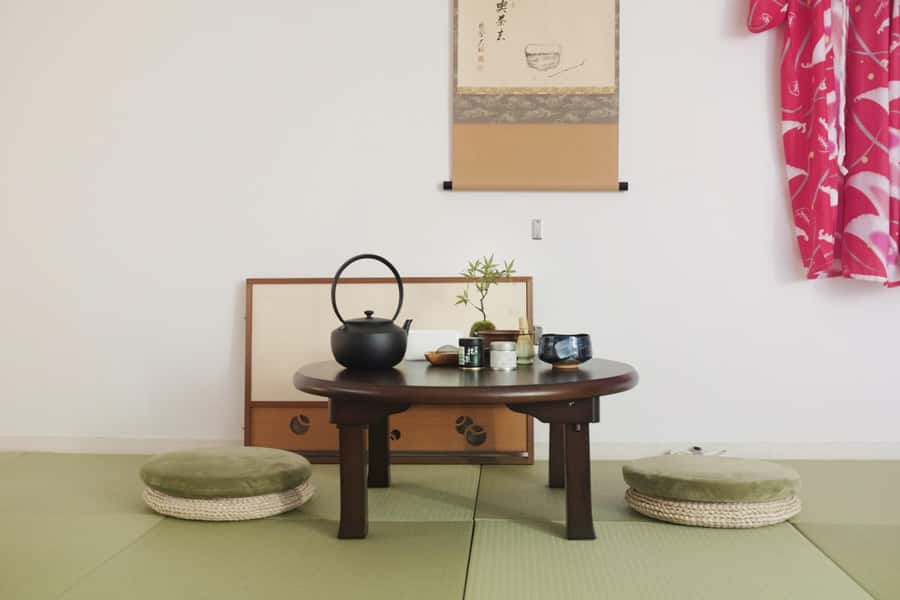
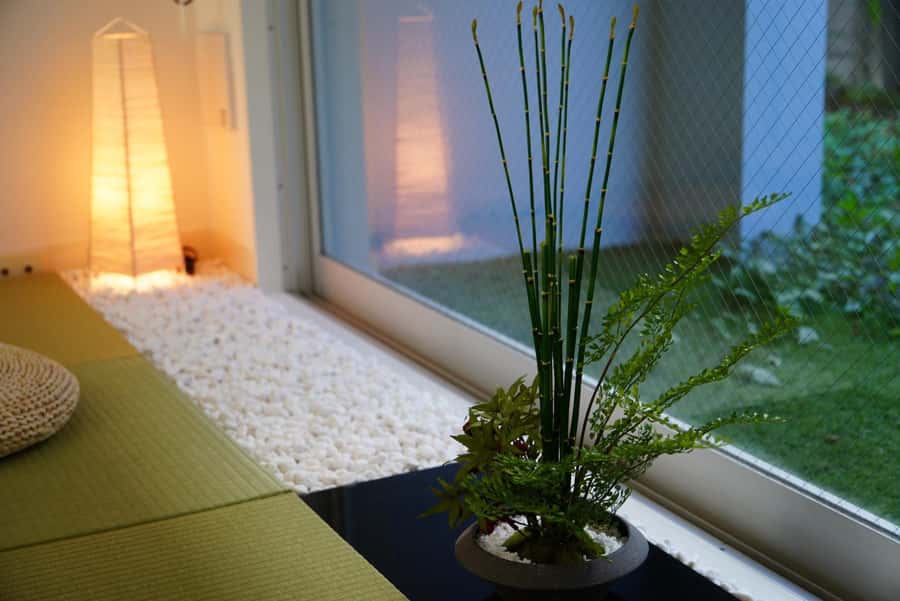
One more detail I think is worth your attention: some sessions include a tea room style setup in a local Japanese flat, with a decorated tea space. That kind of environment changes the mood instantly. The lecture is no longer “just talk,” it becomes something you feel while sitting in the right setting.
Teaism and Tea Ceremony, the Four Cultures in Plain Language
The experience frames itself around learning four Japanese cultural elements: tea ceremony, Teaism, matcha, and kimono. Even if you have only heard vague ideas about tea ceremony, the structure helps you connect the dots.
Here is what that likely means for you, step by step:
- Tea ceremony: you learn the basic philosophy and manners, so the gestures make sense rather than feeling random
- Teaism: you get the mindset behind tea culture, where objects and actions have meaning
- Matcha: you learn about tea types and why matcha is treated differently from other drinks
- Kimono: you connect the clothing and etiquette to the overall cultural atmosphere
The instructor covers differences between teas too, including green, black, and Chinese teas. It is a useful overview if you only know matcha as a trendy cafe drink. You start to see matcha as part of a bigger tea family with specific preparation goals.
Also, this is not a dry lecture. People mention slide-style instruction and conversational explanations, and Komei is repeatedly described as friendly and funny while still teaching seriously. That blend is what keeps the hour moving.
More Tea Ceremonies in Tokyo
- Matcha Making Class in Tokyo with Authentic Japanese Sweets Set
★ 5.0 · 744 reviews - Tokyo: Traditional Tea Ceremony with a Tea Master
★ 5.0 · 528 reviews - Tokyo: Matcha Making Experience with Mochi Sweets in Asakusa
★ 4.9 · 388 reviews - Tea Ceremony Workshop in Tokyo by the Experienced Instrucor
★ 5.0 · 189 reviews
First Flush Matcha, How to Judge Quality With Your Senses
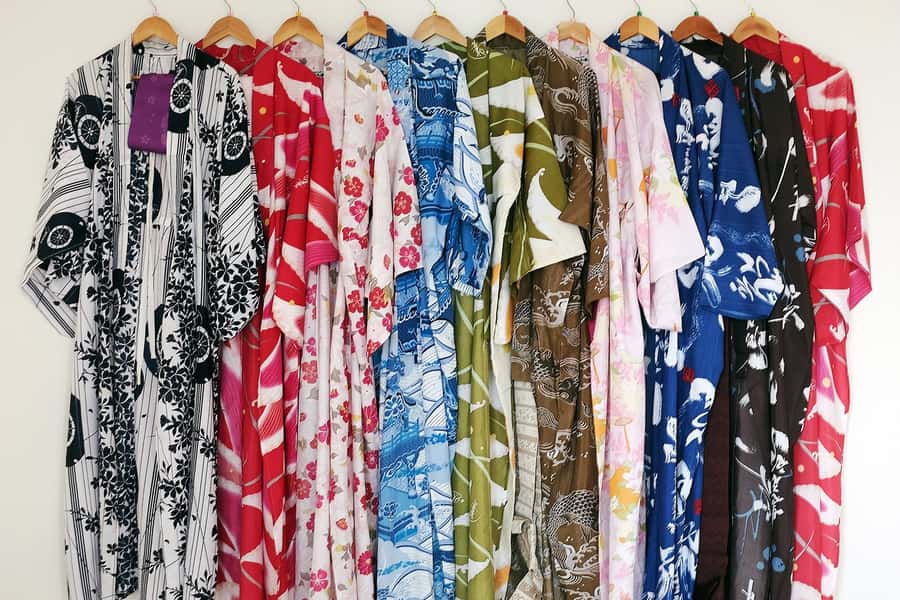
One of the biggest praised parts is the matcha itself. You get an exclusive first flush matcha, selected from the provider’s 100 plus matcha collection. “First flush” matters because it generally signals a top-tier harvest window, often associated with more desirable flavor and quality. In a tasting-based class, that choice helps you actually taste the point of matcha, not just what powdered tea can be.
You also do more than drink. You compare and evaluate using your eyes, nose, and tongue. That sensory approach is valuable because matcha quality can look similar at first glance. With training, you start noticing differences in color, aroma, and taste balance.
A key teaching moment is the comparison between Japanese matcha and overseas matcha. The class is clear that they are very different. That’s a strong claim, but it lines up with what you notice when you look at flavor profiles and grind styles across markets. Even if you cannot explain it perfectly at the time, you will leave with a stronger “what good tastes like” memory.
Then comes a fun, practical element: comparing real matcha vs fake matcha. This is helpful because matcha in the market can be surprisingly inconsistent. In a classroom, you get tools to tell the difference, not just rely on brand claims.
The Art of Making Matcha: Tools, Steps, and a Beautiful Bowl
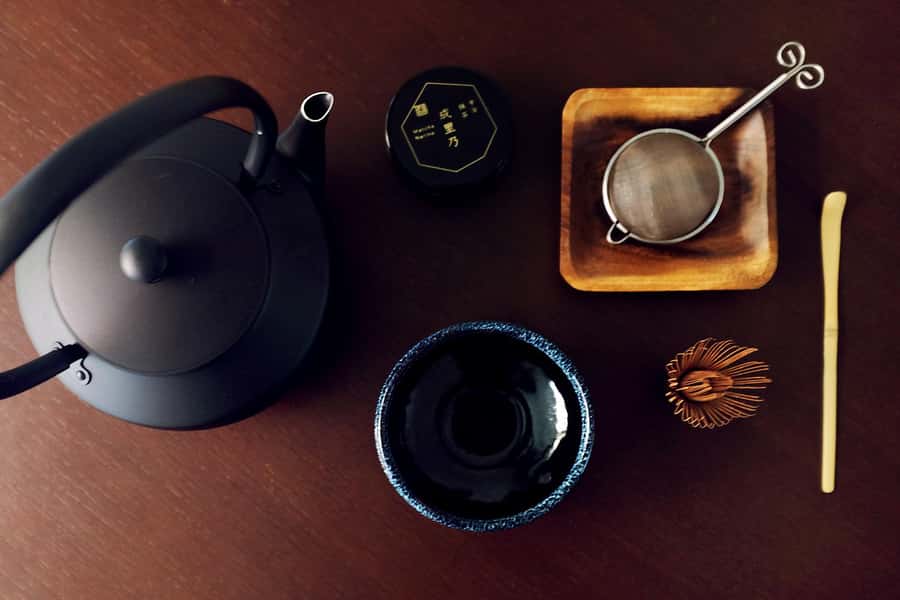
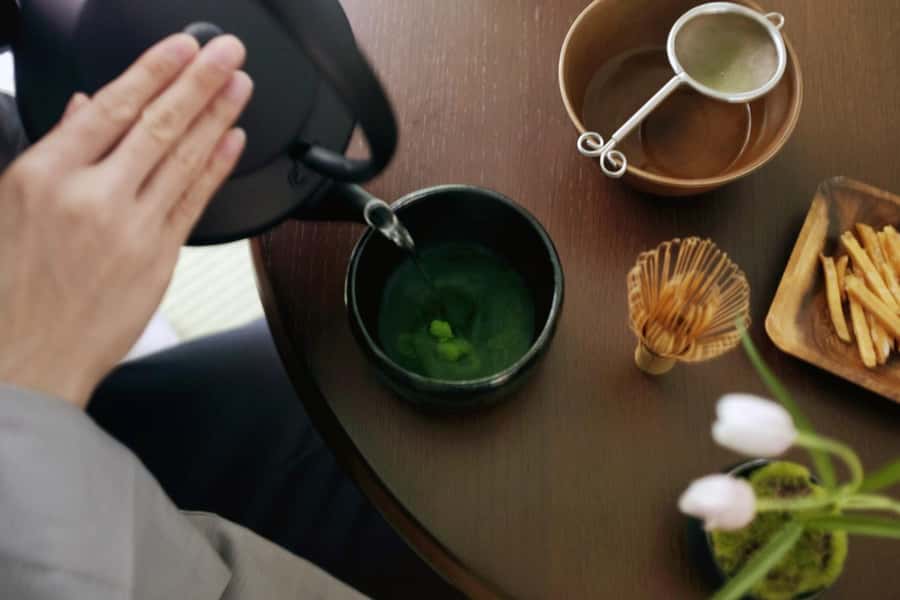
After the lecture, you move into the practical portion: preparing a beautiful bowl of matcha using the tea tools provided. Tools are included, which matters because the whisk, bowl shape, and water temperature approach can change the result. Without the right equipment, most people end up with foam that is either too thin or clumps that do not dissolve well.
You also learn basic manners of how to drink matcha. That sounds small, but it changes the entire experience. If you treat it like a normal latte, you miss the texture and flavor focus that matcha demands. You are learning the proper way to receive and consume the bowl as part of the ceremony rhythm.
The class then teaches key points on how to prepare matcha at home. The exact list is not published in detail, but the course is built around mastery of the process and making it repeatable. That is exactly what you want from a Tokyo food workshop. You are not paying just for the session, you are paying to gain a method.
If you are worried you will mess it up, don’t. This is a lesson environment. People describe it as structured and easy to follow, with the instructor taking time with each person. That personal pace is why many people recommend it as an intro level cultural activity.
Taste Stops: Welcome Drink and Japanese Sweets
You get a welcome drink and Japanese traditional sweets during the experience. These are not random filler items. They support pacing, and they also help you reset your palate before tasting matcha quality more carefully.
I like including sweets in a matcha lesson because it highlights contrast. Matcha can taste grassy, sweet, bitter, or balanced depending on preparation and grade. If you only taste matcha alone, you sometimes miss how it pairs with Japanese snack flavors.
Even if you are sensitive to sweetness, this part is likely portioned for tasting, not for a full snack break. The experience stays compact.
Price and Value: Is $57 Worth It?
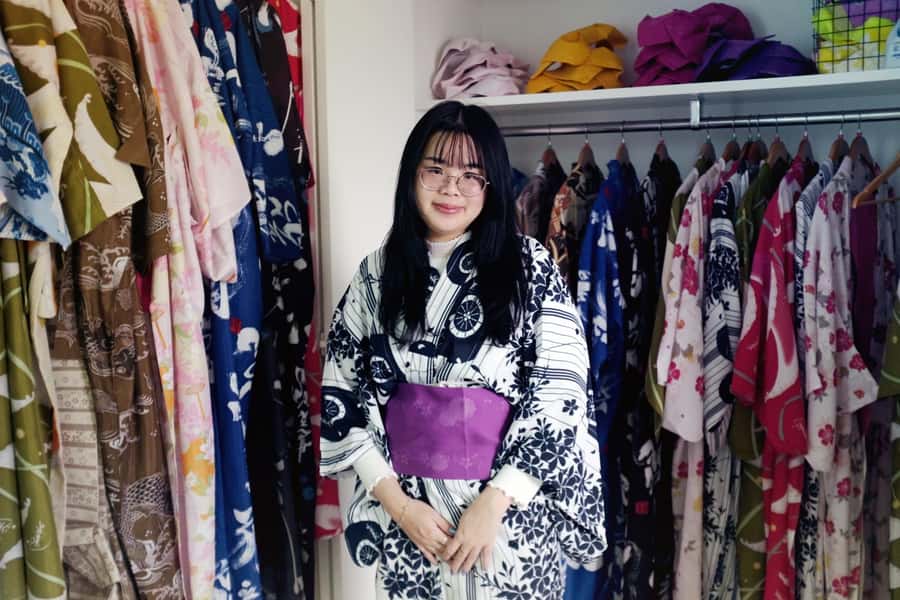
At $57 per person, you are paying for more than matcha powder and a kimono rental. You are paying for a guided session that includes:
- Kimono to wear throughout the experience
- A Teaism and tea ceremony lecture by a tea expert
- A hands-on matcha making lesson
- Exclusive first flush matcha
- Japanese sweets and a welcome drink
- Tea ceremony tool rental
That is a lot of included elements for one afternoon, especially in Tokyo where rental and guided teaching can add up fast. The value gets even better because the class also includes taste comparison and real matcha vs fake matcha guidance. That part is not something you can easily replicate without equipment and someone explaining what to look for.
For me, the real value question is this: will you remember technique, not just taste? Based on the lesson focus on preparing matcha beautifully at home, this is designed to stick with you.
So yes, $57 feels fair if you want an experience that teaches, not just photographs. If you only want a quick Instagram kimono moment, you might feel it is more structured than you expected.
Who This Suits Best, and Who Should Rethink It
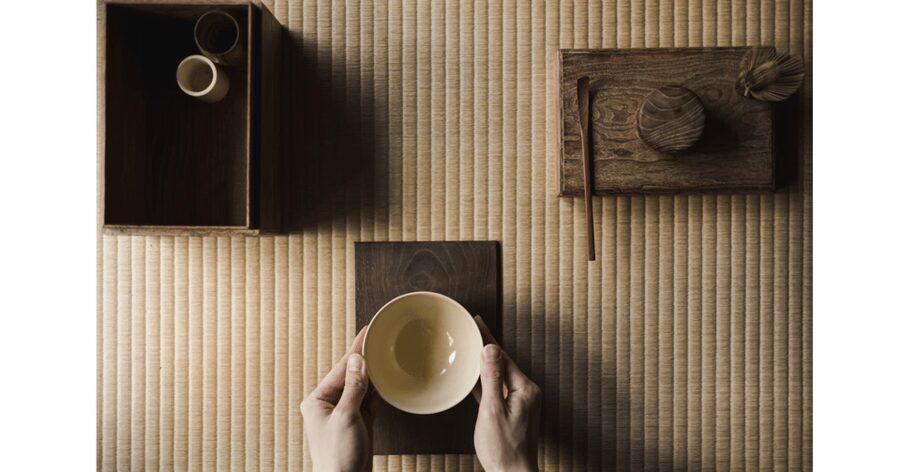
This is a great fit if you want a hands-on Tokyo cultural activity in a short time window. It suits you if you like learning through doing, and you enjoy food culture that has rules and texture, not just flavors.
You will also like it if you are interested in matcha beyond cafes, because the class includes comparisons between Japanese and overseas matcha and a focus on first flush quality. That makes it better than a generic “make your own green drink” workshop.
It is not suitable for children under 5, which is normal for activities involving flooring rules and careful handling of tea tools.
If you are extremely sensitive to smells, still be mindful. Strong fragrances are not allowed. That is for everyone’s comfort and the tea aroma experience.
If you mainly want long time whisking matcha, you may want to mentally budget for the kimono dressing portion. Some people wish they had a bit more matcha time, which tells me the schedule is balanced but not matcha-heavy in the way some might prefer.
Small Details That Make or Break Your Session
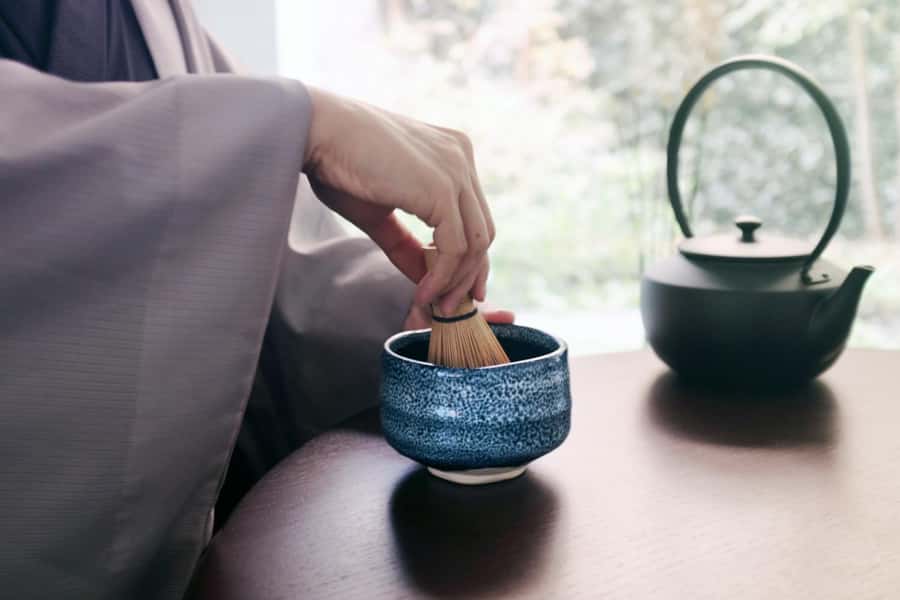
Here are the practical things that will help you have a smoother experience:
- Bring socks, you will need them for the flooring
- Keep fragrances mild, the tea aroma matters
- Arrive early, more than 10 minutes late means automatic cancellation
- Expect manners instruction, not just cooking steps
- Use the taste comparisons as a learning tool, not a judgment game
Also, this experience has scale. Over 1500 guests last year is mentioned, so the provider is clearly running the process regularly. That usually means fewer surprises and better pacing.
Should You Book This Tokyo Matcha and Kimono Experience?
Book it if you want a Tokyo activity that teaches you matcha properly and explains the culture behind the cup. The first flush focus, the Teaism and tea ceremony lecture, and the hands-on bowl-making lesson give you both context and technique. Add in the easy kimono and the sweets, and you get a complete cultural afternoon without needing any prior tea knowledge.
Skip or rethink it if your only goal is a quick kimono photo or if you only care about maximizing matcha minutes. The program is balanced, and the kimono and ceremony manners are part of the lesson flow.
If you are in Tokyo near Shinjuku and you want something authentic, practical, and genuinely fun, this one is an easy yes.
FAQ
Where do I meet the guide?
Meet in front of the LUUP scooter stand next to the ACN Yotsuya Building, and look for the workshop sign.
How far is the meeting point from Yotsuya Station?
It is about a 6 minute walk from Yotsuya station.
What should I bring?
Bring socks to protect the traditional flooring. If you forget, you may be asked to buy them at the workshop place.
What languages are offered?
The experience is offered in English and Japanese.
Is this suitable for young children?
It is not suitable for children under 5 years old.
What is included in the experience?
You get the matcha experience, a kimono to wear throughout, a Teaism and matcha lecture by a tea expert, a matcha making lesson, exclusive first flush matcha, Japanese traditional sweets, a welcome drink, and tea ceremony tool rental.
What is not allowed during the activity?
Alcohol and drugs are not allowed. Strong fragrances and making noise are also not allowed.
Fresh options around Tokyo
- Tokyo: Nagano Snow Monkeys and Zenkoji Tour with Temples★ 4.9 · 19 reviews
- Yokohama Port: Private Customizable Tour with Transfer★ 5.0 · 19 reviews
- Explore Unique Tokyo Streets / Learn with a Pro Photographer★ 5.0 · 19 reviews
- Sushi Making with Interactive Samurai Experience at JIN-ASAKUSA★ 5.0 · 19 reviews
- DAIKOKU excursion by car DRIFT automobile encounter★ 4.5 · 19 reviews
- Official Street Go Kart Tour Akihabara 2nd★ 5.0 · 19 reviews
- Cosplay Experience with Professional Makeup and Photo Shoot!★ 5.0 · 19 reviews
- Tokyo: Name Seal & Pouch or Tote Bag Making Experience★ 4.5 · 19 reviews
Kimono Experiences in Tokyo, compared.
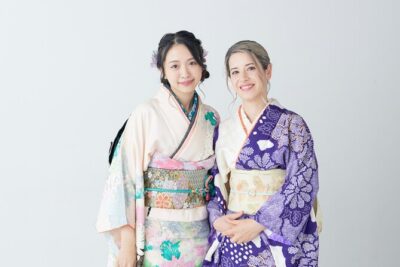
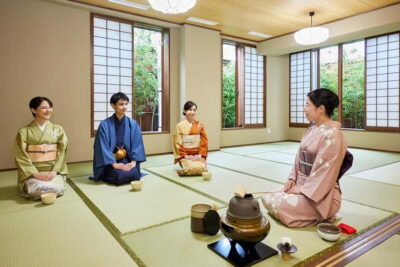
Asakusa: Kimono Tea Ceremony with Matcha and Sweet
Read our review →
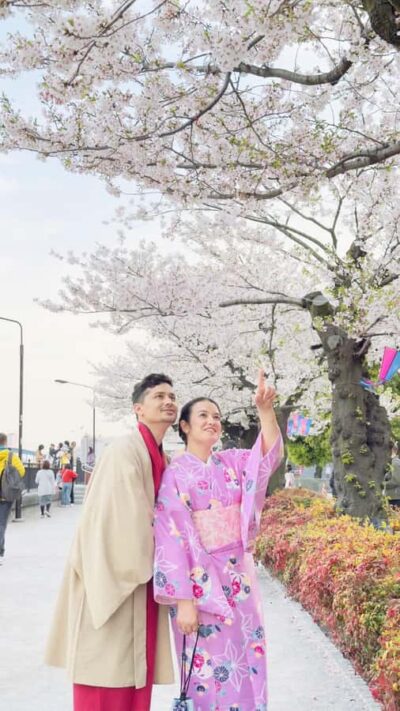
Tokyo Asakusa: Traditional Kimono Rental Experience at Wargo
Read our review →
Tokyo Asakusa: Miu Kimono Rental and Optional Photoshoot
Read our review →
Tokyo Authentic Kimono Rental in Asakusa with Photography Option
Read our review →
Kimono Rental inside Shinjuku Gyoen National Garden
Read our review →Browse the lists this tour appears in