
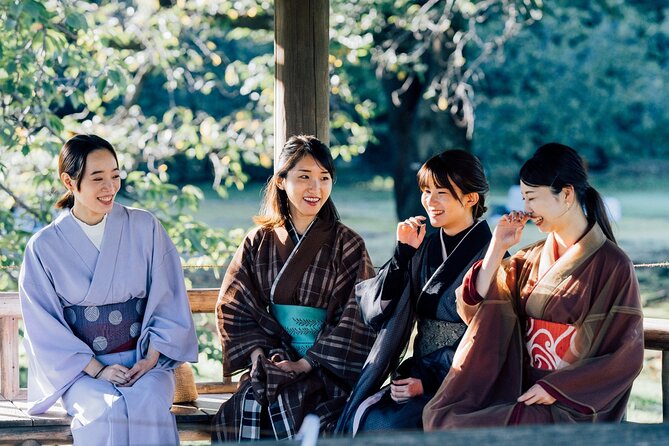
Reviewed · KIMONO EXPERIENCES IN TOKYO
Matcha Kimono Tea Ceremony in Tokyo
Matcha, kimono, and real tea craft in Tokyo. I like how this short workshop blends easy kimono dressing with a hands-on matcha lesson, plus a teacher who talks you through tea culture and etiquette. Two things that really land for me are the structured tasting (so you learn what to look for) and the chance to ask questions in a small setting. One drawback to flag up front: you have to handle the tatami socks rule, and forgetting them can mean a last-minute purchase on site.
In Shinjuku, this is the kind of activity that fits a busy itinerary, with a maximum of 10 people and about 1 hour 30 minutes on the clock. If you want something authentic but not stiff, and you like learning by doing, this is a very practical way to get your bearings in Japanese tea culture without turning it into an all-day project.
Key things to know before you go
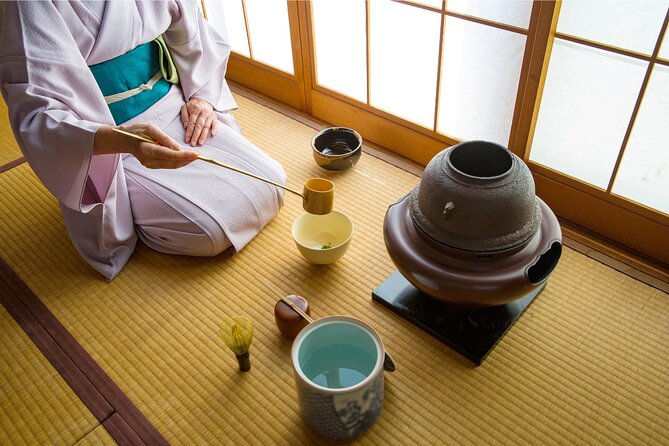
- Easy-to-wear kimono: designed to go on quickly, not the usual slow process
- First-flush matcha tasting: you sample and compare, using eyes, nose, and tongue
- Tools and snacks included: you get the tea tools plus Japanese traditional snacks
- Tatami socks requirement: you’re asked to wear socks, and you can buy them if you forget
- Small group size: max 10 travelers keeps the pace comfortable
- Matcha options: decaf and a Terror matcha option are available
Why this Shinjuku matcha workshop beats the usual tea show
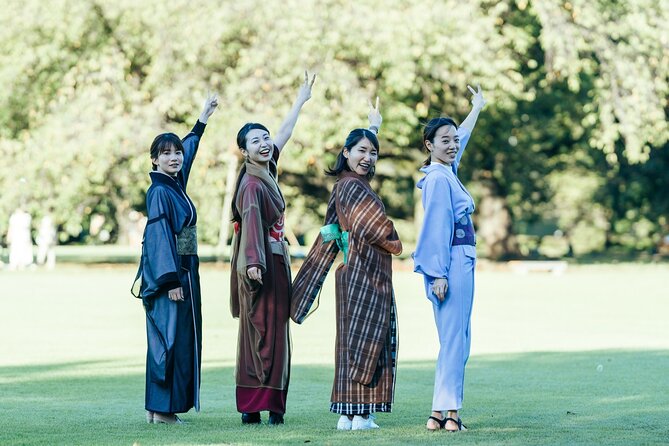
Tokyo has plenty of tea ceremonies you can watch from the outside. This one is different because it puts you in the process, not just in the audience. You dress in an easy kimono, sit down for an explanation that actually helps you understand what you’re tasting, and then make your own bowl.
You’re also not dealing with a huge crowd. With a cap of 10 people, the teacher can slow down when questions pop up. That matters, because matcha is one of those topics where small details change the taste a lot, and you do not want to be guessing.
Another big plus is the focus on real matcha quality. The workshop highlights an exclusive first flush matcha, chosen from a 100+ matcha collection from across Japan. That means you’re not just learning terms, you’re getting a taste-based comparison of what good matcha can be like.
More Kimono Experiences in Tokyo
- Let’s make kimono !(Kimono is a gift for you
★ 5.0 · 252 reviews - Tokyo: Matcha and Kimono Experience
★ 4.7 · 219 reviews - Tokyo: Asakusa Kimono Dressing and Matcha Experience
★ 4.9 · 173 reviews
Entering the tatami room: kimono dressing without the drama
The workshop starts with a kimono change, and this is where the experience earns its popularity. The kimono you wear is described as simple and easy to put on. It is also specifically designed so it takes far less time than the normal kimono routine, which is typically long enough to eat into your day.
Here is the practical part you should take seriously: you’ll be on a tatami room, and you’re asked to wear socks. If you forget, the workshop asks you to buy them there. I’d treat socks like a must-pack item, the same way you pack shoes for a walking tour. It keeps things smooth and avoids that awkward pause while everyone waits.
Once you’re set, you’ll be guided through the setup and etiquette basics before the tea lesson begins. Expect a calm pace. The vibe is meant to feel friendly and approachable, not like you’re being graded on manners.
The lecture portion: teas, Teaism, and tea ceremony etiquette
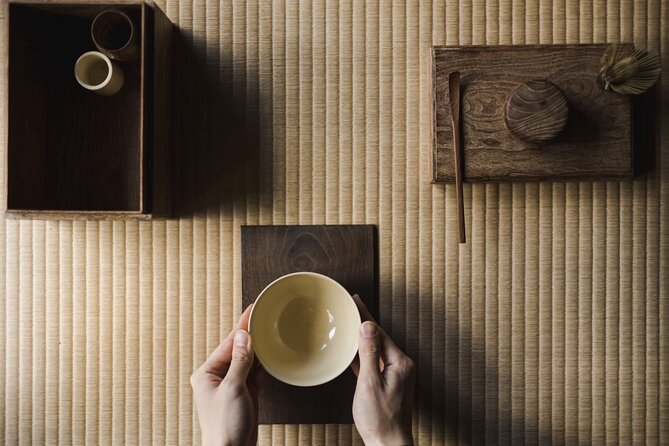
After you’re dressed and settled, you get a presentation on Japanese tea culture. This is not just background fluff. You learn how matcha fits into the broader tea world, including differences among green, black, and Chinese teas.
A key concept is the philosophy called Teaism, tied to how Japanese tea ceremony thinking shapes the way tea is prepared and appreciated. Even if you do not go full zen after 90 minutes, this framework helps you understand why the process matters. Matcha is not only flavor. It is also attention, rhythm, and respect for the tools and steps.
The teacher also covers etiquette for drinking matcha properly. That part matters because matcha can taste surprising if you drink it like regular tea. The whole point is to learn the correct approach so the bowl you make actually feels like a Japanese tea experience, not just a DIY drink.
One more useful lecture angle: the workshop compares Japanese and overseas matcha, described as very different. If you’ve only tasted mass-market matcha in your home country, this gives you a clearer mental map for what to expect when you taste higher quality Japanese matcha.
First-flush matcha tasting: using eyes, nose, and tongue
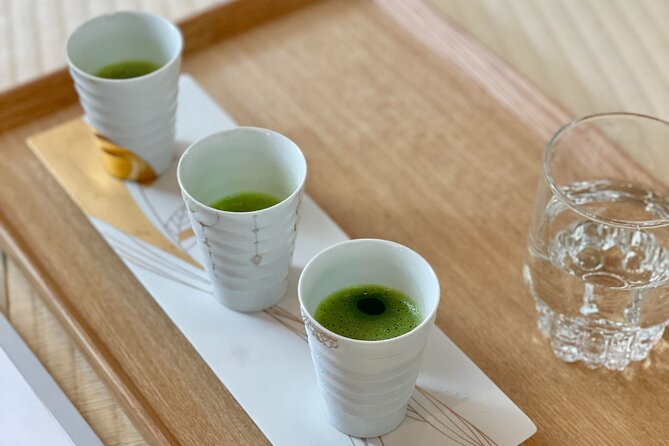
Here’s where the workshop becomes more than a performance. You get a tasting component designed to help you find your favorite matcha using three senses: your eyes, your nose, and your tongue.
You’re not just handed a bowl and told to sip. The session is built to help you notice differences. That turns the lesson into something you can remember and repeat later. If you’re the type who buys tea and then wonders why some matcha tastes grassy while another tastes smoother, this is the practical bridge between curiosity and understanding.
The workshop also emphasizes quality selection, describing its first flush matcha as the highest quality. It comes from an exclusive first flush harvest, and it is chosen carefully from a large collection. Even if you’re not a tea nerd, you’ll get a feel for why harvest timing and selection matter.
And yes, there are matcha choices. The workshop notes decaf and a Terror matcha option. That is a big deal if you’re sensitive to caffeine or if you want an alternative taste path while staying in the same experience.
More Tea Ceremonies in Tokyo
- Matcha Making Class in Tokyo with Authentic Japanese Sweets Set
★ 5.0 · 744 reviews - Tokyo: Traditional Tea Ceremony with a Tea Master
★ 5.0 · 528 reviews - Tokyo: Matcha Making Experience with Mochi Sweets in Asakusa
★ 4.9 · 388 reviews - Tea Ceremony Workshop in Tokyo by the Experienced Instrucor
★ 5.0 · 189 reviews
Making your bowl: tools, technique, and how to drink it
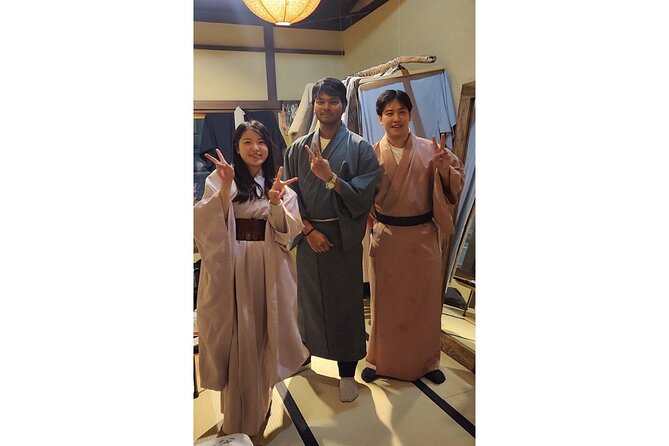
Then comes the hands-on part, the moment most people are waiting for. You learn how to prepare a bowl of matcha the traditional way using the tea tools provided.
The tool rental is included, so you are not trying to figure out equipment at home after the fact. You’ll be taught the basic technique to mix matcha properly and create the right bowl experience, not just a drinkable powder-water mix.
This is also where etiquette becomes real. The lesson includes manners for how to drink your bowl. That means the ritual is not only about what you do with your hands. It also guides how you pause, how you handle the bowl, and how you take the sip so it tastes the way it is supposed to.
A plus from the experience write-ups: the teacher is described as patient, and the instruction is presented in fluent English. That reduces the mental load, especially if you’re new to tea ceremony. You can ask questions during the session and get answers without feeling rushed.
Snacks, welcome drink, and the pleasant pace
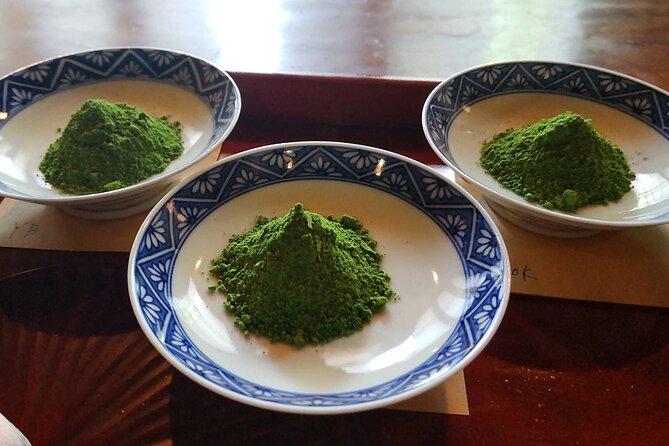
The workshop includes snacks and a welcome drink. You also get tea and snack time built into the session, so you’re not just sitting through a lecture on an empty stomach.
What you actually receive is listed as Japanese traditional snacks and a welcome drink that includes high quality matcha, plus coffee and/or tea. That combination makes the whole session feel more like a break in your day than a strict class.
The atmosphere is described as warm and relaxed. The teacher helps with kimono dressing, teaches, and keeps the experience friendly. Another practical nice touch: the host takes photos during the workshop. If you want a memory without having to play photographer all by yourself, this is an easy win.
Price and Logistics: is $59.46 in Shinjuku worth it?
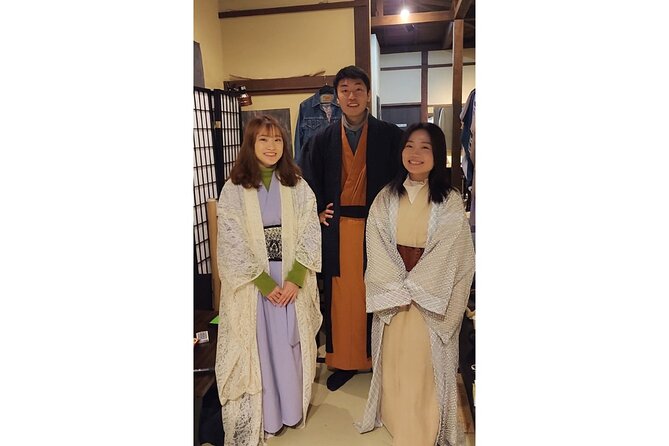
At $59.46 per person, you’re paying for a short, structured cultural experience with multiple included components.
What you get for that price:
- easy-to-wear kimono rental
- Japanese traditional snacks
- tea ceremony tools rental
- a tea-focused presentation
- matcha experience plus a welcome drink (including high quality matcha)
When I look at value, the question is not just the matcha. The value is the combination: you get the outfit, the teaching, the tools, and your own bowl at the end. Many experiences only cover one slice, like a photo opportunity or a viewing. Here you participate.
Also, small group size matters for value. Max 10 means you’re more likely to get help when you need it, especially during kimono dressing and the hands-on mixing stage.
One more value factor: the workshop mentions 1,500+ guests last year, so it’s a repeatable format. That often means smoother timing and a more polished flow than one-off demonstrations.
Who this matcha and kimono session is best for
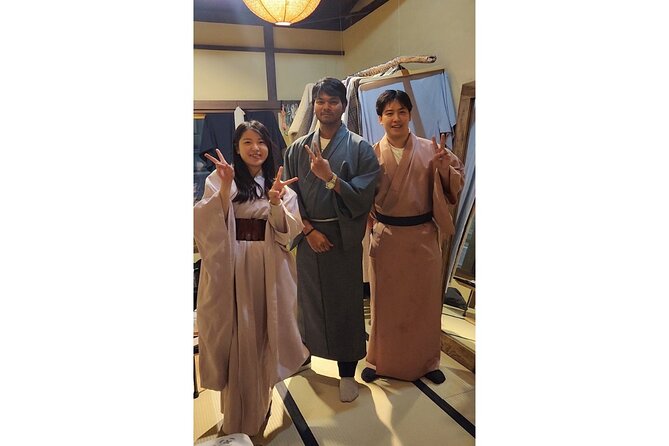
This workshop is a good fit if you:
- want an authentic cultural activity that still feels manageable in a packed Tokyo schedule
- enjoy hands-on learning, not just watching
- like food and drinks with a learning curve, such as matcha tasting and etiquette
- are traveling solo, as the small group format keeps it social without becoming chaotic
It might be less ideal if you want a long, deep immersion day. This is about 1 hour 30 minutes. You’ll leave with a strong start, but not a full master-level certification in everything tea-related.
If you dislike caffeine, you’ll want to look at the decaf option availability ahead of time. The workshop notes decaf and a Terror matcha option, but you should plan based on your own sensitivity.
Should you book this matcha and kimono workshop in Shinjuku?
If you want a Tokyo experience that is both cultural and practical, I think this is a strong booking. The easy-to-wear kimono reduces the usual friction that can stop people from trying traditional clothing. The lesson focuses on what you’re tasting, with first flush matcha and a tasting method using your senses. Then you make your own bowl with the right tools and learn how to drink it properly.
I’d book it especially if you like getting something you can carry home in your habits, like knowing what to look for when you buy matcha later, and understanding why Japanese matcha can taste different from what you’ve had abroad.
Only reconsider if you have a low tolerance for tatami rules and socks, or if you’re looking for a longer day trip format. For most people, this is exactly the sweet spot of time, value, and real participation.
FAQ
How long is the matcha and kimono ceremony?
It runs about 1 hour 30 minutes.
What group size is this workshop?
The group is limited to a maximum of 10 travelers.
Is the kimono hard to put on?
No, the kimono is described as easy to put on and specially designed to wear easily and quickly.
What is included in the price?
You get easy-to-wear kimono rental, tea ceremony tools rental, tea and/or a welcome drink with high quality matcha, plus Japanese traditional snacks.
Are there different matcha options?
Yes. The experience notes that decaf and a Terror matcha option are available.
Do I need to bring socks?
You are asked to wear socks in the tatami room. If you forget, you are asked to buy them at the workshop place.
Where does the activity start and end?
It starts at the listed meeting point in Shinjuku (MPPG+HH, Shinjuku City, Tokyo, Japan) and ends back at the meeting point.
What if I’m late or need to cancel?
If you arrive more than 10 minutes late from the starting time, the reservation is automatically canceled and no refund is accepted in that case. For cancellations, you can cancel up to 24 hours in advance for a full refund.
Fresh options around Tokyo
- Tokyo: Nikko Kegon Falls Lake Chuzenji Toshogu Temple & More★ 4.9 · 12 reviews
- Tokyo: Samurai History Walking Tour★ 5.0 · 12 reviews
- Harajuku: Kawaii Fashion and Pop-Culture Tour★ 4.7 · 12 reviews
- Tokyo: Mt. Fuji & Lake Kawaguchi Instagram Full Day Trip★ 4.1 · 12 reviews
- Shibuya Tokyo: Modern Kintsugi Workshop in Shibuya★ 5.0 · 12 reviews
- Tokyo: GTR Guided Daikoku Experience at Night★ 5.0 · 12 reviews
- Tokyo: Daikoku JDM Car Culture Tour★ 4.6 · 12 reviews
- Mt Fuji Private Day Trip from Tokyo with English speaking driver★ 5.0 · 13 reviews
Kimono Experiences in Tokyo, compared.
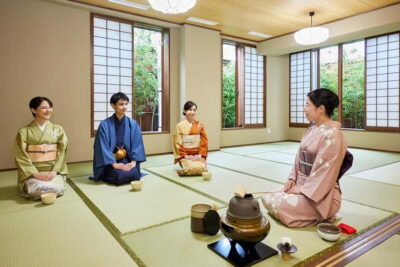
Asakusa: Kimono Tea Ceremony with Matcha and Sweet
Read our review →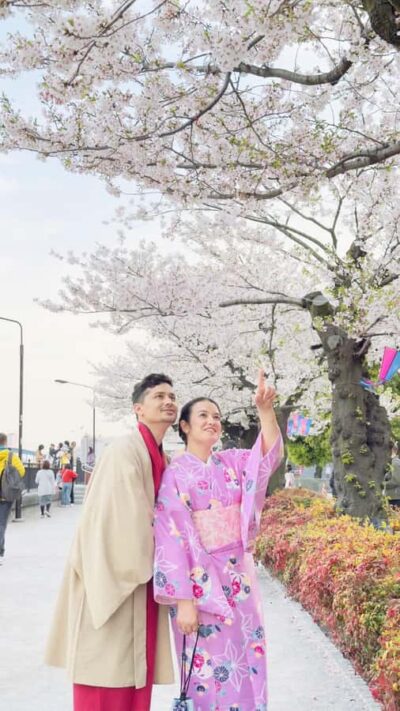
Tokyo Asakusa: Traditional Kimono Rental Experience at Wargo
Read our review →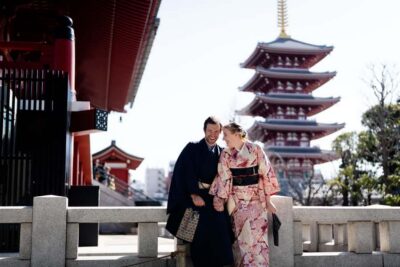
Tokyo Asakusa: Miu Kimono Rental and Optional Photoshoot
Read our review →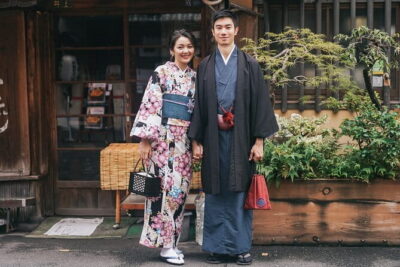
Tokyo Authentic Kimono Rental in Asakusa with Photography Option
Read our review →
Kimono Rental inside Shinjuku Gyoen National Garden
Read our review →Browse the lists this tour appears in