
Reviewed · SAMURAI & NINJA EXPERIENCES
Tokyo: Samurai History Walking Tour
Samurai history sounds bigger than life, but this tour makes it walkable. You’ll start with the big question of who samurai really were, how they rose, and how they fell by 1868, then you’ll anchor that story at real places tied to major moments in Tokyo’s warrior past. I love how the guide keeps the tone honest and story-driven, and I also love the payoff of visiting Sengaku-ji where the legend meets stone and paperwork at the cemetery and museum. One drawback to plan for: it’s a long 4-hour walk, and it’s not ideal if you tire easily, even though you will take public transport occasionally to rest your legs.
You meet in the easy-to-find Marunouchi area, just outside JR Tokyo Station, and you end near Takanawa Gateway Station. That flow matters, because the tour is designed so you’re not stuck crisscrossing the city for every stop. Just be ready for extra costs for transit and the Sengaku-ji cemetery and museum entry, since those are not included in the base price.
Key highlights worth your time
- Marunouchi Square meetup by Tokyo Station, so you can arrive without stress
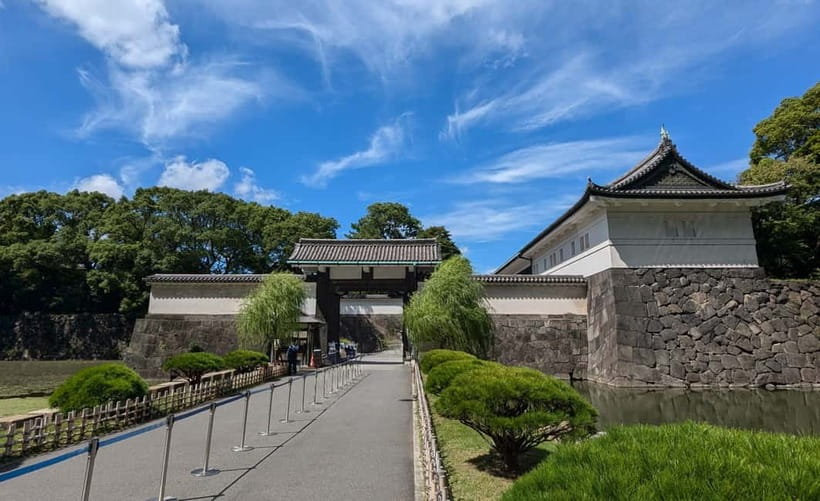
- Edo Castle ruins at Tokyo Imperial Palace East Gardens as the main timeline anchor
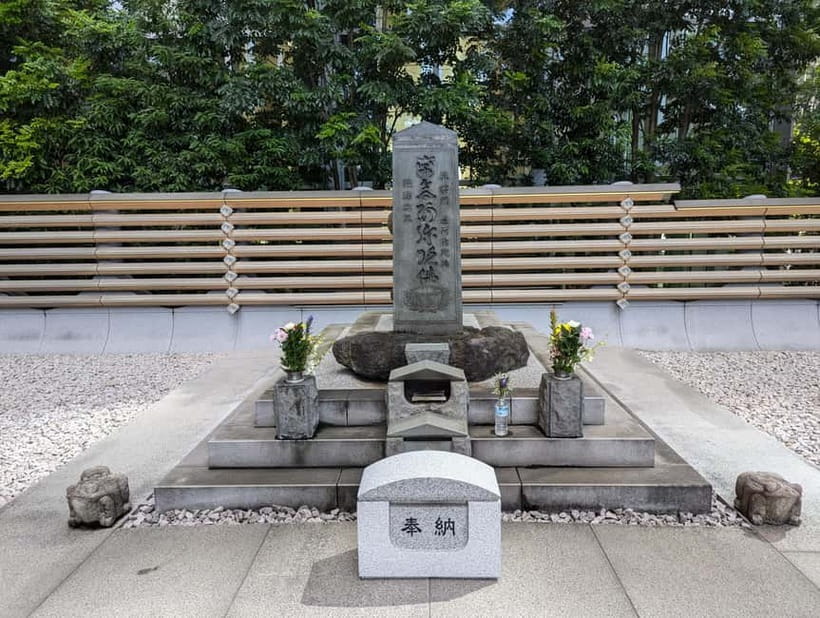
- Taira no Masakado’s Grave, tied to a pivotal early samurai-era story
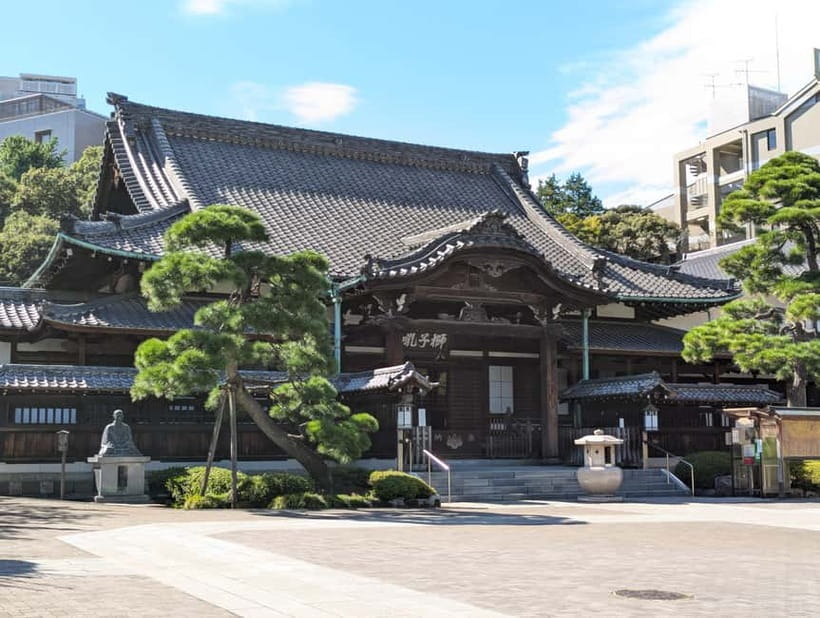
- Sengaku-ji and the 47 Ronin Gravesite, one of Tokyo’s most famous warrior sites
- English narration by John, focused on clear answers and real context
Tokyo Samurai Storyline: From the 900s to 1868, on Foot
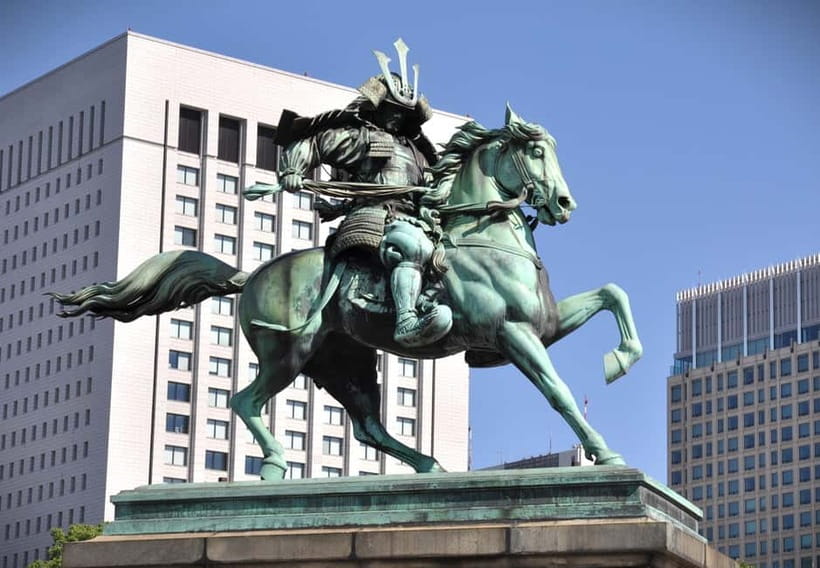
This tour is built like a guided argument, not a museum lecture. The core theme is simple: who were the samurai, were they honorable warriors, or something darker, and how did they go from early beginnings in the 900s to their demise in 1868. You do not just hear a neat timeline. You get explanations at places that force you to ask, what did people actually do, and why?
I like that the tour openly tackles the gray areas. Samurai history is famous for romance, but it’s also full of power plays, loyalty tests, and political chaos. The guide’s approach, described as extensive and practical, is what makes the stops connect. You’ll walk through Tokyo and feel the timeline in your legs.
Also, you’re not stuck at one big location. The structure moves you from an Edo period power center to a grave-centered site, then into the specific stories that shaped later memory. That gives you both scale and detail, without turning the whole experience into a marathon.
More Samurai & Ninja Experiences in Tokyo
- Tokyo: Samurai Restaurant Show Ticket with 2 Drinks
★ 4.5 · 1,307 reviews - Tokyo: Samurai Ninja Museum Guided tour and Experience
★ 4.6 · 1,010 reviews - Tokyo: Samurai Sword & Archery Class from Samurai Descendant
★ 5.0 · 603 reviews
Meeting at Marunouchi Square, then Taking the Right Pace
Your tour starts at Marunouchi Square, with a practical meeting point outside the Marunouchi Central Exit of JR Tokyo Station. That is one of the best kinds of logistics: you’re meeting at a place tourists already know, and your guide will share a Google Maps link for exact directions. You’ll also get messages through the GetYourGuide app and email, and you can expect contact by WhatsApp or email after booking.
The first guided segment is about 30 minutes. Think of this as your mental warm-up. The guide uses this time to set up what you’re going to see and what questions you should keep in mind while you walk. If you’re the kind of person who likes history to make sense before you get lost in the details, that opening helps a lot.
From there, the tour is paced for a real walking experience, but with breaks built in. Public transport is used occasionally to rest your legs, which is key in Tokyo. It means you get movement and energy, not constant stop-and-go crowds. Still, plan for a fairly active 4 hours overall.
Edo Castle Ruins in Tokyo Imperial Palace East Gardens: The Main Timeline Stop
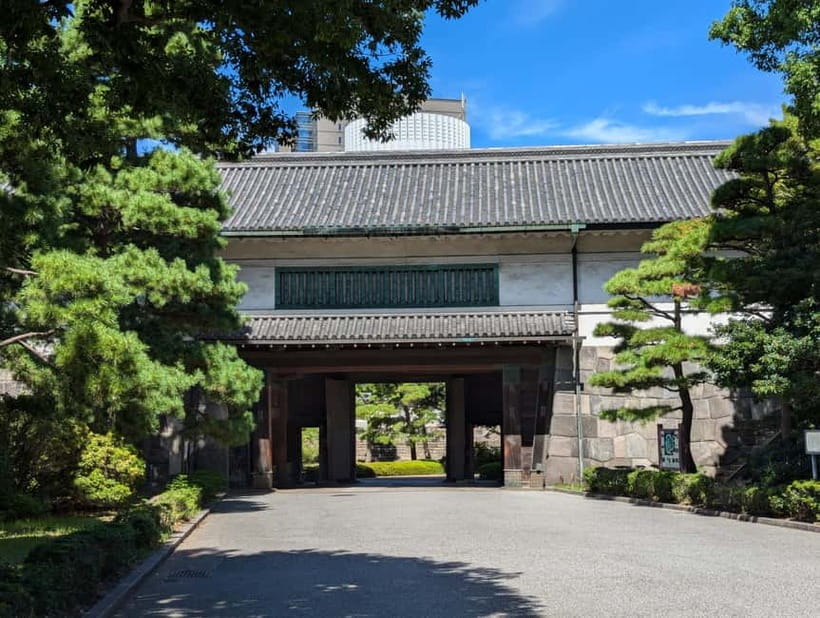
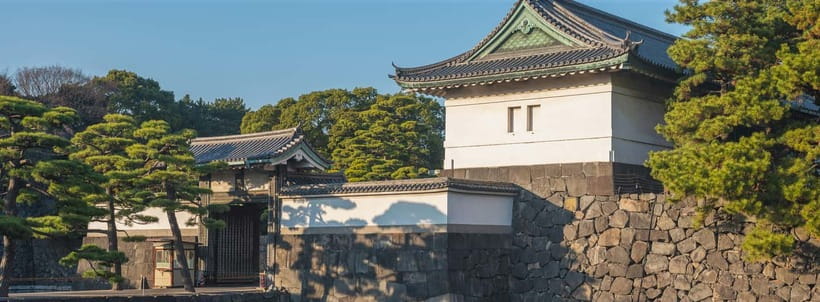
The longest block on the tour is the Edo Castle ruins area at Tokyo Imperial Palace East Gardens, with 105 minutes of guided time. This is the big set piece, and it’s a strong choice because Edo Castle is where Tokugawa-era power is tied to everyday life, governance, and military influence. Even though you’re looking at ruins and gardens, you’re standing in the shadow of a seat of authority.
What I like is how this portion works as a backbone. You start connecting names and themes introduced early on, then you see how the geography of rule would have mattered to movement, defense, and control. The guide also uses the time to keep the story grounded, so you’re not just taking photos of stone and greenery.
One practical note: this section is long, so wear comfortable shoes. You’ll be outside for stretches, and you’ll benefit from simple planning, like bringing water and wearing layers if weather shifts.
Taira no Masakado’s Grave: A Short Walk to a Big Story
Within the Edo Castle ruins segment, you’ll visit Taira no Masakado’s Grave. This is the kind of stop that changes how you read the rest of the tour. Graves are not neutral. They signal memory, and in samurai history, memory often becomes a weapon.
This grave is one of the tour’s named highlights, meaning the guide treats it as more than a location marker. You’ll get an explanation that ties it back to the broader questions the tour asks, including how samurai figures came to power and how their lives ended or transformed. It’s a reminder that history is not just battles and titles. It’s also why some stories survived while others didn’t.
If you’re the type who likes history to feel human, graves and memorial sites are where the tone shifts. The pace slows slightly in meaning, even if your feet are still moving.
More Walking Tours in Tokyo
- Tokyo Tsukiji Fish Market Food and Culture Walking Tour
★ 5.0 · 3,184 reviews - Tokyo: Imperial Palace and Shogun Historical Walking Tour
★ 5.0 · 2,251 reviews - Tokyo: Shinjuku Local Bar and Izakaya Guided Walking Tour
★ 4.9 · 1,794 reviews - Tokyo: Tsukiji Fish Market Food and Walking tour
★ 5.0 · 1,724 reviews
Sengaku-ji: 47 Ronin Gravesite, Plus Museum and Cemetery Choices
The tour’s final major stop is Sengaku-ji, with 1 hour of guided time. This is where the atmosphere changes. Sengaku-ji is famous for the 47 Ronin Gravesite, and the guide uses it to connect legend to historical reality, again circling back to the tour’s big question: what did duty and honor look like in practice?
Here’s the practical part. Entry fees are not included for the Sengaku-ji cemetery and museum. You should budget 300 yen for the cemetery and 500 yen for the museum. Depending on how you move through the grounds, you might prioritize one or the other, but the tour is structured so you’ll understand what each part contributes.
I also like that this is the last stop. Ending at a cemetery tied to famous warrior memory gives the walk a clear finish line. By the time you’re near the end, the story themes you started with do not feel abstract anymore. They feel tied to names you can see carved into the real world.
Expect a mix of quiet looking and focused listening. If you enjoy respectful, slower travel moments inside busy Tokyo, this part tends to land well.
Cost and Value: $33 Plus Transit and Small Entry Fees
The listed price is $33 per person for a 4-hour guided walking tour. What you get for that base cost is the guide fee, and a real human guide who provides the explanations in English. The value is not the number of stops. It’s the fact that someone is translating samurai history into something you can hold onto without drowning in dates.
That said, you should budget extras:
- Public transport cost about 400 yen per person
- Sengaku-ji cemetery entry 300 yen
- Sengaku-ji museum entry 500 yen
Once you add those in, the tour is still pretty good value for a focused 4-hour guided day in central Tokyo. The key is that you’re paying for interpretation. You’re not just sightseeing independently, where you might see impressive places but miss the storyline connecting them.
If you’re traveling as a family, this tour can also be a good way to get your money’s worth. Parents get a structured storyline, and kids get concrete stops tied to recognizable names like 47 Ronin.
What the Guide Does Well, and Why It Matters
This is one of those tours where the guide is the product. The experience is repeatedly praised for the guide’s storytelling and willingness to answer questions. John is described as very friendly, and he has a strong handle on Japanese history and culture. That matters because samurai history can get complicated fast, and the tour keeps it understandable.
You’ll also notice the tone is not just academic. The guide aims to be honest, meaning you’re not getting only heroic versions of the warrior past. That balance helps you make your own judgments while you walk.
If you like to ask follow-up questions, this kind of tour is a good match. You’re not stuck in a one-way lecture, and the pauses between stops give you time to think, then ask.
Storing Energy: Snacks, Transport Breaks, and Comfort Tips
There’s usually no dedicated food stop because the tour is short. If you get hungry easily, plan ahead. I recommend picking up snacks at a convenience store before you start, then eating along the way if you need to. That keeps the tour flow from turning into a long detour, and it saves energy later.
You should also treat this as a walking tour that uses occasional public transport. In Tokyo, that’s a smart compromise. You get rest without breaking the rhythm entirely. Still, if you’re expecting a slow stroll, you might be disappointed. This is more like a guided city walk with history anchors.
Lastly, timing matters for comfort. Start with decent footwear. Dress for weather. And if you need extra breaks, you can request them. The tour is designed with that in mind.
Who Should Book This Samurai History Walk, and Who Should Skip
This tour fits best if you want:
- An English guide who explains samurai history with clear, honest context
- A compact 4-hour plan that hits major sites without wasting time
- A walk that ends with a powerful memorial stop at Sengaku-ji
It’s not for everyone. It is not suitable for wheelchair users, and it is not recommended for people over 95 years. Also, because it’s a relatively lengthy walking tour, people who tire very easily should consider their energy level carefully. The tour can take extra rests, but the base format is still active.
If you are visiting Tokyo and want a history-focused morning or afternoon near Tokyo Station, this one makes sense. It’s central, efficient, and thematically tight.
Final Call: Should You Book This Tour?
If you’re curious about samurai history but tired of either purely heroic stories or dry textbook facts, I’d book this. The main reason is the pairing of places and explanations. You see the Edo Castle ruins in Tokyo Imperial Palace East Gardens, you visit Taira no Masakado’s Grave, and you end at Sengaku-ji for the 47 Ronin Gravesite, all with an English guide who answers questions.
The cost is reasonable, but do not forget the extra transit and Sengaku-ji entry fees. If you budget those, you’ll get a smooth, well-structured 4-hour experience that gives you story context you cannot easily recreate on your own in that same time.
If your schedule is tight, there is free cancellation up to 24 hours in advance and reserve now, pay later is available. That flexibility can be the deciding factor.
FAQ
How long is the Tokyo Samurai History Walking Tour?
It lasts 4 hours.
Where does the tour start and where does it end?
It meets at Marunouchi Square, generally outside the Marunouchi Central Exit of JR Tokyo Station, and it finishes at Takanawa Gateway Station.
What is included in the price?
The price includes the guide fee and one friendly, knowledgeable guide.
What extra costs should I expect?
Public transport is about 400 yen per person. Sengaku-ji cemetery entry is 300 yen, and the museum entry is 500 yen.
Do I need to pay entry fees for Sengaku-ji?
Yes, the cemetery and museum entry fees are not included, so you should plan to pay for both if you want to see everything covered.
Is the tour suitable for wheelchair users?
No, it is not suitable for wheelchair users, and it is not recommended for people over 95 years.
More Historical Tours in Tokyo
- Tokyo: Imperial Palace Japanese History Walking Tour
★ 4.9 · 987 reviews - Yanaka Walking Tour: Historic and Traditional District of Tokyo
★ 5.0 · 530 reviews - Tokyo: Shinjuku Historical Walking Tour & Secret Backstreets
★ 5.0 · 530 reviews - Mt. Fuji Heritage Tour: Traditional Villages, Lakes & Shrine
★ 4.5 · 509 reviews
Fresh options around Tokyo
- Tokyo: Nikko Kegon Falls Lake Chuzenji Toshogu Temple & More★ 4.9 · 12 reviews
- Harajuku: Kawaii Fashion and Pop-Culture Tour★ 4.7 · 12 reviews
- Tokyo: Mt. Fuji & Lake Kawaguchi Instagram Full Day Trip★ 4.1 · 12 reviews
- Shibuya Tokyo: Modern Kintsugi Workshop in Shibuya★ 5.0 · 12 reviews
- Tokyo: GTR Guided Daikoku Experience at Night★ 5.0 · 12 reviews
- Tokyo: Daikoku JDM Car Culture Tour★ 4.6 · 12 reviews
- Mt Fuji Private Day Trip from Tokyo with English speaking driver★ 5.0 · 13 reviews
- Licensed Guide Tokyo Meguro Cherry Blossom Walking Tour★ 4.5 · 13 reviews
Samurai & Ninja Experiences, compared.

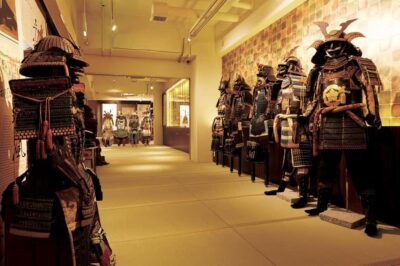
Samurai Ninja Museum Guided tour and Experience
Read our review →
Kendo and Samurai Experience with Uniform and Gear
Read our review →
Samurai Sword Class by Experts in Traditional Arts
Read our review →
Skip the lines Basic Ticket at SAMURAI NINJA MUSEUM KYOTO
Read our review →
Samurai Sword & Archery Class from Samurai Descendant
Read our review →
Browse the lists this tour appears in