
Reviewed · KIMONO EXPERIENCES IN TOKYO
Asakusa: Kimono Tea Ceremony with Matcha and Sweet
The best part is the quiet focus. In Asakusa, you get dressed in a kimono with help from a small team, then you learn tea ceremony etiquette and make matcha yourself with full English guidance. I especially like the hands-on matcha part, and the way the staff help you look camera-ready without rushing you. One consideration, though, is that the experience is intentionally calm, so it is not the right fit if you want loud, party-style sightseeing.
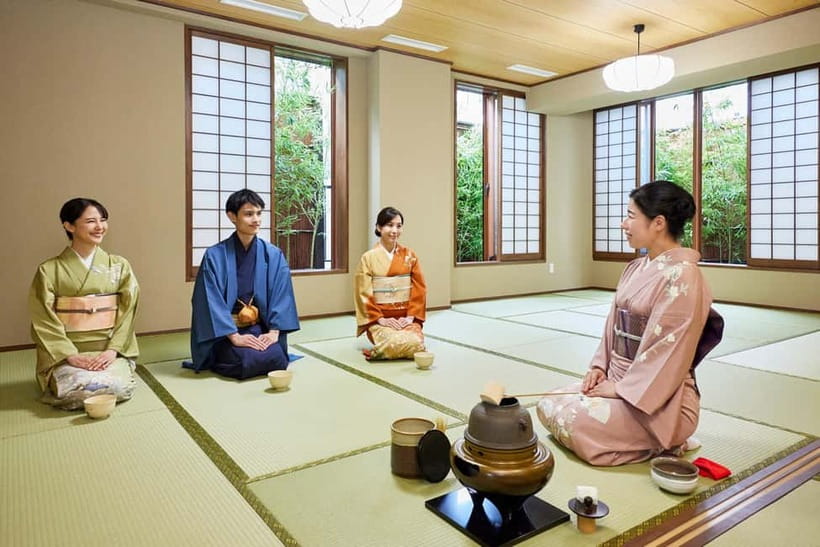
You sit on tatami mats, sip the tea you whisk, and learn what the ritual means, not just how to do it. Expect a group of about 12 to 14 people, plus lots of photo opportunities in set areas and a small garden-style spot. Also note that shoes are not allowed, so wear easy slip-on socks and plan to be comfortable sitting for the full session.
Key highlights to know before you go
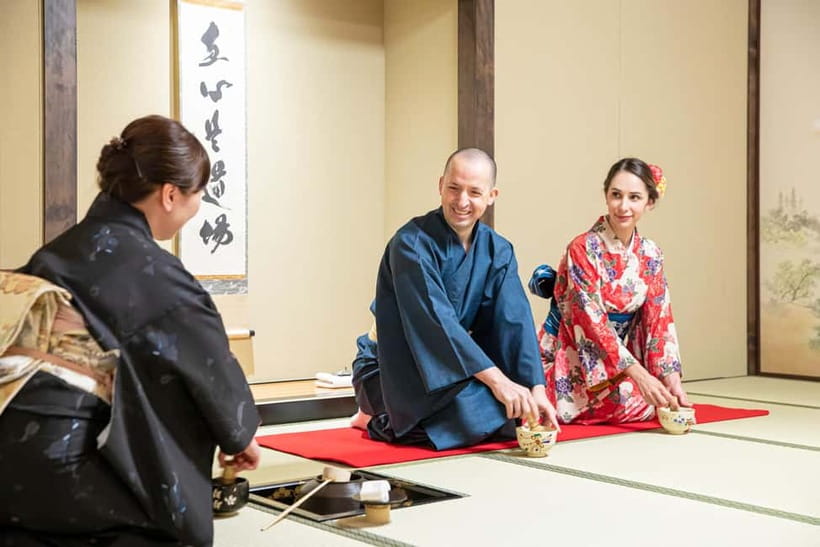
- Kimono selection plus dressing time so you are not just put in a robe, you get to choose colors and details.
- Hands-on matcha practice, including watching the tea master handle the tools first.
- Wa, Kei, Sei, Jaku explained in an understandable, practical way so you know what you are doing and why.
- Seasonal wagashi paired with your matcha, reflecting current flavors and colors.
- English-led experience with bilingual staff support when needed.
- Photo-friendly setup after the ceremony, with staff ready to help you take pictures.
Choosing your seasonal kimono, obi, and hair (long hair women only)
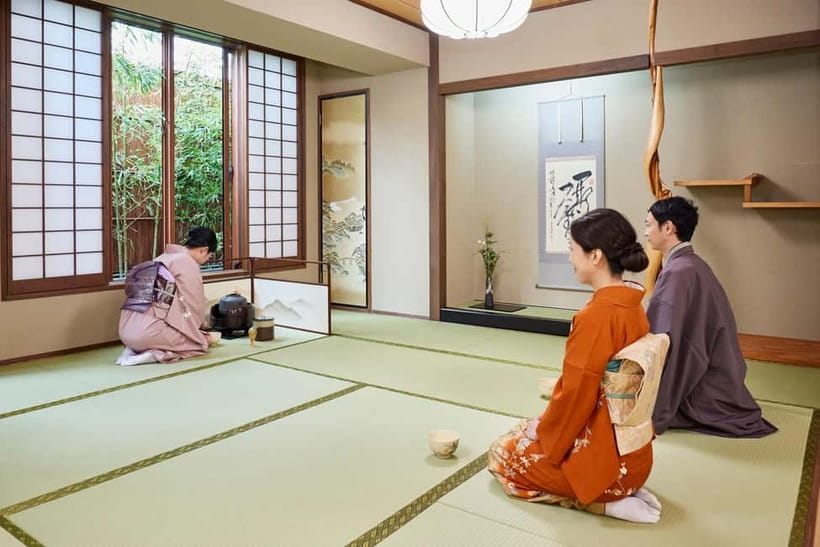
This starts like a mini makeover, with the most important rule: take your time choosing something that feels right. You will select a seasonal kimono, then the team helps you with everything that makes it look proper, including the obi (the sash) and styling details. Many people rave about how much care goes into the dressing, and the options are usually extensive, with lots of colors and prints to pick from.
If you are a woman and you have long hair, you also get hair styling to match your kimono. The styling is fast and polished, which matters because you spend enough time enjoying the ceremony, not waiting around. If your hair is shorter, you can still enjoy the kimono and tea, but the hair service is specifically listed for long hair.
Practical tip: bring patience for this step. Dressing takes time because it is not just for looks, it is also about comfort and fit, so you can sit properly on tatami without fighting your outfit.
More Kimono Experiences in Tokyo
- Let’s make kimono !(Kimono is a gift for you
★ 5.0 · 252 reviews - Tokyo: Matcha and Kimono Experience
★ 4.7 · 219 reviews - Tokyo: Asakusa Kimono Dressing and Matcha Experience
★ 4.9 · 173 reviews
Entering the tea room: etiquette taught through Wa, Kei, Sei, Jaku
The tea ceremony itself is quiet. That is not a downside here, it is the whole point. You enter a serene tea room, and an instructor guides you through the rituals and their meanings, not just the motions.
They explain the core principles:
- Wa for harmony
- Kei for respect
- Sei for purity
- Jaku for tranquility
What I like about this explanation is that it turns etiquette into something you can feel in your body. When the host talks about respect and purity, you start noticing how carefully tools are handled and how movements are controlled. When tranquility is explained, the room makes sense, and you relax into the pace instead of trying to “get through” it.
You might meet different hosts depending on your session. The names that have shown up in past experiences include Mia, Wakana, Kyoko, and Yoko, and in every case the instruction is provided in English. The style is calm and respectful, with enough clarity that even if your Japanese is basic, you still get the story.
Watching the master, then whisking your own matcha
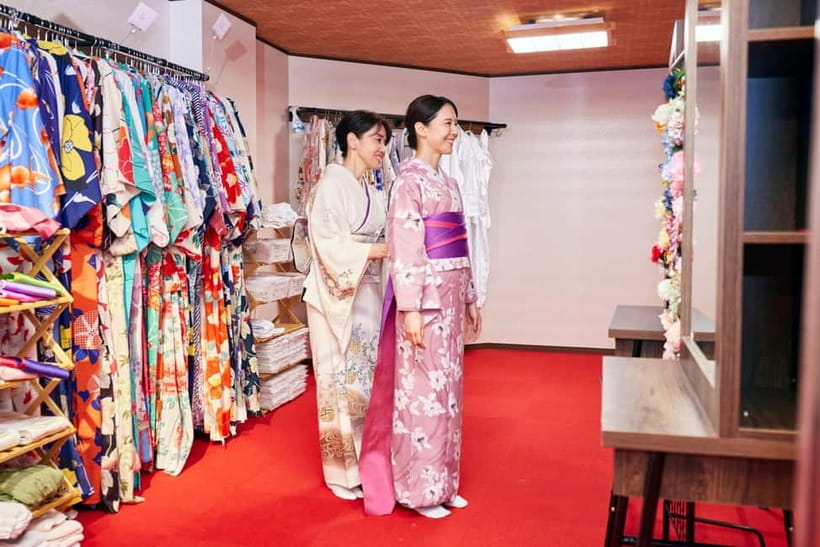
Before you touch the whisk, you see the tea master handle the utensils with care. Many of the tools are described as cherished artifacts, and you can really tell the difference between random kitchen motions and ceremonial technique. The host shows you the steps in preparing matcha, and you learn what to look for as the process unfolds.
Then it is your turn.
You prepare your own bowl of vibrant green tea and learn the mechanics of whisking matcha the traditional way. The guided format helps you get the rhythm right without feeling like you are on the spot. After you make it, you enjoy the matcha you just prepared, which is a big part of why this feels more memorable than a standard tasting.
A small caution: matcha is meant to be savored slowly. If you are the type who rushes sips while taking photos, try to slow down for the drinking moment. That is where you actually register the calm the ceremony is trying to give you.
Wagashi and matcha pairing: seasonal sweets you will actually remember
After the matcha steps, you get seasonal Japanese sweets called wagashi. These are not random snacks. They are meant to match the season, bringing color and flavor that fit the moment.
One reason this part works well for me is that wagashi makes the ceremony feel complete. Tea alone is interesting, but tea plus a sweet designed for the season gives you a fuller sensory picture of Japanese seasonal thinking.
There is also at least one mention that some wagashi can be vegan-friendly. That is not stated as a universal guarantee, but it is a good sign if you are watching your diet. If you have specific dietary needs, you should confirm in advance, since the sweet choice is seasonal.
Tip: eat the wagashi when it is offered, not after. The pairing is part of the rhythm of the ceremony.
More Tea Ceremonies in Tokyo
- Matcha Making Class in Tokyo with Authentic Japanese Sweets Set
★ 5.0 · 744 reviews - Tokyo: Traditional Tea Ceremony with a Tea Master
★ 5.0 · 528 reviews - Tokyo: Matcha Making Experience with Mochi Sweets in Asakusa
★ 4.9 · 388 reviews - Tea Ceremony Workshop in Tokyo by the Experienced Instrucor
★ 5.0 · 189 reviews
Sitting on tatami, handling no-shoes rules, and finding time for photos
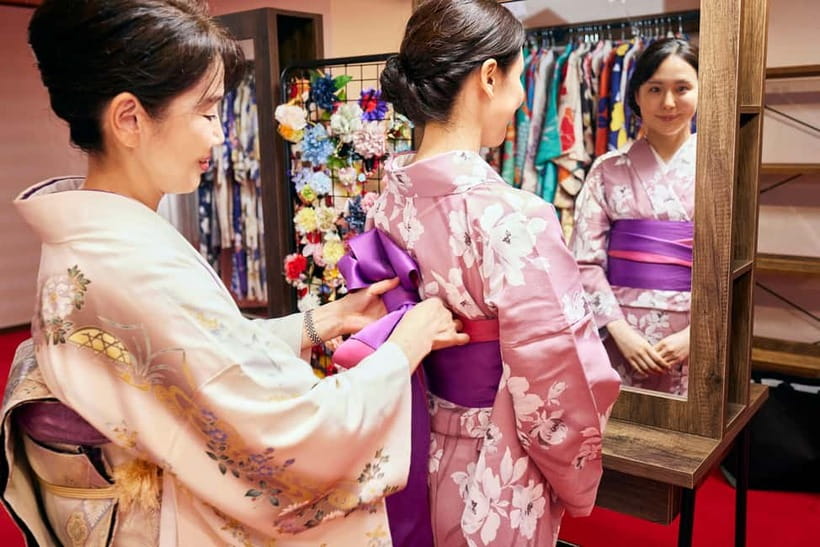
This experience is quiet, and it is also physical in a simple way: you sit on tatami mats. If you prefer a chair, bamboo chairs are available if you request them in advance. That request detail matters because the mats can feel different depending on your comfort level and how long you have to sit.
Shoes are not allowed, so plan for socks. You will be barefoot during the tea portion, and that is normal here. If you have a tricky time with foot comfort, bring thick socks you trust and wear them from the start.
Photo time is one of the biggest practical perks. The dressing setup includes staged spots for kimono photos, and people also mention a small garden-style area inside for pictures. Staff also help with photos, including for solo travelers, which is a relief if you are used to asking strangers for group shots.
Many people report that the kimono rental can be used for a while after the ceremony. So, if the weather is decent, you might be able to step out in your outfit. Even if you only do a short walk, it turns your “costume time” into real neighborhood time in Asakusa.
Who this is best for, and who should choose something else
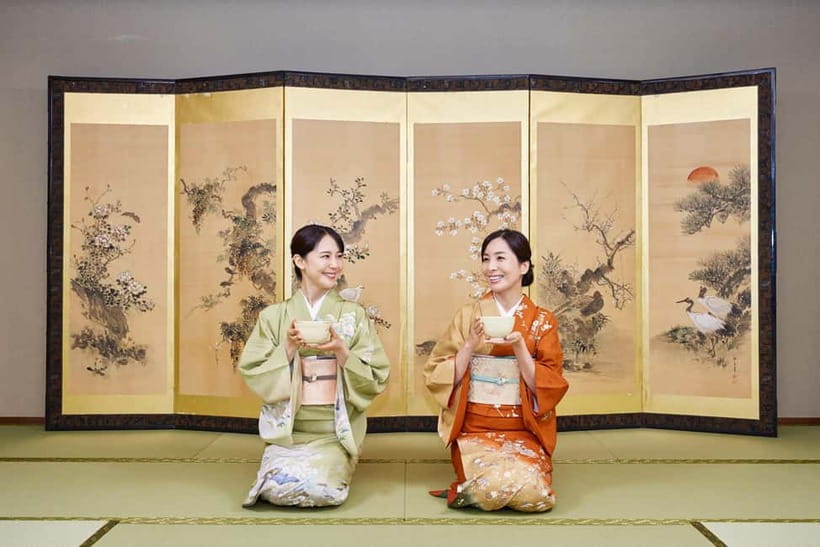
I think this works best for you if:
- You want a hands-on cultural experience, not just a lecture.
- You like photographing yourself in traditional clothing but also want the activity to feel real.
- You enjoy calm, structured experiences where you can focus on details and taste.
- You want English guidance so the meaning of the ritual lands clearly.
It is less ideal if:
- You need a fast-paced, constantly moving itinerary.
- You have trouble sitting comfortably on tatami for the full session.
- You are traveling with children under 7, since kids under 7 are not permitted.
If you are going solo, you should be comfortable. The format is guided, and staff attention to photos is specifically mentioned as helpful in real situations. Just know the group is still around 12 to 14 people, so you are not getting a total private bubble.
Price and value for 90 minutes of kimono plus tea craft
At $66 per person for about 90 minutes, the value is strongest when you look at what is included, not just what you drink. This price covers:
- Traditional tea ceremony and guidance
- Kimono rental plus professional dressing
- Hair styling for women with long hair only
- Matcha green tea preparation practice
- Seasonal wagashi
- Full English guidance throughout
- Bamboo chairs available upon advance request
So you are paying for an experience that includes both cultural instruction and the “make you look right” side of kimono dressing. That is why it can feel like a lot more than a simple tea tasting. You leave with photos, a story you actually understand, and the satisfaction of doing the whisking yourself.
The only things not included are transportation to the venue and meals beyond the sweets. If you plan your day around it, you can make the ceremony the main event and then eat afterward nearby.
One more value point: the group size stays small enough for guidance, but large enough that the atmosphere stays lively without becoming chaotic. That balance is usually what makes the 90 minutes feel well paced.
Should you book the Asakusa kimono tea ceremony?
Book it if you want a calm, guided cultural experience where you learn the meaning of tea ceremony and actually practice making matcha, not just watch. The kimono dressing, hair styling (for long hair women), and photo-friendly setup are big reasons this becomes a highlight, not just a ticketed activity.
Skip it if you cannot handle shoes-off seating on tatami, or if you want a nonstop sightseeing vibe. If you do want calm plus craft plus seasonal sweets, this is the kind of Tokyo moment you will keep thinking about long after the matcha is gone.
FAQ
What is the duration of the experience?
The tea ceremony and kimono experience lasts approximately 90 minutes.
Is English guidance provided?
Yes. The experience includes full English guidance throughout, and the instructor speaks English.
Do I need to remove my shoes?
Yes. Shoes are not allowed during the experience.
Is kimono rental included in the price?
Yes. Kimono rental and professional dressing are included.
Can I get a chair instead of sitting on tatami mats?
Bamboo chairs are available upon advance request.
Are children allowed?
Children under 7 years old are not permitted.
Is transportation included?
No. Transportation to the venue is not included.
Can I cancel and get a refund?
Free cancellation is available up to 24 hours in advance for a full refund.
Fresh options around Tokyo
- Tokyo: Nagano Snow Monkeys and Zenkoji Tour with Temples★ 4.9 · 19 reviews
- Yokohama Port: Private Customizable Tour with Transfer★ 5.0 · 19 reviews
- Explore Unique Tokyo Streets / Learn with a Pro Photographer★ 5.0 · 19 reviews
- Sushi Making with Interactive Samurai Experience at JIN-ASAKUSA★ 5.0 · 19 reviews
- DAIKOKU excursion by car DRIFT automobile encounter★ 4.5 · 19 reviews
- Official Street Go Kart Tour Akihabara 2nd★ 5.0 · 19 reviews
- Cosplay Experience with Professional Makeup and Photo Shoot!★ 5.0 · 19 reviews
- Tokyo: Name Seal & Pouch or Tote Bag Making Experience★ 4.5 · 19 reviews
Kimono Experiences in Tokyo, compared.
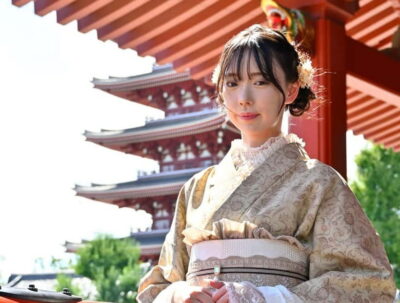
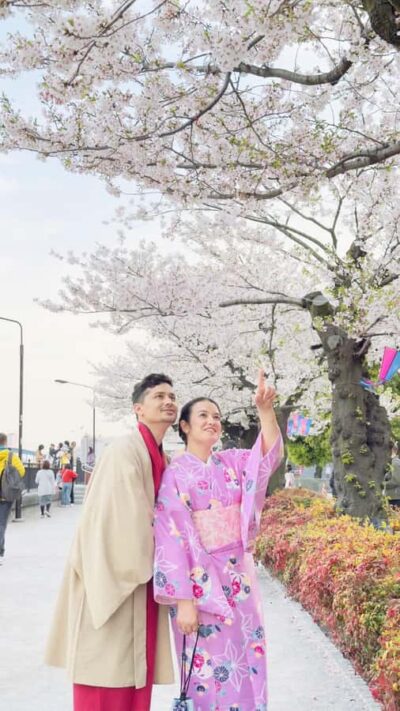
Tokyo Asakusa: Traditional Kimono Rental Experience at Wargo
Read our review →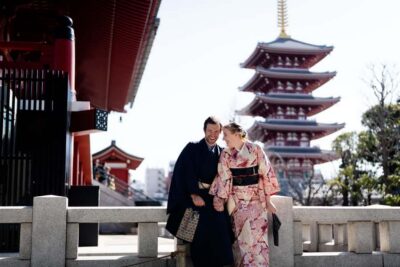
Tokyo Asakusa: Miu Kimono Rental and Optional Photoshoot
Read our review →
Tokyo Authentic Kimono Rental in Asakusa with Photography Option
Read our review →
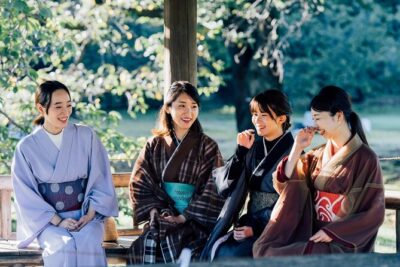
Kimono Rental inside Shinjuku Gyoen National Garden
Read our review →Browse the lists this tour appears in