
Reviewed · CYCLING TOURS
Tokyo: 3-Hour Bike or E-Bike City Highlights Tour
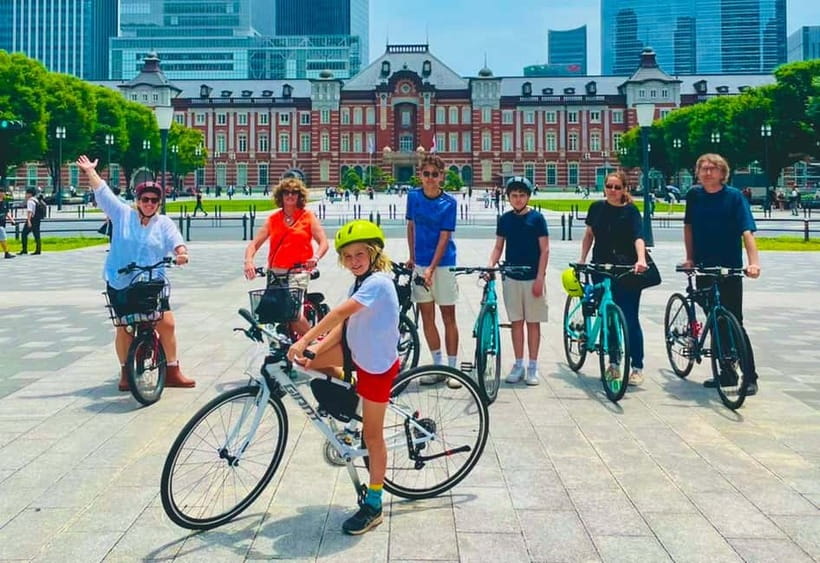
Three hours in Tokyo on two wheels can change your whole plan. This tour mixes classic landmarks with neighborhood streets, and you get your orientation fast without wrestling crowds on foot.
I love two things most: the high-quality Bianchi and Fuji bikes make the ride feel stable and confidence-building, and the English-speaking local guides know exactly what to point out and why it matters. One thing to consider: this is not a sit-and-stroll tour, you do mix sidewalks with roads, so you’ll want decent bike control (and in traffic, you should stay alert).
The great part is that you can choose your effort level. If you pick the e-bike option, you still get the same sightseeing loop, but hills and longer stretches feel much more manageable, which helps you enjoy the stops instead of saving your energy for later.
Key highlights to know before you pedal
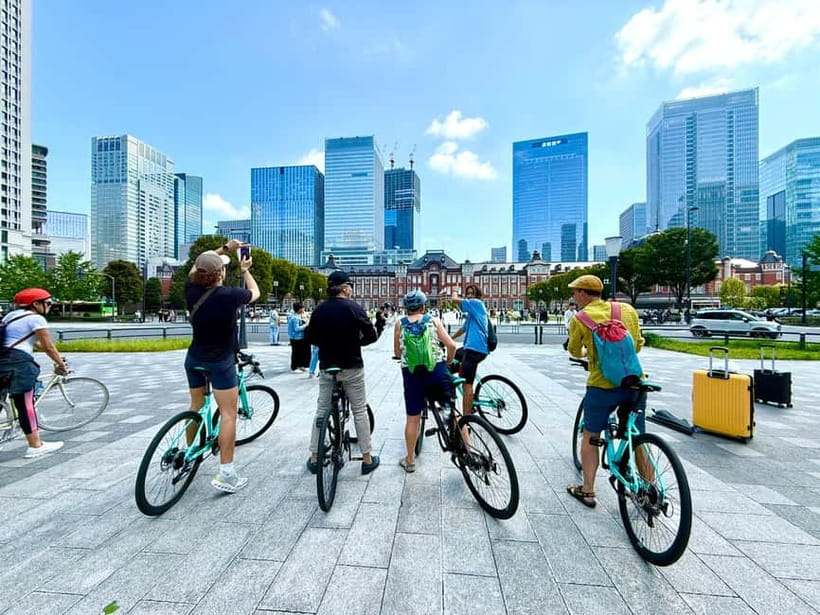
- Small-group feel with guides who actively check that everyone is comfortable and keeping pace
- Iconic Tokyo in a tight loop, from Zojo-ji area to Shibuya Crossing and back down toward central sights
- Real stories at real places, not just photo stops, with guided time built into the route
- Safety focus on a city ride, including bike insurance and a setup designed for comfortable handling
- E-bike option if you do not cycle often, or if you want less fatigue for the 3-hour tour
Why a 3-hour bike loop works so well in Tokyo
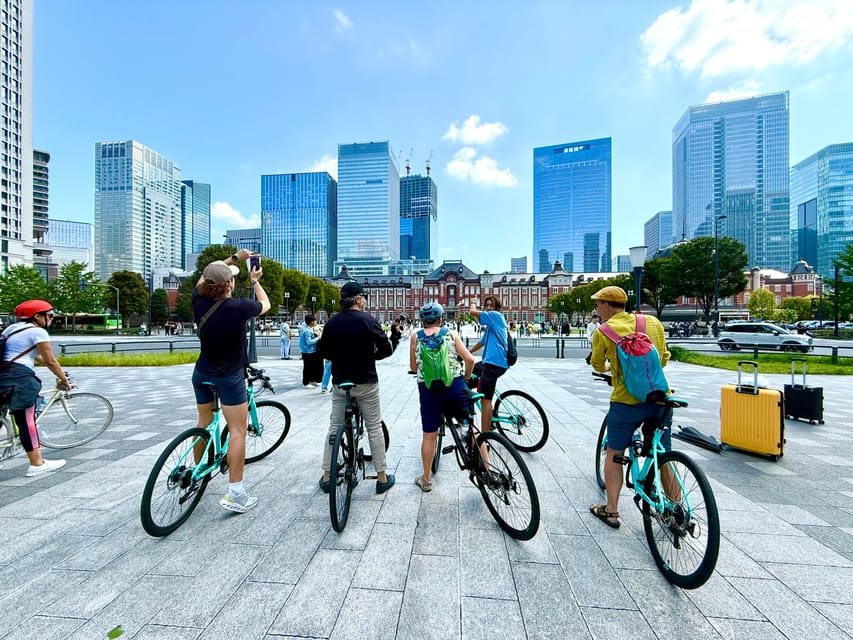
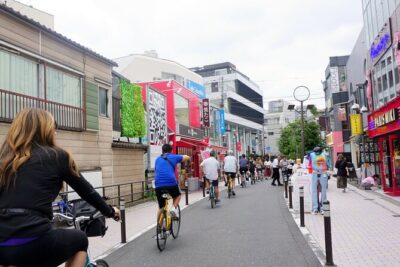
Tokyo is big. Even when the sites feel close on a map, they can be far in real time once you factor in crossings, stations, and walking detours. A 3-hour bike tour gives you momentum. You cover ground efficiently, but you still stop often enough to actually look, take photos, and hear context.
It also helps you read the city as you ride through it. Tokyo has a pattern: formal and scenic areas sit next to fast-moving commercial streets, and the tour route is designed to show that contrast. You’ll see how Tokyo shifts from temple calm to downtown energy without changing your day plan.
If this is your first or second day, you’ll like the way it builds a mental map. You start to understand where places are, how neighborhoods connect, and which areas you might want to revisit later at your own pace.
More Bike Tours in Tokyo
- Tokyo Guided Small-Group Biking Tour
★ 5.0 · 1,250 reviews - Tokyo Great Cycling Tour
★ 5.0 · 811 reviews - Tokyo Top Highlights 3h Guided E-bike Tour
★ 5.0 · 714 reviews
Meeting point near Daimon, and why that location is smart
You meet around the statue of Commodore Perry. It is about a 3-minute walk from Daimon Station, A6 exit. That matters because you start in an area that is easy to reach, and it sets you up for a route that feels like a guided sampler of central Tokyo.
You should plan to arrive a bit early so you have time to get fitted, stow items in the mini pouch on the bike (phone, wallet, keys), and do the usual first-minute checks. A smooth start makes the rest of the ride feel relaxed.
Bikes, helmets, and the safety vibe you should expect
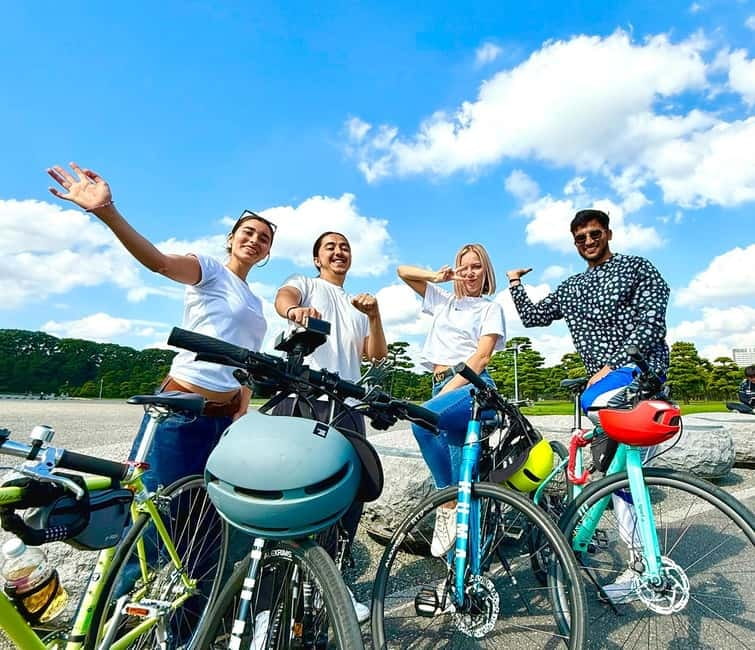
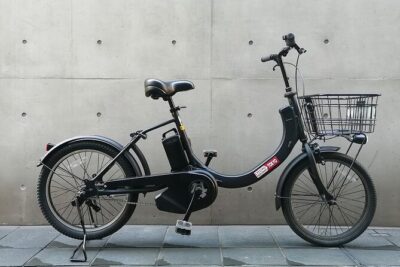
The tour provides high-quality cross bikes such as Bianchi and Fuji, plus e-bikes if you selected that option. Cross bikes are a nice match for city riding. They are built to handle uneven pavement and frequent stops without feeling twitchy.
Bike insurance is included, which is a practical comfort on a day that involves roads and intersections. Also, you are expected to follow basic rules: no smoking, no alcohol or drugs, no littering.
Helmets are not included. They are available on-site if you bring cash of ¥1,000 per unit. If you are at all unsure about your comfort level in traffic, I strongly recommend using one. Even when the ride feels controlled, Tokyo’s streets demand your attention.
One more practical note: this is not listed as suitable for people who cannot ride a bike, and it is not suitable for children under 12, pregnant women, or people with back problems. That is a key filter. If you fit the requirements, the tour style tends to feel fun and well-paced. If you do not, it can feel stressful fast.
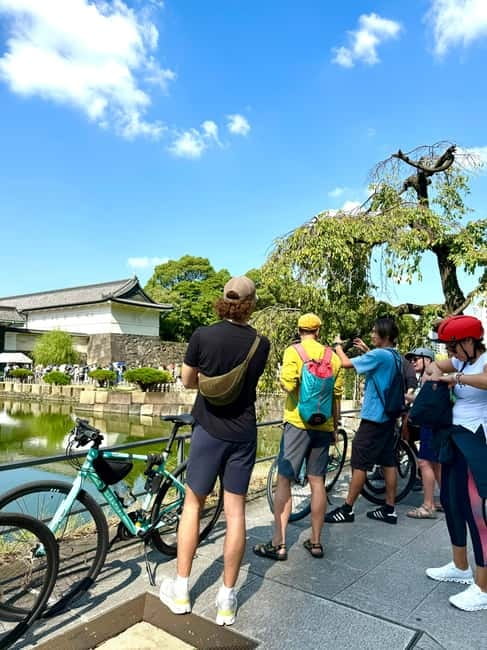
The ride starts with Commodore Perry, then jumps into temple Tokyo
Same corner of Japan, a different kind of day:
- Mt Fuji and Hakone 1-Day Bus Tour Return by Bullet Train
★ 5.0 · 26,383 reviews - 1-Day Tokyo Bus Tour
★ 5.0 · 14,250 reviews - Tokyo: TOKYO SKYTREE® Admission ticket
★ 4.5 · 11,192 reviews - Tokyo: teamLab Planets TOKYO Digital Art Museum Entry Ticket
★ 4.6 · 9,779 reviews
1) Statue of Commodore Perry, your first landmark and quick orientation
The start at the Commodore Perry statue is more than a meeting point. It’s a reminder of how Tokyo history is tied to world events. You kick off the ride with a central anchor before you start moving into more scenic and cultural areas.
2) Zojo-ji Temple area: a photo stop with real atmosphere
Next comes Zojo-ji Temple. You get a short visit and guided tour time (about 15 minutes), plus a photo stop. This is the kind of stop where the details slow you down. Temple surroundings tend to feel different from the streets you’re riding through, even when you are only spending a short window there.
A small caution: if it is crowded, you will still be on a schedule. Keep your camera ready, but don’t block the path. Your guide is there to manage flow, so follow their timing cues.
3) Hibiya Park: a breathing space in the middle of your loop
Then you hit Hibiya Park. It’s a quick visit (just a few minutes), but it works as a reset. Parks help you shake out your shoulders, drink water, and recharge before you move into the more structured areas around the Imperial Palace.
If you tend to get bike-sore, this is the kind of break that makes the rest of the ride feel easier.
Imperial Palace core, Tokyo Station, and the Ōte-mon Gate photo moment
4) Tokyo Imperial Palace: 15 minutes of guided context
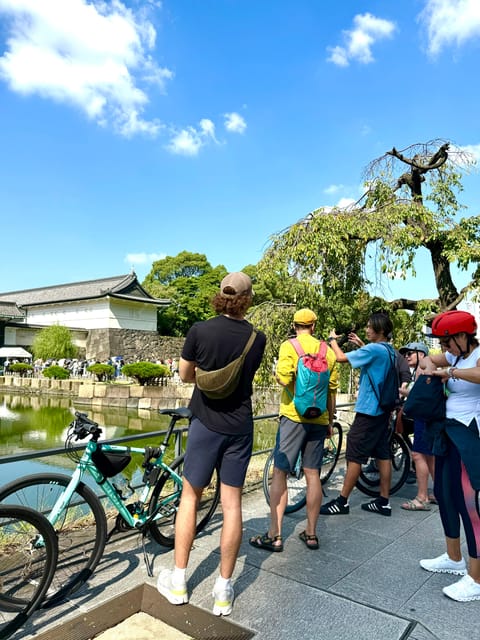
You’ll stop at the Tokyo Imperial Palace with a guided visit time (about 15 minutes) and a photo stop. This is one of those places where you notice symmetry, pacing, and design rules. The guide’s role here is huge. Without commentary, a lot of people just take photos and move on. With commentary, you start to recognize what you are seeing.
5) Tokyo Station: a classic urban landmark break
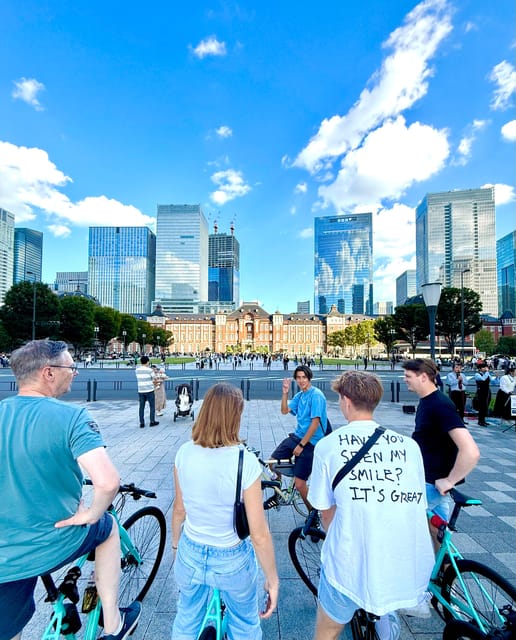
Tokyo Station is next with a photo stop and visit time (about 10 minutes). This is practical sightseeing. It’s also a major transit hub, so it helps you understand the city’s layout while you’re already moving through it.
The drawback here is simple: your stop is short. If you want deeper station time, you might save that for later on your own.
6) Ōte-mon Gate: quick, iconic, and close to the Imperial vibe
The Ōte-mon Gate stop is brief (around 5 minutes), but it is photo-friendly and visually sharp. These short stops are useful because they prevent the schedule from dragging. You still get key visuals, then you get back on the bike.
Chidorigafuchi to Akasaka Palace: parks, formal spaces, and calmer pacing
7) Chidorigafuchi: break time plus photos
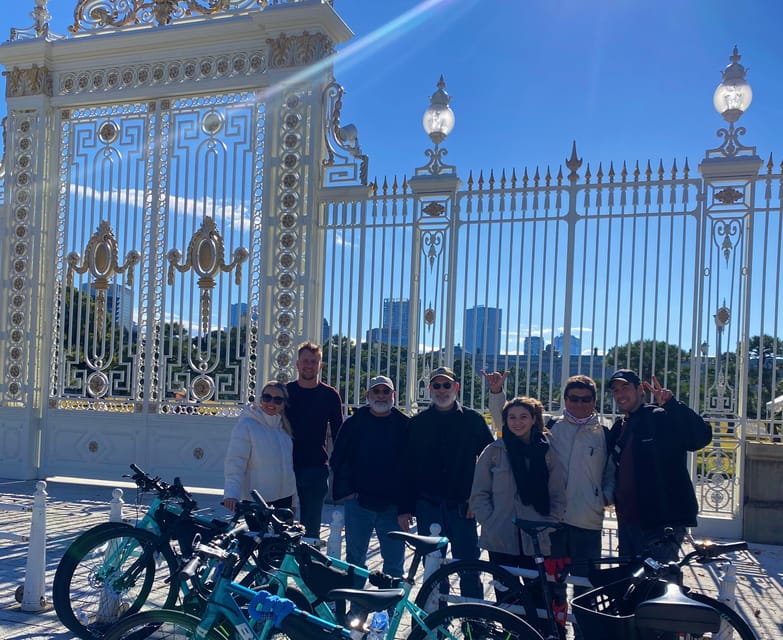
Chidorigafuchi comes with break time and a short photo stop and visit time (about 5 minutes). This is a good moment to refresh. The ride rhythm is set up so you are not constantly pushing. Short breaks like this can make a big difference for comfort over 3 hours.
8) State Guest House Akasaka Palace: 10 minutes with atmosphere
Next is the State Guest House Akasaka Palace with a photo stop and a guided visit (about 10 minutes). This is a change of pace from temples and public parks. You’ll feel the formality more strongly here, and it’s often easier to appreciate the architecture when you are not stuck in a full walking crowd.
It’s also a reminder that central Tokyo is not only shopping and transit. There are official and ceremonial areas right next to the places you spend most of your day.
9) New National Stadium: modern Tokyo in motion
Then comes New National Stadium with about 10 minutes for photo stop and visit. The contrast is the point. You are riding from traditional-feeling spaces toward modern Tokyo energy, and the stadium area helps you feel that shift.
If you are a sports fan, you’ll likely enjoy it more. If you are not, it still gives you a sense of scale and contemporary design.
A stop off the main drag, then Aoyama’s cathedral and Cat Street culture
10) The guided hidden-leaning stop: why it matters
After the stadium, you visit a stop described as a hidden gem stop, with about 15 minutes guided. I like these segments because they reduce the chance you leave Tokyo only with a checklist of famous names. You get at least one moment where the city feels more lived-in.
Keep your eyes open during this stretch. When the guide says something important, that is usually when you should pause and look closely.
11) Aoyama St. Grace Cathedral: quick sightseeing stop
Aoyama St. Grace Cathedral is a short photo stop (about 3 minutes) and a sightsee moment. This is another contrast point: you get a different style of architecture and street atmosphere. Since the stop is brief, think of it as a visual bookmark, not a long visit.
12) Cat Street: small street energy and style
Cat Street follows with about 5 minutes of visit. This is where you see Tokyo as fashion and youth culture. It’s short, but it helps you feel that Tokyo is not only monuments.
Shibuya Crossing at your pace, plus Tower Records and the neon photos
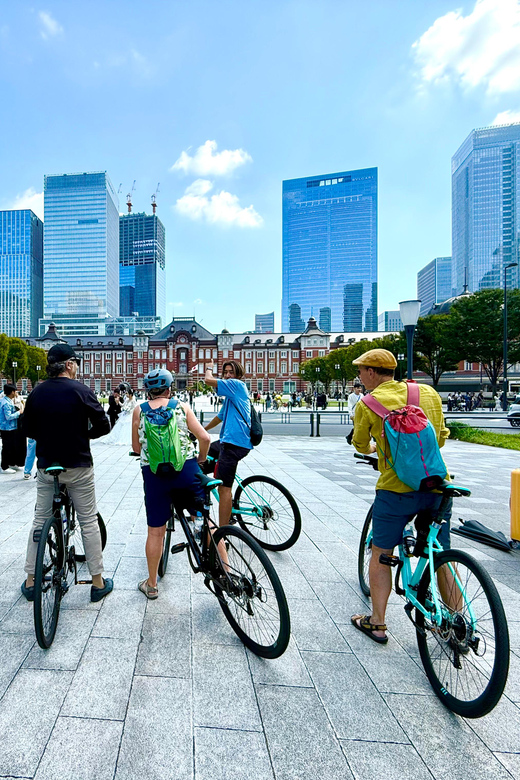
13) Shibuya Crossing: guided photo stop with real street energy
You then reach Shibuya Crossing for a photo stop and guided time (about 10 minutes). This is often the kind of place people overdo on foot. Here, you get a structured moment to experience it, plus you get help navigating the flow without getting swallowed by crowds.
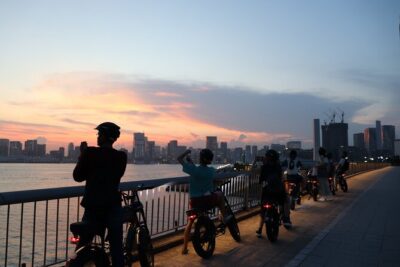
Night or evening ride energy can be a highlight too, and some people describe cycling through Shibuya at that neon intensity while still feeling safe. The key is following your guide and staying aware of how quickly the pedestrian flow shifts.
14) Tower Records Shibuya: a fast pop into pop culture
Tower Records Shibuya is a short photo stop and sightsee time (about 3 minutes). It’s quick, but it places modern Tokyo culture right into your route. If you like music and pop culture references, it lands as a fun finishing note before you head to the final stop.
Finishing at Bell of Peace: a satisfying close
The tour ends at the Bell of Peace. It’s a gentle conclusion to a ride that moves from historic areas into modern districts. Finishing in central Tokyo also makes it easier to continue your day, whether you want dinner nearby or to hop on transit without feeling like you must immediately return to the meeting area.
Price and bike setup: is $45 good value for 3 hours?
At $45 per person for 3 hours, the pricing feels fair because you are not only paying for time on a bike. You are paying for a professional setup, quality equipment, and guidance that makes short stops meaningful.
What you get that supports value:
- A local English-speaking guide who explains what you’re seeing and helps you move smoothly between stops
- Bianchi or Fuji cross bikes, or an e-bike if you choose that option
- A mini pouch on the bike to keep essentials handy
- Bike insurance included
- A plan that covers a lot of major sights without turning the day into a long walking marathon
What can affect your total cost:
- Helmets cost extra (¥1,000 per unit in cash)
- Child seat costs extra (¥3,000 per unit), though the tour is not suitable for children under 12 anyway
My take: if you want an efficient overview and you like the idea of learning while moving, this price is competitive. If you already know Tokyo well and only want slow wandering, you may prefer a more flexible self-guided day.
Who this tour fits best (and who should pick a different plan)
Best fit:
- You want an introduction to central Tokyo that includes both famous stops and street-level context
- Your group includes mixed ages or mixed cycling comfort, because the e-bike option helps everyone ride together
- You prefer guided structure but still want to see neighborhoods up close
Consider a different plan if:
- You are not comfortable riding in traffic or managing bike transitions between sidewalks and roadways
- You have back issues, are pregnant, or you cannot ride a bike
- You are expecting an exclusively off-road path
One small gear note from real experiences: there can be occasional mechanical quirks, like shifting slipping on one bike in a small group. The broader equipment setup is reported as generally good, but you should still do your pre-ride check if you notice anything odd right away.
Practical tips so you feel safe and enjoy the ride
Bring:
- Water
- Comfortable shoes
- Comfortable clothes
Also, plan for weather. Tokyo can be hot even in months where people expect mild days. Some riders recommend a simple rain strategy, like buying a poncho at a convenience store if rain shows up. If the day is wet, wearing grippy shoes and staying close to your guide reduces stress.
Your mindset matters too. This tour is best when you focus on rhythm: ride, stop, listen, take a photo, move on. If you try to squeeze extra exploring during short stops, you’ll feel rushed. Let the guide manage timing so the whole group stays together.
And yes, exchange stories. Multiple guides have been described as genuinely friendly and interested in hearing about where people are from. If you like that human connection, Tokyo bike days can feel surprisingly personal.
Should you book this 3-hour Tokyo bike or e-bike highlights tour?
I’d book it if you want a fast, guided orientation to Tokyo that still feels fun and hands-on. It’s a smart first-day or first-week move because it helps you understand where things are and what fits your style.
Pick the e-bike option if you are not a frequent cyclist or you want to protect your energy for the rest of your trip. Choose the standard bike if you’re comfortable riding confidently and you want the satisfying feeling of moving under your own power.
Skip this tour only if bike confidence is a problem for you. Once you can handle the ride, the payoff is clear: you see major landmarks, you get local context, and you finish with a much clearer sense of Tokyo than you would get from buses alone.
FAQ
How long is the Tokyo bike or e-bike highlights tour?
It is a 3-hour tour.
Where is the meeting point?
Meet at the statue of Commodore Perry, near Daimon Station A6 exit. It is about a 3-minute walk from the station.
Are e-bikes available?
Yes. There is an e-bike option. You should select it if you are not comfortable riding long distances or you do not have much stamina.
Are helmets included?
No. Helmets are not included, but they are available on place by bringing ¥1,000 per unit in cash.
What kinds of people should not book?
The tour is not suitable for children under 12, pregnant women, people with back problems, or anyone who cannot ride a bike.
What should I bring?
Bring comfortable shoes, water, and comfortable clothes.
More E-Bikes in Tokyo
- 3h Tokyo E-Bike Tour: Hidden Gems, and Local Life with guide
★ 5.0 · 670 reviews - Tokyo: 3-hour Guided E-Bike Tour of the City’s Hidden Gems
★ 4.8 · 251 reviews - Tokyo: 3-Hour Bike/E-Bike Tour of the City’s Highlights
★ 5.0 · 209 reviews - 3-Hour Tokyo Private E-Bike Tour Starting from Your Hotel
★ 5.0 · 117 reviews
Fresh options around Tokyo
- Tokyo: Nagano Snow Monkeys and Zenkoji Tour with Temples★ 4.9 · 19 reviews
- Yokohama Port: Private Customizable Tour with Transfer★ 5.0 · 19 reviews
- Explore Unique Tokyo Streets / Learn with a Pro Photographer★ 5.0 · 19 reviews
- Sushi Making with Interactive Samurai Experience at JIN-ASAKUSA★ 5.0 · 19 reviews
- DAIKOKU excursion by car DRIFT automobile encounter★ 4.5 · 19 reviews
- Official Street Go Kart Tour Akihabara 2nd★ 5.0 · 19 reviews
- Cosplay Experience with Professional Makeup and Photo Shoot!★ 5.0 · 19 reviews
- Japanese Traditional Sweets making★ 4.1 · 19 reviews
Cycling Tours, compared.
3h Tokyo E-Bike Tour: Hidden Gems, and Local Life with guide
Read our review →
Arashiyama Bamboo Forest & Hidden Gems Bike Tour (Early Bird)
Read our review →
Hiroshima in a Nutshell: Morning Bike Adventure
Read our review →Browse the lists this tour appears in