
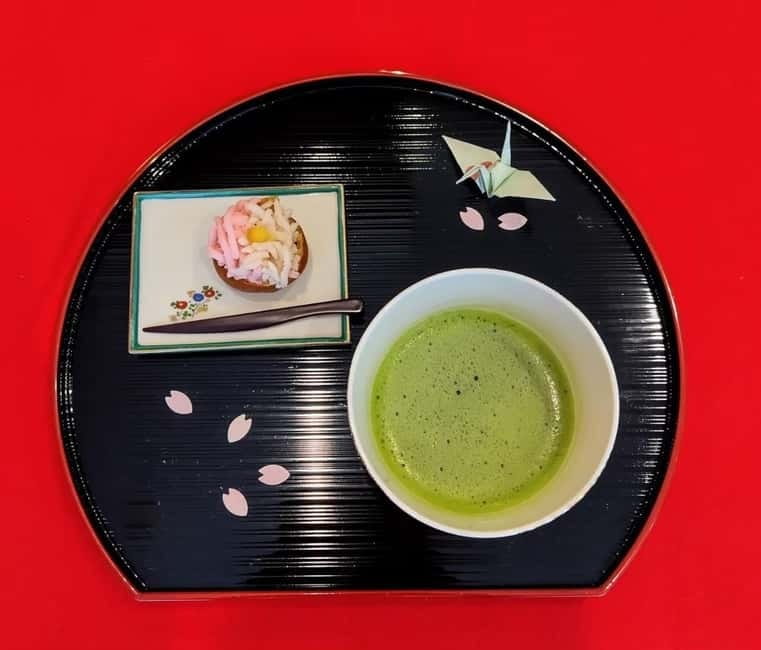
Reviewed · TEA CEREMONIES IN TOKYO
Tea ceremony experience in Japanese-style room 60min
Matcha, manners, and beautiful bowls in Asakusa. In Wasako’s Japanese-style room inside Charyo-Ichimatsu, I love choosing your tea sweets and matcha bowl, and I love the chance to learn the steps in a calm, small-group setting with Ryouko. The main consideration is timing, the whole experience can run anywhere from 45 minutes to much longer, so go in knowing it is instruction plus ceremony, not an all-day workshop for $45.
You’ll start at set times (10:00, 11:30, 13:30, 15:00) near Tawaramachi Station and Asakusa Station, then step inside a space that feels like it was built for quiet attention. You also get served tea and sweets during the demonstration, so you’re not just watching, you’re participating with every sip.
What makes it special is the mix of meaning and hands-on practice. You’ll learn how matcha is prepared, you’ll get explanations about utensils and hanging scrolls, and you’ll have a chance to brew your own tea. In a country where details matter, this one is all about those details.
Key highlights at a glance
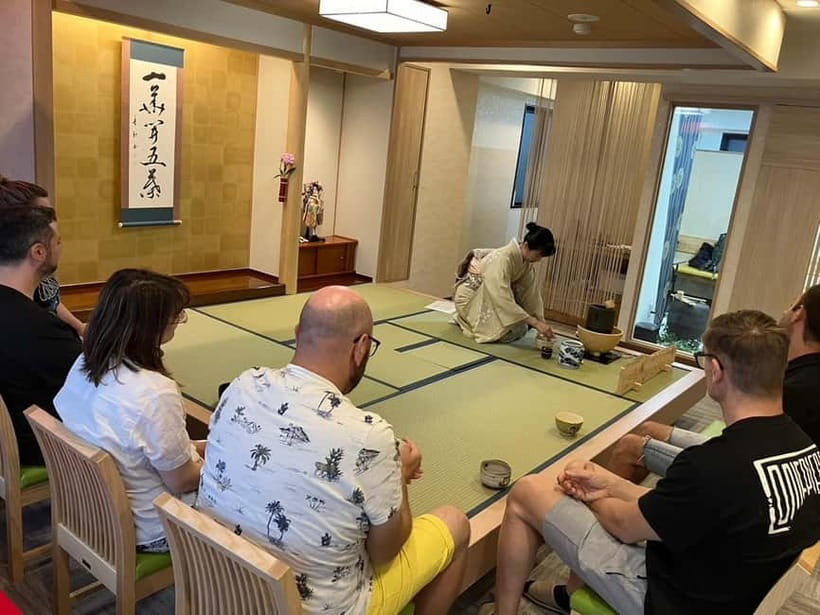
- Choose your tea sweets and matcha bowl, each bowl with its own design and explanation
- Watch the demonstration while you enjoy sweets and drink matcha
- Learn and practice matcha prep so you are not just observing
- Get context on tea ceremony culture, including furnishings and hanging scrolls
- Small group size (up to 7) for more personal guidance
- Photo-worthy room in a cultural-property building, with lots of picture moments
Finding Wasako in Charyo-Ichimatsu (and why the setting matters)
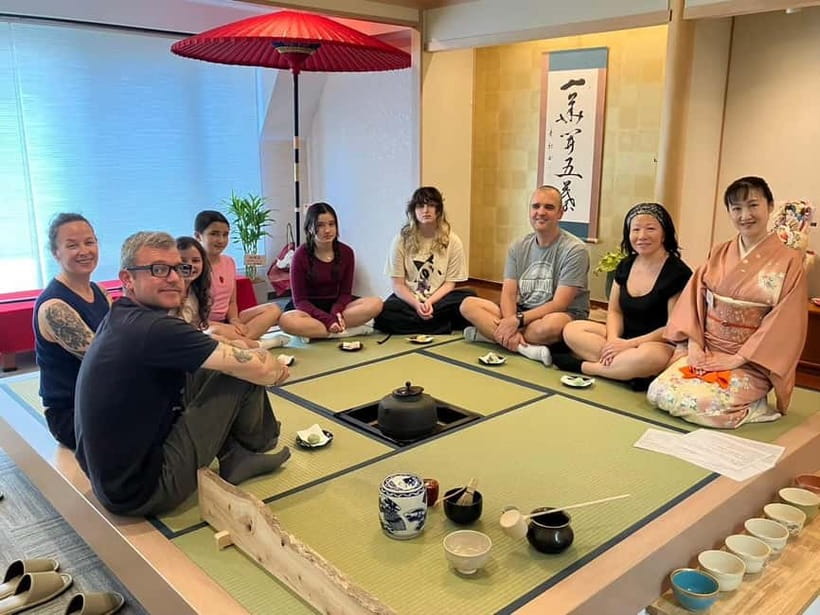
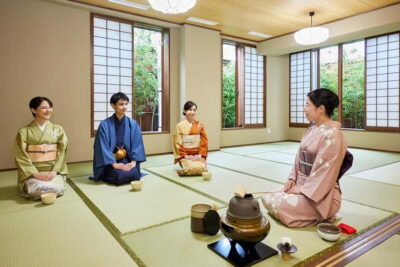
Wasako sits inside the Charyo-Ichimatsu restaurant area, in a Japanese-style room where the whole experience is built around stillness and order. The bigger win here is the building itself: the Ichimatsu property is registered as a tangible cultural property in Japan, which means you’re stepping into a place that feels genuinely preserved, not just staged for tourists.
Your meeting point is easy if you know which stations to aim for. It is about a 5-minute walk from Tawaramachi Station (Tokyo Metro Ginza Line, Exit 3) or about a 10-minute walk from Asakusa Station (Toei Asakusa Line, Exit A4). I’d treat that as “walk time,” not “stand around time,” so show up a few minutes early and look for the green signs mentioned in directions given by the staff.
Once you locate the correct door, you’ll be reminded fast that this is an indoors, no-shoes setup. Shoes are not allowed indoors, so plan socks early if you want to sit on tatami comfortably. If you forget, socks are sold on site for 500 yen.
Why the setting matters: in a tea ceremony, the room is part of the lesson. The lighting, the way items are arranged, and the quiet rules around movement all help you understand why the ceremony feels precise instead of performative. Even if you know nothing about tea, you’ll start noticing details right away.
More Tea Ceremonies in Tokyo
- Matcha Making Class in Tokyo with Authentic Japanese Sweets Set
★ 5.0 · 744 reviews - Tokyo: Traditional Tea Ceremony with a Tea Master
★ 5.0 · 528 reviews - Tokyo: Matcha Making Experience with Mochi Sweets in Asakusa
★ 4.9 · 388 reviews
Your 60-minute rhythm: sweets, bowl choice, and the demo flow
The session starts at one of four times: 10:00, 11:30, 13:30, or 15:00. If you’re trying to fit it into a Tokyo plan, pick the start time that gives you breathing room afterward, because it’s a seated activity where you’ll want to slow down.
When you arrive, you’ll enter the Japanese-style room and you’ll choose both your tea sweets and your matcha bowl. That choice is more than a fun menu moment. Each matcha bowl has a unique design, and the host explains the bowl individually, which turns “I picked one” into “I understand what I’m holding.”
Then comes the demonstration. While you watch, you can enjoy the sweets and drink matcha. This matters because you’re not just being lectured. You’re tasting, watching the steps unfold, and learning how the utensils and gestures connect to flavor and presentation.
You’ll also get short explanations about tea-ceremony elements that many first-timers miss. Expect guidance on things like hanging scrolls and furnishings, plus basic context around the tea ceremony’s purpose and customs. One of the best aspects of this structure is that you’re gradually being brought from observation into action. You see the steps, you taste the result, then you try.
The host and instruction style: what you learn from Ryouko and the team
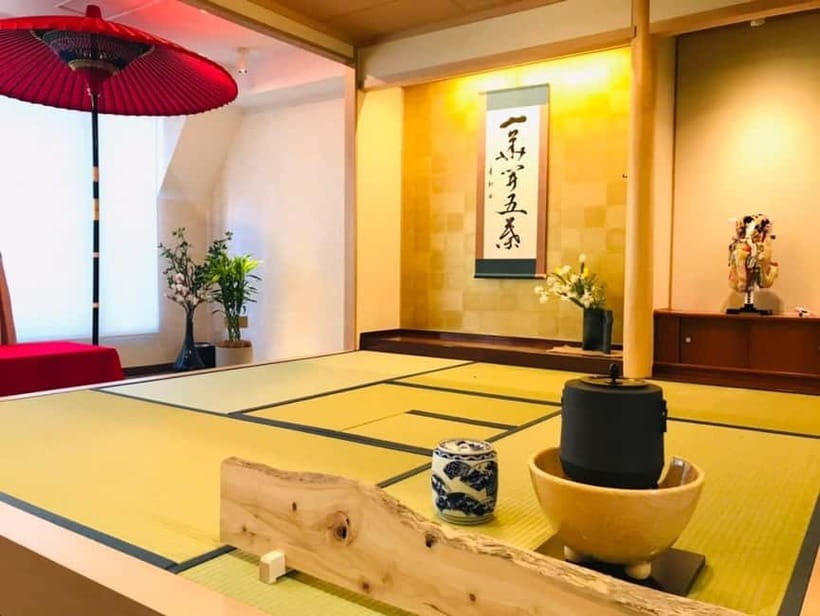
English instruction is available, and the host and team can explain in Japanese too if your group leans that way. From the way the ceremony is run, you can tell the goal is clarity and comfort, not speed.
Ryouko is the name that comes up most often in accounts of the experience, and she’s described as sweet, calm, and genuinely excited to share. In several write-ups, she’s credited with clear step-by-step guidance, plus extra answers when people had questions. There’s also mention of an assistant named Akiko, especially around hands-on support like kimono dressing.
If you’re the kind of traveler who likes to understand why something is done a certain way, this setup should fit you. The host explains not only what you do, but what certain items represent, including hanging scrolls and the role of utensils. You end up learning the logic behind the ritual, even if you’re not trying to memorize every detail.
One small caution from a practical point of view: if you’re hoping for a very long lesson packed with deep history, one person felt the instruction felt lighter than expected for the price. That doesn’t mean the teaching is weak, it just means you should go in expecting a thoughtful ceremony, not a multi-hour lecture.
Making your own matcha: the hands-on part that sticks
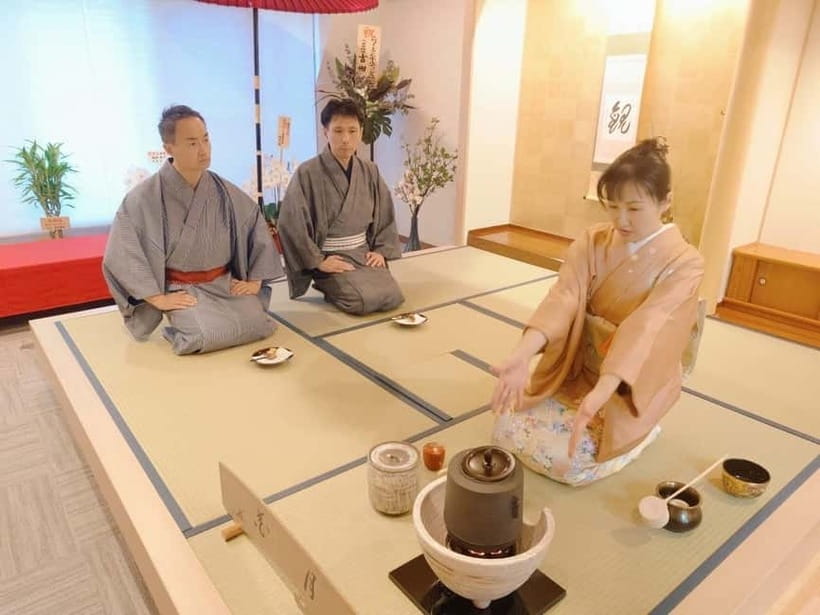
This is the moment I’d plan your attention for. After the demonstration and tastings, you learn how to prepare matcha and you get the chance to brew it yourself.
They walk you through the process, and you’ll have a real role at the table, not just a turn to stir once. The details matter here: matcha is not treated like a generic drink. It’s handled with specific care, using the proper tools in a specific order, and that discipline is part of the learning.
A big practical advantage is that you get to do it in a controlled setting. Since the group is small (limited to 7 participants), you’re not competing for attention. You can ask questions while you practice, and the host can correct technique while you’re actively making the tea.
What you’ll likely come away with:
- a basic sense of the sequence for making matcha
- an understanding of how the utensils fit into the ritual
- a clearer sense of how the ceremony’s pacing affects what you taste
And yes, it is relaxing. Even if you’re used to busy Tokyo days, this part of the experience slows your mind down. You end up focusing on your hands, the sound of motion, and the look and texture as the matcha is prepared.
Same corner of Japan, a different kind of day:
- Mt Fuji and Hakone 1-Day Bus Tour Return by Bullet Train
★ 5.0 · 26,383 reviews - 1-Day Tokyo Bus Tour
★ 5.0 · 14,250 reviews - Tokyo: TOKYO SKYTREE® Admission ticket
★ 4.5 · 11,192 reviews - Tokyo: teamLab Planets TOKYO Digital Art Museum Entry Ticket
★ 4.6 · 9,779 reviews
Photo moments in a cultural-property room (and kimono tips)
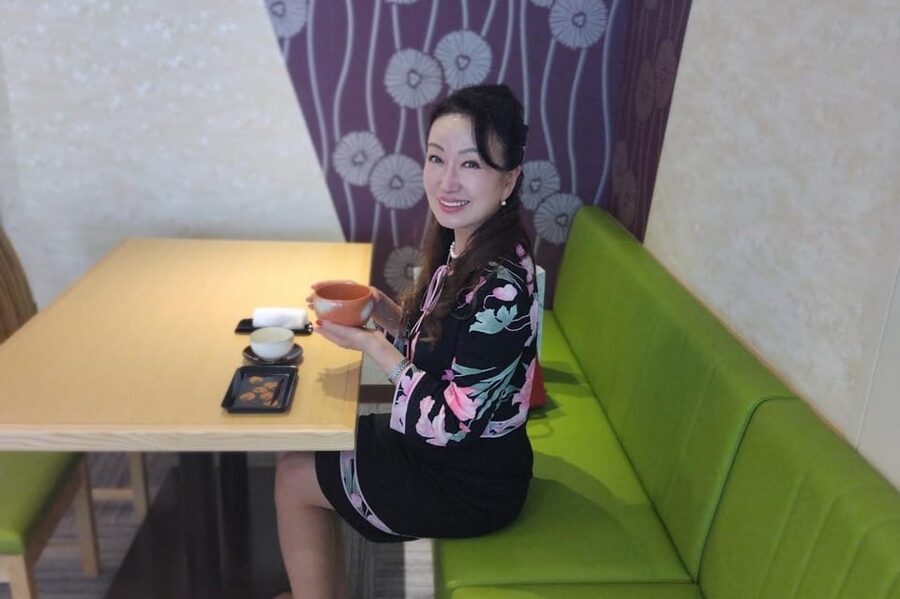
One of the most repeated positives is how photo-friendly the room is. Since the building is a registered tangible cultural property, there are many spots that feel authentic rather than like a quick photo stop. The ceremony setup also creates natural framing: you sit in a Japanese-style room, you hold beautiful bowls, and the staging supports classic tea-ceremony visuals.
Another big praise point is that the staff help take photos throughout the ceremony. Multiple accounts mention that the host took pictures as the process happened, so you’re not stuck doing a selfie while trying to learn matcha steps. If you care about having clear memories, this is a real value add.
A few people also added kimono rental. If that’s an option you’re considering, it can make the experience feel even more like stepping into a ritual space, and it also gives you extra photo opportunities. One practical note from experience descriptions: if you’re wearing a kimono, it can take some careful dressing time, and it can make timing feel slightly more full, so don’t schedule something super tight right afterward.
Tatami and socks deserve a final mention. If you want to get on the tatami comfortably, bring socks. If you don’t, you can buy them for 500 yen. This is one of those small “save yourself stress” steps that makes the ceremony feel effortless.
Price and value: is $45 fair for what you do?
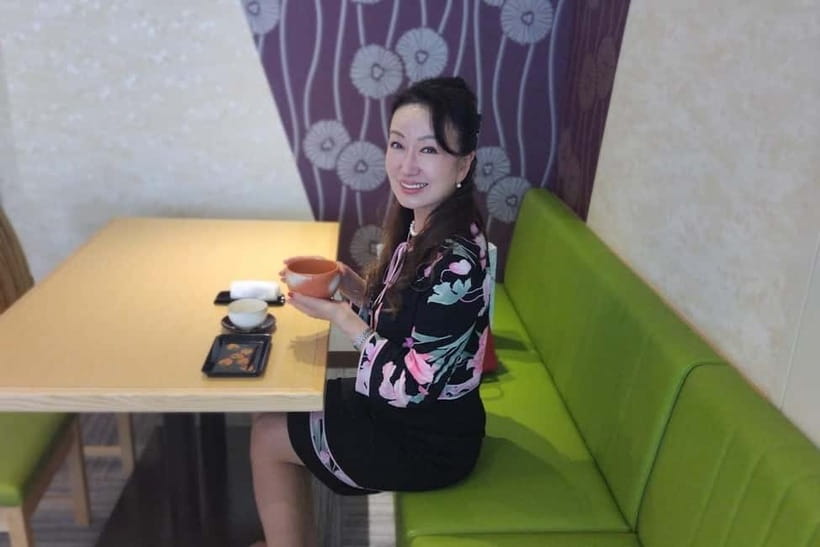
$45 per person is not a cheap impulse buy, so you should judge it by what you get. Here’s the value case:
- You taste matcha and sweets during the demo, so the ceremony isn’t just observation
- You actively make your own matcha, which is the main “earned experience” part
- You get individualized bowl explanation, and you choose your bowl and sweets
- You’re in a small group (up to 7), which usually means more attention
- You benefit from staff photo help, which reduces awkward timing and mistakes
The drawback side is also understandable. The experience can land closer to 45 minutes for some sessions, and one reviewer felt the price did not match the depth of instruction. That’s a fair consideration if you’re a serious tea-history person expecting more time, more lecturing, or more depth than a short ceremony plus hands-on practice.
My advice: treat it like a cultural activity where you leave with a skill and a feeling, not like a full-day course. If you want a calm break from the crowds and you like learning by doing, $45 can feel like a good trade.
When to book and who should go
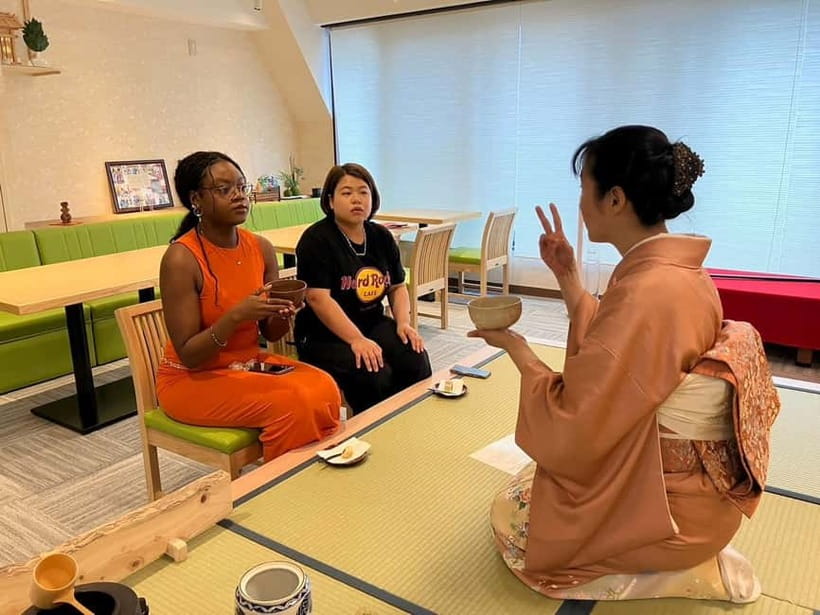
There are four daily start times, so you can usually find one that fits your day. If you want a quieter vibe, consider booking earlier or choosing a time that avoids the heaviest foot traffic in Asakusa.
This tea ceremony is a strong fit for:
- first-timers who want a guided start to Japanese tea culture
- travelers who enjoy calm, detail-based experiences
- couples and small groups who want shared photos and a shared ritual
- anyone who likes hands-on learning, not only watching
It may not be the best match if you:
- need wheelchair accessibility, since it is not suitable for wheelchair users
- are traveling with children under 6
- are looking for a long, deep lecture that fills an entire afternoon
Quick practical checklist before you go
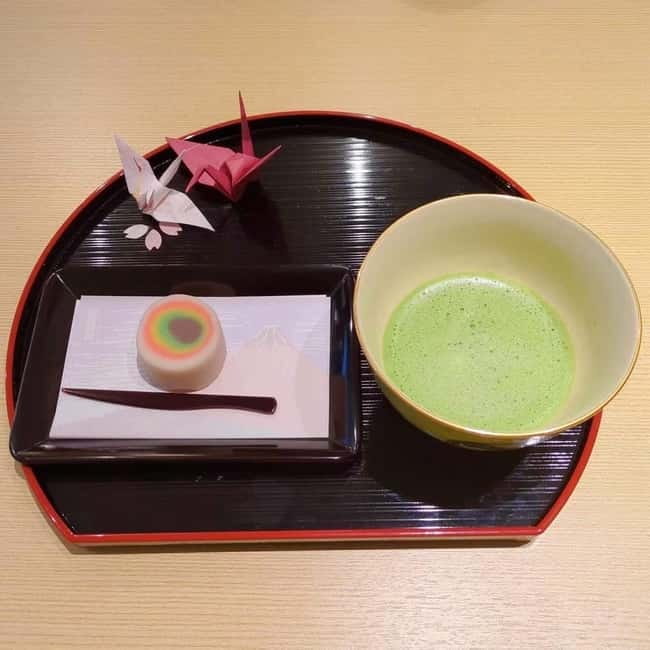
Socks, socks, socks. Socks are recommended for getting on tatami, and if you forget, you can buy them for 500 yen. Shoes are not allowed indoors, so plan to move through the area comfortably without relying on footwear indoors.
Also, plan for a no-rush mindset. You will sit, taste, watch, learn, and practice. If your schedule is packed minute-by-minute, the ceremony will feel like you’re trying to squeeze a quiet moment into chaos.
Should you book the Wasako matcha ceremony?
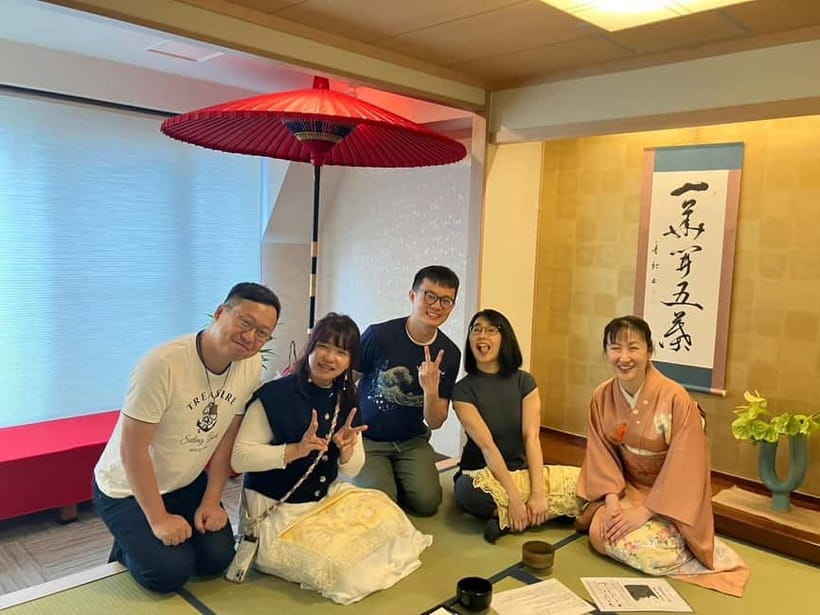
I think you should book it if you want an authentic, structured tea ceremony that doesn’t just talk at you. Choosing your sweets and matcha bowl, learning about utensils and scrolls, and then brewing your own matcha is a satisfying mix of ritual and participation. Add the small-group limit and the staff help with photos, and it becomes a low-stress way to capture something memorable in Tokyo.
Skip it or think twice if you need heavy, extended instruction or if you’re expecting a long session that runs for several hours. One key point is that the experience length can vary, and for $45, you’ll feel the difference between a short ceremony and a fuller one.
If you’re in Asakusa anyway, this is exactly the kind of activity that makes the neighborhood feel real. Not just another stop, but a quiet, hands-on cultural reset.
Fresh options around Tokyo
- Tokyo: Nagano Snow Monkeys and Zenkoji Tour with Temples★ 4.9 · 19 reviews
- Yokohama Port: Private Customizable Tour with Transfer★ 5.0 · 19 reviews
- Sushi Making with Interactive Samurai Experience at JIN-ASAKUSA★ 5.0 · 19 reviews
- Explore Unique Tokyo Streets / Learn with a Pro Photographer★ 5.0 · 19 reviews
- DAIKOKU excursion by car DRIFT automobile encounter★ 4.5 · 19 reviews
- Official Street Go Kart Tour Akihabara 2nd★ 5.0 · 19 reviews
- Cosplay Experience with Professional Makeup and Photo Shoot!★ 5.0 · 19 reviews
- Tokyo: Name Seal & Pouch or Tote Bag Making Experience★ 4.5 · 19 reviews
Tea Ceremonies in Tokyo, compared.

Matcha Making Class in Tokyo with Authentic Japanese Sweets Set
Read our review →

Matcha Making Experience with Mochi Sweets in Asakusa
Read our review →
Tea Ceremony Workshop in Tokyo by the Experienced Instrucor
Read our review →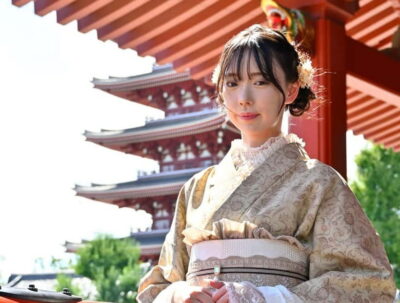
Asakusa: Kimono Tea Ceremony with Matcha and Sweet
Read our review →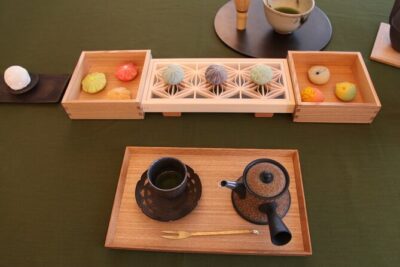
Make Traditional Nerikiri Sweets & Matcha experience in Shibuya
Read our review →Browse the lists this tour appears in