
Reviewed · TEA CEREMONIES IN TOKYO
Tea Ceremony Experience in a Private Tea Room in Shibuya
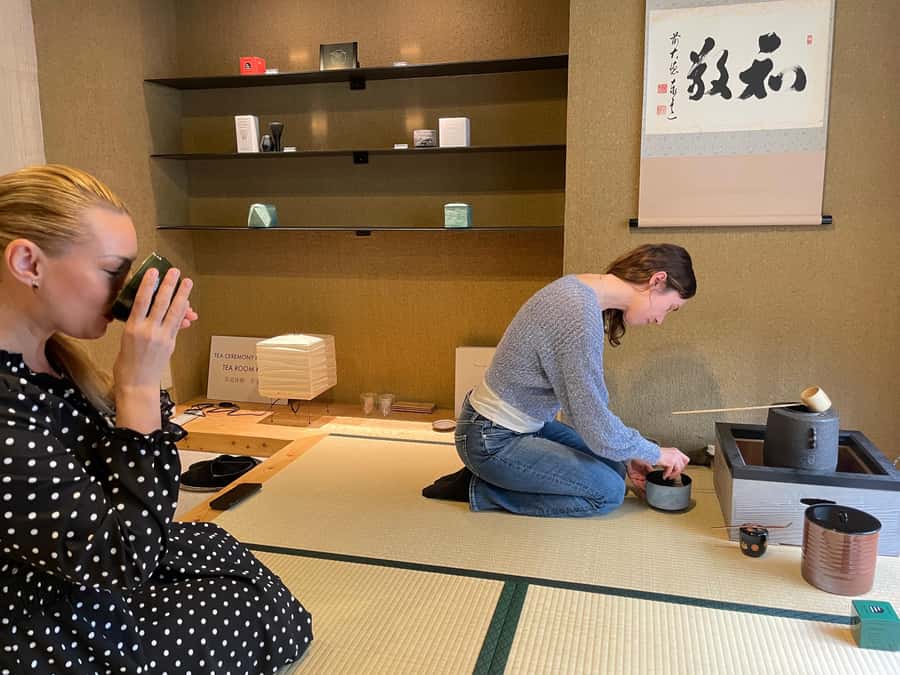
Waking up your senses should not be loud. In Shibuya, I love that you can swap street noise for a calm private tea room experience built around real tea craft. You’ll learn the rules behind the ceremony, taste premium organic matcha, and get hands-on practice with a Japanese tea master in the heart of Tokyo.
The two things I like most are the matcha quality and the way the session is taught. This is built around EAST GREEN MATCHA, described as using rare organic matcha that comes from only 2% of the harvest in Japan, plus traditional wagashi sweets from a shop with over 200 years of history. Even better, you do not just watch, you make your own cup.
One consideration: the room has no toilet, so plan ahead. Also, matcha contains caffeine, so if you are sensitive, it may affect your timing later in the day.
Key things to know before you go
- Tea Room Kakoi, a quiet private setup that feels far from Shibuya outside
- EAST GREEN MATCHA organic matcha, highlighted as coming from just 2% of the harvest
- A structured ceremony lesson, with history plus proper whisking and drinking
- Wagashi sweets from a long-established shop with 200+ years of background
- A guided matcha-making session where you learn by doing
- No toilet in the tea room, so use facilities nearby first
Shibuya to Tea Room Kakoi: finding calm near Shibuya Station
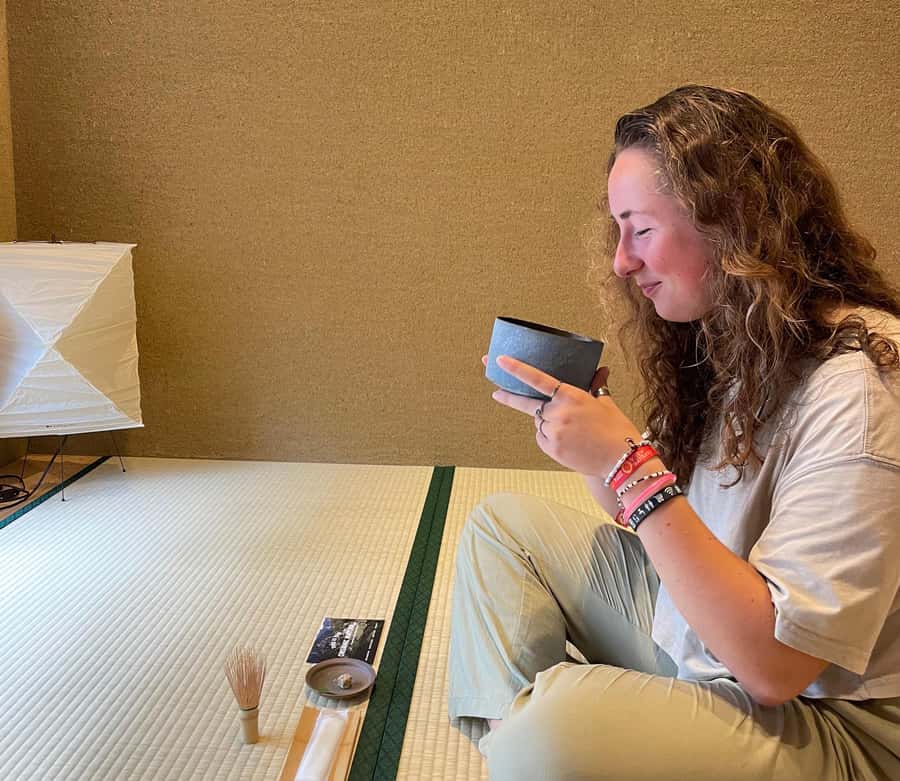
Meeting starts at the front of The OneFive Tokyo Shibuya hotel, where the guide holds a sign for TEA ROOM KAKOI. From Shibuya Station, you are looking at about an 8 minute walk to the area, which is convenient if you are already planning to see Shibuya Scramble Crossing or Meiji Shrine before or after.
What I appreciate here is the practical flow. You are in a busy neighborhood, but the experience is designed like a reset. One moment you are navigating trains and crosswalks, the next you are being guided into a tea room where the pacing slows down.
Also, pay attention to the meeting sign. A tiny location change in Japan can send you wandering through the wrong building, and this one is described as being inside a private setting. If you prefer not to guess, arrive a few minutes early and check for the TEA ROOM KAKOI sign held at the hotel entrance.
More Tea Ceremonies in Tokyo
- Matcha Making Class in Tokyo with Authentic Japanese Sweets Set
★ 5.0 · 744 reviews - Tokyo: Traditional Tea Ceremony with a Tea Master
★ 5.0 · 528 reviews - Tokyo: Matcha Making Experience with Mochi Sweets in Asakusa
★ 4.9 · 388 reviews
EAST GREEN MATCHA basics: why this matcha feels different
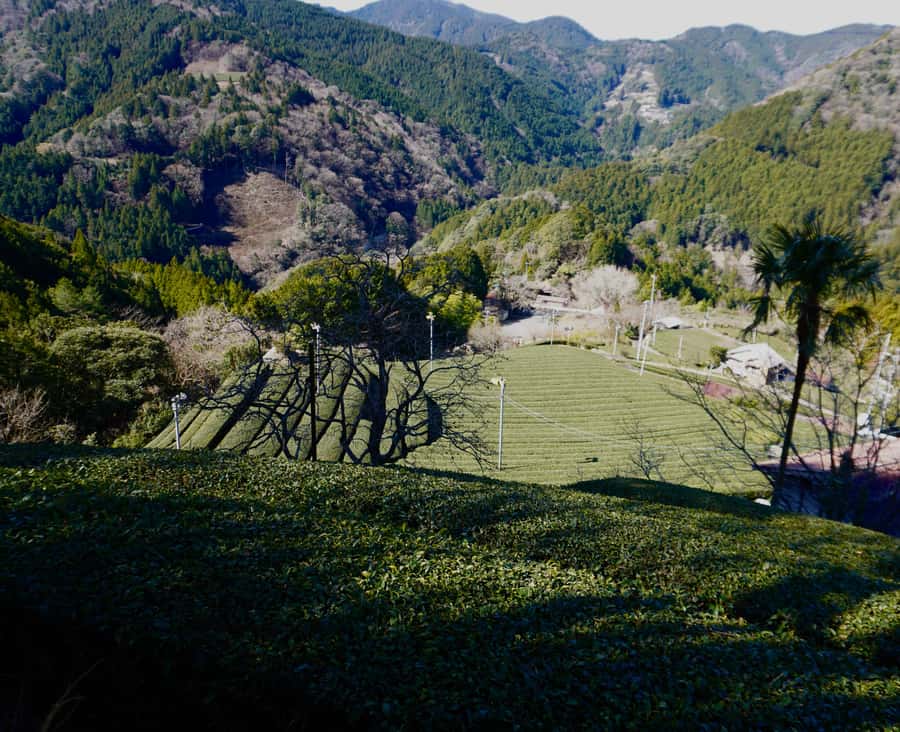
This ceremony is powered by EAST GREEN MATCHA, and the branding matters because it shapes what you taste. The description highlights an organic matcha that represents only 2% of the harvest in Japan, plus a focus on how matcha is produced and why it matters.
In the session, you will start with a talk about Japan’s traditional tea ceremony, then move into the history and production of matcha. The point is not academic trivia. It helps you understand what you are tasting and why the ceremony is so precise. When someone explains where the leaves come from and what makes high-grade ceremonial matcha distinct, your cup starts to make sense instead of just being green tea you sip quickly.
One more detail I think is useful: they frame matcha as now celebrated globally, including health benefits. That is not a reason to replace your doctor with tea, but it does explain why matcha has become a worldwide trend. Then the ceremony brings you back to the original context, where matcha is about attention, not hype.
If you are joining in the morning or late afternoon, remember matcha has caffeine. It can be a nice pick-me-up during Tokyo sightseeing, but it is not a sleepy tea.
How the ceremony works: formal whisking, etiquette, and wagashi
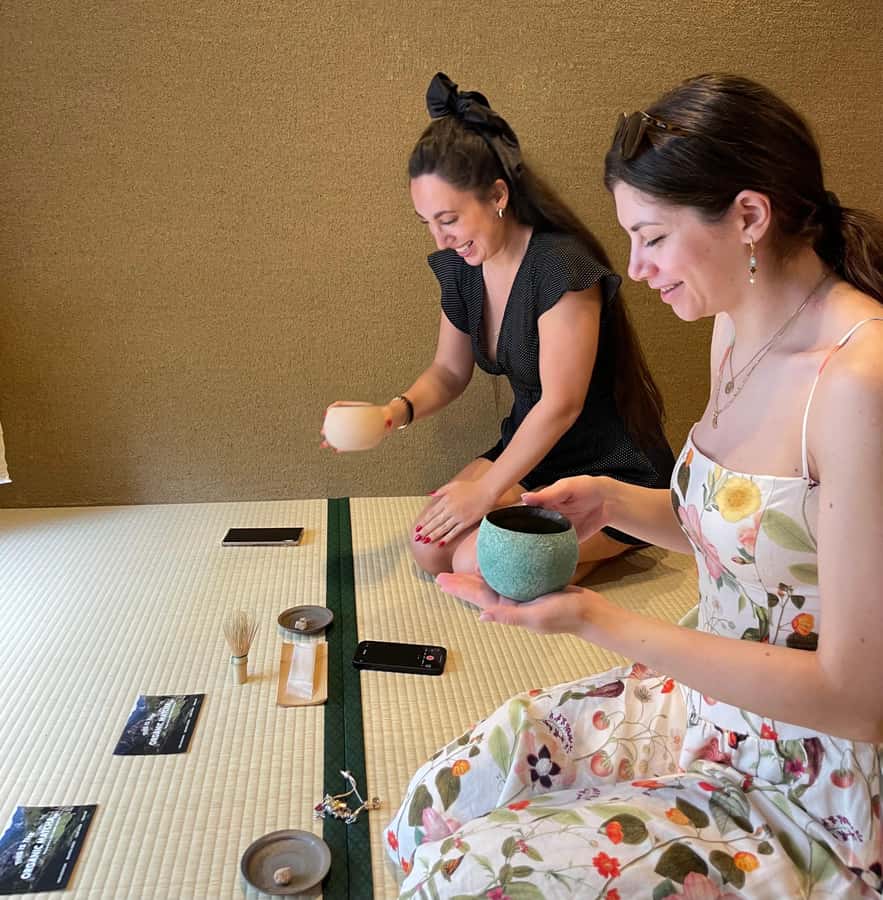
After the intro, the hosting begins the formal part of the ceremony. You will see matcha prepared in the formal style, then served with traditional Japanese sweets.
The sweets are wagashi from a shop with over 200 years of history. That is a big deal for value because it turns your tasting into a full cultural moment, not just matcha in a cup. Wagashi is designed to match seasons and flavors, and even when you are not thinking about it consciously, you will taste that care.
You also get taught how to respect the objects used in the ceremony. In practice, that means you are not rushing. You will slow down for the steps, pause before you drink, and learn what each action signals. That etiquette piece is what makes the ceremony feel real, even when you are doing it in central Tokyo.
Also, the language support is English and Japanese, so you should not feel lost. The experience is described as structured and easy to follow, with a guide who explains everything clearly, then answers questions at the end.
Making your own matcha: techniques you will actually use
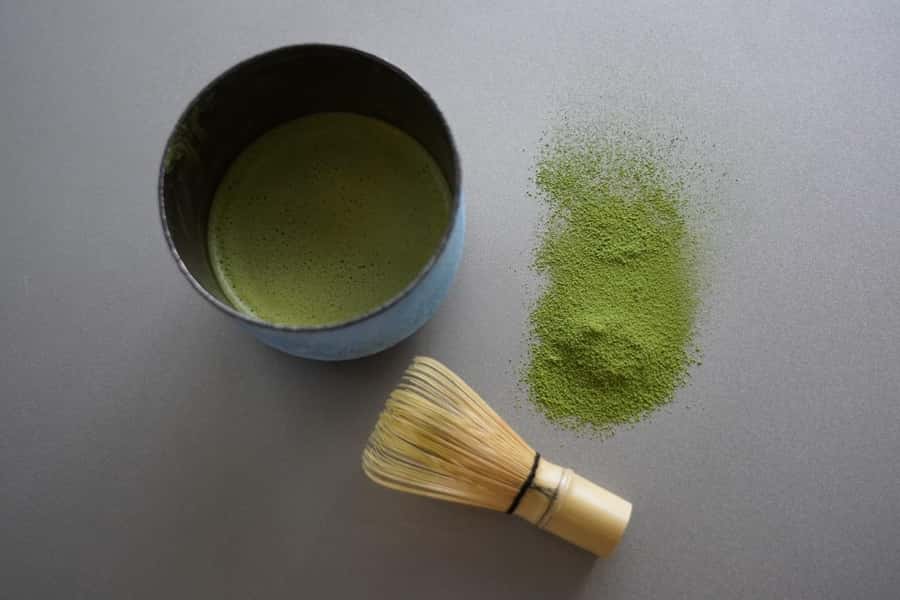
The fun part is not just tasting. You get guided matcha-making instruction, and the host walks you through the process step by step. This is where the ceremony becomes practical for you, because you learn the technique, not just the story.
The description says you can make matcha yourself after learning the significance and techniques involved. That usually means getting coached on key motions, the right attention to timing, and how the drink should look and taste when it is done properly.
One review highlight you should take seriously: multiple people mention that the host explained proper drinking and the ritual details. That matters because matcha can taste flat or harsh if you treat it like regular green tea. The ceremony approach trains your palate and your method at the same time.
If you care about photos, you’ll likely get a lot of them too. People often capture the quiet tea room moment, the act of whisking, and the final cup with wagashi. Just remember, this is a calm experience. Hold your phone for a beat, then put it away and finish the step you are doing.
Same corner of Japan, a different kind of day:
- Mt Fuji and Hakone 1-Day Bus Tour Return by Bullet Train
★ 5.0 · 26,383 reviews - 1-Day Tokyo Bus Tour
★ 5.0 · 14,250 reviews - Tokyo: TOKYO SKYTREE® Admission ticket
★ 4.5 · 11,192 reviews - Tokyo: teamLab Planets TOKYO Digital Art Museum Entry Ticket
★ 4.6 · 9,779 reviews
The private tea room in Shibuya: what it feels like and what to plan
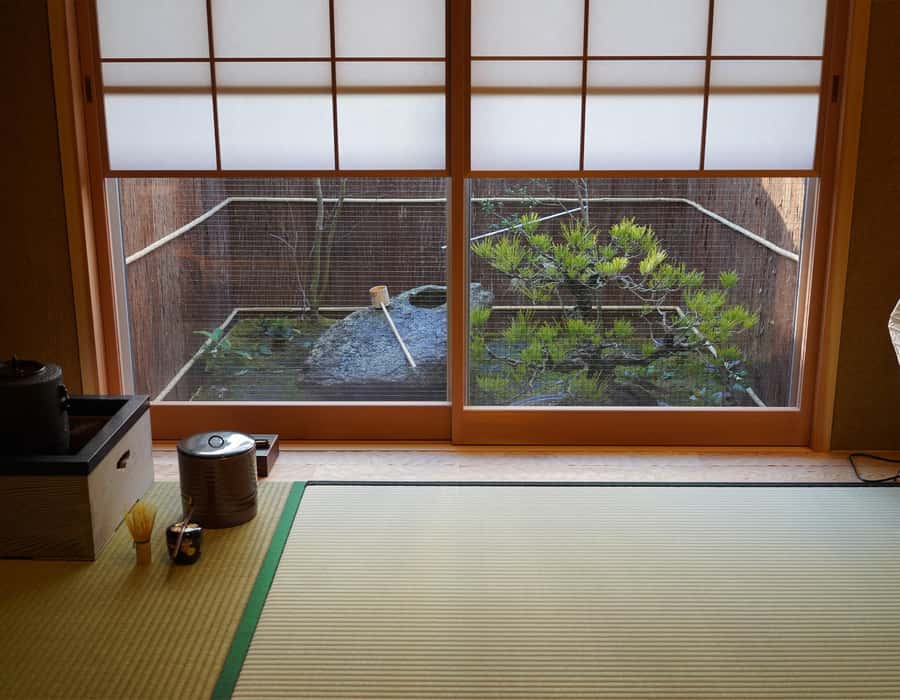
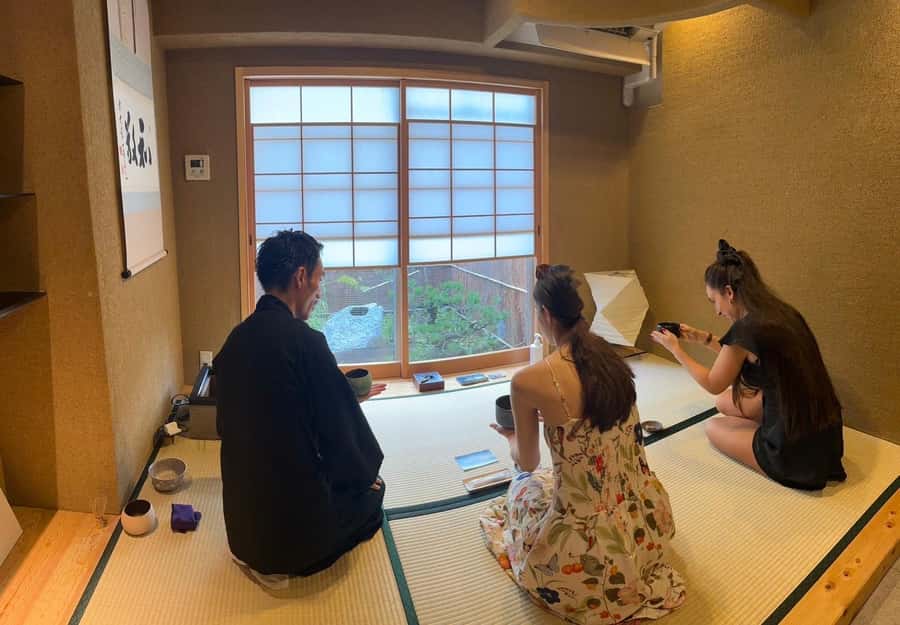
This is a private tea room experience, which is a big part of why the reviews rate it so highly. The room is described as serene and calming, like a pocket of stillness in a neighborhood built for motion. One thing I like about this format is how it changes your mood. You will naturally speak more softly and slow down.
But be practical about the logistics. The provided info is clear: there is no toilet in the tea room. Plan for that before you enter. In Tokyo, you can usually find facilities nearby, but you do not want to interrupt the ceremony experience.
You also should know who it fits best. It is not suitable for children under 10, not suitable for babies under 1, and not suitable for pregnant women. Pets are not allowed, though assistance dogs are allowed. If you are traveling with any of these circumstances, check your options early.
On timing, the experience is built around a complete flow: intro, demonstration, tasting with sweets, hands-on practice, then Q&A. One more review pattern to note: hosts are friendly and answer questions patiently, including details about matcha differences and respect for each object. So if you have follow-up questions, save them for the end so the core ceremony stays smooth.
What $30 buys you in central Shibuya
Let’s talk value. At $30 per person, you are paying for more than a drink. Your price includes the organic matcha, traditional wagashi sweets, the matcha-making session with guidance, and everything you need for the experience.
In other words, you are not buying a souvenir cup and hoping you can recreate it. You are paying for instruction and for the cultural context. That is why this feels like a bargain compared to a typical museum-style culture stop where you look and move on.
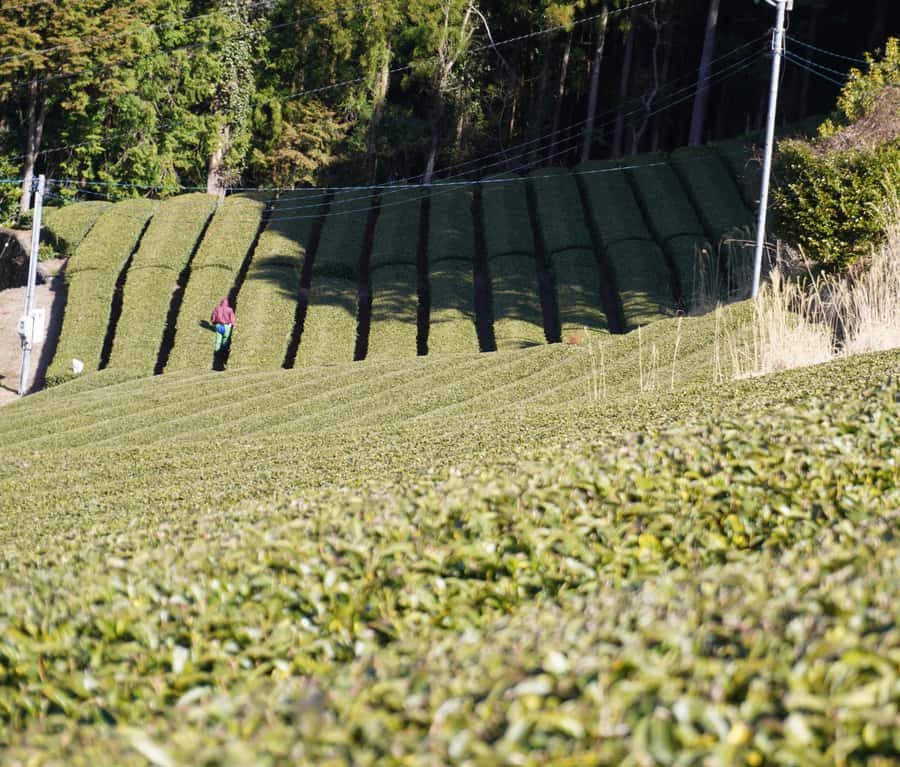
It also helps that the matcha is positioned as premium and rare, with that 2% harvest note. Whether you are a matcha fan or a first-timer, the ceremony gives you a benchmark. You leave knowing what ceremonial matcha should taste like when prepared correctly.
Finally, the private tea room format is part of the value. Small spaces work here because they demand attention. It is easier to ask questions, harder to get lost in the group, and the atmosphere does not break apart into performance.
Who should book this tea ceremony, and who might skip it
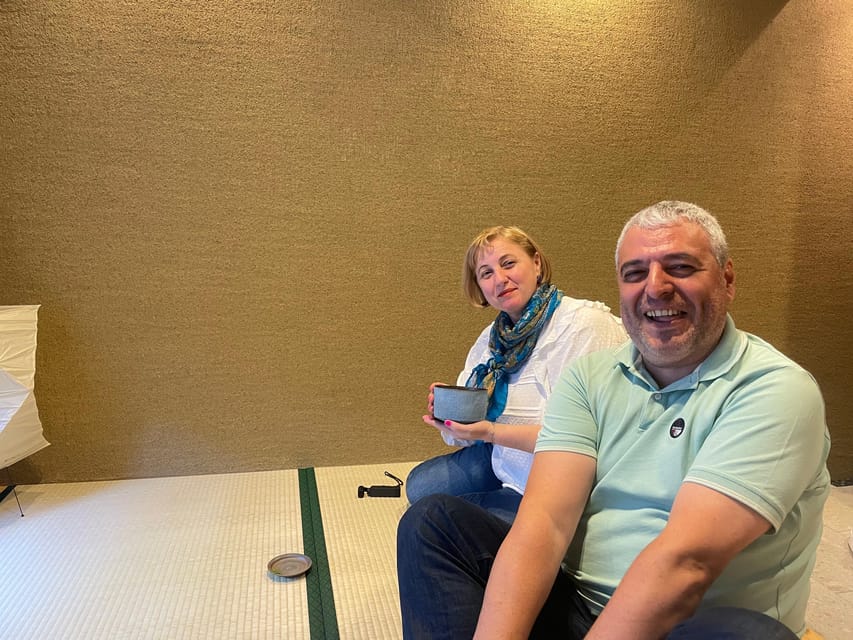
I think this is ideal if you want a real cultural experience without a long day plan. You get history, technique, and taste. It is also a great fit if you enjoy food culture, quiet activities, or you want something different from the usual Shibuya checklist.
You should book if:
- You like tea and want to learn the ceremony properly
- You want hands-on practice, not just a lecture
- You are curious about what makes high-grade organic matcha different
- You want calm time away from Shibuya’s street energy
You might skip if:
- You need bathroom access inside the room
- You are avoiding caffeine
- You fall into the listed age or health limitations
If you are traveling with friends, this is also a fun group idea. One person can focus on whisking technique while another watches etiquette details, then you compare notes after.
Should you book this Tea Room Kakoi ceremony in Shibuya?
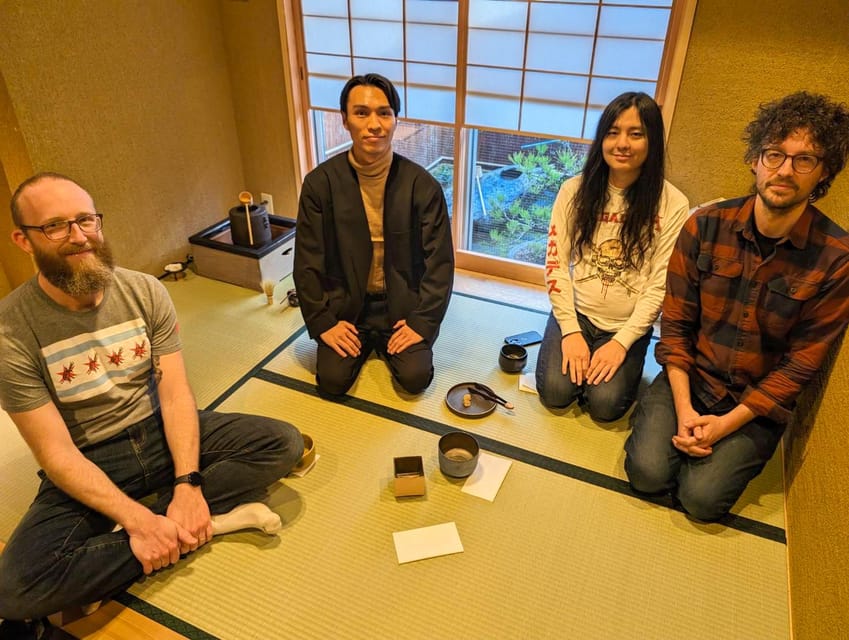
If you want the kind of Tokyo moment that feels personal, this is an easy yes. The price includes premium matcha, wagashi, and guided instruction, and the private tea room makes the whole thing feel like you stepped through a door into a different pace.
My final advice: do it when you can give it your full attention. If you rush in already stressed from shopping, transit delays, or late plans, the ceremony will feel shorter than it is meant to. If you arrive ready to slow down, you will leave with a better understanding of matcha and a technique you can use again later.
FAQ
Where do I meet the guide?
You meet at the front of The OneFive Tokyo Shibuya hotel. The guide will be holding a sign board that says TEA ROOM KAKOI.
How far is it from Shibuya Station?
You can reach the place in about an 8 minute walk from Shibuya Station.
What is included in the price?
The experience includes organic matcha, traditional Japanese sweets (wagashi), a matcha-making session with guidance, and everything you need for the activity.
Is there a toilet in the tea room?
No. There is no toilet in the tea room.
What languages are offered?
The experience is available in English and Japanese.
Is matcha included, and does it have caffeine?
Yes, organic matcha is included, and matcha contains caffeine.
Who is the experience not suitable for?
It is not suitable for children under 10, babies under 1, and pregnant women. Pets are not allowed, though assistance dogs are allowed.
Fresh options around Tokyo
- Tokyo: Nagano Snow Monkeys and Zenkoji Tour with Temples★ 4.9 · 19 reviews
- Yokohama Port: Private Customizable Tour with Transfer★ 5.0 · 19 reviews
- Explore Unique Tokyo Streets / Learn with a Pro Photographer★ 5.0 · 19 reviews
- Sushi Making with Interactive Samurai Experience at JIN-ASAKUSA★ 5.0 · 19 reviews
- DAIKOKU excursion by car DRIFT automobile encounter★ 4.5 · 19 reviews
- Official Street Go Kart Tour Akihabara 2nd★ 5.0 · 19 reviews
- Cosplay Experience with Professional Makeup and Photo Shoot!★ 5.0 · 19 reviews
- Japanese Traditional Sweets making★ 4.1 · 19 reviews
Tea Ceremonies in Tokyo, compared.

Matcha Making Class in Tokyo with Authentic Japanese Sweets Set
Read our review →

Matcha Making Experience with Mochi Sweets in Asakusa
Read our review →
Tea Ceremony Workshop in Tokyo by the Experienced Instrucor
Read our review →
Asakusa: Kimono Tea Ceremony with Matcha and Sweet
Read our review →
Make Traditional Nerikiri Sweets & Matcha experience in Shibuya
Read our review →Browse the lists this tour appears in