Reviewed · KYOTO TOURS
Sacred Pathways: Discover the Philosopher’s Path of Kyoto
Kyoto turns quiet on this philosopher walk. I love how the Philosopher’s Path follows a tree lined canal, with a gentle stream sound and soft morning nature that naturally slows you down. A big plus is the small group feel, with guides like Kevin bringing the area to life as you go, but remember the day is still about a 5 km walk, so plan for moderate fitness.
I also like the way the tour gives you real time at Ginkakuji Temple, where the garden turns into your own little study in Zen design. You will see the kind of meticulously raked gravel and placed stones that make you stop thinking like a tourist and start looking like a visitor paying attention, though kids under 10 may find the pace and walking distance tough.
Key highlights worth planning for
- Small groups of eight or fewer means you can actually hear your guide and move without the big-tour circus.
- Entrance fees are included, so you do not have to worry about finding cash for each stop.
- Ginkakuji’s garden time gives you the chance to slow down and absorb Zen garden details.
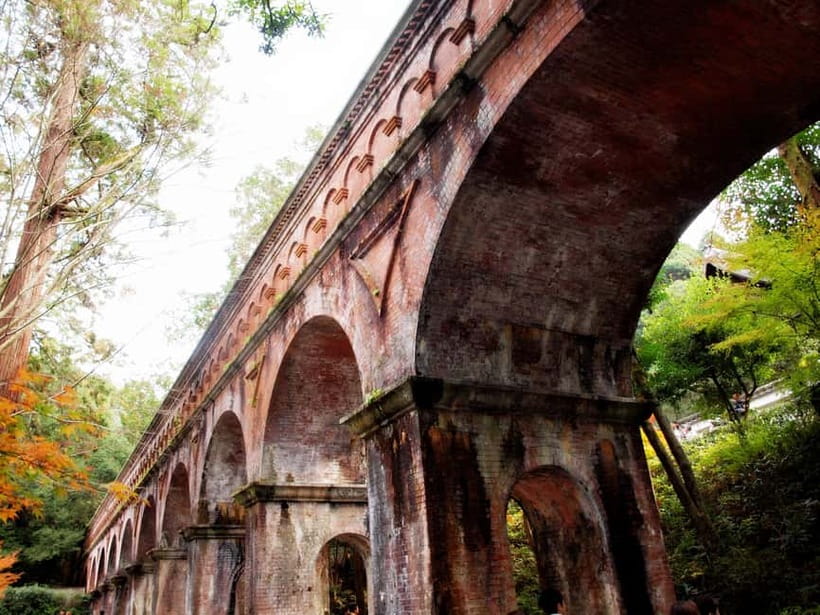
- Nanzenji’s architecture and aqueduct add a dramatic contrast to the quieter walkway scenery.
- Zen context tied to arts and culture helps the temples make sense beyond what you see.
- About 5 km of walking keeps this tour active, not a couch ride with temple photos.
The Philosopher’s Path, at a human pace
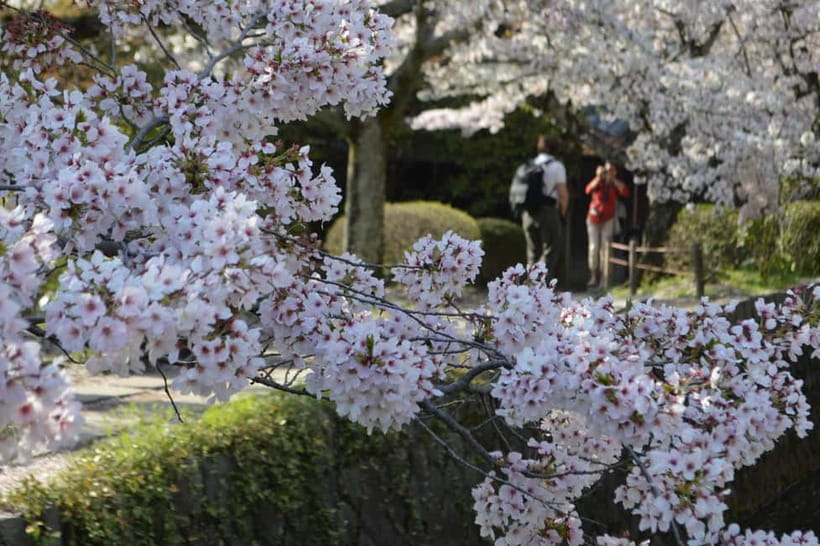
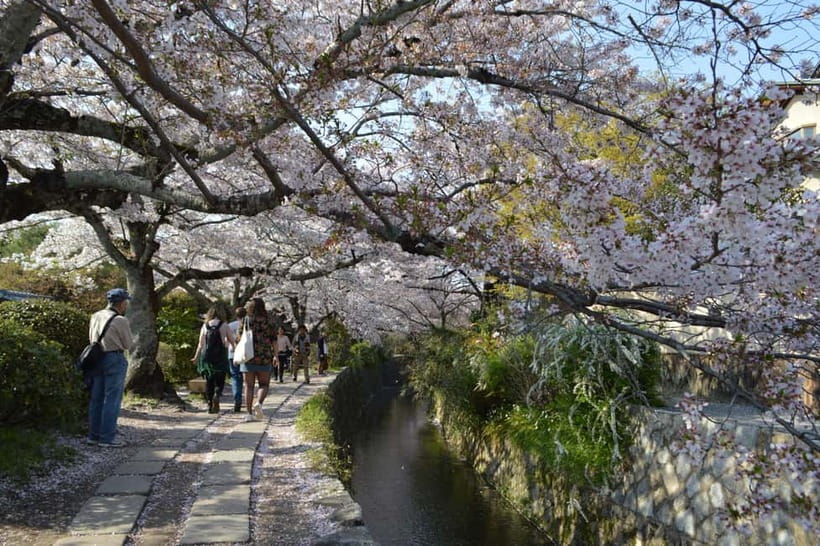
The Philosopher’s Path is one of Kyoto’s famous walks for a reason, but what makes this experience feel special is the pace. You are not hustled. You are not herded. Instead, you stroll along the foot of the eastern mountains, where a tree lined canal and a steady stream create a low-key soundtrack. It’s the kind of route where your brain catches up with what your eyes are seeing.
The practical win is how you experience Kyoto’s nature without turning it into a sprint. The path is about 5 km across the full tour, so you get real walking time, not a quick drive-by. If you like travel that feels like a gentle rhythm, this works. If you prefer “cover the most sites with the least effort,” you may find a walking-focused half day too active.
A detail I especially appreciate is that the route stays calm by design. This is a small group tour, with no flags, mics, or buses, so you do not get that constant background noise or the sense that you are part of a moving crowd. Your guide can stop to explain something and you can actually look without constantly restarting your flow.
A few more Kyoto days worth comparing
- PERFECT KYOTO 1-Day Bus Tour
★ 5.0 · 13,518 reviews - Kyoto: Fushimi Inari, Kinkakuji, Bamboo Grove 1 Day Bus Tour
★ 4.8 · 4,316 reviews - Kyoto: Tea Ceremony in a Traditional Tea House in Kiyomizu
★ 4.9 · 3,519 reviews
A note on comfort
Wear shoes that can handle steady walking. And if you visit in the morning, be ready for cool, damp air. One description you will hear about this area is how moss can look especially vivid with dew. Translation: you might want footwear that feels secure on slick garden stones and damp ground.
Ginkakuji Temple’s Silver Pavilion garden: what to notice
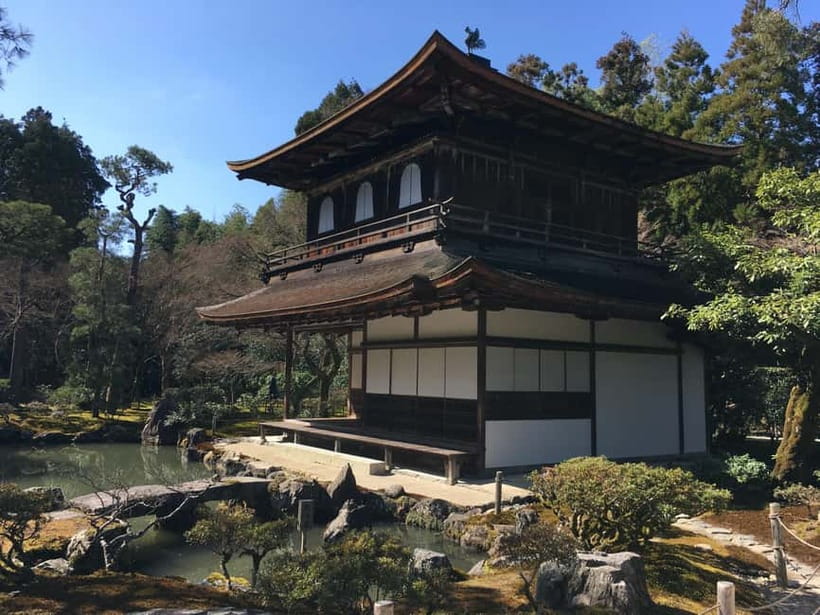
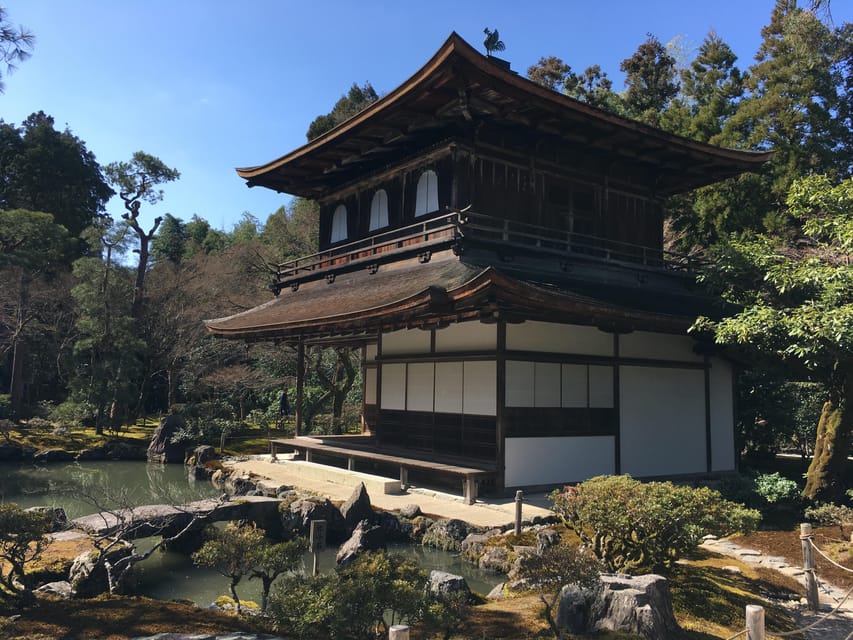
Ginkakuji Temple, often called the Silver Pavilion, is the garden stop that turns a famous name into a personal experience. The key thing here is not just that it is beautiful. It is that you get time to look closely.
This is a garden built around Zen design principles, the kind that reward slow observation. Your guide helps you see how the gravel is raked, how stones are positioned, and how moss can soften the whole scene. When you know what you are looking for, the garden stops being “pretty pictures” and starts feeling like a quiet lesson in space, balance, and calm.
Also, the tour does not treat Ginkakuji as a fast in-and-out. It is a chance to pause and let the garden do its job. If you like photography, this is one of your best moments, because a slow group pace gives you time to frame and reframe without feeling rushed.
Why garden context matters
Zen gardens can be hard to appreciate if you only know that they are famous. With a guide, you get the practical context for why this style of landscaping connects to the mindset behind Zen, and how that mindset influenced Japanese arts and culture more broadly. Even if you are not a long-term art history person, it helps you notice details you would miss on your own.
If you want a “see it, understand it, enjoy it” temple stop, Ginkakuji is the place where the tour’s value really shows.
Same corner of Japan, a different kind of day:
- Kyoto Geisha Walking Tour: Gion District & Hidden Gems
★ 4.7 · 3,273 reviews - Kyoto: Tea Ceremony Ju-An at Jotokuji Temple
★ 4.9 · 3,207 reviews - Kyoto: Gion Magical Night Walking Tour with Geisha Trivia
★ 4.9 · 2,393 reviews - Kyoto: 45-Minute Tea Ceremony Lesson Experience
★ 4.3 · 2,378 reviews
Nanzenji and the aqueduct: temple drama without the rush
After the garden calm, you move into a different kind of Kyoto experience at Nanzenji. Here, the mood shifts. Instead of quiet garden geometry, you get impressive architecture and a striking aqueduct.
That contrast is important because it prevents the day from feeling repetitive. You go from a carefully composed landscape to a more monumental, structural scene. If you have ever visited temples where everything feels similar, this stop helps you reset your attention.
Your guide points out what makes the aqueduct feel so bold in the overall temple complex. It is the kind of feature that makes you stop and look up, then look around to understand how it fits into the spiritual and historical setting. It is not just “wow, big.” It’s “wow, big, and here is why it matters in context.”
A realistic expectation
This part of the day is still part of a walking tour, so you will spend time moving between viewpoints and buildings. If you want a perfectly accessible, minimal-walking temple crawl, this may not match your ideal style. But if you are okay with a moderate walk and you want a more complete Kyoto picture, Nanzenji is a high payoff.
Your guide experience: local Zen stories that actually land
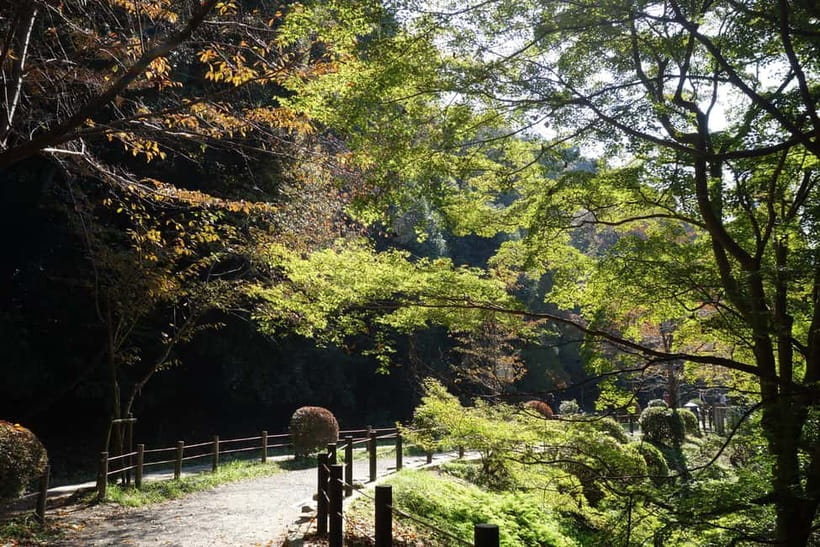
A guided walk only works if the guide gives you something more than dates and a quick history overview. This tour leans into stories, and the guides are long term Kyoto residents, the kind of locals who can answer questions in real language and keep the day flowing.
Bilingual guide coverage is available in English and French, which is great if you are traveling with someone who prefers one of those languages. Also, guides aim to make things fun while still informative, which matters because temple days can get heavy if the storytelling is dry.
From the names that show up in past participants experiences, guides such as Kevin and Craig are known for being personable, easy to ask questions to, and focused on history and culture, not just the sights. That matters because you end up understanding why a temple or garden is where it is, and what it influenced.
What Zen context changes for you
When you know how Zen shaped arts and culture, you see more than rocks and buildings. You start noticing how thinking patterns show up in design, in atmosphere, and in how people built spaces for contemplation. It is a small shift, but it changes your whole visit. You stop trying to “collect temples” and start actually experiencing a philosophy in physical form.
Cafes, shops, and breaks on the path
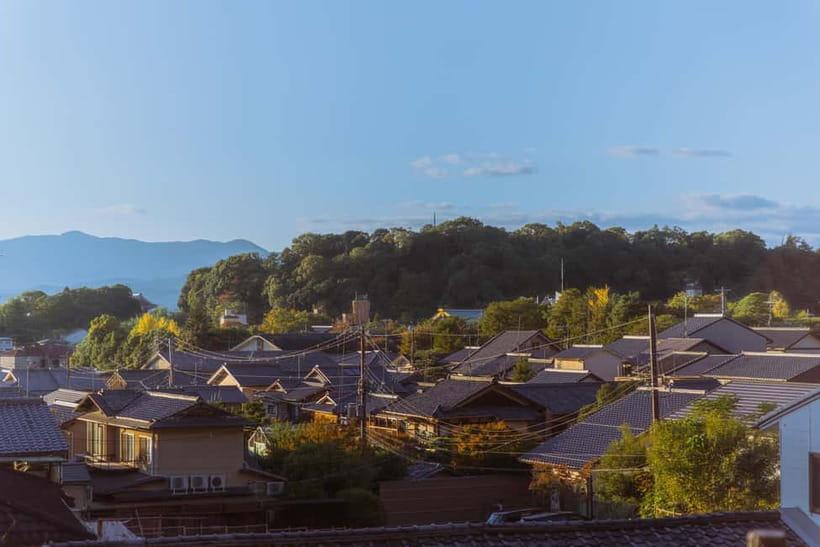
The Philosopher’s Path route runs alongside the eastern mountain edge, and you will find quaint cafes and shops along the way. The tour is paced to give you natural moments to pause.
Food and drinks are not included, so you decide what you want. That can be a downside if you were hoping for a snack stop built into the price. But it can also be a plus, because you can choose your comfort level and your budget, instead of being stuck with one predefined option.
If you like travel where you can step into a local cafe when your legs need a rest, this route supports that. Just plan for the fact that you are still walking between stops.
Price and value: why $64 can feel fair here
At $64 per person for a 4-hour tour, this is not a “cheap and cheerful” deal, but it is also not priced like a luxury private escort. The value comes from what is included.
You get:
- All entrance fees covered, which is a big deal in Kyoto where temple fees add up fast
- A bilingual guide (English and French) who helps you understand what you are seeing
- A digital city guide, which you can use as a follow-up after the walk
The other big value is stress reduction. You do not have to deal with paying multiple sites with cash on the spot, because entrance fees are included. That helps keep the day smooth, especially if you are traveling with limited time or you do not want to juggle payment while you are trying to enjoy a sacred walkway.
The price also reflects the small group approach. With groups kept to eight people or fewer, you typically get a more attentive guide experience than you would in a larger bus-style tour.
What costs extra
Food and drinks are not included. So if you plan to eat lunch or do a full cafe stop, you will spend extra. Still, you are not locked into a set meal, and you can match breaks to your preferences.
Logistics that matter: walking distance, meeting point, and group size
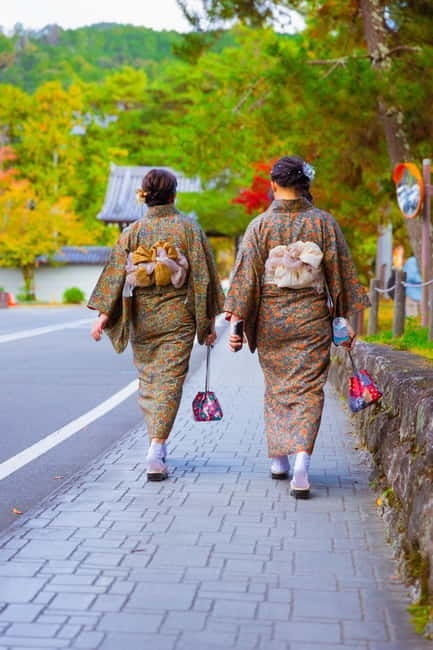
This is a 4-hour outing. You should think of it as a half-day with steady walking rather than a museum-style stroll. The route covers about 5 km, so you want a moderate fitness level.
The meeting point can vary depending on the option booked. So before you head out, make sure you confirm the exact spot for your time slot.
Group size stays small, and that is not just a marketing line. With fewer people, you can enjoy the temples without feeling like you are repeatedly stopping for large groups or waiting for the whole pack to catch up. That also helps you take photos without the constant crowd shuffle.
A couple of “check your fit” points
This tour is not suitable for children under 10, and it is not suitable for people over 95. If you are traveling with an older relative or very young kids, you should consider asking about private options if age flexibility is needed.
Drones are not allowed, so if you carry one, leave it at home.
Who should book this Philosopher’s Path tour
Book this if you want a Kyoto walk that feels calm, nature-forward, and meaningful. It is a strong match for:
- People who like Zen gardens and temple context, not just photos
- Travelers who prefer small groups and a relaxed pace
- First-time Kyoto visitors who want the day explained in clear terms
- Anyone who enjoys walking and wants to see the eastern mountains side of the city without rushing
Skip it if:
- You need a mostly seated, low-walking day
- You are traveling with kids under 10
- You are looking for a food-focused tour, since food and drinks are not included
- You plan to move fast between major stops with minimal time for looking
Should you book Sacred Pathways: Discover the Philosopher’s Path of Kyoto?
If your ideal Kyoto day includes a serene walk, time in two major Zen sites, and a guide who helps you understand what you are seeing, I think this is an easy yes. The combination of a small group, entrance fees handled for you, and a chill pace makes it feel like a smarter way to experience a famous walkway without turning it into a rushed checklist.
On the flip side, if walking 5 km sounds like a stretch or you want lots of included meals and rest, you may prefer a different style of tour. But for most people who like temples with real meaning and a calm rhythm, this is a solid value at $64.
FAQ
How long is the tour?
The tour duration is 4 hours.
What is included in the price?
The price includes all entrance fees, a bilingual guide, and a digital city guide.
Do I need cash for temple or garden entry?
No. Entrance fees are included, so you do not need to bring cash for admission.
Are food and drinks included?
No. Food and drinks are not included.
What languages are the live guides?
The live tour guide is available in English and French.
How much walking is involved, and is it suitable for kids?
The tour is about 5 km of walking and requires at least a moderate level of fitness. It is not suitable for children under 10 years old.
Fresh options around Kyoto
- KYOTO: Private Tea Ceremony in Hidden Townhouse (Kid-Friendly)★ 5.0 · 20 reviews
- The Kyoto VIP Experience!★ 5.0 · 20 reviews
- Nijo Castle Samurai Inside Story — Top-Rated Guide (Max 8)★ 5.0 · 20 reviews
- Sushi or Traditional Japanese Cuisine in a Kyoto Home with Emika★ 5.0 · 20 reviews
- Hammer Pattering Experience of Ring★ 5.0 · 20 reviews
- Kyoto Customized Private Tour: See Top Attractions in 1 Day★ 4.7 · 20 reviews
- Private photo shoot & walk in Kyoto – Professional photo shoot★ 5.0 · 20 reviews
- Kyoto UNESCO World Heritage Site Private Tour with a Premium Van★ 5.0 · 20 reviews
Kyoto Tours, compared.
Fushimi Inari, Kinkakuji, Bamboo Grove 1 Day Bus Tour
Read our review →
Tea Ceremony in a Traditional Tea House in Kiyomizu
Read our review →
Kyoto Geisha Walking Tour: Gion District & Hidden Gems
Read our review →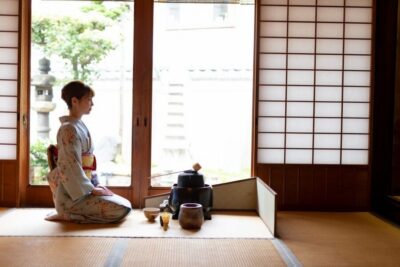
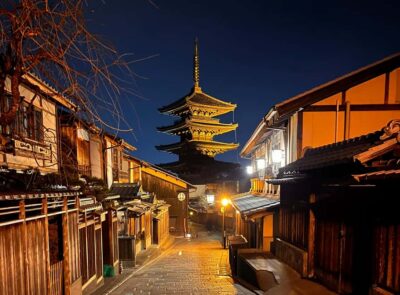
Gion Magical Night Walking Tour with Geisha Trivia
Read our review →