
Reviewed · TEA CEREMONIES IN KYOTO
Kyoto: Mindful Tea Ceremony in 100-Year-Old Teahouse
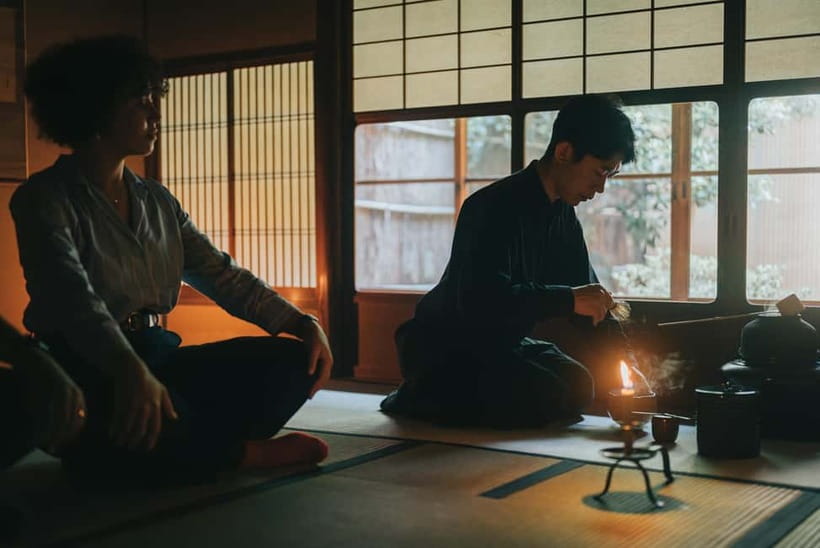
Kyoto can feel loud fast. This candlelit matcha ceremony in a 100-year-old teahouse turns the volume down without making you sit through a lecture.
I especially like the way the host slows everything down for you, from the first welcome tea and sweets to the main bowl of matcha. I also like that the pace stays gentle, so it feels like learning and relaxing at the same time, not performing a test of etiquette.
The one drawback to consider is that this is a quiet, focused experience. If you need lots of casual conversation, or if silence and low lighting make you uncomfortable, you might find it a little too restrained.
Key things that make Oboro stand out
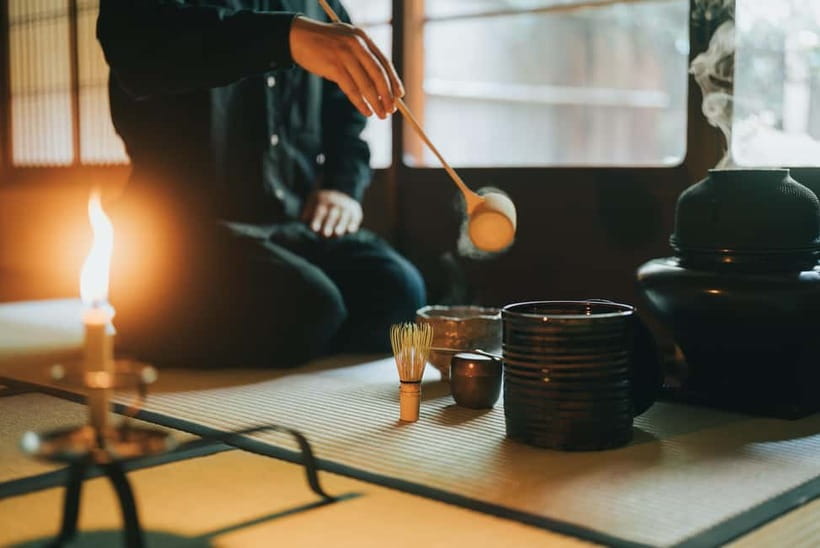
- Candlelight replaces harsh lighting, so the room naturally encourages calm attention
- You watch matcha preparation up close, with guidance that keeps things easy for newcomers
- The pace feels mindful and unhurried, with quiet sensory moments like water sounds and matcha aroma
- Expect a traditional atmosphere in a 100-year-old teahouse with a garden view through the window
- You go home with a small handmade candle as a souvenir of the mood
- The group stays small, limited to 8 participants, so you are not lost in a crowd
A 100-Year Kyoto Teahouse, Lit by Candlelight
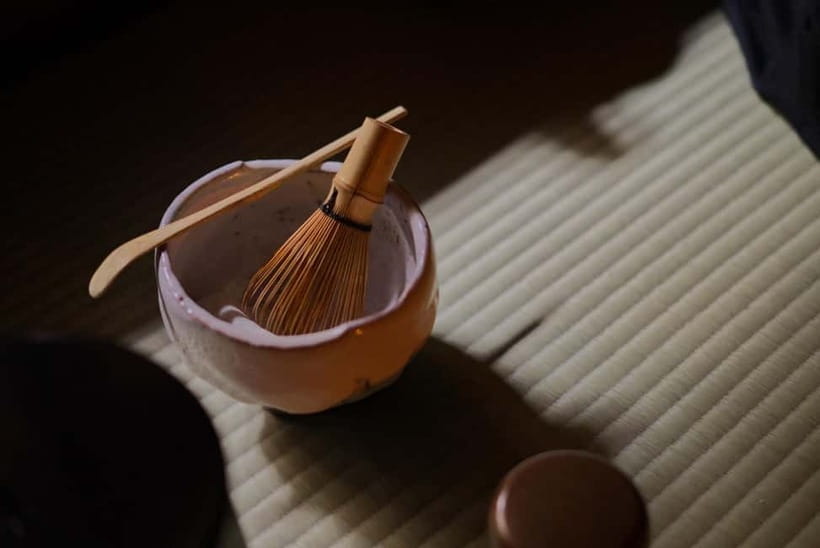
The first thing you notice is the lighting. Instead of bright overhead glare, you step into a softly lit room where warm candlelight does the heavy lifting, calming the mind before the tea even starts.
This setting matters more than you might think. Matcha is only part of the experience. The teahouse atmosphere, including the garden view you can catch through the window, helps your brain shift out of sightseeing mode and into slow attention mode.
Most ceremonies like this can feel intimidating if you worry about doing things wrong. Here, the vibe stays welcoming and grounded, which is why people often describe it as a kind of quiet reset after the busy city.
More Tea Ceremonies in Kyoto
- Kyoto: Tea Ceremony in a Traditional Tea House in Kiyomizu
★ 4.9 · 3,519 reviews - Kyoto: Tea Ceremony Ju-An at Jotokuji Temple
★ 4.9 · 3,207 reviews - Kyoto: 45-Minute Tea Ceremony Lesson Experience
★ 4.3 · 2,378 reviews
Welcome Tea, Sweets, and the Settle-In Moment
You arrive, get a greeting, and then you handle the practical stuff first. The host can store your belongings if needed, and they’ll briefly explain the flow so you know what is coming next.
Then you sit down and start gently. You get a welcome tea along with seasonal sweets, and that first sip becomes your off-ramp from rushing around Kyoto. The sweets are not filler either. They are there to give your taste buds something to meet before the main matcha bowl.
One nice touch from the way the experience is taught is that you do not just get told what to do. You are guided into noticing. You’ll likely find yourself focusing on warmth, aroma, and texture in a more deliberate way, even if you have never done anything like this before.
And yes, there can be variation with the season. In summer, the ceremony uses chilled water and ice, so you may even experience a smoother cold green matcha than you expected.
Main Tearoom Ritual: Purifying Utensils and Whisking Matcha

After the welcome, you move into the main tearoom. The goal is to minimize distractions, so quiet details can do their job. People often mention sounds like the water simmering, plus the faint aroma of fresh matcha as you settle in.
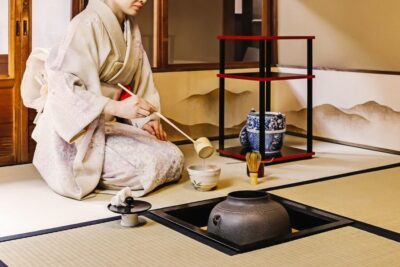
The host demonstrates and leads the process in a way that feels structured, but not stiff. You’ll see the utensils purified, then matcha whisked properly, and then presented with a graceful bow. That bow is not just tradition theater. It signals respect for the tools, for the tea, and for the people sharing the moment with you.
When it is time for you to lift your bowl, you get a simple rhythm to follow. You take it slowly, pause, and let the tea warm you from the inside. You are encouraged to savor the nuances, not rush to the bottom and move on.
This is where the ceremony becomes more than a tasting. The process trains your attention. You start noticing how your senses react when you stop multi-tasking for 45 minutes.
The Host Makes It Relaxed: Calm Guidance, No Hard Exam
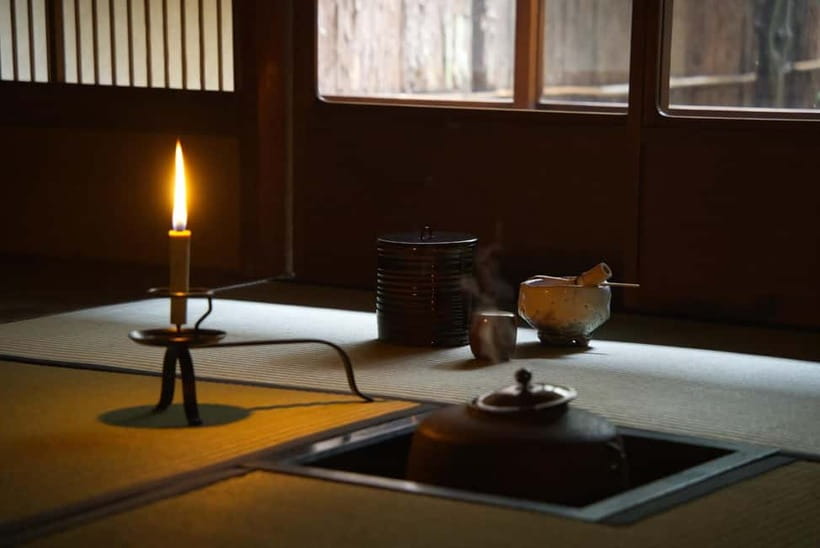
One thing I keep hearing in the feedback is that the host’s presence makes the whole experience feel safe and easy. Names like Taku and Noki come up in comments about clear explanations and a welcoming tone.
You should expect instruction in English. The guidance is meant for real people with real questions, including newcomers. That is why guests describe it as educational but never cold.
Some ceremonies include strict rules that can feel like a performance. Here, the atmosphere leans more practical. You can observe quietly, ask questions, or simply enjoy the shared peacefulness with the other small group.
A couple of specific details show how thoughtful the staging can be. One guest described how the setup can be divided into multiple rooms, with different phases represented along the journey. Even if your session is arranged differently, the idea stays the same: you move through the experience like a sequence of mindful moments.
Same corner of Japan, a different kind of day:
- PERFECT KYOTO 1-Day Bus Tour
★ 5.0 · 13,518 reviews - Kyoto: Fushimi Inari, Kinkakuji, Bamboo Grove 1 Day Bus Tour
★ 4.8 · 4,316 reviews - Kyoto Geisha Walking Tour: Gion District & Hidden Gems
★ 4.7 · 3,273 reviews - Kyoto: Gion Magical Night Walking Tour with Geisha Trivia
★ 4.9 · 2,393 reviews
Etiquette without Stress: Quiet Room, Socks, and No Flash
Let’s talk about the rules that actually matter for you. This experience is quiet by design. You are asked to maintain silence, and the room is not meant for loud chatter or phone interruptions.
You’ll also need to follow the comfort basics. Wear comfortable clothes and bring socks because shoes must be removed. That means socks are not optional for most people. Comfortable, clean socks will make the floor time much nicer.
Photography is allowed without flash. No flash matters because it preserves the candlelight mood and helps keep things calm for everyone. Smoking is not allowed.
Late arrival is also handled strictly. You should arrive 10 minutes early to prepare, and if you are more than 10 minutes late, you will not be allowed to enter the session. Plan buffer time, especially if you are walking from central Kyoto with a map that is slightly off.
In short: you are trading flexibility for focus. If you like that trade, you will probably love the experience.
Price and Value: What $45 Buys in 45 Minutes
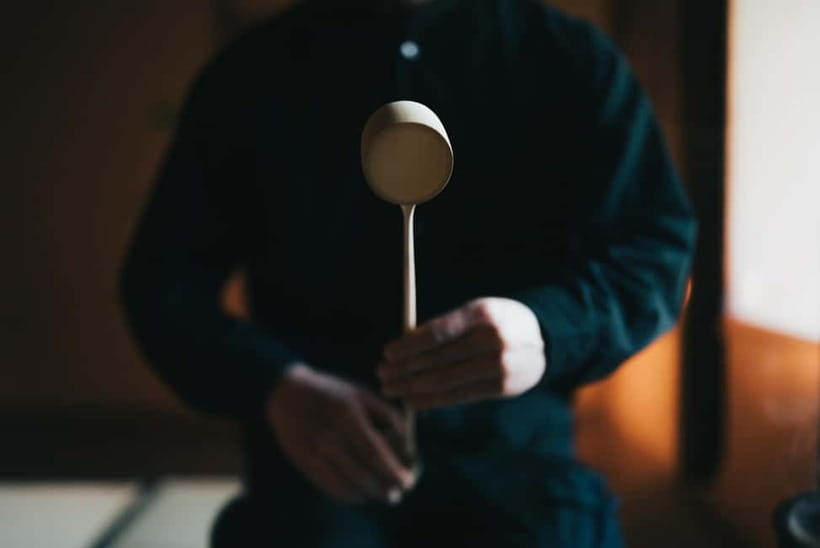
At $45 per person for about 45 minutes, you are not paying for a meal or a long show. You are paying for structure, instruction, and a special environment.
Here is the value breakdown, based on what is included:
- Expert instruction in English
- All necessary tea ceremony equipment
- Seasonal sweets to complement the tea
- A candlelight matcha experience
- A small handmade candle to take home
What you get is a guided sensory experience in a traditional 100-year-old setting. The small group size, limited to 8, also helps. You are more likely to feel the host’s attention rather than getting the whole thing as a script read to a big crowd.
Is it pricey for tea? In a vacuum, yes. But you are paying for the combination: the setting, the pace, the teaching, and the respectful quiet. If you want a short experience that changes your mood rather than just your calendar, this price can feel fair.
Group Size, Timing, and Why Short Sessions Can Hit Hard
The duration is 45 minutes, and the group is capped at 8 participants. That small scale is a big reason why people describe the ceremony as calming and reflective instead of overwhelming.
A short session helps because you do not need to block half your day. You can fit this between other Kyoto stops and still feel like you did something meaningful.
Timing also matters for your experience. Arriving 10 minutes early lets you settle in, store items, and put on socks comfortably without rushing. And if you show up late, you lose your spot. It is not a “try anyway” kind of activity, which actually supports the calm atmosphere.
One seasonal note: in summer, chilled water and ice are used. That is a real difference, not just a minor variation, and it can make the tea feel lighter and more refreshing in warmer weather.
Who This Tea Ceremony Is Best For (and Who It’s Not)
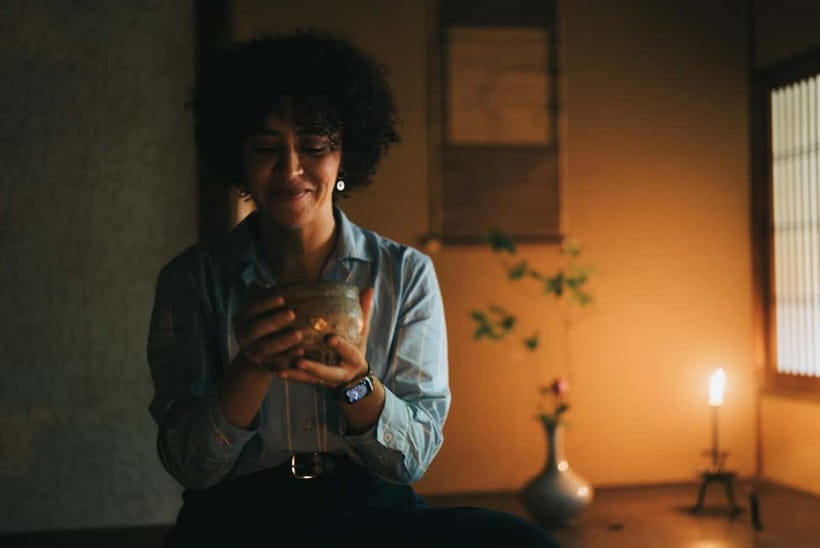
This is a great match if you want a quiet break from Kyoto’s busy energy. People often describe it as the quieter side of Kyoto, a moment that feels removed from the rush without being complicated.
It is also a good fit if you like learning with your senses. You are not memorizing facts only. You are watching, smelling, tasting, and practicing a calm pace for a short stretch of time.
You should consider skipping it if any of these apply:
- Children under 6 years
- People with back problems
- Wheelchair users
The reason is simple. You will be seated and you will likely be asked to keep a still, quiet posture for the duration.
If you are traveling as a couple, solo, or as a pair of friends who can share silence comfortably, this will feel especially right. If you need accessibility accommodations beyond what is listed, you should plan another activity.
Where to Find It Fast in Kyoto
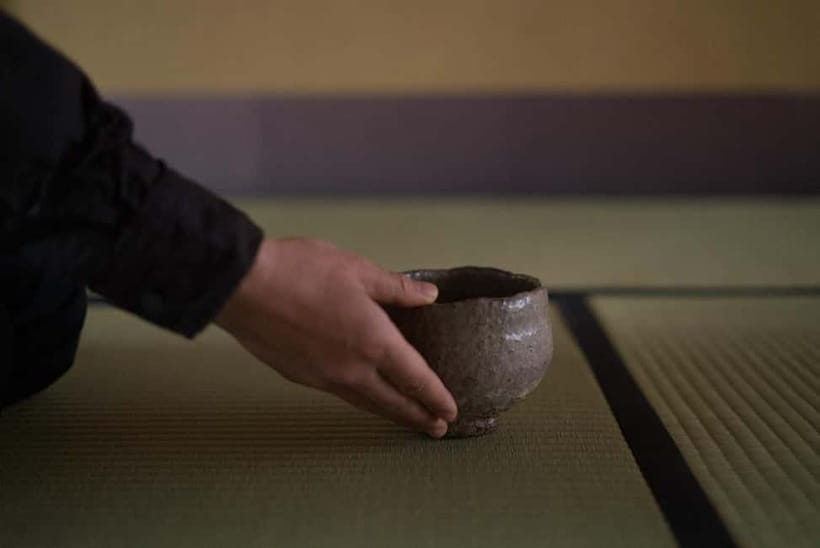
If you have trouble finding the address, search for Oboro: Mindful Tea Ceremony on Google Maps. That shortcut saves you from wasting precious time when you are already tired from walking.
Once you arrive, give yourself that 10-minute buffer. Kyoto streets can be charming and confusing at the same time, and this is one activity where arriving late can cost you entry.
Should You Book This Kyoto Mindful Tea Ceremony?
Book it if you want a short, calm, sensory experience in a 100-year-old teahouse. It is ideal for people who appreciate quiet focus, enjoy learning by watching, and like coming away with something small but meaningful, like the handmade candle.
Skip it if you want a lively, chatty activity, if silence makes you restless, or if seating could be uncomfortable for you. And if you are the type who is always running late, adjust your schedule now, because this one enforces a strict arrival window.
If you want Kyoto to feel more balanced, this is one of the better choices. It is not about rushing through photos. It is about practicing pause, one bowl at a time.
FAQ
How long is the tea ceremony experience?
The experience lasts 45 minutes.
What does it cost?
It is listed at $45 per person.
Is instruction available in English?
Yes, the instructor provides English guidance.
Is there a small group size?
Yes. The group is limited to 8 participants.
What should I bring and wear?
Wear comfortable clothes and bring socks. Shoes must be removed.
Are photos allowed?
Photography is allowed, but flash photography is not allowed.
Is there anything I should not do during the session?
Smoking is not allowed, and you are asked to maintain silence because it is a quiet environment.
Is it suitable for everyone?
It is not suitable for children under 6 years, people with back problems, or wheelchair users.
Fresh options around Kyoto
- Kyoto: Quiet and Graceful Tea Ceremony★ 4.5 · 19 reviews
- Oboro | Mindful Tea Ceremony in a 100-Year-Old Kyoto Teahouse★ 5.0 · 19 reviews
- Ikebana Traditional Japanese Art of Flower Arranging★ 4.5 · 19 reviews
- Kyoto Satoyama Cycling with Lunch and English Guide★ 5.0 · 19 reviews
- Tea Ceremony Experience in Traditional Kyoto Townhouse★ 5.0 · 19 reviews
- Kyoto International Party Solo Friendly Expats and Locals★ 5.0 · 19 reviews
- Kyoto: Amanohashidate Ine Funaya Tour★ 4.4 · 19 reviews
- Kyoto Private Food Tours with a Local Foodie: 100% Personalized★ 4.5 · 19 reviews
Tea Ceremonies in Kyoto, compared.
Tea Ceremony in a Traditional Tea House in Kiyomizu
Read our review →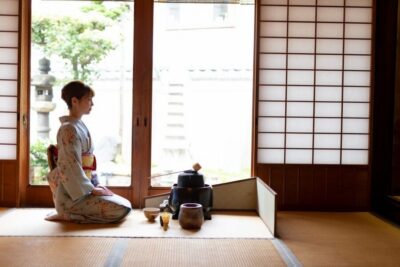
Arashiyama Bamboo Forest, Monkeys, Matcha & Temple Tour
Read our review →
Tea Museum Tickets and Matcha Grinding Experience
Read our review →
Browse the lists this tour appears in