
Reviewed · CYCLING TOURS
Winter Special: Clear View Mt. Fuji E-Bike Tour
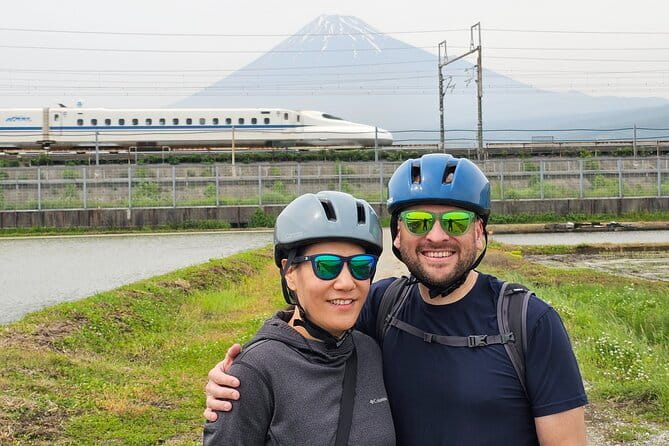
Clear Fuji views, with almost no effort. This winter special is a small-group electric bike tour from Shin-Fuji that focuses on Mt. Fuji viewpoints in crisp air while you pedal a calm route away from the busiest spots. I like the small group size (max 5), because you get an unhurried pace and time for photos. I also like that the tour is built around everyday places at the foot of the mountain, not just big-name scenery. One thing to consider is that winter weather can still be cold, and the ride is active enough that you will want to plan your layers and energy.
You also need to be comfortable cycling on rural roads and doing short walking moments at stops like the bridge stairs. The good news is that the operator provides kairo heat packs in winter, plus a rental helmet and an electric-assisted bike, so you are not white-knuckling the entire ride.
Key things that make this tour worth your time
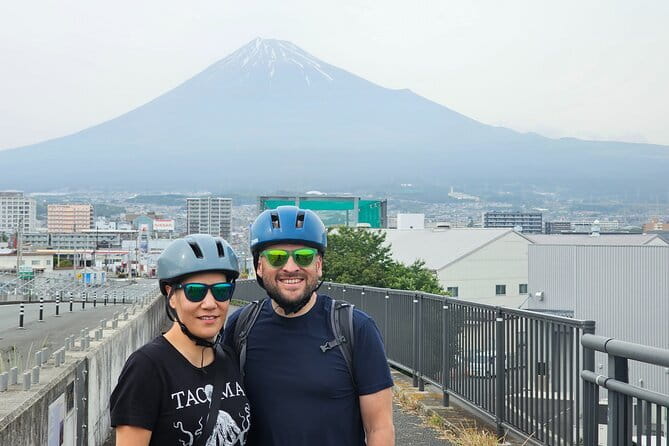
- Small group, up to 5 people, with a guide who can help with pacing and photos
- Winter-focused timing for clearer sightlines of Mt. Fuji in colder air
- Easy electric assistance on a Miyata Ridge Runner bike, so you cover more ground without tiring out
- A route that mixes temples, spring water stops, and coastline views around Fuji City
- Heat packs provided in winter (kairo), plus you can grab warmer gear depending on conditions
Winter Mt. Fuji and the logic of riding away from the crowds
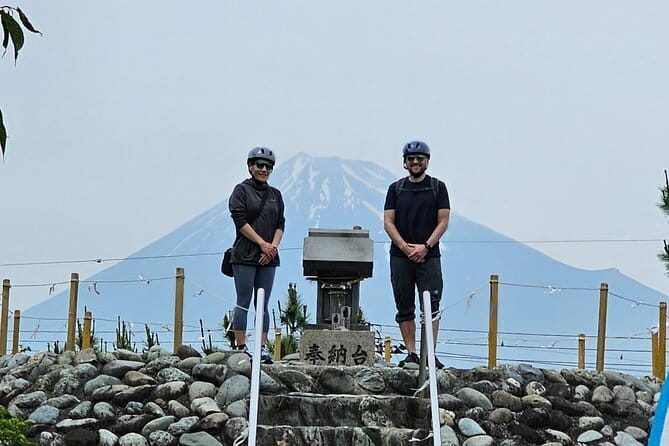
Mt. Fuji is famous for a reason, but the experience can be stressful if you only see it from the usual, packed viewpoints. This tour is designed with a different goal: get you riding into quieter parts of Fuji City, where the views feel more personal and your time with the mountain does not feel rushed.
The winter angle matters. The tour is explicitly positioned as a Clear View Mt. Fuji E-Bike Tour for the winter season, with the pitch of cleaner, crisper air. You cannot control clouds, but when the sky cooperates, the contrast can be striking, especially from roadside viewpoints and the bridge stop later in the ride.
I also like the tone of this itinerary. It avoids turning Mt. Fuji into a nonstop photo machine. Instead, you mix views with places locals actually use, like spring water sites. That gives the day shape beyond scenery, and it keeps the ride interesting even if your first Mt. Fuji glimpse is brief.
More Mt Fuji tours from Tokyo:
- Tokyo: Mt. Fuji 5th Station & Hakone Cruise 1-Day Bus Tour
★ 4.2 · 2,381 reviews - Mt Fuji Area Private Guided Tours in English-Nature up close, quiet, personal
★ 5.0 · 288 reviews - Explore Mt. Fuji Ice Cave in Aokigahara Forest
★ 5.0 · 243 reviews
Meeting at Shin-Fuji Station, then getting moving quickly
You meet at Shin-Fuji Station, at the south exit. From there, you start right away, and the whole experience runs about 2 hours 30 minutes total, including travel time between stops and back to the meeting point.
This matters more than it sounds. In Japan, transfers can be time-consuming, and a tour that starts at a major transit hub like Shin-Fuji helps you spend less of your day figuring things out. Also, the tour uses a mobile ticket, so you are not hunting for printouts or worrying about exchange counters once you arrive.
A small practical note: the tour includes a return to Shin-Fuji Station at the end. If you are pairing this with other things in Shizuoka or further onward, you can treat it like a tidy block of time rather than an open-ended adventure.
The e-bike setup that makes the riding feel manageable
You ride an electric-assisted bicycle, specifically a Miyata Ridge Runner. That is not just marketing. Electric assistance usually changes the whole feel of a cycling day, especially in winter when wind and cooler temperatures can make every pedal stroke feel heavier.
Helmets are included, and the operator also includes insurance for the tour. That is the kind of boring detail you quietly appreciate when you are actually on a bike.
The other winter-specific win is the heat packs (kairo), provided free of charge during the winter season. If you have never used kairo, think of it as instant, passive warmth that helps you stay comfortable without layering up so much that you feel bulky on the bike. The reviews also suggest the guide tries to keep riders comfortable with extra gear depending on season, including specialized comfort items in hotter months.
Finally, this is a max 5 travelers tour. When group size stays small, you do not get that stop-and-go traffic feeling. You also get more flexibility when the guide wants to manage the pace at viewpoints.
Stop 1: Shin-Fuji Station, where the day starts simply
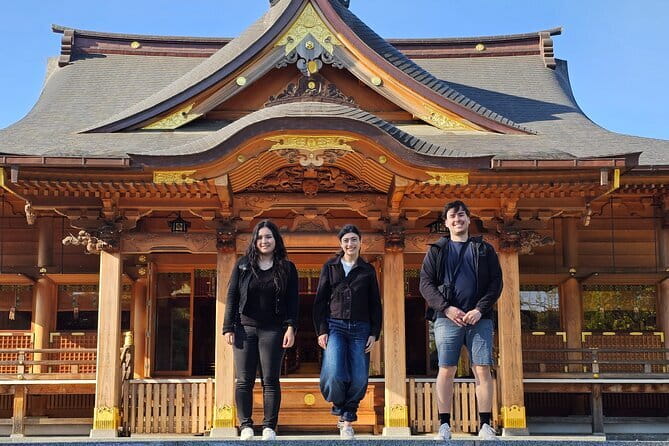
The tour begins at Shin-Fuji Station, meeting at the south exit. There is no entry fee here, and the time allocation is short, basically to gather and get briefed.
I like this style because it sets expectations quickly. You do not waste precious daylight waiting around. It also helps the guide get everyone organized with bike setup and basic cycling guidance before the route begins.
Since this is a small-group ride, your orientation time likely feels more personal than a larger tour. In practice, that usually means you will feel more confident when you start pedaling, especially if you have never ridden an e-bike before.
More bike tours in Mt Fuji Area:
- Lake Kawaguchi Explorer: E-Bike Guided Tour
★ 5.0 · 15 reviews - Hidden Kyoto E-Biking tour
★ 5.0 · 1,843 reviews - Tokyo Guided Small-Group Biking Tour
★ 5.0 · 1,250 reviews - Bike Tour Exploring North Kyoto plus Lunch
★ 5.0 · 1,087 reviews
Stop 2: Myoho-ji and the Suruga Bay coastline view
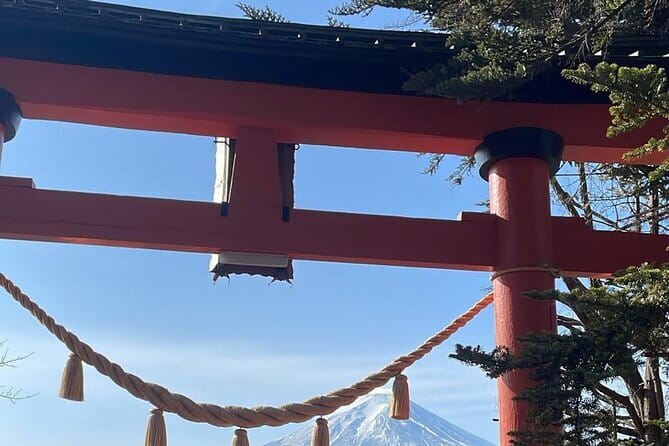
One of the first scenic chapters comes at Bishamonten Myoho-ji Temple. You spend about 10 minutes here, and the stop is included as a free admission site.
The itinerary then shifts toward the sea. The route includes views of Suruga Bay, described as Japans deepest bay, with Mt. Fuji visible in the wider scenery when conditions allow. This is a nice mix: a calm temple stop early in the ride, then the open visual feeling as you cycle toward the coast.
What I like about this pairing is variety in your senses. Temples tend to slow you down. Coast views, even from the side of the road, tend to open things up. By the time you reach the next spring water stops, you already have two different kinds of backdrops, so the day never becomes one long repeat of the same view.
Possible drawback: if Mt. Fuji is partially hidden, you still get the temple and bay scenery, but you may have to rely more on the cycling experience itself rather than constant skyline drama.
Stop 3: Yusui Park spring water sites, a local rhythm
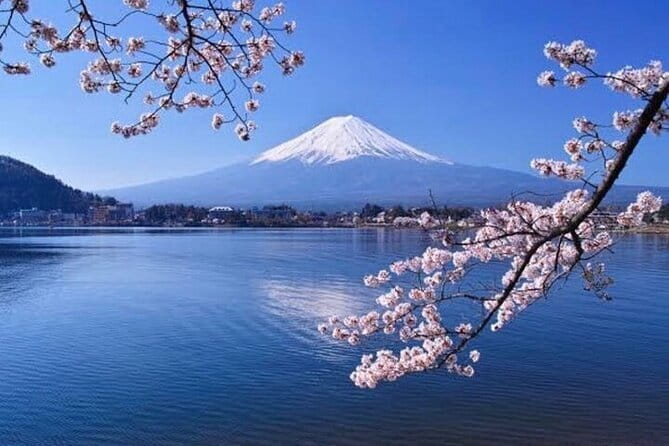
Next up is Yusui Park, another free admission stop, with about 10 minutes here. This is where the tour leans into the everyday life theme, focusing on spring water connected to Mt. Fuji.
In practical terms, these spring water sites are a powerful way to understand the mountain beyond the postcard. Mt. Fuji is not only something you look at from far away. It feeds water systems that locals use, and that is exactly what these stops communicate.
If you enjoy small, specific places instead of generic sightseeing, you will probably enjoy this part most. It gives you a more grounded connection to the region, and it is a break from the bike without turning the day into a long detour.
Stop 4: Hounji fountain and Mt. Fuji spring water you can drink
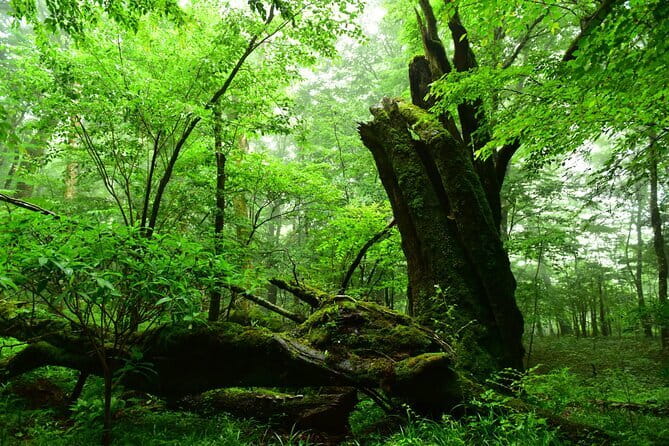
Then you move to Hounji, where you spend about 5 minutes. The highlight here is a fountain where you can drink spring water from Mt. Fuji.
Short stops like this can feel like filler on some tours. Here, it is more like a quick, tangible moment. You are not just walking past a sight. You are interacting with the place in a simple way.
One thing to plan: since bottled water is not included, it is smart to bring your own backup water if you are sensitive about drinking. That said, this stop specifically references drinking spring water, so it is clearly part of the intended experience.
Stop 5: Fujisan Yume No Ōhashi Bridge and the 50-step photo climb
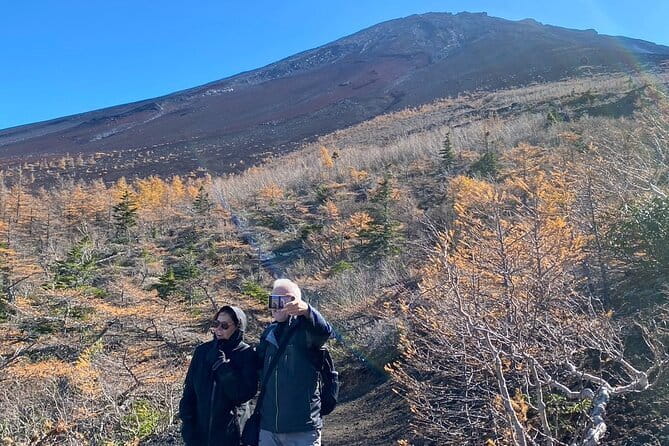
The big photo moment comes at Fujisan Yume No Ōhashi Bridge, with about 10 minutes allocated for this stop. The bridge is set up specifically for a view of Mt. Fuji, and the south side includes a staircase with 50 steps.
This is the point where your day can turn from pleasant to memorable, especially in winter light. Standing on a bridge gives a different angle than temple courtyards or roadside pull-offs. You also get that feeling of height and framing, because bridges naturally create a visual “window.”
Practical consideration: those 50 steps mean you should be ready for a small climb, even if your bike assistance does the heavy lifting. If stairs are a challenge, you may want to take the steps slowly or opt for shorter viewing time.
Stop 6: Back to Shin-Fuji Station, with the day neatly wrapped
The tour ends back at Shin-Fuji Station, returning to the starting meeting point. The final stop is short, about 1 minute, which keeps the day tidy and reduces the chance of fatigue turning into logistics.
This wrap-up is useful if you need to catch a train soon after. You can plan around the 2 hours 30 minutes total duration without feeling like the ride might stretch unpredictably.
Also, returning to Shin-Fuji makes sense. You started there, you end there, and you can transition to the next part of your trip without awkward backtracking.
What you actually get for $105.42, and how to judge the value
At $105.42 per person for a 2.5-hour small-group e-bike tour, the value comes from the combination of comfort, access, and time management.
Here is what you are paying for, based on what is included:
- Electric Assisted Bike (Miyata Ridge Runner)
- Rental helmet
- Guide
- Insurance covered by the operator
- Winter heat packs (kairo)
On paper, you could ride a bike on your own. But you would still need to handle routes, stop timing, and knowing where viewpoints and spring water sites are. A guide compresses that learning curve into a single smooth afternoon.
Small-group size also matters. When the tour caps at 5 people, you typically get more attention during photo moments and fewer delays. If you like sightseeing where you can ask questions and not shout over a crowd, this tour fits that style.
What is not included is also part of the value equation: bottled water is not provided. This is common for tours, but it is still on you to plan. Bring water you like, especially if you tend to drink more in cold weather.
Comfort and pacing tips for a winter ride you will actually enjoy
Winter bike tours are mostly about staying comfortable, not heroics. Here are practical ways to make the day easier based on what this tour provides and what it expects from you.
First, wear warm layers you can adjust. The e-bike helps with effort, but the air can still feel sharp, especially near the sea route. You will also get kairo heat packs, but you should not treat them as a substitute for gloves, a hat, or a warm outer layer.
Second, plan for short walking and photo time. The itinerary includes specific stops at temples, parks, and a bridge with stairs. Even if you are riding most of the time, you should expect brief moments on foot.
Third, handle hydration smartly. Since bottled water is not included, I recommend bringing your own bottle(s) even if you plan to drink the spring water at the fountain stop.
Finally, lean into the photo schedule. The tour is designed with multiple viewpoints and scenic pauses, so if you want crisp Mt. Fuji shots, be ready to move when the group does. Trying to take every possible photo angle alone can slow you down and create stress.
Who this Mt. Fuji e-bike tour suits best
This is a great match if you want Mt. Fuji views without the full-on tourist crush feeling. It also works well if you like a “local rhythm” style of travel, because the stops focus on temples, spring water sites, and the bridge viewpoint rather than only big landmark hits.
It can also suit families and mixed groups. The guide is praised for making the ride interesting across ages, and the small group format helps keep things manageable for different comfort levels.
If your idea of perfect travel is lots of long climbs and advanced technical biking, you might find this too comfortable. But if your goal is to see more places in less time while still getting fresh air and genuine local stops, this tour is doing the right job.
Should you book this Clear View Mt. Fuji E-Bike Tour?
Book it if you want a small-group, electric-assisted way to see Mt. Fuji with a route that includes more than just the usual viewpoints. The combination of spring water stops, temple time, and a dedicated bridge photo moment makes this feel like a complete half-day, not a short photo errand.
Skip it or rethink it if you strongly dislike stairs or hate cold-weather cycling. The bridge includes a staircase with 50 steps, and you still need to be comfortable outdoors in winter conditions.
If your priority is an efficient Mt. Fuji experience with a guide who clearly cares about showing Fuji City with confidence, this tour is an easy yes. The only real wild card is weather, since the tour depends on conditions for the clearest views of the mountain.
FAQ
How long is the Winter Special Clear View Mt. Fuji E-Bike Tour?
The tour runs about 2 hours 30 minutes in total, including time from meeting to stops and back.
Where does the tour start and end?
You meet at the south exit of Shin-Fuji Station, and the tour ends back at the meeting point.
What is included in the tour price?
The included items are the electric-assisted bike (Miyata Ridge Runner), a rental helmet, the guide, insurance (covered by the operator), and winter heat packs (kairo).
Is bottled water included?
No. Bottled water is not included, so you will want to bring your own drinks.
How many people are in the group?
The tour has a maximum of 5 travelers.
What happens if the weather is poor?
This experience requires good weather. If it is canceled due to poor weather, you will be offered a different date or a full refund.
More E-Bikes in Mt Fuji Area
- Tokyo Top Highlights 3h Guided E-bike Tour
★ 5.0 · 714 reviews - 3h Tokyo E-Bike Tour: Hidden Gems, and Local Life with guide
★ 5.0 · 670 reviews - 5 Top Highlights of Kyoto Full Day Bike Tour (E-bike option)
★ 5.0 · 511 reviews - Tokyo: 3-Hour Bike or E-Bike City Highlights Tour
★ 4.8 · 435 reviews
Fresh options around Mt Fuji Area
- Private Fuji Full-day Car Tour with Hotel Pickup -Local Guide★ 5.0 · 12 reviews
- Mount fuji and Hakone full day private tour with English gui★ 4.9 · 12 reviews
- Halfway Up Mt,Fuji, Oshino Hakkai, Kawaguchiko from Tokyo★ 3.6 · 13 reviews
- Tokyo To Mount FUJI Day Trip With English guide★ 4.7 · 14 reviews
- Lake Kawaguchi Explorer: E-Bike Guided Tour★ 5.0 · 15 reviews
- Mt. Fuji Guided Scenic Trike Adventure from Lake Kawaguchi★ 5.0 · 15 reviews
- Fujisan Sushi Making Lesson★ 5.0 · 16 reviews
- Shizuoka: Advanced Canyoning Activity near Mt. Fuji★ 5.0 · 17 reviews
Cycling Tours, compared.
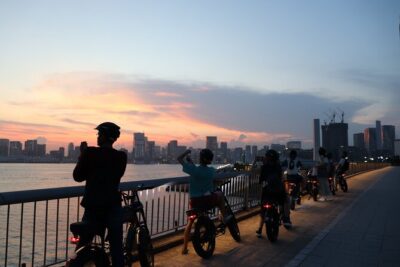
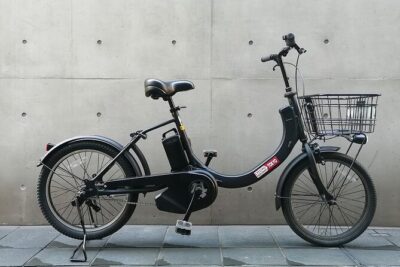
3h Tokyo E-Bike Tour: Hidden Gems, and Local Life with guide
Read our review →
Arashiyama Bamboo Forest & Hidden Gems Bike Tour (Early Bird)
Read our review →
Hiroshima in a Nutshell: Morning Bike Adventure
Read our review →Browse the lists this tour appears in