

Reviewed · FOOD & DRINK
Tsukiji Fish Market Culture Walking and Food Tour
Eat your way through Tsukiji, guided. This small-group tour through the Tsukiji area pairs seafood tastings and lunch with a guide who explains what you are seeing and how to behave at traditional stops.
I love two things: the hassle-free food flow (street samples plus a shared lunch) and the added cultural stops that make Tsukiji feel like more than just snacks. On tours with guides like Inoki, the vibe is calm, conversational, and you get translation help while you ask questions.
One consideration is that the focus is seafood and street-level market streets, not the inner auction core. If you have strong food limits, share them up front so the guide can plan alternatives.
Key highlights at a glance

- Small group of up to 10 means less waiting and more back-and-forth with your guide
- Street food tastings plus lunch included, so you are not constantly deciding where to eat
- Tsukiji Hongan-ji Temple stop teaches basic temple manners, including incense and a Johdo Shinsyu-style prayer
- Namiyoke Inari Shrine visit ties local shrine history to the market area and sales culture
- Guide translation helps you understand what you are looking at and what you are eating
How a 3-hour Tsukiji food tour fits into your Tokyo day

Tsukiji can feel like sensory overload, even if you land there with a plan. This tour is built to keep things simple: about 3 hours, a clear walking route, and food built into the schedule. You start at Tsukiji Hongan-ji Temple and return to the same meeting point at the end, which makes it easy to plug into the rest of your itinerary.
Price is $85.66 per person, which is not cheap for just walking around. The key is that you are paying for guidance, translation, and the included food stops. If you have ever spent time comparing menus, checking what is actually good, then lining up for the basics, this style of tour can feel like buying back time and energy.
The meeting point is easy to find, and the tour is described as near public transportation. You also get a mobile ticket, which matters in Tokyo where you do not want to juggle paper.
Timing note: the tour starts at 10:00 am, and the guide waits up to 10 minutes (until 10:40 am). If you are even slightly late, you can miss the start and lose out, so build in a buffer.
More Food Tours in Tokyo
- Tokyo: Shinjuku Food Tour (13 Dishes at 4 Local Eateries)
★ 5.0 · 6,603 reviews - Tokyo Tsukiji Fish Market Food and Culture Walking Tour
★ 5.0 · 3,184 reviews - Tokyo: Shinjuku Food Tour (15 Dishes and 4 Eateries)
★ 4.9 · 2,033 reviews
Step one: Tsukiji Hongan-ji Temple and learning temple manners fast
The first stop is Tsukiji Hongwanji Temple, about 30 minutes, with admission listed as free. This is not a random temple cameo. It is a practical primer on how to act in Japanese temple spaces, with a real ritual context.
You learn what to do before entering, including a traditional incense offering and a prayer in the Johdo Shinsyu style. For many visitors, the hardest part is knowing where to stand and what gestures mean. Having a guide explain the flow means you can focus on being respectful instead of guessing.
I like the way this stop sets the tone. Tsukiji is famously associated with seafood, but Japan’s market culture sits alongside religion, community customs, and everyday neighborhood life. Starting with temple etiquette helps you read the area with less confusion.
The main event: Tsukiji Fish Market streets, street samples, and lunch together
Next is the big 2-hour Tsukiji Fish Market segment, with admission listed as free. The tour description emphasizes walking and exploring Tsukiji outside the market, plus eating street food along the route.
This matters because Tsukiji has layers. If your goal is to see the market as people experience it on the street, this tour is set up for that. You get guidance on where to go for food, and you are not doing all the decision-making yourself.
Street food tastings that keep you moving
You are not just walking and hoping you find something. The schedule includes seafood tastings, and the guide helps with translation so you understand what you are ordering. In food tours, that translation piece can make a bigger difference than people expect. It turns a menu scramble into a real experience.
Based on past tastings people have mentioned, you might try items like tuna on a skewer, eel, daifuku, and unagi sticks. The tour also references lunch that includes seafood, with some people describing sashimi as part of that meal.
A small practical bonus: on some outings, the guide helps handle the lines while you keep the group on track. That is a subtle thing, but it can save real time when queues form at the best snack counters.
More Market Tours in Tokyo
- Tokyo: Tsukiji Fish Market Food and Walking tour
★ 5.0 · 1,724 reviews - Tokyo: Tsukiji Fish Market Guided Walking Tour
★ 4.9 · 1,397 reviews - Tokyo Sushi Making Class in Tsukiji with Professional Chef
★ 5.0 · 1,177 reviews - Tsukiji Fish Market Guided Tour and Sushi Making with Pro Chef
★ 5.0 · 775 reviews
A hidden lunch spot you would probably miss alone
One of the standout features is the plan to visit a hidden restaurant for lunch together. You get the lunch as part of the tour, so you do not need to hunt for a place that fits your tastes, your schedule, and your comfort level with Japanese ordering.
Lunch is where the tour shifts from snacks to a proper sit-down meal. The goal is to curb hunger in a way that feels like a real Tsukiji day, not just a string of bites.
If you do not eat fish, tell the guide early
This is the one area where you want to be proactive. Seafood is the core theme, so you should share dietary preferences right away. The tour info notes that the guide provides alternatives, and one example given was someone who did not want fish and got mochi instead.
That does not mean every preference can be accommodated, but it does mean you are not stuck. If you tell the guide at the start, you give them a chance to adjust the food stops.
Namiyoke Inari Shrine: local Tsukiji perspective and the meaning behind it

The final stop is Namiyoke Inari Shrine, about 30 minutes, again with admission listed as free. This shrine is described as being for the local Tsukiji area, which is exactly what makes it valuable.
At Namiyoke Inari, your guide explains the shrine’s connection to the Tsukiji market area and includes context for local history. The tour mentions learning about the market’s history and what Shito is, with the guide helping connect the dots as you walk.
Here’s what you get out of this stop beyond photos. Shrines like this often point you to the social and cultural logic of a neighborhood. You understand why the market matters to the people living around it, not just why tourists stop by.
There is also a route benefit. You can see more of the sales-shop side of the area on the way to the shrine. If you only experience Tsukiji as a food destination, you miss how the whole district functions day to day.
Why the small group and guide translation matter

Tsukiji is not laid out like a theme park. It is an active neighborhood with narrow routes, quick interactions, and food decisions that happen fast. A tour capped at 10 travelers keeps that pace from turning chaotic.
With a smaller group, your guide can:
- keep everyone together through tight streets
- answer questions without rushing
- adjust on the fly if you are not eating one item
Translation help is also a big deal in market food. Even basic words change how you choose. When you understand what a dish is supposed to be, you are more likely to enjoy it, not just survive it.
In multiple accounts tied to this tour, guides like Inoki were praised for being friendly, enthusiastic, and able to explain both food and context. That combination is what makes this work as a cultural walking tour, not only a snack run.
Price and value: is $85.66 worth it?

I look at value in two buckets: what you get, and what it costs you in effort.
What you get here is more than a walking guide. The tour includes street food tastings and a seafood lunch, plus temple and shrine stops. Since admissions for those stops are listed as free, your money is largely going into the guide, translation, and planned food stops.
What it saves you is the mental work. Instead of trying to figure out:
- where to eat quickly
- what to order if you do not speak Japanese
- how to behave in temple spaces
- how to connect what you see to why it matters
You show up, follow the schedule, and let the guide handle the tricky parts. For many people visiting Tokyo, that is the most expensive thing you can spend: time and uncertainty.
When it might not be worth it is when you want a long, self-led market browsing session or you are already a pro at choosing Tsukiji snacks on your own. This tour is designed as an introduction and a food experience with cultural stops, not a full day of independent shopping.
Practical tips so your Tsukiji day feels smooth

A market-style walk is won and lost on logistics. Here are the few things that matter most for this specific tour.
Arrive early enough to settle in
The guide waits 10 minutes after the 10:00 am start, until 10:40 am. If you are taking trains and walking a bit, arrive a little early so you start on time and do not stress.
Wear shoes for standing and short bursts of walking
You will be moving for about 3 hours, including temple, market streets, and the shrine. Comfortable walking shoes make it easy to enjoy the food without the day turning into sore feet.
Tell the guide your limits at the start
Seafood is central. If you do not eat fish or you have other limits, let the guide know right away. You have examples of alternatives being used, such as mochi, but you still want to communicate early.
Keep an open mind about the order of stops
Starting at a temple and ending at a shrine can feel different from a pure food crawl. But it works. It gives you context before the tastings and a local connection after lunch.
Should you book the Tsukiji Fish Market Culture Walking and Food Tour?

I think this is a smart choice if you want a guided Tsukiji experience that feels local but stays easy. It is especially good for:
- first-timers who want clear structure
- people who value translation help while ordering food
- anyone who likes food tastings but also wants cultural context
You might skip it if:
- you are only interested in long, independent browsing and shopping
- you want a market experience focused on other parts of Tsukiji that this route does not emphasize
- your food needs are complex and you do not feel comfortable relying on alternatives planned by the guide
The best part is that the tour packs real variety into a short window: temple etiquette, street seafood snacks, a shared lunch at a place you might not find alone, then Namiyoke Inari with local context. If that sounds like your style, book ahead. This one averages being booked around 36 days in advance, so grabbing a slot earlier tends to be the low-stress move.
FAQ
How long is the Tsukiji Fish Market Culture Walking and Food Tour?
The tour is about 3 hours.
Where does the tour start?
It starts at Tsukiji Hongan-ji Temple, 3-chōme-15-1 Tsukiji, Chuo City, Tokyo 104-8435, Japan.
What is included in the tour besides walking?
Food tastings are included, and the tour also includes a seafood lunch. The itinerary also includes stops at Tsukiji Hongwanji Temple and Namiyoke Inari Shrine.
Is there a limit on the group size?
Yes. The maximum group size is 10 travelers.
Is the meeting point also where the tour ends?
Yes. The tour ends back at the meeting point.
Do I need an admission ticket for the stops?
The itinerary lists admission tickets as free for the temple, the market segment, and the shrine.
What if I arrive late for the start time?
The guide waits up to 10 minutes after the tour starting time, until 10:40 am. After that, the tour starts and there are no refunds for the tour fee.
How does cancellation work?
Free cancellation is available up to 24 hours in advance for a full refund. If you cancel less than 24 hours before the start time, the amount you paid is not refunded.
More Markets in Tokyo
- Tokyo: Tsukiji Fish Market Food and Culture Walking Tour
★ 4.7 · 757 reviews - Tsukiji Fish Market: Street Food & Culture Walking Tour
★ 5.0 · 669 reviews - Tsukiji Fish Market Small-Group Food Walking Tour
★ 5.0 · 621 reviews - Tokyo: Tsukiji Fish Market Sushi Making Class with Pro Chef
★ 4.9 · 506 reviews
More Walking Tours in Tokyo
- Tokyo: Imperial Palace and Shogun Historical Walking Tour
★ 5.0 · 2,251 reviews - Tokyo: Shinjuku Local Bar and Izakaya Guided Walking Tour
★ 4.9 · 1,794 reviews - Tokyo: Asakusa Walking Tour with Sensoji Temple Visit
★ 4.8 · 1,583 reviews - Tokyo Castle & Imperial PalaceーShogun Walking Tour
★ 4.7 · 1,068 reviews
Fresh options around Tokyo
- Tokyo: Nikko Kegon Falls Lake Chuzenji Toshogu Temple & More★ 4.9 · 12 reviews
- Tokyo: Samurai History Walking Tour★ 5.0 · 12 reviews
- Harajuku: Kawaii Fashion and Pop-Culture Tour★ 4.7 · 12 reviews
- Tokyo: Mt. Fuji & Lake Kawaguchi Instagram Full Day Trip★ 4.1 · 12 reviews
- Shibuya Tokyo: Modern Kintsugi Workshop in Shibuya★ 5.0 · 12 reviews
- Tokyo: GTR Guided Daikoku Experience at Night★ 5.0 · 12 reviews
- Tokyo: Daikoku JDM Car Culture Tour★ 4.6 · 12 reviews
- Mt Fuji Private Day Trip from Tokyo with English speaking driver★ 5.0 · 13 reviews
Food & Drink, compared.
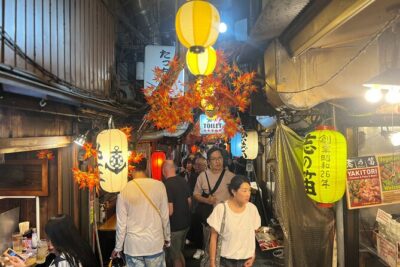
Shinjuku Food Tour (13 Dishes at 4 Local Eateries)
Read our review →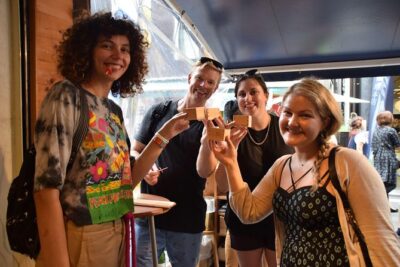
Tokyo Tsukiji Fish Market Food and Culture Walking Tour
Read our review →
Shinsekai Food Tour with 13-15 Dishes at 5 Eateries
Read our review →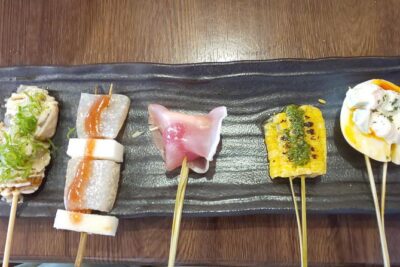
Osaka Food Tour: 13 Dishes at 5 Local Eateries
Read our review →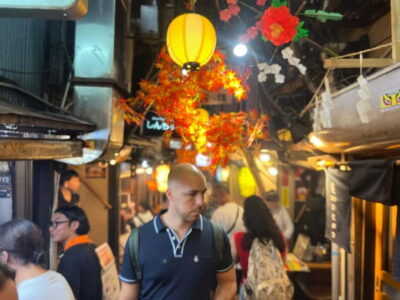
Shinjuku Food Tour (15 Dishes and 4 Eateries)
Read our review →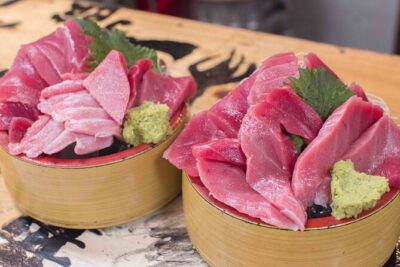
Best of Shinjuku: Izakaya Food Tour (4 Stops, 14+ Tastings)
Read our review →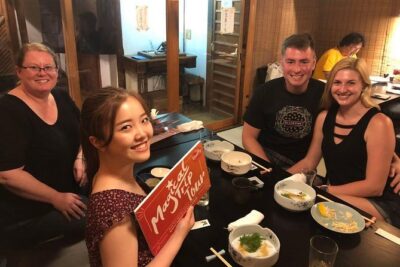
Kyoto Night Foodie Tour in Gion (9+ dishes + 6 Sake tastings)
Read our review →
Hungry Osaka Street Food Tour:15 Tastings & 3 Drinks with a Local
Read our review →Browse the lists this tour appears in