
Reviewed · COOKING CLASSES
Traditional Home cooking Experience in Osaka, Japan
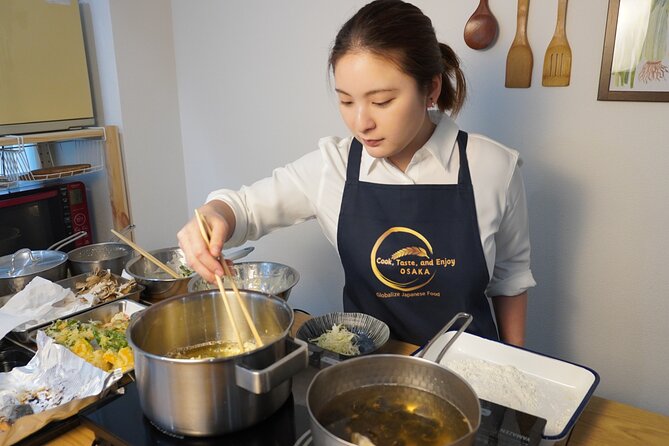
Two hours, real Osaka kitchen energy. I love how this class turns home cooking into an easy, friendly hands-on experience, not a classroom performance, and I especially like the focus on Koshihikari rice from Niigata. You get a shared meal you actually made, plus that fun, social energy Osaka is known for.
One thing to consider: the class is only about two hours, so you’ll cook two dishes and learn by doing, not by going deep on everything. Also, free water is included, but drinks cost extra, and alcoholic beverages are not included.
Key points before you go
- Pick Course A or Course B and make two dishes together
- Premium Koshihikari rice is sourced from Minamiuonuma City, Niigata
- English-friendly instruction with staff cooking alongside you
- Small group size (up to 8) so questions do not get lost
- Seasonal ingredient focus means the food reflects the time of year
- A music moment may happen, with a performer named Keiko based on past experiences
A small-group Osaka cooking class that feels like real home food
Osaka cooking classes can be touristy. This one aims for the opposite. You are not just learning recipes on paper. You cook together, taste what you make, and hang out long enough to feel part of the process. The vibe is simple and social, with an instructor who keeps things moving and makes it comfortable to ask questions.
I also like that it is built around home-style Japanese food and seasonal ingredients. Japan changes by the season, and the menu design follows that idea. That matters, because flavor in Japanese cooking is often about timing. Get the ingredient right for the season, and even simple steps taste better.
There is also a practical advantage to the format. With a maximum of 8 people, you are less likely to feel like you are stuck watching while someone else gets all the attention. It is easier to pick up the small cooking cues that turn a dish from okay into seriously good.
More Cooking Classes in Osaka
- Osaka: Ramen and Gyoza Cooking Class in Dotonbori
★ 5.0 · 378 reviews - Osaka Cooking Class: Okonomiyaki &Japanese cuisines experience
★ 5.0 · 261 reviews - Ramen and Gyoza Cooking Class in Osaka
★ 5.0 · 202 reviews
Course A vs Course B: choose your Osaka comfort level
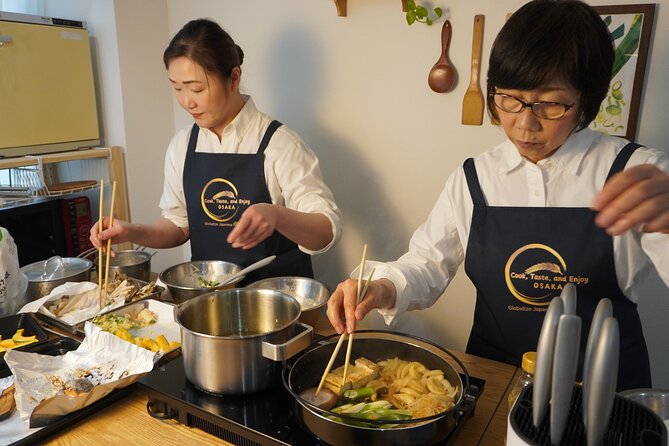
When you book, you choose one course. Both courses share the same core structure: you cook two dishes together over about two hours, then you eat what you made.
Course A: classic Japanese home cooking
Course A features:
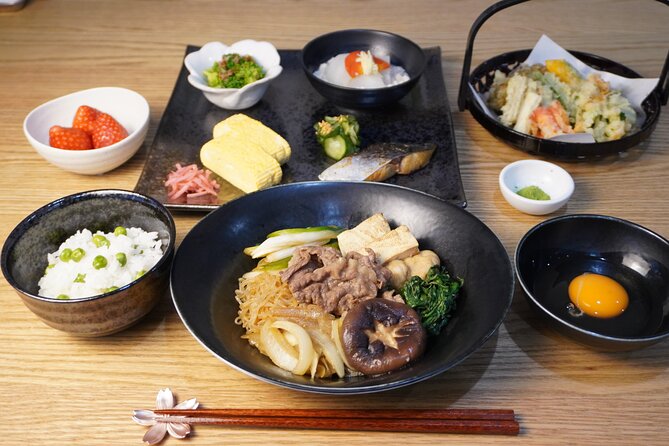
- Sukiyaki
- Tempura
- A rolled omelet (tamagoyaki-style)
If you want a mix of hearty, crispy, and gently sweet-savory, Course A is the safe pick. Sukiyaki is the kind of dish that feels like a warm scarf on a cold evening. Tempura brings the crunch, and the rolled omelet adds that comforting, egg-based backbone.
Course B: bolder flavors and a beef-focused meal
Course B features:
- A wagyu roast beef bowl
- Chicken nanban
- Sashimi
If you like richer flavors and want both cooked and raw elements, Course B fits. The wagyu bowl is the clear showstopper, and chicken nanban is all about that satisfying crunch and tangy-sweet balance. Sashimi gives you a chance to taste the ingredient quality directly.
Same corner of Japan, a different kind of day:
- Osaka Go Karting Tour with Funny Costume
★ 5.0 · 2,658 reviews - Osaka Castle: Museum and Tower Entry Ticket
★ 4.5 · 2,380 reviews - Osaka: Shinsekai Food Tour with 13-15 Dishes at 5 Eateries
★ 4.8 · 2,204 reviews - Osaka Food Tour: 13 Dishes at 5 Local Eateries
★ 5.0 · 2,149 reviews
How to choose quickly
Pick Course A if you want warming, classic comfort with an egg and crunch combo. Pick Course B if you want a more varied plate that includes beef, fried chicken, and sashimi.
If you are someone who hates uncertainty, Course B can feel more specific because wagyu is the headline. If you want variety without seafood pressure, Course A may be easier to enjoy.
The rice lesson that quietly makes the whole meal better
This class is serious about rice, and that is not just marketing. They directly source Koshihikari rice from contract farmers in Minamiuonuma City, Niigata Prefecture, one of Japan’s leading rice-producing regions.
Why you should care: in Japan, rice is not a side dish. It is a flavor foundation. Good Koshihikari has a distinct balance of aroma, stickiness, and texture. When you cook with better rice, everything you eat with it tastes more coherent, even if the other dishes are the main story.
So when the instructor guides you through cooking and serving, you are not just following steps. You are building your meal around an ingredient chosen for quality. That is a big part of the value here.
What actually happens during the class
You meet in Osaka at 2 Chome-13 Nishishinsaibashi, Chuo Ward (near public transportation). From there, you will move into the cooking portion with staff who help guide you step by step.
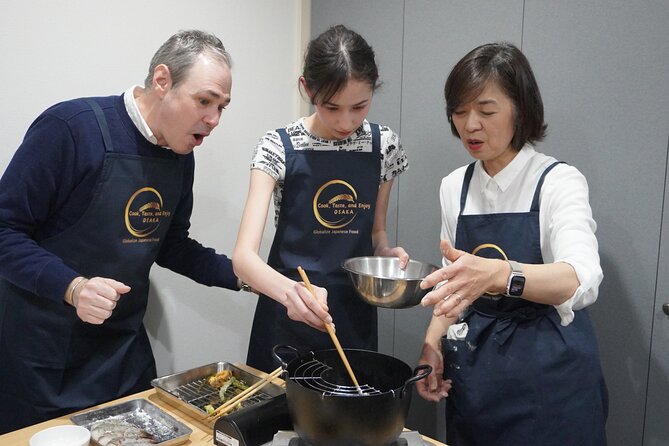
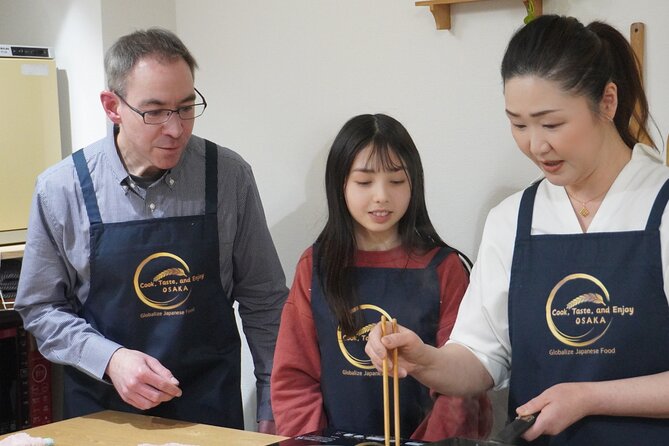
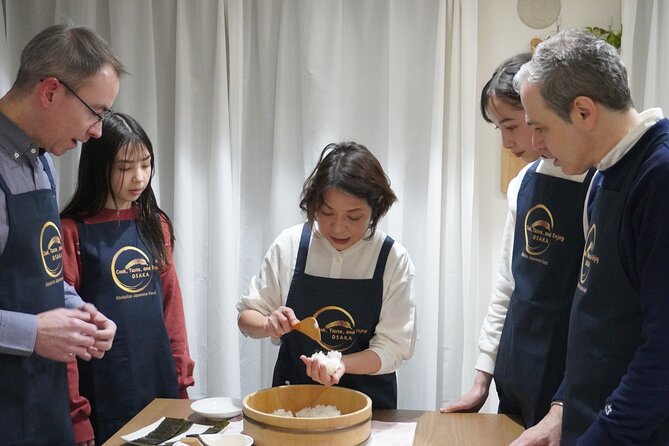
The rhythm is friendly and active. You do the hands-on work while the experienced staff cooking alongside you keeps the process on track. Based on past experiences, the host and chef style tends to be approachable, with good English so you can actually understand what you are doing and why.
You will also taste as you go. That is not filler. Tasting in the middle of cooking helps you adjust instinctively, like noticing seasoning balance or seeing how texture changes when the heat is right.
And because the group is small, you are more likely to get the personal coaching moments that make you feel confident, not rushed.
Course A: sukiyaki, tempura, and a rolled omelet
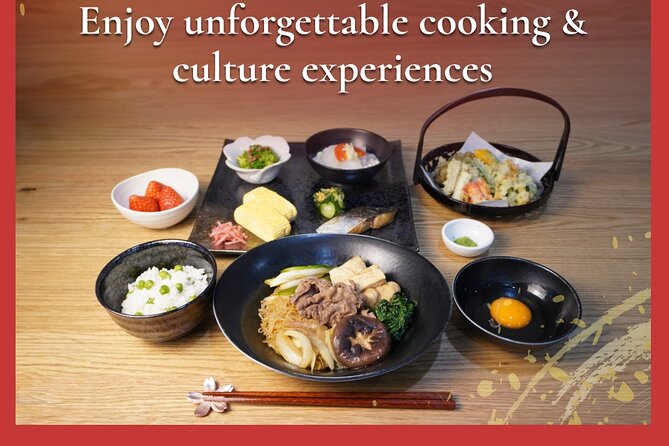
Course A is the “comfort food” route. Expect a meal with warm, savory depth plus crisp and sweet notes.
Sukiyaki: sweet-savory warmth in one pot
Sukiyaki is a classic. It is typically a simmered mix with a rich sauce, and it is often built around thinly sliced ingredients and quick cooking. In a home-cooking setting, the best part is how the sauce and heat control the flavor. Get it right and it tastes deep but not heavy.
During the class, you are not just assembling. You are learning how to handle the timing so the components stay enjoyable rather than turning overcooked.
Tempura: crunch you can feel
Tempura is deceptively simple. The trick is heat and batter timing. Even if you do not remember every step later, the texture lesson sticks. When you fry something properly, it has that light crunch that does not feel greasy.
This is a great dish to learn in a class because it is one of those foods where a small adjustment changes everything.
Rolled omelet: the quiet skill
Rolled omelet is one of those Japanese techniques that looks neat but takes attention. You will be learning how to control the cook so the layers set smoothly and the final shape stays clean.
It is also a dish that helps you practice patience, which is a useful life skill, even outside the kitchen.
Course B: wagyu roast beef bowl, chicken nanban, and sashimi
Course B moves faster into bold flavor territory, with a plated meal that feels like a mini Osaka restaurant experience.
Wagyu roast beef bowl: the main event
A wagyu roast beef bowl is made for people who want that rich, juicy beef flavor without extra fuss. The bowl format also makes the whole meal feel cohesive because the rice and toppings share one simple rhythm.
If you are the kind of eater who loves savoring texture, this dish will reward you. With good rice underneath, every bite feels intentional.
Chicken nanban: crisp, tangy, and satisfying
Chicken nanban is typically known for crispy fried chicken with a tangy, often slightly sweet element. In a cooking class, it is a great way to learn how breading and frying work together with sauce.
The practical point: this dish teaches you about crisp texture, which is harder to replicate at home if you do not understand what to watch for while cooking.
Sashimi: taste quality directly
Sashimi is a straightforward lesson in ingredient quality. With sashimi, cooking choices matter less than what the ingredient is to begin with. So it becomes a real tasting moment rather than a “watch and wait” moment.
This course is ideal if you like seafood but do not want a complicated dining experience. It is just you, good sashimi, and your own hands helping shape the rest of the meal.
Tasting together is the real learning tool
After cooking, you sit down and eat. That shared moment is not just about filling your stomach. It is where you connect the steps you did to what the food tastes like.
I like classes that let you compare. When you taste your own dish, you understand seasoning balance, texture, and rice flavor in a way that watching alone never gives you.
It also helps you pick up mental shortcuts. You start to think in terms of heat control, sauce balance, and how the rice changes the whole bite. That is the kind of learning you can bring home.
Osaka neighborhood energy, without the maze
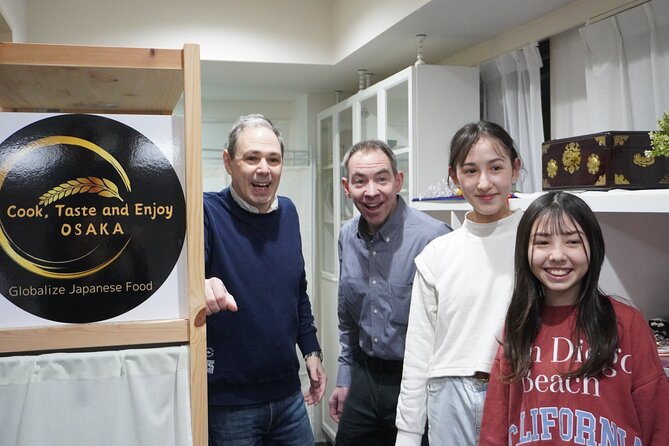
You are based near Nishishinsaibashi, in Osaka’s Chuo Ward. That area is convenient for getting around, and it usually means you are not far from transit.
Here’s how to make this fit your day:
- If you are doing shopping or food strolling in Shinsaibashi and Dotonbori areas, this class works well as your scheduled “food anchor.”
- Because it lasts about two hours, you can plan a second meal after without wrecking your schedule.
Also, the experience uses a mobile ticket, which is one less thing to worry about in a city where you may already have too many screens open.
The money question: is $104.51 worth it?
For $104.51 per person, you are paying for more than a meal. You are paying for:
- instruction and hands-on cooking help
- two dishes made in a guided setting
- a small group experience (up to 8)
- a focus on seasonal ingredients
- premium rice sourced directly from Minamiuonuma, Niigata
Is it cheap? No. But it can be good value if your goal is learning, eating, and enjoying a real slice of Japanese home food culture in a short window.
Think of it like this: you are essentially buying a controlled, small-room cooking workshop plus the meal that comes out of it. If you were to replicate the rice quality, ingredients, and instruction on your own, you would likely spend more than you expect.
Who should book, and who might want to skip
This class is a great fit if:
- you want an Osaka cooking experience that feels social and practical
- you are curious about seasonal Japanese ingredients
- you care about rice quality and how it affects a meal
- you want English-friendly guidance in the kitchen
- you enjoy dishes like sukiyaki, tempura, nanban chicken, wagyu bowls, or sashimi
You might consider another option if:
- you want an all-you-can-eat type of experience, because it is focused on two dishes and a shared meal
- you plan on drinking alcohol, because alcoholic beverages are not included (free water is included, but other drinks are charged separately)
- you are looking for a super long workshop with deep technique practice, because the whole thing is built for about two hours
Should you book Cook, Taste and Enjoy Osaka?
If you want a confident, friendly Osaka cooking class without complicated logistics or a huge group, I think it is worth booking. The combination of small size, hands-on instruction, and the ingredient focus on seasonal cooking and high-quality Koshihikari rice makes the experience feel grounded, not generic.
Choose Course A if you like classic Japanese comfort flavors and want sukiyaki, tempura, and a rolled omelet. Choose Course B if you want wagyu, chicken nanban, and sashimi with a more mixed plate.
One last practical tip: go in hungry, but also go in curious. When you taste as you cook, you will leave with more than recipes. You will leave with a feel for what makes Osaka home food work.
FAQ
How long is the Cook, Taste and Enjoy Osaka cooking class?
The class lasts about 2 hours (approx.).
Do I choose between Course A and Course B?
Yes. You select Course A or Course B when making your reservation. Each course includes two dishes.
What dishes are included in Course A?
Course A includes sukiyaki, tempura, and a rolled omelet.
What dishes are included in Course B?
Course B includes a wagyu roast beef bowl, chicken nanban, and sashimi.
Is water included, and are drinks free?
Water is free, but other drinks are charged separately. Alcoholic beverages are not included.
What is the group size?
The class has a maximum of 8 travelers.
Where do I meet for the experience?
The start location is 2 Chome-13 Nishishinsaibashi, Chuo Ward, Osaka, 542-0086, Japan, and the activity ends back at the meeting point.
Is free cancellation available?
Yes. You can cancel up to 24 hours in advance for a full refund. If you cancel less than 24 hours before the start time, the amount you paid will not be refunded.
Fresh options around Osaka
- Make Sushi and Create Unforgettable Memories in Osaka★ 5.0 · 14 reviews
- Osaka Castle Tour – With Optional City Highlights (3 hours)★ 4.5 · 14 reviews
- Osaka American village Bar hopping tour★ 5.0 · 14 reviews
- Osaka Temple :Warm Bamboo Oil Massage – Deep Restore〈90min〉★ 5.0 · 14 reviews
- Hidden Gems of Osaka Kyoto Nara – Private Car Tour by Local Guide★ 5.0 · 14 reviews
- Osaka 4-Hour Walking Tour: Hotspots and Hidden Gems★ 4.5 · 14 reviews
- Osaka Nights: Ultimate Pub Bar Crawl with an Expert Local Guide★ 5.0 · 14 reviews
- Private arrival Transfer from Osaka Itami Airport(ITM) to central Osaka city★ 4.5 · 14 reviews
Cooking Classes, compared.
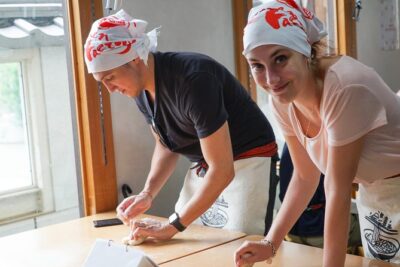
Ramen Cooking Class at Ramen Factory in Kyoto
Read our review →
Ramen & Gyoza Cooking Class in Tokyo with Local Supermarket Visit
Read our review →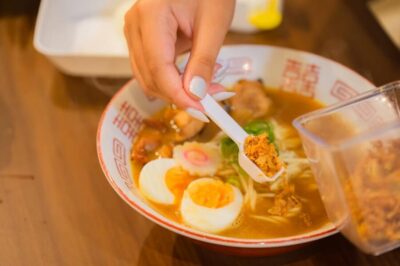
Ramen Cooking Class at a Ramen Factory with Souvenir
Read our review →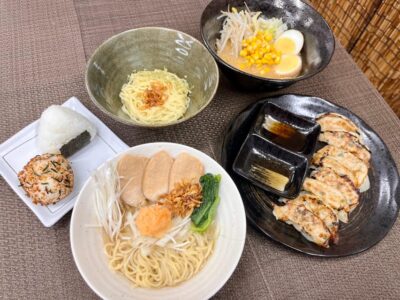
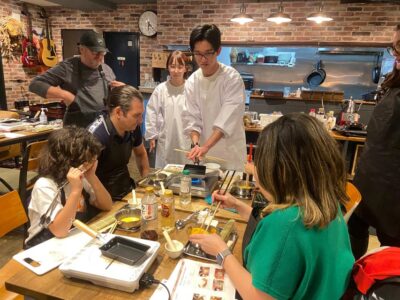
Japanese Washoku Bento Small Group Cooking Class
Read our review →
Easy Ramen Cooking Experience in Kabukicho, Shinjuku
Read our review →
Ramen and Sushi Cooking Class with Sake Pairing Set in Tokyo
Read our review →Browse the lists this tour appears in