
Reviewed · FOOD & DRINK
Tokyo’s Kitchen: Tsukiji Market Food & Culture Walk
Tsukiji hits your senses fast. I love starting at Tsukiji Outer Market with a tight group, because I actually get to slow down, ask questions, and taste with guidance from friendly hosts like Mikki and Oku, who greet vendors and help you decode what you’re seeing. I also like the six-person group pace, where you get sushi history tied to daily market life, plus short visits to shrines and simple respect rituals that make the whole place feel less like a food maze.
One consideration: this is a food-and-culture walk, not a full backstage, work-floor tour. If you’re hoping for lots of extra behind-the-scenes action beyond the tastings and key sights, set your expectations accordingly.
Key moments you will remember
- Meeting at Higashi-ginza by the Kabukiza Theatre side Torii gate, then walking into Tokyo’s food “engine room”
- Kabuki Inari Shrine stop where you learn basic gestures of respect before you eat
- Tsukiji Outer Market tastings that help you know what to order or skip later on your own
- Namiyoke Inari Jinja visit, adding spiritual context to what vendors are doing and why it matters
- Finish at the Tsukiji Fish Market so the morning ends right where the story becomes real
- Sushi and tradition context, including how Tsukiji’s role changed after major auctions moved to Toyosu
First stop: finding the Torii gate by Higashi-ginza
This walk is built for a smooth start, not a scavenger hunt. Your meeting point is at Higashi-ginza Station, Exit 3, at the top of the escalator on street level. Look in front of the Kabukiza Theatre, on the side of Harumi Street, by the small shrine and its Torii gate.
I like this kind of start because it reduces early-morning stress. In a busy area like Tsukiji, that matters. When you roll in together with your guide, you can spend your energy on food, not figuring out directions.
The tour is 3 hours long and run in English by a live guide. The group stays small, limited to 6 guests, which helps in two big ways: you can move as a cluster, and it is easier for your guide to handle questions without leaving people behind.
More Food Tours in Tokyo
- Tokyo: Shinjuku Food Tour (13 Dishes at 4 Local Eateries)
★ 5.0 · 6,603 reviews - Tokyo Tsukiji Fish Market Food and Culture Walking Tour
★ 5.0 · 3,184 reviews - Tokyo: Shinjuku Food Tour (15 Dishes and 4 Eateries)
★ 4.9 · 2,033 reviews
Kabuki Inari Shrine, then you eat with context
Before you chase snacks, you get a short stop at Kabuki Inari Shrine. The goal is not to turn your morning into a lecture. It’s to help you read the place with fresh eyes.
In Shinto settings around Japan, gestures of respect are part of the atmosphere. On this walk, you get explanations for the simple rituals and customs you’ll notice nearby. You’ll feel the difference right away when you return attention to the market: people are not just shopping, they’re participating in daily life shaped by spiritual habits.
I also like that this keeps the tour from feeling purely commercial. A shrine stop gives you a quiet reset. It is usually brief, but it changes your mood.
Tsukiji Outer Market: a six-person guide through the noise
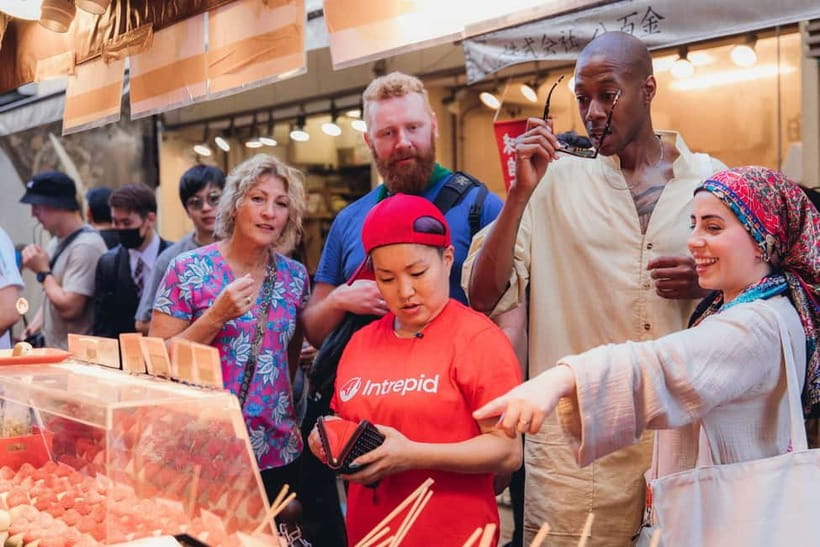
Now the fun part. You spend the main time in Tsukiji Outer Market, the legendary Tokyo food district where stalls spill over with seafood, snacks, and small treats. The market is famous, which means it can feel overwhelming if you go alone.
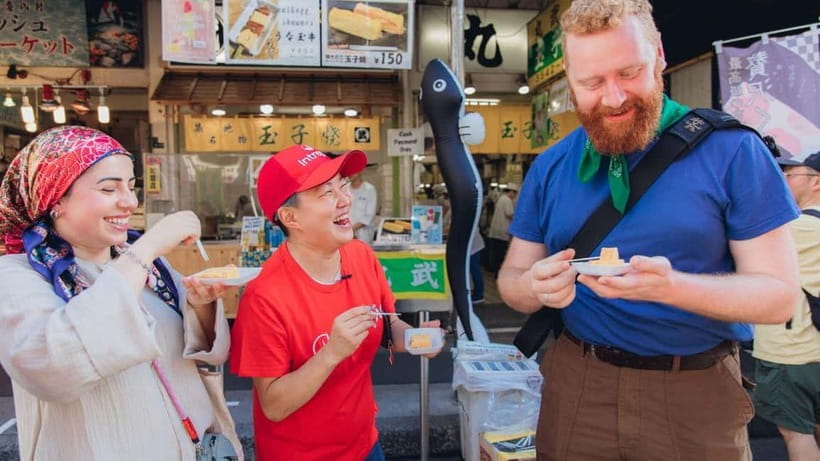
This is where a small group plus translation becomes practical. Your guide keeps you together, points out what’s worth tasting, and explains what you’re looking at so you are not just copying a line. Vendors often recognize the guide, and you get a warm welcome into a community most visitors never really reach.
I especially like how guides like Oku and Mihori (names you may hear mentioned in the group) keep things friendly and easy to follow. One guide even used photos, maps, and physical models to explain food steps like how tamagoyaki gets made. That kind of visual help is gold when your brain is already busy smelling grilled seafood and reading Japanese labels you cannot pronounce.
What you taste at Tsukiji: sushi, street snacks, Wagashi
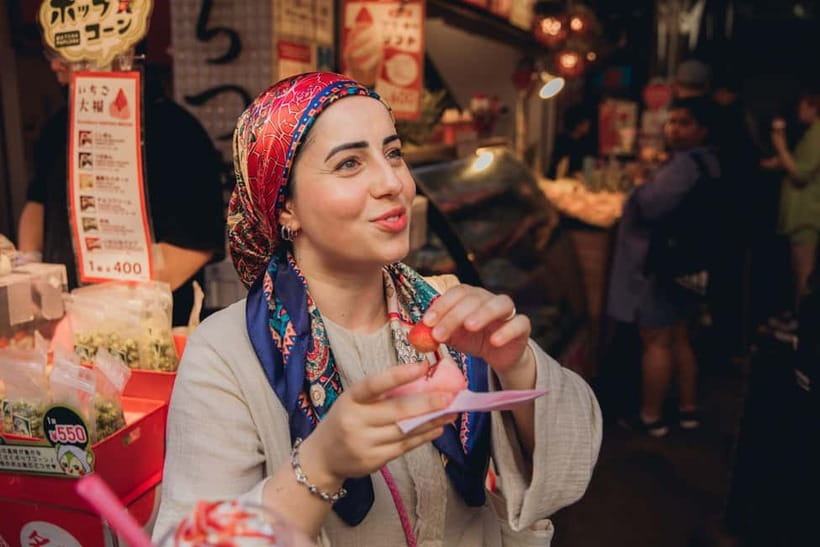
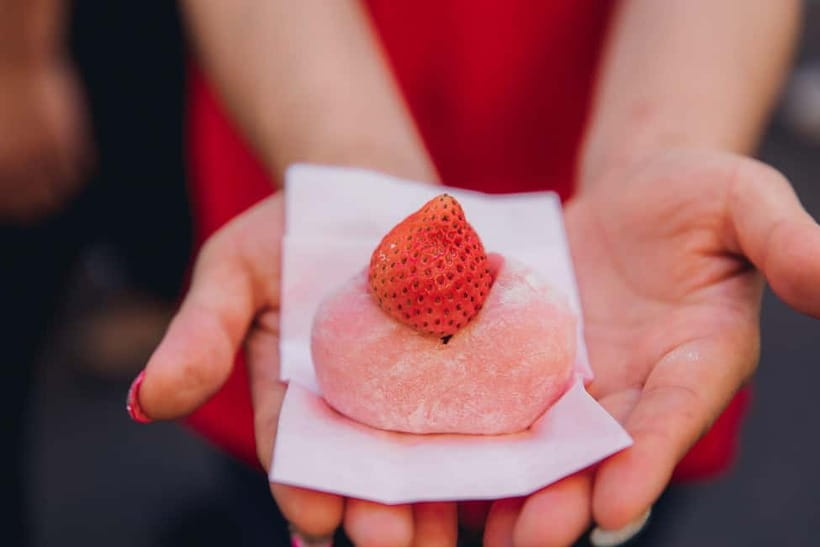
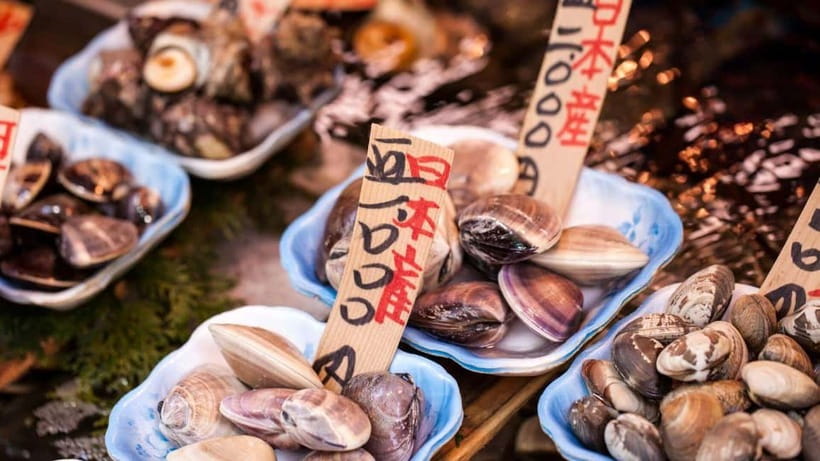
This tour is not designed as a “one bite and move on” walk. It is built around multiple tastings, including fresh sushi, Japanese street snacks, and seasonal Wagashi sweets. You also learn how the items connect to craftsmanship and daily routines, so you can taste with meaning, not just taste for tasting’s sake.
A few specific treats that have shown up across recent experiences:
- Fresh sashimi and sushi samples, in small portions that let you compare textures and flavors
- Tamagoyaki-related stops, including explanations about preparation and where it fits in market food culture
- Snacks and sweets like mochi and green tea
- Drinks that may include sake for those who are old enough, plus non-alcoholic alternatives for everyone else
The Wagashi element is a smart choice. It is easy to think of Tokyo as mostly savory, and Wagashi reminds you the market world is also about seasonal presentation and softer, refined sweetness.
More Market Tours in Tokyo
- Tokyo: Tsukiji Fish Market Food and Walking tour
★ 5.0 · 1,724 reviews - Tokyo: Tsukiji Fish Market Guided Walking Tour
★ 4.9 · 1,397 reviews - Tokyo Sushi Making Class in Tsukiji with Professional Chef
★ 5.0 · 1,177 reviews - Tsukiji Fish Market Guided Tour and Sushi Making with Pro Chef
★ 5.0 · 775 reviews
A simple but important tip: do not arrive starving
Come hungry, but not to the point where you feel sick halfway through. Many people end up tasting quite a bit. Start with an empty stomach if you can, then pace yourself. That way, you can enjoy each stop instead of rushing through it.
Sushi history, Buddhist beliefs, and Shinto spirit
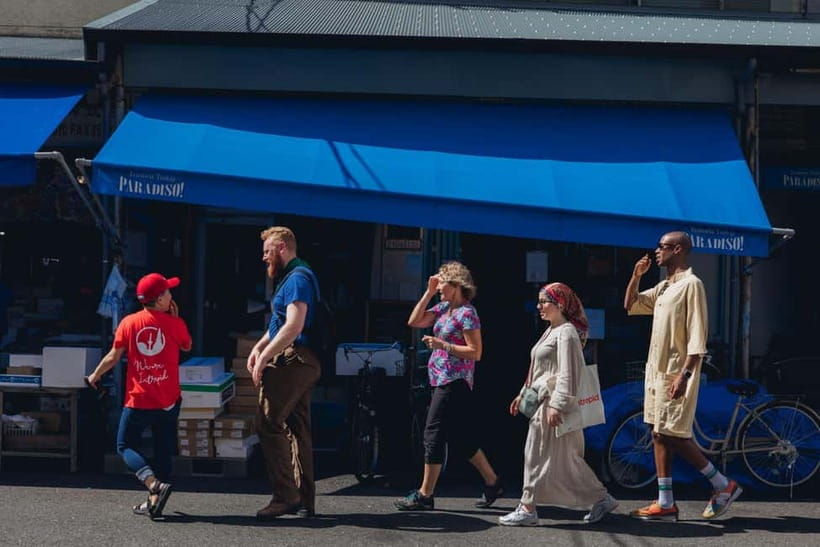
One of the strongest reasons to do a guided version is interpretation. You do not just walk past food, you learn the story underneath it.
You’ll hear how sushi developed and how Tsukiji became such a central place in Tokyo’s food identity. You’ll also learn about the cultural links between the market and Buddhist beliefs and Shinto spirit, including how those ideas show up in food rituals and market behavior. That spiritual lens helps you understand why certain gestures, timing, and respect matter in daily practice.
There is also a practical “today” piece. You’ll get context on how the famous tuna auction moved from Tsukiji to Toyosu, and how that changed the market’s role over time. That matters for your expectations because you can walk through Tsukiji without feeling like you missed the biggest headline. You will see why the area still matters even after the auction shifted.
Namiyoke Inari Jinja: the small ritual that changes the mood
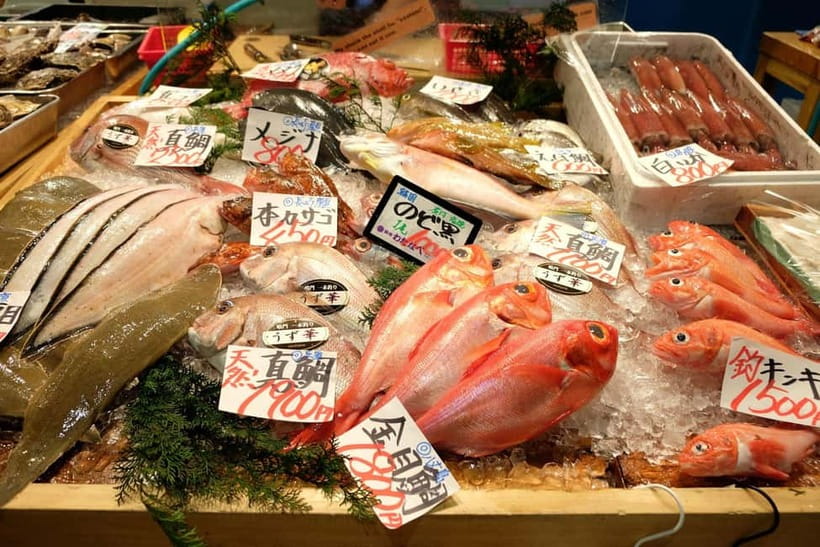
After more market time, you visit Namiyoke Inari Jinja. The name might not mean much at first, but the point is the cultural shift: this is still a food walk, yet it keeps tying everything back to reverence and everyday custom.
You get explanation of the gestures locals use to show respect. The practical value here is that you’ll recognize those moments around town later. Even if you never revisit Tsukiji on a second day, you’ll still carry the habit of reading the space.
I find these short stops make the whole morning feel less like a checklist. You end up with a story you can retell, not just a pile of taste memories.
Finish at Tsukiji Fish Market: end where the story turns real
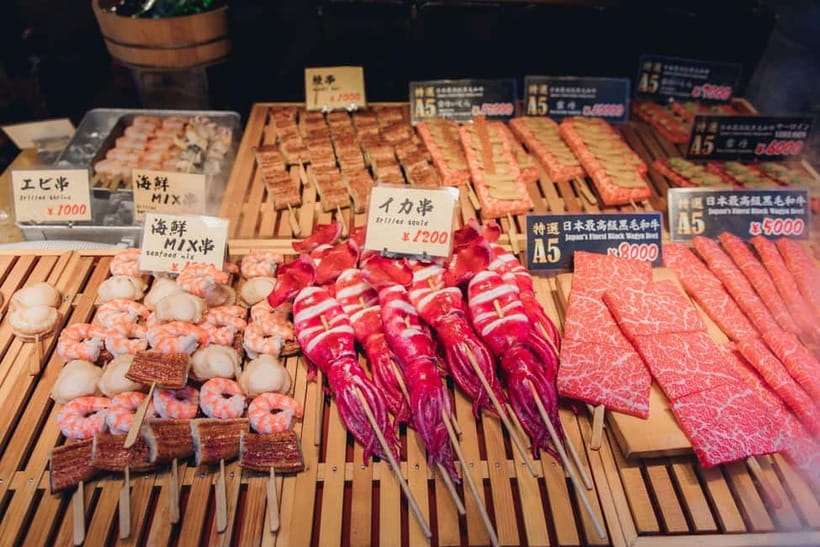
Your tour wraps at the Tsukiji Fish Market. This finish point gives the morning a clean shape. You start with the Outer Market energy, learn how to see and taste, then end right where it feels like the machinery of the fish world is closer to hand.
If you want to keep exploring after the walk, this landing spot also helps. You are already oriented. You know what to look for and which kinds of stalls tend to have the tastings and prepared items people talk about most.
Price and value: what $80 buys you in real terms
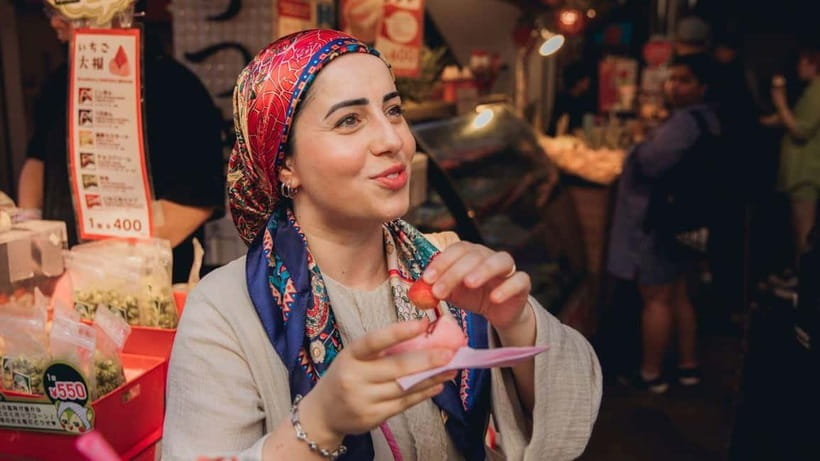
At about $80 per person for a 3-hour experience, you are paying for more than “someone to point at food.” You’re paying for:
- A guided route through a crowded food zone
- Translation and food guidance, which helps you avoid guessing wrong
- Multiple tastings (sushi, snacks, Wagashi) rather than one or two items
- Cultural context through shrine visits and sushi history
If you were to do this on your own, you could still eat well in Tsukiji. But you might lose time in uncertainty, and you might miss the meaning behind what you’re eating. For many people, that’s the real value: fewer wasted bites, better choices, and a smoother experience in a place that can feel intense at first.
Practical tips for a smooth Tokyo morning at Tsukiji
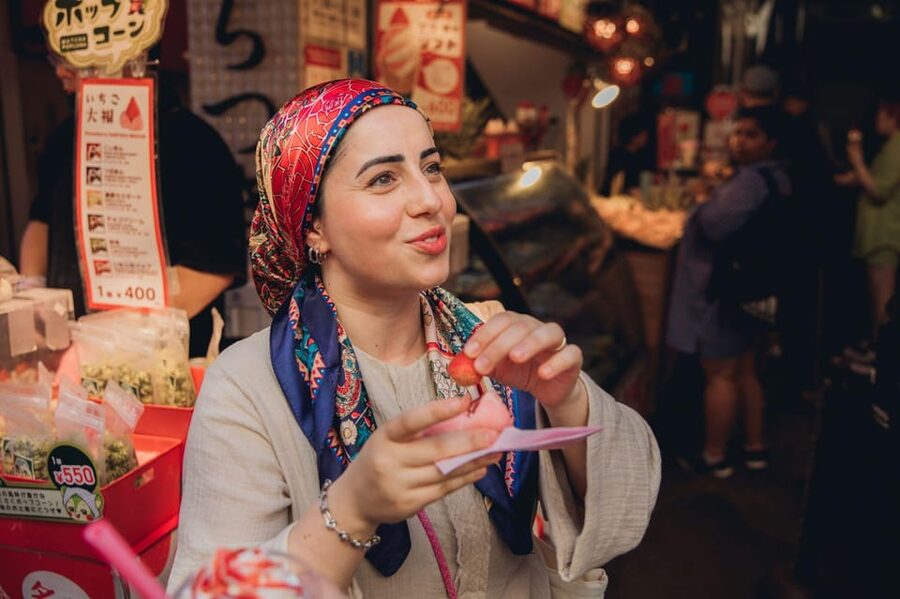
Tsukiji is famous. It also means lines, crowds, and real-world conditions.
Wear shoes that handle wet floors
The market floors can get wet, so wear closed-toe shoes, like sneakers. You will stand, walk, and pause often. Comfortable grip matters.
Expect a food pace, not a strolling pace
The tastings and vendor visits take time. Plan your schedule with the idea that you’ll be eating throughout, not saving it all for the end.
Dietary needs: possible, but choices can be limited
Vegetarian and vegan options are available where possible, but choices may be limited because of the nature of market food. Tell your guide ahead of time if you have restrictions so they can prepare.
Alcohol rules are clear
If alcoholic drinks are part of what your group chooses, guests must be 20 or older. Under 20, you’ll be offered non-alcoholic alternatives.
Carbon neutral, local-minded operation
This tour is described as carbon neutral and run by a certified B-Corp, meaning the operator emphasizes positive impact and responsible travel practices. For me, that is the kind of “small” detail that actually matters in a big city.
Who should book this Tsukiji food-and-culture walk
I’d book it if:
- You want a guided introduction to Tsukiji that teaches you how to eat there
- You care about sushi culture beyond just ordering
- You like food walks that include short shrine visits and respectful customs
- You prefer a small group pace of about six people
I might skip it if:
- You only want a casual wander without structured tastings
- You specifically want heavy behind-the-scenes access to the working market floor
- You are planning to eat a full breakfast first and do not want to adjust your schedule
Also, it’s a great first morning activity. Starting in Tsukiji sets your Tokyo “food filter” for the rest of the week.
Should you book Tokyo’s Kitchen: Tsukiji Market Food & Culture Walk?
Yes, if you want your Tsukiji visit to feel understandable, tasty, and well organized. The best payoff is the combination of tastings plus cultural explanations, from sushi history to Buddhist and Shinto connections and shrine rituals.
If you are the type who likes to explore markets on your own, you could still do Tsukiji without a guide. But you will likely spend more time guessing. For most first-timers, the $80 price makes sense because you buy back time, clarity, and a lot of thoughtful bites in a small group setting.
FAQ
How long is the Tsukiji Market Food & Culture Walk?
The tour lasts 3 hours.
How many people are in the group?
The group is limited to 6 guests for a more personal and relaxed experience.
Where do we meet for the tour?
Meet at Higashi-ginza Station, Exit 3, at the top of the escalator on street level, in front of the Kabukiza Theatre on the side of Harumi Street, by the little shrine (Torii gate).
What is included during the walk?
You’ll get a guided walk through Tsukiji Outer Market, multiple tastings (fresh sushi, Japanese snacks, and seasonal Wagashi), and a visit to a nearby historic shrine with cultural explanations.
Do you visit shrines as part of the tour?
Yes. The tour includes guided visits to Kabuki Inari Shrine and Namiyoke Inari Jinja, with explanations about Japanese rituals and customs.
Can the guide accommodate vegetarian or vegan diets?
Vegetarian and vegan options are available where possible, though choices may be limited due to the nature of the market. Let them know ahead of time.
What should I wear in Tsukiji?
Tsukiji market floors can be wet, so closed-toe shoes, like sneakers, are recommended.
Is alcohol included, and is there an age limit?
Alcohol guidelines apply: guests must be 20 or older to enjoy alcoholic drinks in Japan. Anyone under 20 will be offered non-alcoholic alternatives.
Is the tour good for children, and can I cancel?
Children aged 5 and under join free. You can cancel up to 24 hours in advance for a full refund, and you can reserve now and pay later.
More Markets in Tokyo
- Tokyo: Tsukiji Fish Market Food and Culture Walking Tour
★ 4.7 · 757 reviews - Tsukiji Fish Market: Street Food & Culture Walking Tour
★ 5.0 · 669 reviews - Tsukiji Fish Market Small-Group Food Walking Tour
★ 5.0 · 621 reviews - Tokyo: Tsukiji Fish Market Sushi Making Class with Pro Chef
★ 4.9 · 506 reviews
More Walking Tours in Tokyo
- Tokyo: Imperial Palace and Shogun Historical Walking Tour
★ 5.0 · 2,251 reviews - Tokyo: Shinjuku Local Bar and Izakaya Guided Walking Tour
★ 4.9 · 1,794 reviews - Tokyo: Asakusa Walking Tour with Sensoji Temple Visit
★ 4.8 · 1,583 reviews - Tokyo Castle & Imperial PalaceーShogun Walking Tour
★ 4.7 · 1,068 reviews
Fresh options around Tokyo
- Tokyo: Samurai History Walking Tour★ 5.0 · 12 reviews
- Tokyo: Nikko Kegon Falls Lake Chuzenji Toshogu Temple & More★ 4.9 · 12 reviews
- Harajuku: Kawaii Fashion and Pop-Culture Tour★ 4.7 · 12 reviews
- Tokyo: Mt. Fuji & Lake Kawaguchi Instagram Full Day Trip★ 4.1 · 12 reviews
- Shibuya Tokyo: Modern Kintsugi Workshop in Shibuya★ 5.0 · 12 reviews
- Tokyo: GTR Guided Daikoku Experience at Night★ 5.0 · 12 reviews
- Tokyo: Daikoku JDM Car Culture Tour★ 4.6 · 12 reviews
- Mt Fuji Private Day Trip from Tokyo with English speaking driver★ 5.0 · 13 reviews
Food & Drink, compared.
Shinjuku Food Tour (13 Dishes at 4 Local Eateries)
Read our review →
Tokyo Tsukiji Fish Market Food and Culture Walking Tour
Read our review →
Shinsekai Food Tour with 13-15 Dishes at 5 Eateries
Read our review →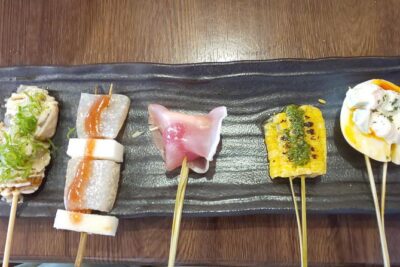
Osaka Food Tour: 13 Dishes at 5 Local Eateries
Read our review →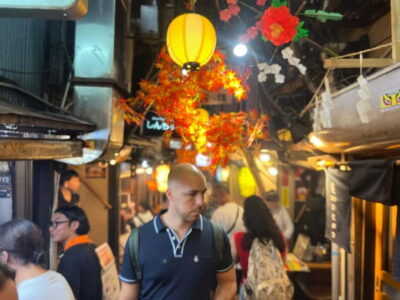
Shinjuku Food Tour (15 Dishes and 4 Eateries)
Read our review →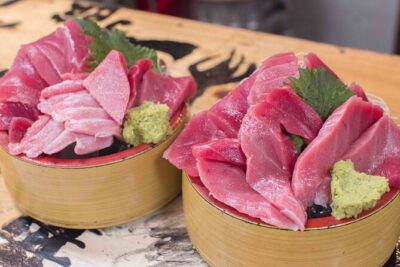
Best of Shinjuku: Izakaya Food Tour (4 Stops, 14+ Tastings)
Read our review →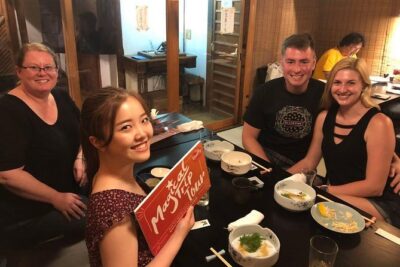
Kyoto Night Foodie Tour in Gion (9+ dishes + 6 Sake tastings)
Read our review →
Hungry Osaka Street Food Tour:15 Tastings & 3 Drinks with a Local
Read our review →Browse the lists this tour appears in