
Fish market chaos, translated into good choices.
This Tsukiji Outer Market walking tour helps you understand Japan’s seafood culture, not just wander stalls. I especially like the chance to try items you’d probably skip on your own, and I like that the guide adds context to what you’re eating and buying. One consideration: you should bring cash, since some sampling stops may not take cards.
You’ll meet at Starbucks near Tsukiji Station and spend about 2 hours moving through the market with a live English guide. It’s a small group (up to 10), which matters here because the lanes are tight and the pace is fast. If you hate crowds or you want a slow, photo-only stroll, this may feel a bit intense.
Key Points You’ll Notice Right Away
- Small group (max 10) means you can actually hear the guide and keep up through the crowds
- Tsukiji Outer Market focus keeps the experience on the street-level stalls, tools, and specialty goods
- English live guide helps you connect ingredients to Japanese eating habits
- Food sampling is a big part, so come ready with cash
- Vendor stories make the seafood culture feel personal, not like a museum explanation
Tsukiji Outer Market, and Why a Guided Walk Beats Wandering
Tsukiji is the kind of place that looks simple from afar, then gets overwhelming the moment you step inside. The Outer Market is packed with stall after stall, and the menu choices feel like a guessing game if you do not know what to look for. This tour gives you a way through the maze, with a guide who can point out what matters and why.
What I like about this style of market tour is that it turns food curiosity into decisions. You get to connect the dots between what you see (cuts, preparations, tools, specialty goods) and what people actually do with them at home and in restaurants. You also get a human layer, with vendor stories and traditions that make the whole place feel less like spectacle and more like everyday work.
More Market Tours in Tokyo
- Tokyo Tsukiji Fish Market Food and Culture Walking Tour
★ 5.0 · 3,184 reviews - Tokyo: Tsukiji Fish Market Food and Walking tour
★ 5.0 · 1,724 reviews - Tokyo: Tsukiji Fish Market Guided Walking Tour
★ 4.9 · 1,397 reviews
Meeting at Starbucks Near Tsukiji Station, and Using the 2-Hour Time Well
You’ll meet at Starbucks near Tsukiji Station, about a two-minute walk from the station area. That’s a practical choice in Tokyo, because it’s easy to find and you don’t have to track down a hidden entrance.
The tour runs for about 2 hours, and that length is perfect for an Outer Market visit. Long enough to hit multiple stalls and try a range of foods, but not so long that you burn out before you’ve collected favorites. In tight lanes, a short, structured route also means less wasted wandering and more time learning what to order or look for.
No hotel pickup is included, so plan to arrive on your own. This is normal for walking tours in the area, and it also keeps the group on schedule.
Tsukiji Outer Market: What You’ll See Between the Stalls
This is a walking tour through Tsukiji Outer Market, and the point is to experience the market as it functions today. You’ll move from stall to stall where seafood and related products are the main event, and you’ll also encounter specialty goods and culinary tools along the way.
Here’s what that means for you in real terms. First, you get the full sensory picture, the smells, the displays, the speed of trading, and the way vendors talk about their products. Second, you learn what the market sells that you might not expect, beyond raw fish. Third, you’ll be better prepared to shop, because you’ll understand what you’re looking at instead of buying on instinct.
What Food Sampling Can Look Like Here
Food sampling is an important part of the experience, and the guide helps you choose items you would not automatically pick. From the kind of tastings people mention, you might try things like tuna in different forms, wagyu skewers, toro and other seafood bites, Kobe beef, mochi, eel, and even wasabi beans. You may also see fruit and sweets appear in the lineup depending on the day and the stalls you’re guided to.
One practical point: some sampling stops require cash, and at least part of the experience is built around tasting from vendor counters. So if your plan is card-only, adjust it before you show up.
More Walking Tours in Tokyo
- Tokyo: Imperial Palace and Shogun Historical Walking Tour
★ 5.0 · 2,251 reviews - Tokyo: Shinjuku Local Bar and Izakaya Guided Walking Tour
★ 4.9 · 1,794 reviews - Tokyo: Asakusa Walking Tour with Sensoji Temple Visit
★ 4.8 · 1,583 reviews - Tokyo Castle & Imperial PalaceーShogun Walking Tour
★ 4.7 · 1,068 reviews
The Guide Factor: How Vendor Stories Improve Every Bite
In a place like Tsukiji, the guide is the difference between eating randomly and eating intelligently. The most positive comments focus on one theme, the guide’s ability to translate market chaos into practical choices and cultural context.
A big reason this works is that guides share the patterns behind Japanese seafood culture. They can explain what you’re tasting, how it fits into Japanese culinary traditions, and what kinds of foods people order in different settings. When the guide also recommends stalls based on your interests, you end up trying things that feel both surprising and totally logical once you hear the explanation.
Real Guide Names You Might Get
You could be guided by people like Yayoi, Nicholas, Yota, Doren, Nao, and Shingo. Different guides bring different energy, but the common thread in the best experiences is clear guidance, good pacing, and choices that feel intentional. If you’re the type of person who loves hearing the story behind food, this is where the tour earns its value.
A Common Win: Turning Browsing Into Ordering
One thing I consistently look for in market tours is whether you leave with a sense of confidence. This tour tends to do that. You stop at multiple spots, the guide explains what’s worth trying, and you learn how to compare options quickly in a fast-moving environment.
If you’re a first-time market visitor, that matters a lot. Otherwise, you might end up stuck at the most obvious stall, or you might miss smaller counters with great picks.
Outer Market Stops, Including Temple Side Moments
The main focus is the Outer Market itself, but you may also get a quick side stop at a nearby shrine. Some guides build in a brief cultural pause, like a stop at Tsukiji Hongwanji Temple, before returning to the stalls.
That matters more than it sounds. Market food is intense, salty, and fast, and a short pause gives your brain time to reset. It can also deepen the cultural context, reminding you that this is not just about food trends, it’s part of daily life and community routines.
Price and Value: What $17 Really Buys You
$17 per person for a 2-hour small-group walking tour is the kind of price that can feel like a deal, but only if the experience matches the cost. Here, the value comes from two things you cannot easily recreate on your own.
First, the guide helps you choose tastings that match your comfort level. Market food can be intimidating, especially when you do not know names, textures, or what people actually eat. Second, you get context. That cultural layer is what turns random bites into learning you can carry to restaurants later.
This is also a smart way to budget your time. Without the tour, you might spend an hour wandering, take a single snack, and still feel unsure what you missed. With the structure, you’re more likely to cover the best-looking counters and walk away with a list of favorites.
What to Bring, and How to Avoid the Most Common Problem
Bring cash. This is repeated for good reason. Sampling and some vendor purchases may not be set up for card payments, and you do not want to be the person stuck outside the counter deciding if you have enough yen.
I’d also recommend wearing shoes you can walk in for two hours. The Outer Market has lots of foot traffic, narrow lanes, and constant stops and starts. Even on a day that starts dry, conditions can change, and the market keeps moving either way.
If you plan to buy ingredients or tools, also bring a realistic mindset. You can absolutely pick up items, but you will be carrying them while you keep walking, so plan for that.
Crowd Energy and Weather: How You’ll Handle It
Tsukiji is popular, so crowd levels are part of the deal. The small group size helps because you move with fewer people in your lane, and the guide can steer you around the busiest pockets.
Rain is a real factor in Tokyo. People have described having a great time even when it was raining, which tells me the tour works as long as you dress for the day. Bring a compact umbrella if you like, or at least wear something that won’t soak through.
The key is to treat it like a food walk, not a museum stroll. If you expect constant standing still for photos, you may feel rushed. If you expect motion, learning, and sampling, you’ll probably have a better time.
Who This Tour Fits Best
This is a great fit if you are:
- A foodie who wants more than generic sightseeing
- A first-timer at Tsukiji who needs a game plan
- Someone who enjoys hearing stories behind what you eat
- Traveling solo or with friends, and you want the group to stay small
- Wheelchair users, since the tour is marked wheelchair accessible
It may be less ideal if you:
- Want a quiet, low-stimulation experience
- Prefer ordering at your own pace without guidance
- Are uncomfortable with crowds or tight walking routes
- Don’t want to use cash at all
Should You Book the Tsukiji Fish Market Walking Tour?
If you want the Outer Market experience with structure, this is an easy yes. The small group size, English guide, and focus on seafood culture make it feel like value, not just a label that says fish market. I’d book it if you want to leave with a stronger sense of what Japanese seafood culture actually looks like on the street, plus a few tastings you would not have chosen alone.
If you hate crowds or you are card-only, then rethink it or go in with a cash plan. But for most people who like food and want an efficient Tokyo morning, this is the kind of tour that helps you get more out of less time.
FAQ
Where do we meet for the Tsukiji Fish Market walking tour?
You meet at Starbucks near Tsukiji Station, about two minutes’ walk from the station. The provided coordinates are 35.6679239, 139.7720981.
How long is the tour?
The duration is 2 hours.
What is included in the price?
The tour includes a walking tour and a live tour guide.
Is hotel pickup or drop-off included?
No, hotel pickup and drop-off are not included.
What language is the tour guide?
The tour is guided in English.
Do I need cash?
Yes. Bring cash, since some stops for sampling may require it.
How large is the group?
The group is small, limited to 10 participants.
Is the tour wheelchair accessible?
Yes. The tour is marked wheelchair accessible.
Is free cancellation available?
Yes. You can cancel up to 24 hours in advance for a full refund.
More Shopping Tours in Tokyo
- Tokyo: Tsukiji Fish Market Sushi Making Class with Pro Chef
★ 4.9 · 506 reviews - Tokyo Food Tour Taste Fresh Delights at Tsukiji Market
★ 5.0 · 429 reviews - Tokyo Tsukiji Fish Market Tour and Sushi Making Lesson
★ 5.0 · 390 reviews - Tsukiji Fish Market: Street Food & Culture Walking Tour
★ 4.8 · 259 reviews
More Markets in Tokyo
- Tsukiji Fish Market Guided Tour and Sushi Making with Pro Chef
★ 5.0 · 775 reviews - Tokyo: Tsukiji Fish Market Food and Culture Walking Tour
★ 4.7 · 757 reviews - Tsukiji Fish Market: Street Food & Culture Walking Tour
★ 5.0 · 669 reviews - Tsukiji Fish Market Small-Group Food Walking Tour
★ 5.0 · 621 reviews
Fresh options around Tokyo
- Tokyo: Nikko Kegon Falls Lake Chuzenji Toshogu Temple & More★ 4.9 · 12 reviews
- Tokyo: Samurai History Walking Tour★ 5.0 · 12 reviews
- Harajuku: Kawaii Fashion and Pop-Culture Tour★ 4.7 · 12 reviews
- Tokyo: Mt. Fuji & Lake Kawaguchi Instagram Full Day Trip★ 4.1 · 12 reviews
- Shibuya Tokyo: Modern Kintsugi Workshop in Shibuya★ 5.0 · 12 reviews
- Tokyo: GTR Guided Daikoku Experience at Night★ 5.0 · 12 reviews
- Tokyo: Daikoku JDM Car Culture Tour★ 4.6 · 12 reviews
- Mt Fuji Private Day Trip from Tokyo with English speaking driver★ 5.0 · 13 reviews
Markets, compared.
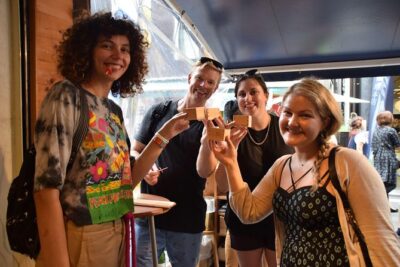
Tokyo Tsukiji Fish Market Food and Culture Walking Tour
Read our review →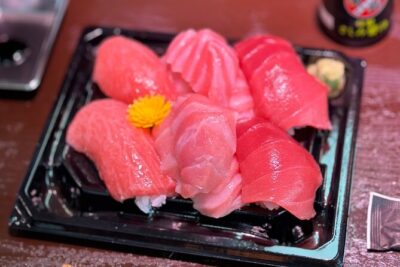
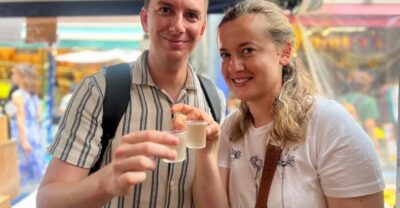
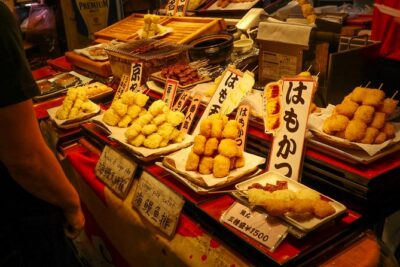
Nishiki Market Brunch Walking Tour (7 Tastings + Brunch)
Read our review →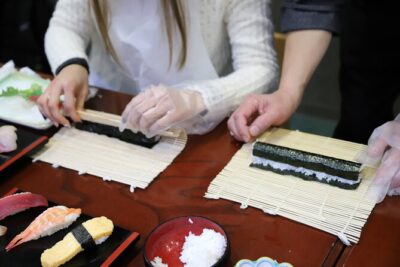
Tsukiji Fish Market Guided Tour and Sushi Making with Pro Chef
Read our review →Tsukiji Fish Market Food and Culture Walking Tour
Read our review →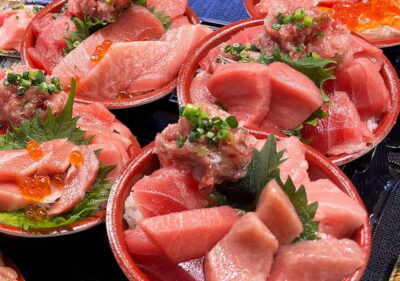
Tsukiji Fish Market: Street Food & Culture Walking Tour
Read our review →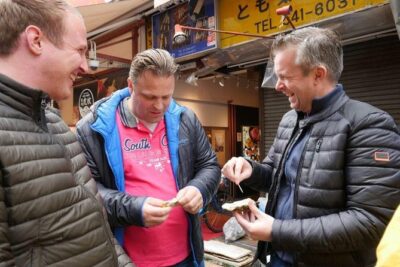
Tsukiji Fish Market Small-Group Food Walking Tour
Read our review →Browse the lists this tour appears in