
Reviewed · MORNING
Tokyo: Sumo Morning Practice with journalists. Not fake show
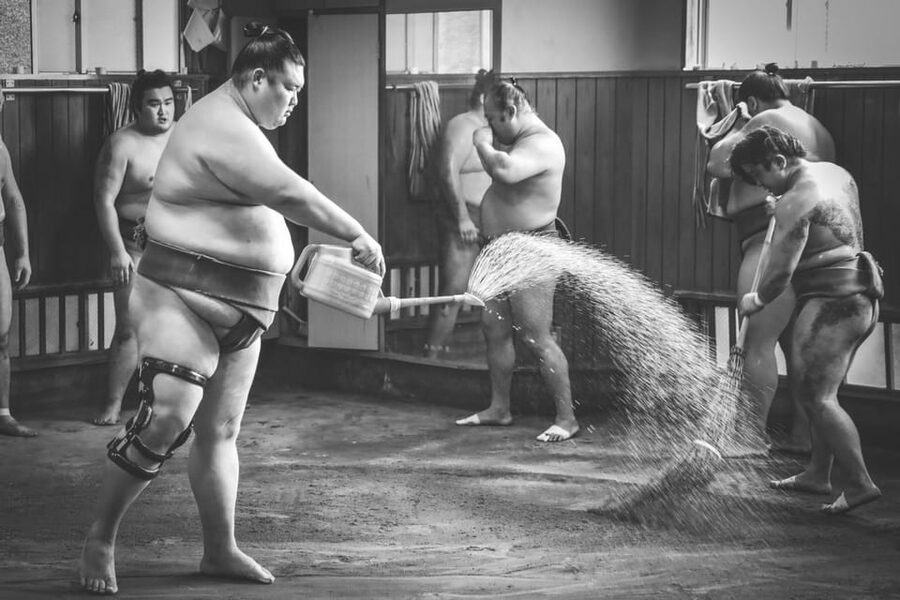
Sumo in the morning is not staged. You get live practice viewing at Takasago-beya with special permission, plus a photo session that feels rare in Tokyo. I love how the session starts with the history and rituals, then turns into real training you can photograph, and you get a proper Q&A led by a sumo specialist and national newspaper journalist. One drawback to plan for, you sit on the floor and flash photography is not allowed, so your camera technique matters.
This 3-hour tour is anchored in Ryogoku, the sumo neighborhood, and it blends what happens inside the stable with context outside it. The guide approach is practical and story-driven, including reporter-style explanations that help you read what you are seeing. You finish near Ryogoku Station, after a short stop at Ryōgoku Edo NOREN to connect the wrestlers’ world to the place where sumo is part of everyday culture.
At $103 per person it is not cheap, but it is also not one of those generic “watch and clap” experiences. If you struggle to snag tournament tickets, this tour is a strong alternative because it shows the work that happens before the big crowds show up, and it has a 4.9 rating from 121 bookings, which is a good sign you are not buying a gimmick.
Key points before you go
- Special permission to watch morning practice at Takasago-beya, not a public performance
- Journalist-led sumo rituals and history that turn confusing moves into clear meaning
- Commemorative photos during the practice session wrap-up
- Ask-your-own-questions Q&A, guided by a national newspaper journalist
- Ryogoku Edo NOREN stop for setting sumo in its local context
- Photography rules you must follow, including no flash during practice
Entering Takasago-beya: Why This Feels Like Real Sumo
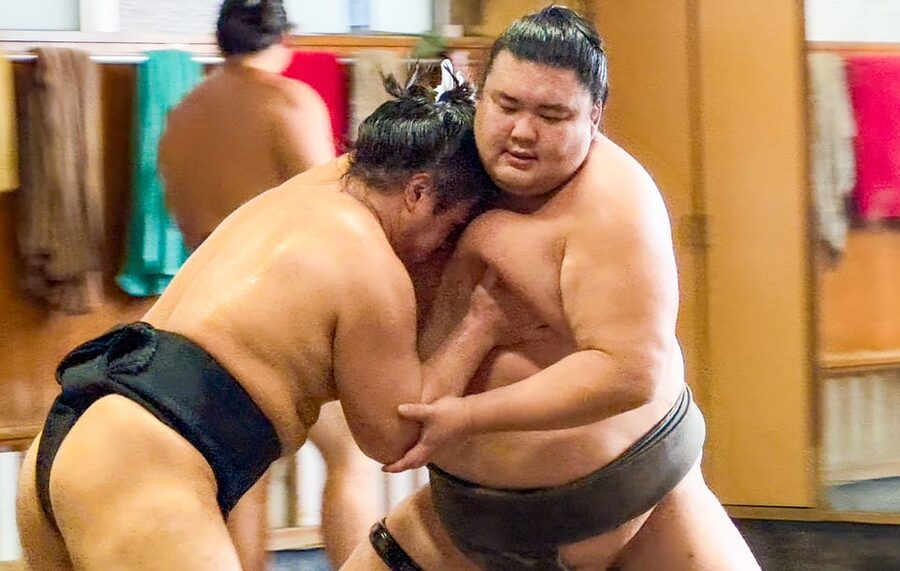
The big selling point here is simple, you are not watching a staged show. You are getting access to an actual sumo stable, to see a morning practice that is part of the wrestlers’ routine. That matters because sumo on TV often feels choreographed, but training is where you see the discipline, repetition, and seriousness up close.
The tour begins at両国HANAWAビル, then you transfer for a short ride to the stable. The stable visit itself is a long block, 2 hours, so you are not just glancing at action for 10 minutes and moving on. You also get the practical benefit of a guide who can explain what you are looking at while you are looking at it.
This is the part where the journalist angle really pays off. Past groups describe guides who bring reporting instincts, meaning they explain not only what happens in the ring, but also how wrestlers live inside the rules of sumo culture. One group experience highlighted a guide who shared stories and humor, and another noted how the guide’s background as a sumo reporter gave perspective on daily life and training.
A consideration: the stable environment is traditional. Plan to sit on the floor, keep your pace calm, and follow the rules strictly so the wrestlers can train without distraction.
More sumo experiences in Tokyo:
- Tokyo: Sumo Show Experience with Chicken Hot Pot and a Photo
★ 4.8 · 6,678 reviews - Tokyo: Sumo Show and Dining Experience
★ 4.8 · 2,742 reviews - the SUMO show
★ 5.0 · 1,960 reviews
The 2-Hour Practice Window: What You’ll Watch and Why It’s Different
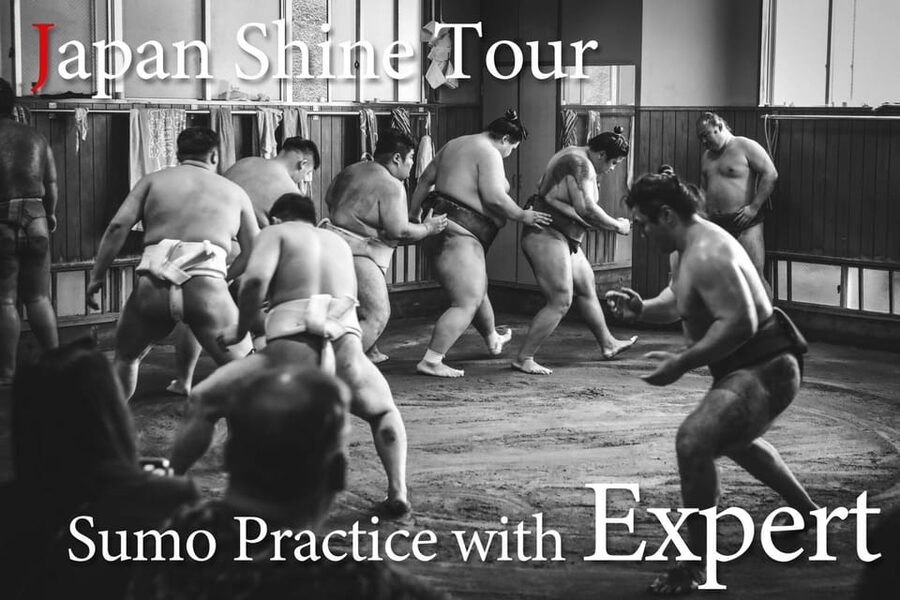
Once you are at Takasago-beya, the tour shifts from orientation to observation. Morning practice has a rhythm, and you will see more than just dramatic throws. You will have time to watch technique drills and the way wrestlers work as part of a training system, not as random athletes.
A few things to expect, based on what this tour is built around:
- You will watch the real flow of a morning practice, not highlights.
- You will have chances to take commemorative photos after the main viewing.
- You will learn how rituals and hierarchy affect daily training life.
In groups who booked this when a tournament was not running, the practice viewing often becomes the whole point. Without tournament bouts, you still get something valuable: training shows you the effort. You notice how hard the workout is, how focused everyone looks, and how technique is practiced with intention.
Photography: bring your camera, but remember the rule. Flash photography is not allowed during the practice. That affects how you shoot, especially in indoor lighting. If you want usable photos, consider using a camera mode that handles low light, keep your settings steady, and be ready to shoot quickly once you have a clear view.
One more practical note: you will likely need to keep your voice low and follow the guide’s cues. That is part manners, part respect, and it makes the experience smoother for everyone.
Journalist-Guided Rituals and Q&A: Turning Confusion Into Clarity
Before, during, and after the practice, the guide focuses on interpretation. This is not just “here are some sumo facts.” You get explanations of history and rituals in a way that helps you connect the training you see to the sport’s bigger meaning.
The Q&A time is one of the most praised parts of the experience. You get a chance to ask all the questions you want, and that is where this tour beats most museum lectures. People walk away understanding things they could not easily figure out from watching bouts on TV.
What makes the Q&A work is the guide profile. The tour is led by a sumo specialist who is also a national newspaper journalist. In past groups, that reporter background came through as an ability to explain both the sport and the subculture around it. One guide named in past tours was Shinya Setsu, and another set included guides Karen and Ray, both described as warm, entertaining, and story-driven.
If you are the type who always wonders things like:
- What rituals are really doing before training?
- How wrestlers move through daily responsibilities?
- Why certain ranking traditions matter?
Then this part will feel like time well spent, because the answers come from someone who has spent years reporting on sumo.
The Ryōgoku Edo NOREN Stop: Where Sumo Lives in the Neighborhood
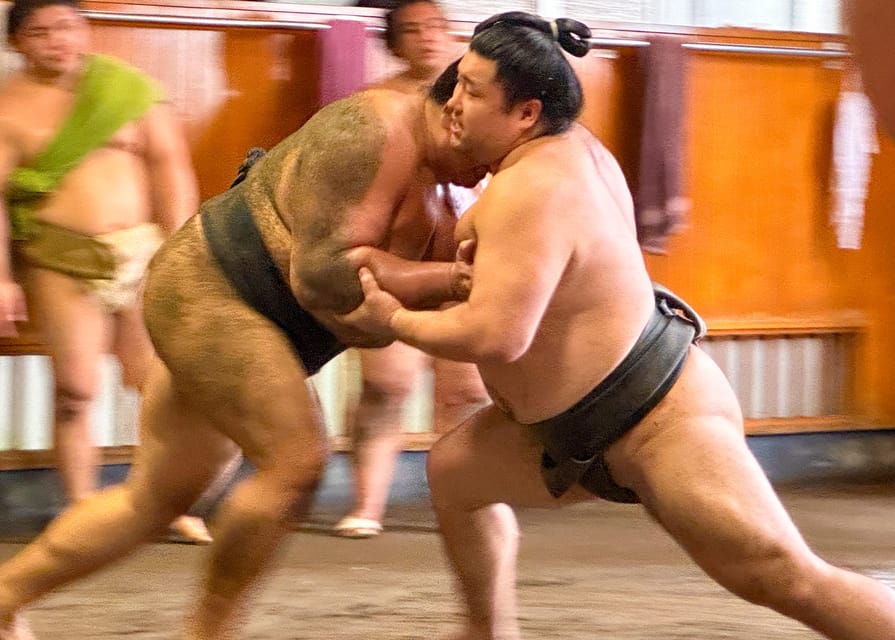
After the stable, you transfer briefly and spend about 30 minutes at Ryōgoku Edo NOREN. This is a compact cultural stop that helps you connect the wrestlers’ training world to the sumo neighborhood.
Ryogoku is the place where sumo belongs to the city, not just to the arena on tournament days. A short guided walk and orientation here can help you understand why sumo feels so anchored in Tokyo culture. Past group experiences describe the guide using this time to point out local sumo references and explain how the sport’s public identity sits next to everyday city life.
This stop is also a nice buffer, because it gives you a change of pace after sitting on the floor and watching practice. It is not long, so you do not feel dragged through a long shopping detour, but it adds context so your morning feels complete.
A few more Tokyo days worth comparing
- Mt Fuji and Hakone 1-Day Bus Tour Return by Bullet Train
★ 5.0 · 26,383 reviews - 1-Day Tokyo Bus Tour
★ 5.0 · 14,250 reviews - Tokyo: TOKYO SKYTREE® Admission ticket
★ 4.5 · 11,192 reviews - Tokyo: teamLab Planets TOKYO Digital Art Museum Entry Ticket
★ 4.6 · 9,779 reviews
Rules, Etiquette, and What to Wear for Floor Sitting
This tour has a clear rhythm, and the main physical detail is the stable floor. You will be sitting during the practice viewing. That means your clothing needs to be comfortable and you should be ready to stay put.
Here is what you should plan for, based on the tour’s own guidance:
- Wear comfortable clothes for floor seating.
- Bring your camera.
- Follow the “no flash” rule during practice.
- Remember shoes are not worn indoors, so wear socks you are comfortable in.
- Food is not allowed, and there is no alcohol or drugs permitted.
- You also cannot bring baby carriages.
Wheelchair note is tricky. The activity information says wheelchair accessible, but the important information states the tour is not suitable for wheelchair users due to the traditional setup inside the stable. If you use a wheelchair, do not assume you can adapt in place. This environment is tight and floor-based, and the stable rules matter.
Meeting Point at Ryogoku Station: How to Arrive Without Stress
The meeting point is precise, which is good news if you like clear instructions. You meet at the Subway Toei Oedo Line, Ryogoku Station (E12), Exit A2, at ground level. It is about a 5-minute walk from the east exit of JR Ryogoku Station.
Your operator will contact you with details before the tour date, so double-check your message and get there early. Several past group experiences stressed timing, with guides leaving on schedule. So do yourself a favor, arrive ahead of the meetup time, not right at it.
A short transfer follows before you reach the stable, so being early helps you settle in mentally and physically. You want your camera ready, your questions written down, and your posture prepared for the floor seating.
Price and Value: Is $103 Worth 3 Hours of Sumo?
Let’s talk money in a practical way. At $103 per person for 3 hours, this is a premium Tokyo experience. You are paying for access, and more importantly, for access that is controlled by the stable.
Why it feels worth it:
- You watch real morning practice with special permission, not a public show.
- You get guided interpretation from a sumo specialist who is also a national newspaper journalist.
- You receive commemorative photos, which you would not get from many other cultural tours.
- You get Q&A, which is where the experience turns into understanding, not just viewing.
Why it might feel expensive:
- You do not get meals included, and transportation to and from the stable is not included.
- You are limited to the stable format, meaning floor seating and strict rules like no flash.
But for anyone who cares about culture beyond surface-level sightseeing, this is one of those rare experiences where the “why” is built in. You are not just buying entertainment, you are buying informed access to a working world that most people never see.
Who Should Book This Sumo Morning Practice, and Who Might Not
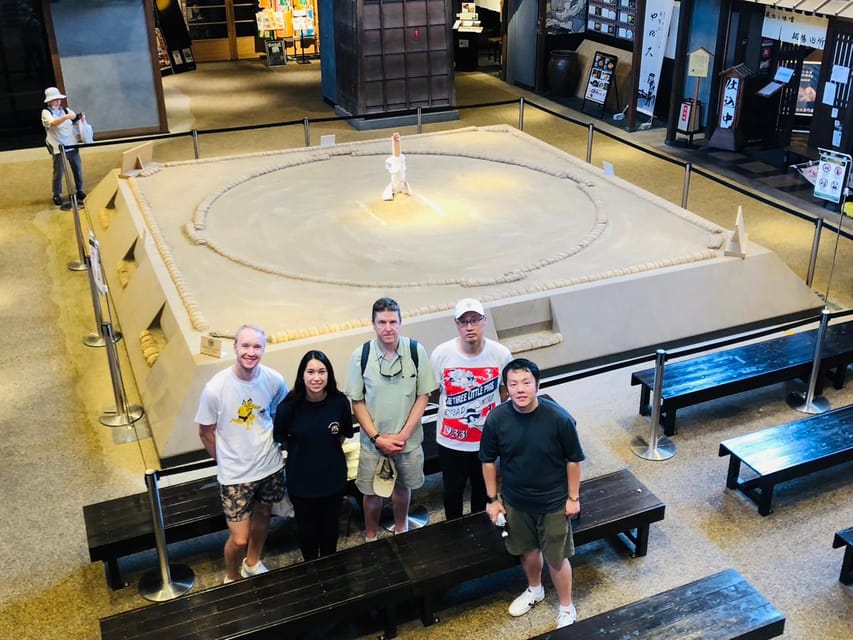
This tour is a great fit if you:
- Want sumo culture that is not staged.
- Can’t get tournament tickets, but still want a genuine look at rikishi training.
- Enjoy learning through Q&A, especially from someone with reporting experience.
- Want photos, not just memories.
It may not be ideal if you:
- Need wheelchair-friendly seating, since the stable setup is traditional and the tour notes say it is not suitable for wheelchair users.
- Have trouble sitting on the floor for the practice viewing period.
- Are hoping for a food-focused experience, because no meals or drinks are included and food is not allowed during practice.
One nice thing is that this tour works even when major tournaments are not happening. The practice is still meaningful, and the guide’s explanations help you understand what you are missing from the big match days.
Should You Book This Tokyo Sumo Morning Practice?
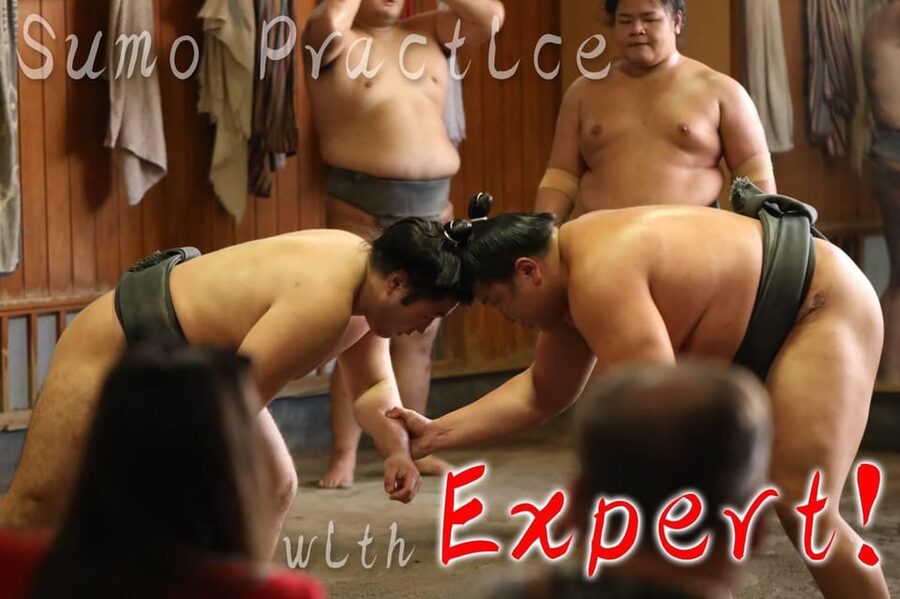
If you want a true look at sumo training, this is the kind of tour I would put at the top of your list. The reason is access plus context: special permission, a stable visit with real practice, and a journalist-style guide who helps you connect rituals to what your eyes see.
Book it if you:
- Care about authentic culture and respectful access.
- Want photos and real explanation, not just spectatorship.
- Like being able to ask questions and get direct answers.
Skip it if your priorities are convenience or accessibility above all else, since the floor-based stable setup and photo restrictions are part of the deal. Also, because flash is prohibited and indoor lighting can be challenging, if photography is your only goal, go in with realistic expectations and be ready to follow the rules.
If you match the fit, you will leave Tokyo with a different view of sumo, not just a better souvenir photo.
FAQ
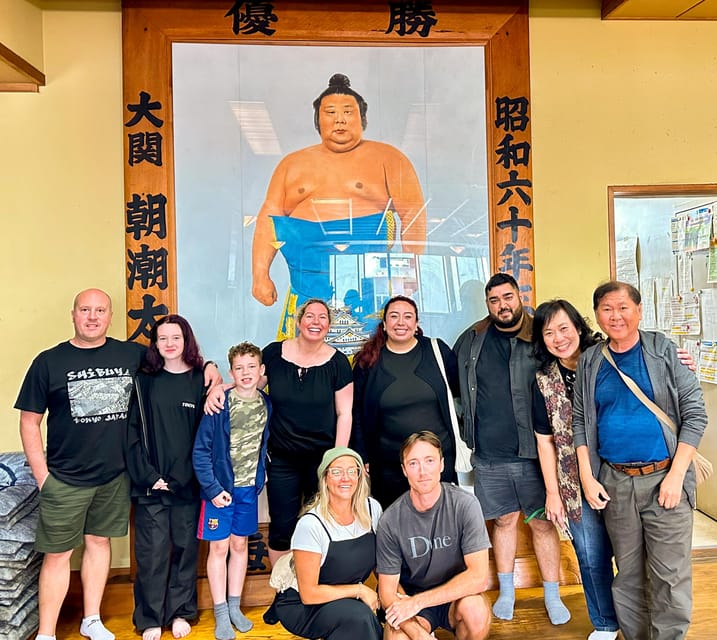
Where is the meeting point for the tour?
You meet at 両国HANAWAビル. For public transit, it is near Toei Oedo Line Ryogoku Station (E12), Exit A2 (ground level), about a 5-minute walk from the east exit of JR Ryogoku Station.
How long is the tour?
The tour duration is 3 hours total, including time at the sumo stable and the final guided stop.
What will I do during the 3 hours?
You will watch a live sumo morning practice at Takasago-beya Sumo Stable, take commemorative photos, get guidance from a sumo specialist and national newspaper journalist, and enjoy a short guided visit at Ryōgoku Edo NOREN before finishing at 両国駅.
What is included in the price?
Included are live sumo morning practice viewing, commemorative photos, and guidance by a sumo specialist and national newspaper journalist, with special permission from the sumo stable for access.
What should I bring and is flash photography allowed?
Bring a camera and comfortable clothes. Flash photography is not allowed during the practice.
Is food or alcohol allowed during the tour?
Food is not allowed during the practice. Alcohol and drugs are also not allowed.
What kind of clothing should I wear?
Wear comfortable clothes, since you will be sitting on the floor during the practice. Avoid anything that makes sitting difficult.
Is the tour suitable for wheelchair users?
The information provided notes that the tour is not suitable for wheelchair users due to the traditional setup of the sumo stable, even though wheelchair accessibility is listed.
Can I cancel and reserve without paying right away?
Yes. Free cancellation is available up to 24 hours in advance for a full refund, and you can reserve now and pay later.
Fresh options around Tokyo
- Tokyo: Nikko Kegon Falls Lake Chuzenji Toshogu Temple & More★ 4.9 · 12 reviews
- Tokyo: Samurai History Walking Tour★ 5.0 · 12 reviews
- Harajuku: Kawaii Fashion and Pop-Culture Tour★ 4.7 · 12 reviews
- Tokyo: Mt. Fuji & Lake Kawaguchi Instagram Full Day Trip★ 4.1 · 12 reviews
- Shibuya Tokyo: Modern Kintsugi Workshop in Shibuya★ 5.0 · 12 reviews
- Tokyo: GTR Guided Daikoku Experience at Night★ 5.0 · 12 reviews
- Tokyo: Daikoku JDM Car Culture Tour★ 4.6 · 12 reviews
- Mt Fuji Private Day Trip from Tokyo with English speaking driver★ 5.0 · 13 reviews
Morning, compared.
Kyoto Early Morning Tour with English-Speaking Guide
Read our review →Early Morning Tour with English-Speaking Guide
Read our review →
World Heritage Shirakawa-go Morning Guided Tour
Read our review →
Nara Early Morning Tour (Kyoto or Osaka Departure Available)
Read our review →

Hiroshima in a Nutshell: Morning Bike Adventure
Read our review →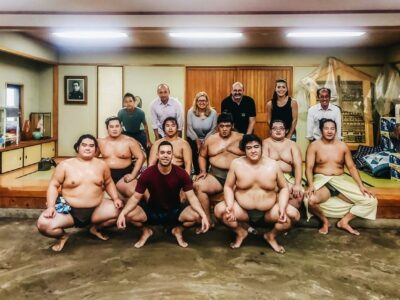
Browse the lists this tour appears in