
Reviewed · MORNING
Tokyo: Sumo Morning Training Visit
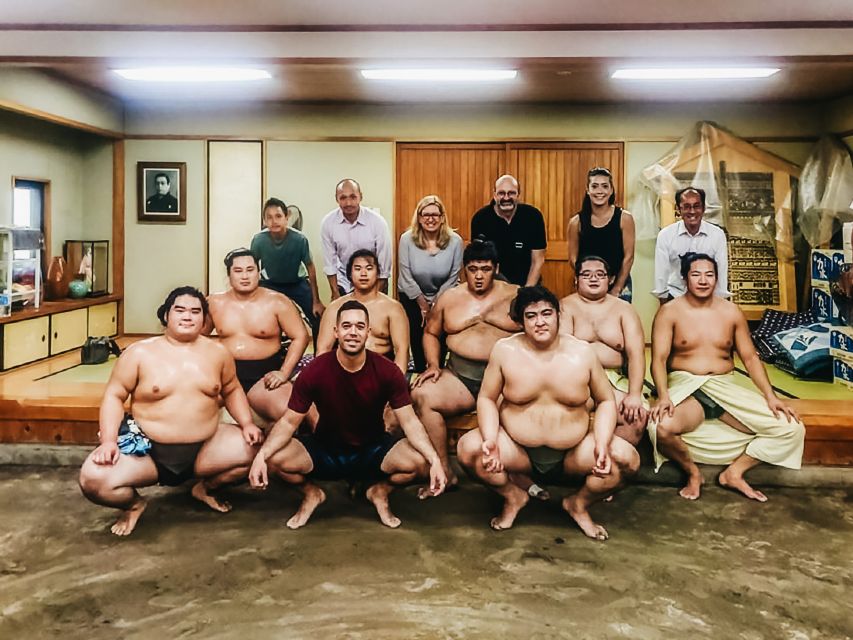
Sumo morning training is quietly intense. This Tokyo visit takes you into a real Sumo stable where you can watch professional wrestlers practicing keiko up close, not from a far-off arena seat. You also end with a group picture, which is a rare, hands-on souvenir. The one drawback is also real: you may need to sit still on the floor for a long stretch, and explanations can be light.
What makes this experience click is the training atmosphere. It feels like you are seeing work, discipline, and body control in real time, including drills and sparring moments when they happen. Just know the stable has rules that are not negotiable: quiet behavior, no flash photography, and a guide handles entry.
Timing is another thing to get right. The visit is listed as about 1 hour, but during Tokyo Grand Sumo Tournament weeks it can be closer to 30 minutes, and there is no refund for the shorter session. Still, even a shorter keiko can be a memorable way to understand sumo beyond the show.
Key points I’d bet on
- Watch active wrestlers train (keiko), not a staged performance
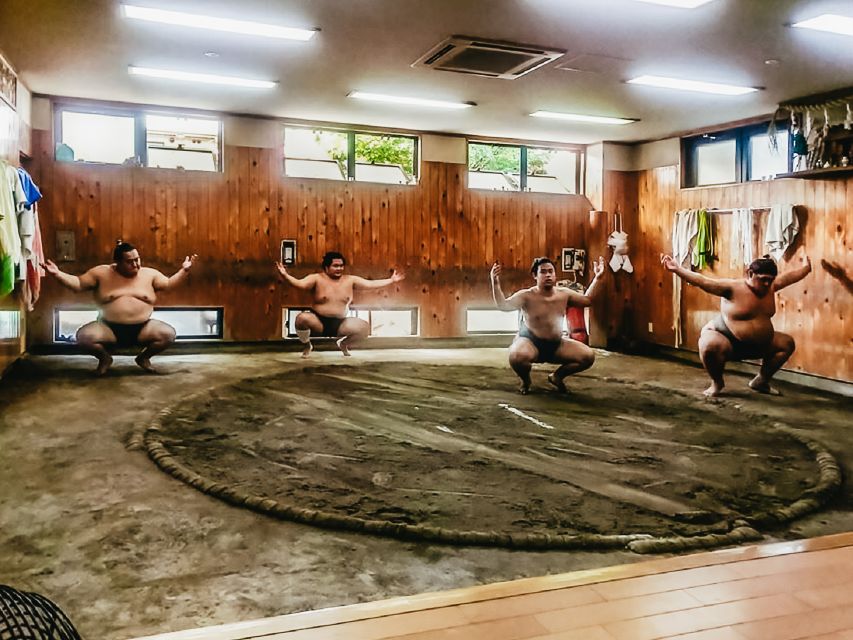
- Close-up access to the stable and the dohyo area
- Group picture at the end, but only if you stay through
- Strict photo and behavior rules, including no flash
- Meeting place changes, so rely on your email instructions
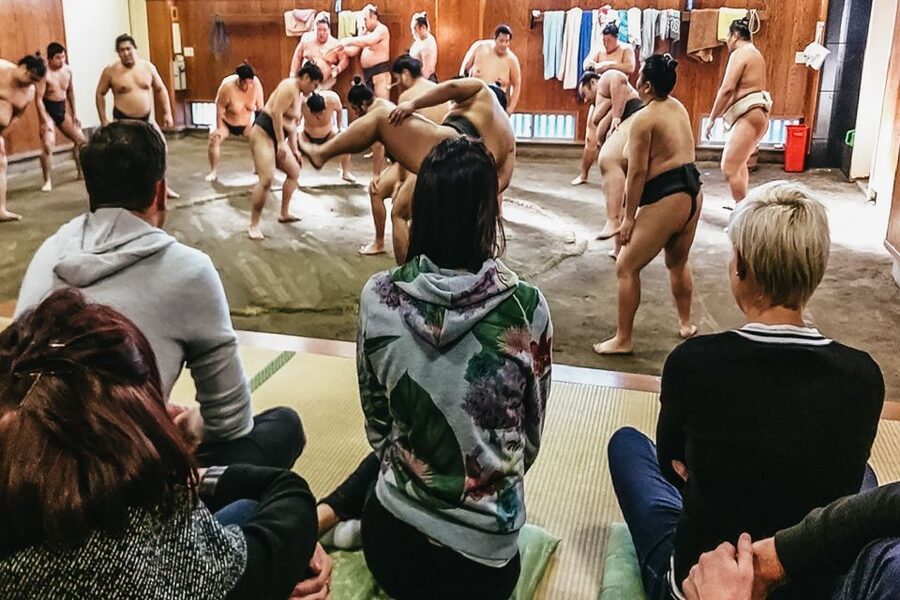
- Plan for floor seating, limited comfort, and quiet time
Why a Tokyo sumo stable morning feels different than a tournament show
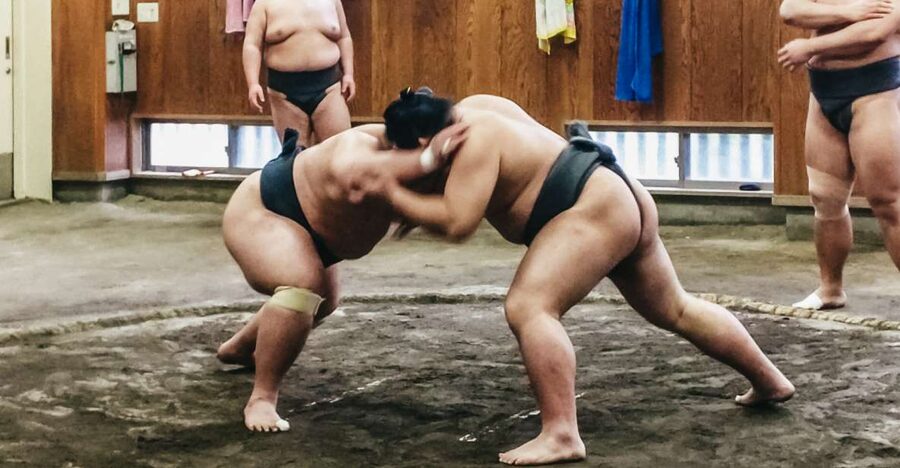
A tournament in Tokyo is exciting, loud, and fast. A stable morning is the opposite. You see sumo as training, repetition, and routine. When wrestlers warm up and work drills with sweat coming off them, it makes their size make sense. It is also easier to appreciate the technique when you can see stance changes and footwork up close.
I like that this visit is built around the stable itself. You are not just watching a highlight reel. You are sitting within the same training environment the wrestlers use, which changes how you understand the sport’s culture and physical demands.
One more value angle: this is often cheaper than buying a full tournament day ticket just to get a sumo hit. If you want the “up close” part more than the “mass-event” part, a stable visit is the more practical choice.
More sumo experiences in Tokyo:
- Tokyo: Sumo Show Experience with Chicken Hot Pot and a Photo
★ 4.8 · 6,678 reviews - Tokyo: Sumo Show and Dining Experience
★ 4.8 · 2,742 reviews - the SUMO show
★ 5.0 · 1,960 reviews
The one-hour keiko visit, from check-in to group photo
Your training visit is about 60 minutes on normal days, but it is not guaranteed to be the same length every time. If Tokyo is running the Grand Sumo Tournaments in January, May, or September, training sessions can be around 30 minutes. That shorter schedule is part of how the stable runs during tournament weeks.
A typical flow looks like this:
- You arrive at the meeting point at the exact meeting time (or you risk losing your spot).
- A guide manages stable entry, because visitors are only allowed in with the guide.
- You sit and watch the morning session. This can include warm-up drills and, depending on the day, sparring-style practice and pushing practice across the clay.
- At the end, you get the group picture with the wrestlers.
Important practical note: if you leave early, you will not receive the group picture. For me, that means you plan your morning around the photo, not around a quick exit.
Also, schedules can shift based on the wrestlers’ condition. You are not walking into a theme park show. It is a live training session, and real work always comes first.
Meeting point changes, late rules, and stable etiquette you must follow
This tour is unusually strict about meeting logistics, and that is not a bad thing. It is how they keep a stable running smoothly with visitors.
Here is what to take seriously:
- Your meeting place and time are confirmed by email about 3 days before your visit. The Google Map shown online may be different, so use the instructions in your email.
- Check-in starts at the meeting time. If you arrive early, do not ring the doorbell or enter on your own.
- If you have hotel pickup, you must be ready at the pickup time. If you do not show up 10 minutes after the pickup time, it is treated as a waiver.
Once you get there, stable etiquette matters because you are surrounded by people training. From what you will experience on-site, the rules are designed to keep things calm and respectful:
- Talking loudly and making noises is prohibited.
- Phones must be on silent mode.
- Hats and sunglasses are not allowed.
- Food and drinks are not allowed.
- No smoking indoors.
- Flash photography is forbidden, and video may be allowed only with prior permission.
If you are worried about your ability to stay quiet, this is the right mindset: treat it like a focused training viewing, not sightseeing time. You might even find the quiet part makes the action more intense.
Keiko up close: drills, sparring moments, and what you are actually watching
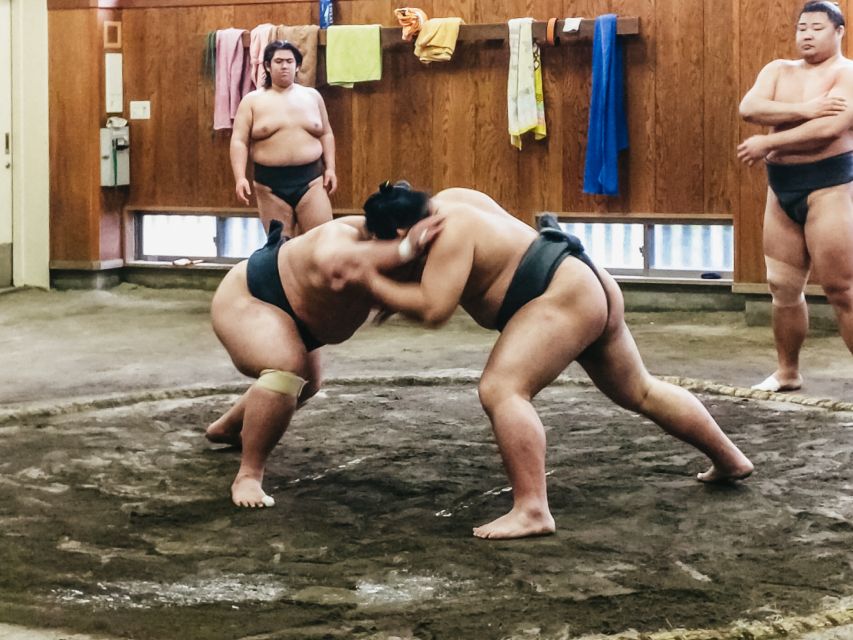
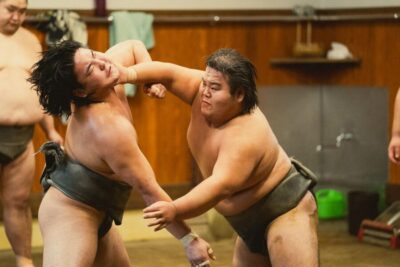
The best part of this visit is that you see sumo training as training. In many sessions, you catch warm-ups and active drills, not just posing or a single scripted bout. You may see wrestlers going for it with real effort, including moments of sparring or pushing practice that helps them work balance and force.
That detail matters. Sumo in a tournament is a single outcome. Keiko shows the process: how athletes reset posture, shift weight, and test grips. When you watch it up close, you notice how controlled the chaos really is. Even when the session does not turn into full bouts, the training itself can be fascinating because it is so physical and so precise.
One caution based on what you are likely to feel: for some people, the session can be more practice-focused than show-focused. You might not see the kind of dramatic bout-ending moments you expect from TV. That said, if you enjoy sports nuance and the “how” behind movement, this is one of the most satisfying ways to understand sumo discipline.
Also, depending on the day, you might notice that you see a mix of wrestlers training. A few reports describe sessions leaning more toward the shorter warm-up side during tournament weeks, where the most visible action is brief.
A few more Tokyo days worth comparing
- Mt Fuji and Hakone 1-Day Bus Tour Return by Bullet Train
★ 5.0 · 26,383 reviews - 1-Day Tokyo Bus Tour
★ 5.0 · 14,250 reviews - Tokyo: TOKYO SKYTREE® Admission ticket
★ 4.5 · 11,192 reviews - Tokyo: teamLab Planets TOKYO Digital Art Museum Entry Ticket
★ 4.6 · 9,779 reviews
Seating on the floor: comfort, visibility, and how to last the session
Be prepared for floor seating. This is not stadium seating with comfy backs. One clear theme from real experiences is that it can be a long time to sit still, especially if your session runs longer than expected.
A few practical tips based on what you will encounter:
- Bring a flexible mindset about sitting quietly. This is not the type of activity where you can wander around.
- If you have knee issues, you may want to think twice or plan for discomfort, since options for padding can be limited.
- Expect that views vary. If you end up in a back row, you might find part of the dohyo area harder to see.
There are also etiquette details that can affect your comfort and behavior. You may be asked to keep your feet positioned appropriately and avoid leaning on walls. Coaches and stable staff guard the training space, so follow instructions quickly and without debate.
If you can handle 60 minutes of quiet focus, you will probably be happy. If you cannot, you may spend more time thinking about your body than the wrestlers. And honestly, the whole point is to watch what they are doing.
Photo rules and the end-of-training group picture
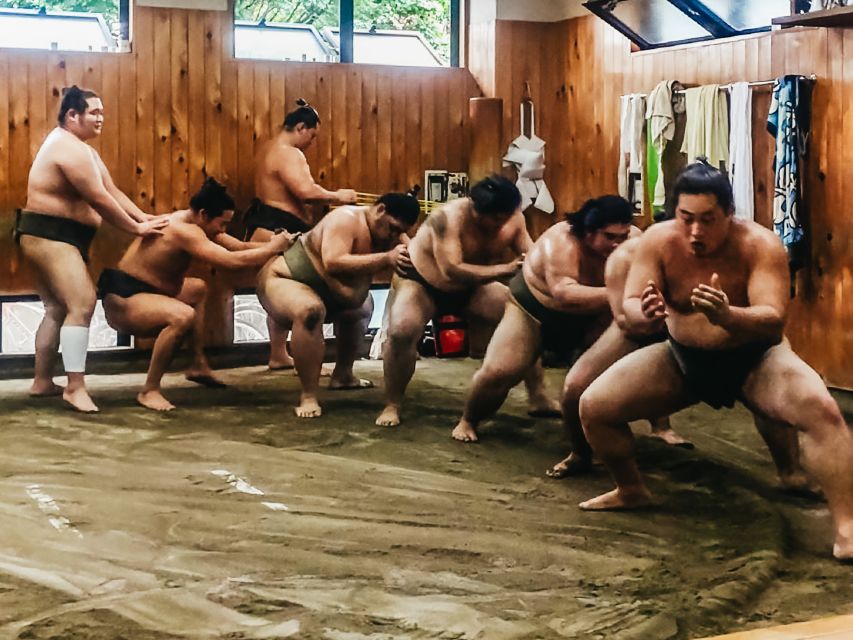
The group picture is one of the main reasons this tour is worth it. You are not just photographing from afar. You get that official, end-of-session moment with active wrestlers.
Before the photo, remember the stable’s camera rules:
- No flash photography.
- Video is not automatically allowed. It may require prior permission.
- Keep your phone silent and avoid noise.
During the session, you will likely be focused on watching rather than shooting. This helps you absorb what is happening anyway, and it keeps you out of trouble. Then, at the end, the group picture becomes your reward for being patient.
If you care about photos, arrive ready to follow instructions fast. The people taking the group picture will manage spacing. Your job is to stay still when told and to be present at the end, because leaving early means you skip the picture.
Price and value: is $77 worth a real stable morning?
At $77 per person for a 1-hour visit, this tour is priced as an access experience. You are paying for the rare part: entry into a working Tokyo sumo stable and the chance to see active wrestlers train up close, including a group photo.
Is it a bargain? It can feel like one compared to paying tournament prices just to get a fleeting look. Some people also liked that the session did not feel overly crowded, so you get solid views.
Still, the value depends on your expectations:
- If you want a tour with deep explanations of sumo history and every ritual, you might feel underfed. Many experiences describe limited talk from the guide, sometimes more like a rules assistant than a lecturer.
- If you want to watch keiko as a living sports routine, the value can feel excellent, because the action is real training.
My practical take: this is worth booking if you treat it as watching first and learning second. To make it more educational, do a little prep before you go. Learn a few basics about what you might see, and you will get more out of every moment you are sitting there.
Also, note that during tournament weeks the session may be only about 30 minutes. The price does not change, so your ROI depends on when you travel.
Optional hotel pickup: helpful for some, picky in practice
Hotel pickup is optional and only within Tokyo’s 23 wards. If you choose it, the group is limited to a maximum of 4 passengers, and the driver speaks Japanese only.
A few details matter for smooth pickup:
- Hotels without a front desk are not acceptable for pickup.
- Drivers are Japanese-speaking and do not speak English.
- You need to send hotel info by email after reserving.
- You should also provide a mobile number in Japan that can be used the day before.
If your hotel has a front desk and you prefer not to hunt for the meeting point, pickup can be a stress reducer. If you are comfortable using trains and finding a location from your confirmation email, skipping pickup can be simpler.
Who should book this Tokyo sumo training visit, and who should reconsider
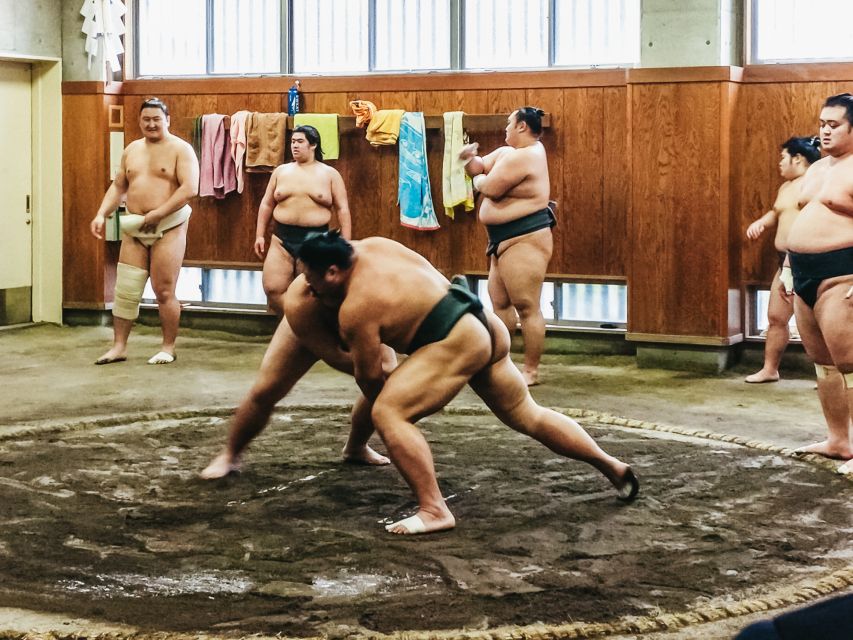
This stable visit fits best if you:
- Want the authentic feel of sumo training, not a scripted show.
- Enjoy sports viewing where technique matters.
- Can handle sitting quietly for a while.
- Care about being close enough to notice how hard they work.
It might be less ideal if you:
- Need a lot of guided explanation. Some sessions include minimal guide talk, with rules and basic management being the main role.
- Struggle with extended floor seating or limited padding.
- Expect to always see full bouts or a dramatic “final” contest. Some visits focus more on drills and pushing practice, especially during shorter tournament schedules.
If you are traveling with kids, you might still enjoy it, but be ready for strict quiet rules and longer stillness. One report described a child getting special attention at the end, which suggests staff can be warm when the session is finished, but the training viewing itself is serious.
Should you book this sumo morning training visit?
I think you should book it if your main goal is close-up sumo training, because that is exactly what you get. The stable access plus the end-of-session group picture is the core win. At $77, it is a good value when you are in the mood to watch work, not a performance.
You should pause before booking if floor seating discomfort, limited explanations, or very short tournament-week sessions would frustrate you. In tournament weeks, plan mentally for about 30 minutes, not a full long session.
If you do book, make your morning easier on yourself:
- Use the email-confirmed meeting point, not the map.
- Bring a face mask or protective covering.
- Arrive on time and follow stable rules without trying to freestyle.
- Stay through the end if you want the group photo.
FAQ
How do I know the correct meeting place and time?
You receive an email about 3 days before the experience that confirms the meeting time and the specific stable location. The Google Map shown can be different, so use the email instructions and voucher to find the right place.
Is the training visit really 1 hour?
The experience is listed as 1 hour, and training sessions normally last about 60 minutes. During Tokyo Grand Sumo Tournaments in January, May, and September, the session may be around 30 minutes.
What is included in the price?
The price includes the visit to the morning training and the group picture with the sumo wrestlers.
Do I need to bring anything?
You should bring a face mask or protective covering, and you may be required to follow stable rules on what you wear and bring.
What items are not allowed inside the stable?
You should not bring hats, sunglasses, food or drinks, luggage or large bags, and you must not smoke indoors. Flash photography is forbidden, and video may require prior permission.
What happens if I arrive early?
Check-in starts at the meeting time. If you arrive early, do not ring the doorbell or enter the stable early.
What happens if I’m late to check-in or pickup?
For pickup, if you do not show up 10 minutes after the pickup time, it is considered a waiver. Arrive on time for check-in so you can be admitted with the guide.
Can I leave early?
You can leave earlier, but if you leave before the end, you will not receive the group picture.
Does the guide explain sumo history and rules?
The activity includes an English host or greeter and you will be guided into the stable with the guide. However, the amount of background explanation may vary, so expect the focus to be on watching the training and following the stable rules.
Is hotel pickup available, and who provides it?
Hotel pickup is optional one-way and can be arranged within Tokyo’s 23 wards. Drivers are Japanese-speaking and do not speak English, and hotels without a front desk are not acceptable for pickup.
Fresh options around Tokyo
- Tokyo: Nikko Kegon Falls Lake Chuzenji Toshogu Temple & More★ 4.9 · 12 reviews
- Tokyo: Samurai History Walking Tour★ 5.0 · 12 reviews
- Harajuku: Kawaii Fashion and Pop-Culture Tour★ 4.7 · 12 reviews
- Tokyo: Mt. Fuji & Lake Kawaguchi Instagram Full Day Trip★ 4.1 · 12 reviews
- Shibuya Tokyo: Modern Kintsugi Workshop in Shibuya★ 5.0 · 12 reviews
- Tokyo: GTR Guided Daikoku Experience at Night★ 5.0 · 12 reviews
- Tokyo: Daikoku JDM Car Culture Tour★ 4.6 · 12 reviews
- Mt Fuji Private Day Trip from Tokyo with English speaking driver★ 5.0 · 13 reviews
Morning, compared.

Kyoto Early Morning Tour with English-Speaking Guide
Read our review →Early Morning Tour with English-Speaking Guide
Read our review →
World Heritage Shirakawa-go Morning Guided Tour
Read our review →
Nara Early Morning Tour (Kyoto or Osaka Departure Available)
Read our review →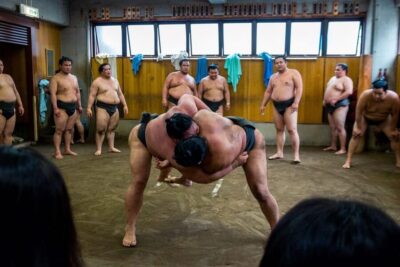

Hiroshima in a Nutshell: Morning Bike Adventure
Read our review →
Browse the lists this tour appears in