
Reviewed · MORNING
Tokyo: Sumo Morning Practice Viewing Tour at a Real Stable
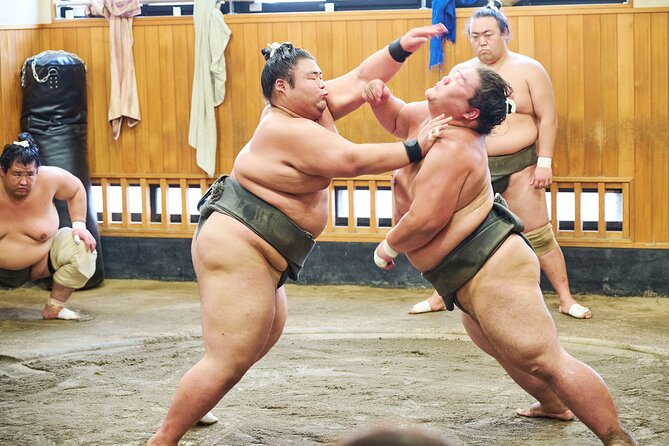
Sumo in the ring is loud and real. This working stable visit turns Japan’s national obsession into something you can see inches away, especially during morning practice. I love the close-up training atmosphere, and I also love how your English-speaking guide breaks down the rules and rituals so it makes sense fast.
The one potential drawback is the early schedule and the strict “stable rules” vibe, so you’ll need to stay quiet, sit still, and be on time at the meeting point.
Key Things You Should Know
- You watch an actual training session, not a staged performance, from ring-side viewing.
- Your guide explains sumo’s rules and rituals in clear English before you enter.
- You’ll visit the historic sumo district area and then head to the stable by train after meeting up.
- You may get time to speak with wrestlers outside training hours.
- The rules are serious: modest clothing, phone on silent, and no standing or moving around during practice.
- You must stay to the end of the practice (around 09:00 to 10:00) and there’s no re-entry.
A Working Sumo Stable Is Not a Museum
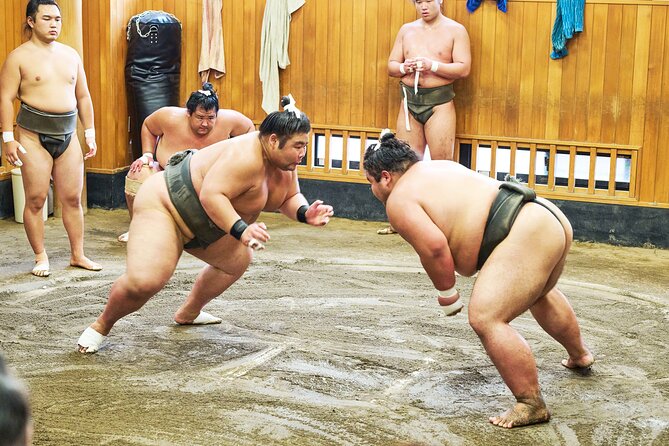
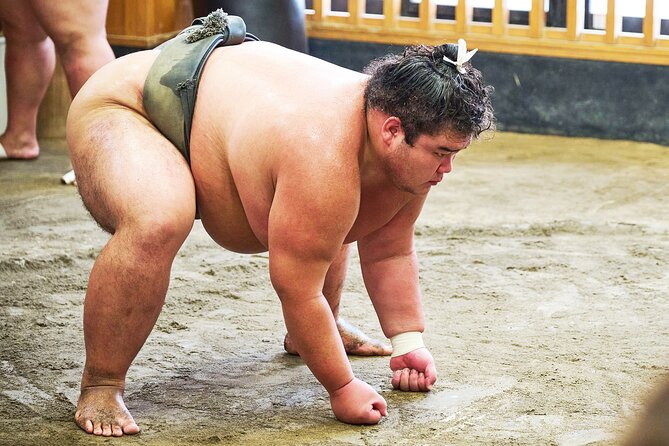
This tour matters because you’re not touring a showroom. You’re stepping into a place of work where wrestlers live and train, and the morning practice energy shows immediately. The difference hits you fast: athletes moving with purpose, sweat in the air, and the kind of focus that doesn’t care that you’re there.
Sumo is also spiritual and cultural, not only sport. The tour frames it through its Shinto connections and the meaning behind routine actions, so it reads less like random tradition and more like practiced discipline. When you understand the why, even basic movements become more interesting.
I also like that it’s a rare access moment. Sumo stables are normally closed to the public, and this kind of visit is something even locals don’t get on a casual day. You’re seeing a slice of real daily life.
More sumo experiences in Tokyo:
- Tokyo: Sumo Show Experience with Chicken Hot Pot and a Photo
★ 4.8 · 6,678 reviews - Tokyo: Sumo Show and Dining Experience
★ 4.8 · 2,742 reviews - the SUMO show
★ 5.0 · 1,960 reviews
Morning Timings: Why Being Early Changes Everything
The tour runs about 2 hours, and the practice window is roughly 09:00 to 10:00 AM. That means you should plan for a steady morning pace, not a slow start with coffee and late trains.
Your meeting point is Kiyosumi-Shirakawa Station, Exit A1. You’ll find the guide holding a sign that says Local Guide Stars, and the station is reachable via the Toei Oedo Line or the Hanzomon Line.
Here’s the practical truth: late arrival can mean you miss entry. And once you step into the stable, there’s no re-entry, so you want your morning to run clean. If you have anything after the tour, give yourself buffer time because the session may run a bit shorter or longer than expected.
Getting to the Stable From Kiyosumi-Shirakawa
After you meet, you may take a train to the sumo stable. This is exactly why your start matters, even if the stable visit is the headline.
The good news is that your guide is there for the whole flow, in English, and they handle the coordination so you’re not guessing. The only part you control is showing up on time and keeping your day realistic.
If you’re the type who likes to map everything and then wander for ten minutes anyway, this is your moment to tighten up the plan. This tour isn’t built for flexible pacing once you’re on site.
What You’ll See During Practice From Ring-Side Distance
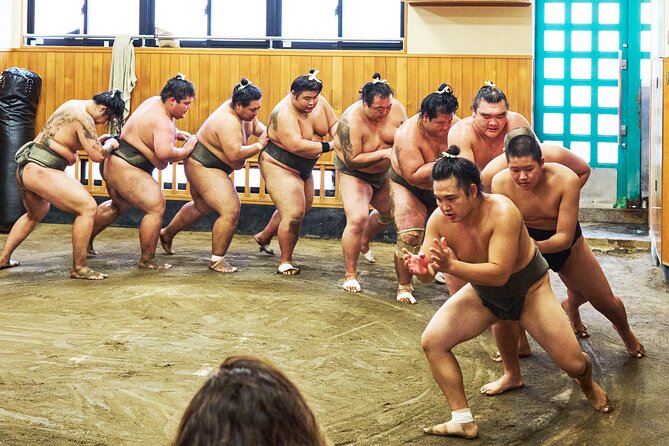
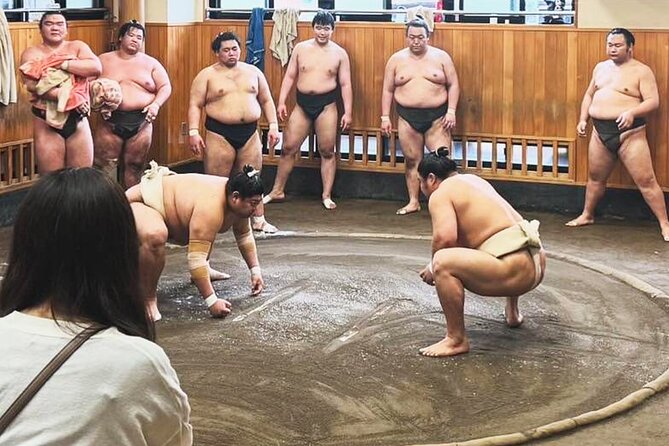
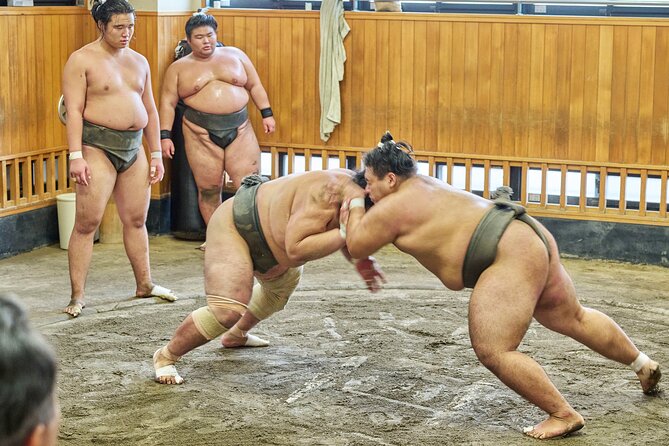
The heart of the experience is morning practice viewing inside a real stable. Expect young wrestlers training with full commitment, repeating drills and pushing strength and speed while their bodies adapt to the day. This is one of those experiences where the intensity is hard to fake, and you’ll likely feel the rhythm of their session.
You’ll also get a window into how sumo matches are won, in plain terms. Matches are decided by forcing your opponent out of the ring or making any part of their body touch the ground. Understanding that up front helps you watch training with clarity, because you’ll start noticing how they set up balance, leverage, and control.
From the viewing side, you’re close enough to feel like you’re part of the action without interfering. The tour is designed around not breaking the mood, so the athletes can keep working while you observe. That separation is what makes it feel authentic.
A few more Tokyo days worth comparing
- Mt Fuji and Hakone 1-Day Bus Tour Return by Bullet Train
★ 5.0 · 26,383 reviews - 1-Day Tokyo Bus Tour
★ 5.0 · 14,250 reviews - Tokyo: TOKYO SKYTREE® Admission ticket
★ 4.5 · 11,192 reviews - Tokyo: teamLab Planets TOKYO Digital Art Museum Entry Ticket
★ 4.6 · 9,779 reviews
How the Rules and Rituals Make the Sport Click
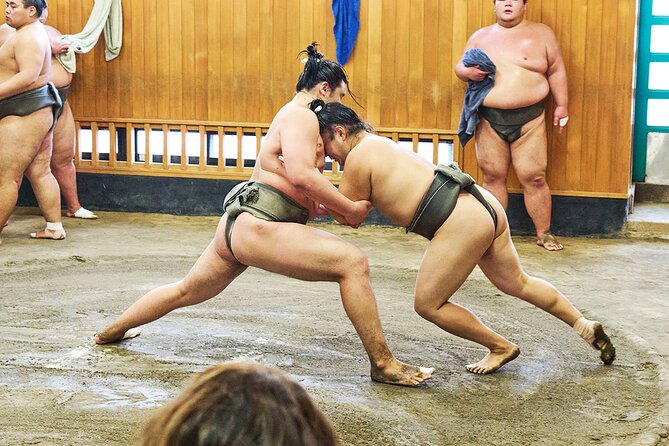
This tour shines because your guide doesn’t treat sumo like a distant curiosity. You’ll get an explanation of the rules, rituals, and meaning behind sumo before practice starts, so you’re not just watching movement, you’re understanding a system.
Sumo is rooted in Shinto beliefs, and the tour connects the sport to those spiritual traditions. That matters because sumo isn’t only physical training. The rituals are part of the competitive mindset and the cultural identity of the wrestlers.
One reason this matters for value is simple: without context, you might only notice strength. With context, you’ll notice discipline, timing, and the careful intention behind every repetition. And when the guide answers questions, you’ll come away with a more useful mental map of how sumo culture works.
Meeting Wrestlers Without Disrupting the Work
You’ll have an opportunity to speak with the wrestlers, but it’s designed to respect training hours. The tour notes this access happens outside practice, so the wrestlers can keep doing what they’re there to do.
This is a good moment to ask questions you genuinely care about, not the quick “how are you?” type. If you want to understand the sport better, focus on how wrestlers think about routine, dedication, and the meaning of tournaments. The point is to translate what you saw into something human.
You should also be ready for the “work mode” feeling. Sumo training is serious business, and even friendly interaction is still respectful and focused. That’s not a drawback. It’s part of why the experience feels real.
Stable Etiquette: The Rules That Keep It Respectful
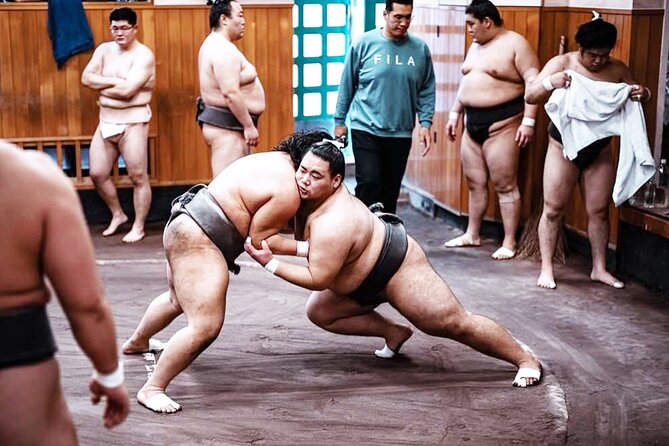
This is one of those tours where the behavior guidelines aren’t optional because you’re stepping into someone’s workplace. The tour specifically says you must respect stable rules, and the setup depends on quiet observation.
Here’s what to plan for:
- Don’t make noise
- Modest clothing only
- Phone on silent
- Don’t stand up or move around during practice
- You must stay until the end of the practice
- No eating or drinking is implied as part of stable etiquette, so it’s smart to avoid it unless the guide tells you otherwise
It can also be tempting to record everything, especially if you love sports. But the rule is clear: keep your phone silent and stay still. If you think you might struggle with sitting quietly for the whole session, this tour may be tiring.
The best attitude is simple: treat it like you’re watching a serious ceremony, not a spectacle.
Clothing, Comfort, and the “Sit Still” Reality
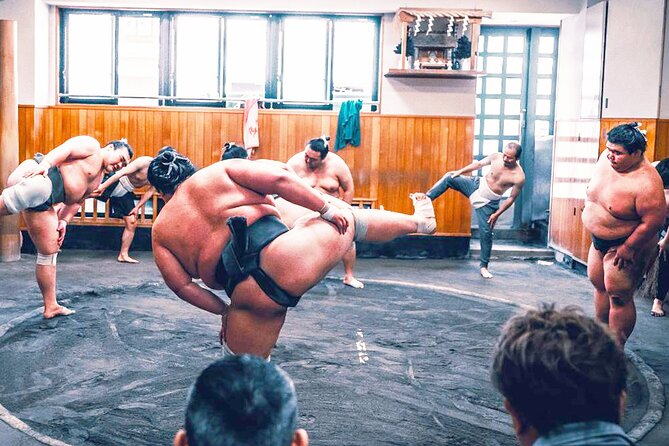
Modest clothing is required, and that’s worth thinking through before you leave your hotel. Choose comfortable layers, but keep them modest and non-distracting.
Since you’re asked not to stand or move around during practice, plan for a seated viewing posture for the full session. That doesn’t mean you need discomfort training, but it does mean you should wear shoes you can stand in briefly if needed, then sit comfortably for a while.
Also, use your bathroom break before you enter. You don’t want to lose time during a moment where re-entry isn’t allowed.
Who This Tour Fits Best
This experience is not suitable for children under 11 years. It’s also a great fit for adults who want more than an explanation, you want to see training with your own eyes.
I think it works especially well if you:
- Like sports but want the culture behind the sport too
- Enjoy quiet, structured experiences
- Want a close encounter with athletes in a real training setting
- Prefer small group energy and respectful access
If you’re visiting Japan during a busy schedule and your mornings are chaotic, build in extra time. The early session and the strict stable rules make this one of those tours where punctuality is part of the experience.
Price and Value: What $98 Really Buys
At $98 per person for about 2 hours, the price can look like a splurge until you compare what you’re getting. You’re paying for access to a working stable that is normally closed to the public, plus an English-speaking guide who explains rules and rituals, plus the rare chance to speak with wrestlers outside training hours.
In other words, you’re not just paying for a photo and a quick walk-through. You’re paying for context, proximity, and entry into a space that most people never see.
The value depends on your mindset. If you’re the type who can sit still, stay quiet, and actually watch what’s happening, this tour rewards you. If you’re hoping for a flexible, casual visit, the etiquette and timing may feel tighter than you expected.
Practical Tips to Make Your Morning Smooth
I’d treat this day like a small mission. Show up early, wear modest clothing, and arrive with a calm, patient attitude.
A few practical moves:
- Aim to be at Kiyosumi-Shirakawa Station Exit A1 well before the meeting time.
- Plan around the practice end window of roughly 09:00 to 10:00 AM.
- If you have any commitment right after, tell the tour team in advance so your schedule can be handled realistically.
- Keep your phone on silent before you start, not after.
And here’s the slightly funny but true part: the tour experience is easier when you act like you’re not there to get the perfect shot. You’re there to understand the sport by watching it work.
Should You Book This Sumo Morning Practice Tour?
Book it if you want a real sumo training stable experience with meaningful guidance. This is one of the better-value tours in Tokyo if you care about culture, rituals, and sport, and you’re comfortable following quiet viewing rules.
Skip it if you need a casual, flexible schedule, or if you know you’ll struggle with staying seated and silent for the full practice. Also, it’s not designed for kids under 11.
If you can handle early mornings and strict etiquette, you’ll come away with a clearer picture of sumo as both sport and tradition, not just as something you saw briefly.
FAQ
Where do I meet the guide?
You meet at Kiyosumi-Shirakawa Station, Exit A1. Look for your guide holding a sign that says Local Guide Stars.
How long is the tour?
The tour lasts about 2 hours, and the sumo practice viewing runs roughly from 09:00 to 10:00 AM.
Is there an age limit?
Yes. The tour is not suitable for children under 11 years old.
What should I wear?
You need modest clothing only.
Are phones and talking allowed?
Phones should be on silent. Making noise is not allowed, and you should keep quiet during the practice.
Can I stand up or move around during the practice?
No. You must not stand up or move around during the practice.
What happens if I leave the stable early?
You must stay until the end of the practice, and once you leave the stable, there is no re-entry.
Will the tour end at the same place as the meeting point?
It may differ depending on the schedule, so plan for the possibility of a different ending location.
Fresh options around Tokyo
- Tokyo: Nikko Kegon Falls Lake Chuzenji Toshogu Temple & More★ 4.9 · 12 reviews
- Tokyo: Samurai History Walking Tour★ 5.0 · 12 reviews
- Harajuku: Kawaii Fashion and Pop-Culture Tour★ 4.7 · 12 reviews
- Tokyo: Mt. Fuji & Lake Kawaguchi Instagram Full Day Trip★ 4.1 · 12 reviews
- Shibuya Tokyo: Modern Kintsugi Workshop in Shibuya★ 5.0 · 12 reviews
- Tokyo: GTR Guided Daikoku Experience at Night★ 5.0 · 12 reviews
- Tokyo: Daikoku JDM Car Culture Tour★ 4.6 · 12 reviews
- Mt Fuji Private Day Trip from Tokyo with English speaking driver★ 5.0 · 13 reviews
Morning, compared.

Kyoto Early Morning Tour with English-Speaking Guide
Read our review →Early Morning Tour with English-Speaking Guide
Read our review →
World Heritage Shirakawa-go Morning Guided Tour
Read our review →
Nara Early Morning Tour (Kyoto or Osaka Departure Available)
Read our review →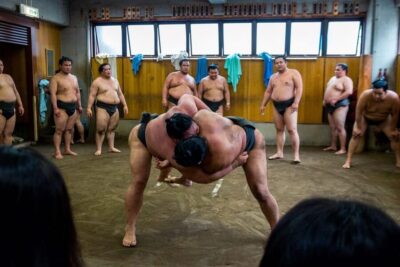

Hiroshima in a Nutshell: Morning Bike Adventure
Read our review →
Browse the lists this tour appears in