
Reviewed · LUNCH EXPERIENCES
Tokyo Sumo Culture Tour with Chanko-Nabe Lunch in Ryogoku
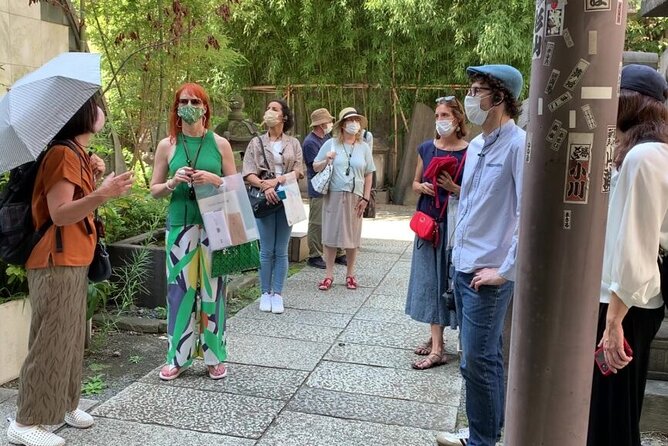
Sumo lives in Ryogoku. This Tokyo Sumo culture tour is a 3 hour 30 minute walk through Sumo Town, with an expert guide keeping you on track and explaining what you are seeing. I like that it is intimate (max 8 people), so the pace stays easy and questions feel welcomed.
I also really like the payoff: you get chanko-nabe lunch as part of the experience, not as an afterthought. And if you get a guide like Taka, Jeff, or Aki-san, you are in for clear, friendly storytelling about how sumo ties into daily life and old Edo Tokyo.
One consideration: this is not built around watching practice or matches. Timing can also matter, since some training related access can be limited around certain days, including Sundays, and you might find one stop has reduced access.
Key points to know before you go
- Small group max 8 means a calmer Ryogoku stroll and more time with your guide.
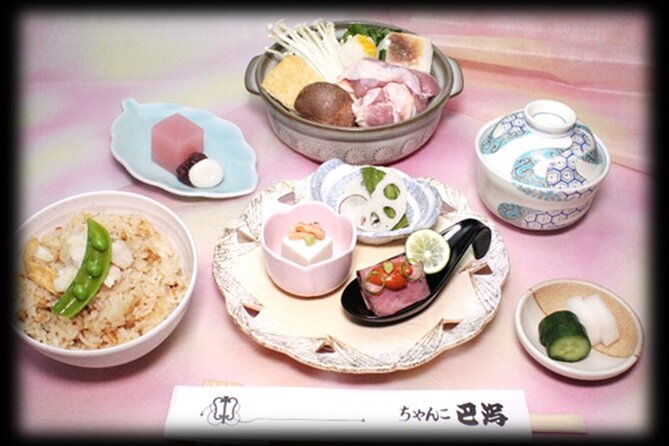
- Chanko-nabe lunch included at Tomoegata Chanko, tying food directly to wrestlers diet and training goals.
- Ryogoku landmarks outside and inside-style ring views so you understand sumo space without needing match tickets.
- No actual practice or tournament viewing included, so set expectations accordingly.
- Guide-led navigation saves time in a neighborhood where you will be hopping between meaningful stops.
- Some days may have limited access to certain sites, so check your dates if possible.
Ryogoku’s Sumo Town, walked at a human pace
If you only know sumo from the big televised moments, Ryogoku can feel like a missing chapter. This tour focuses on the neighborhood behind the sport, the streets and buildings where stables, shrines, and old tournament sites shaped the culture long before social media.
You start at Ryogoku Station area (1-chōme-4-29 Yokoami) and meet right where the neighborhood makes sense. The guide brings a plan, so you are not hunting for addresses or playing guessing games with train exits. I like that the group stays small, up to eight travelers, because it keeps the walk relaxed even if you stop for questions.
Another nice touch is that you are not just shown places. You are shown why they matter, including what wrestlers did, how the sport organized itself, and how Ryogoku became known as Sumo Town.
More sumo experiences in Tokyo:
- Tokyo: Sumo Show Experience with Chicken Hot Pot and a Photo
★ 4.8 · 6,678 reviews - Tokyo: Sumo Show and Dining Experience
★ 4.8 · 2,742 reviews - the SUMO show
★ 5.0 · 1,960 reviews
What you actually see about sumo (and what you do not)
This tour is best described as sumo culture and context, not a ticket to action. You will learn a lot and see key sites connected to sumo, but the experience does not include actual sumo viewing like practice sessions or matches.
That is important because a few people who show up expecting live training can feel a bit shortchanged when a day does not include access to training facilities. In practical terms, you should treat this as a guided route through sumo history, geography, and traditions.
The good news is that the route still feels meaningful. You are going to places that help you picture how sumo works as a system: where wrestlers train, where the sport’s spiritual roots sit, and where tournaments shaped status and community.
Stop-by-stop Ryogoku route, from stables to an Edo-era ring
Most of the stops are short, so you keep moving and your brain stays engaged. Many of the stops are listed as free admission for the tour visit, which helps keep your money focused on the parts that matter, like the included meal.
Stop 1: Hakkaku-beya Sumo Stable
You begin with a visit at Hakkaku-beya Sumo Stable. The tour is not about going deep inside, at least from the description here, but about getting a feel for the stable as a living training home. You will drop in for a short look and primarily view the stable from the outside where wrestlers live and train.
This is a good first stop because it sets the tone: sumo is not only a match night event. It is daily life, with space that shapes training routines and community.
A few more Tokyo days worth comparing
- Mt Fuji and Hakone 1-Day Bus Tour Return by Bullet Train
★ 5.0 · 26,383 reviews - 1-Day Tokyo Bus Tour
★ 5.0 · 14,250 reviews - Tokyo: TOKYO SKYTREE® Admission ticket
★ 4.5 · 11,192 reviews - Tokyo: teamLab Planets TOKYO Digital Art Museum Entry Ticket
★ 4.6 · 9,779 reviews
Stop 2: Nominosukune Shrine
Next is Nominosukune Shrine, connected to sumo’s founder. You visit this Shinto shrine where the founder of sumo is enshrined, and your guide explains how he is linked to the beginnings of sumo about 1500 years ago. You also get the story of how sumo rules have been refined into their modern form over the centuries.
If you are the kind of traveler who likes the origin stories behind rituals, this stop is worth your attention. It connects sumo to spiritual ideas, not only sports rules and scoring.
Stop 3: Ryogoku Kokugikan (outside the arena)
Then you reach Ryogoku Kokugikan, the sumo arena where the Grand Sumo tournaments take place. You will view the arena from the outside, and your guide will share stories about this sumo-dedicated mecca. The tour also points out the tournament rhythm, held three times a year.
Even from outside, Kokugikan can feel powerful once you know what you are looking at. Seeing the building first helps your later stops click, because you start mapping the sport’s places to the sport’s meaning.
Stop 4: Ryogoku Edo Noren, a full-scale ring view
At Ryogoku Edo Noren, you get something visual that helps you understand the ring experience. You feel the atmosphere of old Edo, and you see a full-scale sumo ring. This stop focuses on what the ring looks like up close and how people in that era watched and experienced sumo.
If you learn best with your eyes, this is one of the best places to anchor everything you learned. Even if you do not attend an event, the ring view helps you translate the rules and traditions into real space.
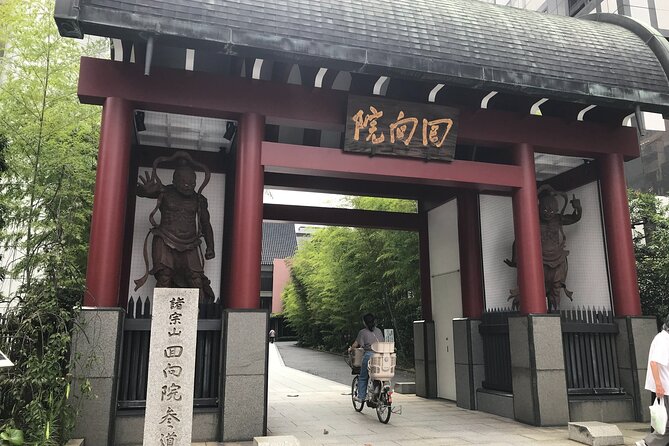
Stop 5: Ekoin Temple, Edo-era tournament venue
Next comes Ekoin Temple, tied to tournaments held during the Edo period. Your guide explains how and where tournaments happened in pre-modern Tokyo, and you also learn about wrestlers’ social status in that era.
This is a nice balance stop. It shifts from modern Ryogoku locations to a time when sumo had a different kind of relationship with the city. You come away with a clearer sense that tournaments were not just sport, they were social events with status and meaning attached.
Stop 6: Kasuganobeya stable details, including wrestler-size bicycles
You then visit Kasuganobeya stable. The tour highlights that a Bulgarian-born wrestler is associated with this stable, and you also get a quirky, memorable detail: the stable uses wrestler-size bicycles in daily life.
That kind of specific detail is gold on a culture tour. It moves you past generic facts and into the real-world gear and routines that make sumo feel like a lived practice, not a staged event.
Stop 7: Tomoegata Chanko lunch (the warm finish)
The tour ends at the restaurant, Tomoegata Chanko, for your chanko-nabe lunch. This is built to be the emotional and practical finish, because sumo culture is tied tightly to food.
You get about an hour here, so it is not just a quick meal. It is time to eat, reset, and absorb what you learned walking through stables and shrine stories.
Chanko-nabe at Tomoegata Chanko, why it is more than lunch
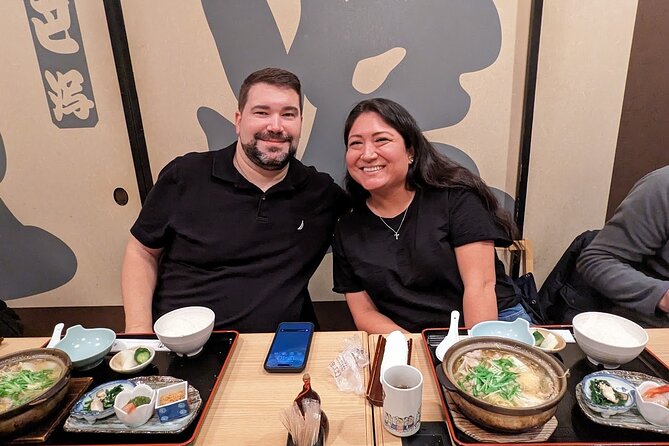
The included meal is a big reason this tour feels like a complete experience. Chanko-nabe is described as a nutrient hot-pot dish that is central to the wrestlers diet to help them gain weight and build muscle. That is the connection you want: food is part of training culture, not just comfort.
I like that the tour does not treat lunch as a random extra. It ties the meal back to the sport’s goals, so you can taste the culture instead of only hearing about it.
Also, since alcoholic beverages are not included, you can keep your budget steady and your meal comfortable. If you want beer or other drinks, you should plan to pay separately.
Price and logistics: is $131.12 good value?
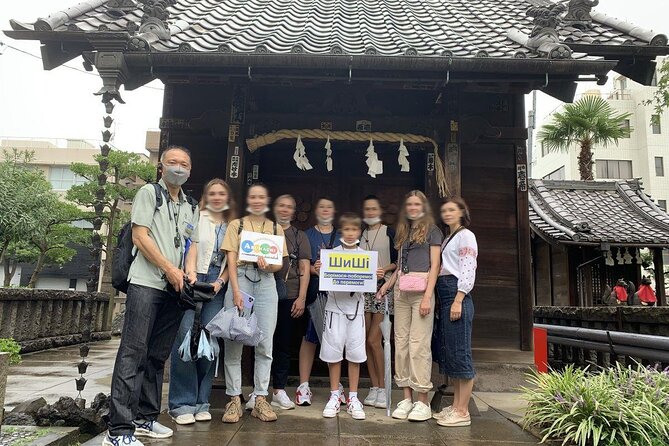
At $131.12 per person, you are paying for three things: a guided route in Ryogoku, a small group size that keeps the experience personal, and an included chanko-nabe lunch.
The biggest value shift here is the included meal. If you were to try to replicate this on your own, you would likely spend time figuring out which sites are worth it, then pay for lunch somewhere anyway. Here, you get the meal and the context in one pass.
Duration also matters. This is about 3 hours 30 minutes, which is long enough to feel like a real neighborhood walk, but not so long that you are exhausted after. Plus, your start time is set for 9:30 am, which helps you beat the late-day crowds.
Logistically, the tour is positioned as near public transportation and does not include hotel pick-up and drop-off. You will need to make your own way to the meeting point, which is usually easiest in Tokyo anyway.
Finally, you get a mobile ticket, so you can keep your plans paper-light.
Timing matters around tournaments and closures
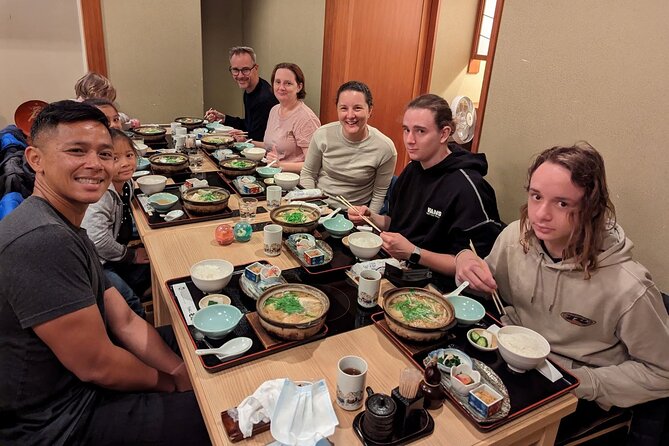
The most common downside to watch for is access. The tour is not a match-day ticket, and even on a non-match day, some places can have limited availability based on the day. One concern you might run into is that training facility access or museum style spots may not always be open on certain days, including Sundays.
Here is how I suggest you handle that. If your main goal is watching practice or getting inside a facility, you should book this only if you are happy with a culture and landmark focused plan. If you are coming specifically for live sumo action, you may need an additional plan beyond this tour.
Who this tour suits best
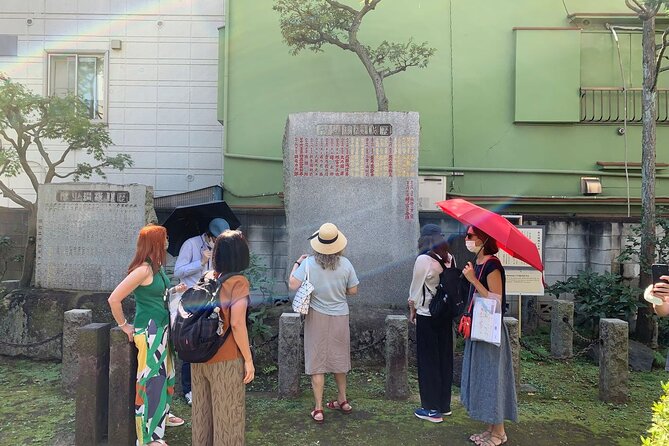
This is a strong fit if you want something smarter than a quick photo walk. You should like this tour if you enjoy:
- Sumo history and the way the sport connects to shrine traditions and Edo-era social life
- Neighborhood walking in a very specific Tokyo district, Ryogoku
- Learning from a guide with an active, story-driven style, especially if you get a guide like Taka, Jeff, or Aki-san
It is also a good fit for people who want a guided structure because Ryogoku is not huge, but the important sites are still scattered enough that a plan helps you get your bearings fast.
If you are traveling with kids or you want a tour that feels approachable, the short stops make it easier to keep attention.
Quick practical tips before you go
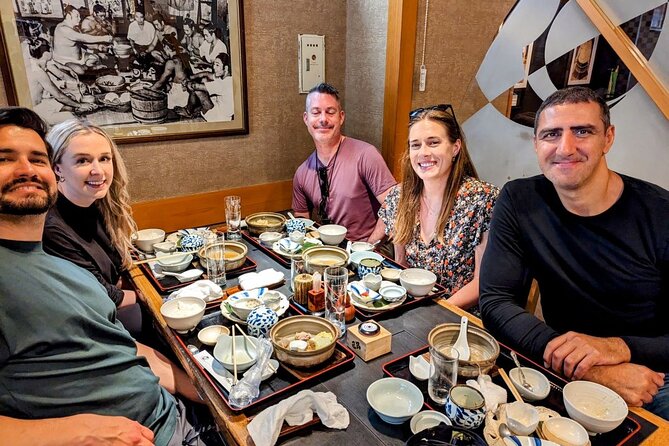
- Wear shoes you can walk in comfortably. This is a real neighborhood stroll, not a ride-heavy tour.
- Expect mostly outside viewing or guided indoor-style viewing, not an extended backstage look.
- Plan to eat a real lunch. Since chanko-nabe is the included centerpiece, you will likely want breakfast that is not too heavy.
- If you are sensitive to surprises, consider checking your travel dates. Some days can have reduced access at certain sites.
Should you book this Tokyo Sumo culture tour?
I think you should book it if you want the why behind sumo. The itinerary is built around key places in Ryogoku, and the included chanko-nabe meal turns the whole experience into something you can taste and remember. The small group size makes the guide’s explanations easier to follow, and it is a good way to understand sumo without needing tournament tickets.
Skip or adjust expectations if your top priority is watching practice or matches. This tour is not structured for that. Also, if you are going on a day when access is limited, you might find one stop is less productive than you hoped. Still, the core route through stables, the founder shrine story, and the Edo ring view usually keeps the experience worthwhile.
If you want a culture-first sumo experience in Tokyo, this one is a very solid choice.
FAQ
What is the duration of the Tokyo Sumo Culture Tour with chanko-nabe lunch?
The tour lasts about 3 hours 30 minutes.
Where does the tour start and where does it end?
It starts at Ryogoku Station, 1-chōme-4-29 Yokoami, Sumida City, Tokyo. It ends at Tomoegata Chanko, 2-chōme-17-6 Ryōgoku, Sumida City, Tokyo, where the lunch is served.
What time does the tour begin?
The start time is 9:30 am.
Is lunch included?
Yes. The tour includes chanko-nabe lunch.
Does the tour include actual sumo viewing like practice or matches?
No. Actual sumo viewing like practice or matches is not included.
Is hotel pick-up and drop-off included?
No. Hotel pick-up and drop-off are not included.
What is the cancellation policy?
Cancellation is free up to 24 hours in advance of the experience start time for a full refund.
How large is the group?
The tour has a maximum of 8 travelers.
Fresh options around Tokyo
- Tokyo: Nikko Kegon Falls Lake Chuzenji Toshogu Temple & More★ 4.9 · 12 reviews
- Tokyo: Samurai History Walking Tour★ 5.0 · 12 reviews
- Harajuku: Kawaii Fashion and Pop-Culture Tour★ 4.7 · 12 reviews
- Tokyo: Mt. Fuji & Lake Kawaguchi Instagram Full Day Trip★ 4.1 · 12 reviews
- Shibuya Tokyo: Modern Kintsugi Workshop in Shibuya★ 5.0 · 12 reviews
- Tokyo: GTR Guided Daikoku Experience at Night★ 5.0 · 12 reviews
- Tokyo: Daikoku JDM Car Culture Tour★ 4.6 · 12 reviews
- Mt Fuji Private Day Trip from Tokyo with English speaking driver★ 5.0 · 13 reviews
Lunch Experiences, compared.
Mt.Fuji & Lake Kawaguchiko 1-Day Bus Tour w/Optional Lunch
Read our review →
Osaka/Kyoto: Arashiyama, Nara & Fushimi Inari Shrine w/Lunch
Read our review →
Kyoto Zen Meditation & Garden Tour at a Zen Temple with Lunch
Read our review →
Five Must-See Highlights Walking Tour & Ramen Lunch
Read our review →

Naha, Okinawa: Keramas Island Snorkeling Day Trip with Lunch
Read our review →
Snow Monkey 1 Day Tour with Beef Sukiyaki Lunch
Read our review →Browse the lists this tour appears in