Reviewed · TICKETS
Tokyo: Robot Piloting Attraction Ticket
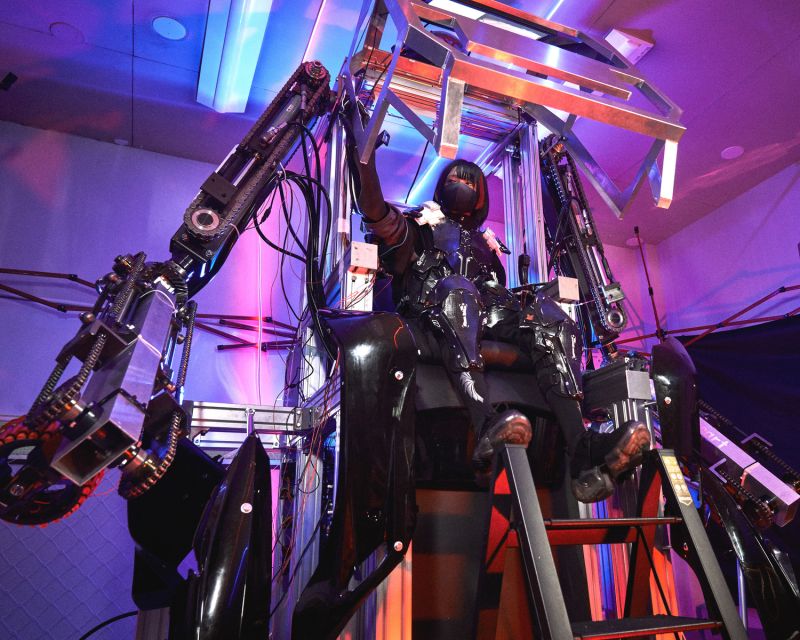
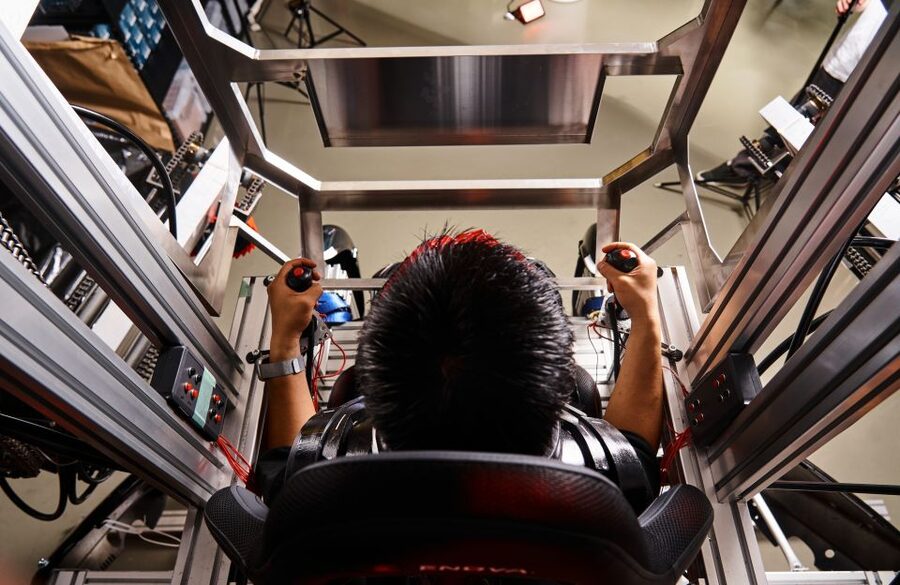
You pilot a real mech in Tokyo. This Robot Base Lab experience turns a prototype into a story, where you help fend off an alien threat by climbing into the robot and firing blasters, with VR shooting games and hands-on robot coding around the edges. I especially like how practical the training feels, and I also love that you actually control a real robot in Japan rather than just watching a demo. The one catch is that the mech is still in prototype phase, so you can move the arms and shoot, but you should not expect full-body walking or full character control.
I found the tone is half science lesson, half sci-fi roleplay, and the hosts, including Tomo and Atsu, keep things clear and friendly while you move through the hangar setup. One drawback to consider upfront: your hands-on robot time is about 10 minutes per person, and it may shrink a bit more in groups of 4.
Key things I’d zero in on
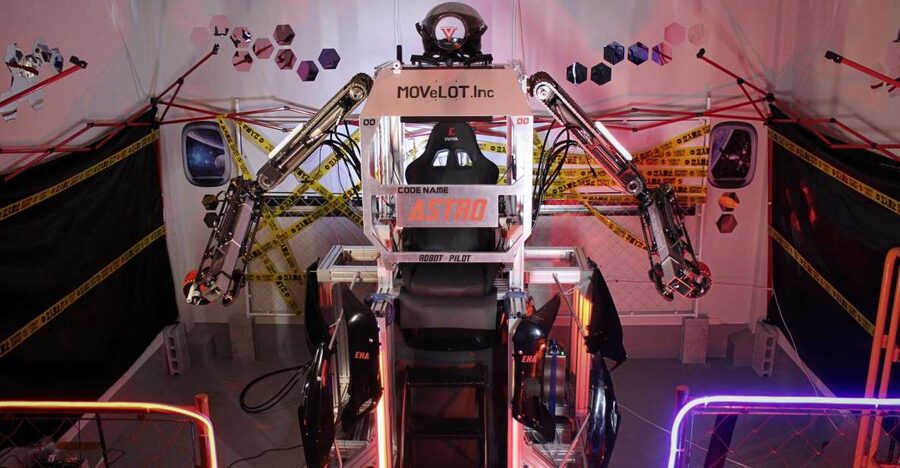
- Only-facility-in-Japan style robot piloting, where you control a human-piloted robot prototype (ASTRO)
- VR shooting games mixed with story-driven objectives, so you get the vibe before you touch the robot
- Laptop programming of the robot launch, plus a Lego-type mini robot build and control setup you may do in your session
- Prototype limitations are real, arms move and blasters shoot, the legs are removed for the lab setup
- Small group pacing, limited to 4 participants, with guidance from English and Japanese instructors like Tomo and Atsu
Finding MOVeLOT in Ryogoku, and how the 50-minute flow works
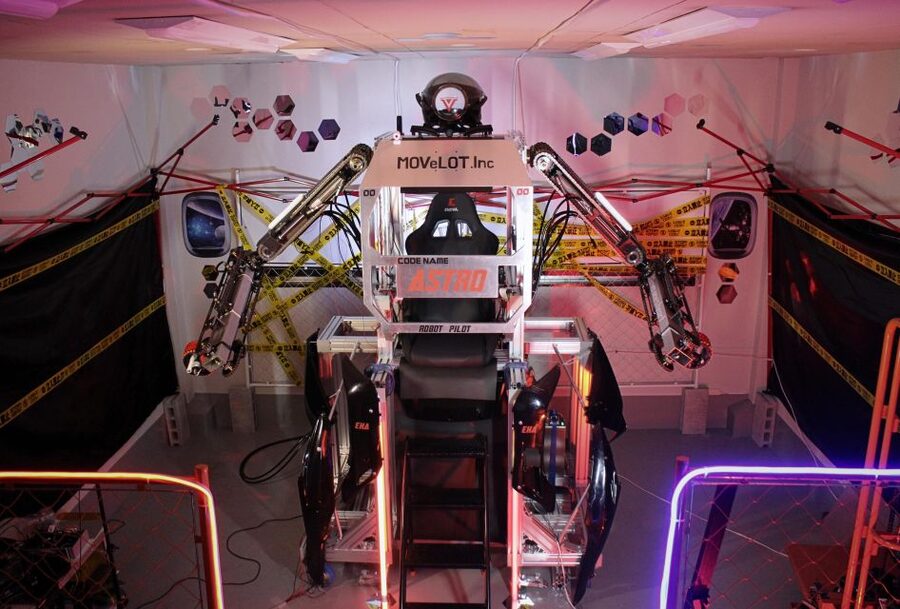
This is one of those Tokyo activities that feels simple on paper, then gets fun fast because the space is built for action. You check in with staff at MOVeLOT, Inc., at the Robot Base / MOVeLOT株式会社 location. It is a 7-minute walk from Toei Ryogoku Station, A3 exit (Oedo Line), and about a 13-minute walk from JR Ryogoku Station.
You do not have a lot of slack time, so plan to arrive early and get your ID ready. The session is ticketed for 50 minutes, and you will want to be on time because the time slot cannot be extended if you are late. Also, expect a compact layout where you move between activities without long waiting around.
Group size is limited to 4 participants. That matters because the real robot piloting slot is shared, and your personal time depends on how many people are in your session. If you hate rushed experiences, this is still usually manageable because the staff keep you moving, but it is not a slow hang out kind of activity.
A few more Tokyo days worth comparing
- Mt Fuji and Hakone 1-Day Bus Tour Return by Bullet Train
★ 5.0 · 26,383 reviews - 1-Day Tokyo Bus Tour
★ 5.0 · 14,250 reviews - Tokyo: TOKYO SKYTREE® Admission ticket
★ 4.5 · 11,192 reviews
The Robot Base Lab story, alien attack, and why it works
The big hook here is that your experience is framed like a mission, not a museum tour. You step into the Robot Base Lab setup that the staff present as being on another planet, under threat from a large enemy robot. Before you get behind the controls, you go through a short safety and mission briefing that ties directly into what you will do next.
What I like is that the story is not just window dressing. It gives your actions a purpose. For example, you are preparing the hangar and eliminating unidentified life forms, then you jump into the robot prototype ASTRO to take part in the defense. That scripting helps you learn quickly, because you are doing tasks with a clear objective rather than fumbling through a tech demo.
One wording note to keep you grounded: this is not the Patlabor Laboratory facility people might compare it to. Think “inspired by the same kind of mecha imagination,” but firmly its own Tokyo robotics lab experience.
Safety briefing and the prototype limits you should plan around
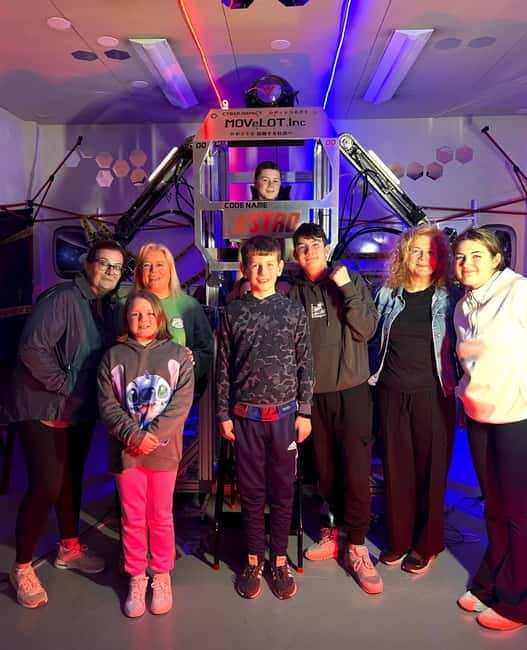
This is fun tech, but it is still a real-world setup with moving parts and VR gear. You will get safety guidance from staff before you operate the robot, and you should follow their instructions exactly when you move in and around the hangar space. The staff guidance matters because the lab area is set up to fit the robot for piloting, and you will be close to equipment.
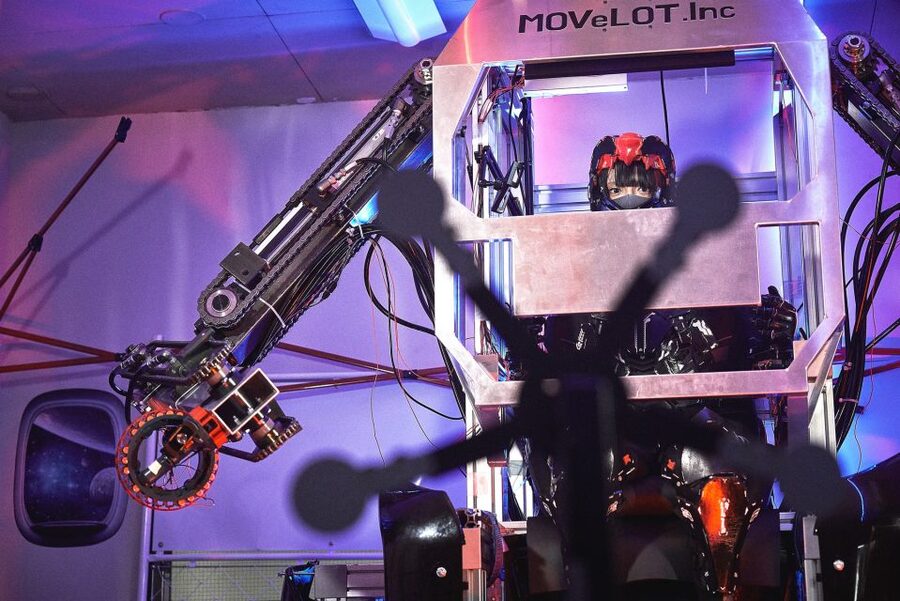
Here is the part you should not skip in your mind: the robot is still in phase one development. You can only move the arms and shoot the blasters right now. The legs have been removed to fit the lab. If you are expecting full “giant mecha” mobility like walking forward, turning, or full-body maneuvers, you will feel the difference.
The piloting experience lasts about 10 minutes per person. In a group of more than 3 people, that time may be shorter per person. You are in a prototype, so there are boundaries to what you can do, and that is also part of the charm, since you are seeing the process at an early stage.
There is also an insurance requirement tied to safety measures: visitors must have overseas insurance in case of injury. That is not the kind of detail you want to discover at the counter, so line it up before you go.
VR shooting games plus mini robot coding, practice before you pilot
Before you touch ASTRO, you get a chance to warm up with VR and a coding-style stage. This is the smartest design choice for most people, because piloting a robot feels less intimidating after you learn the vibe of aiming, timing, and controls.
Most sessions include VR shooting games. The VR concept is straightforward, and the results are exciting. Some people describe games like shooting zombies and other target practice set pieces, including laser-based scenes that feel like they are on a track or rollercoaster-style action. Even if your exact VR scenes vary by time slot, the pattern is consistent: you wear a headset, aim, shoot, and get graded on mission-style objectives.
Then there is a programming step where you help launch or control the robot system via a laptop. Several experiences also include a Lego-type mini robot build where you put the program together yourself. One of the best parts is that you are not just pressing buttons. You are learning the control logic enough to understand why certain inputs cause certain movement or actions.
If you or your kids already play VR at home, you will likely adapt quickly. The hosts make it easy to get started, and you spend less time figuring out controls and more time having fun.
Same corner of Japan, a different kind of day:
- Tokyo: teamLab Planets TOKYO Digital Art Museum Entry Ticket
★ 4.6 · 9,779 reviews - Mt Fuji & Hakone Cruise, Drum Show Bullet Train 1 Day from Tokyo
★ 4.0 · 7,413 reviews - Tokyo: Sumo Show Experience with Chicken Hot Pot and a Photo
★ 4.8 · 6,678 reviews - Tokyo: Shinjuku Food Tour (13 Dishes at 4 Local Eateries)
★ 5.0 · 6,603 reviews
Robot piloting ASTRO: what control feels like in the lab
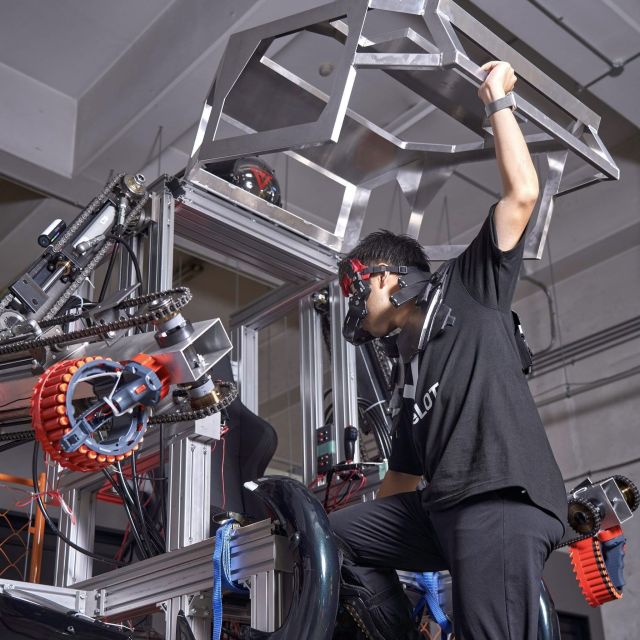
When it is time to pilot, you get the moment people travel for. The transition from VR to real hardware is a big emotional payoff, because you are now controlling something that exists in the room.
At this phase, you operate ASTRO, the robot prototype. Your movement is focused on the arms, and you shoot the blasters during the mission. You do not pilot a full locomotion mech, because the legs are removed in this lab setup, but you still feel the power of real-world actuation rather than a headset animation.
Staff members guide you through operation, and the robot is designed so the controls are straightforward. More than one person described the controls as easy to learn, and that matches the experience design: a real prototype does not try to turn your session into a complicated engineering exam. Instead, it gives you a limited set of actions you can actually perform well in the time you have.
The lab itself is small. That means you need to pay attention to where you put your hands, where you step, and what the robot and staff are doing around you. One practical tip that keeps your session smooth: look down and check your space before you move, so you do not bump equipment.
Hosts who make it click: Tomo, Atsu, and the friendly tech vibe
A huge part of why this experience scores so high is the human factor. The hosts are doing two jobs at once: keeping you safe and helping you succeed. Tomo is repeatedly mentioned as welcoming and excited about the activities, and Atsu also shows up as part of the supportive team.
You can feel that they build these systems with genuine pride. They explain how the VR and robot mechanics connect, and you get stories about robotics development, dreams, and what they are working on next. That matters because Tokyo has plenty of things that are “fun but disconnected.” Here, you end the session knowing what you did, why it worked, and what still needs improvement.
If you are a Gundam or robot fan, this attitude lands especially well. You get that manga/anime energy, but with enough practical explanation to make it feel like the future is already being tested in your hands.
Who should do this robot-piloting ticket, and who should skip it
This is a great match if you enjoy VR, robotics, sci-fi, or hands-on tech challenges. It is also a strong pick for families who want a memorable Tokyo activity that is more active than another shopping stop.
That said, the restrictions are real. The experience is not suitable for children under 11, pregnant women, people with mobility impairments, and people under 3 ft 6 in (110 cm). It is also not suitable for people over 220 lbs (100 kg). If any of those apply, it is better to choose a different robotics experience that fits your needs.
For kids who are old enough, it can be a win because you get multiple parts: VR shooting, programming, and robot control. Several people highlight how the session breaks into different experiences so kids do not get bored. If your child is sensitive to noise or quick action, you might still want to consider it, since VR shooting can be intense.
If you only want a quick photo moment, you might find the session too structured. This is for people who want to touch the tech and complete the mission steps.
Value check: is $32 worth it for a prototype robot experience?
At around $32 per person for a 50-minute session, value comes down to what you expect from the word pilot. You are not paying for a full mech battle fantasy. You are paying for access to something rare: a facility setup where human-piloted robot control is part of the visitor experience.
What makes the price feel fair is that you get more than one activity. Your ticket covers VR shooting games, a programming or robot launch control step, and the real robot piloting itself. Even the people who loved the robot phase often mention the VR and coding stages as equally fun and important for learning how control works.
Yes, your actual piloting time is about 10 minutes per person. In a group, it can be a bit less. But 10 minutes with a real prototype robot is not “small time” in the way a typical attraction can feel small. It is a concentrated, high-impact moment where you see your actions become physical movement and blaster shots.
If you love tech, you also leave feeling like you saw the early stages of the future, not just a polished product. That early-stage element is exactly why robotics fans come back and why you may want to return later to see what upgrades they add.
Tips to make your session smoother (and more fun)
Here is how you get the best result with minimal stress:
- Wear comfortable shoes. You are moving around a compact lab area, and you will likely stand and reposition for brief moments.
- Bring your passport or ID card. The staff will need it for check-in.
- Drink something beforehand if you tend to get thirsty on the move. The activity is active enough that you might want hydration.
- Arrive early and be on time. The time slot cannot be extended for late arrivals, and you do not want to cut into safety and briefing steps.
- Follow staff guidance in the robot area. The lab is tight, and it is easy to lose your bearings if you hurry.
- Plan for the insurance requirement. Overseas insurance in case of injury is required while safety measures are in place.
If you like photos and sci-fi aesthetics, you may also have an option to cosplay as space soldiers for pictures, depending on what your session offers. Even when costumes are not the point, having a chance to dress up can make the story feel even more fun.
Should you book this Tokyo Robot Piloting Attraction Ticket?
Book it if you want a Tokyo activity that mixes VR fun, coding-style learning, and a real robot control moment with a clear mission story. It is especially worth it for robot and sci-fi fans, people who like interactive tech, and families where kids are 11 or older and tall enough for the stated limits.
Skip it if you are expecting a full-body walking mech pilot experience, or if you know you need an accessibility-friendly setup that this specific lab environment cannot offer. Also skip if you cannot meet the overseas insurance requirement tied to safety measures.
If you fall in the first group, you are in for one of the most hands-on “future tech” experiences in Tokyo, and you will leave with the simple satisfaction of having actually steered a prototype robot yourself.
Fresh options around Tokyo
- Tokyo: Samurai History Walking Tour★ 5.0 · 12 reviews
- Tokyo: Nikko Kegon Falls Lake Chuzenji Toshogu Temple & More★ 4.9 · 12 reviews
- Harajuku: Kawaii Fashion and Pop-Culture Tour★ 4.7 · 12 reviews
- Tokyo: Mt. Fuji & Lake Kawaguchi Instagram Full Day Trip★ 4.1 · 12 reviews
- Shibuya Tokyo: Modern Kintsugi Workshop in Shibuya★ 5.0 · 12 reviews
- Tokyo: GTR Guided Daikoku Experience at Night★ 5.0 · 12 reviews
- Tokyo: Daikoku JDM Car Culture Tour★ 4.6 · 12 reviews
- Mt Fuji Private Day Trip from Tokyo with English speaking driver★ 5.0 · 13 reviews
Tickets, compared.


teamLab Planets TOKYO Digital Art Museum Entry Ticket
Read our review →


Japanese Dance Cabaret Theater Asakusa-Kaguwa Ticket
Read our review →