Reviewed · PRIVATE
Tokyo : Must-see attractions private tour
A city like Tokyo can feel too big. This private, customizable walking tour helps you pick what matters and move through it with a real plan. You’ll get context for major stops like Asakusa and Akihabara, plus practical guidance for what to do next, not just what to look at.
What I like most is the personal pace. In the same 2 to 8 hours, you can slow down for photos or shops, and your guide can shape the day around your interests rather than forcing a rigid checklist.
One thing to consider: you might not see every headline attraction in one sitting, because the route is designed around your choices. If you want a lot of stops, be clear up front so your guide can build the most efficient walk-and-transit path.
Key things to know before you go

- Hotel meet-up and pickup options: the guide meets you at your hotel, keeping the start low-stress
- Private group, not a crowd: you get conversation and questions, not just a headset
- Route is customizable: you choose the sights, then your guide helps stitch them into a workable day
- Walking plus public transport: you can cover more ground without racing the city
- Multi-language guides: English, French, Italian, Spanish, Japanese, Chinese, and Traditional Chinese
- Local etiquette and everyday tips: guidance on how people behave around trains and streets can make you feel confident fast
Why this private Tokyo walking format works

Tokyo rewards people who move with a little structure. A self-guided day is fun, but it’s easy to lose time figuring out where to go next, how to get there, and what details actually matter once you arrive. With a private guide, you get both planning and interpretation, so the sights make more sense as you see them.
This tour is built for choice. You aren’t locked into a single script, and the time window (2 to 8 hours) means you can shape the day around your energy level. Want a short orientation around classic highlights, or a longer route that connects several neighborhoods? This format fits.
And you also get something practical that many tours skip: a guide who can point you toward what to do after the tour. One review experience highlighted how the guide was open to questions and personal requests. That matters because Tokyo is full of excellent choices, and you’ll enjoy your trip more when you leave with a short list of good next steps.
A few more Tokyo days worth comparing
- Mt Fuji and Hakone 1-Day Bus Tour Return by Bullet Train
★ 5.0 · 26,383 reviews - 1-Day Tokyo Bus Tour
★ 5.0 · 14,250 reviews - Tokyo: TOKYO SKYTREE® Admission ticket
★ 4.5 · 11,192 reviews
The value: what $53 per person really buys in Tokyo
Price matters in Tokyo, and $53 per person for a private walking tour feels like it’s aiming at good value rather than a high-end, all-day production. The biggest “value” isn’t just access to a guide. It’s the time saved from guesswork and the money you don’t waste on tourist traps.
Here’s the practical angle: you pay for someone to help you pick. Your guide can suggest the best approach to places like Tsukiji Outer Market or Senso-ji, where timing and flow can change what you see. And once you’re walking in the right area, you’re more likely to choose shops and street food that fit your tastes.
The other value is efficiency. The tour includes walking and public transport as needed (except if you select one of the options that changes that). That means you can cover more ground in less time without burning your whole day inside stations, figuring out trains, and retrying directions.
Pickup at your hotel, then a day that fits your mood

Most Tokyo visitors start with a mental map: “I’ll go there, then there.” The hotel meet-up removes a chunk of that friction. Your guide meets you at your hotel, and pickup is optional depending on the option you select. That helps if you have luggage, jet lag, or just want to start calmly.
Once you’re together, the private setup lets you adjust on the fly. If you’re more interested in shopping and street scenes than temples, your route can reflect that. If you want fewer stops but more time at each place, your guide can slow down and prioritize.
Also, the tour is wheelchair accessible. So even if you use a mobility device, you’ll at least have a clear path to plan around.
Tsukiji Outer Market: seafood, snacks, and how to not get lost

Tsukiji Outer Market is one of those places where the best experience often comes from how you navigate it. With a guide, you can get direction through the busy lanes, understand the significance of what you’re seeing, and avoid wandering without a plan.
What you’ll likely enjoy here is the contrast between sights and taste. A guide can point out what’s worth trying as street food, and how the market’s seafood culture connects to Tokyo’s food habits. Even if you only eat a few things, you’ll leave knowing what you just experienced and why it matters.
Potential drawback: market energy can be intense. If you’re the type who gets overwhelmed easily, tell your guide early. A private guide can route you through the parts that match your comfort level instead of pushing you into the busiest lines all at once.
Same corner of Japan, a different kind of day:
- Tokyo: teamLab Planets TOKYO Digital Art Museum Entry Ticket
★ 4.6 · 9,779 reviews - Mt Fuji & Hakone Cruise, Drum Show Bullet Train 1 Day from Tokyo
★ 4.0 · 7,413 reviews - Tokyo: Sumo Show Experience with Chicken Hot Pot and a Photo
★ 4.8 · 6,678 reviews - Tokyo: Shinjuku Food Tour (13 Dishes at 4 Local Eateries)
★ 5.0 · 6,603 reviews
Senso-ji Temple and Asakusa streets: classic Tokyo, at human speed
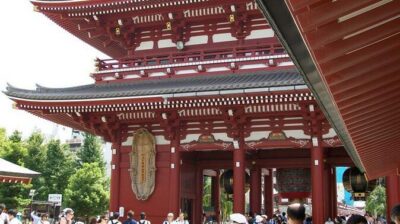
Senso-ji is Tokyo’s easiest temple to fall in love with. It’s also the type of place where a guide can upgrade your visit from sightseeing to understanding. In Asakusa, your guide can explain the temple’s background, show you through key areas like the Thunder Gate area, and help you participate in traditional rituals if you want to.
What makes Asakusa special is that it’s not just the temple. It’s the walking atmosphere around it, the old-school shops, and the sense that the neighborhood has its own rhythm. A guide can help you read the space quickly so you can enjoy the details without getting stuck in crowds.
One practical tip from an etiquette-focused review: learning what to do on public transport and in public spaces helps you blend in. Even if your Asakusa day doesn’t focus on etiquette directly, a guide’s shared norms can make you feel calmer when you’re moving through busy areas.
Meiji Shrine: the torii gate moment and why the setting feels different
Meiji Shrine offers a noticeable change in pace. You’re going from busy city streets to a forested feeling, and that contrast is part of the point. With a guide, you can get context for Shinto customs and what to look for around major features like the torii gate.
You’ll also benefit from having someone point out stories connected to the shrine and the surrounding area. Even if you’re not chasing facts, this kind of framing makes the walk feel meaningful rather than just scenic.
If you’re someone who enjoys photo stops, Meiji Shrine can also be a great reset. It’s a place where you might want a few minutes of quiet, and a guide can balance that against the rest of your schedule.
Akihabara: electronics and pop culture, plus the human layer

Akihabara isn’t only about gadgets. It’s about how Tokyo organizes culture through neighborhoods. A guide can help you navigate the variety of stores, explain the cultural significance behind what you’re seeing, and point out spots that feel like more than just a storefront.
Here’s where private tours shine. If you love anime and gaming, you’ll probably want time in the shop areas that match your tastes. If you’re more curious about technology and how the district works, you can focus there instead. Either way, the guide can help you find the parts that fit your vibe.
A review experience shared that one guide, Lucas, was friendly and provided a good tour structure. The note there was that the historical and cultural details were not as strong as you’d expect for a tour meant to help you understand Tokyo. That’s the one caution I’d take seriously: if you care a lot about context in Akihabara, speak up. Ask for more background and specific explanations, not only navigation.
Tokyo Skytree viewpoints: panoramic views with the right approach

Skytree is impressive in a very visible way. But a guide can still improve the visit by sharing facts about its significance and explaining what you’re looking at from the observation areas.
You’ll get better photos when you know the best viewing angles and how the surrounding city layout works. Your guide can also help you plan timing within your time window so you’re not stuck rushing at the end.
Since this tour is customizable, decide how high priority Skytree is for you. If you’re more of a neighborhood person, you might prefer spending the time elsewhere. But if views and landmark moments matter, Skytree can justify a longer duration.
Ginza: shopping, history, and knowing where to wander

Ginza is what Tokyo looks like when it’s polished. A guide can add value by explaining the history of the district and helping you find places that match your budget and style.
This is a good stop for people who want to combine a classic Tokyo landmark area with realistic shopping and dining choices. Instead of just window shopping, you can use your guide to suggest what to try and where the atmosphere feels right.
If you want souvenirs that aren’t generic, tell your guide what you like. You might get better results than just walking store to store aimlessly.
Odaiba: the artificial-island feel and photo-friendly planning
Odaiba has a “planned future” vibe, and it’s also a place where it helps to know viewpoints. A guide can explain the island’s history and point out what makes the architecture feel different from other parts of Tokyo.
For photos, this is one of those areas where small decisions matter. Your guide can help you locate better angles so you get the skyline look you want without wasting time.
In a customized tour, Odaiba is also flexible. If you want a more chill, scenic block of time, it can fit. If you want nonstop shopping and crowd energy instead, you might choose other neighborhoods.
Ueno Park: museums, seasonal beauty, and a calmer pace
Ueno Park gives you a breather from the most intense shopping streets. With a guide, you can understand the park’s cultural significance, choose which museums or attractions to prioritize, and navigate the big area without feeling lost.
During cherry blossom season, Ueno Park becomes especially popular. A guide can help you find the best spots for seasonal viewing, which is one of those details that’s hard to guess on your own.
If you’re trying to balance your day, Ueno Park can function like a “reset.” It’s a place where you can slow down, take a walk, and still feel like you’re seeing something important.
Roppongi Hills: art, shopping, and a modern Tokyo mood
Roppongi Hills leans modern. It’s a good match if you want a mix of shopping, entertainment, and art spaces. A guide can take you through the area and provide context for what’s happening there, including stops tied to the Mori Art Museum.
If you like Tokyo that feels more international and contemporary, this can work well. And because it’s privately guided, you can decide how much time you want to spend in galleries versus just enjoying the area.
How private pacing changes everything (and why guides’ styles matter)
One of the most revealing parts of the experience is how guides shape the day. In one review, Fernando was praised for strong knowledge of history and traditions at the places visited. The same review also pointed out something important: there weren’t many stops, and that was because the pacing allowed photos, shop time, and a relaxed rhythm. That’s a feature, not a failure, if you prefer quality over speed.
Another review praised Karl for explaining everyday Japanese habits and etiquette, including things like not talking on public transport and not eating street food while walking. That kind of guidance is small but powerful. It helps you avoid awkward moments and gives you confidence when you’re sharing space with locals.
Meanwhile, the Lucas note about needing more historical and cultural basics is a reminder to communicate. If you want deeper explanations at each stop, say so. A private guide can respond, especially when you share your expectations early.
Practical tips so you get more from every stop
Tokyo tours go best when you plan your own preferences clearly. Before you start, tell your guide:
- Which neighborhoods you love most (food, shopping, tech, temples, art, views)
- How you feel about walking distance in one go
- Whether you want a photo-heavy day or a conversation-heavy day
- Any must-do items, like a specific temple area, market experience, or observation deck
Also, bring a little flexibility. A private walking tour is strongest when you let the guide adjust. If you want to stop for snacks at Tsukiji, or linger longer in Asakusa streets, that’s exactly the kind of flexibility the format supports.
Finally, be ready to ask questions. The tour is designed for you to learn and not just follow. Even if you only remember a few cultural points, they can make the whole day feel smoother.
How long should you book: 2 hours or 8 hours?
The duration range matters because Tokyo has different “best versions” of itself depending on time.
- 2 to 3 hours works if you want one or two priority stops plus a clean walking and transit flow. Great for a first day when you’re still getting your bearings.
- 4 to 6 hours is a sweet spot for mixing a classic sight with a neighborhood experience, like Asakusa plus another district.
- 8 hours makes sense if you want landmark moments plus multiple neighborhoods, like a blend of market, temple area, shopping district, and a view stop.
If you choose a longer option, agree with your guide on how you want the day to feel: relaxed, balanced, or fast. Private time can still be wasted if you don’t define the tempo.
Should you book this Tokyo private tour?
Book it if you want a day that feels like Tokyo, not like a race. The private and customizable format is ideal for people who value context, hate crowds, or want a guide to help them choose the right next steps. The hotel meet-up and walking-plus-transit plan also make it easier to fit into a real itinerary.
Skip or adjust expectations if your goal is to tick off every major attraction in one go. Since the route is shaped around your interests, you’ll see less if you insist on doing everything. If you do want lots of stops, be upfront so your guide can design an efficient route.
If you care about cultural explanations as much as photos, ask your guide to share history and everyday etiquette as you walk. Based on guide style differences like Lucas and Karl, you’ll get the best results when you request the kind of context you want.
FAQ
What is the duration of the Tokyo private tour?
The tour duration ranges from 2 to 8 hours, depending on the option you choose and your selected starting time.
How much does the tour cost?
The price is listed as $53 per person.
Is this tour private?
Yes. It is a private group tour.
Where will the guide meet me?
The guide will meet you up at your hotel. Pickup is optional depending on the selected option.
Can I customize what I see?
Yes. The tour can be customized, and your guide can help plan a route around the attractions you want to see.
Which languages are available for the live guide?
The live tour guide is available in English, French, Italian, Spanish, Japanese, Chinese, and Traditional Chinese.
Does the tour include walking and transportation?
It includes a walking tour and public transport, except if you select one of the options that changes this.
Is the tour wheelchair accessible?
Yes, the tour is listed as wheelchair accessible.
Is free cancellation available?
Yes. You can cancel up to 24 hours in advance for a full refund.
Can I reserve now and pay later?
Yes. The offer includes reserve now and pay later, so you can book without paying today.
Fresh options around Tokyo
- Tokyo: Nikko Kegon Falls Lake Chuzenji Toshogu Temple & More★ 4.9 · 12 reviews
- Tokyo: Samurai History Walking Tour★ 5.0 · 12 reviews
- Harajuku: Kawaii Fashion and Pop-Culture Tour★ 4.7 · 12 reviews
- Tokyo: Mt. Fuji & Lake Kawaguchi Instagram Full Day Trip★ 4.1 · 12 reviews
- Shibuya Tokyo: Modern Kintsugi Workshop in Shibuya★ 5.0 · 12 reviews
- Tokyo: GTR Guided Daikoku Experience at Night★ 5.0 · 12 reviews
- Tokyo: Daikoku JDM Car Culture Tour★ 4.6 · 12 reviews
- Mt Fuji Private Day Trip from Tokyo with English speaking driver★ 5.0 · 13 reviews
Private, compared.
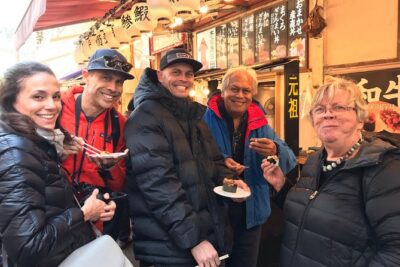
Tokyo 6hr Private Tour with Government-Licensed Guide
Read our review →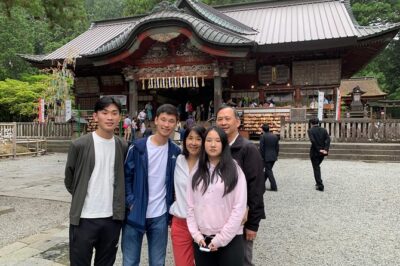
Private Tour to Mt. Fuji and Hakone (Fully Licenced Operator)
Read our review →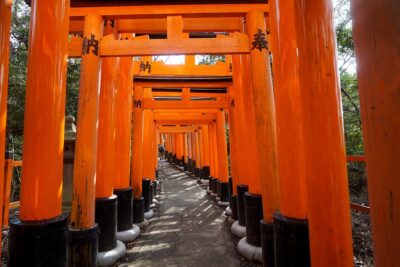
Fushimi Inari Hidden Hiking Tour (Private Option Available)
Read our review →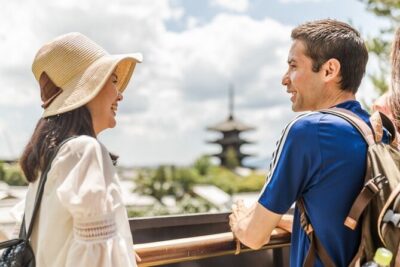
Private Kyoto Tour with a Local, Highlights & Hidden Gems, Personalised
Read our review →
Tokyo Customized Private Tour (Must See Places in 1 Day)
Read our review →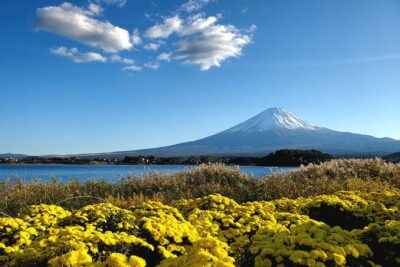
Mount Fuji Full-Day Private Tour from Tokyo (Customizable)
Read our review →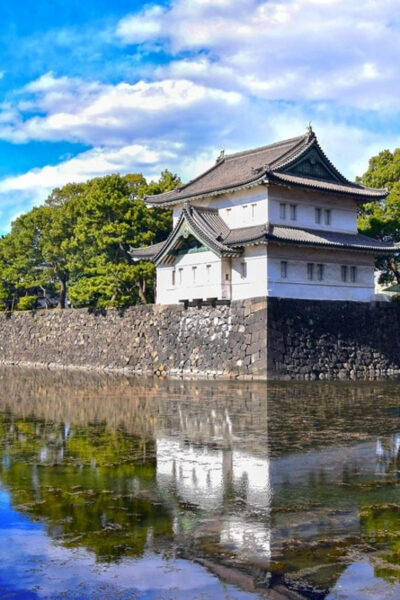
Private City Highlights Tour with Local Guide
Read our review →