
Reviewed · 1-DAY TOURS
Tokyo Customized Private Tour (Must See Places in 1 Day)
One day in Tokyo, tailor-made, works. A professional local guide builds your route around your interests, so you can hit major sights like Senso-ji and still keep control of pacing.
I especially like two things: the itinerary is truly customizable, and you get unlimited edited photos to bring home. One thing to consider: the stops are short (often about 15 minutes), so you may want to tell your guide what to slow down on early.
This tour is a great first-Tokyo move because the guide handles the who-goes-where part. I also like that the guides help you use public transport, which makes the rest of your trip easier. Still, food and drinks are not included, and Hamarikyu Gardens lists admission as not included, so budget for those add-ons.
Key highlights you’ll feel right away
- Private and on-demand pacing: You choose what matters most, and you can extend or trim time at each stop.
- Local guidance across Tokyo’s transit: Guides help you navigate trains so you’re not stuck figuring things out later.
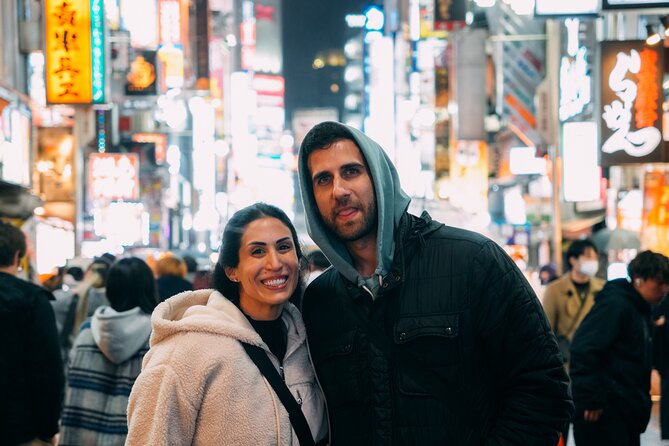
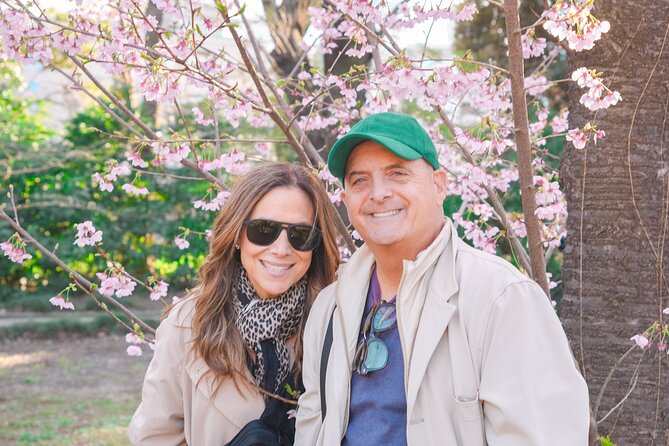
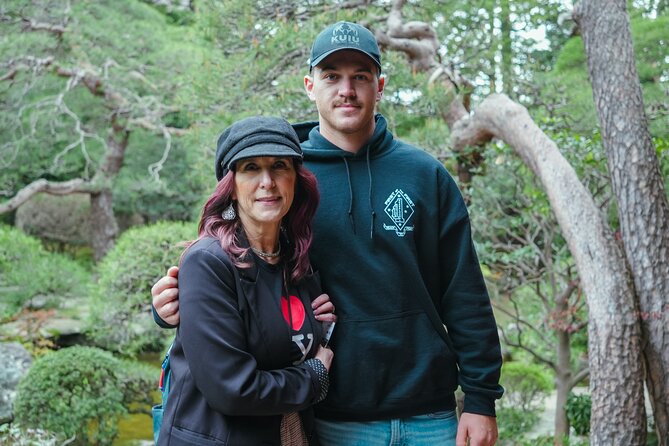
- Photos included: Unlimited edited photos mean you spend less time behind your camera.
- A mix of old and new Tokyo: Temples and shrines sit right next to anime, shopping, and skyline views.
- Guides who respond to real needs: I saw examples like Akari working around celiac needs and keeping everyone comfortable.
How the customization actually plays out in a 1-day plan
Tokyo can feel like a video game where the map won’t load. This is why I like a private, customizable day: you’re not stuck following a rigid checklist. Instead, your guide shapes the route to match your energy level and interests, then you move on foot and by public transport when you want convenience.
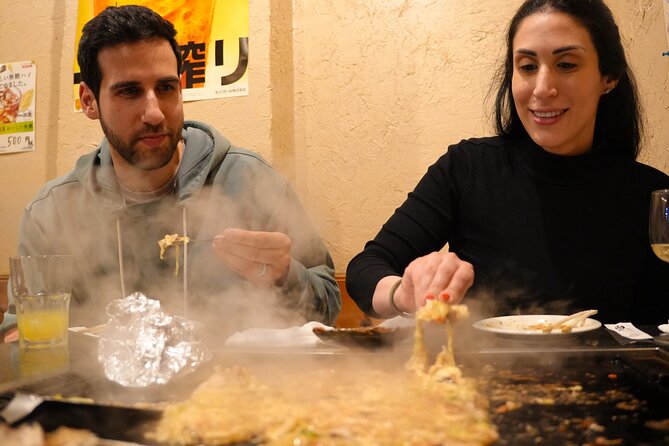
In real examples, guides like Akari and Kentaro discussed priorities up front, then shaped the day around them. Keito also adapted the plan to dietary needs so the group still got the fun stuff, like ramen, without stress. That matters because Tokyo’s neighborhoods are so different from each other. One day can cover both the calm of a shrine walk and the neon rush of modern districts, as long as someone else manages the sequencing.
The pace is flexible, but it’s still a one-day plan. Many listed stops are about 15 minutes, so your guide may use those mini-stops to orient you, explain what you’re seeing, and point out details you’d likely miss on your own.
A few more Tokyo days worth comparing
- Mt Fuji and Hakone 1-Day Bus Tour Return by Bullet Train
★ 5.0 · 26,383 reviews - 1-Day Tokyo Bus Tour
★ 5.0 · 14,250 reviews - Tokyo: TOKYO SKYTREE® Admission ticket
★ 4.5 · 11,192 reviews
Price and value: what $145.91 buys you (and what it doesn’t)
At $145.91 per person, this is not a “cheap group tour” price. You’re paying for private guide time plus the freedom to steer your own itinerary. When you add in unlimited edited photos, that value goes up fast, because you can go light on photographing and heavy on actually enjoying the day.
Here’s what you should expect to cover yourself:
- Food and drinks (for you and the guide)
- Transportation fee (for you and the guide)
Also, a few items can affect total cost depending on your route. Hamarikyu Gardens lists admission as not included. Other stops in the schedule list admission as free, which is a big help for budgeting, but it’s worth confirming the final plan once you personalize it.
If you’re traveling with a family, or you want a stress-free first day with train help, this price can start to look like a bargain. One review story even described 12 miles of walking over about 10 hours, with the guide helping across multiple train stations. When you consider how exhausting it is to do that without local support, the value makes sense.
The guide factor: how names like Akari, LAX, and Yosuke change the day
A tour can be “good on paper.” This one is good because of the people leading it. The standout pattern across the feedback is that guides are engaged, answer questions, and adjust the plan without making you feel difficult.
Examples that stood out to me:
- Akari: helped people learn the train system and even worked around celiac needs so the group could eat safely and enjoy the meal.
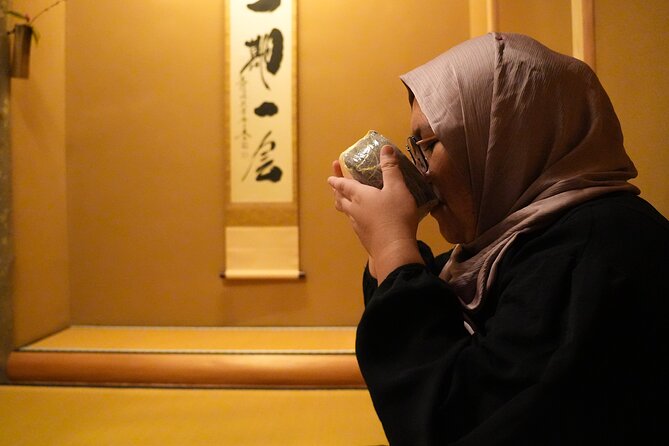
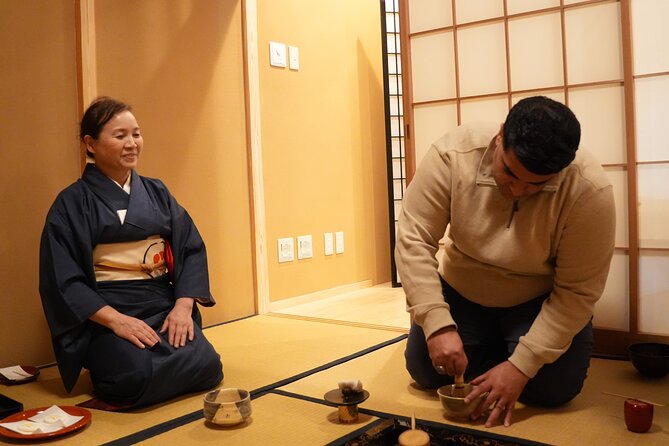
- LAX: described as excellent for first-time Tokyo, with clear explanations and a friendly, energetic pace. One person asked for an extra tea experience mid-day, and the guide added it on request.
- Yosuke: described as starting the connection before the tour, explaining transit, and making a solo traveler feel supported enough to ride trains on their own the next day.
- Atsu and Kentaro: praised for personality and flexibility, including adapting routes to what the group wanted to see.
You won’t always find that level of “real hosting” on typical group tours. Here, you’re basically hiring a Tokyo friend with a plan.
Senso-ji and Asakusa: start with classic Tokyo street energy
Your day often begins in the most recognizable old-Tokyo zone: the temple area around Senso-ji and then Asakusa nearby. This is a strong opener because it gives you instant contrast. In minutes you go from modern cities to centuries-old ritual spaces and traditional streets.
Senso-ji itself is famous for its scale and atmosphere. Even if you’ve seen photos, it lands differently in person, partly because there’s always movement around you. The guide is useful here because they can point out what to notice, like how the space is laid out and what the temple experience feels like in practice.
Asakusa adds the traditional shopping-town feel right after. This is where you can slow down and browse, but because the schedule lists short stop times, you’ll want to say early what you care about most: souvenirs, temple viewpoints, or simply walking the streets and soaking up the vibe.
Practical note: if you want more time for photos or shopping, tell your guide before the group moves on. The whole day runs smoother when you advocate early.
Same corner of Japan, a different kind of day:
- Tokyo: teamLab Planets TOKYO Digital Art Museum Entry Ticket
★ 4.6 · 9,779 reviews - Mt Fuji & Hakone Cruise, Drum Show Bullet Train 1 Day from Tokyo
★ 4.0 · 7,413 reviews - Tokyo: Sumo Show Experience with Chicken Hot Pot and a Photo
★ 4.8 · 6,678 reviews - Tokyo: Shinjuku Food Tour (13 Dishes at 4 Local Eateries)
★ 5.0 · 6,603 reviews
Akihabara, Tsukiji outer market, and Shibuya: fast switches, smart routing
After the old-school start, Tokyo shifts gears quickly. Akihabara brings you into tech and pop culture Tokyo, the place for electronics, anime, manga, and video games. It’s a great stop if you like browsing and you want something to “do,” not just look. With a guide, you can also get guidance on where to spend time based on your interests, rather than wandering in circles.
From there you move toward Tsukiji’s outer market area. Tsukiji is known for fresh seafood and Japanese food culture, and while the old wholesale fish market story changed in recent years, the outer market area remains popular for eating and walking. This stop is ideal if you want a food-focused moment without committing to a long sit-down plan.
Then come the big modern icons: Shibuya Crossing. This is the “Tokyo in one photo” stop. The guide helps you time viewing from a good angle and explains what’s happening in the crowd. You also get a sense of why Shibuya is more than a landmark. It’s a whole lifestyle district.
One possible drawback here: it can get intense. You go from crowds to crowds. That’s why the customization matters. If you’re photos-and-quiet oriented, ask for a slower route through Shibuya. If you love motion and people-watching, lean into it.
Meiji Jingu: a breather in the middle of the city
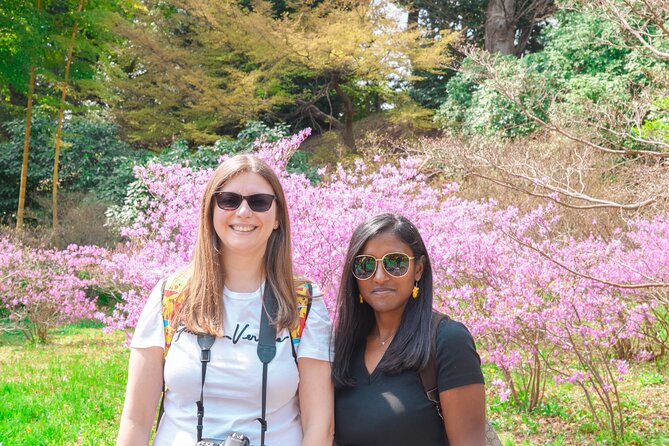
After the neon and food energy, Meiji Jingu gives you a reset. This shrine, dedicated to Emperor Meiji and Empress Shōken, is one of the most popular shrine visits in Tokyo, and it works especially well mid-day because the area feels calmer.
This is also a stop where a good guide changes the experience. You’re not only walking through a beautiful space, you’re learning how to read the atmosphere. You’ll get context on the shrine’s meaning and what you’re seeing, which makes it feel less like a photo stop and more like a real visit.
If your day includes shopping-heavy neighborhoods like Akihabara, Meiji Jingu is the “slow down” counterweight. It also helps you pace your day so you don’t burn out before the evening districts.
Ginza and the Imperial Palace: shopping and history, with room to tailor
Two other optional or route-able stops can add variety depending on your vibe: Ginza and the Imperial Palace area.
Ginza is one of Tokyo’s biggest shopping zones. If you want to shop, people-watch, or just enjoy a cleaner, upscale streetscape, this can be a good use of time. If shopping isn’t your thing, you can shorten it or swap it out.
The Imperial Palace stop includes the east gardens. Even with limited time, it can be a nice break from street crowds. This is the kind of stop that feels better when you understand what you’re looking at. A guide can explain what the grounds mean and what parts are worth focusing on.
Timing tip: if you like gardens, pair the Imperial Palace with later park stops. If you prefer urban energy, you might shift your garden time earlier or later based on crowd levels.
Skytree views: when you want Tokyo up close, not sideways
Tokyo Skytree is the big vertical Tokyo moment. It’s a broadcasting, restaurant, and observation tower, and it’s listed as Japan’s tallest structure. If you want a skyline view that gives you the city’s scale, this is the place.
This stop works best when you keep your expectations practical. A tower visit is mostly about the view and the photo opportunities. So if your goal is cultural depth, treat Skytree as a highlight, not the whole point of your day.
The schedule lists Skytree with admission noted as free in the provided stop list, which helps budget. Still, observation areas often have their own ticketing logic in many cities, so it’s smart to ask your guide what’s included in the final chosen experience, especially if you’re building a tight budget.
Shinjuku Golden Gai and Ueno-koen: night culture and park life
Tokyo has a split personality, and Shinjuku is where it often shows. Shinjuku Golden Gai is a cluster known for small alleys and late-night bar culture. Even if you don’t plan to drink, it’s a fun area to walk because the street layout feels like a different Tokyo era. This stop can be a perfect “end cap” if your day runs toward evening.
Then there’s Uenokoen (Ueno Park). The schedule calls out cherry blossom season as a highlight, which tells you the park’s role in the day. It’s a calmer break, a place for walking and relaxing before you head back toward neighborhood energy.
If you’re traveling outside spring, don’t worry. Parks still work as a mental breather. The key is to use your guide’s time well. Ask where to walk for the best viewpoints and where crowds tend to gather.
Takeshita Street: youth fashion Tokyo in a short, high-energy burst
Takeshita Street is famously tied to youth fashion and pop culture. For many first-time visitors, it’s a “yes, I want to see that” stop, like Shibuya but with a different mood.
Because it’s listed as a short stop, it’s best used like a sampler. Walk in, absorb the scene, maybe browse a couple shops, then move on before it becomes exhausting. With a guide, you can also ask for recommendations on what’s worth checking out for your specific interests, instead of getting swept into impulse buying.
If your group includes kids or teens, this is also the kind of stop that keeps energy up. Several guides were praised for handling families well, including making the day engaging for younger travelers.
Hamarikyu Gardens and Shinjuku Gyoen: where you slow down for real
To balance the high-energy neighborhoods, the schedule includes two classic park-and-garden options: Hamarikyu Gardens and Shinjuku Gyoen National Garden.
Hamarikyu Gardens is a traditional Japanese garden in Minato. The key note in the provided details is that admission is not included. So plan for an extra cost if you choose it. I like this stop because it feels like a genuine pause, not just walking through green space. The guide can help you spot the viewpoints and explain what you’re seeing.
Shinjuku Gyoen National Garden is one of Tokyo’s largest and most popular parks. The schedule lists it as 30 minutes, which gives it slightly more time than many other stops. If you want a true sit-and-breathe moment, this is where you usually get it.
A practical way to use this: decide early whether your day should feel like Tokyo best-of, or Tokyo best-of plus real downtime. If you add both gardens, keep your non-stop shopping energy limited so you don’t end the day tired.
Real-world pace: learning trains, adapting on the fly, and not getting lost
One of the most repeated themes in the feedback is that guides help you handle Tokyo transit. People mention learning the train system, crossing multiple stations, and feeling confident to navigate afterward. That’s not just convenient. It changes how you travel the rest of the week.
If you’re the type who normally ends up on the wrong train platform, this tour can be a mental reset. Your guide acts like a living map with explanations you can use later.
Also, flexibility is part of the value. Kentaro and others were described as making deviations based on preferences. That’s important because Tokyo days rarely follow perfect schedules. You might want more time for a specific neighborhood, or you might decide a museum plan is too slow for your group.
Wear comfortable shoes. You’re walking. Then let your guide handle the route and the timing math.
Who this tour fits best
This tour is a strong match if you:
- Are a first-time visitor who wants major sights without doing math all day
- Want a mix of temples/shrines plus modern districts like Akihabara and Shibuya
- Prefer to set the pace yourself, instead of being herded
- Travel with dietary needs or kids, and want someone to help manage details (examples include celiac support with Akari)
It might not be the best fit if you:
- Want a low-cost experience and don’t need a guide to plan transit
- Only want one neighborhood and nothing else
- Prefer a self-guided day where you can drift without time boundaries
Should you book this private customized Tokyo day?
I’d book it if you want an efficient, human-powered introduction to Tokyo. The big reasons are private customization, unlimited edited photos, and guides who actively help you navigate, not just walk beside you. Names like Akari, LAX, Yosuke, Kentaro, Keito, and Atsu show up because the experience is built around personality and flexibility, not just checking boxes.
If you’re trying to decide between this and a cheaper group tour, think about what you’ll be doing later in the week. A guided day that teaches you transit and gives you clear “where to go next” ideas can save you time, energy, and missed neighborhoods.
FAQ
How long is the Tokyo Customized Private Tour?
The tour duration is approximately 2 to 8 hours, depending on your customized itinerary.
Is this tour private?
Yes. It is a private tour or activity, so only your group participates.
Do you offer hotel pickup?
Pickup is offered, and there is also an optional meet-up at your accommodation.
What’s included in the price?
The tour includes a private and personalized experience, a walking tour with public transport, unlimited edited photos, optional meet-up at your accommodation, and a private vehicle if you choose it.
Are the attraction tickets included?
Many listed stops show admission ticket free. Hamarikyu Gardens is specifically noted as admission ticket not included.
What is not included?
Food and drinks (for you and the guide) and transportation fees (for you and the guide) are not included.
Fresh options around Tokyo
- Tokyo: Nikko Kegon Falls Lake Chuzenji Toshogu Temple & More★ 4.9 · 12 reviews
- Tokyo: Samurai History Walking Tour★ 5.0 · 12 reviews
- Harajuku: Kawaii Fashion and Pop-Culture Tour★ 4.7 · 12 reviews
- Tokyo: Mt. Fuji & Lake Kawaguchi Instagram Full Day Trip★ 4.1 · 12 reviews
- Shibuya Tokyo: Modern Kintsugi Workshop in Shibuya★ 5.0 · 12 reviews
- Tokyo: GTR Guided Daikoku Experience at Night★ 5.0 · 12 reviews
- Tokyo: Daikoku JDM Car Culture Tour★ 4.6 · 12 reviews
- Mt Fuji Private Day Trip from Tokyo with English speaking driver★ 5.0 · 13 reviews
1-Day Tours, compared.
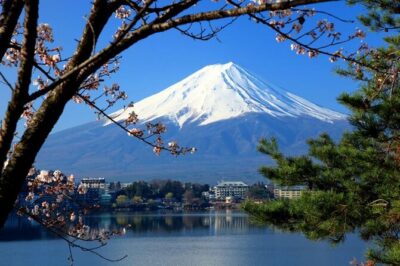
Mt Fuji and Hakone 1-Day Bus Tour Return by Bullet Train
Read our review →
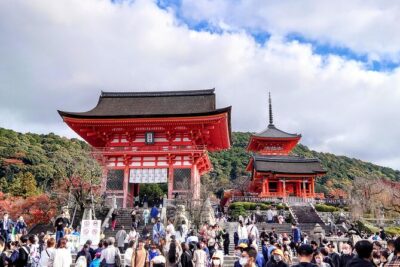
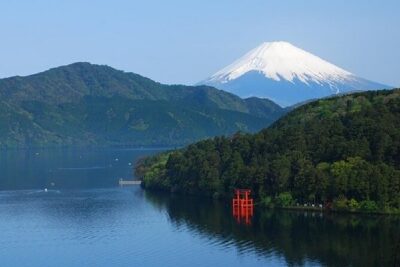
Mt Fuji & Hakone Cruise, Drum Show Bullet Train 1 Day from Tokyo
Read our review →
Peaceful Hiroshima & Miyajima UNESCO 1 Day Bus Tour
Read our review →
Fushimi Inari, Kinkakuji, Bamboo Grove 1 Day Bus Tour
Read our review →
Browse the lists this tour appears in