Reviewed · MORNING
Tokyo: Morning Sightseeing Bus Tour
Tokyo mornings hit different when you can skip the stress. This deluxe coach tour strings together Tokyo’s top sights in one smooth morning, with a live English guide and helpful audio headsets. I especially like the plan for big ticket stops, like Meiji Shrine and Asakusa, without wasting half the day on transit.
Two things I really appreciate are the focus on “see it, then enjoy it” pacing, and the way you get a hands-on matcha experience right where you want it, in Asakusa. The audio support in multiple languages also keeps everyone oriented, even when the bus is moving between neighborhoods.
One possible drawback to plan for: the tour ends in Asakusa and does not include hotel drop-off, so you’ll need to map your next move after Sensō-ji.
Key highlights at a glance
- Meiji Jingu Shrine gives you forest quiet in the middle of Tokyo
- Shrine-visit etiquette is included, so you know what to do without guessing
- Premium Uji matcha in Asakusa, with options like matcha gelato or matcha beer
- Coach route covers major zones fast, including Imperial Palace and Akihabara
- Free Wi-Fi plus an air-conditioned bus with antibacterial coating and ventilation
- End point at Sensō-ji, so you can keep exploring Asakusa on foot
A Tokyo Morning That Turns Key Stops Into One Plan
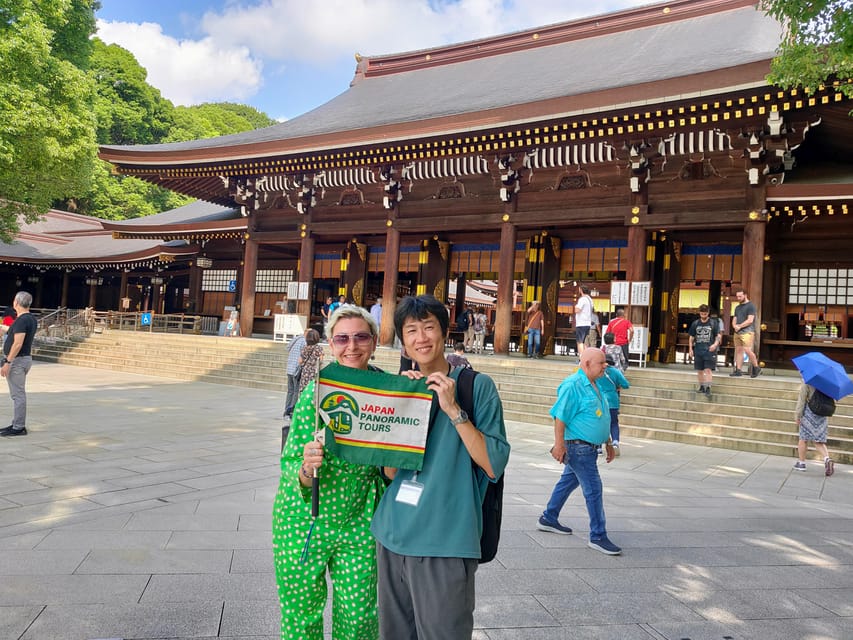
This is a smart choice if your Tokyo time is tight but you still want the iconic landmarks. You start at 8:00 a.m. from central Tokyo, then spend about 210 minutes moving through major areas with coach comfort and guided context.
Instead of hopping on and off every few minutes, the tour uses the bus to connect neighborhoods quickly. That matters in Tokyo, because traffic and crowding can chew up your morning fast. The guide commentary and multilingual audio keep the experience feeling organized, not like you’re just passing by places from a window.
The real payoff is you do the “must-see” classics early, then you land in Asakusa where you can linger. That end arrangement is practical. It also helps if you want photos without having to sprint back to wherever you started.
A few more Tokyo days worth comparing
- Mt Fuji and Hakone 1-Day Bus Tour Return by Bullet Train
★ 5.0 · 26,383 reviews - 1-Day Tokyo Bus Tour
★ 5.0 · 14,250 reviews - Tokyo: TOKYO SKYTREE® Admission ticket
★ 4.5 · 11,192 reviews
Where You Meet, and Where You End: The Most Important Logistics
You’ll meet at a starting point that depends on the option booked, with one listed meeting location at the Robert Indiana LOVE sculpture in Ginza (4-chōme-1-2 Ginza). The tour starts at 8:00 a.m. from central Tokyo, with Shinjuku also referenced as a starting area.
This is a morning tour, so you’ll want to be ready to roll early. If you’re staying outside central areas, it’s worth checking how you’ll get to the meeting point the night before, because hotel pickup is not included.
At the other end, the tour finishes at Sensō-ji in Asakusa. The important part: the tour does not provide extra drop-off service after that. In plain terms, you’ll be free to explore on foot from there, but you should plan the rest of your day around being in Asakusa.
Meiji Jingu Shrine: Forest Calm and Shrine Etiquette
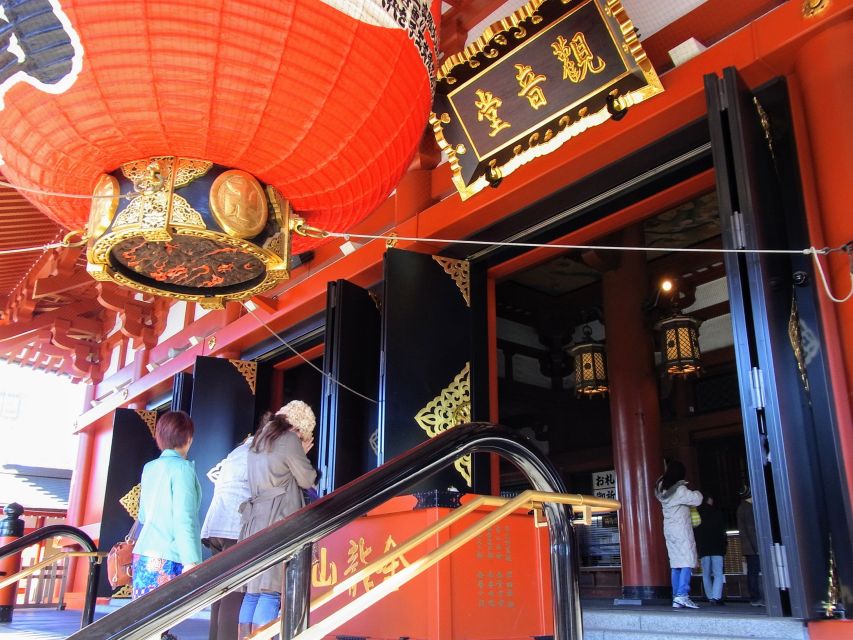
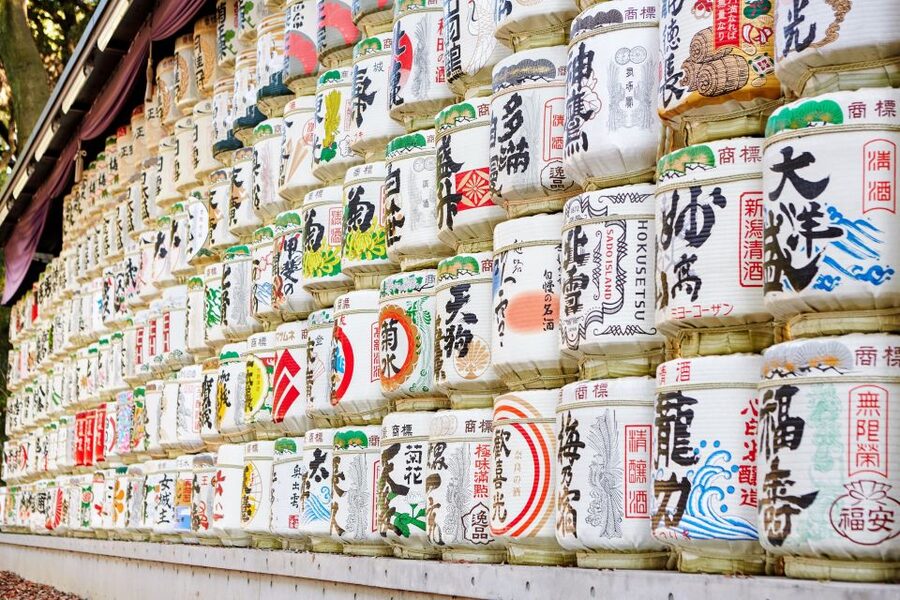
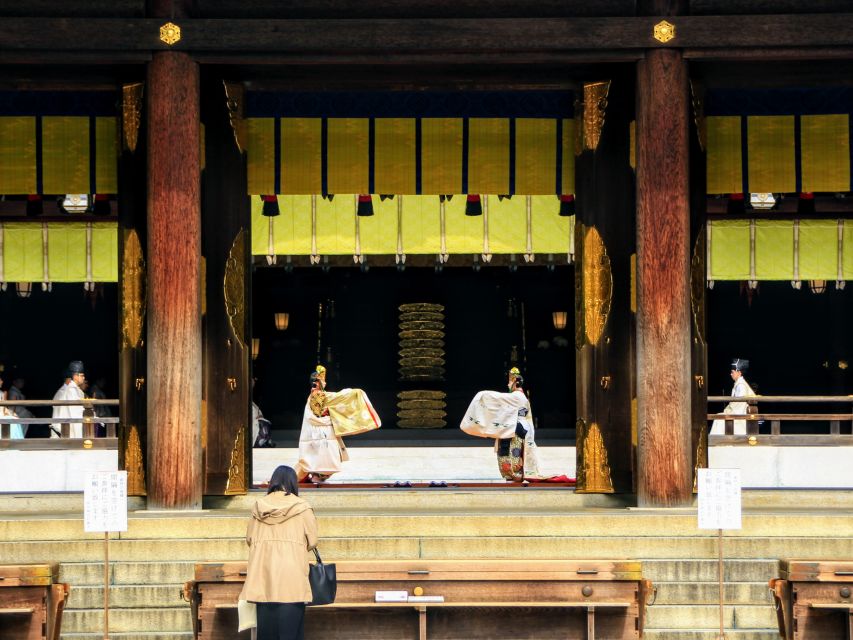
The first major stop is Meiji Jingu Shinto Shrine, one of Japan’s best-known shrines. The shrine dates to 1921 and sits inside a forest setting, which is exactly what you want early in the morning. You step into greenery and it feels like you’ve left the city behind.
More than just a photo stop, the tour includes learning the traditional way of visiting a Shinto shrine. That’s the kind of detail that makes a big difference in how comfortable you feel on-site. You’re not stuck wondering where to stand or what the proper flow is.
Practically, plan for some walking once you’re inside the shrine grounds. You’ll want comfortable shoes, because shrine areas can involve uneven paths and a bit of distance between key points.
If you like that “quiet break” before the city noise ramps up, this stop is one of the best reasons to do the tour early.
Shinjuku, Harajuku, Omotesando, and the National Diet Building Pass-By
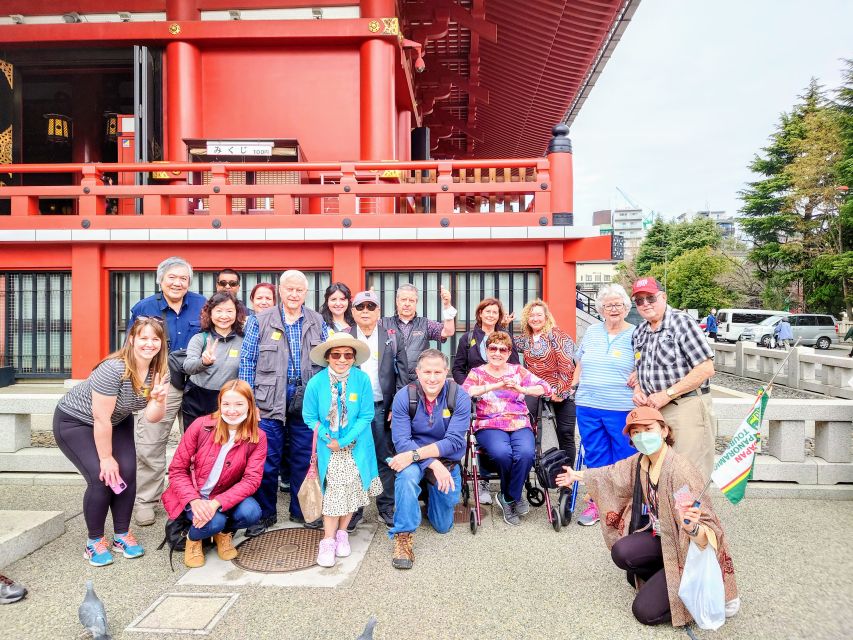
As the coach moves through Tokyo, you get the fast “big city scan” that you’d otherwise need multiple buses or trains to piece together. The route includes a pass by Kabukicho, part of the Shinjuku pub and nightlife area. Even if you’re not planning nightlife, it helps you understand the geography of Tokyo.
You also pass Takeshita Avenue, which is strongly associated with Harajuku and pop culture. From there, the tour leads you toward Omotesando, a more stylish shopping district, while also passing the National Diet Building with its symmetrical design built in 1936.
Here’s the value of these pass-by segments: they help you connect what you see later on foot. If you want to do independent exploring after the tour, you’ll recognize areas because you’ve already seen their position on the map.
The trade-off is that pass-by segments are mostly visual and not long enough for deep wandering. Still, for a morning tour, it’s a reasonable way to get context.
Same corner of Japan, a different kind of day:
- Tokyo: teamLab Planets TOKYO Digital Art Museum Entry Ticket
★ 4.6 · 9,779 reviews - Mt Fuji & Hakone Cruise, Drum Show Bullet Train 1 Day from Tokyo
★ 4.0 · 7,413 reviews - Tokyo: Sumo Show Experience with Chicken Hot Pot and a Photo
★ 4.8 · 6,678 reviews - Tokyo: Shinjuku Food Tour (13 Dishes at 4 Local Eateries)
★ 5.0 · 6,603 reviews
Imperial Palace Outer Grounds: A Photo Stop With a Purpose
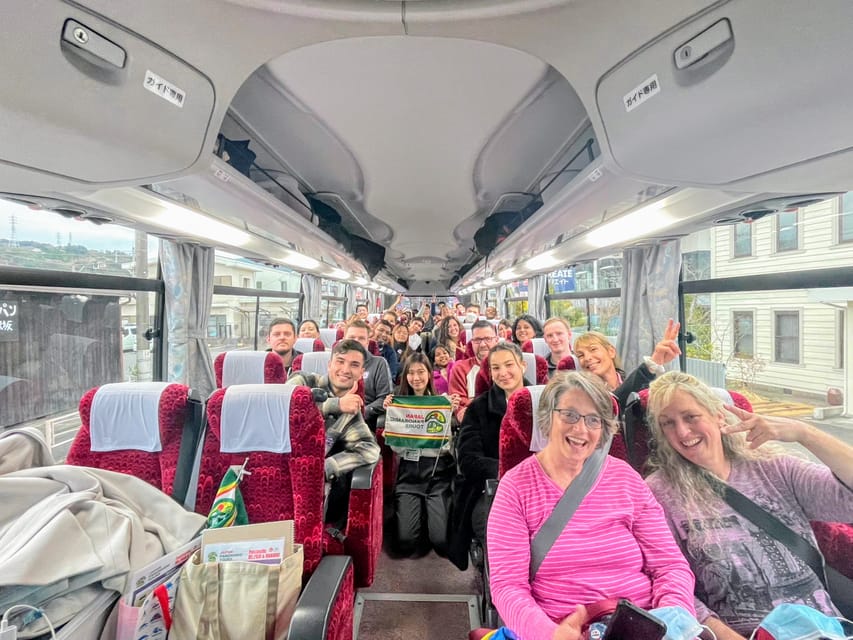
The coach stop at the Imperial Palace is designed for orientation and photos rather than a long museum-style visit. The tour visits either the East Garden (traditional Japanese gardens) or Nijū-bashi Bridge in the Outer Garden, depending on conditions.
Why this works: you get a taste of the imperial setting without committing hours. You also get the historical framing of the site, since it was once Edo Castle. That context helps the scene feel meaningful, not just scenic.
If your goal is portraits, plan for timing. The palace visit is a photo stop, so you’ll have limited time to take pictures and move along with the group.
Akihabara, Ueno, and Kappa-Bashi: Tokyo’s Specific Flavors
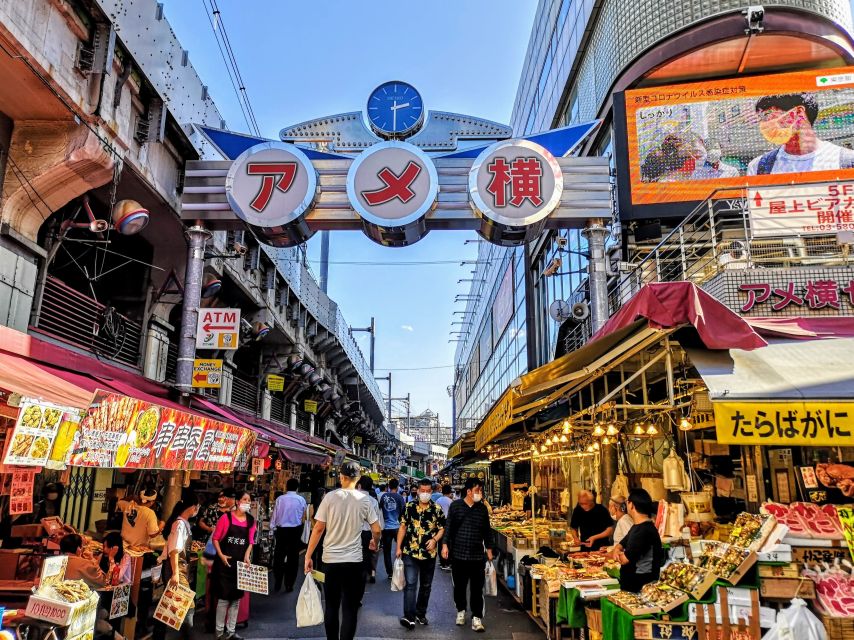
After the more formal sights, the route shifts to neighborhoods with a different personality.
The coach drives through Akihabara, famous for anime and what people often shorthand as otaku culture. It’s a quick pass, but it’s useful if you want to understand why the area is such a magnet for visitors.
Then you pass Ueno, known for being one of Japan’s oldest parks. Even if you don’t stop there on this tour, it’s another anchor point that makes Tokyo feel navigable.
Next comes Kappa-Bashi market street, a great visual stop for kitchen lovers. You’ll see lots of kitchen items, including very realistic-looking food replicas. This is one of those “only in Japan” details that you remember.
The caution here is simple: if you want to buy cookware or specialty items, you’ll likely need more time than a coach tour can provide. Use this moment to browse, not to shop like you’re planning a kitchen supply run.
Asakusa and Sensō-ji: The Moment the Morning Becomes Yours
This is the pay-off portion of the tour. You’ll explore Asakusa, one of Tokyo’s most famous sightseeing areas, and your tour ends at Sensō-ji.
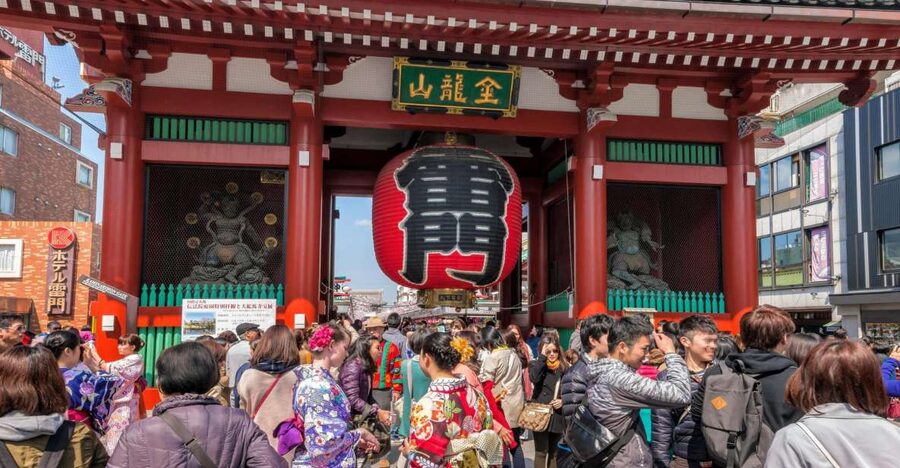
You’ll get time for shopping along Nakamise Avenue, and you should plan your photos around Kaminari-mon Gate, the iconic gate with the red lantern. It’s the type of landmark that photographs well from multiple angles, and it sets the tone for the rest of Asakusa.
What makes Asakusa especially good after a guided coach route is that it transitions you into slower travel. The morning is structured, then you’re left with a neighborhood that’s designed for wandering.
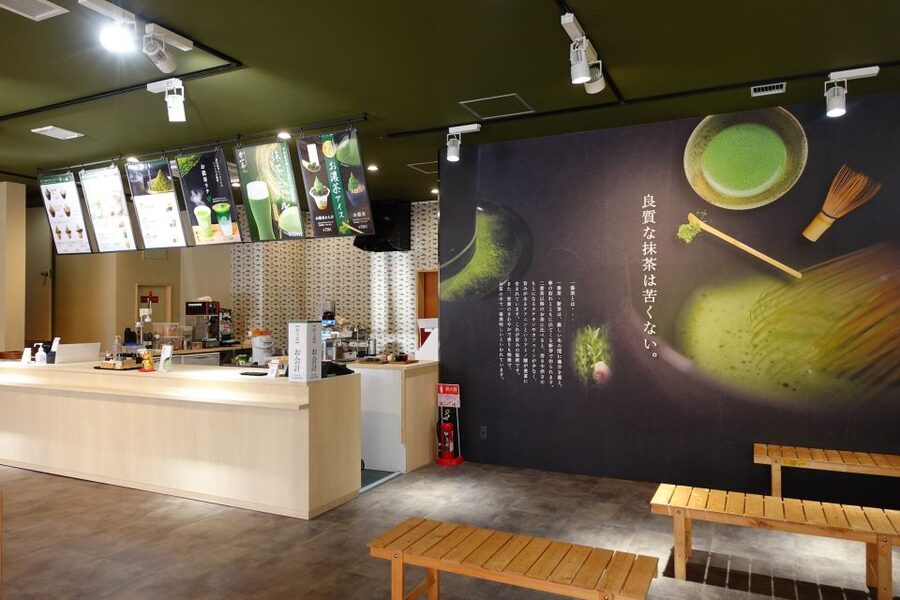
The matcha experience in Asakusa: premium and practical
The tour includes an authentic Uji matcha experience at a historical place in Asakusa. The matcha is described as Not Bitter Matcha Green Tea, labeled as Premium Matcha, made with Ichibancha (first flush) from Uji, Kyoto.
This is a smart pairing because matcha isn’t just a generic tea stop. It ties into a real cultural ritual, and it’s timed so you can enjoy it while you’re still in sightseeing mode.
You can also choose extras like sweet matcha gelato or matcha beer options during this segment. Since the tour includes matcha drink or gelato, it’s one of the few parts where the value is tangible, not theoretical.
One note to help you plan: the matcha store will be closed on May 14, and the tour says it will provide matcha souvenirs as a substitute. So if your trip is around that date, expect the experience to adjust.
How the Guide and Audio Setup Help You Actually Enjoy the Stops
The tour includes a professional English-speaking live guide. Past sessions have highlighted guides such as Aoi for clear explanations and an upbeat way of connecting each segment, and others like Angela and Taka for humor, helpfulness, and an organized flow.
Even with a live guide, the audio headsets matter because the bus rides are long enough that you can miss context if you’re tired. Audio headsets are available in multiple languages, including English, French, Italian, Spanish, German, Portuguese, and Ukrainian.
A practical detail: the bus has free Wi-Fi, is air-conditioned, and has antibacterial coating with regular ventilation. For a morning tour in summer heat or humid shoulder seasons, that comfort can be the difference between a fun day and a draining one.
If you’re someone who likes to ask questions, this is also a good fit. The guide is part of the experience, not just a background voice. And even if you’re shy, the audio keeps things moving.
Price and Value: Is $90 Worth It for a 3.5-Hour Morning Tour?
At $90 per person for about 210 minutes, the value is strongest if you want two things at once: coverage and built-in extras.
Coverage means you’re hitting major landmarks like Meiji Shrine, Imperial Palace, Asakusa, plus key neighborhoods via the coach route, without needing to plan transport across multiple train lines. You also get a real guide to add meaning, like shrine visiting etiquette and historical context.
Built-in extras matter here because matcha is included. You’re not paying extra on top for the tea experience, and Asakusa shopping is available as part of your free time after you land there.
What you’re not getting is a full-day itinerary. You’ll still want to schedule additional exploration later, since the tour ends in Asakusa and doesn’t include lunch.
So I’d call it good value for first-time Tokyo visitors with a morning gap. It’s also a smart choice if you’re returning to Asakusa anyway, because you start your Asakusa time with structure and a nice tea break.
What You Might Want to Do Differently Before or After
This is a morning tour, which means your energy matters. Bring comfortable shoes, since Asakusa and shrine areas require walking.
Also remember the tour includes pickup from Ginza, but not hotel pickup and drop-off. So you may need to travel to the meeting point yourself depending on where you’re staying.
Your biggest planning win is to treat Sensō-ji and Nakamise as your continuation zone. After the tour ends, you can keep walking and shopping without worrying about getting back on a bus.
One more practical thing that’s worth knowing: you handle luggage loading and unloading from the trunk yourself. If you’re using a stroller or wheelchair, you’ll still manage loading and unloading.
Who This Tour Fits Best
This morning sightseeing bus tour is a great match if you:
- Want iconic Tokyo landmarks without building a multi-line transit plan
- Like a mix of guided stops and then free time in Asakusa
- Enjoy cultural details, especially Shinto shrine etiquette and a structured matcha experience
- Prefer coach comfort, with Wi-Fi and climate control
If you already know Tokyo well and want deep neighborhood immersion, you might feel limited by the short stop times. But if you want a clean, efficient overview, this is the kind of tour that saves your energy for better, more personal wandering afterward.
Should You Book This Tokyo Morning Sightseeing Bus Tour?
Book it if you want a smooth start to Tokyo with Meiji Jingu and Asakusa anchored in your morning, plus an included Premium Uji matcha experience. The live English guide and multilingual audio support make it easier to enjoy what you see, not just collect landmarks.
Skip or rethink if you’re the type who wants lots of time shopping, or you need a lunch plan handled for you, because lunch and hotel drop-off are not included. Also, since the tour ends at Sensō-ji, you’ll want to be ready to continue on your own after the morning finishes.
If you’re deciding based on value, I’d focus on this: you pay $90 to compress a lot of Tokyo geography into a comfortable, guided morning, and you leave with Asakusa time that you can stretch into a real experience.
FAQ
How long is the Tokyo morning sightseeing bus tour?
The duration is 210 minutes, so it’s a focused half-morning experience with multiple major stops.
Where does the tour start and what time does it begin?
The tour starts at 8:00 a.m. from central Tokyo. The meeting point can vary depending on the option you book, including a listed Ginza option at the Robert Indiana LOVE sculpture.
Where does the tour end?
This morning tour ends in Asakusa at Sensō-ji. You do not receive extra drop-off service after the tour ends.
Is hotel pickup or drop-off included?
No. The tour includes pickup service from Ginza, but hotel pickup and drop-off are not included.
What language support do I get?
You’ll have a live tour guide in English. Audio headsets are included and available in multiple languages.
Which languages are available on the audio headsets?
Audio headsets are available in English, French, Italian, Spanish, German, Portuguese, and Ukrainian.
What matcha options are included?
The tour includes a matcha drink or matcha gelato. During the matcha experience, sweet matcha gelato and matcha beer options are mentioned.
Is Wi-Fi available on the bus?
Yes. The coach includes free Wi-Fi.
What should I bring, and is lunch included?
Bring comfortable shoes. Lunch is not included.
Fresh options around Tokyo
- Tokyo: Nikko Kegon Falls Lake Chuzenji Toshogu Temple & More★ 4.9 · 12 reviews
- Tokyo: Samurai History Walking Tour★ 5.0 · 12 reviews
- Harajuku: Kawaii Fashion and Pop-Culture Tour★ 4.7 · 12 reviews
- Tokyo: Mt. Fuji & Lake Kawaguchi Instagram Full Day Trip★ 4.1 · 12 reviews
- Shibuya Tokyo: Modern Kintsugi Workshop in Shibuya★ 5.0 · 12 reviews
- Tokyo: GTR Guided Daikoku Experience at Night★ 5.0 · 12 reviews
- Tokyo: Daikoku JDM Car Culture Tour★ 4.6 · 12 reviews
- Mt Fuji Private Day Trip from Tokyo with English speaking driver★ 5.0 · 13 reviews
Morning, compared.
Kyoto Early Morning Tour with English-Speaking Guide
Read our review →Early Morning Tour with English-Speaking Guide
Read our review →
World Heritage Shirakawa-go Morning Guided Tour
Read our review →
Nara Early Morning Tour (Kyoto or Osaka Departure Available)
Read our review →
Hiroshima in a Nutshell: Morning Bike Adventure
Read our review →