
Reviewed · COOKING CLASSES
Tokyo Cute Bento Cooking Class – Make a Kawaii Character Lunchbox
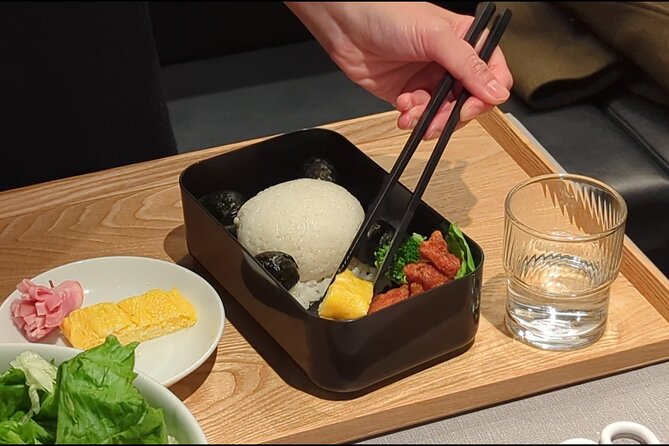
A panda lunch made of food art sounds fun, because it is. In Tokyo Cute Bento, I love how the class turns Japan’s bento tradition into a hands-on, kawaii character project you can actually eat, and I also like the structured coaching from instructors like Kenji, with clear steps and lots of photo moments. One catch to plan for: the workshop space is down on a basement level, so you’ll want to arrive early and confirm the exact entrance.
This is also the kind of class that fits both foodies and craft people. You get all ingredients and tools, you can handle it in English, and you leave with your own lunch box to keep. If you’re traveling with very small kids, the pace may feel more workshop-style than playground-style, so it’s worth thinking about attention span.
Key Highlights You Will Feel Immediately
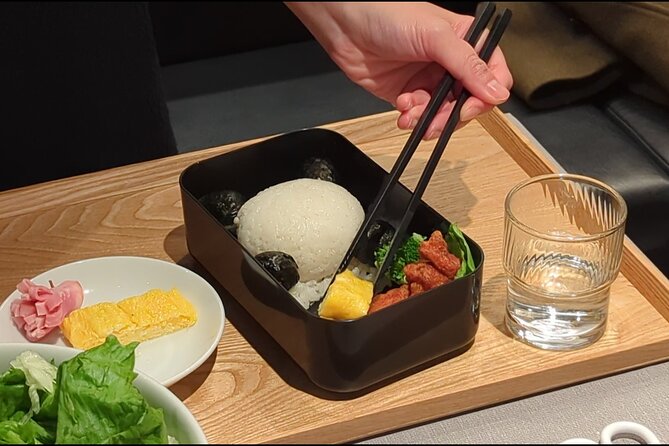
- Character bento making that’s designed for beginners with step-by-step guidance and pre-prepared sets
- English-friendly instruction with the whole workshop able to run in English
- Photo backdrops and instructor photos as you build and once your lunch is finished
- Dietary support, including vegetarian or vegan options and allergy notes like no nuts and no milk
- Small-group size with a maximum of 12 people for real help at the table
Kawaii Character Bento in Two Hours, and Why It Works

Tokyo Cute Bento is built around one simple idea: Japanese bento is not just lunch, it’s presentation plus practicality. In this class, you don’t just assemble random snacks. You design a themed “character” lunch box, so the food art has a goal. That makes the time feel productive, not like a long demo.
I like that you’re making something you can reuse as a concept later. Once you learn how to build faces, arrange shapes, and balance colors, you can recreate the same method for future meals. You also get to experience washoku as something playful, not stiff.
The class timing is another big reason it feels doable. Roughly 15 minutes for a bento intro sets the stage. Then you get 60 minutes of hands-on work. After that, you get a 15-minute photography window and a 30-minute meal. That flow matters because it prevents the common cooking-class problem where you either rush eating, or you spend too long preparing and then no one really wants to slow down.
More Cooking Classes in Tokyo
- Ramen & Gyoza Cooking Class in Tokyo with Local Supermarket Visit
★ 5.0 · 823 reviews - Tokyo: Easy Ramen Cooking Experience in Kabukicho, Shinjuku
★ 4.6 · 321 reviews - Ramen and Sushi Cooking Class with Sake Pairing Set in Tokyo
★ 5.0 · 291 reviews
Getting Oriented in Akasaka, Especially if You Hate Hunting Addresses
The meeting point is in Minato City, Akasaka, at Tokyo Cute Bento, Akasaka 2-chōme, and it’s marked as 地下1階, basement level 1. Multiple people noted it’s located one floor down under a ramen shop, which is both convenient and easy to miss if you arrive without reading the address twice.
Here’s how to make this part painless:
- Give yourself extra time. If you get stuck at street level, it throws off the first impression.
- Look for the basement entrance sign. The room is below street level.
- If you’re using maps, double-check you’re aiming for the correct building entrance, not just the ramen shop name nearby.
The upside of the location is that once you’re inside, the space is described as modern and set up for class comfort. And since it’s near public transportation, you won’t need a full day plan just to reach it.
Inside the Class: Intro, Hands-On Build, Photos, Then You Eat
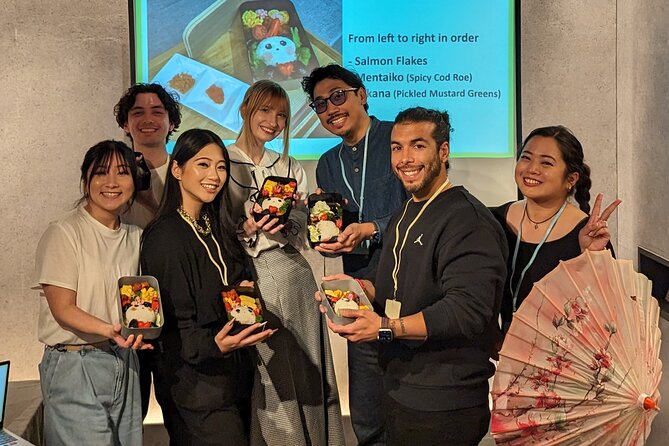
15 minutes: Bento culture without the textbook
The opening is short on purpose. Instead of drowning you in theory, it gives you the “why” behind what you’re making. You’ll get a sense of how bento became a beloved lunch format in Japan, and why people put effort into details like color contrast and character-like placement.
This is where you pick up the mindset shift. Bento looks cute, but it also has an organizing logic. That helps when you’re building your design, because you’re not guessing where everything goes.
Same corner of Japan, a different kind of day:
- Mt Fuji and Hakone 1-Day Bus Tour Return by Bullet Train
★ 5.0 · 26,383 reviews - 1-Day Tokyo Bus Tour
★ 5.0 · 14,250 reviews - Tokyo: TOKYO SKYTREE® Admission ticket
★ 4.5 · 11,192 reviews - Tokyo: teamLab Planets TOKYO Digital Art Museum Entry Ticket
★ 4.6 · 9,779 reviews
60 minutes: Build your kawaii character lunchbox
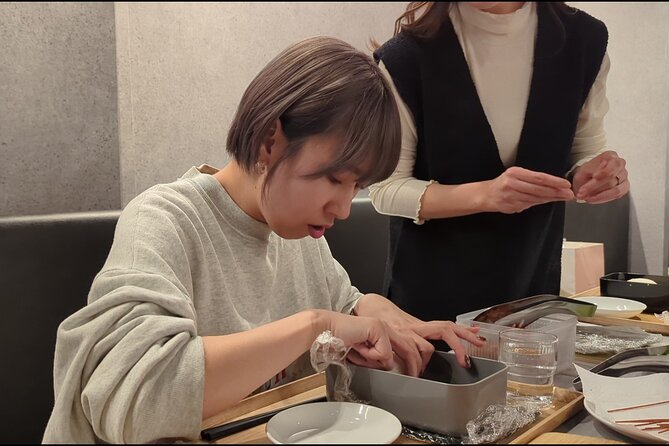
This is the main event. You’ll work with provided ingredients and tools, and the instructors guide you with clear steps and supportive pacing.
One thing that comes up repeatedly is how well the process is organized. Expect:
- Clear instructions you can follow even if it’s your first bento.
- Step-by-step help, sometimes supported by photos along the way.
- Pre-prepared sets for each participant, so you’re not waiting around while someone chops everything from scratch.
In my view, that setup is a big quality signal. It reduces stress and lets you focus on creativity, like shaping a panda face or arranging seasonal elements into a character theme.
Also, you can expect the hosts to be patient. People describe Kenji as taking his time and giving practical guidance when you’re unsure how to place an item or how to achieve a clean look.
15 minutes: The photography session, with actual backdrops
After your lunchbox is assembled, you don’t just snap a quick photo and rush off. You get a photography session, and it sounds like the team prepares background options, including setups with lights. In other words, your lunch art doesn’t have to compete with random hallway lighting.
Even better, some people mention the instructor helps take photos as you build and then takes photos of the finished product. That means you get a better “progress to final” set, not just one image at the end.
30 minutes: Enjoy your meal at a calm pace
You’ll eat what you made. That’s not always guaranteed in cooking classes, but here it is part of the design. You can savor it with the satisfaction that you created it with your own hands, and you’ll probably notice that the art you worried about is actually delicious once you get into it.
People also mention they ended up thinking the food prepared during the class was tasty, which matters because kawaii food can sometimes look more impressive than it tastes.
What You Actually Get to Customize (Dietary Needs That Are Taken Seriously)
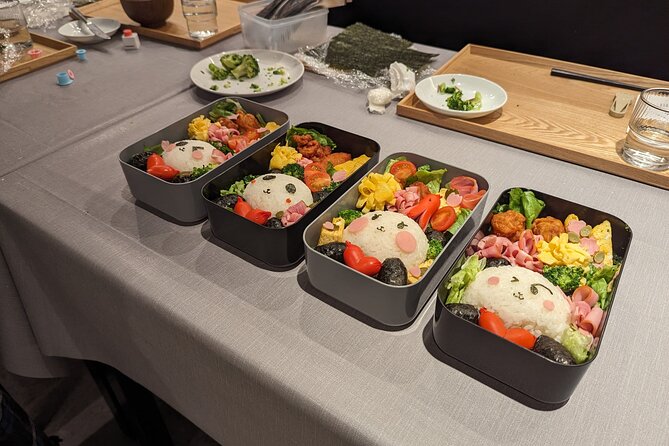
This workshop is built to be inclusive. They can adjust the menu for vegetarian and vegan options, and they accommodate allergies if you inform them at booking.
The specific allergy notes provided include no nuts and no milk. That’s important because it signals they’re thinking about more than taste. They’re thinking about safety.
If you have dietary needs, do this:
- Tell them during booking what applies to you.
- Mention any allergy categories clearly, especially if you’re avoiding nuts or milk.
- Don’t assume “Japanese food art” is automatically safe. It’s best to confirm.
In practice, the class is also described as being friendly toward people who needed accommodations, including people who felt safe and included despite restrictions. That tells me the instruction style likely focuses on making sure everyone can participate in the same overall activity.
Tools, Ingredients, and the Big Creative Shortcut
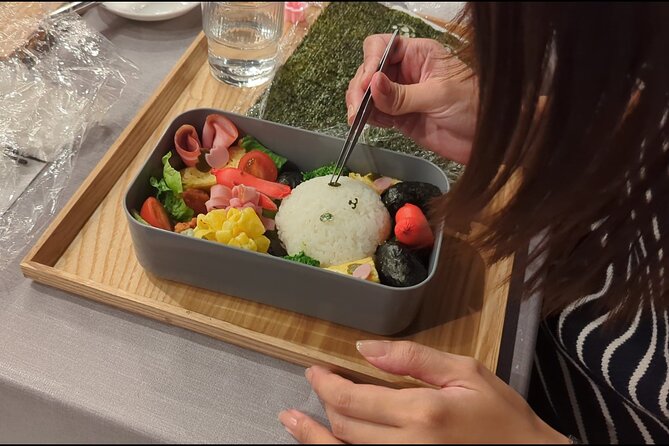
All ingredients and tools are provided. That’s a real value point because you don’t need to hunt down specialty items. You can come with just yourself and leave with both a lunchbox and the method.
The other major shortcut is that you’re taught how to assemble the kawaii look with practical placement rules. You aren’t only learning how to build one character. You’re learning techniques, like how to use shapes for faces and how to arrange items so the design reads clearly.
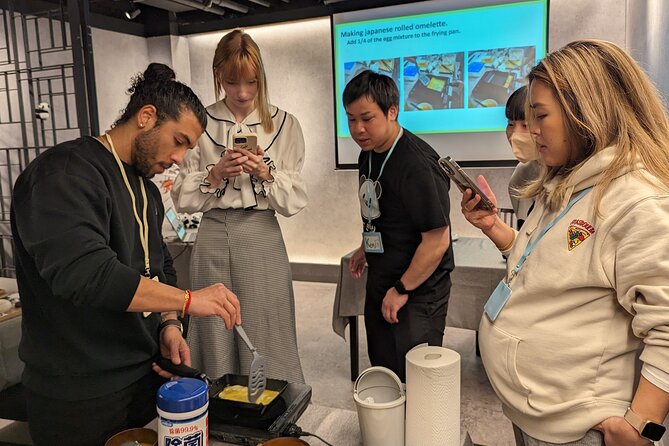
In several mentions, the class also includes extra food-art style instruction beyond the main lunchbox build. People talk about learning rolled omelets (like Japanese omelet styles) and flower-like presentations. Some also mention a short tour around the area if certain add-ons are available during the session.
Even if those extras aren’t the focus of every class, the takeaway is that the hosts treat the workshop like a skill-building experience, not a one-off craft.
Price and Value: Is $66.07 Fair for This Kind of Class?
At $66.07 per person for about two hours, this isn’t a cheap snack activity, but it also doesn’t feel inflated for what you get.
Here’s where the value comes from:
- You receive ingredients and tools, so you’re paying for materials plus instruction.
- You get a guided workshop with plenty of coaching time, which is hard to recreate on your own.
- You also get a photography session with backdrops, and the instructor helps capture progress and final shots.
- You take the finished bento home. That’s part of the experience, not an optional bonus.
If you’ve tried DIY bento before, you know how hard it is to get the look right without guidance. Most people don’t overpay for craft classes. They overpay for confusion. This class seems designed to reduce confusion fast through preparation, photos, and step-by-step organization.
So for me, the price makes sense if you want an experience that’s hands-on, guided, and photo-worthy, not just a cooking demonstration.
Who This Bento Class Is Best For (And Who Should Rethink It)
This is one of those rare activities that works for multiple trip styles.
You’ll especially like it if:
- You love Japanese food presentation and want something creative you can do at home later.
- You want a calmer, lower-stress activity, like on a rainy day.
- You’re traveling with family or teenagers who like making things with their hands.
- You’re a beginner. The class is described as beginner-friendly with an approach that makes the process easy to follow.
It’s also a good solo option. The group size is small, and people mention it can feel intimate, with the team ready to help.
You might reconsider if:
- You need a fully private, one-on-one class. The maximum group size is 12, which is small, but it’s still a group.
- You’re traveling with very small children who may struggle with a workshop pace and attention span. One comment specifically suggested it’s not for small kids, so plan with that in mind.
The Hidden Gem: Bento Skills That Keep Paying Off

The best part of this kind of class isn’t the one lunch you eat in Tokyo. It’s the technique you can reuse.
After a character bento class, you usually end up thinking differently about lunch:
- You look at shapes, colors, and placement instead of only ingredients.
- You start planning a design first, then building around it.
- You realize many “cute” elements are simple arrangements, not complicated cooking.
That’s why people keep mentioning how they can’t wait to try it at home. You’re not just buying a souvenir. You’re bringing back a repeatable skill.
And if you’re the kind of person who likes art, the photo backdrops turn your finished lunch into a little portfolio piece.
Should You Book Tokyo Cute Bento?
I’d book this class if you want a hands-on Tokyo experience that mixes food, art, and a bit of culture without requiring language skills. It’s a strong fit for rainy-day plans, for travelers who want something different from temple walks, and for anyone who gets excited by making something cute and actually eating it.
Before you book, do two quick checks:
- Read the location carefully. Basement level workshops are easy to miss. Arriving early is smart.
- If you have allergies or specific dietary needs, message the team at booking so they can adjust the menu appropriately.
If that sounds like you, Tokyo Cute Bento is the kind of activity that makes your trip feel personal, not generic.
FAQ
How long is the Tokyo Cute Bento cooking class?
The class lasts about 2 hours.
What is included in the class price?
Ingredients and tools are provided, you make your own character bento, you get a photography session, and you eat your meal.
Is the class available in English?
Yes, the workshop can be conducted entirely in English.
Can the menu be adjusted for dietary preferences or allergies?
Yes. Vegetarian and vegan options are available, and allergies can be accommodated. You should inform the team at booking. The notes provided include no nuts and no milk.
Where do I meet for the class?
You meet at Tokyo Cute Bento, Akasaka 2-chōme, Minato City, Tokyo, at the basement level (地下1階).
What is the maximum group size?
The experience has a maximum of 12 travelers.
Will I take my bento home?
Yes. Your creation is yours to take home.
Is there a photography session?
Yes. The schedule includes a photography session after the hands-on making part.
What is the cancellation policy?
You can cancel for free up to 24 hours in advance for a full refund. Canceling less than 24 hours before the start time does not get refunded. Cut-off times are based on local time.
Fresh options around Tokyo
- Tokyo: Nikko Kegon Falls Lake Chuzenji Toshogu Temple & More★ 4.9 · 12 reviews
- Tokyo: Samurai History Walking Tour★ 5.0 · 12 reviews
- Harajuku: Kawaii Fashion and Pop-Culture Tour★ 4.7 · 12 reviews
- Tokyo: Mt. Fuji & Lake Kawaguchi Instagram Full Day Trip★ 4.1 · 12 reviews
- Shibuya Tokyo: Modern Kintsugi Workshop in Shibuya★ 5.0 · 12 reviews
- Tokyo: GTR Guided Daikoku Experience at Night★ 5.0 · 12 reviews
- Tokyo: Daikoku JDM Car Culture Tour★ 4.6 · 12 reviews
- Mt Fuji Private Day Trip from Tokyo with English speaking driver★ 5.0 · 13 reviews
Cooking Classes, compared.
Ramen Cooking Class at Ramen Factory in Kyoto
Read our review →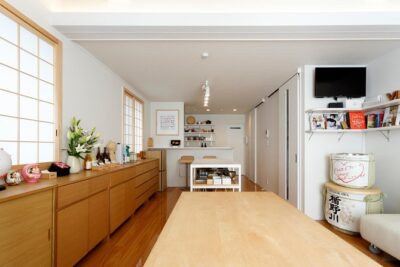
Ramen & Gyoza Cooking Class in Tokyo with Local Supermarket Visit
Read our review →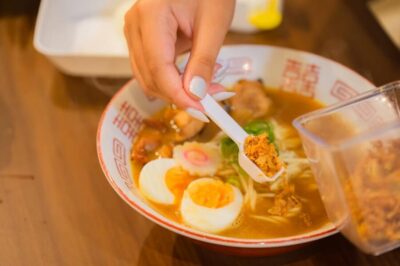
Ramen Cooking Class at a Ramen Factory with Souvenir
Read our review →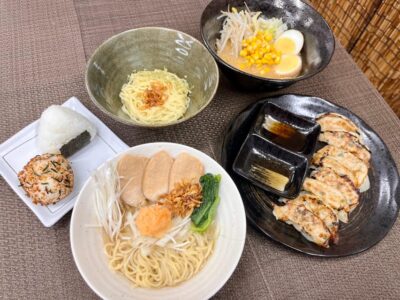
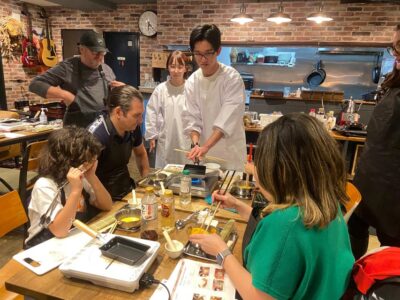
Japanese Washoku Bento Small Group Cooking Class
Read our review →
Easy Ramen Cooking Experience in Kabukicho, Shinjuku
Read our review →
Ramen and Sushi Cooking Class with Sake Pairing Set in Tokyo
Read our review →Browse the lists this tour appears in