
Reviewed · COOKING CLASSES
Private Home Cooking in Yanaka – Local Flavors in a Warm Setting
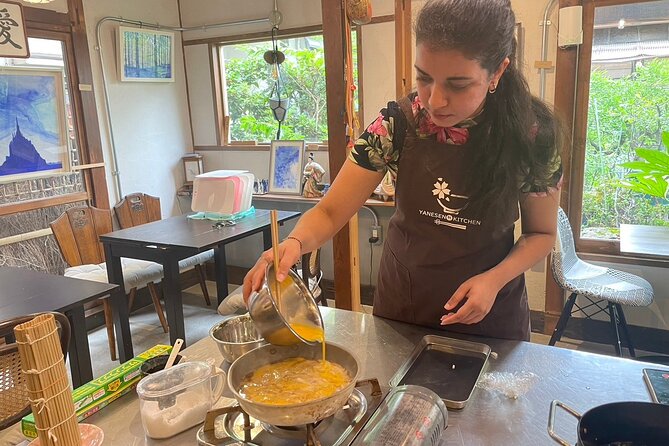
Cooking in Yanaka feels like eating with locals. This private home-style class puts you in a small workshop just steps from Yanaka Ginza, where an instructor guides you through real Japanese cooking, in English.
I especially love the hands-on pacing and the way you get live feedback while you cook. I also like that you can pick lunch or dinner and tailor what you make with simple menu choices.
One possible drawback: the meeting spot area can be a little confusing at first, so plan a few extra minutes for directions and check-in.
Key Points That Make This Yanaka Cooking Class Worth Your Time
- Private group attention with step-by-step guidance, not a big tour crowd shuffle
- English instruction from instructors including Ms Yajima, born in the Yanesen area
- Flexible menu structure with Plan A (1 main) or Plan B (2 appetizers)
- Hands-on cooking techniques like making dashi for miso soup and practicing deep-fry temp control
- Yanaka neighborhood time since the small workshop sits about 100 meters from Yanaka Ginza
Yanaka Ginza Nearby, Home Cooking Energy Inside
Yanaka is one of Tokyo’s calmer neighborhoods, full of small streets, snack shops, and everyday life. This experience uses that setting well. The class happens in a small space near Yanaka Ginza, so you can mix cooking with a relaxed walk through the local shopping lanes right after.
The big idea is simple: instead of eating out, you learn how to reproduce Japanese dishes at home. You’ll cook in a home-style atmosphere, and the instructor talks you through ingredients and techniques as you go. That makes the whole experience feel practical, not just theatrical.
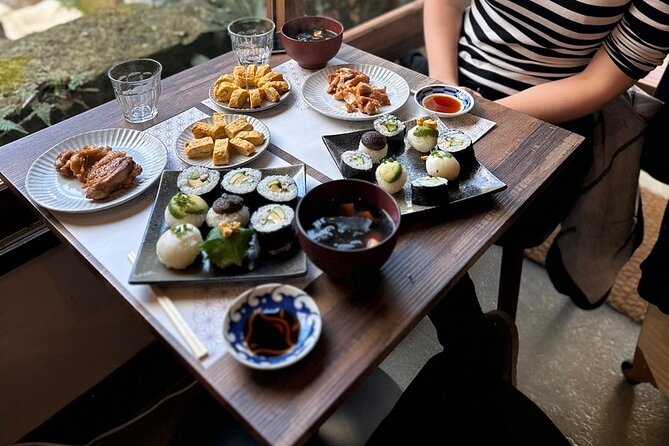
For the best value, think of this as a “skills class with dinner” rather than a sightseeing activity. The meal you eat is part of the lesson, and the recipes are designed so you can make them again once you return.
More Cooking Classes in Tokyo
- Ramen & Gyoza Cooking Class in Tokyo with Local Supermarket Visit
★ 5.0 · 823 reviews - Tokyo: Easy Ramen Cooking Experience in Kabukicho, Shinjuku
★ 4.6 · 321 reviews - Ramen and Sushi Cooking Class with Sake Pairing Set in Tokyo
★ 5.0 · 291 reviews
Meeting at YANESEN and Getting Oriented Fast
You start at the YANESEN Tourist Information & Culture Center, at 3-chome-13-7 Yanaka, Taito City, Tokyo 110-0001. The activity ends back at the meeting point, which is convenient when you want a clean, low-stress plan.
The center matters because it anchors you in the Yanesen area. From there, you are close enough to treat the neighborhood like your warm-up and wind-down space. You can also combine this with Yanaka Ginza stroll time without needing complicated transit routes.
Two practical notes. First, the area can feel like a maze the first time you visit, so give yourself buffer time. Second, multiple classes are associated with a nearby coffee shop check-in point, so if you’re having trouble finding the exact spot, ask on arrival and someone will guide you to the correct place.
Your Class Menu Choices: Plan A or Plan B
This experience is built around choosing what you want to cook, so you get a more personal outcome. When you request your menu, you generally pick one of two structures:
- Plan A: choose 1 main course
- Plan B: choose 2 appetizers
Special requests are possible with notice, including allergies and dietary needs. The program specifically says you can talk about menus and requests through the contact form until 2 days before your cooking day. That matters because it helps the instructor prepare ingredients and adjust what you cook.
If you are picky about what you eat, this is one of the best parts of the experience. You are not stuck with a fixed “surprise menu.” You get to steer toward dishes you already love, or toward something you want to learn because you can picture recreating it later.
Who Teaches Here, and Why English Matters
The instructor system is part of what makes this class work smoothly. The program highlights Ms Yajima, born in the Yanesen area. She teaches Tokyo local-style cooking and can instruct in English.
That English support is not a small perk. Japanese cooking has lots of tiny technique details, and those details are hard to translate when you only have basic phrases. Here, you get explanation as you cook, so you understand not just what to do, but why it matters.
You’ll also see other instructor names in class accounts, including Yuki, Yuli, Uki, and Yukiko-san. The common thread across these reports is clear instruction, friendly guidance, and a focus on teaching methods you can repeat at home.
Same corner of Japan, a different kind of day:
- Mt Fuji and Hakone 1-Day Bus Tour Return by Bullet Train
★ 5.0 · 26,383 reviews - 1-Day Tokyo Bus Tour
★ 5.0 · 14,250 reviews - Tokyo: TOKYO SKYTREE® Admission ticket
★ 4.5 · 11,192 reviews - Tokyo: teamLab Planets TOKYO Digital Art Museum Entry Ticket
★ 4.6 · 9,779 reviews
How a 2-Hour Cooking Class Actually Feels
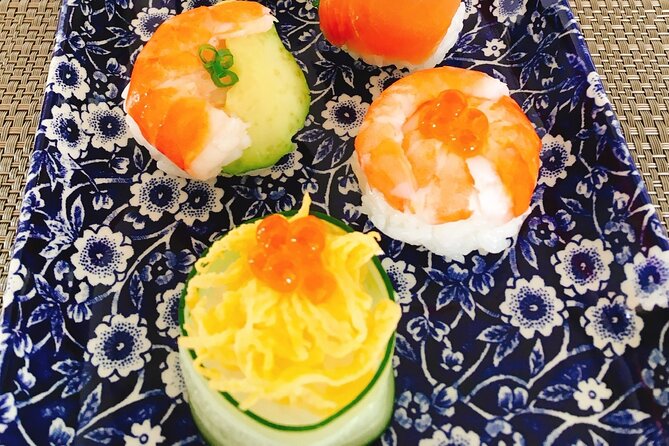
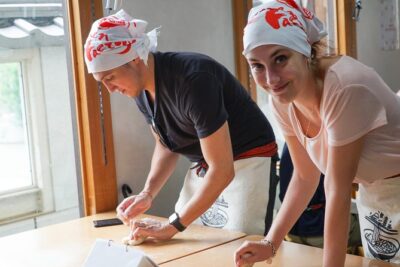
The cooking portion runs about 2 hours. In that time, you will move from learning ingredients to doing real prep and real cooking, not just watching. Multiple class examples point to chopping and slicing, mixing, and working through the steps while the instructor explains proper technique.
A lot of the classes include hands-on moments where you do the action yourself. For instance, some sessions include making items from scratch like miso soup with dashi. Others focus on dough handling and grilling or deep-frying techniques.
The pacing tends to be efficient. You’re not expected to master everything in a single try, but you do get enough time to make the food, taste it, and understand what to adjust next time. That’s the sweet spot for most visitors who want useful skills without turning the class into a full-day project.
Common Dishes You May Cook (Based on What the Menu Styles Cover)
Your exact menu depends on your choices, but the experience frequently centers on everyday Japanese cooking you can reasonably re-create later. Here are examples of dishes that show up in class outcomes:
- Oyakodon and Nikujaga as satisfying comfort-food mains
- Bento boxes, with both building and food presentation skills
- Miso soup made with dashi elements like konbu and bonito flakes
- Okonomiyaki, where you practice making and cooking a savory pancake/fritter-style dish
- Nasu dengaku (miso-glazed eggplant), sometimes with different glaze variations and sesame topping
- Tempura and other frying-based lessons, including how to judge oil temperature
- Gyoza and karaage for flavor-forward, crunchy bite-size learning
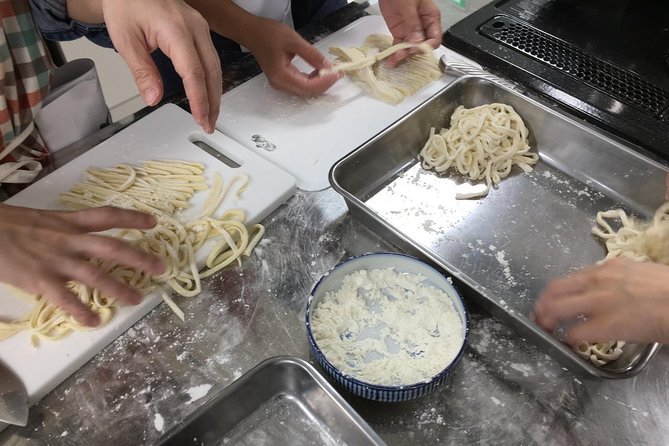
- Soba or udon with practical noodle preparation, including one memorable class that involved kneading dough using feet in a traditional way (with the prep adapted appropriately for a class setting)
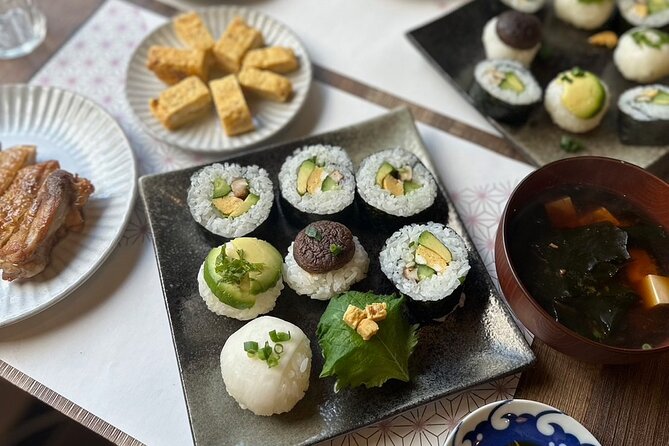
- Rolling sushi in variations that teach hands-on assembly skills
Even if your menu is different, these examples show the style of learning: you work on core techniques, then you eat what you make.
The Cooking Techniques That Make This More Than Just a Meal
What separates this from a basic cooking workshop is the focus on technique and feedback. You’re not only collecting recipes. You’re getting coaching while you chop, mix, and cook.
Here are the kinds of technique lessons that come through clearly in class descriptions:
Dashi and miso soup foundations
If you make miso soup with scratch dashi, you learn the logic of how flavors build. You also see how ingredients like konbu and bonito flakes contribute to the base taste.
Deep-fry and oil temperature judgment
Deep frying has a moment where timing and temperature change everything. One class report highlights learning how to tell when oil is at the right temperature, which is huge for reducing fear at home.
Rolling and assembling skills
Sushi rolling is a classic “looks simple, is not simple” task. When you practice it here, you leave with muscle memory instead of just a written recipe.
Presentation and “meal design” with bento
Bento classes are not only about cooking. They teach how to build a balanced box, including arranging items neatly so it looks good and stays enjoyable to eat.
Timing Your Day: Combine Yanaka Walks With Real Skill-Building
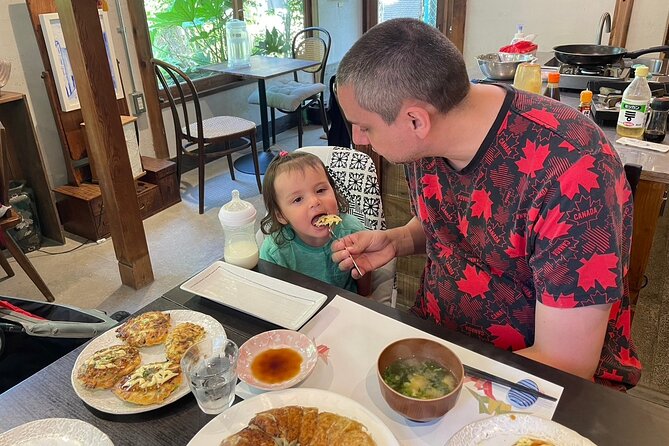
The location works well for a half-day plan even if the class itself is only 2 hours. You start at the YANESEN center, then you are near Yanaka Ginza for afterward strolling.
This matters because it helps you avoid the “dead time” that can happen with some cooking classes. Instead of going from a distant hotel to a random kitchen to a late dinner, you get a natural rhythm: neighborhood first, cooking middle, neighborhood finish.
If you enjoy wandering, this is the kind of class that turns food into a reason to explore. If you prefer structure, the class still gives you a clear plan with a simple start and end point.
Price, Value, and What You’re Really Paying For
The price is $122.23 per person for an approximately 2-hour private class. That number can look high if you compare it to a regular meal. But the value is different here.
You’re paying for:
- Private instruction for your group, which usually means more attention per person
- Guidance in English, which reduces confusion around technique
- Real cooking practice, including tasks that you might struggle to do correctly without help
- A prepared learning environment with ingredients and cooking setup handled for you
If you are the type of traveler who likes bringing a skill home, this price is easier to justify. A one-time souvenir is fun. A recipe you can repeat, plus technique confidence, tends to last longer.
Practical Considerations Before You Book
This experience is popular, but there are a few realities to know.
First, the class is weather-dependent. The program says it requires good weather, and if canceled due to poor weather, you are offered a different date or a full refund.
Second, it may run based on meeting minimum traveler conditions. If the minimum isn’t met, you get a different date or a full refund.
Finally, your biggest practical challenge is usually finding the space on the first attempt. Once you get there, the vibe and guidance tend to feel welcoming and organized.
Should You Book This Yanaka Cooking Class?
Book it if you want hands-on Japanese cooking that you can actually repeat at home. I think this is especially strong for first-timers who feel nervous about Japanese kitchens, because the class breaks tasks into steps and provides real feedback. It’s also a great fit for couples and small groups who want private attention rather than a loud, rotating group class.
Skip it if you want mostly sightseeing or you dislike cooking prep. This is a working kitchen experience, not just a food tasting.
If your goal is learning how dishes come together in everyday Japanese style, this is a smart use of time in Tokyo. You’ll leave with both a full meal and the practical confidence to cook like you mean it back home.
FAQ
How long is the cooking experience?
It runs for about 2 hours.
Where does the class start and end?
You start at the YANESEN Tourist Information & Culture Center (3-chōme-13-7 Yanaka, Taito City) and the activity ends back at the meeting point.
How much does it cost?
The price is listed as $122.23 per person.
Is the class lunch or dinner?
You can choose either a lunch or dinner cooking class to fit your schedule.
Can I request specific dishes or menus?
Yes. In your reservation request, you tell the menus you want, using Plan A (choose 1 main) or Plan B (choose 2 appetizers). Special requests can be accommodated with notice.
What dietary needs can be handled?
The program states allergies are available, and Vegetarian and Vegan options are available. If you have any request, you should tell them when you make the reservation.
Will the instructor teach in English?
The program notes that the instructor can instruct in English.
Is this a private class or shared group activity?
It is a private tour/activity, and only your group participates.
Is there a mobile ticket?
Yes, it includes a mobile ticket.
What is the cancellation rule?
Free cancellation is available up to 24 hours in advance for a full refund. The experience requires good weather, and if canceled due to poor weather, you get a different date or a full refund.
Fresh options around Tokyo
- Tokyo: Nikko Kegon Falls Lake Chuzenji Toshogu Temple & More★ 4.9 · 12 reviews
- Tokyo: Samurai History Walking Tour★ 5.0 · 12 reviews
- Harajuku: Kawaii Fashion and Pop-Culture Tour★ 4.7 · 12 reviews
- Tokyo: Mt. Fuji & Lake Kawaguchi Instagram Full Day Trip★ 4.1 · 12 reviews
- Shibuya Tokyo: Modern Kintsugi Workshop in Shibuya★ 5.0 · 12 reviews
- Tokyo: GTR Guided Daikoku Experience at Night★ 5.0 · 12 reviews
- Tokyo: Daikoku JDM Car Culture Tour★ 4.6 · 12 reviews
- Mt Fuji Private Day Trip from Tokyo with English speaking driver★ 5.0 · 13 reviews
Cooking Classes, compared.
Ramen Cooking Class at Ramen Factory in Kyoto
Read our review →
Ramen & Gyoza Cooking Class in Tokyo with Local Supermarket Visit
Read our review →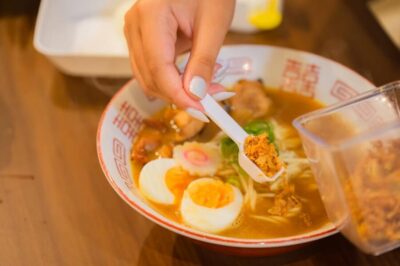
Ramen Cooking Class at a Ramen Factory with Souvenir
Read our review →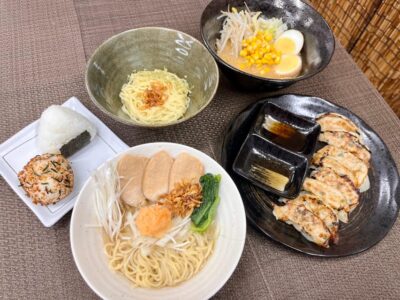
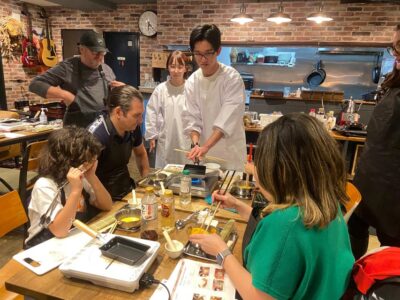
Japanese Washoku Bento Small Group Cooking Class
Read our review →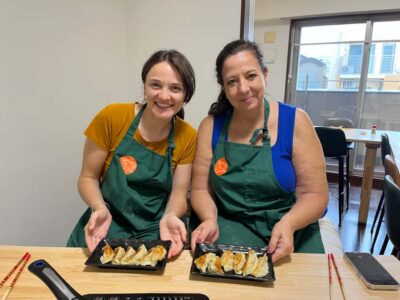
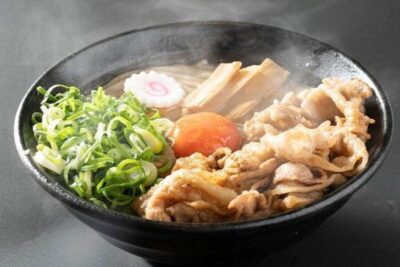
Easy Ramen Cooking Experience in Kabukicho, Shinjuku
Read our review →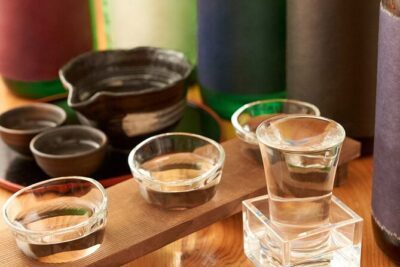
Ramen and Sushi Cooking Class with Sake Pairing Set in Tokyo
Read our review →Browse the lists this tour appears in