Reviewed · OSAKA TOURS
Osaka: Traditional Japanese Ceramics Private Experience
Your souvenir starts with humble clay. This private Osaka workshop turns that clay into a useful, beautiful piece, and you get to learn the how and the why from Anna, who studied ceramics in Osaka and Barcelona. You’ll also talk Japanese food and culture while your hands are busy, so it feels like a real conversation, not a demo.
What I like most is the step-by-step guidance. Anna keeps the process clear, patient, and practical, whether you’re a first-timer or you’ve shaped pottery before. The second big win is the focus on Osaka life outside the main tourist lanes, starting with a short walk to a century-old, two-story house that feels grounded in everyday Showa-era Japan.
One thing to plan around: if you choose shipping, your fired pottery takes about one and a half months, and shipping costs are not included.
Key Things That Make This Osaka Ceramics Workshop Different

- Shigaraki clay plus typical Japanese glazes, so your finished piece looks like it belongs in Japan
- Three gastronomy-themed options: sake set, sushi set, or a tea chawan
- Private coaching from Anna, with clear instructions and lots of room for questions
- A handcrafted parting gift: a Sakura-shaped chopstick holder plus a small sushi dish pattern
- Language flexibility: class offered in English, Catalan, Spanish, and Japanese
Why This Osaka Ceramics Class Feels More Local Than Typical Souvenirs
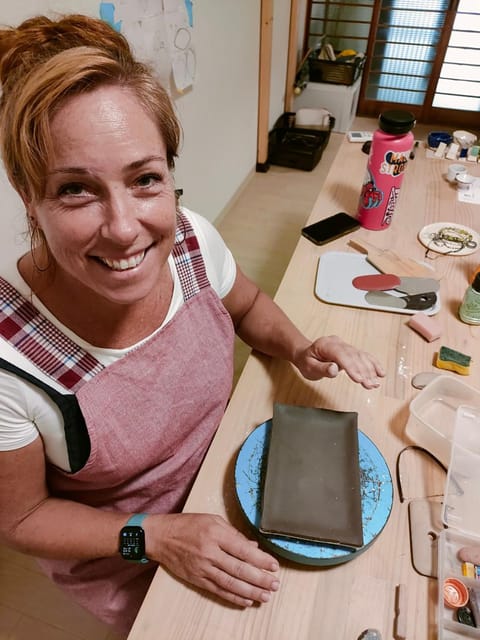
If you’ve had enough of the same-looking gift shops, this workshop gives you something better: a handmade object with a story attached to it. You’re not just buying ceramics, you’re shaping it yourself with clay from Shigaraki, one of Japan’s traditional pottery production areas.
The setting helps, too. You meet at Teradachō Station, then you walk away from the most obvious tourist strip toward a studio housed in a century-old, two-story house. That short change in scenery matters. It’s where Osaka starts to feel like a lived-in city, with small food shops nearby and an atmosphere closer to everyday life than postcard Japan.
On top of that, it’s a private group experience. That means you get attention that actually helps you make a cleaner form and a better-looking finish, instead of racing through the steps while someone else’s group catches up.
A few more Osaka days worth comparing
- Osaka Go Karting Tour with Funny Costume
★ 5.0 · 2,658 reviews - Osaka Castle: Museum and Tower Entry Ticket
★ 4.5 · 2,380 reviews - Osaka: Shinsekai Food Tour with 13-15 Dishes at 5 Eateries
★ 4.8 · 2,204 reviews
Meeting at Teradachō Station, Then Walking Into the Real Osaka
Logistics are simple, and that’s a plus when you’re on a travel schedule. You meet at JR Teradachō Station north exit. Look for the guide holding a sign for the studio name, Ceramics Tocoton.
Then you head out on foot. The route is part of the experience, because you’re moving from the station into an area lined with local food shops, and then onward to the workshop space. Several participants highlight the friendliness of the walk and the small chats along the way. If you like your cultural learning to be practical and conversational, this format fits.
Also, the studio experience feels personal. It’s described as connected to the instructor’s everyday life, and participants note things like a clean, comfortable space and even warmth during winter. That matters more than you’d think. Ceramics takes patience, and a comfortable room helps you stay relaxed.
Pick Your Piece: Sake Set, Sushi Set, or Chawan
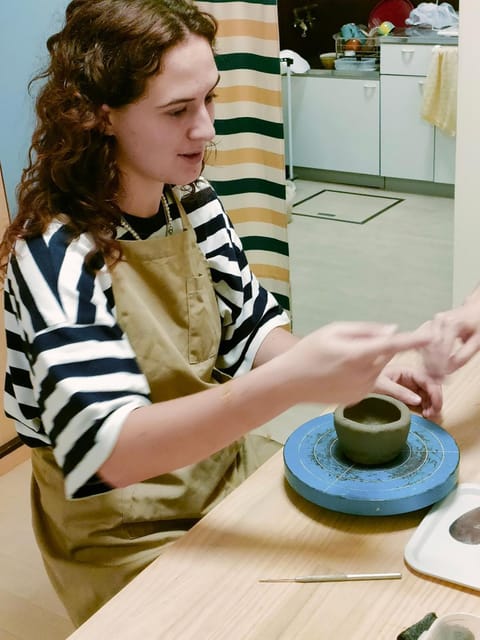
The core of the class is hands-on construction of one item or set. You’ll choose from three options tied to Japanese food culture:
- Sake set: a small bottle and a glass
- Sushi set: a sushi plate and a chopstick holder
- Chawan for tea: a tea bowl for drinking and enjoying matcha-style moments
What I like about these choices is that each one turns into something you can use in daily life at home. A sake set is perfect for small celebrations. A sushi set makes a fun display for gatherings, even if your cooking is still at takeout level. And a chawan is one of those pieces that doesn’t just look great on a shelf, it also changes how you enjoy tea.
Before you start shaping, you’ll learn about what you’re making, including cultural and design meaning behind the object. People who are new to pottery usually appreciate this, because it explains the point of the techniques, not just the technique itself.
And yes, the clay and decoration choices are anchored to Japanese tradition. You work with Shigaraki clay and typical Japanese glazes, so the final color and surface feel grounded in real craft styles, not random souvenir palettes.
Working with Shigaraki Clay and Traditional Glazes
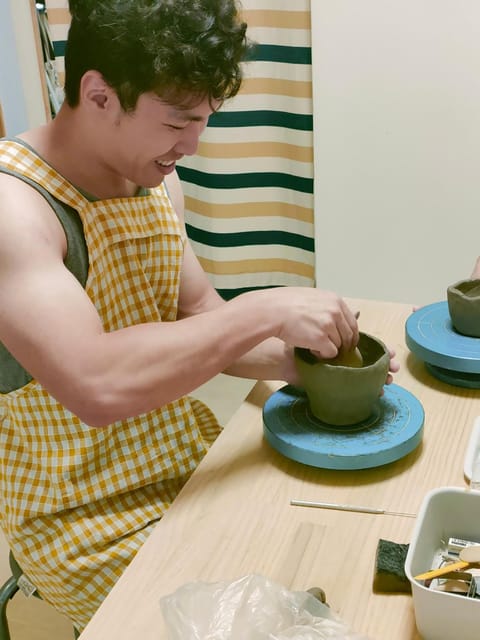
This workshop is built around a smart combo: local clay, classic glazing, and hands-on building. Shigaraki clay is a big part of the reason the finished pieces look authentically Japanese, because it’s tied to a known production area rather than generic craft clay.
In practice, the “feel” of the clay can change your whole experience. Participants describe the material as pleasant to work with, and they often mention the satisfaction of shaping a real object from scratch. If you’ve ever tried a do-it-yourself craft that felt flimsy or frustrating, you’ll probably appreciate that this one is more like actual pottery practice.
The glaze choices also matter. Even without fancy jargon, the workshop uses typical Japanese glazes, so you’re not guessing how the surface should look. You’re guided through the finish decision, and then the piece moves toward its final look.
One small but real advantage: the studio environment supports focus. Several people mention how relaxing the session feels, with clear directions and plenty of time to do things the right way. For ceramics, that’s the difference between something that looks good in a photo and something you’re genuinely proud to show friends.
Same corner of Japan, a different kind of day:
- Osaka Food Tour: 13 Dishes at 5 Local Eateries
★ 5.0 · 2,149 reviews - Hungry Osaka Street Food Tour:15 Tastings & 3 Drinks with a Local
★ 5.0 · 1,727 reviews - Osaka: teamLab Botanical Garden Entry Ticket
★ 4.5 · 1,710 reviews - Osaka: Tea Ceremony Experience
★ 4.9 · 1,426 reviews
From Shaping to Finishing, What You Take Home
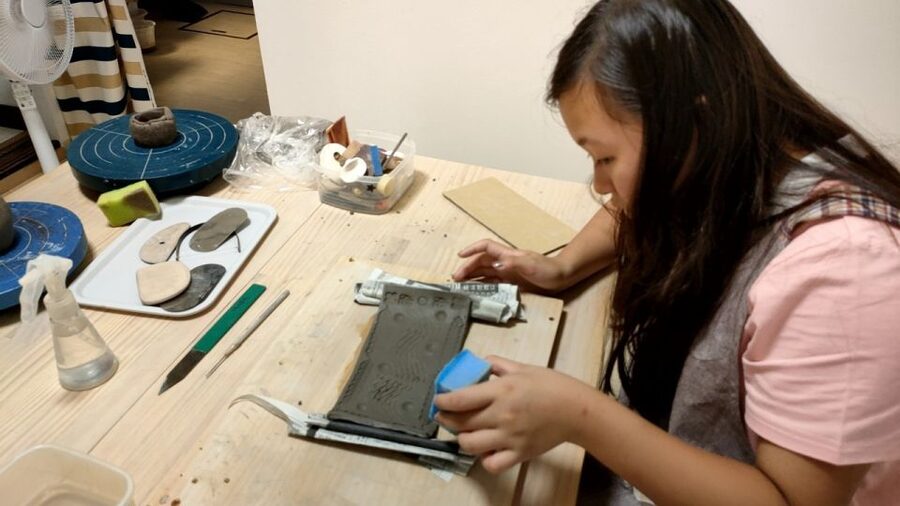
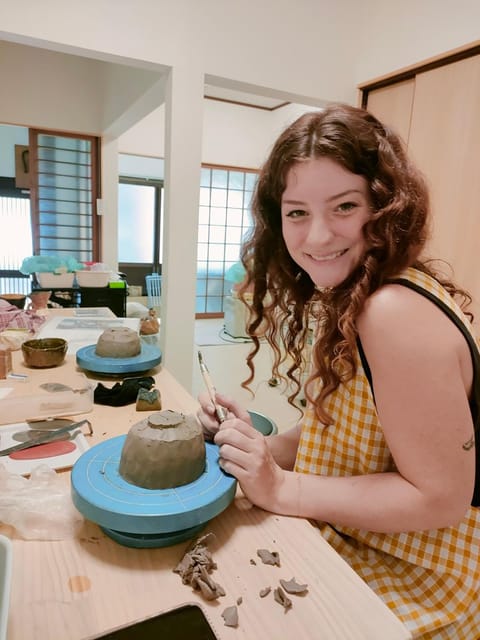
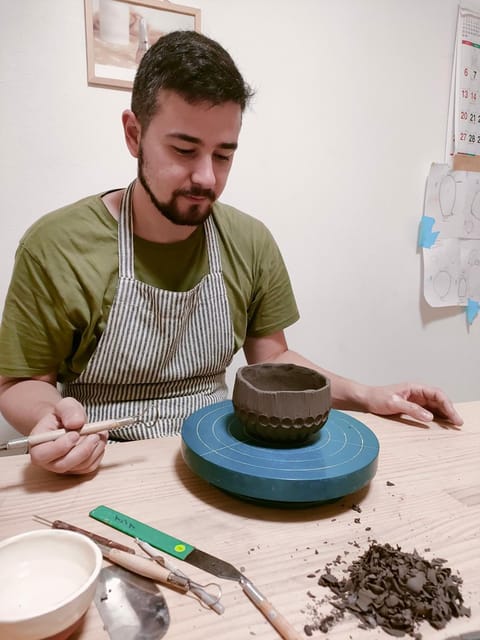
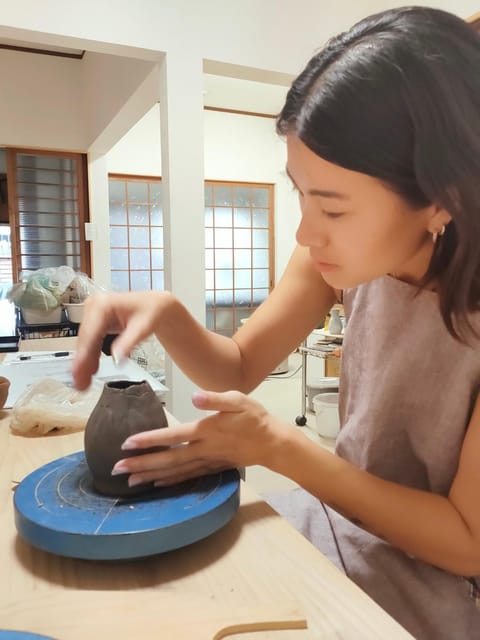
This isn’t a “press buttons and watch” class. You build the form yourself with step-by-step instruction. Anna’s teaching style comes through in the feedback: clear demonstrations, patience, and frequent chances to ask questions.
A typical flow is: intro and choosing your object, shaping your piece, adjusting details with guidance, then finishing steps where you settle on the glazed outcome. Because you’re working with clay, you’ll also spend time cleaning up and going through the final formalities once the hands-on part is done.
Here’s the part that helps your travel planning: you can take your finished ceramic product home as part of the experience, and if you’d rather not carry it right away, you can request shipping. The workshop notes that shipping takes about one and a half months, and shipping fees are not included.
That shipping option is also a good fit if you’re packing light or if you’re worried about breakage during transit. Just remember the trade-off: you’ll be waiting for the final piece to arrive at home.
The Bonus Gift: Sakura Chopsticks Plus a Sushi Dish
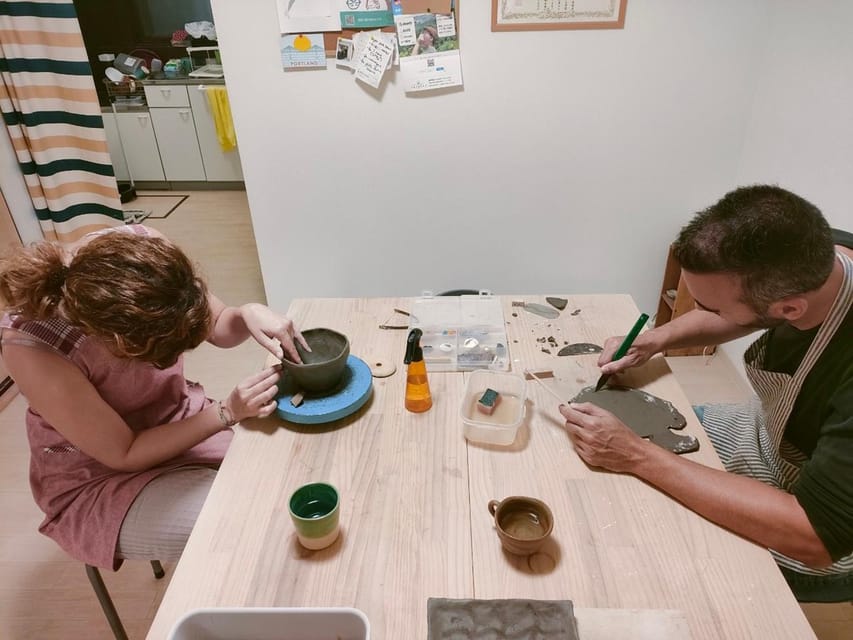
You don’t leave empty-handed. As a parting gift, you’ll receive a small plate for sushi, decorated with traditional enamels, plus a Sakura-shaped chopstick holder made by your instructor.
This is more than a throwaway item. Because it’s handcrafted by the person teaching the workshop, it fits the theme and connects your “lesson souvenir” to the craft culture you just practiced. It’s also small enough to be an easy add to your packing.
Think of it as your instant reminder of the experience, even if you ship your larger piece later.
Language Options That Make This Workshop Work for English Speakers
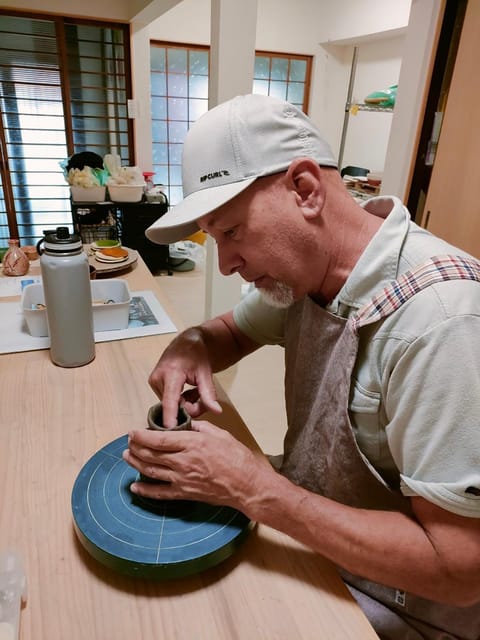
If you’re traveling in English, this matters. The class is offered in English, Catalan, Spanish, or Japanese. That means you can actually follow the reasons behind the shapes, not only the steps.
From the participant feedback, the teaching works well across skill levels because the instructions are clear and the conversation keeps pace with what you’re doing. In other words, you won’t feel stuck if pottery terms are new to you.
If you want to get the most out of the class, bring a couple of questions related to Japanese food culture. Since the objects are tied to sake, sushi, and tea, you’ll likely find the discussion naturally flows there.
Price and Value: What You’re Really Paying For
At $96 per person for about 2 hours, this workshop is priced like a serious craft experience, not a quick sampler.
You’re getting several things included:
- Instructor guidance
- Materials including Shigaraki clay and typical Japanese glazes
- A finished ceramic product from the workshop
- Pickup from Teradachō Station
- The handcrafted gift: sushi dish plus Sakura chopstick holder
That bundle is where the value comes from. You’re paying for materials and firing outcomes, plus personalized help in making a real object, plus transport coordination at the start of the activity. In many craft classes, you might pay for the time and materials, but you still end up doing most of it alone. Here, the private format nudges the experience toward learning.
One honest caution: the class focuses on constructing one chosen set. If you want to leave with several different major pieces made by your own hands in a short time, this might feel a bit limited. But if you care more about doing one object well and learning the process, it’s a strong match.
Who This Workshop Is Best For (and When to Skip It)
This workshop is a good fit if you want a calmer Osaka activity that creates a lasting souvenir you can actually use. It’s especially appealing to people who enjoy hands-on learning, and it also works well for beginners because the instruction is structured and patient.
It also seems family-friendly in a practical way, at least for groups old enough to participate comfortably. The one clear limit: it is not suitable for children under 5.
Skip it if:
- You only want a walking tour or a food tour, since this is centered on ceramics
- You need your souvenir instantly and cannot plan around shipping timing if you opt for it
Practical Tips So Your Class Goes Smoothly
Start with punctuality. The workshop notes that if you’re more than 15 minutes late, it will be treated as a no-show, so set a firm plan for your arrival.
Bring curiosity about Japanese daily life. The objects link directly to everyday rituals like tea and meals, so your questions will feel relevant. If you’re choosing between the sake set, sushi set, and chawan for tea, pick the one that matches how you’ll actually use it later at home.
Finally, think about transport. If you have room in your luggage and want the immediate souvenir, take it with you. If not, consider shipping the piece and plan for the about one and a half month timeline.
Should You Book This Osaka Ceramics Workshop?
Book it if you want a private, hands-on Osaka experience that produces an authentic Japanese craft souvenir. The combination of Shigaraki clay, typical Japanese glazes, and a culturally grounded instructor like Anna makes it feel personal, not generic.
You should also book if English or Spanish or Catalan support matters for you, because you can follow the process clearly. And if you like the idea of walking to a studio in a more local part of the city, the Teradachō Station start helps you get there naturally.
Skip it only if you strongly prefer big group activities, or if shipping timing is a deal-breaker for you, especially since shipping costs are extra.
FAQ
What can I make in the Osaka ceramics class?
You can choose one option: a sake set (small bottle and glass), a sushi set (sushi plate and chopstick holder), or a chawan for tea (a tea bowl).
How long does the workshop last, and is it private?
The experience lasts about 2 hours and it’s a private group session.
Where do we meet the guide?
Meet at JR Teradachō Station’s north exit. Look for the guide carrying a sign for the studio, Ceramics Tocoton.
What languages are available during the workshop?
The workshop is available in English, Catalan, Spanish, or Japanese.
What is included in the price?
Included are the instructor, materials (Shigaraki-area clay and typical Japanese glazes), the finished ceramic product, pickup from Teradachō Station, and a gift (a small sushi dish with a traditional Japanese pattern and a Sakura-shaped chopstick holder).
Can you ship the pottery home, and how long does it take?
If you’d like, the pieces made during the workshop can be sent to your home. It takes about one and a half months, and shipping costs are not included.
Fresh options around Osaka
- Osaka Winery Tour with Wine Tasting & Vineyard Walk★ 4.9 · 12 reviews
- Osaka: Early Morning Osaka Castle Guided Tour, Avoid Crowds★ 4.9 · 12 reviews
- Kyoto Day Trip from Osaka Port – Private Shore Excursion★ 5.0 · 13 reviews
- Osaka Private Pop Culture Tour: Historic Tenma to Dotonbori★ 4.5 · 13 reviews
- Osaka Castle Admission Ticket★ 4.0 · 13 reviews
- Hidden Osaka Foodie Tour: Nishinari Backstreets & Local Dining★ 5.0 · 13 reviews
- Discover Real Osaka: A Cultural Walk with Food & Drink★ 5.0 · 13 reviews
- Nara private tour (Shore excursion available from Osaka or Kobe port)★ 5.0 · 13 reviews
Osaka Tours, compared.


Shinsekai Food Tour with 13-15 Dishes at 5 Eateries
Read our review →
Osaka Food Tour: 13 Dishes at 5 Local Eateries
Read our review →
Hungry Osaka Street Food Tour:15 Tastings & 3 Drinks with a Local
Read our review →