Reviewed · OSAKA TOURS
Osaka Kickstart: Hotspots & Hidden Gems Tour
Osaka gets real fast on this walk. I love the off-the-main-road lanes like Hozenji Yokocho and the market streets that feel more like local errands than attraction checklists. I also love the personal stories and humor from guides, including Rahat and Knox, who make history land in plain human terms. One drawback to plan for is that it is a walking-heavy tour, and the included snack is small, so you will still want a full meal strategy.
This is a great way to start an Osaka trip because it mixes neon-worlds with older neighborhoods, all in one flow. You can choose 3 to 7 hours, and you can go private (just your group) or join a group option. Pickup is sometimes available, and you get a mobile ticket, so day-of stress stays low.
If you like food stops, street scenes, and learning why places got famous, you will have a good time. If you hate walking or want every stop to be a seated restaurant, you may prefer a slower plan with fewer neighborhoods.
Key things to know before you go
- Local pacing with flexible length: pick 3, 4, 5, or 7 hours so you can match your energy and time in Osaka.
- Street scenes that connect, not scatter: the route links iconic spots like Dotonbori with lesser-known lanes around them.
- Hands-on add-ons on longer private tours: Tower Knives Osaka is included only on 4- and 5-hour private tours.
- The market is a highlight, not a quick photo stop: Kuromon Market is designed for tasting and looking inside small storefronts.
- You will get a snack plus a drink: the tour includes 1 drink and 1 small side dish, usually takoyaki.
A locals-first Osaka day, not a bus circuit
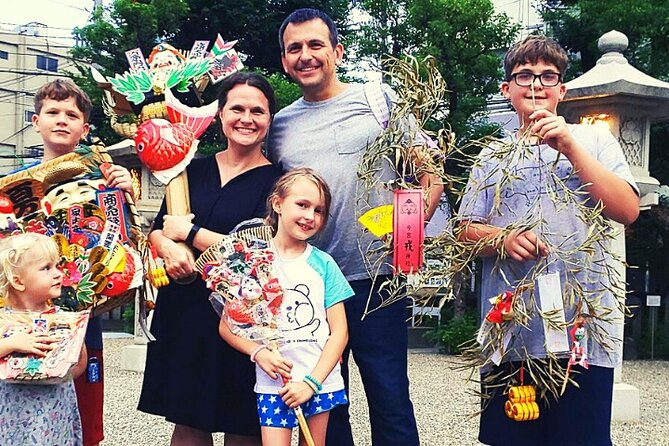
This tour sells a simple idea: Osaka is best understood on foot, in small slices, with someone who actually knows the streets. The walk blends famous names (hello, Dotonbori) with side lanes that feel like you found them by accident. It is also quirky in the good way, the kind of Osaka that does not try too hard.
I like that the experience is built around stories, not just coordinates. Guides such as Rahat, Meryem, and Bryan are repeatedly praised for being friendly, funny, and helpful with what to do next. That matters because Osaka can feel intense at first, and having a guide who helps you read the city saves time.
There is also a practical angle. You get a drink and a small side dish, and the route is designed so you hit big visual moments and food moments without wasting hours commuting across town.
A few more Osaka days worth comparing
- Osaka Go Karting Tour with Funny Costume
★ 5.0 · 2,658 reviews - Osaka Castle: Museum and Tower Entry Ticket
★ 4.5 · 2,380 reviews - Osaka: Shinsekai Food Tour with 13-15 Dishes at 5 Eateries
★ 4.8 · 2,204 reviews
Hozenji Yokocho and Dotonbori Tsuribori: start with old lanes
Most Osaka trips start with brightness. This one starts with texture. In Hozenji Yokocho, you step into hard-to-find, winding cobblestone alleys that feel built for lingering. The area is known for its character and tradition, and the walls have Osaka history painted into them, so you are not just looking at old buildings, you are looking at old stories.
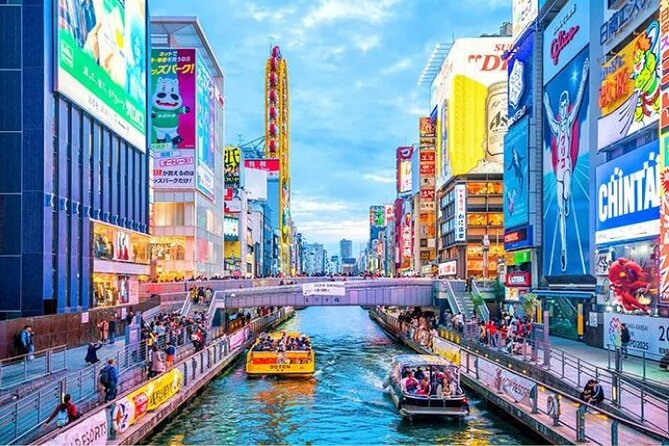
Then you shift to the river world of Dotonbori Tsuribori. This is the Osaka river scene people come for, with a photogenic lineup of storefronts along the water. You are not stuck staring at screens the whole time, though. The tour uses the area as a springboard, so you quickly move from landmark energy to smaller streets and shopping pockets nearby.
Tip: early in the day, your eyes are fresh. This is when alleyways like Hozenji Yokocho hit hardest, because the contrasts are sharp. If you book a longer route, you will appreciate the contrast more later when the city grows more hectic.
Shinsaibashi-suji, Ebisubashi, and America Mura in one sweep
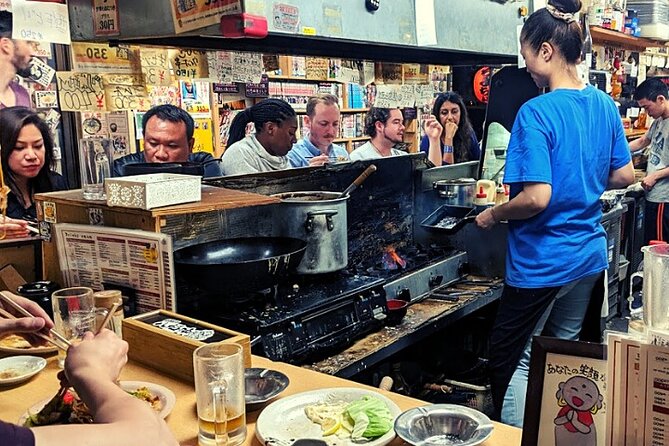
After the river, the tour eases into Osaka’s shopping heartbeat. Shinsaibashi-suji Shopping Street is lively and practical at the same time. You will find unique Japanese fashion, playful gadgets, and the kind of local energy that makes you want to browse even if you are not shopping for anything serious.
Next comes New New Ebisubashi, right in the core of Osaka meeting-point territory. The bridge has a neat time trick behind it: the original was wood from the 1600s, and the later version became iron, but the spot stayed the same kind of social anchor. It is quick, but it helps you understand how Osaka keeps certain rhythms even as the materials change.
From there, the route detours into America Mura. This area is Japan’s take on America, including a Statue of Liberty on top of a building. It sounds like a gimmick, but walking it gives you a fast lesson in how Osaka plays with foreign pop culture and turns it into something local.
Kuromon Market seafood shopping and the small included snack
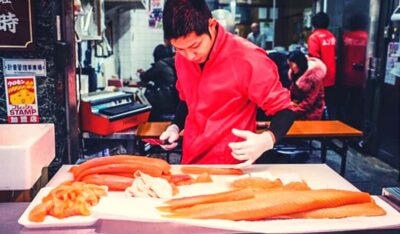
Kuromon Market is where the tour turns food-curious. The idea is simple: some shops look plain outside, but inside you find seafood heaven. Your guide helps you navigate the maze of storefronts so you can actually look around without feeling lost or rushed.
This stop is also time-aware. The tour notes that you will often reach Kuromon Market on a 3-hour route, but pacing can change depending on how quickly your group walks. That is normal on foot tours, so if food is your main goal, consider booking a longer duration so you have a little more breathing room.
One more practical detail: the tour includes 1 drink and 1 small side dish, usually takoyaki. That is a great sampler, but it is not a full meal plan. Use it as a tasting course, then plan for a proper sit-down or a bigger street-food meal afterward.
If you are nervous about ordering in Japanese, a good guide makes this part easy. Guides like Louis and Josh have been praised for sharing strong food recommendations, and that kind of help is exactly what turns a market visit from stressful to fun.
Same corner of Japan, a different kind of day:
- Osaka Food Tour: 13 Dishes at 5 Local Eateries
★ 5.0 · 2,149 reviews - Hungry Osaka Street Food Tour:15 Tastings & 3 Drinks with a Local
★ 5.0 · 1,727 reviews - Osaka: teamLab Botanical Garden Entry Ticket
★ 4.5 · 1,710 reviews - Osaka: Tea Ceremony Experience
★ 4.9 · 1,426 reviews
Gaming and cosplay streets for your inner nerd
Between the market and the next neighborhood shift, the route includes a run through tucked-away shops that lean into gaming and cosplay. This part is described as tricky to navigate on your own, which is a nice clue. You will likely see small storefronts that would be easy to miss if you were only following the biggest signs.
What you gain here is permission to slow down. This section is less about checking off famous sights and more about wandering with focus. You will get help finding what is worth a closer look, whether you are into games, collectibles, or costumes.
Tip: if you travel with teens or kids, this portion can be a lifesaver for keeping everyone engaged. Even if you are not into cosplay, it gives your day a playful pivot away from only food and history.
Shinsekai retro neighborhood on 4, 5, or 7-hour tours
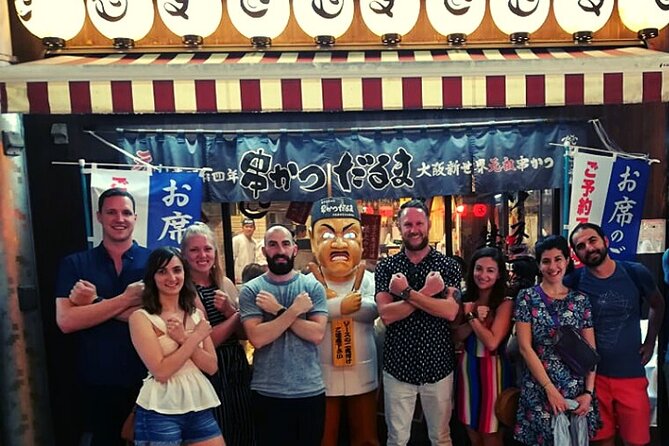
Shinsekai is available only on private tours of 4, 5, or 7 hours, so it depends on what length you choose. This neighborhood is retro Osaka in a very specific way, with quirky fishing restaurants, vintage game arcades, board game shops, and old vinyl stores. It feels like stepping into a time capsule without turning into a museum.
This stop also works well because Shinsekai gives you a different Osaka rhythm from the bright river and shopping corridors. The lighting, the street vibe, and the shop mix all change, so your brain gets a break.
If you want nightlife energy without only chasing neon billboards, Shinsekai is a strong choice. And if you want a little more “character” in your photos without doing yet another standard landmark stop, this adds that.
Tower Knives Osaka and hands-on making (4 or 5 hours)
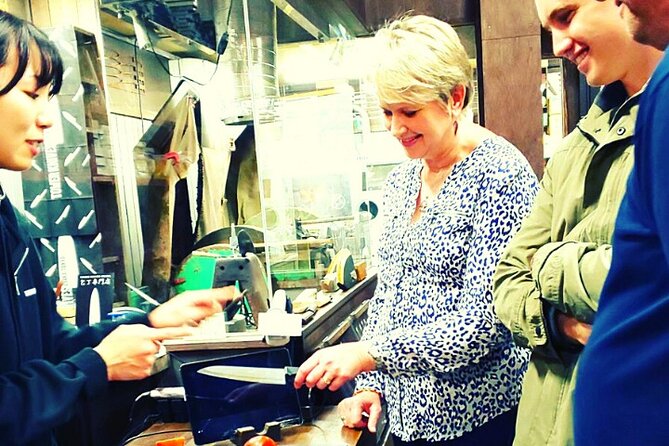
On private tours lasting 4 or 5 hours, you get Tower Knives Osaka, and the tour includes a private knife lesson. You will learn the full process of how a knife is made, and it is not just a lecture. The description notes that the knives are crafted at the rear of the building, so you get a view of the workflow rather than just the finished product.
Then you get an experience component, where you get to try cutting. That is the part many people remember, because it turns “shopping” into “skill.”
This add-on is not for everyone. If you are not interested in tools, cooking gear, or craft workshops, you might find it a quirky detour rather than a must-do. But if you enjoy hands-on experiences, it is a meaningful way to spend time in Osaka that goes beyond streets and signs.
Osaka Castle plus Shitennoji and Abeno Harukas on longer days
For 5- and 7-hour private tours, history steps in. Shitennoji is included on those longer options, and it is described as the first Buddhist and oldest officially administered temple in Japan. Even if you are not religious, the age and the atmosphere can feel grounding. This stop is also 30 minutes, so it is a manageable visit, not a giant temple marathon.
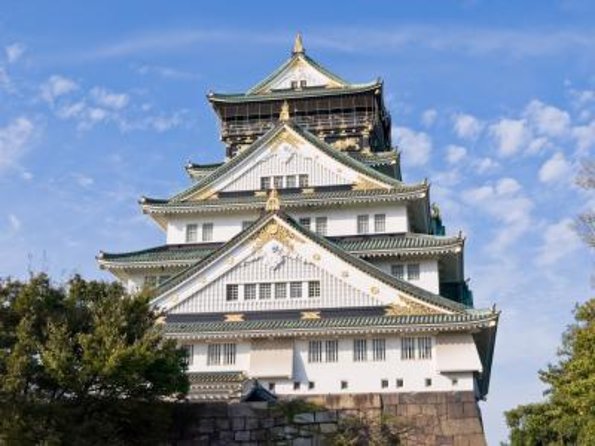
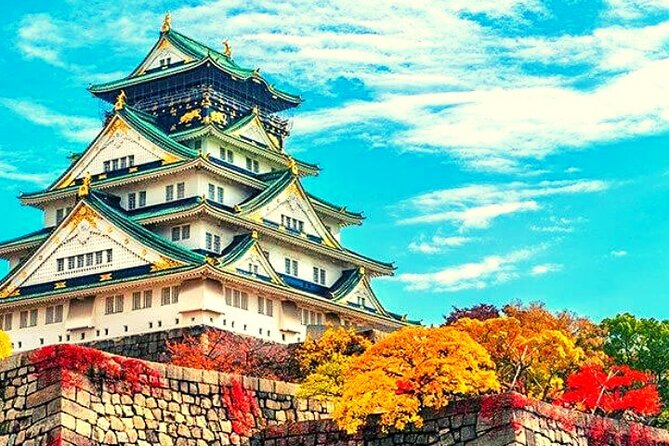
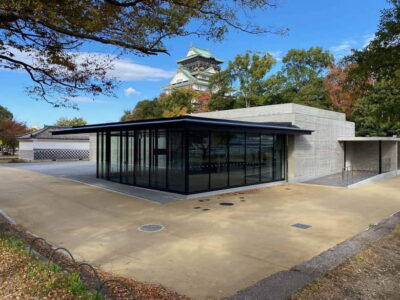
Next, Osaka Castle appears on 5- and 7-hour tours, with about 1 hour 10 minutes set aside. The tour framing focuses on the castle’s role in Japan’s unification years ago. That context helps you see more than just a big landmark. The park around it also gives you space to reset after denser neighborhoods.
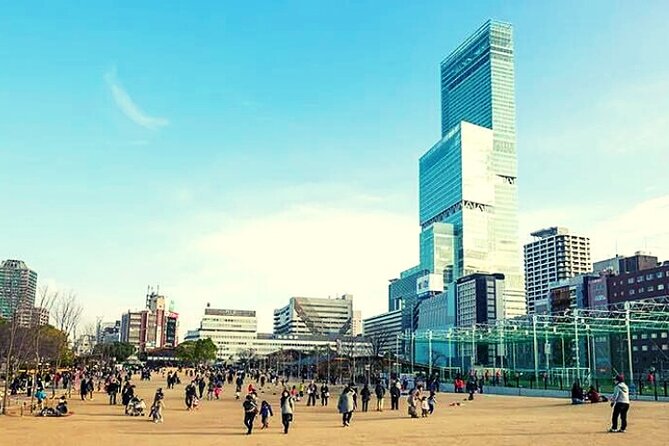
Then there is Abeno Harukas, a tall highlight on 5- and 7-hour private tours. The description notes it is Japan’s tallest building at 300 meters. The big value here is the “scale shock” moment. When you look down after walking streets all day, you understand how sprawling Osaka really is.
Practical note: longer routes mean more walking plus more time in open spaces. If you book a 7-hour route, plan your energy budget like you would for a full sightseeing day.
Ukiyoe and the Museum of Housing on the 7-hour route
If you choose the 7-hour private tour, you unlock two quieter, more culture-leaning stops. Osaka Ukiyoe Museum is described as a hidden focus on ukiyoe, and it includes admission. It is small but welcoming, with a mix of Edo period originals and newer works. If you like art that feels tied to everyday life rather than only grand “masterpieces,” this stop fits.
Then comes Osaka Museum of Housing and Living, also included on the 7-hour option. Even if you typically do not love museums, the route description says this one feels different. The highlight is a reconstruction of an ancient Osaka town, with houses, stores, and homes you can walk through conceptually. It is history you can picture.
This final stretch is a good way to balance the day. You start with alleys, shopping, markets, and street energy, then you end with a calmer, more reflective tone.
Pace, shoes, and what the tour includes versus what you pay for
This is a walking tour with a “moderate physical fitness” expectation. The durations range from 3 to 7 hours, and the visit rhythm changes depending on the length you select. Some stops are short, like 15 to 20 minutes, and others, like Osaka Castle and the longer culture stops, ask for more time.
You also have a small comfort lever. The tour includes walking with optional train or taxi use if requested. That is helpful if someone in your group has sore feet or you want to avoid a long transit segment on a longer route.
What the tour includes is clear:
- 1 drink and 1 small side dish, usually takoyaki
- The guided walking experience, with private tour option
- Optional train or taxi if you request it
What you pay for is also real:
- Entry fees to attractions are not included across the board
- Food beyond the small included snack is on you
If you are the type who gets cranky when hungry, build in extra eating time. The included takoyaki is a nice start, not the full dinner plan.
Price and value: when this tour beats self-guided wandering
The price is $31.84 per person, and that number is only “cheap” if you actually make it worth your time. For me, the value comes from three things you cannot easily replicate by yourself.
First, you get a guided route that strings together high-impact neighborhoods without you having to figure out the order. Osaka can be confusing if you only rely on instinct, and spending hours backtracking costs more energy than money.
Second, the included food moment matters. You get 1 drink and 1 small side dish right as you hit the market and street scenes. That helps you keep momentum, and you are less likely to end up eating something random just because it is convenient.
Third, guides personalize the day. Even within a set route, guides such as Knox and Meryem are praised for tailoring what you do. That can be the difference between “a checklist walk” and “a walk that matches your interests,” especially when you are the one deciding how long to stay in each place.
Also, the tour is backed by a lot of repeat interest, with 98 percent recommendation and a strong rating. That kind of consistency usually points to one thing: guides do a good job making the city feel friendly fast.
Should you book Osaka Kickstart?
Book it if you want a fast, guided start to Osaka that mixes major highlights with side streets, food stops, and quick history. It is especially good for first-timers, families with kids who need variety, and anyone who feels overwhelmed by Osaka’s nonstop energy.
Skip it, or consider a shorter 3-hour option, if you hate walking or you want a day with fewer neighborhoods and more time seated. Also, if your main goal is only one landmark, like Osaka Castle, you might do better with a focused plan.
My quick call: for the price, this is a strong “get your bearings fast” tour. Choose the length based on your stamina, and lean into the guide. When a guide like Rahat or Bryan helps you connect the dots, Osaka stops feeling like a blur and starts feeling like a place you understand.
FAQ
How long is the Osaka Kickstart tour?
It runs for about 3 to 7 hours, depending on which tour duration you choose.
Is this a private tour?
Yes. This is described as a private tour/activity, so only your group participates.
Is pickup offered?
Pickup is listed as offered.
What is included in the tour price?
The tour includes 1 drink and 1 small side dish (usually 1 takoyaki ball), plus the guided walking experience. Walking may include optional train or taxi use if requested.
Are attraction entry fees included?
No. Entry fees to attractions are not included, and that varies by stop. Some stops list admission ticket free, while others do not.
Do I need to pay for extra food and drinks?
Yes. Food and drinks beyond the small included snack are not included.
Which parts are only available on longer private tours?
Some add-ons depend on duration. Shinsekai is available on 4, 5, or 7-hour private tours. Tower Knives Osaka is on 4 or 5-hour private tours. Osaka Castle, Shitennoji, and Abeno Harukas are on 5 or 7-hour private tours. Osaka Ukiyoe Museum and Osaka Museum of Housing and Living are on the 7-hour private tour.
What if the weather is bad?
The experience requires good weather. If it is canceled due to poor weather, you will be offered a different date or a full refund.
Where does the tour start and end?
It starts at 2-chōme-2-8 Namba, Chuo Ward, Osaka, 542-0076, Japan, and ends back at the meeting point.
Fresh options around Osaka
- Osaka Winery Tour with Wine Tasting & Vineyard Walk★ 4.9 · 12 reviews
- Osaka: Early Morning Osaka Castle Guided Tour, Avoid Crowds★ 4.9 · 12 reviews
- Kyoto Day Trip from Osaka Port – Private Shore Excursion★ 5.0 · 13 reviews
- Osaka Private Pop Culture Tour: Historic Tenma to Dotonbori★ 4.5 · 13 reviews
- Osaka Castle Admission Ticket★ 4.0 · 13 reviews
- Hidden Osaka Foodie Tour: Nishinari Backstreets & Local Dining★ 5.0 · 13 reviews
- Discover Real Osaka: A Cultural Walk with Food & Drink★ 5.0 · 13 reviews
- Nara private tour (Shore excursion available from Osaka or Kobe port)★ 5.0 · 13 reviews
Osaka Tours, compared.


Shinsekai Food Tour with 13-15 Dishes at 5 Eateries
Read our review →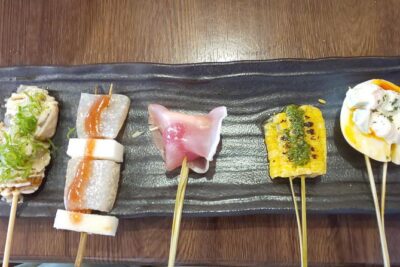
Osaka Food Tour: 13 Dishes at 5 Local Eateries
Read our review →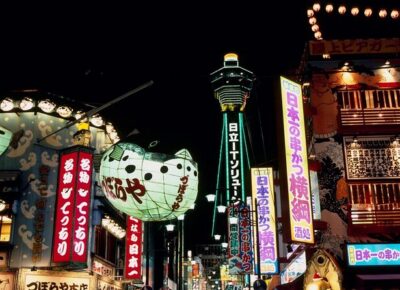
Hungry Osaka Street Food Tour:15 Tastings & 3 Drinks with a Local
Read our review →