Reviewed · OSAKA TOURS
Osaka: Private Japanese Traditional Ceramics Experience
Making ceramics in Osaka feels personal. I really like the private instruction and the way you get to choose exactly what you make for Japanese gastronomy. I also like that the class runs in multiple languages, including Spanish and Catalan. One thing to consider is the waiting time, firing happens first, and if you want your pieces shipped home, it takes about a month and a half.
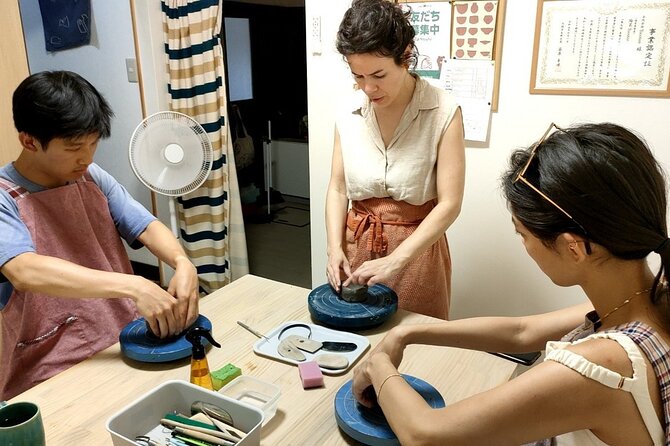
This is a hands-on pottery workshop set in a century-old two-storey house in the south of Osaka. You’ll work with clay, learn traditional technique, and talk with Anna and Ryo about Japanese culture. It’s also timed for real-life scheduling with both morning and afternoon workshop options.
By the end, you get an included Japanese souvenir and a green-tea break during the session. If you choose to have what you make sent home, you’ll pay shipping separately, so budget for that if you are not planning to carry everything with you.
Key Highlights I’d Plan Around
- Private experience with personalized guidance from Anna and Ryo
- Pick your item from a sake set, sushi set, or a tea bowl (chawan)
- Language options include English, Spanish, Catalan, and Japanese listing for the class
- A real neighborhood setting in the south of Osaka, away from the biggest tourist pockets
- Included firing and materials so you are not guessing what you need
- Shipping takes time for mailed pieces, with the shipping fee not included
A Traditional Pottery Studio in South Osaka, Not the Usual Route
Osaka does have its famous corners, but this workshop is intentionally placed somewhere quieter. You meet at Teradachō Station, then you head toward a studio in Abeno Ward, in a residential area. The walk helps you feel the everyday rhythm of the city, including a street lined with shops selling local food.
What I like about this setup is that it doesn’t feel like a staged craft stop. The studio sits in a century-old two-storey house, which fits the tone of traditional Japanese ceramics. In practice, that matters because the setting makes the learning feel grounded, not rushed.
Another good sign for value is that the class includes more than just “try pottery for fun.” You get material costs and a firing fee included, plus a small souvenir and drinks. That usually means fewer surprises later, and you get to focus on the making part.
One practical consideration: because this experience is tied to a real neighborhood and a real studio, you’ll want to arrive on time and be ready to walk a bit from the station. If you are traveling with tight timing, the station to studio stretch is something to keep in mind.
A few more Osaka days worth comparing
- Osaka Go Karting Tour with Funny Costume
★ 5.0 · 2,658 reviews - Osaka Castle: Museum and Tower Entry Ticket
★ 4.5 · 2,380 reviews - Osaka: Shinsekai Food Tour with 13-15 Dishes at 5 Eateries
★ 4.8 · 2,204 reviews
Your Choice Matters: Sake Set, Sushi Set, or a Chawan
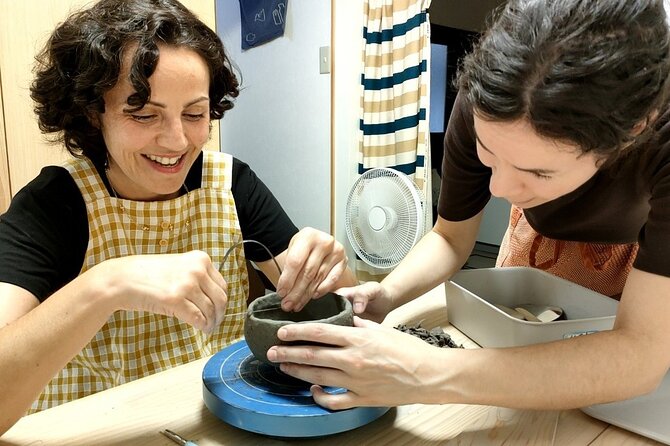
This workshop is designed around Japanese food culture, so your ceramic choice is not random. You’ll make ceramic related to Japanese gastronomy with clay, and you pick one of three options:
- a sake set (small bottle and glass)
- a sushi set (sushi plate and chopstick holder)
- a chawan (tea bowl)
For me, the smartest way to choose is to think about how you want your souvenir to live at home. If you like entertaining or gifting, a sake set can be a fun conversation piece. If you want something that fits daily dining, a sushi set has a practical, table-ready vibe. If you are drawn to tea culture, a chawan is the most traditional-feeling shape out of the three.
Also, the workshop is set up so you get guidance on technique and meaning, not just a “copy this exact form” vibe. The experience is meant to be beginner-friendly, but still taught with care. In the end, you walk away with something that feels connected to Japanese routines, not just decorative clay.
One more detail that helps you plan: what you make can be shipped home if you want, but shipping is not included, and the timeline is about a month and a half. So decide now whether you want to travel with the pieces or wait for delivery.
Private Instruction With Anna and Ryo, Plus Clear Language Options
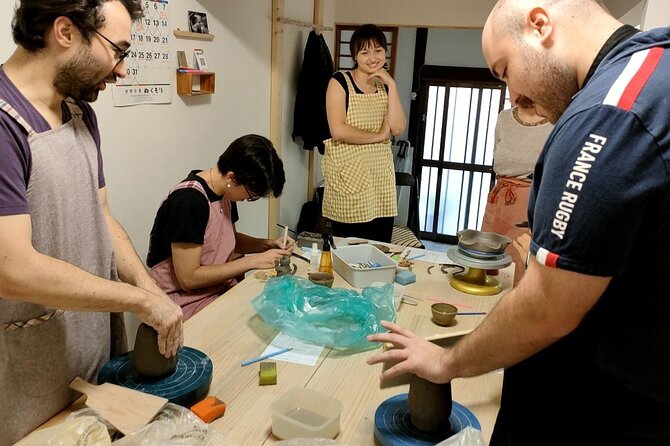
A private workshop is the difference between watching and actually making progress. Here, it’s set as a private tour/activity, meaning only your group participates. That matters because ceramics is one of those crafts where small technique cues make a big difference.
Anna and Ryo are the core team members you’ll interact with during the class. They don’t just focus on how to shape clay. They also talk about Japanese culture as you work, so the session feels like more than a manual skill lesson.
Language options are another major win for this workshop. The class is offered in English, Spanish, Catalan, and Japanese listing, and the workshop itself is given in Spanish, Catalan, or English. If you want a ceramics experience but your comfort language is Spanish or Catalan, this is particularly useful, since many craft activities in Osaka skew toward English only.
For you, that means less friction. You can ask questions about technique, ask what something means, and follow the instructions without guessing. That is especially important when you are building something from clay by hand.
A small caution: since you are learning in your selected language, double-check your booking details when you choose a time. This helps avoid a last-minute mismatch when everyone arrives.
What You’ll Do During the 2-Hour Hands-On Session
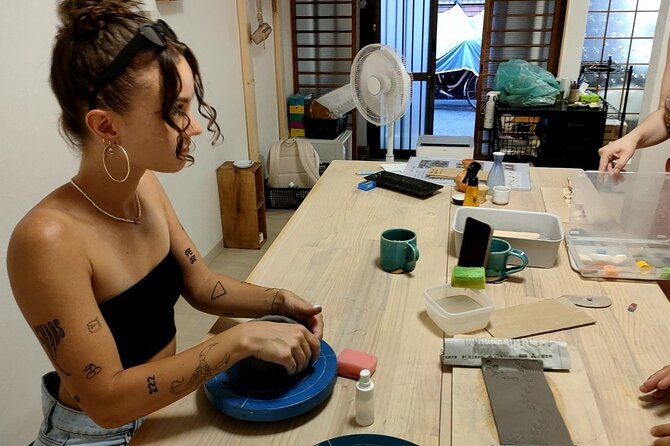
The duration is listed at about 2 hours, which is long enough to make real progress but short enough to fit into a normal sightseeing day. The rhythm typically works like this:
1) Arrive near Teradachō Station and head to the studio
2) Get settled in the workshop space in the old two-storey house
3) Choose your ceramic option (sake set, sushi set, or chawan)
4) Work with clay using hand-building methods
5) Listen as Anna, Ryo, and the team explain technique and the cultural meaning
6) Receive the included souvenir items and enjoy drinks
During the session, you’ll also be offered Japanese green tea, coffee, or water. That sounds simple, but it makes the class feel like a real break, not just an hour of focused labor.
A unique part of this workshop is the way the teaching connects to food objects. If you choose a sushi set, you’re thinking about a plate and chopstick holder together. If you choose a sake set, you’re shaping a small bottle and a glass that belong in a Japanese drinking moment. If you choose a chawan, you’re making a tea bowl that fits a broader tradition.
There’s also a firing fee included. In practical terms, that reduces the uncertainty for you. You do the shaping work in the studio, and the ceramics process continues after the workshop.
Same corner of Japan, a different kind of day:
- Osaka Food Tour: 13 Dishes at 5 Local Eateries
★ 5.0 · 2,149 reviews - Hungry Osaka Street Food Tour:15 Tastings & 3 Drinks with a Local
★ 5.0 · 1,727 reviews - Osaka: teamLab Botanical Garden Entry Ticket
★ 4.5 · 1,710 reviews - Osaka: Tea Ceremony Experience
★ 4.9 · 1,426 reviews
Your Included Souvenirs: A Small Sushi Dish and Sakura Chopstick Rest
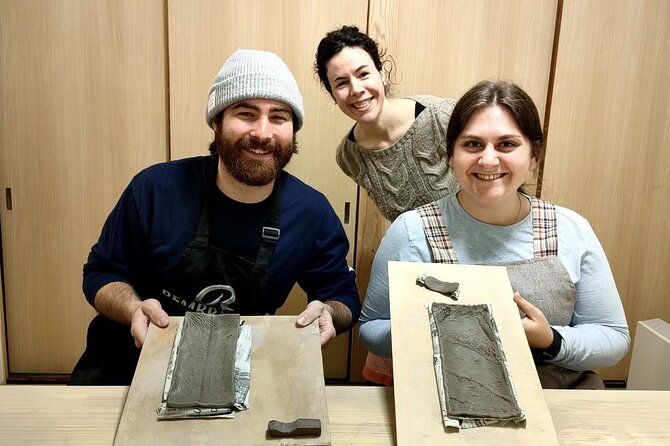
One reason this class is easy to justify is the included take-home items. In addition to what you make, the workshop includes a souvenir plan:
- a small plate for sushi, decorated with traditional glaze
- a chopstick holder shaped like a sakura flower, made by Anna
You also receive a Japanese traditional small dish and the sakura-shaped chopsticks rest as part of what’s included. That means you are not just waiting for the kiln work and hoping something arrives later. You get tangible pieces connected to Japanese table culture.
I like this arrangement for two reasons. First, it gives you an immediate memory from your time in the workshop space. Second, it reduces the pressure of carrying everything home. Even if you plan to mail your main pieces, you still have something small and ready to gift or keep.
Shipping Your Made Pieces: Plan for About a Month and a Half
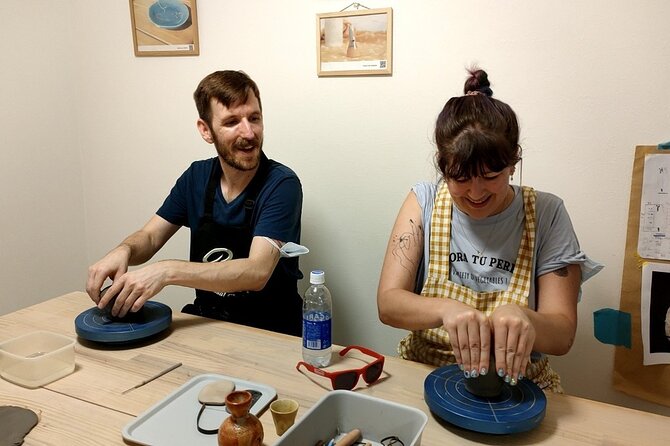
Here’s the key planning detail: the pottery you make takes about a month and a half to ship. The shipping fee is not included.
So the “true” cost of the workshop depends a bit on your plan. If you are traveling with luggage space and you want to bring everything back, you might not need shipping. If you want the studio to ship your finished pieces, you should budget for the shipping fee and be ready for the wait.
This timeline is long enough that it can overlap with the rest of your trip. For you, that is a good moment to decide where your shipment should go. If you have a stable home address, that’s often easiest. If you are moving during your trip, it can get complicated fast.
Also, because shipping is not included, don’t treat the headline price as fully turn-key unless you know you will carry your items. The workshop still includes firing and material costs, which is why it feels like good value even before you add any potential shipping.
Price and Value in Plain Terms
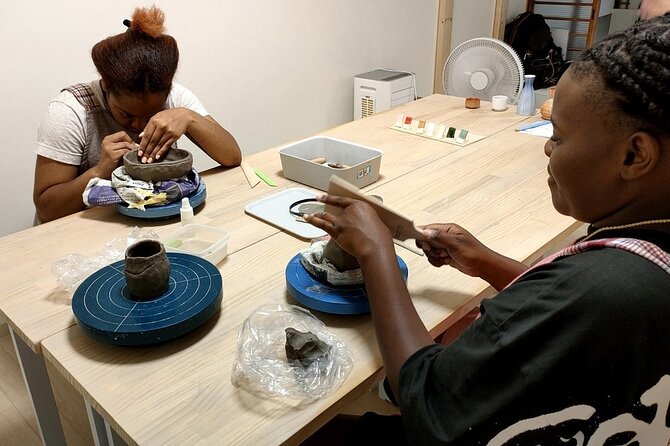
The price is $94.13 per person, and the session runs about 2 hours. That can sound either reasonable or steep depending on what you expect from a craft class. Here’s how I judge value with the details you have:
What you get included:
- instructor time
- material costs
- firing fee
- the included souvenir (small sushi dish and sakura chopstick rest)
- green tea, coffee, or water
- tax
When those items are bundled, you are mostly paying for instruction, the studio process, and the cultural experience. Compared to pottery classes where you pay separately for tools, firing, and aftercare, this one looks built to reduce those add-ons.
Private instruction also matters. If you’ve ever done group workshops, you know the biggest problem is time. One person’s questions can swallow the whole class. In a private format, you’re more likely to get real help shaping your piece and understanding why the technique works.
So if your goal is a hands-on souvenir with cultural context, this is priced like an activity, not a casual demo. It’s also worth planning ahead, since on average it’s booked about 46 days in advance. If you’re traveling in peak weeks, don’t wait until the last minute.
Who This Osaka Ceramics Experience Is Best For
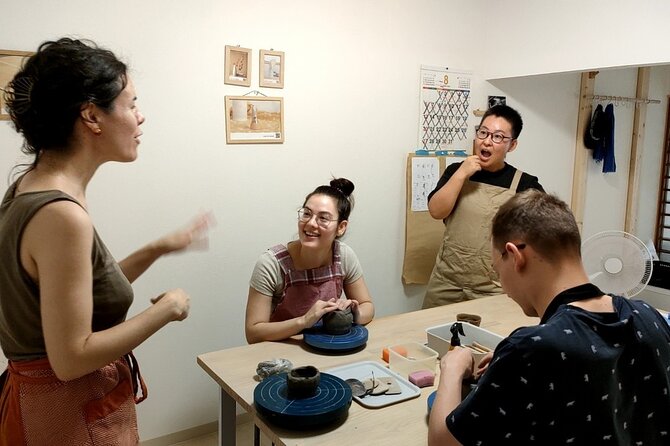
This workshop is most enjoyable when you want a calm, guided craft day. It’s also a strong fit if you care about language support. Spanish and Catalan instruction are explicitly available, which can be rare in craft workshops.
You’ll probably enjoy it if you:
- want a private class instead of a crowded group
- like learning the meaning behind craft, not just copying shapes
- want a food-related souvenir, like sushi or sake table objects
- don’t mind waiting about a month and a half if you plan to ship pieces
It may feel less ideal if you:
- want a pottery experience with no waiting at all (shipping timeline is long, and shipping costs are extra)
- need a fully outdoors activity, because the experience is described as requiring good weather
- are trying to do it as a quick stop with zero time commitment beyond walking up and leaving immediately
It’s also family-friendly by nature, since it’s structured for beginners and the studio provides instruction and patience. If you’re bringing kids or teens, the private format can make the pace more comfortable.
Should You Book This Private Japanese Ceramics Workshop?
If you want a ceramics experience that feels traditional, personal, and connected to Japanese food culture, I think this one is worth booking. The private instruction, the option to choose between a sake set, sushi set, or chawan, and the included sushi dish plus sakura chopstick rest make it feel like more than a single activity.
Book it especially if you speak Spanish or Catalan, or you want that language option without settling for a workshop that only runs in English. It’s also a good match if you like exploring Osaka beyond the main tourist streets, since the workshop is in a historic house in the south of the city.
Just go in with two planning thoughts. First, decide what you will do about shipping since delivery takes about a month and a half and shipping costs are not included. Second, pick a morning or afternoon slot that fits your schedule, and plan to arrive on time at Teradachō Station.
If you can handle that, you’ll walk away with a handmade souvenir and a story that actually makes sense, not just another photo.
FAQ
What is the duration of the Osaka private ceramics experience?
The workshop lasts about 2 hours.
Are there morning and afternoon session times?
Yes, morning and afternoon workshop times are offered for flexibility.
Is the experience private or shared?
It is private. Only your group will participate.
What can I make during the workshop?
You choose one option: a sake set (small bottle and glass), a sushi set (sushi plate and chopstick holder), or a tea bowl (chawan).
What languages are available for the class?
The class is offered in English, Spanish, Catalan, and Japanese (and the workshops are given in Spanish, Catalan, or English).
Does the price include shipping for the pottery pieces I make?
No. Shipping is not included. Pieces can be shipped home, and it takes about a month and a half, but the shipping fee is extra.
What souvenirs are included?
You receive an included Japanese traditional small dish and a sakura-shaped chopsticks rest. The sushi dish is decorated with traditional glaze, and the chopstick holder is shaped like a sakura flower made by Anna.
What happens if weather is poor?
The experience requires good weather. If it is canceled due to poor weather, you’ll be offered a different date or a full refund.
Fresh options around Osaka
- Osaka Winery Tour with Wine Tasting & Vineyard Walk★ 4.9 · 12 reviews
- Osaka: Early Morning Osaka Castle Guided Tour, Avoid Crowds★ 4.9 · 12 reviews
- Kyoto Day Trip from Osaka Port – Private Shore Excursion★ 5.0 · 13 reviews
- Osaka Private Pop Culture Tour: Historic Tenma to Dotonbori★ 4.5 · 13 reviews
- Osaka Castle Admission Ticket★ 4.0 · 13 reviews
- Hidden Osaka Foodie Tour: Nishinari Backstreets & Local Dining★ 5.0 · 13 reviews
- Discover Real Osaka: A Cultural Walk with Food & Drink★ 5.0 · 13 reviews
- Nara private tour (Shore excursion available from Osaka or Kobe port)★ 5.0 · 13 reviews
Osaka Tours, compared.


Shinsekai Food Tour with 13-15 Dishes at 5 Eateries
Read our review →
Osaka Food Tour: 13 Dishes at 5 Local Eateries
Read our review →
Hungry Osaka Street Food Tour:15 Tastings & 3 Drinks with a Local
Read our review →