
Reviewed · COOKING CLASSES
Osaka Okonomiyaki Cooking Class “Learn here and make it at home”
Flip pancakes, then learn the trick. This Osaka class is a hands-on way to make okonomiyaki and takoyaki from scratch, with an English-speaking instructor guiding you through every step. I like the setup because the kitchen is easy to reach from the Osaka Metro, yet it feels calm once you’re inside.
You also get the fun part, eating what you make. After cooking, you’ll enjoy a relaxed tasting session with your okonomiyaki and takoyaki, plus drinks like sake, beer, and soft drinks. One more thing I appreciate is the class size, capped at 8 people, which keeps the experience personal even on a busy Osaka evening.
The main consideration is dietary needs and drink rules. Vegetarian or allergy options require you to message after booking, and alcoholic drinks (sake and beer) are only for people age 20 and up.
Quick highlights you should care about
- Small group cooking with a maximum of 8 people, so you get real guidance while you cook
- Two Osaka classics in one session, okonomiyaki savory pancake and takoyaki octopus dough balls
- All ingredients and tools provided, so you can focus on learning instead of shopping
- Multilingual support with an English-speaking instructor, plus Japanese or Spanish on request
- Tasting plus drinks after you cook, including sake and beer for age 20+
Osaka’s okonomiyaki and takoyaki, taught hands-on
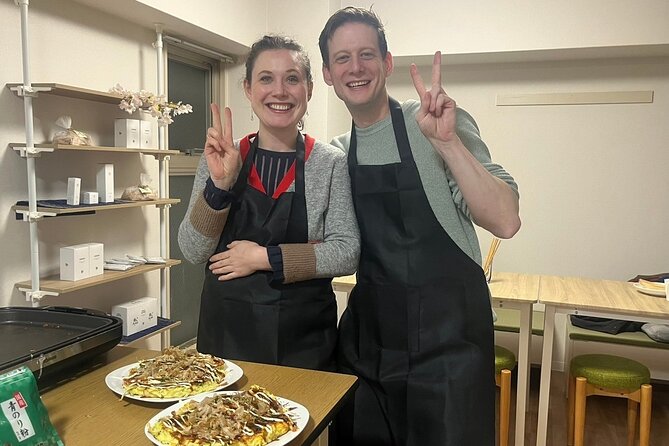
If you’ve ever watched someone make okonomiyaki and thought it looked like magic, this class is designed to make it feel doable. You’re not just learning what goes into the batter. You’re practicing the flow of making it, cooking it, and finishing it with the classic toppings.
Okonomiyaki is a savory pancake built around batter and cabbage, usually with fillings like pork or seafood, then topped with Japanese-style sauce and bonito flakes. Takoyaki is the other star, fried dough balls filled with octopus, finished with sauce, bonito flakes, and seaweed powder. The learning payoff is that once you understand the logic of each dish, you can recreate variations later at home.
I also like that the class doesn’t treat this like a lecture. It’s step by step, with a cooking focus that helps you understand the texture and timing, which is the part most people miss when they only follow a recipe on a screen.
More Cooking Classes in Osaka
- Osaka: Ramen and Gyoza Cooking Class in Dotonbori
★ 5.0 · 378 reviews - Osaka Cooking Class: Okonomiyaki &Japanese cuisines experience
★ 5.0 · 261 reviews - Ramen and Gyoza Cooking Class in Osaka
★ 5.0 · 202 reviews
Finding the kitchen near Shinsaibashi and Honmachi
Location matters in Osaka, and this one is very practical. The kitchen is in central Osaka, about a 5-minute walk from both Shinsaibashi and Honmachi stations on the Osaka Metro. That puts you close to sightseeing, shopping, and dinner plans, without making the class location feel chaotic.
The address is:
南船場コレット904
4-chōme-3-1 Bakurōmachi, Chuo Ward, Osaka, 541-0059, Japan
You start and end back at the meeting point, which makes the evening feel tidy. And because the area is described as quiet and peaceful, you’re not fighting noise or crowds while you’re learning how to handle the batter and fillings.
One more logistics plus: it’s run by WashokuYanen, and you’ll use a mobile ticket. So you’re not juggling paper tickets while you navigate the Metro.
The first 30 minutes: orientation and getting your station ready
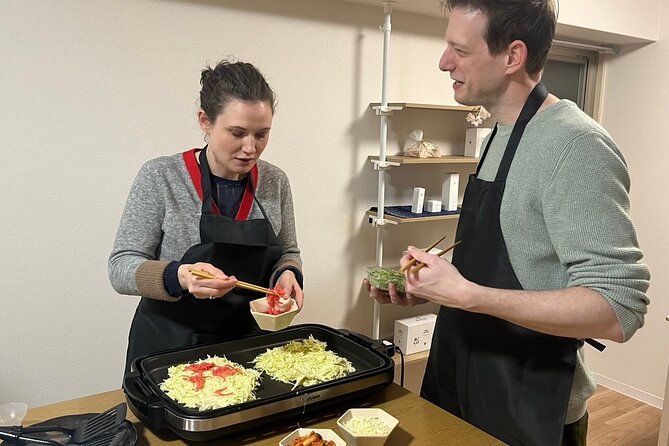
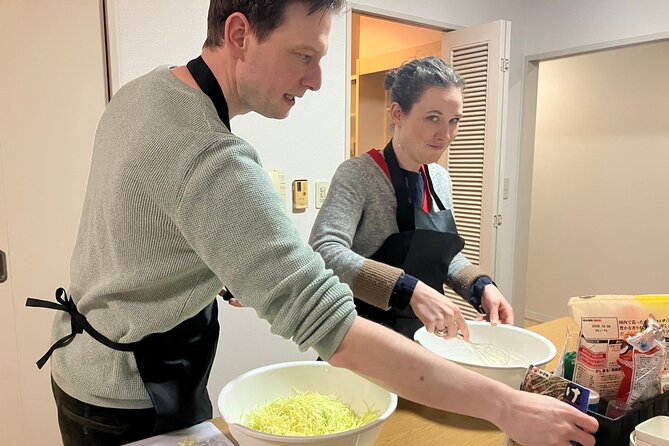
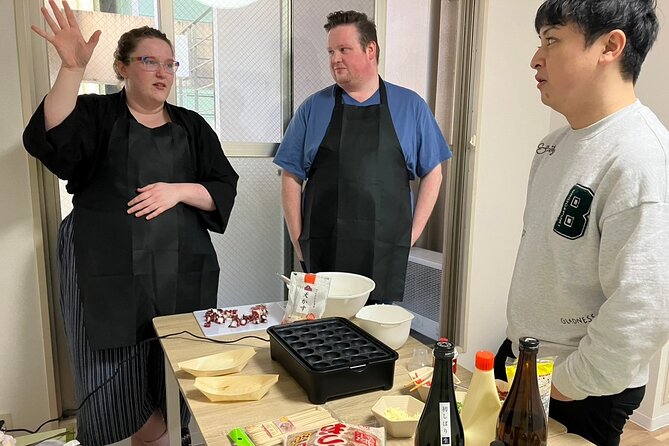
The class begins with about 30 minutes of orientation and preparation. This is where you get the foundation that makes the cooking portion less stressful.
What you’ll get in this phase is the practical know-how: how the tools work, how ingredients are portioned, and how the class is going to move from preparation to cooking. Even if your Japanese is basic, the instructor support helps. The program lists an English-speaking instructor as included, and Japanese or Spanish instructors are available upon request.
This matters because okonomiyaki and takoyaki each have their own rhythm. If you show up only knowing what the food looks like, the first few minutes can feel like scrambling. Orientation is the buffer that lets you get your bearings fast.
Also, at this stage, you’re taught what ingredients you’re responsible for and what the instructors control. That division of labor keeps the class moving and helps you focus on learning the parts you’ll repeat later.
Cooking for 1.5 hours: from batter to the first flip
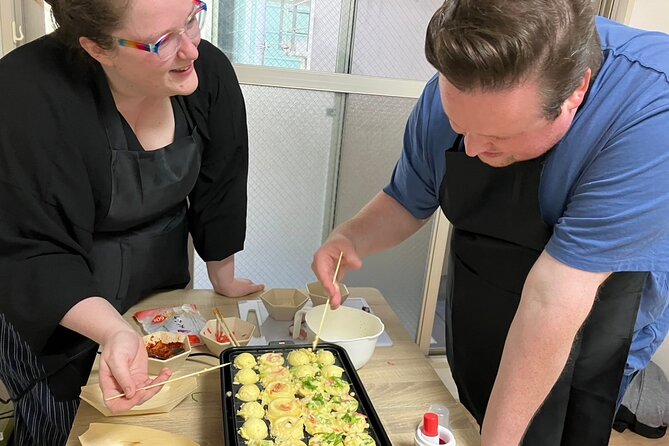
The cooking block runs about 1 hour 30 minutes, and you’ll actively make both dishes. This is the heart of the class, and it’s long enough to go beyond a quick demonstration.
Same corner of Japan, a different kind of day:
- Osaka Go Karting Tour with Funny Costume
★ 5.0 · 2,658 reviews - Osaka Castle: Museum and Tower Entry Ticket
★ 4.5 · 2,380 reviews - Osaka: Shinsekai Food Tour with 13-15 Dishes at 5 Eateries
★ 4.8 · 2,204 reviews - Osaka Food Tour: 13 Dishes at 5 Local Eateries
★ 5.0 · 2,149 reviews
Making okonomiyaki savory pancake the Osaka way
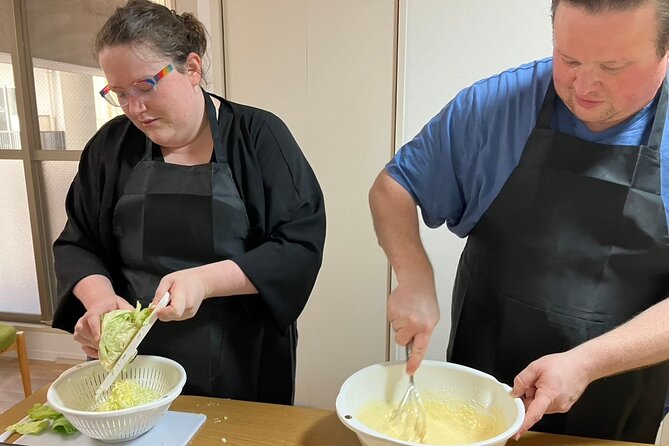
For okonomiyaki, you’ll work with batter and cabbage, plus choose from fillings such as pork and seafood depending on what’s offered in the class. Then you top your finished pancake with Japanese-style sauce and bonito flakes.
The real learning value is texture and assembly. Okonomiyaki isn’t complicated by the number of ingredients, it’s complicated by the feel. You’re learning when the batter looks set, how to handle cabbage so it cooks through, and how to finish it so the classic toppings land the way you expect.
This is also a great class if you care about accuracy. One detail from past participants that I find extra useful is the way instructors provide written recipes. That helps you remember what you did, not just what it tasted like.
Cooking takoyaki, the stuffed dough ball challenge
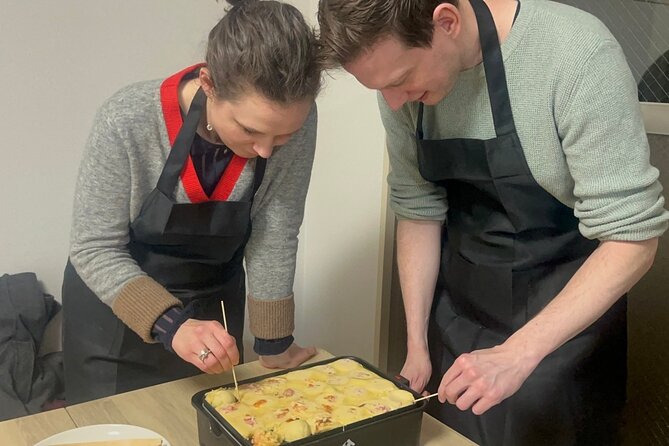
Then you shift to takoyaki. This is where the class becomes genuinely fun. Takoyaki is made as small fried dough balls filled with octopus, then topped with sauce, bonito flakes, and seaweed powder.
The challenge is forming the balls and keeping the filling in the right place. You’ll see how the batter is managed and how the cooking method creates that round shape. It’s also where a small-group format pays off, because you can get corrections quickly instead of guessing.
One practical advantage: takoyaki is something you can replicate later because it’s easy to understand once you’ve watched the process and done a round yourself. That means you’re not only leaving with a meal, you’re leaving with a repeatable method.
Eating what you cooked: 1 hour tasting with drinks
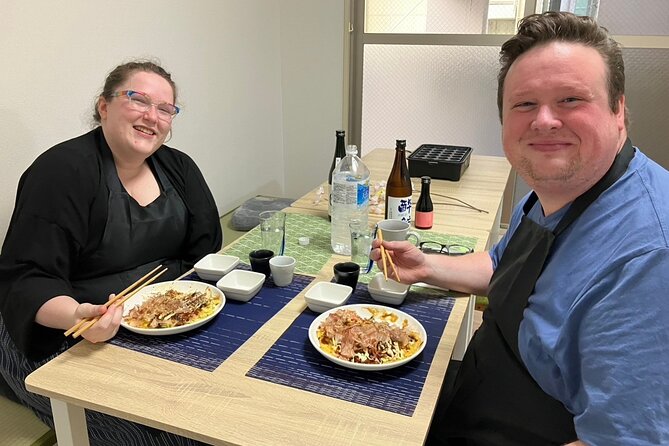
After cooking, you get a 1-hour tasting session. This part is straightforward and satisfying: you relax, enjoy the okonomiyaki and takoyaki you made, and pair them with drinks.
The class includes:
- sake and beer (only for participants age 20 and above)
- soft drinks like soda
- a casual atmosphere where you can talk with instructors
I like this format because it keeps your motivation up. You cook in one block, then you’re not rushing to a separate dinner somewhere else. It’s also a chance to compare your results with how instructors expect the finished dishes to come out.
If you care about pairing, don’t overthink it. The drinks are included, and the food is the star. Still, you’ll likely enjoy sake or beer more when it’s tied directly to the dishes you just made.
One more note from the experience info: alcoholic service depends on age. If you’re bringing a group with mixed ages, plan on soft drinks for anyone under 20.
What the price covers, and whether it’s good value
At $70 per person for a roughly 3-hour experience, you’re paying for more than cooking instructions. You’re paying for the whole setup.
Included in the price:
- all ingredients
- kitchen tools
- aprons and disposable plastic gloves
- an English-speaking instructor
- extra language support (Japanese or Spanish) upon request
- tasting of what you make, plus drinks
If you tried to recreate both dishes on your own, the ingredient shopping plus the right tools can easily eat up your budget. Here, you skip that step and focus on learning how the dishes work. You’re also paying for time, and the instructor presence during cooking is what turns a recipe into a skill.
To me, the value is strongest if you want two things:
1) a guided introduction to how Japanese cooking actually comes together
2) a realistic path to cooking at home later
Also, the class is capped at 8 people, which you should treat as part of the value. Smaller groups are where you get more attention when you’re learning. Some people are lucky enough to book it as just a couple, and that kind of intimacy can make the evening feel less like a structured activity and more like a friendly workshop.
Learning to cook at home, not just eat out
This class has a practical advantage that many cooking experiences miss: it helps you take the knowledge home with you.
One thing that stands out from past experiences is that participants appreciated the written recipes and the opportunity to see the packaging for different ingredients. That sounds small, but it solves a real problem. When you cook at home, the hardest part is not the technique. It’s finding the exact ingredients and using the right products.
Because the instructors help with ingredient identification, you can more confidently recreate:
- sauce and toppings for okonomiyaki
- seaweed powder and finishing styles for takoyaki
- the batter and filling approach that keeps each dish tasting like the real thing
If you’re the kind of person who likes to cook after trips, this class is built for that. You’ll leave with a method you can repeat, plus a clearer map of what to look for in a supermarket.
Family-friendly for younger kids, with one practical caveat
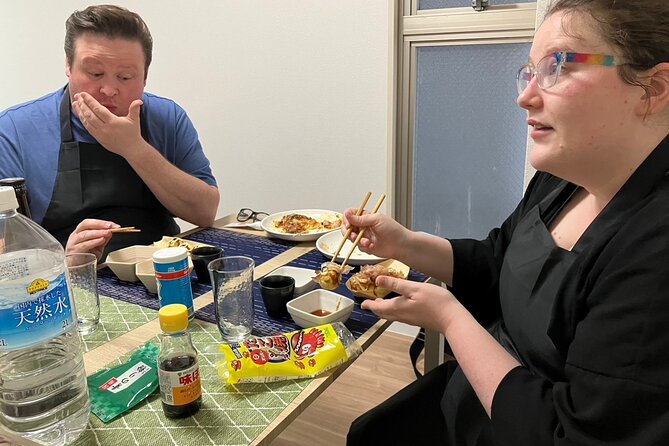
One of the reviews highlights that the experience worked well even with younger kids. That suggests the instructors can keep the pace manageable and handle mixed levels of comfort in the kitchen.
Still, use common sense. Cooking stations and hot surfaces require attention from kids and supervision from adults. If you’re traveling with children, you’ll get the best result if everyone is ready to follow instructions closely.
If anyone in your group has allergies or strong dietary preferences, reach out after booking. The class says vegetarian or food allergy options are possible, but you need to message once your booking is complete.
Who should book this class, and who should skip it
This is a great fit if:
- you want to learn two Osaka favorites in one evening
- you prefer hands-on guidance over just watching someone cook
- you like the idea of taking recipes home with ingredient guidance
- you value a small group experience and personal attention
You might choose something else if:
- you’re only looking for a quick snack. This is a full cooking session with tasting, so it takes your evening time.
- you need very specific dietary accommodation and haven’t messaged ahead. The class asks you to contact them after booking for vegetarian and allergy needs.
- alcohol is a big deal for your group. Alcohol is included, but only for age 20 and up.
Should you book this Osaka cooking class?
If your goal is to leave Osaka with a real cooking skill, this class is easy to recommend. The structure is sensible, you’ll cook both okonomiyaki and takoyaki, and the inclusion of tools, ingredients, and tasting makes the whole experience feel complete.
The strongest reasons to book:
- small group size for real support while you cook
- a step by step approach that helps you recreate the dishes later
- a central location near major Metro stops, so you can fit it into an Osaka evening without stress
My suggestion: book it early if you can. It’s commonly booked about 19 days in advance, so you’ll have a better choice of dates by planning ahead.
FAQ
FAQ
How long does the Osaka okonomiyaki and takoyaki cooking class last?
The class runs for about 3 hours total, including orientation, cooking, and a tasting session.
What dishes will I make during the class?
You’ll make Japanese okonomiyaki savory pancakes and takoyaki savory dough balls.
Is there an English-speaking instructor?
Yes. An English speaking instructor is included.
Will the class be taught in other languages besides English?
The class includes Japanese speaking and Spanish speaking instructors upon request.
Do I get to eat the okonomiyaki and takoyaki I cook?
Yes. After the cooking portion, there is a tasting session where you relax and enjoy the okonomiyaki and takoyaki you made, along with drinks.
Are alcoholic drinks included?
Yes, sake and beer are included, but only for travelers 20 years old and above. If you are under 20, you will be served non-alcoholic drinks.
What should I bring with me?
You don’t need to bring ingredients or tools. The class provides everything you need, so just come ready to cook.
Where is the meeting point, and is it near public transportation?
The meeting point is in central Osaka at 南船場コレット904, 4-chōme-3-1 Bakurōmachi, Chuo Ward. It’s about a 5-minute walk from both Shinsaibashi and Honmachi stations on the Osaka Metro.
Can I cancel and get a full refund?
Yes. You can cancel up to 24 hours in advance for a full refund. If you cancel less than 24 hours before the start time, the amount paid is not refunded.
Fresh options around Osaka
- Osaka Winery Tour with Wine Tasting & Vineyard Walk★ 4.9 · 12 reviews
- Osaka: Early Morning Osaka Castle Guided Tour, Avoid Crowds★ 4.9 · 12 reviews
- Kyoto Day Trip from Osaka Port – Private Shore Excursion★ 5.0 · 13 reviews
- Osaka Private Pop Culture Tour: Historic Tenma to Dotonbori★ 4.5 · 13 reviews
- Osaka Castle Admission Ticket★ 4.0 · 13 reviews
- Hidden Osaka Foodie Tour: Nishinari Backstreets & Local Dining★ 5.0 · 13 reviews
- Discover Real Osaka: A Cultural Walk with Food & Drink★ 5.0 · 13 reviews
- Nara private tour (Shore excursion available from Osaka or Kobe port)★ 5.0 · 13 reviews
Cooking Classes, compared.
Ramen Cooking Class at Ramen Factory in Kyoto
Read our review →
Ramen & Gyoza Cooking Class in Tokyo with Local Supermarket Visit
Read our review →
Ramen Cooking Class at a Ramen Factory with Souvenir
Read our review →
Japanese Washoku Bento Small Group Cooking Class
Read our review →
Easy Ramen Cooking Experience in Kabukicho, Shinjuku
Read our review →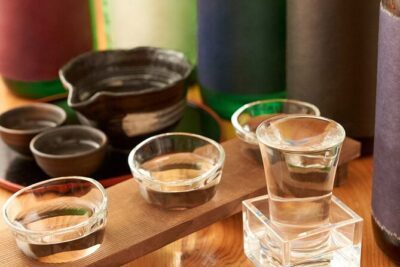
Ramen and Sushi Cooking Class with Sake Pairing Set in Tokyo
Read our review →Browse the lists this tour appears in