
Reviewed · MUSEUMS
Osaka: Kamigata Ukiyo-e Museum Admission Ticket
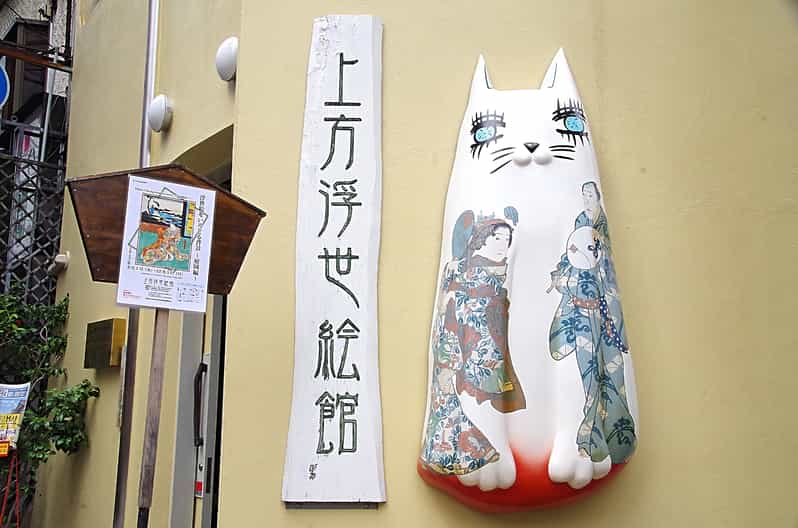
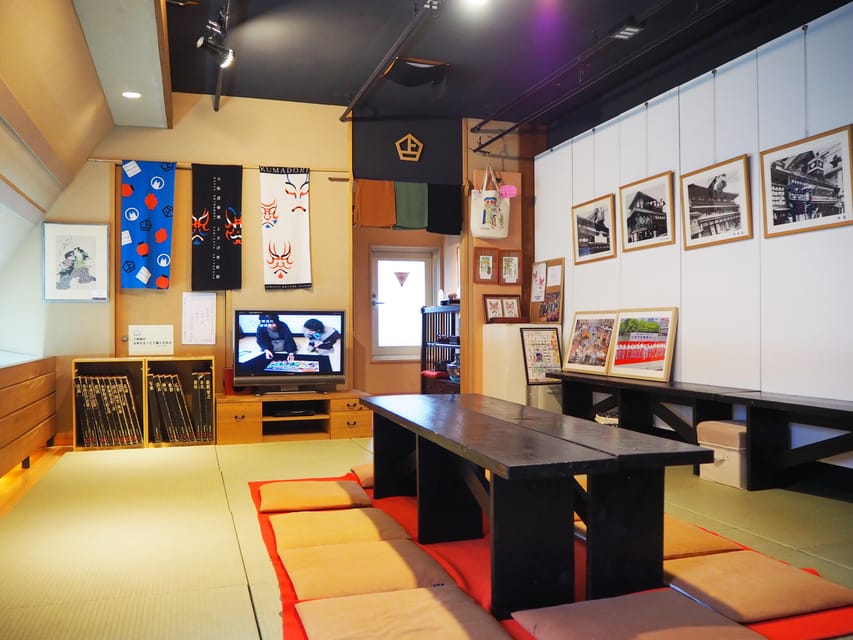
Gold dust meets kabuki on paper. This small museum is all about Kamigata ukiyo-e, Osaka’s distinctive actor prints, and I love how the exhibits point out the gold, silver, and copper powder effects that make the artwork feel alive. The one drawback to plan around is that it is mostly a viewing experience, since the hands-on printing course is not included with this admission ticket.
You’ll be walking into the heart of Dotonbori, Osaka’s theater neighborhood, where the subject matter makes immediate sense. The museum explains the history and techniques behind these woodblock prints with displays that are easy to follow, even if you have never studied ukiyo-e before.
If you like art that connects to real places and real performers, this ticket is a great deal. At about $4.51 per person for a full day’s access, you are paying for context, craft, and close looking, not just a quick photo stop.
Key highlights to notice
- Kabuki actor prints tied to Osaka and its theater streets
- Dotonbori location gives the art extra meaning as you explore nearby
- Powdered details using gold, silver, and copper tones
- Museum exhibits on history and technique so you understand what you are seeing
- Compact, easy to fit in (a stop that works even when your day is busy)
Kamigata Ukiyo-e in Osaka, not Tokyo
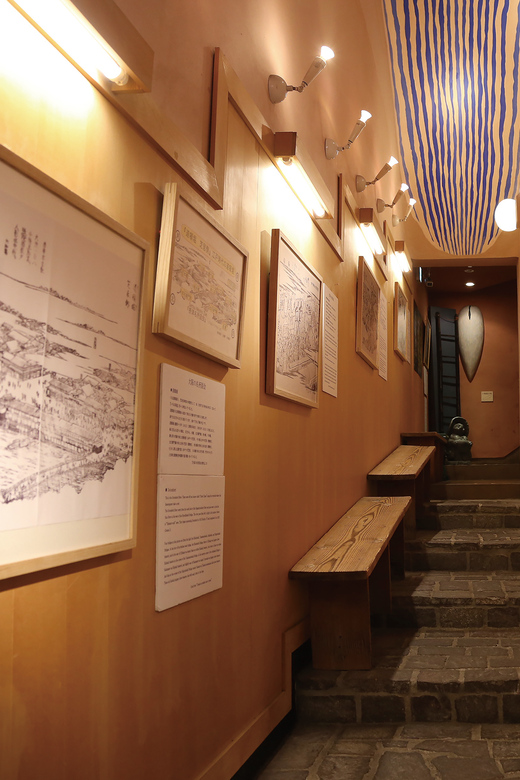
Ukiyo-e is usually grouped as a big umbrella of Japanese woodblock art, but the Kamigata style has its own personality. Here, the focus is on Osaka-linked prints, especially actor imagery from the kabuki world. That matters because you are not just looking at costumes and faces. You are looking at a local pop-culture system.
I like that the museum keeps pulling you back to why these prints were made. Kabuki actors drew crowds, and the prints helped spread fame and style. In Osaka, the city’s theater district history shaped what artists emphasized, so you start noticing differences in tone and composition when you compare what you know from other areas.
This is also a good choice if you want art with a story you can walk through. You do not need a deep background in Japanese art history to follow what the museum is explaining. It is presented in a way that helps you look with intention.
A few more Osaka days worth comparing
- Osaka Castle: Museum and Tower Entry Ticket
★ 4.5 · 2,380 reviews - Kamigata Ukiyoe Museum:Ukiyo-e Woodblock Printing Experience
★ 4.9 · 79 reviews - Osaka: Cup Noodles Museum Guided Tour (90 Minutes)
★ 4.8 · 38 reviews
Dotonbori theater vibes, with a museum-focused pause
The museum is located in Dotonbori, Osaka’s famous entertainment district. That is an advantage if you like pairing sightseeing with meaning. You can connect the art on the walls to the area outside, where the city’s theater identity is still part of the street-level experience.
Dotonbori is also the kind of place where your day can run fast. So I treat this ticket as a deliberate slowdown. Step in, take your time, then step back out when you want the energy again.
One practical note: like many central-area attractions, there might be a waiting period during peak times. If you are traveling during busy hours, I would aim for an off-peak window so you can enjoy the galleries without feeling rushed.
Inside the galleries: kabuki actors as the main event
The museum specializes in actor prints, with a strong emphasis on kabuki performers who appeared in the theater world during the Edo and Meiji periods. That single subject focus is exactly what makes the visit satisfying. Instead of scattering your attention across unrelated themes, you get to build recognition.
As you move through the exhibits, you can start thinking like an ukiyo-e viewer. Who is being portrayed, what details are emphasized, and how does the print communicate character through costume, pose, and expression? The museum’s layout is designed so that actor imagery stays in view, while the background explanations help you interpret what you are seeing.
I also appreciate the balance here. You are not asked to memorize dates. You are shown technique and context in a way that supports the looking. If you are the type who likes to understand what you see, you will enjoy the pacing.
Gold, silver, and copper powder effects you can actually spot
One of the signature features highlighted for these Kamigata prints is that they use gold, silver, and copper powders. That is not just a decorative detail. It is a clue to how the artist and printer were trying to create visual impact.
When you see these metallic-toned effects in person, your brain registers it as something more dimensional than flat ink. It also helps you notice how the print’s surface changes depending on the lighting in the room. Even if you just stand still for a few moments, you often pick up new details.
This is where you want to slow down and look properly. If you just walk past, you miss what makes the craftsmanship special. I find that watching a single artwork for a minute or two makes the technique lesson click, because you can see what the museum is pointing you toward.
Same corner of Japan, a different kind of day:
- Osaka Go Karting Tour with Funny Costume
★ 5.0 · 2,658 reviews - Osaka: Shinsekai Food Tour with 13-15 Dishes at 5 Eateries
★ 4.8 · 2,204 reviews - Osaka Food Tour: 13 Dishes at 5 Local Eateries
★ 5.0 · 2,149 reviews - Hungry Osaka Street Food Tour:15 Tastings & 3 Drinks with a Local
★ 5.0 · 1,727 reviews
How the woodblock process shapes what you see
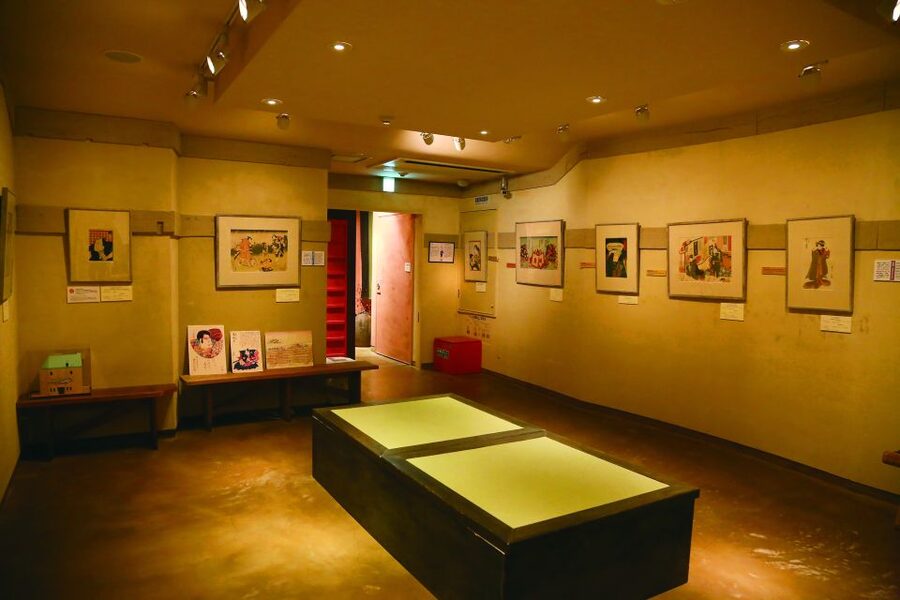
The museum goes beyond showing finished prints. It explains the history and techniques behind Kamigata ukiyo-e, which is the difference between admiring artwork and understanding why it looks the way it does.
With woodblock printing, the image comes from layered carving and careful color placement. That means what you see on the page is the result of a system: separate blocks for different elements and a process that requires consistency. When the museum explains parts of that, the prints stop being random art and start being a craft product.
This is also where the Kamigata angle helps. You are not only learning about a technique that exists in Japan. You are learning about a specific local style and how its creators built on earlier traditions while adapting to Osaka’s theater culture.
If you are worried you might find museum explanations boring, this is a good one to try. The topic is concrete. You can immediately connect explanation to the physical artwork in front of you.
Your admission ticket: what it includes, what it does not
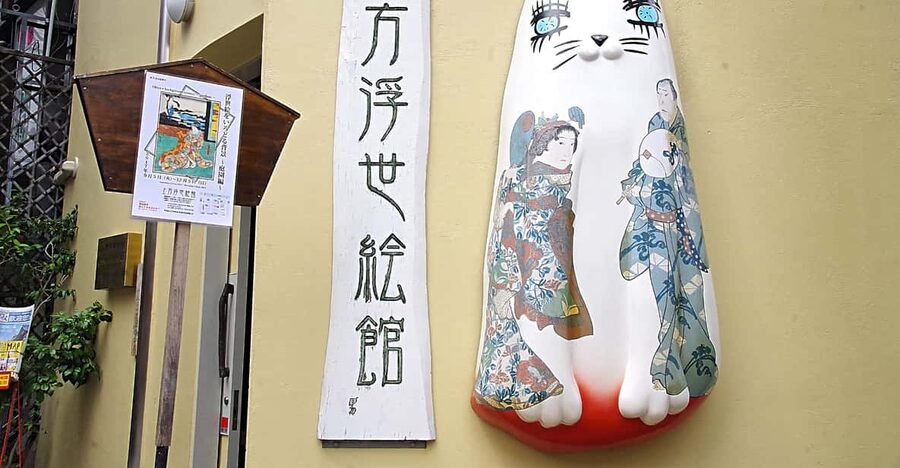
This ticket includes admission only. That is good, because you can tour the exhibitions at your own pace and focus on the prints and technique displays without committing to anything extra.
What is not included is the ukiyo-e woodblock printing experience course. So if you want the hands-on part, you will need to add it separately. The good news is that there is a hands-on option associated with the museum, and at least some visitors describe doing basic printing during that kind of session.
Here is how I would think about it for your planning:
- If you mainly want art and technique explanations, the admission ticket is the right core buy.
- If you want a souvenir skill and hands-on time, plan for the separate printing course cost and time.
Either way, I would not expect this ticket to turn into a workshop day automatically. You are paying to see Kamigata actor prints and learn from the exhibits.
Practical tips for a smooth visit in this Osaka stop
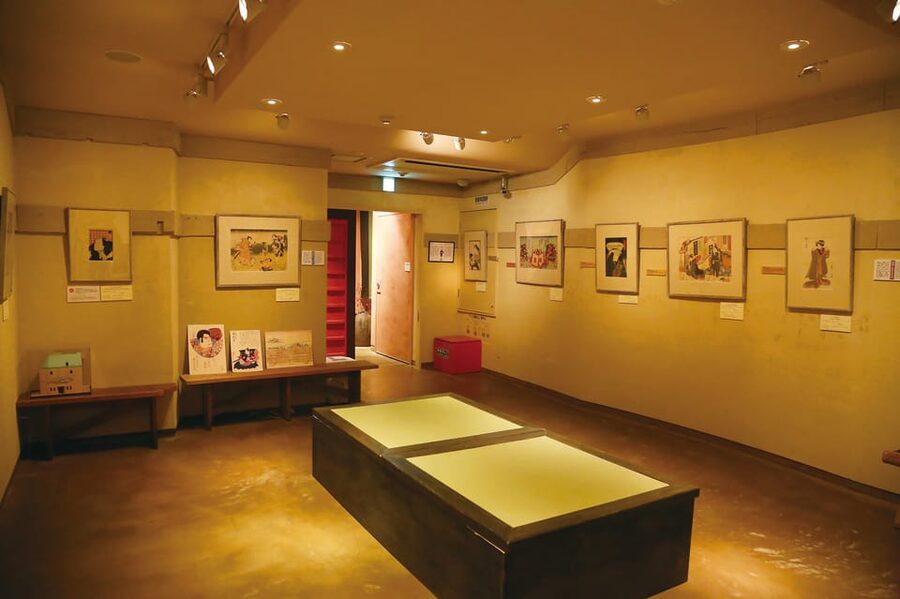
A few small details make the difference between a calm museum visit and a stressful one.
First, bring your QR code voucher. When you arrive, you show it at the ticket window to receive a physical ticket. If you are the kind of traveler who saves everything in a screenshot, also have your QR code ready to scan. Phones die. Batteries do not negotiate.
Second, photography is allowed, but there are limits. Flash and large equipment are prohibited. So keep it simple. If you want photos for later, plan to photograph the most important prints and any exhibit panels that explain technique.
Third, plan around the museum schedule. The museum is closed every Monday. If Monday is a holiday, it will be closed the following day. Osaka’s entertainment districts never stop being active, but your art stop might.
Finally, there are age and student requirements. Admission is free for children under 3 years old, and preschool children aged 6 and under are also free. Children under 13 must be accompanied by a guardian. Elementary, junior high, and high school students need to present a student ID or other proof of age.
That all matters because it can affect entry time and whether you need ID on hand.
How long you should plan, and how to structure your time
The activity is listed as valid for 1 day, which gives you flexibility. That does not mean you should sprint through in 20 minutes. It means you can fit it into your broader Osaka plan without feeling trapped.
I suggest a simple structure:
- Start by scanning the actor prints and choosing a few works that really grab you.
- Then read the technique and history explanations connected to what you are seeing.
- Finish by returning to one or two favorites to see what changed in your understanding.
That rhythm is what turns a small museum into a memorable one. Otherwise, the art becomes background for your day.
If you are adding the woodblock printing experience course, give yourself extra time. Hands-on activities tend to take longer than you expect, and you will want time for the demo or setup portion that comes with printing.
Who this ticket is best for
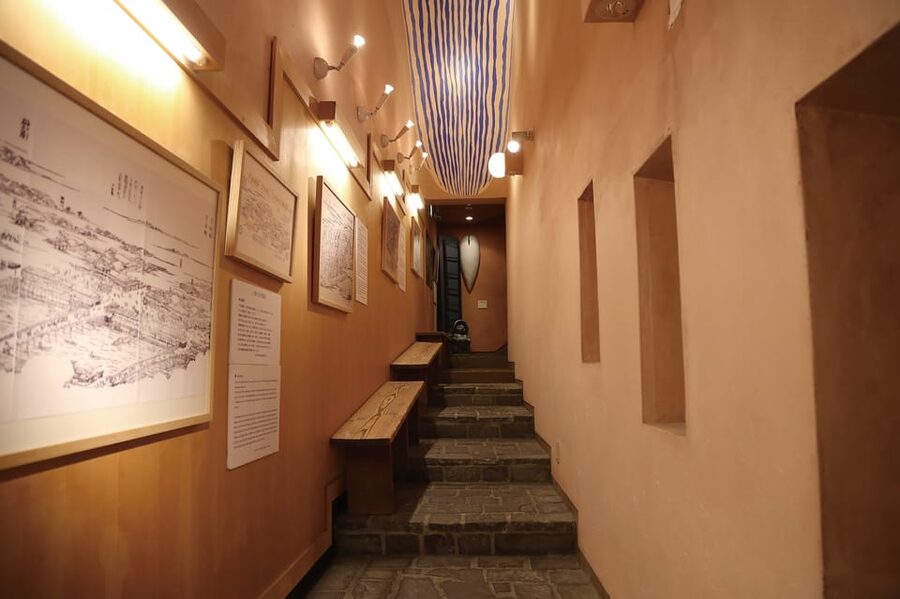
This is a smart pick if you:
- Like Japanese art but want it tied to a real location, not just a collection
- Enjoy theater culture and want to connect kabuki actors with their visual legacy
- Want a compact museum stop that fits easily into an Osaka day
- Care about craftsmanship and technique, especially how woodblock prints become detailed images
If you are only looking for big museum scale, this might feel small compared with larger city institutions. But if you want focused quality, it is exactly the kind of experience that rewards your attention.
Should you book the Kamigata Ukiyo-e Museum ticket?
I think you should book this admission ticket if your travel style includes close looking and learning a little craft context. At around $4.51, the value is strong, especially because the museum concentrates on a specific theme, kabuki actor prints, and backs it up with explanations of Kamigata history and technique.
Skip it only if you are mainly chasing a full hands-on workshop day. Since the woodblock printing course is not included with this ticket, you would likely need to add that separately to match your expectations.
If you are spending time in Dotonbori anyway, this is one of the easiest ways to turn a theater district stroll into something deeper than dinner and selfies. You walk away understanding why these prints mattered to Osaka, not just that they look good.
FAQ
Where is the Kamigata Ukiyo-e Museum?
It is in Osaka, Honshu, Japan, in the Dotonbori area.
How much does the admission ticket cost?
The price is $4.51 per person.
How long is the ticket valid for?
The ticket is valid for 1 day.
Is this an open ticket?
Yes. It is an open ticket, so you do not need to specify a participation date. The voucher expiration period is 3 months from purchase.
How do I get the physical ticket?
Show your e-voucher at the ticket window to receive a physical ticket.
Is the woodblock printing experience course included?
No. The admission ticket includes museum entry only, and the printing experience course is not included.
Can I take photos inside the museum?
Photography is allowed, but flash and large equipment are prohibited.
When is the museum closed?
The museum is closed every Monday. If Monday is a holiday, it will be closed the following day.
Who can get free admission, and what ID is needed?
Children under 3 years old get free admission. Preschool children aged 6 and under are also free. Children under 13 must be accompanied by a guardian. Students in elementary, junior high, and high school need to show a student ID or other proof of age.
Fresh options around Osaka
- Osaka: Private Ceramic Painting Workshop★ 5.0 · 13 reviews
- Osaka Street Food Festival :Takoyaki&Okonomiyaki for Families★ 5.0 · 13 reviews
- Osaka: Osaka Castle 3 hours Historical Walking Tour★ 4.6 · 14 reviews
- Make Sushi and Create Unforgettable Memories in Osaka★ 5.0 · 14 reviews
- Osaka Castle Tour – With Optional City Highlights (3 hours)★ 4.5 · 14 reviews
- Traditional Home cooking Experience in Osaka, Japan★ 5.0 · 14 reviews
- Osaka American village Bar hopping tour★ 5.0 · 14 reviews
- Osaka Temple :Warm Bamboo Oil Massage – Deep Restore〈90min〉★ 5.0 · 14 reviews
Museums, compared.
teamLab Planets TOKYO Digital Art Museum Entry Ticket
Read our review →
Samurai Ninja Museum Guided tour and Experience
Read our review →
Tea Museum Tickets and Matcha Grinding Experience
Read our review →
Skip the lines Basic Ticket at SAMURAI NINJA MUSEUM KYOTO
Read our review →
Ninja Experience (Family Friendly) at Samurai Ninja Museum TOKYO
Read our review →
Tokyo Studio Ghibli Museum and Ghibli Film Appreciation Tour
Read our review →
Geiko Maiko Dance of Kyoto & Visits of Gion Museum
Read our review →Browse the lists this tour appears in