
Reviewed · MUSEUMS
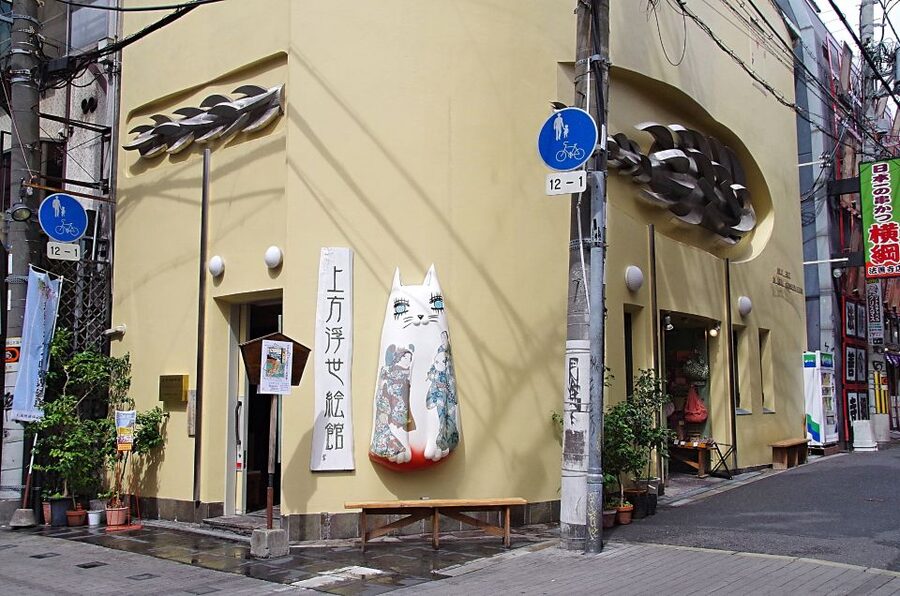
Kamigata Ukiyoe Museum:Ukiyo-e Woodblock Printing Experience
Watching ink transfer is oddly satisfying. This hands-on ukiyo-e workshop at the Kamigata Ukiyo-e Museum lets you print with original museum woodblocks, multi-color style, and leave with your own finished piece. One thing to plan for: the $5 workshop fee is separate from the museum admission ticket.
You can choose a beginner, intermediate, or advanced course, and the whole session runs about 30 minutes to 1 hour. Even if you are new to this art form, you will have room to experiment with the techniques you use during the printing process, like baren rubbing and pressure.
The class takes place in a Japanese-style room on the 4th floor, with traditional tatami seating. I like that it is a private setup, so you get patient guidance in English or Japanese, and the final result comes home with you in a clear file.
Key points before you go
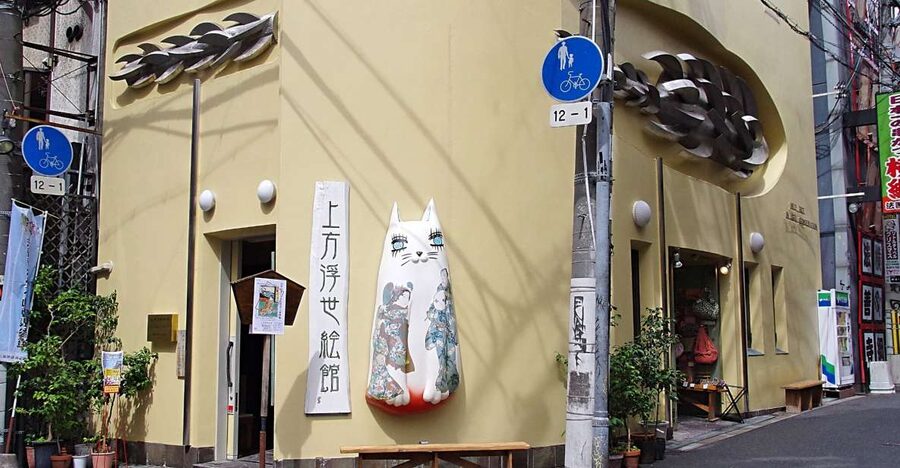
- Original woodblocks from the museum mean what you print is tied to real production, not a replica demo.
- 3 to 4 colors keeps the workshop doable, even for first-timers.
- Beginner to advanced courses let you match your comfort level and time.
- Tatami room seating uses zabuton cushions, with small stools limited.
- You take your own print home in an original clear file, plus protective sleeves are sometimes provided.
- One group per class keeps the pace calm and instructor-focused.
Picking Beginner, Intermediate, or Advanced (and getting the right pace)
This workshop is built around three course levels: beginner, intermediate, and advanced. The goal is the same for each level, you create your own ukiyo-e print under an instructor’s direction, using the museum’s woodblocks and Japanese paper. The difference is mainly how much practice and how many steps you are asked to manage, with the advanced option tending to feel harder and more involved.
If you are traveling with zero prior printmaking experience, go beginner. The hands-on teaching is clearly set up so you can succeed, with guidance through the basic techniques and a chance to experiment while you work. I also like that the class encourages small adjustments, like how you apply pressure, because that is where your print starts to look like your choices, not a copy.
Intermediate is a smart pick if you want a bit more challenge without stepping into the deep end. Multiple classes have included participants who had no experience, and the instruction is described as clear and supportive, even when there is a language gap.
For advanced, expect more complexity and extra steps. One review noted the advanced course is not easy, but still enjoyable and affordable, which is a good warning label. In other words, it is not just for experts, it is for people who like a project with some real effort behind it.
Private class format matters here. Only one group runs in a class session, so you are not rushing between strangers’ questions, and your instructor can slow down if you need it.
A few more Osaka days worth comparing
- Osaka Castle: Museum and Tower Entry Ticket
★ 4.5 · 2,380 reviews - Osaka: Cup Noodles Museum Guided Tour (90 Minutes)
★ 4.8 · 38 reviews - Osaka: Kamigata Ukiyo-e Museum Admission Ticket
★ 4.7 · 30 reviews
The woodblock workflow: original blocks, Japanese paper, and multi-color printing
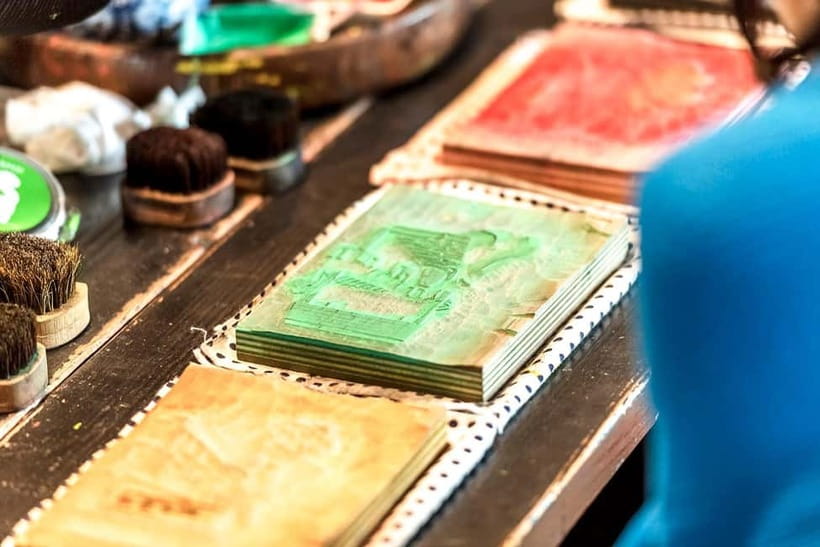
Here is the practical heart of the experience. You print on high-quality Japanese paper using the museum’s original woodblocks, and your final piece uses 3 to 4 colors. That matters because multi-color printing is the whole magic trick of ukiyo-e, and you get to feel how each color layer changes the final look.
The workshop also teaches the mechanics you usually never notice when you just admire prints behind glass. You will work through techniques like baren rubbing and controlling pressure. In other words, you are not only copying a final image, you are learning how a print actually transfers from block to paper.
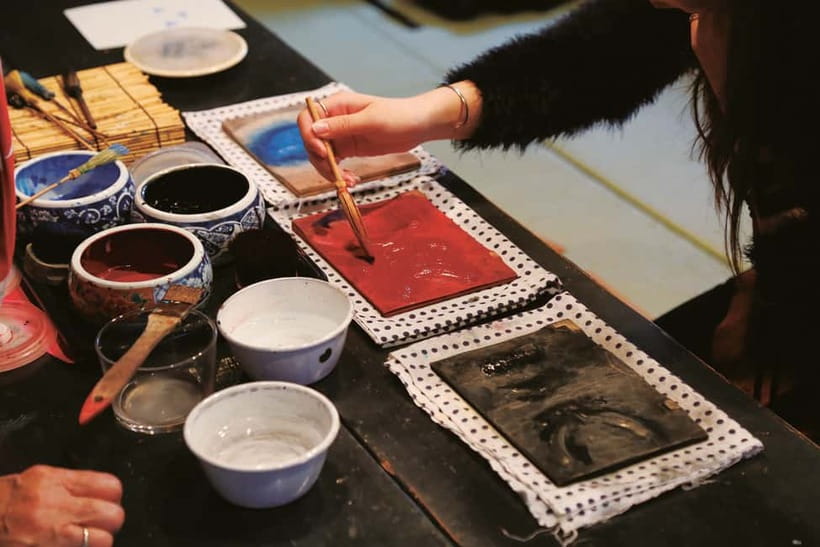
A key detail is that the process is designed to be approachable. Even beginners are guided through the sequence and allowed to experiment with painting techniques used during the workshop. That experimentation is not chaos, it is part of what makes your print personal. And yes, you get real feedback while you work, not just a quick demonstration and a pat on the head.
One review described the flow as quick and practical, painting the woodblock first, then printing. That matches what you should expect from a 30 minutes to 1 hour session. Think of it as a focused craft lesson, not a long lecture.
You also have a payoff beyond the technique. The finished artwork is given to you as a souvenir in an original clear file. If you like practical souvenirs you can actually use, this one is made for travel, it is organized, protected, and easy to pack.
Why the printing step matters in ukiyo-e (and how to see the museum differently)
A lot of art workshops stop at the how. This one also circles back to the why, especially the significance of printing in ukiyo-e creation. That is a big deal because ukiyo-e is not only about the final picture. It is about a whole craft system where printing is the job that turns carved surfaces and prepared inks into art you can hold.
Once you understand the printing step, museum viewing changes fast. When you look at ukiyo-e displays after the workshop, you start noticing layer-by-layer construction instead of just admiring composition. You begin to think about how each color would have required a separate stage, how the surface contact affects edges and tone, and how much control the printer must have.
I also appreciate that the class helps you understand why ukiyo-e production is such a hands-on craft. The reviews repeatedly highlight how instructors are patient, warm, and attentive to small details. That kind of teaching does not just help you get through the process. It gives you a framework for interpreting the museum collection afterward.
A smart way to plan your day is to visit the museum displays either before or after the workshop so the story clicks. If you do the workshop first, you will return to the galleries looking for the parts you just touched. If you do the galleries first, the workshop becomes a hands-on explanation of what you just saw.
If you want a small mission, try this: pick one ukiyo-e print in the museum, and imagine how it would be broken into layers that you printed one by one. You will not need technical jargon. Your hands will already do the thinking.
Tatami seating, private class feel, and the real value of a short workshop
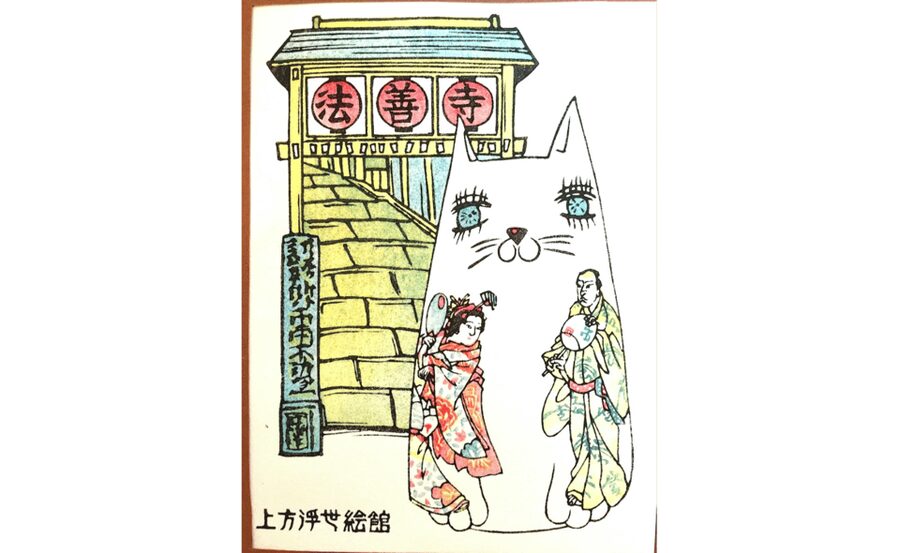
The setting is traditional, and it is not just for show. The woodblock printing experience happens in a Japanese-style exhibition room on the 4th floor. You will sit on zabuton cushions in a tatami room. Small stools are available, but they are limited, so it is a good idea to wear comfortable clothes you can sit in for a short time.
The private setup is another quality factor. Only one group is available per class session to keep the quality high. In practice, that means you get more direct attention, and the class does not feel like a factory line.
Now let’s talk value, because $5 sounds almost too good until you read the fine print. The workshop price covers the printing experience fee and an instructor. But the museum admission ticket is not included. So your total cost is workshop fee plus museum admission.
Even with that, the value is strong for two reasons. First, the workshop includes the actual craft materials you need for a real print, including Japanese paper. Second, you leave with a finished artwork, protected in an original clear file, which turns a short session into a take-home souvenir that feels earned.
Also, the time window helps. A 30 minutes to 1 hour duration is perfect when you want something authentic without losing half your day. Many other sightseeing activities are passive. This one is active in a good way, you do the craft with your hands, then you carry the evidence home.
Location-wise, the museum experience is described as being in a lovely older area behind Dotonbori. That is great because it slots easily into a day that already includes Osaka city walking. You can pair it with nearby food and street scenes, then come in for a quieter, focused craft break.
Same corner of Japan, a different kind of day:
- Osaka Go Karting Tour with Funny Costume
★ 5.0 · 2,658 reviews - Osaka: Shinsekai Food Tour with 13-15 Dishes at 5 Eateries
★ 4.8 · 2,204 reviews - Osaka Food Tour: 13 Dishes at 5 Local Eateries
★ 5.0 · 2,149 reviews - Hungry Osaka Street Food Tour:15 Tastings & 3 Drinks with a Local
★ 5.0 · 1,727 reviews
Should you book this ukiyo-e printing workshop?
If you want a hands-on ukiyo-e experience with real woodblocks and a clear take-home result, I think this is a very solid booking. The combination of 3 to 4 color printing, supportive instruction in English or Japanese, and a private class feel makes it hard to regret. The only real catch is budgeting for museum admission on top of the workshop fee, plus being ready for tatami seating.
Book it especially if you like crafts, want an authentic cultural activity you can actually do, or you hate vague tours where you watch and forget. If you are aiming for a short, memorable Osaka activity with a souvenir you will still value later, this one fits the bill.
FAQ
What does the $5 price include?
The $5 covers the ukiyo-e printing experience fee and the instructor. A separate Kamigata Ukiyo-e Museum admission ticket is required for participation.
How long is the printing experience?
It runs about 30 minutes to 1 hour, depending on the class starting time and course.
Do I need any experience with ukiyo-e or printing?
No. Beginner options are offered, and instruction is provided during the process.
What courses are available?
There are three courses: beginner, intermediate, and advanced.
How many colors will I use for my print?
Your print uses 3 to 4 colors.
Where does the workshop take place?
It is held in the Japanese-style exhibition room on the 4th floor, in a tatami room where you sit on zabuton cushions.
Is there English instruction?
Yes. The instructor is available in English and Japanese.
Can I take my artwork home?
Yes. After you finish, you receive your artwork in an original clear file as a souvenir.
Is the workshop available during New Year’s holiday dates?
No. The experience is unavailable from December 29 to January 3.
What if I am late for my reservation?
If you do not arrive within 30 minutes of your reservation time, your reservation is considered cancelled, and no refunds are provided.
Fresh options around Osaka
- Osaka Winery Tour with Wine Tasting & Vineyard Walk★ 4.9 · 12 reviews
- Osaka: Early Morning Osaka Castle Guided Tour, Avoid Crowds★ 4.9 · 12 reviews
- Kyoto Day Trip from Osaka Port – Private Shore Excursion★ 5.0 · 13 reviews
- Osaka Private Pop Culture Tour: Historic Tenma to Dotonbori★ 4.5 · 13 reviews
- Osaka Castle Admission Ticket★ 4.0 · 13 reviews
- Hidden Osaka Foodie Tour: Nishinari Backstreets & Local Dining★ 5.0 · 13 reviews
- Discover Real Osaka: A Cultural Walk with Food & Drink★ 5.0 · 13 reviews
- Nara private tour (Shore excursion available from Osaka or Kobe port)★ 5.0 · 13 reviews
Museums, compared.

teamLab Planets TOKYO Digital Art Museum Entry Ticket
Read our review →
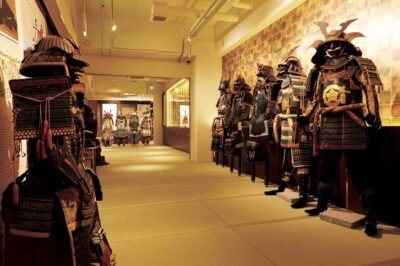
Samurai Ninja Museum Guided tour and Experience
Read our review →
Tea Museum Tickets and Matcha Grinding Experience
Read our review →
Skip the lines Basic Ticket at SAMURAI NINJA MUSEUM KYOTO
Read our review →
Ninja Experience (Family Friendly) at Samurai Ninja Museum TOKYO
Read our review →
Tokyo Studio Ghibli Museum and Ghibli Film Appreciation Tour
Read our review →
Geiko Maiko Dance of Kyoto & Visits of Gion Museum
Read our review →Browse the lists this tour appears in