
Reviewed · COOKING CLASSES
Mochi and Nerikiri Wagashi Combination Cooking Class
Sweet dough, tiny masterpieces, right in Tokyo.
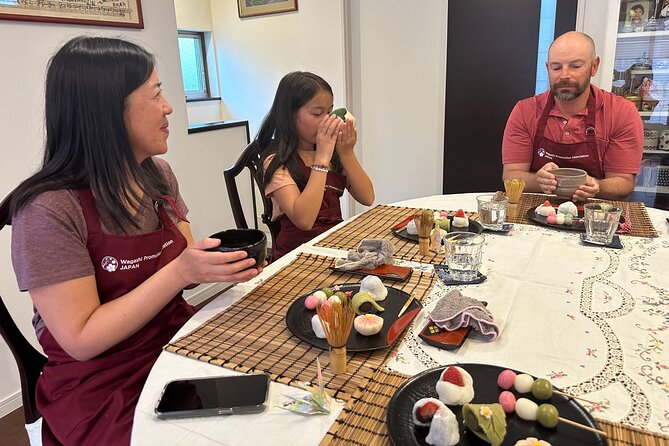
I like the private, in-home setup because you get calm attention while you learn. I also like that the session is hands-on and you make multiple sweets, not just one. One thing to consider first: there are two short-hair cats in the home, and if you have strong allergies, this might not be a good fit.
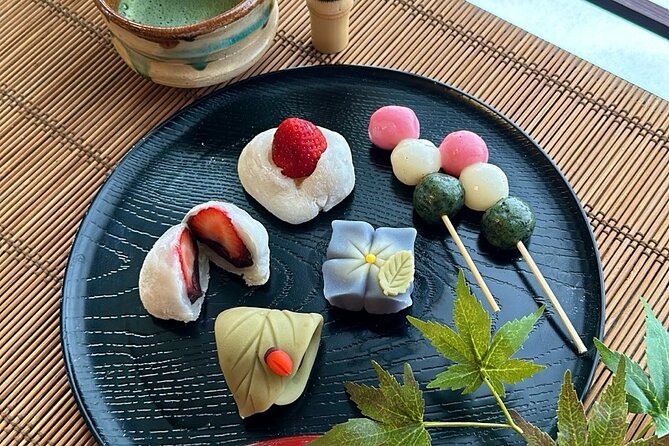
You’ll learn mochi using glutinous rice flour, then turn it into three types of Japanese sweets: strawberry daifuku (or pineapple or kiwi when strawberries are out of season), dango on skewers, and two kinds of nerikiri wagashi with seasonal motifs. The dough itself is made and colored in advance, but you still do the shaping, guided by a tutorial video.
The class also includes matcha green tea, so you can taste your creations with your host. Plus, ingredients are described as plant-based and easy to find later, which is helpful if you want to recreate the treats back home.
Key things you’ll notice in this mochi and wagashi class
- In-home, private attention in Ota City, so questions are easy and the pace stays comfortable
- Three mochi-based sweets (daifuku, dango, and mochi you use for nerikiri) plus two nerikiri varieties
- Seasonal motifs for nerikiri, with a tutorial video so you can follow the steps
- Take-home options with a special takeaway box, plus matcha tasting during the class
- Beginner-friendly instruction, including tools, apron, towel, and step-by-step guidance
Why the in-home setting makes mochi feel doable
Tokyo cooking classes can be either showy or practical. This one aims for practical, and the address is in a local neighborhood in Ota City. Expect a quieter pace than the station-stress parts of the city, and that matters because mochi work needs patience.
I like that it is a private activity for your group. That usually means less waiting, fewer awkward pauses, and more time to get the technique right. You also get a cozy, real-home context for wagashi making, which helps the whole experience feel less like a factory tour and more like learning a family-style craft.
The tone from the host is another big part of the value. Past participants highlight Satoko-san as kind and patient, and they mention they helped with plating so the results look good in photos. If you care about getting things that are Instagram-worthy without turning the class into a performance, that coaching is a real plus.
More Cooking Classes in Tokyo
- Ramen & Gyoza Cooking Class in Tokyo with Local Supermarket Visit
★ 5.0 · 823 reviews - Tokyo: Easy Ramen Cooking Experience in Kabukicho, Shinjuku
★ 4.6 · 321 reviews - Ramen and Sushi Cooking Class with Sake Pairing Set in Tokyo
★ 5.0 · 291 reviews
The 2.5 hour plan: what happens from start to finish
The class runs about 2 hours 30 minutes, and it returns you to the same meeting point after you’re done. Plan for a focused block, not a casual hang. You’ll be making, shaping, and tasting, with time built in for learning and photos.
Here is how the session is laid out in practical terms:
First, you get oriented to the tools and the mochi base. You’ll learn how to make mochi from glutinous rice flour. This is the foundation for everything else, and it is also the part where beginners often worry about texture. In a calm home setting, you can take your time and get feedback.
Next, you move into shaping your sweets. You’ll create strawberry daifuku (or a seasonal fruit swap), dango on skewers, and two different nerikiri wagashi. The motifs change with the season, so your finished wagashi will reflect what’s happening at the time you visit.
Finally, you taste what you made with matcha green tea. If you’d rather save the sweets for later, you can put them in the special takeaway box provided.
Mochi basics: glutinous rice flour and the sticky learning curve
Mochi is simple in ingredients and tricky in technique. That is why this class is such a good fit for beginners. You are not just watching someone else work with the dough. You are doing the work, with instruction that walks you through what to aim for.
You start with mochi made from glutinous rice flour. Expect to get your hands involved, because that’s how you learn the feel of the dough. The class also notes that you can recreate the recipes later, and it specifically mentions that ingredients are easily available in your home country.
That matters. A lot of cooking experiences leave you with a memory, not a method. Here, the goal is that you can repeat it for friends and family, which is a strong reason to choose this style of class over a more theatrical one.
Daifuku and the seasonal fruit swap
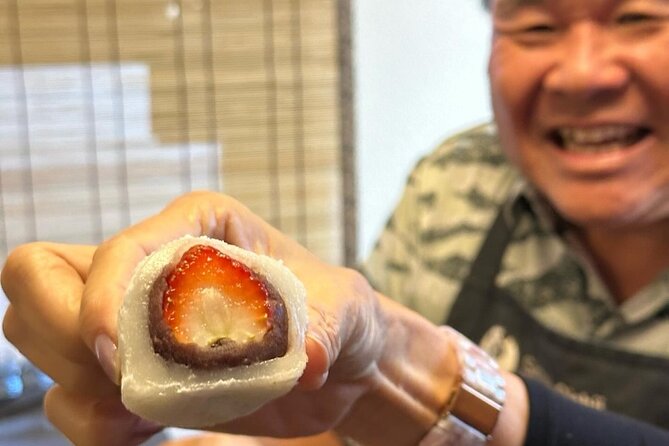
One of your mochi creations is strawberry daifuku. When strawberries are out of season, the class uses pineapple or kiwi instead. That is more than a trivia detail. It affects flavor and sweetness balance, so it’s worth going in with the mindset of trying what’s current.
Daifuku is also a great “first win” sweet. You get to see how mochi can be soft and chewy, while the filling adds a contrasting taste. In a structured class, you learn how to shape around the filling so it holds together.
If you prefer not to think too hard about substitutions during vacation, know that the class already has one handled for you. Just choose a fruit swap if you have any strong preferences when booking.
Same corner of Japan, a different kind of day:
- Mt Fuji and Hakone 1-Day Bus Tour Return by Bullet Train
★ 5.0 · 26,383 reviews - 1-Day Tokyo Bus Tour
★ 5.0 · 14,250 reviews - Tokyo: TOKYO SKYTREE® Admission ticket
★ 4.5 · 11,192 reviews - Tokyo: teamLab Planets TOKYO Digital Art Museum Entry Ticket
★ 4.6 · 9,779 reviews
Dango on skewers: small bites you can actually share
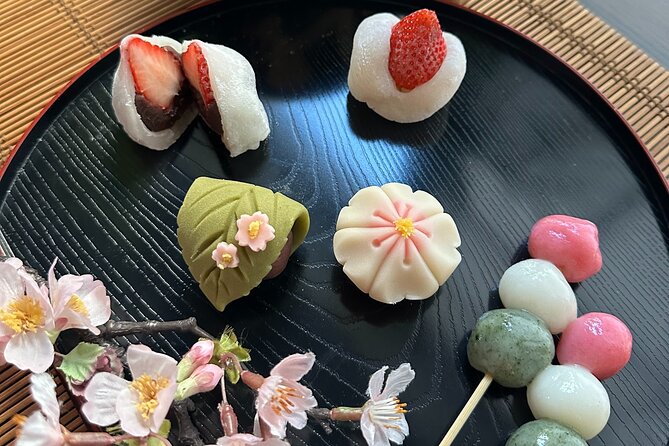
Dango is the other mochi-based sweet in the session. You’ll make mochi balls and shape them on skewers. This is one of those formats that feels immediately shareable, even if you’re eating it in your host’s home.
Dango is also helpful for beginners because the form is forgiving. You can focus on texture and shape, and the skewers make the final result look complete without needing advanced decoration.
You’ll also learn various ways to eat mochi. That’s a useful layer, because it turns the class from just “here’s what we made” into “here’s how you enjoy it like people do in Japan.”
Nerikiri wagashi: shaping seasonal motifs step by step
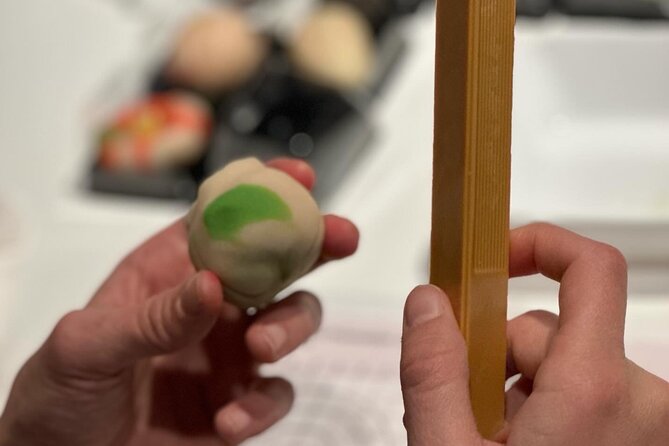
The highlight for many people is the nerikiri wagashi. This is where you get to make something that looks like a tiny piece of art. You’ll make two kinds of nerikiri, with motifs that change according to the season.
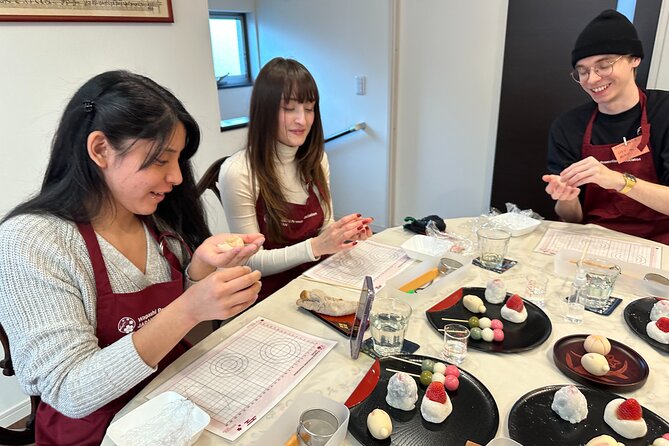
Here’s an important detail that makes this class friendly for non-art majors: the dough is made and colored in advance. You do not start from raw ingredients and try to match a color right on the spot. You shape what’s already prepared, and you get access to a tutorial video to guide your handwork.
That combo, prepped dough plus video support, gives you two advantages:
- You get to practice the core technique without the scramble.
- You can review the steps afterward, which helps if you want to recreate it later.
Nerikiri also teaches patience in a nice way. The process is slower than daifuku or dango, and you will likely notice how much small movements matter. Even if your first attempt isn’t perfect, the class approach makes it possible to end with something you’re proud to take home.
Matcha tasting and what to do with the takeaway box
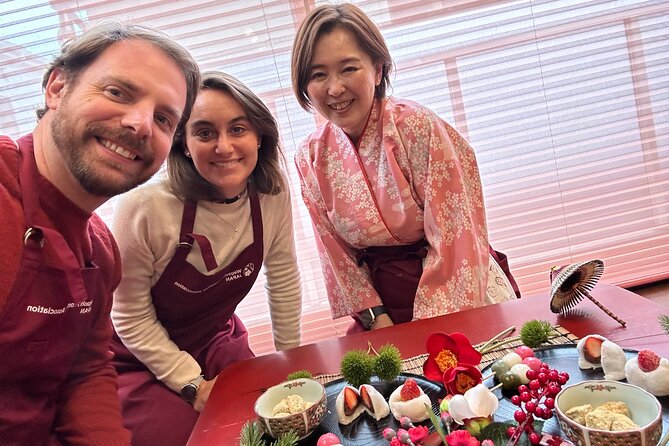
After you cook, you taste. You’ll enjoy matcha green tea alongside your creations. The matcha is included as part of the experience, and the class notes you make it with guidance.
This matters because wagashi and matcha are a pair. Matcha is not just a drink here. It becomes a flavor baseline that helps you notice differences between the mochi textures and fruit or sweet fillings.
You can also take your sweets with you. The class provides a special takeaway box, so you can enjoy them later in your hotel room or at your next stop.
Pro tip: if you want to preserve textures, plan to store and eat soon after your class. Mochi-based sweets are best when you treat them like fresh food, not like shelf-stable candy.
Learning mochi history and how people eat it
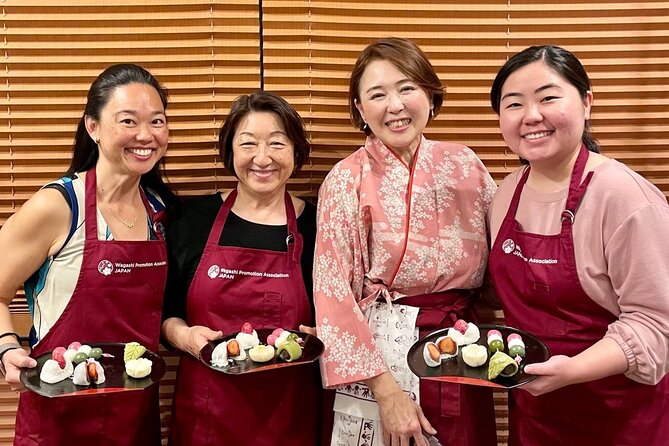
The class includes an introduction to the history of mochi and the many ways it can be prepared and eaten. Even if you mostly care about the hands-on part, this context helps you understand why mochi shows up in so many Japanese sweets and seasonal moments.
Why does that matter for you? Because it changes how you shop or order later. Once you understand the idea of mochi as a base, you can look at daifuku, nerikiri, and dango as variations on a theme, not random dessert names.
It also helps with your takeaway conversations. You can explain what you made, and you can tell people how wagashi traditions connect to seasons and presentation.
Price and value: what $85.66 buys you in practice
At about $85.66 per person, this class is not cheap. But it does pack in several value drivers that add up quickly.
You are getting:
- A private in-home experience in Tokyo, not a shared workshop space
- Hands-on instruction for multiple sweets: mochi making plus daifuku, dango, and two nerikiri types
- Matcha tea included, and you make it with guidance
- Provided supplies for wagashi work (apron, hand towel, tools) and a takeaway box
- Mobile ticket and group discount options, plus confirmed details at booking
If you compare it to a “one sweet only” class, you get more output here. You are not paying only to learn one technique, you’re practicing several in one session and leaving with multiple finished items.
Also, the class makes a point of being beginner-friendly and simple enough to recreate. That last part is a real value benefit if you like to cook and want skills you can use, not just a one-time souvenir.
Location in Ota City and how to plan your arrival
The meeting point is at 20-15 Kitaminemachi, Ota City, Tokyo 145-0073, Japan. The class also notes that it is near public transportation, and private transportation is not included.
So you should plan your route to arrive with some buffer time. Tokyo addresses can be specific, and home-based classes rely on you showing up on schedule so everyone gets the right start.
The class is described as about 15 minutes from the city. That sounds simple, but it also means you are trading some central-city convenience for quieter neighborhood calm. If you want the experience to feel less like a rush, this is a good trade.
Who should book this mochi and nerikiri wagashi class
This is a smart choice if you:
- Want a hands-on Tokyo activity that is beginner-friendly
- Like sweets, but also like learning the craft behind them
- Prefer a private, in-home setting over a larger group workshop
- Are interested in nerikiri wagashi and seasonal motif work
- Would enjoy matcha tasting with your host
It is also listed as appropriate for vegetarians, since the ingredients are described as plant-based. That’s a useful detail if you travel with food preferences.
It might not be the best fit if:
- You have strong cat allergies, because two short-hair cats are in the home and stay in the bedroom during the lesson
- You only want big sightseeing moments and prefer minimal cooking
The bottom line: should you book?
If you want a Tokyo experience that feels personal and practical, I think you’ll like this class. You get real instruction, you make multiple sweets in one go, and you end with matcha tasting plus a takeaway box. It also has a “learn it, then do it again later” vibe, which is rare for vacation food experiences.
Just be honest with yourself about two things. First, check for any cat allergy concerns. Second, go in ready to get a little hands-on and a little sticky. If that sounds fun, book it. If you want only passive sightseeing, skip it and save your energy for something faster-paced.
FAQ
What sweets will I learn to make in this class?
You’ll learn how to make mochi and then make strawberry daifuku (or pineapple or kiwi when strawberries are out of season), dango (mochi balls on skewers), and two kinds of nerikiri wagashi.
Are strawberries used year-round?
No. The class notes that when strawberries are out of season, pineapple or kiwi is used instead.
How long is the cooking class?
It runs about 2 hours 30 minutes.
Do I make matcha in the class?
Yes. You’ll enjoy matcha green tea with your host, and you make it with guidance.
Can I take the sweets home?
Yes. You can take your creations in a special takeaway box.
Is the class beginner-friendly?
The class is described as hands-on and beginner-friendly, with instruction that helps you shape and make the sweets.
Is the class suitable for vegetarians?
The class information says the recipes use plant-based products, and it is appropriate for vegetarians.
What is included with the class?
Included items are a free rental apron, hand towel, special tools for wagashi making, a special box for takeaway, and drinking water.
Where is the class located and what’s the meeting point?
The meeting point is 20-15 Kitaminemachi, Ota City, Tokyo 145-0073, Japan, and the activity ends back at the meeting point.
Is this a private tour?
Yes. It is a private tour/activity, and only your group will participate.
Are there pets at the home?
The class notes there are two short-hair cats in the home. They stay in the bedroom during the lesson, but it is not recommended for people with strong cat allergies.
Fresh options around Tokyo
- Tokyo: Nikko Kegon Falls Lake Chuzenji Toshogu Temple & More★ 4.9 · 12 reviews
- Tokyo: Samurai History Walking Tour★ 5.0 · 12 reviews
- Harajuku: Kawaii Fashion and Pop-Culture Tour★ 4.7 · 12 reviews
- Tokyo: Mt. Fuji & Lake Kawaguchi Instagram Full Day Trip★ 4.1 · 12 reviews
- Shibuya Tokyo: Modern Kintsugi Workshop in Shibuya★ 5.0 · 12 reviews
- Tokyo: GTR Guided Daikoku Experience at Night★ 5.0 · 12 reviews
- Tokyo: Daikoku JDM Car Culture Tour★ 4.6 · 12 reviews
- Mt Fuji Private Day Trip from Tokyo with English speaking driver★ 5.0 · 13 reviews
Cooking Classes, compared.
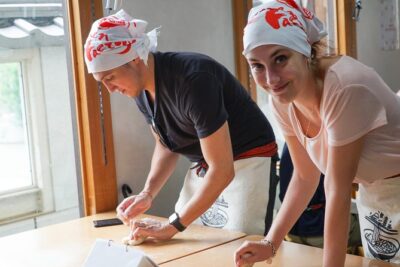
Ramen Cooking Class at Ramen Factory in Kyoto
Read our review →
Ramen & Gyoza Cooking Class in Tokyo with Local Supermarket Visit
Read our review →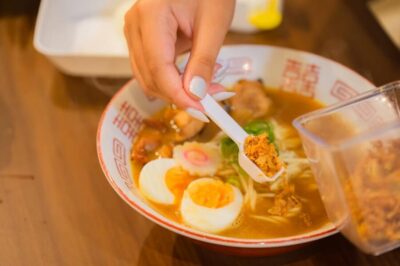
Ramen Cooking Class at a Ramen Factory with Souvenir
Read our review →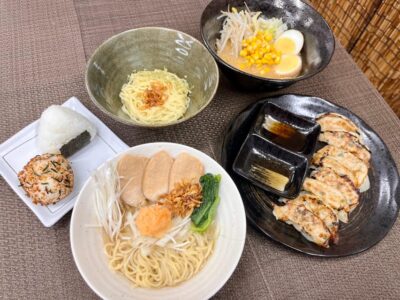
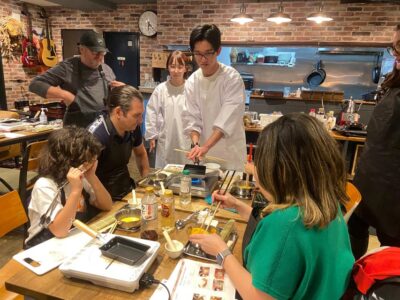
Japanese Washoku Bento Small Group Cooking Class
Read our review →
Easy Ramen Cooking Experience in Kabukicho, Shinjuku
Read our review →
Ramen and Sushi Cooking Class with Sake Pairing Set in Tokyo
Read our review →Browse the lists this tour appears in