
Reviewed · TEMPLE & SHRINE TOURS IN HIROSHIMA
Miyajima Highlights: Itsukushima Shrine & Island Nature
Miyajima has a way of slowing you down. This private walking tour takes you to Itsukushima Shrine with the famous floating torii gate, then adds calmer stops like Daishoin Temple and Senjokaku. I especially love the undivided attention of a private guide and the way the route is designed around what the tide does to the shrine. One thing to weigh is that you are walking and using public transportation, so you’ll want to be comfortable moving for about 5 hours.
If you like your sightseeing with context, this is a smart match. You get cultural and historical framing as you go, plus plenty of time to ask questions instead of racing in a herd. It also helps that the day can be flexible, like swapping the order with Hiroshima and Peace Memorial Park depending on timing.
Key Points You Should Know Before You Go
- Private guide, not a group scramble, with time to ask questions along the way
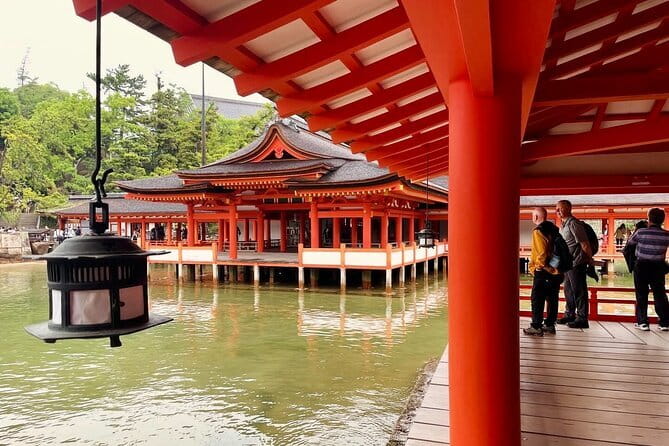
- Tide-aware Itsukushima Shrine timing, so you can see the torii at high tide or experience it differently at low tide
- Daishoin Temple plus Senjokaku, two stops that broaden the day beyond the postcard views
- Omotesando shopping street time, so you can snack and pick up Miyajima specialties like momiji manju
- Public transportation is part of the plan, and it is not included in the price
Why This Miyajima Tour Works for Real-Time Sightseeing
Miyajima is one of those places where timing changes the experience. The floating torii gate looks dramatic when the tide is high, and at low tide you can get a close, different perspective as you walk by it. That tide shift is exactly why I like this style of tour instead of a generic stop-and-go bus route.
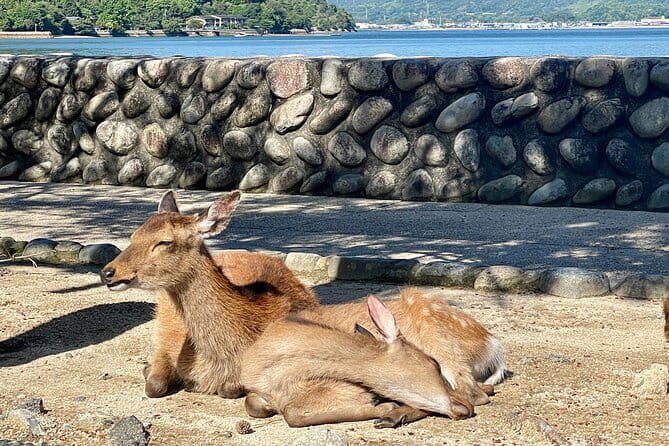
You also get a day that feels more human. You are not just ticking off the “must-sees.” You are moving through the island with an expert who can explain what you are actually looking at, like why Deer show up as part of Miyajima’s spiritual vibe and how the shrine’s appearance follows the sea.
The one consideration is your energy level. The experience is about 5 hours and is described as a walking tour with public transportation, so it is not the best fit if you want a fully seated day.
More Temple & Shrine Tours in Hiroshima
- Hiroshima and Miyajima Day Trip with Itsukushima Shrine & Ferry
★ 5.0 · 378 reviews - Miyajima: Cultural Experience in Zen Temple
★ 5.0 · 258 reviews - Day Trip to Hiroshima & Miyajima with Itsukushima Shrine
★ 4.6 · 124 reviews
Private Guide and Flexible Pace on a Half-Day Schedule
This is a private tour/activity, meaning only your group participates. That matters on Miyajima, where the best moments are often the small ones, like noticing how the shrine complex shifts from sea-facing calm to temple grounds surrounded by nature.
I like that you also get an advance customization consultation. In practice, that means you can steer the pace a bit and ask for extra context where you care most, whether that is shrine traditions, temple stories, or how Hiroshima fits into the same broader trip.
If you are the type who asks lots of questions, you will feel comfortable here. In the reviews, guides like Aya-san and Yuka are praised for being friendly, punctual, and responsive to requests, and several guides are noted for explaining both Hiroshima and Miyajima clearly as you walk.
Hiroshima Start: How the Order Can Change for the Floating Torii
The tour starts in Hiroshima City, with departure from a hotel or train station in the city. You use public transportation, and the order of the day can be changed between Miyajima and Peace Park so you can see the Floating torii gate at the right moment.
That small detail is big. Instead of just arriving and hoping, the plan aims to align your key photo moment with tide timing. If you care about seeing the shrine in its most iconic condition, this is exactly the kind of scheduling flexibility worth paying for.
You’ll also notice the itinerary builds in travel time, not just sightseeing. One hour is set aside at the Hiroshima start, and then the day continues toward Miyajima by transit.
Crossing to Miyajima Island and Meeting the Deer
When you reach Miyajima, the tour frames it as a spiritual island revered since ancient times. You’re not just entering a tourist zone, you are stepping into a place that locals treat with long-standing respect.
You’ll also see the deer that welcome you as messengers of the gods. Even if you’ve seen deer in other Japanese settings, Miyajima has a special calm to it, and the animals become part of the rhythm of walking through the area.
This stop is timed so you can settle in without feeling dragged along. About 30 minutes is set aside for Miyajima itself before you move toward the shrine area.
More Miyajima tours:
- Peaceful Hiroshima & Miyajima UNESCO 1 Day Bus Tour
★ 5.0 · 5,309 reviews - Hiroshima: Hiroshima and Miyajima UNESCO Sites 1-Day Tour
★ 4.9 · 2,330 reviews - Hiroshima / Miyajima Full-day Private Tour with Government Licensed Guide
★ 5.0 · 1,298 reviews - From Hiroshima: Hiroshima & Miyajima 1 Day Tour with Lunch
★ 4.7 · 395 reviews
Itsukushima Shrine and the Floating Torii at High vs Low Tide
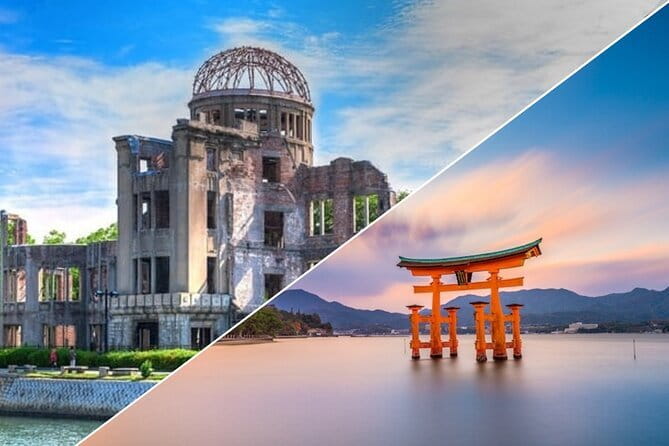
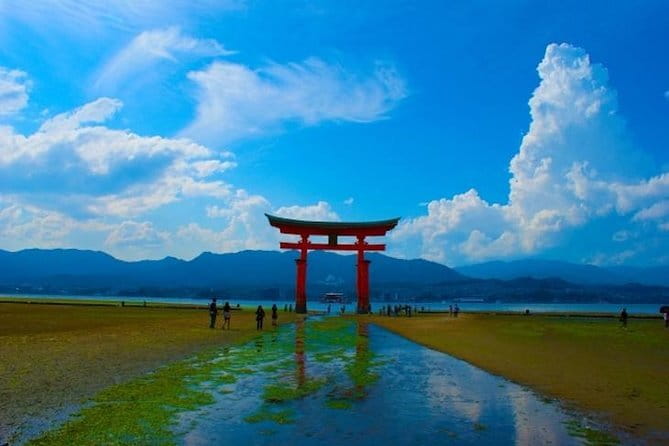
This is the headline moment, and it is treated like more than a quick photo op. First you visit the Itsukushima Shrine Torii area, where the floating gate appears on the sea when the tide is high. At low tide, you can walk by it and be impressed by its size and beauty.
Then you spend time at Itsukushima Shrine itself, which is listed as a UNESCO World Heritage site. The shrine is described as changing its appearance with the ebb and flow of the tide, so your viewing experience is tied to nature, not just architecture.
There are two practical payoffs here.
First, you get two short but distinct blocks of time, one centered on the torii and one on the shrine. Second, your guide can point out what to notice based on your current tide situation, which is hard to do if you are wandering on your own with no context.
In the reviews, the guides are praised for giving historical and cultural background that makes the shrine feel more meaningful. That is exactly what you want for a place where the visual spectacle is obvious, but the significance takes a little explanation.
Daishoin Temple: A Calmer Hour Inside Nature and Tradition
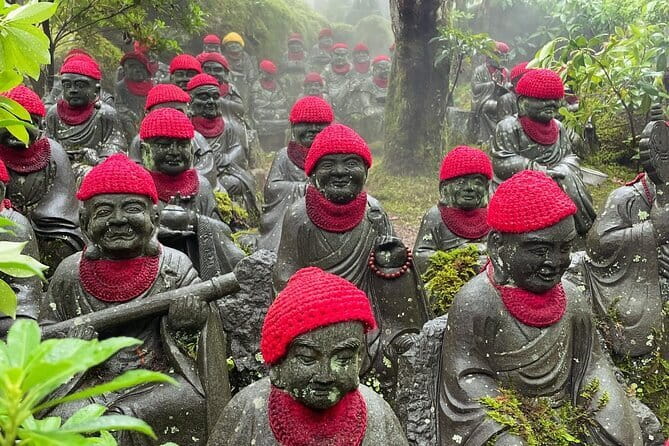
After the main shrine focus, the tour shifts to a temple that adds depth. Daisho-in Temple is described as the oldest temple on Miyajima. It is also located in the midst of rich nature, and it has many attractions for the time you’re there.
You’re given about 45 minutes here. That is enough time to slow down and actually see what makes the temple different from the sea-facing shrine views. It also gives you a break from the most crowded sight angles and helps the day feel balanced rather than stacked with only icon locations.
If you like a mix of built heritage and how it sits in a living environment, this stop is a strong reason to choose this tour. It gives you variety in scenery while keeping the spiritual theme intact.
Senjokaku’s Wall-less Halls and Quiet Spaces
Senjokaku is part of the Itsukushima shrine complex and is also UNESCO-listed. It was built in the 16th century, and it is tied to Shogun Hideyoshi’s orders. The experience description emphasizes large halls and wall-less spaces, plus a quiet, peaceful feeling.
You get about 20 minutes at Senjokaku. That duration is short, but the architecture is the point, and short can work well if you want to keep energy for the later walking and shopping street time.
This is the kind of stop that benefits from a guide who can explain what you are looking at. In a place where many structures are connected to shrine traditions, Senjokaku can feel confusing on your own unless someone points out why it looks and feels different.
Omotesando Shopping Street: Snacks and Small Souvenirs with Time to Breathe
After temple time, you head to Miyajima Omotesando shopping street for about 40 minutes. This is where you can relax and browse. The street is lined with food stores and souvenir shops selling Miyajima specialties.
Some of the items called out include oysters, conger eel rice bowl, and momiji manju, which are steamed buns shaped like maple leaves. Even if you do not plan a full meal, this is a good chance to grab a snack so the day does not run on empty.
I also like that the tour does not force you to stop everywhere. You get an actual block of time, which makes the browsing feel optional instead of rushed.
Head Toward Peace Memorial Park: Ferry, JR, Train, or a Direct Boat
The day does not end on Miyajima alone. The plan moves you toward Peace Memorial Park, described as taking about 1 hour using a ferry, JR, or train.
There’s also an option for a direct boat taking about 45 minutes. If you want the fastest connection back toward the Hiroshima side, it is worth asking your guide which route fits your exact timing best.
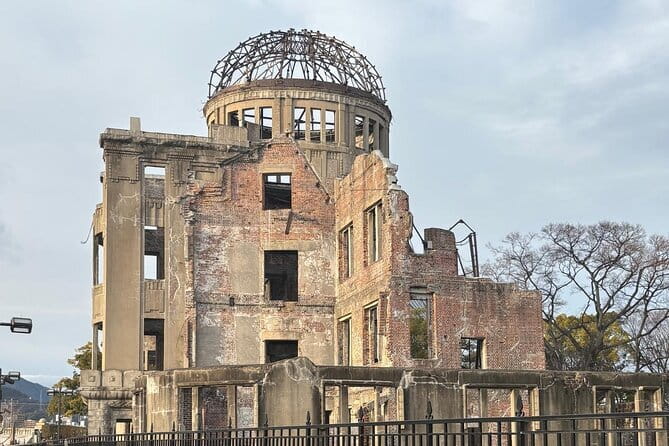
This structure creates a full arc for the day. Miyajima gives you spiritual and cultural context, and Peace Memorial Park is where Hiroshima’s modern story lands. Even if you do not plan to spend lots of time inside museums, the transfer itself helps you connect the trip threads.
In at least one review example, a guide named Mana is praised for sharing personal family recounts connected to Hiroshima. That kind of emotional context can make the transition feel more than just transportation.
Price and Value: What $141.23 Buys You, and What It Does Not
The price is $141.23 per person for about 5 hours of private guidance, plus key inclusions. You get entrance fee of Itsukushima Shrine, tour photo data, advance customization consultation, a live local tour guide, and meet up with your guide in Hiroshima on foot.
That is solid value if you factor in the guide component. Miyajima is one of those places where the difference between a plain visit and a meaningful visit often comes down to interpretation. A private guide also helps you time the torii and understand what you are seeing beyond the obvious photos.
What you should budget separately:
- Public transportation is not included, and it is listed as ¥1,340 per person.
- Lunch is not included, so you’ll want to eat on your own, possibly using Omotesando shopping street as a convenient option.
- Tips are not included.
- Private transportation is optional, such as fast boats, direct boats, or taxis, with prices listed as ¥2300 to ¥8000 one way.
If you are traveling with someone you want to split the day with, a private setup can still feel efficient. You are paying for time, attention, and tide-aware planning, not just for access to famous sites.
Practical Tips So You Enjoy the Full Day
Here’s how I’d plan mentally so nothing feels stressful.
1) Think in terms of tide conditions
If you are chasing the most iconic floating torii look, be ready for the schedule to feel purposeful rather than random.
2) Wear shoes for walking and steps
It’s a walking tour, and it includes shrine areas and temple grounds. Even if the distances are not huge, the surfaces and changes in elevation can add up.
3) Carry a small snack and water option
Lunch is not included, so have a plan. Omotesando shopping street is one obvious place to handle it.
4) Ask your guide for priorities early
Because you can customize the day, tell your guide what you care about most, shrine details, temple atmosphere, or how Hiroshima fits in.
Who This Tour Suits Best, and Who Might Want Something Else
This works especially well if you want a spiritual and cultural day without crowds pushing you along. It is also a good fit for people who care about context, like history teachers, because the guide is set up to explain what you are seeing as you walk.
It is also useful if you have limited time in the region. At about 5 hours, you still get major Miyajima highlights plus enough time for Daishoin Temple and Senjokaku, which many shorter plans skip.
If you want an ultra-relaxed day with minimal walking and no transit effort, you might prefer a different setup with less mobility built in. The tour is described as a walking tour with public transportation, so your feet do play a role.
Should You Book This Miyajima Highlights Tour?
I’d book it if you want Miyajima in a way that feels paced and explained, not just photographed. The big reason is the tide-aware approach to Itsukushima Shrine, plus the fact that you also get Daishoin Temple and Senjokaku, which add texture to the day.
Choose it if you value a private guide who can answer questions and connect Hiroshima and Miyajima into one coherent experience. Factor in the extra transportation cost of ¥1,340 per person and plan for lunch on your own, and the overall value tends to make sense.
If you tell me your travel dates and whether you’re prioritizing Peace Memorial Park museum time, I can help you decide how to time the day for the torii look you want most.
FAQ
How long is the tour?
The tour runs about 5 hours.
Is this a walking tour?
Yes. It’s described as a walking tour and you generally use public transportation.
What main sights does the tour include on Miyajima?
You visit Miyajima, Itsukushima Shrine including the floating torii area, Daishoin Temple, Senjokaku, and you also have time on Miyajima Omotesando shopping street.
Is the entrance fee included for Itsukushima Shrine?
Yes. The entrance fee of Itsukushima Shrine is included. The torii gate area is listed as free.
Are Senjokaku and other areas included with an entrance fee?
Itsukushima Shrine entrance is included, while Senjokaku is listed as not included for admission. Other stops are listed as free.
What transportation costs should I expect?
Public transportation is not included and is listed as ¥1,340 per person. Private transportation is optional and can cost between ¥2300 and ¥8000 one way.
Is lunch included?
No. Lunch is not included, and the tour description says any food or drink are not included.
How does the floating torii work with the tide?
The floating torii gate appears on the sea when the tide is high. At low tide, you can walk by it and see it up close.
Is the tour private?
Yes. It’s a private tour/activity, and only your group will participate.
What if weather is bad?
The experience requires good weather. If it’s canceled due to poor weather, you’ll be offered a different date or a full refund. You can cancel for a full refund up to 24 hours in advance.
Fresh options around Hiroshima
- The Peace Memorial and Beyond: A Half-Day around Hiroshima★ 4.9 · 12 reviews
- Hiroshima Saijo Sake Tasting Tour with visit to 3 Breweries★ 5.0 · 12 reviews
- Private Hiroshima Calligraphy: Create Your Own Kanji Art Souvenir★ 5.0 · 12 reviews
- Hiroshima:Private lacquer workshop experience tour(gift included)★ 5.0 · 13 reviews
- Sunset Walking Tour at Peace Park, Hiroshima★ 5.0 · 13 reviews
- Kimono and Calligraphy Experience in Miyajima★ 5.0 · 16 reviews
- Hiroshima Peace Memorial Park: A Guided Tour★ 4.9 · 16 reviews
- History of Hiroshima: Small Group Night Walking Tour★ 4.8 · 17 reviews
Temple & Shrine Tours in Hiroshima, compared.
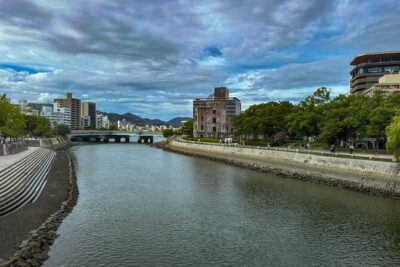
Hiroshima and Miyajima Day Trip with Itsukushima Shrine & Ferry
Read our review →
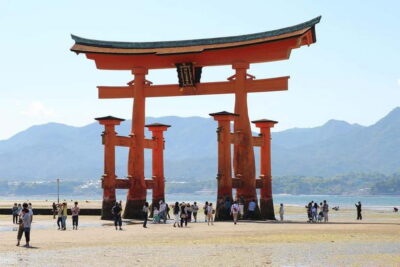
Day Trip to Hiroshima & Miyajima with Itsukushima Shrine
Read our review →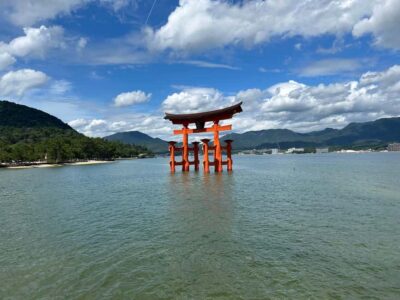
Hiroshima & Miyajima 6.5h Guided Tour – Dome, Park & Shrine
Read our review →
Miyajima: Private Rickshaw Tour to Itsukushima Shrine
Read our review →
Miyajima Highlights: Itsukushima Shrine & Island Nature
Read our review →Browse the lists this tour appears in