
Reviewed · TEMPLE & SHRINE TOURS IN HIROSHIMA
Miyajima: Cultural Experience in Zen Temple
Tea, ink, and silk, all in one hour. At Tokujuji Temple on Miyajima, you choose your own kimono, learn calligraphy, and get a pocket of calm that the island crowds usually steal.
I also love the Ryurei-style matcha ceremony, where every step has a reason, from tool purification to how you receive the bowl. One possible drawback: you remove your shoes to enter, and the experience is not recommended for limited mobility.
Key things that make this Miyajima temple experience special
- Choose-your-own kimono and get help with the obi so you look like you mean it
- Ryurei matcha ceremony with strict steps, sweets, and clear instruction in English or Japanese
- Calligraphy for real names, with practice moving from kanji to hiragana or katakana
- Take-home artwork, wrapped for easy carrying back to your hotel
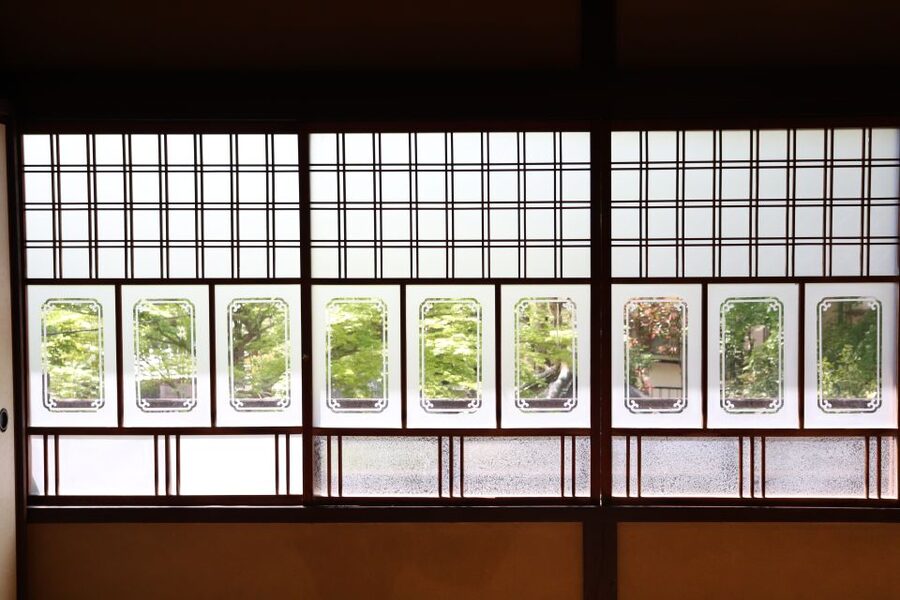
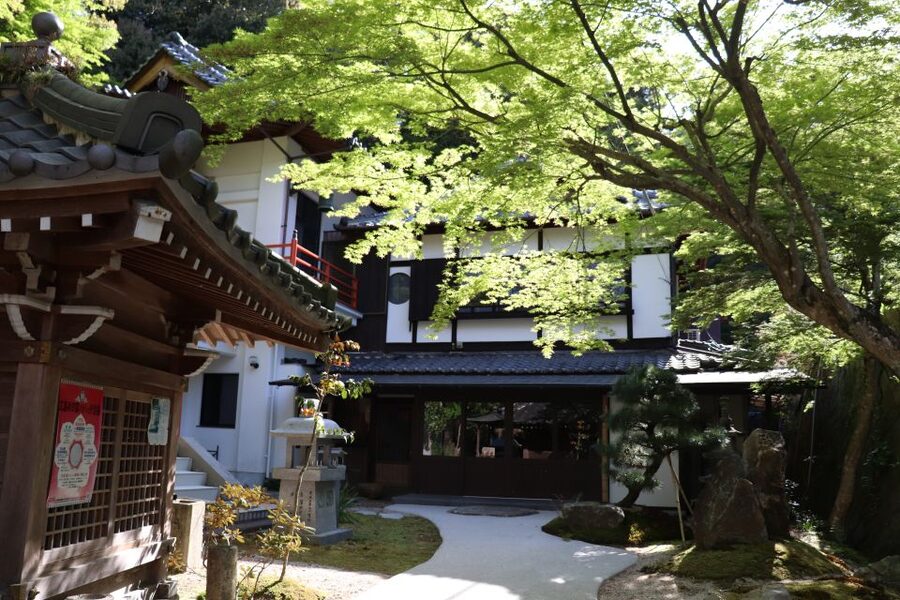
- Garden photo time with guidance on where to stand for better shots
- Amulet making option with kimono-made bags, Kumihimo ties, and a greeting to Kinseki Jizou
Tokujuji Temple, Miyajima, and the feeling of quiet
Miyajima is known for big scenery and big crowds, especially around the famous approach routes. This temple workshop shifts the focus to slower, more personal cultural skills. You’re stepping into a space where the point is not sightseeing, it’s practice and respect.
Tokujuji Temple is the stage for your session. Expect a structured flow, but not a rushed one. The mood is often described as peaceful, and that matches what this type of Zen-adjacent cultural experience is built for: fewer checkboxes, more attention to what you are doing with your hands.
Also, the location matters. One review highlighted that the group starts away from the busiest parts of the island. That alone helps the whole experience feel less like a production and more like a genuine break.
More Temple & Shrine Tours in Hiroshima
- Hiroshima and Miyajima Day Trip with Itsukushima Shrine & Ferry
★ 5.0 · 378 reviews - Day Trip to Hiroshima & Miyajima with Itsukushima Shrine
★ 4.6 · 124 reviews - Hiroshima & Miyajima 6.5h Guided Tour – Dome, Park & Shrine
★ 4.9 · 83 reviews
Choosing your kimono and getting the look right
The kimono part is usually the first wow moment, and it is not just about putting on clothes. You get to select the kimono style you want, then staff help you into it properly, including adjusting the obi so the fit looks intentional.
What I like here is how hands-on it is. Multiple reviews mention that the ladies are patient, careful, and good at making sure the colors and the obi tie look balanced. If you’re worried about being clumsy in someone else’s clothing rules, relax. They’re the ones doing the heavy lifting.
Two practical notes for you:
- Plan to wear footwear you can slip off quickly. You will remove your shoes to enter the temple spaces.
- If you’re taking lots of photos, ask for where they recommend you stand. One review pointed out that lighting in the garden can vary, so a quick tip on placement can make a real difference.
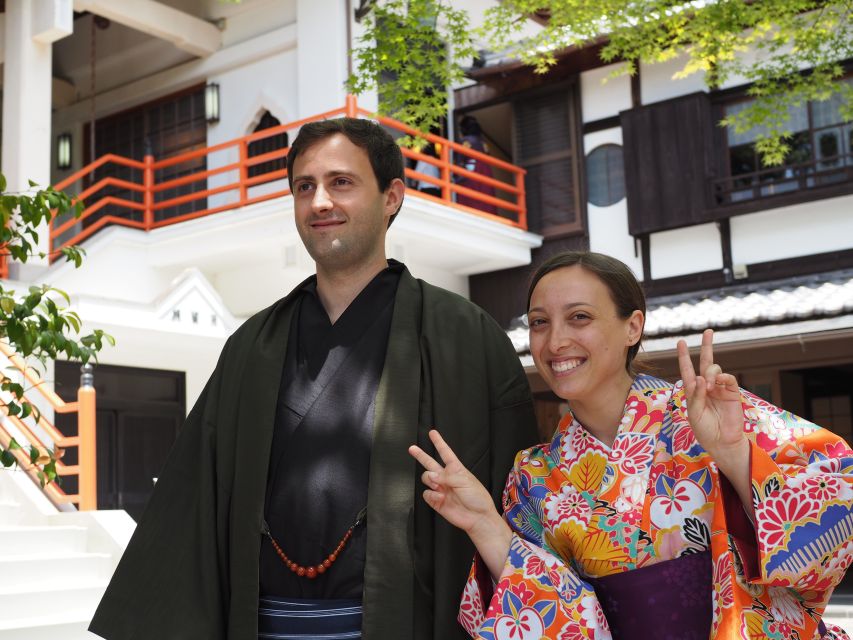
Once you’re dressed, you get photo time in the temple garden. Photos are taken by your hosts too, and you receive them by email or air drop on site, depending on the process used that day.
Garden photo time: where to focus for the best shots
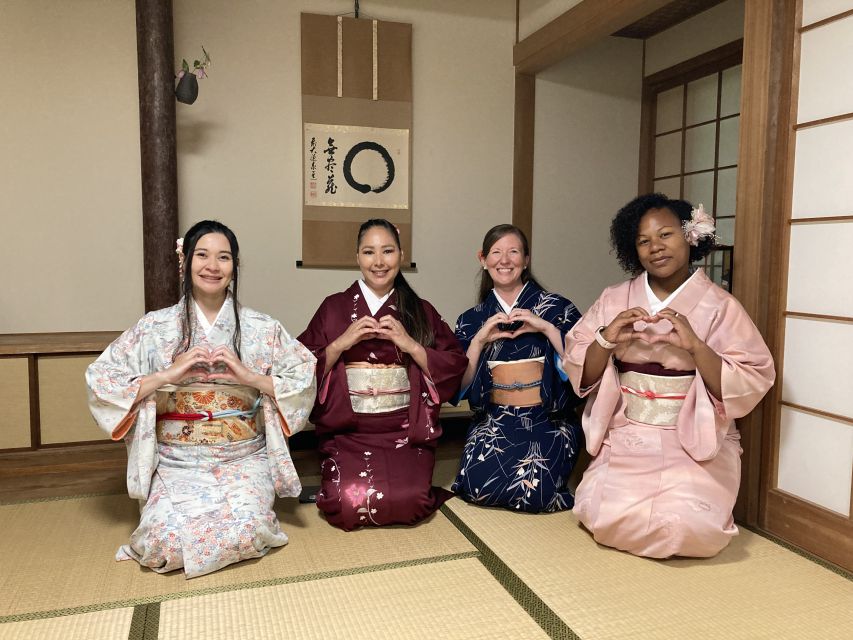
This experience is built around images, but in a more thoughtful way than the usual quick photo op. The garden is where you can settle into your kimono look, then slow down and enjoy the space instead of rushing through it.
I recommend you treat the photos like part of the ritual, not a separate add-on. Wear your expression for the photo, but also take a few moments to look around. You’ll get more out of the experience if you pause long enough to notice how calm the grounds feel.
One useful review detail: while the photo session is generous, lighting can affect faces in some shots. So if the sun is bright, stand slightly angled, and do not hesitate to ask staff to suggest the best spot. They clearly know the garden and how to position people.
The Ryurei matcha tea ceremony: rules, meaning, and real hands-on learning
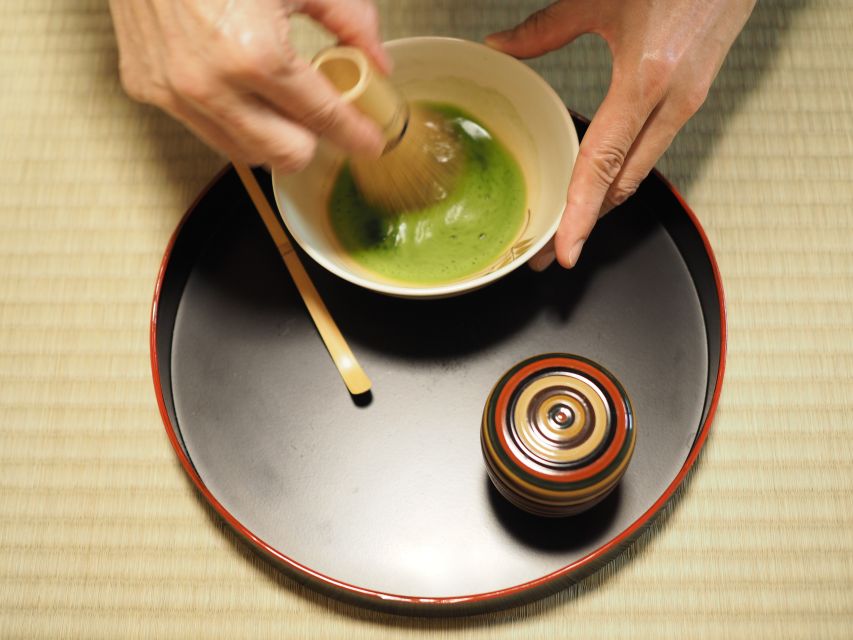
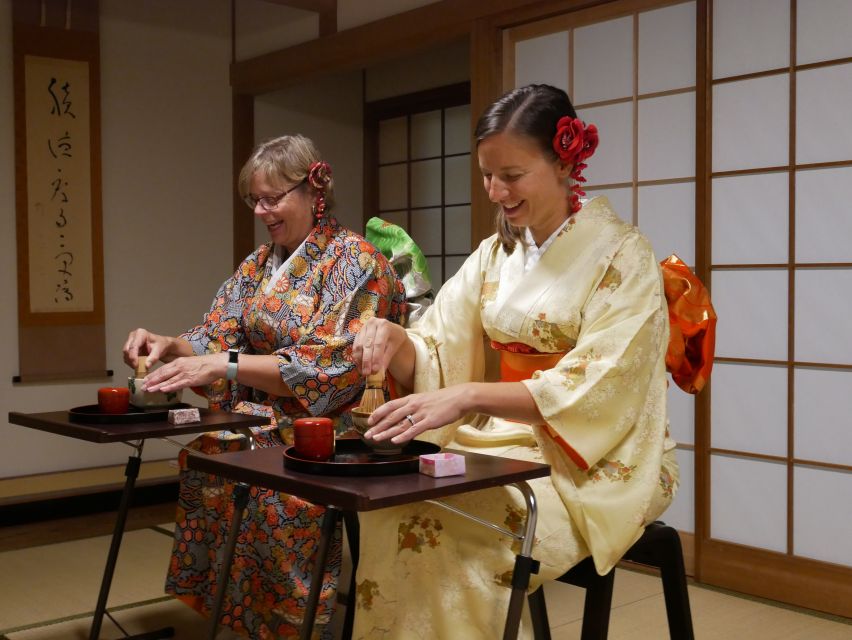
If you care about doing a cultural activity with substance, the tea ceremony is where this session earns its keep. The ceremony follows strict procedures, not vague imitation. You start with greeting, then the tea master purifies the tools, makes the tea, cleans everything, and closes the ceremony.
What’s also helpful is how the experience is taught. You learn the correct way to drink the tea, but you also learn how it’s made. You’ll have two types of sweets plus two bowls of matcha tea, so it’s not just sipping one small taste and moving on.
There’s another practical win for many visitors: the ceremony is Ryurei style, which means table and chairs rather than sitting the traditional way on the floor. That makes it more comfortable if you want to focus on learning instead of wrestling with posture.
In short, you’re not only tasting matcha. You’re learning how intentional each movement is, even when you’re a complete beginner. That’s why so many people describe it as respectful and mindful.
More Miyajima tours:
- Peaceful Hiroshima & Miyajima UNESCO 1 Day Bus Tour
★ 5.0 · 5,309 reviews - Hiroshima: Hiroshima and Miyajima UNESCO Sites 1-Day Tour
★ 4.9 · 2,330 reviews - Hiroshima / Miyajima Full-day Private Tour with Government Licensed Guide
★ 5.0 · 1,298 reviews - From Hiroshima: Hiroshima & Miyajima 1 Day Tour with Lunch
★ 4.7 · 395 reviews
Calligraphy workshop: from step-by-step strokes to your own name
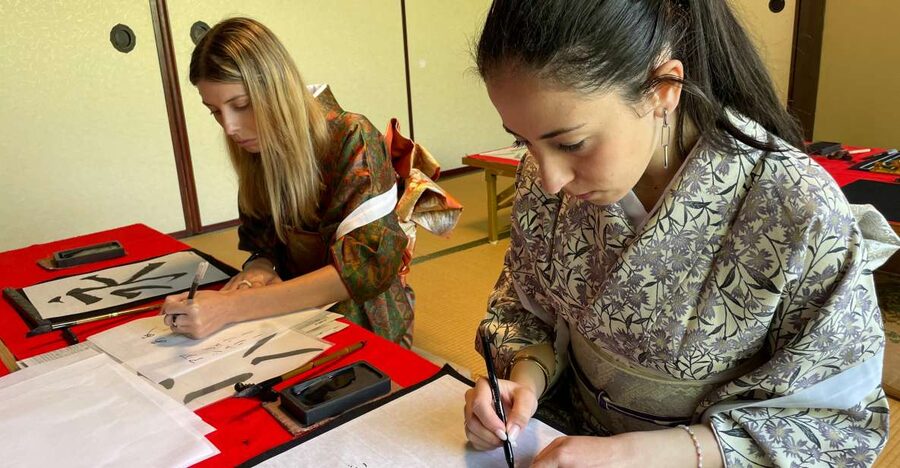
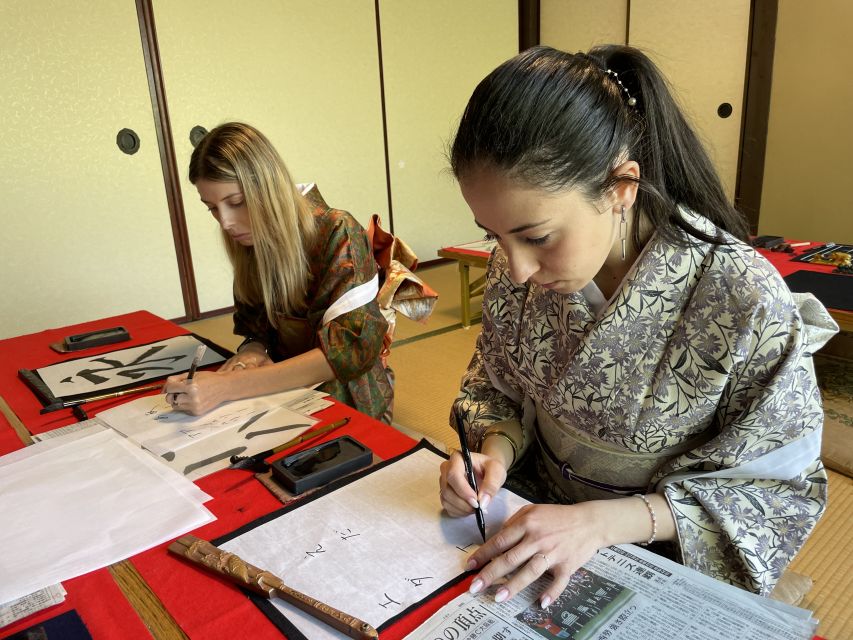
Calligraphy sounds simple until you try it. That’s why the instruction here matters. During the workshop, you learn how to draw lines with step-by-step guidance. You’ll practice one or more kanji (Chinese characters), and you’re not left guessing on the technique.
Here’s the part I think you’ll enjoy most: you practice using your own name. The instructor makes a sample of your name, then you follow their step-by-step process. After kanji practice, you also write your name in Japanese alphabet form, either in hiragana or katakana, depending on what you’re taught or what you choose.
Once your practice is done, you sign your work with Japanese, then you finish by wrapping your artwork safely so you can take it home. That take-home souvenir is a big deal because it’s not a generic poster. It’s something you made with your own hand, and the wrap makes it easy to pack.
Two tips so you get the most out of the calligraphy lesson:
- Slow down. The better your control, the nicer your result, and you’ll feel calmer doing it.
- If you’re uncertain about which script to write your name in, ask the instructor. They can guide you toward hiragana or katakana based on the lesson flow.
Reviews also described the calligraphy as meditative and focused. If you like activities that reward patience, this is one of your best bets on Miyajima.
Amulet making option: over 300 kimono-made choices and a wish ritual
If you choose the amulet-making option, your session shifts from ink and tea into a wish-making craft. It happens in the main hall of the temple area, and it’s designed so you can build something that feels personal.
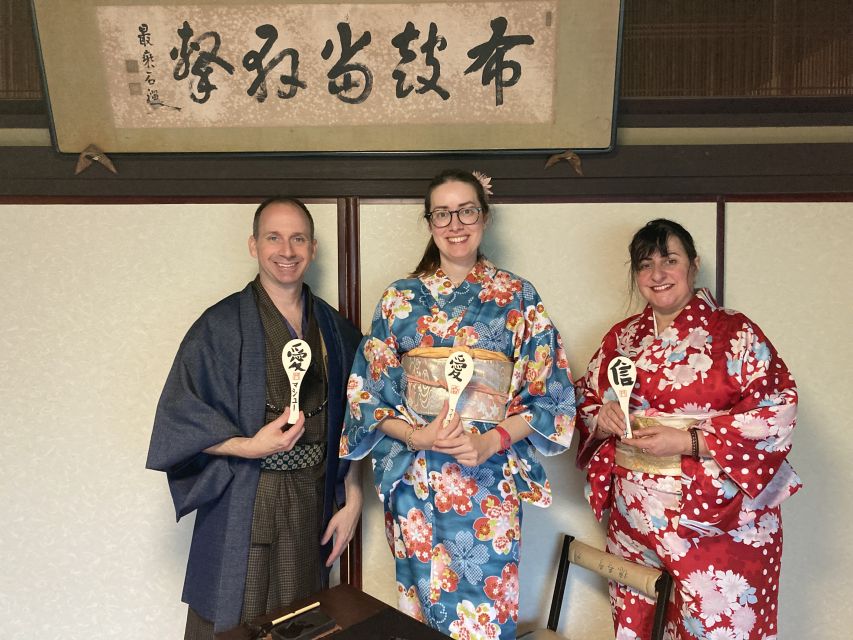
The experience starts with choosing an amulet bag. You’ll have more than 300 amulet bags to pick from, and they’re hand made from kimono fabric. That choice alone can be fun, especially if you’re already in a kimono mood from the earlier portion of the day.
Next comes Kumihimo, a code tied in a special way to make the wish come true. You choose the wish you want, then write or stamp it onto a mini rice scoop that carries your wish. You then put the amulet together.
After the craft is finished, you greet the Buddha, Kinseki Jizou, to report that you are there to make a wish. It’s a small moment, but it gives the whole activity a clear sense of purpose.
One more practical note: this option might feel more creative and expressive than the calligraphy. If your group has mixed interests, this is a good alternative for people who want something tactile and different.
Duration, group size, and what you should plan for
The session is designed to last between 1 and 2 hours. In real life, it can run longer depending on which option you book and how much time you spend practicing and taking photos. Several reviews mention it felt unrushed and relaxed, with plenty of time for photos.
Group size is small, which helps with personalization. You’re not getting shoved into a giant line with one quick photo and a cold smile at the end. The staff have time to adjust your kimono fit, explain the tea ceremony steps, and coach your calligraphy strokes.
If you’re tight on time in Miyajima, this works well as a midday reset. If you’re aiming for a longer temple day, add it as one “anchor” activity. It’s compact, structured, and it gives you more than just photos of places.
Price and value: is $90 per person worth it?
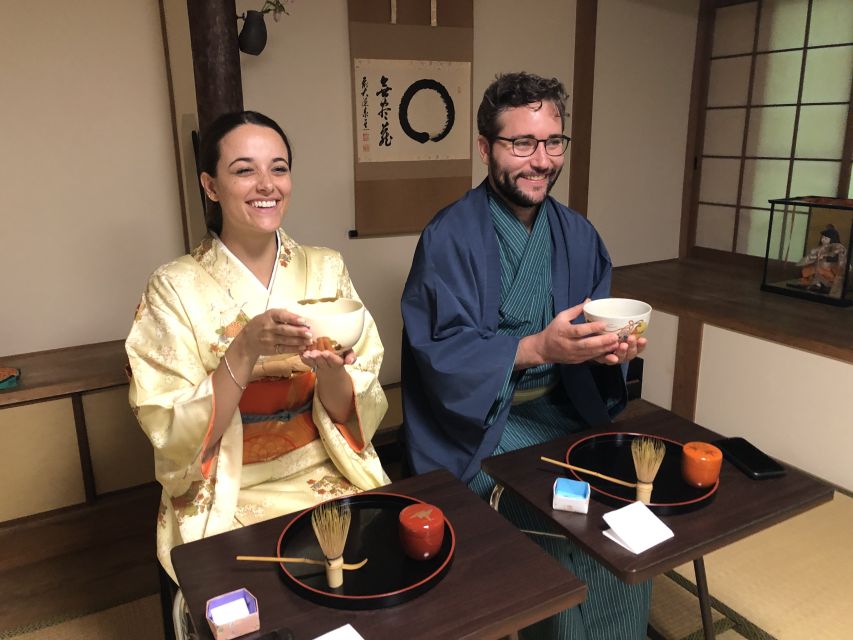
At $90 per person, you’re paying for several things that individually cost time and expertise. You’re not just doing one craft. You’re combining kimono dressing, a guided matcha tea ceremony with sweets and two bowls, and either calligraphy or amulet making, plus guided garden photo time.
That’s why the pricing can feel reasonable. You’re getting:
- Real instruction from an English or Japanese speaking instructor
- Multiple guided components, not a single short demo
- A take-home artwork from calligraphy
- A photo set handled by your hosts, then shared with you
The best value is for you if you want cultural skills you can actually try with guidance. If you only want a quick photo and a sip of matcha, look at other simpler options. But if you like hands-on learning, this is one of the better uses of your time on Miyajima.
English support, instructors, and how the teaching feels
Instruction is offered in English or Japanese, and the instructor team includes English speakers. One review specifically mentioned Yoko speaking fluent English, which is a comfort for English-first visitors.
Teaching style seems to match the format: clear steps, plenty of patience, and adjustments as you practice. For calligraphy, staff check your work, then guide you through the next stage, first on practice paper and then on the final writing surface. For the tea ceremony, the tea master handles the strict sequence, while you learn what to do and how to do it.
If you’re traveling with family, this kind of guided coaching tends to work well because everyone is doing something active. Reviews include adults and kids, and the overall tone is supportive and careful.
Who should book this experience on Miyajima
This is a strong match for:
- People who want hands-on culture rather than a passive tour
- Visitors who want a kimono experience with real help getting dressed
- Families or groups that like interactive workshops
- Anyone who enjoys mindful, slow activities like tea and calligraphy
It’s less ideal if:
- You have limited mobility, since the experience is not recommended for people with mobility impairments
- You want a zero-rules experience, since you must remove shoes and follow tea ceremony procedures
- You need activities for children under 6, since children under 6 cannot participate in the activities
If you’re on the fence, the key question is simple: do you want to learn something you can do, not just look at something you pass by?
Should you book this Miyajima Zen temple experience?
If you’re choosing one “cultural workshop” moment on Miyajima, I’d put this near the top of your shortlist. The combination is practical and smart: kimono dressing, tea ceremony structure, a take-home calligraphy souvenir (or a wish amulet), and guided garden photo time.
I’d book it if you want staff who are patient, activities that feel respectful, and an experience that doesn’t drag. Multiple reviews praise the kindness and professionalism, plus the fact that it’s not rushed.
Skip it only if your mobility is limited or you can’t handle removing shoes in temple spaces. Otherwise, $90 buys you more than a ticket, it buys you a day of calm focus plus a few real objects you take home, your own ink work and your own crafted wish.
FAQ
What is the duration of the Miyajima cultural experience?
It lasts between 1 to 2 hours, depending on the option booked and the pace of the group.
What activities are included?
You can expect experiences such as a tea ceremony with matcha and sweets, a calligraphy lesson with take-home work, and a kimono dressing component. There is also an amulet making option depending on what you book.
Is there an option for kimono, tea ceremony, and calligraphy?
Yes, the experience can include kimono dressing, a tea ceremony, and a calligraphy lesson, and you will also have time for photos in the garden.
What language are the instructions in?
The lesson is held in English or Japanese, and the instructor speaks English and Japanese.
How do photos work?
All the pictures are sent to you by email or air drop on site, and photos are taken during your session.
Do I need to remove my shoes?
Yes. You must remove your shoes to enter.
Is this activity suitable for young children?
Children under 6 years old cannot participate in the activities.
Is this experience accessible for people with mobility impairments?
No. This tour is not recommended for people with limited mobility, and it is not suitable for people with mobility impairments.
Where do we meet?
The meeting point may vary depending on the option booked.
Is cancellation free and can I pay later?
Yes. You can cancel up to 24 hours in advance for a full refund, and you can reserve now and pay later.
Fresh options around Hiroshima
- The Peace Memorial and Beyond: A Half-Day around Hiroshima★ 4.9 · 12 reviews
- Hiroshima Saijo Sake Tasting Tour with visit to 3 Breweries★ 5.0 · 12 reviews
- Private Hiroshima Calligraphy: Create Your Own Kanji Art Souvenir★ 5.0 · 12 reviews
- Hiroshima:Private lacquer workshop experience tour(gift included)★ 5.0 · 13 reviews
- Sunset Walking Tour at Peace Park, Hiroshima★ 5.0 · 13 reviews
- Kimono and Calligraphy Experience in Miyajima★ 5.0 · 16 reviews
- Hiroshima Peace Memorial Park: A Guided Tour★ 4.9 · 16 reviews
- History of Hiroshima: Small Group Night Walking Tour★ 4.8 · 17 reviews
Temple & Shrine Tours in Hiroshima, compared.

Hiroshima and Miyajima Day Trip with Itsukushima Shrine & Ferry
Read our review →
Day Trip to Hiroshima & Miyajima with Itsukushima Shrine
Read our review →
Hiroshima & Miyajima 6.5h Guided Tour – Dome, Park & Shrine
Read our review →
Miyajima: Private Rickshaw Tour to Itsukushima Shrine
Read our review →
Miyajima Highlights: Itsukushima Shrine & Island Nature
Read our review →Miyajima Highlights: Itsukushima Shrine & Island Nature
Read our review →Browse the lists this tour appears in