
Reviewed · LUNCH EXPERIENCES
Kyoto: Zen Meditation and Garden Tour at a Temple with Lunch
A quiet temple day can reset your focus fast. This Kyoto experience pairs a Zen garden walk with guided zazen meditation and then finishes with a traditional monk-style meal.
What I like most is the way the guide gives you practical context first, so the meditation feels less like a mystery. I also love that the lunch is not an afterthought, it is part of the Zen rhythm with Shojin ryori flavors you can actually taste. One thing to consider: during zazen, you stay silent and you may rely on your materials rather than live English explanations from the monk.
Zen garden and zazen highlights at a glance
- Tofukuji Zen Temple visit, tied to centuries of monk practice
- Kōmyō-in Temple garden guided for Zen appreciation, not just photos
- Zazen session in a smaller practice space, with silent reading materials
- Temple details worth slowing down for, like the San-mon gate and dragon ceiling paintings
- Shojin ryori lunch with dashi-style broth and vegetarian monk tradition
Tofukuji Zen Temple, the real deal for zazen in Kyoto
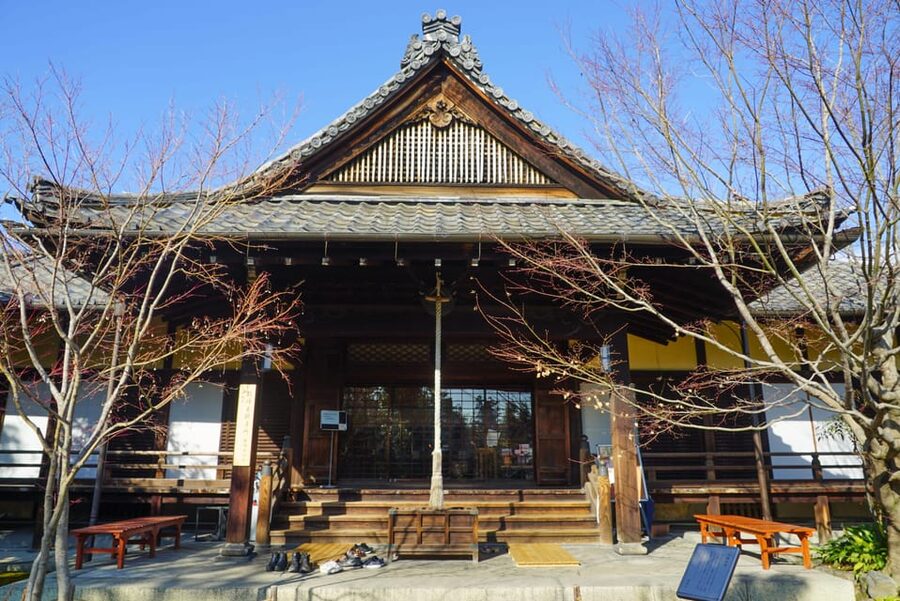
Kyoto has plenty of temples. This one works differently because it is built around practice, not performance. You start with a garden that teaches you how to look, then you move into zazen posture and breathing, and only after that do you eat.
Tofukuji is one of the five Great Zen Temples in Kyoto, and it has been used by monks since the 13th century. That matters because you are not just touring old buildings, you are stepping into a place that still supports daily discipline.
More Temple & Shrine Tours in Kyoto
- Kyoto: Fushimi Inari, Kinkakuji, Bamboo Grove 1 Day Bus Tour
★ 4.8 · 4,316 reviews - Kyoto: Tea Ceremony Ju-An at Jotokuji Temple
★ 4.9 · 3,207 reviews - Fushimi Inari Hidden Hiking Tour (Private Option Available)
★ 5.0 · 1,750 reviews
Meeting point at Tofukuji Station, plus timing you should plan around
You meet outside Tofukuji Station, Exit 2, next to a Family Mart. This is an easy spot if you arrive by train and walk a few minutes, but it can get confusing if you are using a taxi, so I’d avoid taxi drop offs near the station.
The whole tour runs 270 minutes, about 4.5 hours. If you choose a 10:45 start time, lunch happens at 14:15 after the meditation session, so have enough breakfast or brunch so you do not feel like you are meditating on an empty stomach.
You will also want to arrive early enough to start on time. Temple programs run by schedule, and late arrivals do not get a wait. Also bring water, Kyoto summers are hot and humid, and temple floors can be cold in winter, so thick socks help.
Kōmyō-in Temple garden walk, where the Zen lesson starts
Before you sit, you learn how to see. The tour begins with a visit to Kōmyō-in Temple, where your local guide leads you through the Zen garden as a kind of gentle training exercise. Zen is an ideas-and-attention thing, and the guide helps you connect the words you hear to what you actually notice in the space.
This part is not just, look at the rocks, smile for a picture. You get explanations on how to appreciate the garden and the mindset behind it. It is a smart setup for what comes next, because zazen feels much easier when you already understand the logic of calm attention.
I also like the pacing here. You are in a quiet place, with time to focus on small details like arrangement, negative space, and stillness. The garden becomes your warm up.
Tofukuji Temple highlights, slow down for the San-mon gate and dragon ceiling
After the garden, you head to Tofukuji itself. The time on site is shorter than the garden portion, but the stop is packed with specific sights your guide will point out.
You get to see the San-mon gate, impressive enough that you cannot rush it without missing why people remember it. You also get intricate dragon ceiling paintings, which are the kind of detail that makes temple architecture feel alive rather than dusty.
One unusual detail you should not gloss over is the oldest surviving toji, meaning toilet. It sounds odd on paper, but it is one of those reminders that temple life was practical, organized, and complete. If you are the type who likes how culture works in real daily routines, this stop will land.
More temple and shrine tours in Kyoto:
- Osaka/Kyoto:Kinkakuji,Arashiyama,FushimiInariShrine,NaraPark
★ 4.1 · 1,596 reviews - Kyoto/Osaka: Nara, Fushimi Inari Taisha, Arashiyama Bus Tour
★ 4.7 · 1,275 reviews - Arashiyama Bamboo, Temple, Monkeys, or Secret Sake Brewery
★ 4.8 · 886 reviews - Kyoto: Arashiyama Bamboo Forest, Monkeys, Matcha & Temple Tour
★ 5.0 · 759 reviews
Shōrin-ji (Bishamon-do) temple visit, more quiet and more context
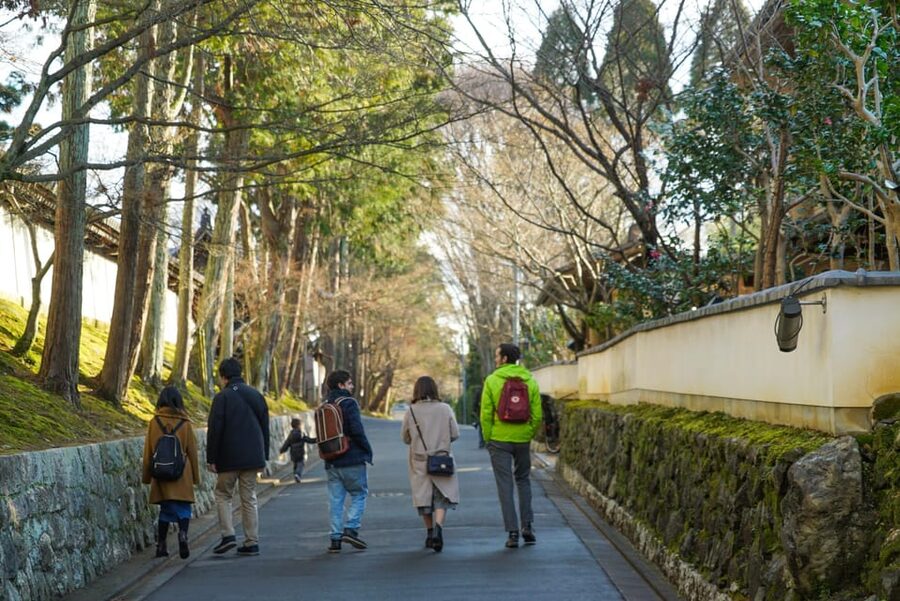
Next comes Shōrin-ji (Bishamon-do). This portion is longer, giving you time to settle into the temple grounds and absorb the flow. The guide uses this stretch to build meaning around what you are seeing and what Zen practice is trying to cultivate.
A longer temple segment is valuable because your brain needs a little time to stop treating temples like a checklist. Once you slow down, you start noticing how quiet spaces change your attention. That is the goal, even if you do not call it that.
Zazen at a smaller practice temple, silent materials do the work
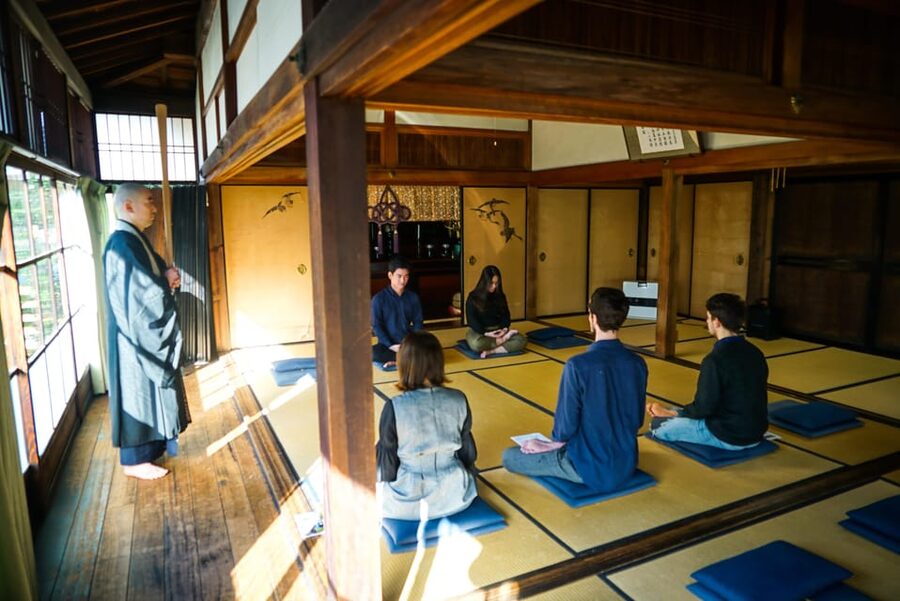
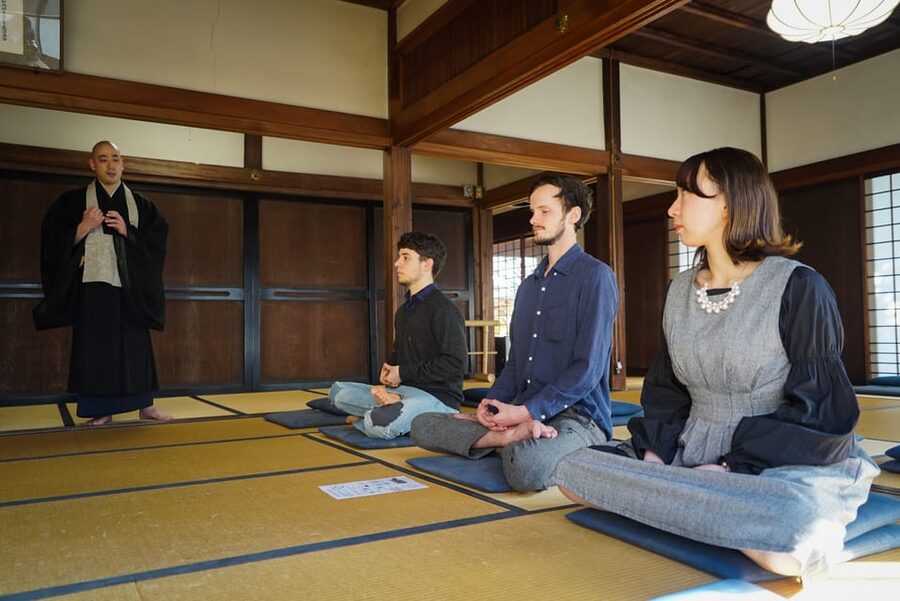
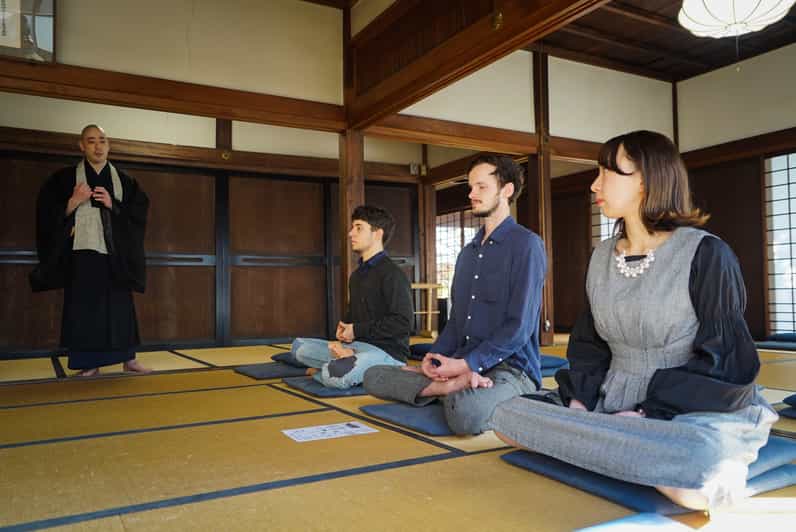
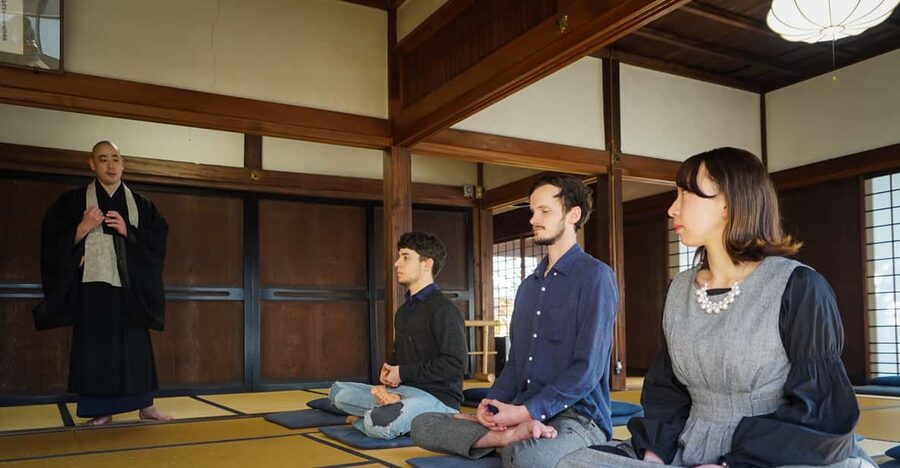
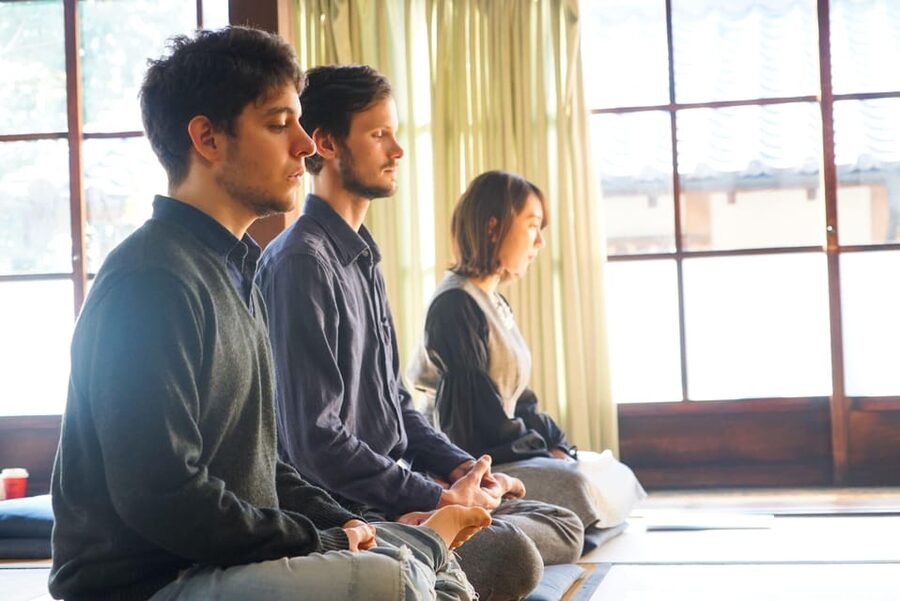
Here is the heart of the tour. You move to a smaller temple area dedicated to zazen practice. During the zazen session, your guide keeps silence, and you are given special silent reading materials.
That setup is important. It means the monk is not coaching you in English mid-session, and the guide is not narrating you through it like a museum talk. Instead, you follow the posture, breathing cues, and basic ideas for zazen through the materials while you experience the rhythm of sitting.
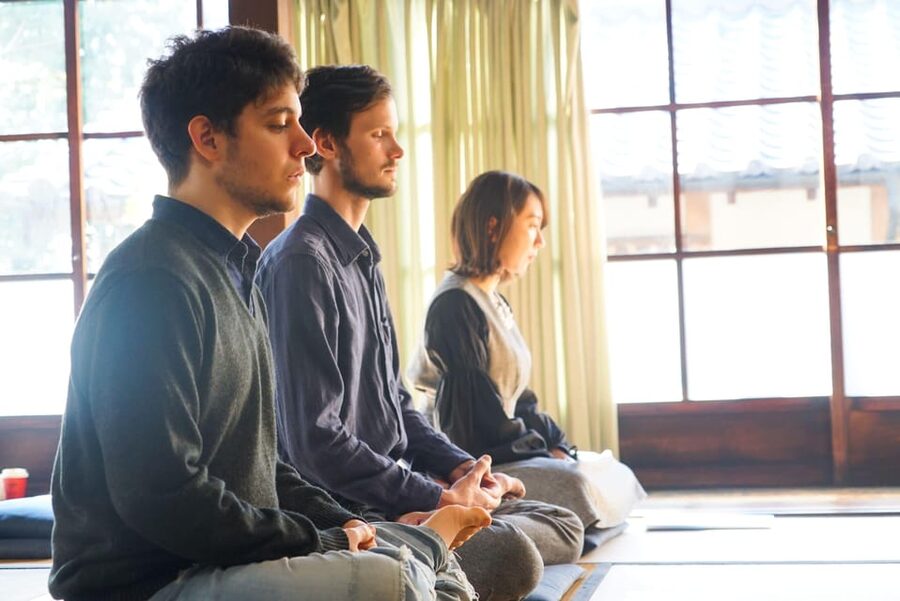
Your session includes guidance on posture and breathing techniques, plus the basic methods and ideas behind zazen. Then comes the quiet hour. This is where the small group size helps, because you are not fighting for personal space or hearing over the top chatter.
One consideration I would flag, based on past guest notes: sometimes the meditation room can include a larger number of participants in a shared space, not a tiny private hall. If you strongly prefer a very small, room-sized setting, ask whether the session is held in a shared area or a more intimate space.
After the zazen, the tour includes a brief discussion with the monks. That is the moment when you can connect the silent practice to the meaning you want to understand. It also adds an honest human layer, not just vibes.
How lunch fits the Zen day: Shojin ryori and dashi broth
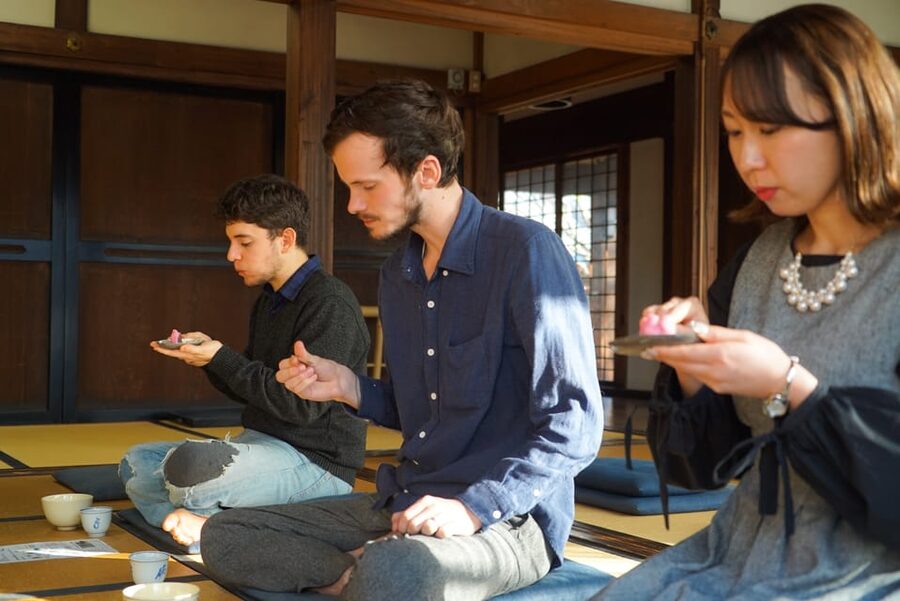
After meditation, you walk to a vegetarian meal. This is Shojin ryori, a diet embraced by Japanese monks since the 13th century. It is vegetarian, focused on vegetables, mushrooms, and seaweed, and it avoids meat and fish.
What you might notice right away is that this is not bland health food. Dashi-fish broth is included, and the tour info also notes a bit of dairy. So yes, it is vegetarian, but it can still feel comforting and flavorful.
You eat at a restaurant near the temple area. The adjacent temple building was once used for training as many as 1,200 Buddhist monks, and that context makes the meal feel like part of a training tradition rather than a random lunch stop.
If you enjoy meals with texture and subtle flavors, Shojin ryori is a great finish. And if you are new to Zen, eating right after meditation helps you connect the day. It reinforces the idea that discipline shows up in everyday choices, not only in a sitting pose.
The guide matters, and you will notice the difference
This is a small group tour, limited to 7 participants, in English. That small size is a big part of why people rate it so highly. You get a real guide presence, not just a headset lecture.
You will also see different guide names mentioned in prior experiences, including Yutaka, Louis, Eri, Yukata, and Tammy. The common thread is calm, patient teaching. Guides answer questions when appropriate, and they translate or help you communicate so the monk discussion is not intimidating.
Photo taking is included during the tour, which is a practical bonus if you want temple memories without spending your whole day chasing angles.
If you like learning alongside doing, this format works well. If you only want a quick sightseeing hit, it may feel slower than a typical Kyoto temple route. But if you want meaning, not just photos, it is a strong match.
Price and value: what you get for about $107
At $107 per person for 270 minutes, you are paying for three things: access to guided temple time, an English-speaking local guide, and the meditation plus lunch connection.
For value, I think the best comparison point is not another garden tour, it is the cost of getting meditation instruction and a monk-style meal in Kyoto in a small group. Meditation guidance is not something most standard temple tickets include. Add a Zen garden explanation, multiple temple visits, and Shojin ryori lunch, and the price starts to feel reasonable for what you actually experience.
Also, the small group matters financially too. Paying more for fewer people is the trade. In this case, you gain more attention during the guided parts and less stress during the quiet session.
Practical etiquette: how to behave during quiet zazen
This tour asks you to respect the shared silence during meditation. Private conversations are generally prohibited during zazen, and the materials are meant to be read silently.
So your “what to do” list during meditation is simple:
- Follow the posture and breathing guidance you are given
- Stay focused on the silent session materials
- Avoid talking to other participants
It is not dramatic, just different from typical sightseeing. If you can do quiet for an hour, you will get more from the experience.
Who this Kyoto Zen meditation and garden tour is best for
This tour is ideal if you:
- Want Zen practice explained clearly before you sit
- Prefer a smaller group, under 7 people
- Like temples where architecture and meaning matter
- Enjoy a calm pace instead of constant walking
It is not a fit for children under 12. You also need to know about food limits: gluten intolerance is listed as not suitable. If you have other allergies, you might want to check with the operator ahead of time, since the tour data only flags gluten specifically.
If you are already a long-time meditator, you might still find value here because you are practicing in a real temple context and hearing how the guide frames zazen. If you are brand new, the garden warm-up and guided instructions reduce the intimidation factor.
Should you book this tour? My quick call
Book it if you want more than temple sightseeing. This is a structured Zen day: garden attention first, zazen practice second, monk-style lunch third. The small group size and the included monk discussion make it feel human, not staged.
Skip it if you cannot do silence well, or if you mainly want a fast route of multiple famous spots. Also, if you want meditation in a tiny, private room, you should consider that zazen may sometimes happen in a shared space, and you will be using silent materials rather than live English coaching from the monk.
FAQ
FAQ
What is the duration of the Kyoto Zen Meditation and Garden Tour?
The tour lasts 270 minutes, about four and a half hours.
Where do I meet for the tour?
You meet outside Tofukuji Station, Exit 2, next to a Family Mart.
What temples and areas are included in the visit?
You visit Kōmyō-in Temple, Tofukuji Temple, and Shōrin-ji (Bishamon-do), then you go for the vegetarian lunch.
Is the meditation session guided in English?
The tour includes an English live guide, and you are provided with silent reading materials during zazen. The tour info does not state that the monk speaks English during the silent session.
What happens during zazen?
You practice zazen for about one hour. You receive guidance on posture, breathing, and methods, then the session is done in silence with reading materials.
What is included for lunch?
The lunch is Shojin ryori, a traditional vegetarian meal. Dashi-fish broth is included, and the tour info notes that a bit of dairy may be included as well.
Is the group small?
Yes, it is limited to 7 participants.
Who should not book this experience?
It is not suitable for children under 12 years old, and it is not suitable for people with gluten intolerance.
Are there any weather or comfort tips?
Yes. Bring water and a hat for Kyoto’s hot, humid summers. In winter, temple floors can be cold, so thick socks are recommended.
Fresh options around Kyoto
- Kyoto Aquarium Admission Ticket★ 4.7 · 12 reviews
- Kyoto Gion Photoshoot – Private Session | Pro Photographer★ 5.0 · 12 reviews
- Gyoza Cooking Class in Kyoto: Traditional Japanese Dumplings★ 5.0 · 12 reviews
- Kyoto: Guided Food Tour with 12 Dishes & 3 Drinks★ 5.0 · 12 reviews
- Kyoto: Avoid the Crowds at the Hidden Gems of Arashiyama★ 4.9 · 13 reviews
- Kyoto Early Bird English Tour: Gion & Higashiyama(Private opt)★ 5.0 · 13 reviews
- Otsu-e Folk Art Workshop & Local Culture Walk Near Kyoto★ 5.0 · 13 reviews
- Kyoto, Osaka, Nara Full Day tour by Car English speaking Driver★ 3.5 · 13 reviews
Lunch Experiences, compared.
Mt.Fuji & Lake Kawaguchiko 1-Day Bus Tour w/Optional Lunch
Read our review →
Osaka/Kyoto: Arashiyama, Nara & Fushimi Inari Shrine w/Lunch
Read our review →
Kyoto Zen Meditation & Garden Tour at a Zen Temple with Lunch
Read our review →
Five Must-See Highlights Walking Tour & Ramen Lunch
Read our review →

Naha, Okinawa: Keramas Island Snorkeling Day Trip with Lunch
Read our review →
Snow Monkey 1 Day Tour with Beef Sukiyaki Lunch
Read our review →Browse the lists this tour appears in