Reviewed · FULL-DAY
KYOTO-NARA: Giant Buddha Deer Pagoda “Geisya” (Italian, full day)
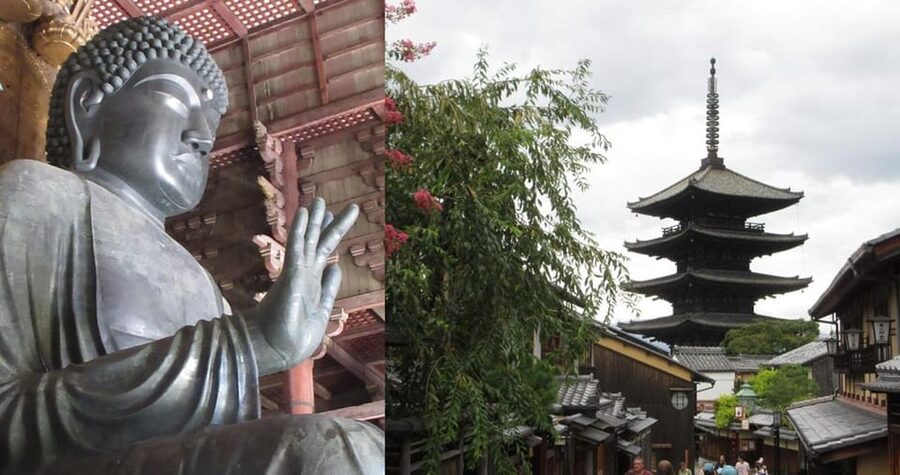
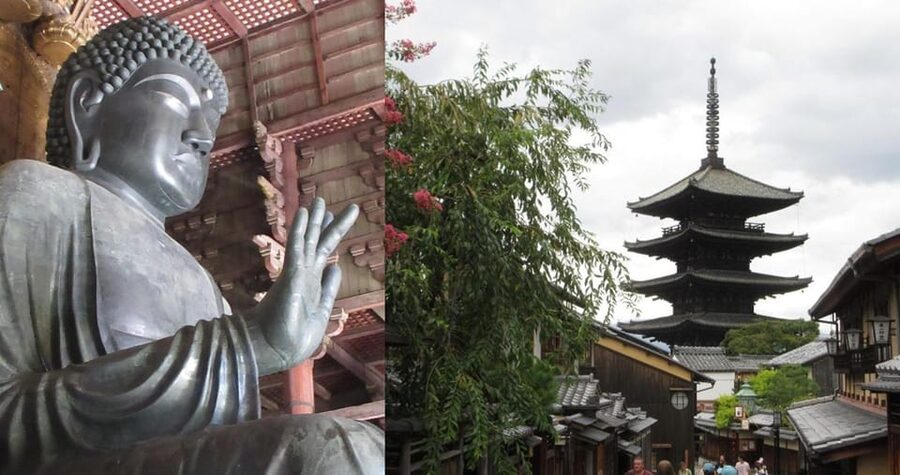
Deer, Buddha, and an Italian guide in one day. This Kyoto-Nara loop is built for people who want clear structure and real cultural context, not just photos and head nods. I like the Italian-language guidance (with the kind of sharp humor you remember), and I also love how close you get to the legendary giant Buddha at Todai-ji, with the deer wandering around like they pay rent. One possible drawback is the day moves on a tight schedule, so if you like hours of free time, you may feel a bit rushed, especially around Kiyomizu and Gion.
The upside is that the small group size, limited to 15, keeps questions easy and the route manageable. If you ask for adjustments within reason, the plan can flex. And if you’re traveling in Italy-friendly language, this is one of the smoother ways to do Nara and Kyoto in a single day.
Key things to look forward to on this Kyoto-Nara day
- Italian live guide who can answer questions in English, including legends and cultural details
- Todai-ji + giant Buddha plus the surrounding temple grounds that feel bigger than the photos
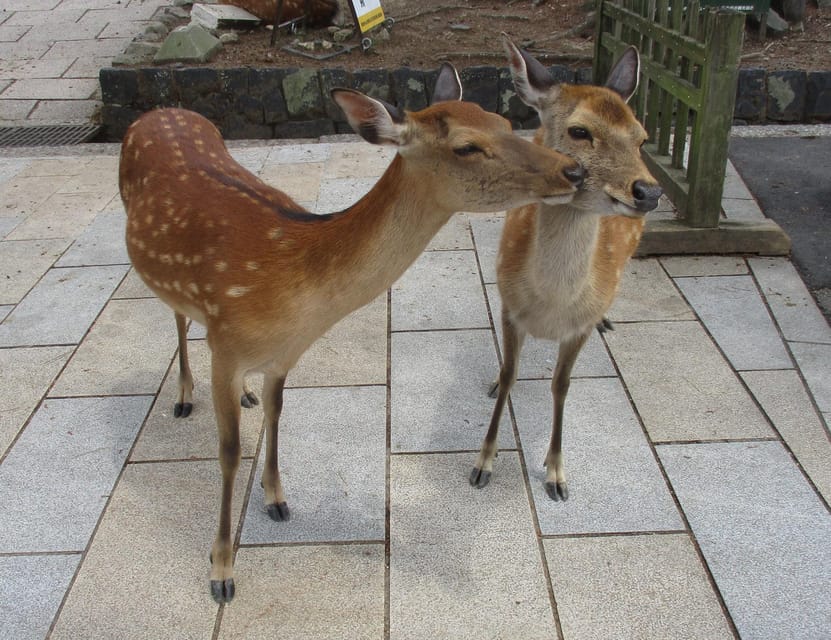
- Free-roaming tame deer in Nara Park, with cookies sold at stalls so you can feed them
- Kiyomizu-dera with guided context and time in the pilgrimage streets filled with shops and treats
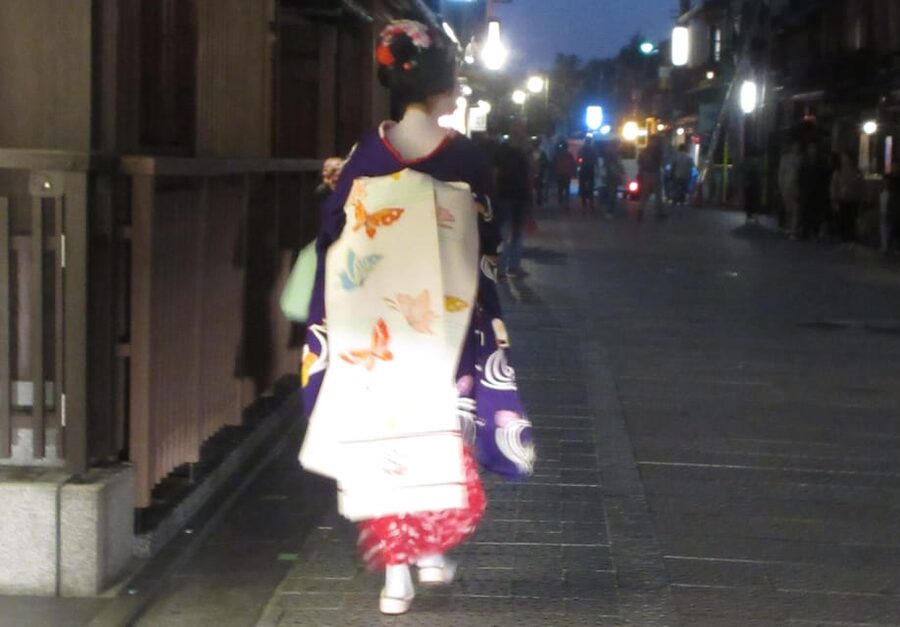
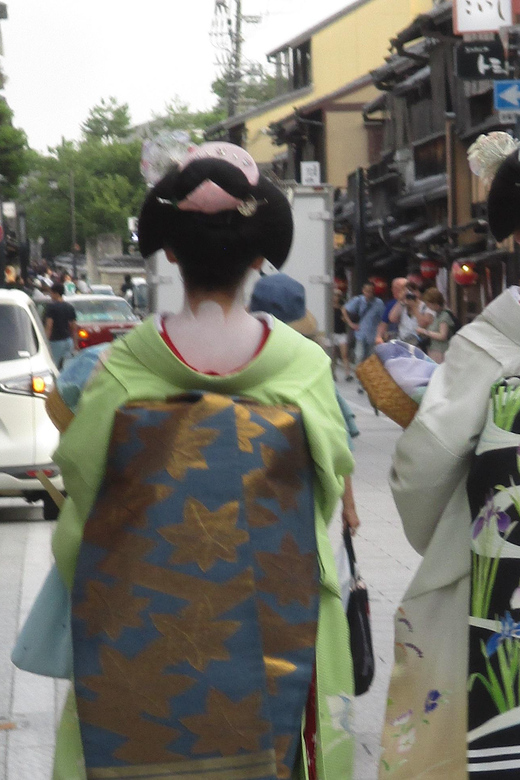
- Gion-kobu area and Geisya culture, where Maiko and Geiko professional artists work
- Small group pace (15 max) and room to ask questions and take photos
Kyoto-Nara in One Day, Guided in Italian
This is a full-day outing that strings together Nara’s headline temple and Kyoto’s most famous temple and geiko-maiko neighborhood. You start at Kyoto Station, travel to Nara, then return to Kyoto for Kiyomizu-dera and the Gion-kobu area before finishing in Pontocho.
What makes it especially good is the format. Instead of dropping you at big sights and hoping you can connect the dots, you get explanations along the way in Italian. In recent trips, guides like Omae have been praised for having excellent Italian and a strong sense of humor, plus a knack for explaining what you’re actually seeing.
If you’re the type who reads signs but still wants context, you’ll appreciate the extra layer. The guide also provides practical help during the day, so when a question pops up, you have someone to ask.
A few more Kyoto days worth comparing
- PERFECT KYOTO 1-Day Bus Tour
★ 5.0 · 13,518 reviews - Kyoto: Fushimi Inari, Kinkakuji, Bamboo Grove 1 Day Bus Tour
★ 4.8 · 4,316 reviews - Kyoto: Tea Ceremony in a Traditional Tea House in Kiyomizu
★ 4.9 · 3,519 reviews
Meeting at Kyoto Station, then settling into the day’s rhythm
You meet in the space between four escalators in front of the cab terminal (not the bus terminal), on the east side just outside the north central entrance to Kyoto Station. It’s easy to orient yourself because Kyoto Tower is visible nearby, and you’ll get exact meeting-point details by email the day before.
The tour follows a predictable travel rhythm. In the morning you take the train toward Nara and then a short bus transfer to the temple area. After Todai-ji, you go back by train to Kyoto Station for a break, then head out again by bus and on foot for the rest of the day.
Two travel notes I’d plan around:
1) You’ll do several short walks, not one long hike, so comfortable shoes matter.
2) The break at Kyoto Station is your chance to regroup, use facilities, and reset before the Kyoto portion.
Group size is limited to 15 participants, which helps a lot when you’re moving between crowded areas like temple entrances and shopping streets. It also makes it easier for the guide to help you in real time rather than delivering explanations from far away.
Todai-ji Temple and the Giant Buddha, plus deer-park magic
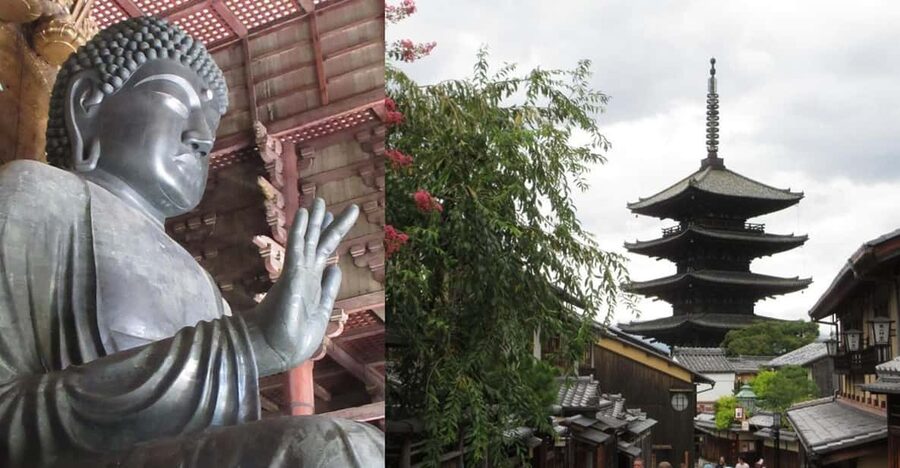
Todai-ji in Nara is the star. The whole experience centers on the giant Buddha statue and the temple grounds that surround it. Even if you’ve seen images, it still feels like the place was designed for scale, not selfies.
You get a guided visit that includes time for sightseeing and some shopping. That combination matters because temple visits in Japan can feel like a blur when you only have a short window. With a guide, you can spot what’s important and understand why those national treasure designations matter.
Then there’s the deer park. In the large park around Todai-ji, tame deer roam freely and have lived alongside local citizens for a long time. Cookie stalls are part of the setup, so you can buy treats and feed them. It’s a simple moment, but it’s one of the most memorable parts of the day because it puts you into Nara’s everyday scene rather than a closed-off viewing area.
You also pass by Ukimido briefly, with a short walk-and-pass moment. Even if you don’t have long here, it adds variety to the route so you don’t feel like you spent the entire morning in one exact spot.
Why the guide’s stories change what you see at Todai-ji
A big reason this tour feels worth it is the way the guide explains what you’re looking at. The focus isn’t just names and dates. The tour includes commentary about monuments connected to Japan’s national treasures and the devotional side of Buddhism, plus background that you typically won’t get from quick guidebooks.
This is where the Italian language helps. If you can follow a richer explanation in your own language, you’ll actually remember it. And guides have been praised for sharing legends and mythological stories linked to places and objects you encounter during the visit.
Omae, for example, has been specifically described as extremely prepared, with perfect Italian and the ability to answer questions clearly. One family-friendly experience was also highlighted for feeling balanced: you’re given information, but you’re not pinned down so tightly that you cannot look around or photograph freely.
So if your goal is to understand the why behind the big sights, this is a better use of time than trying to self-tour both Nara and Kyoto on your own in one day.
Same corner of Japan, a different kind of day:
- Kyoto Geisha Walking Tour: Gion District & Hidden Gems
★ 4.7 · 3,273 reviews - Kyoto: Tea Ceremony Ju-An at Jotokuji Temple
★ 4.9 · 3,207 reviews - Kyoto: Gion Magical Night Walking Tour with Geisha Trivia
★ 4.9 · 2,393 reviews - Kyoto: 45-Minute Tea Ceremony Lesson Experience
★ 4.3 · 2,378 reviews
Kiyomizu-dera and the pilgrimage-street vibe on the way to Gion-kobu
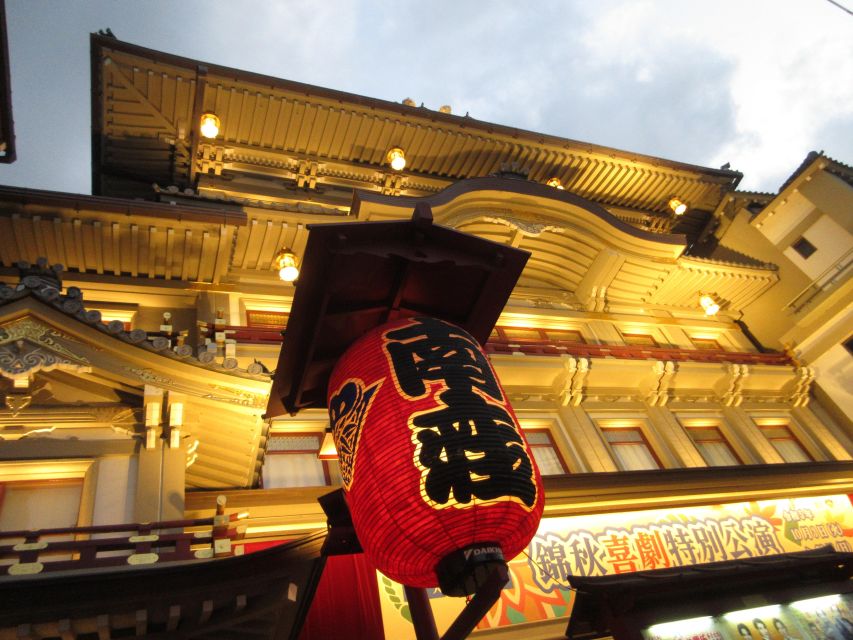
In the afternoon you shift from Nara’s temple scale to Kyoto’s pilgrimage energy. Kiyomizu-dera is visited with a guided tour that lasts about an hour, which is enough time to learn what you’re seeing without turning it into a rush-through.
After Kiyomizu, the route continues on foot through the pilgrimage area. This is the part where Kyoto feels like it’s been selling travel dreams for centuries. Streets lined with souvenir shops, sweet shops, and even bars create a lively atmosphere where you’ll see visitors of all ages, from Japan and abroad.
It can get busy in the main shopping stretches, so stay close to your group when crossing or moving through narrower lanes. Still, the guided path helps you avoid wandering randomly, and it keeps you focused on the sights that matter most.
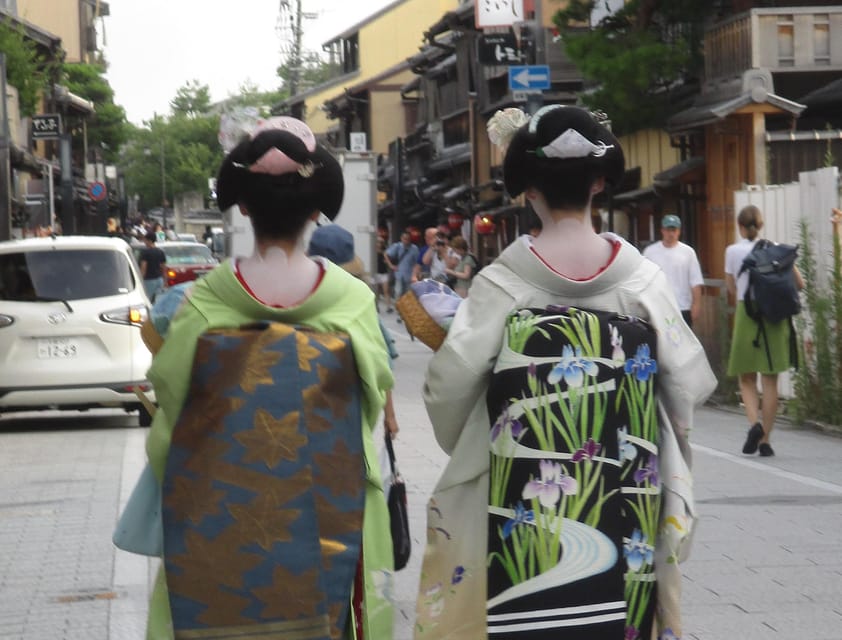
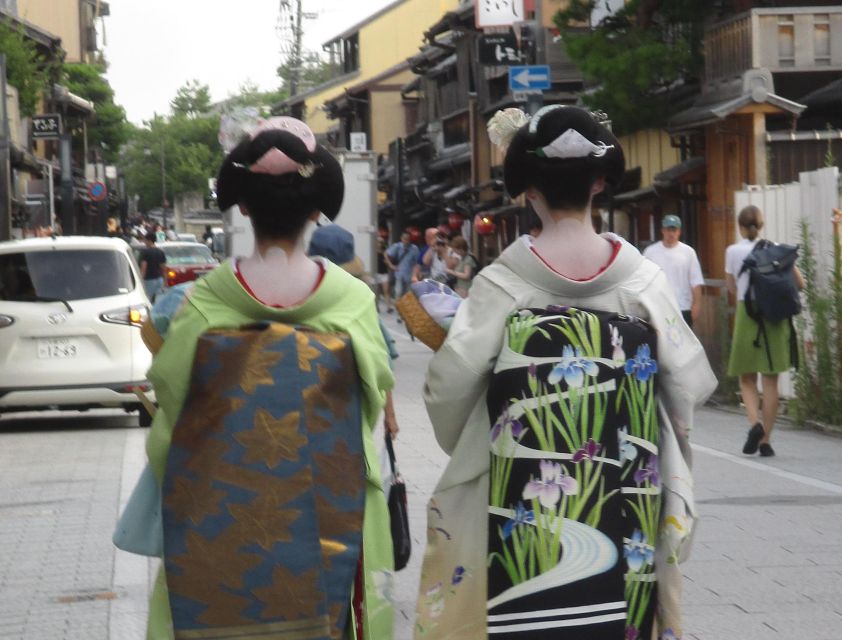
Then you reach the Gion-kobu area for a short guided visit. This is where professional Maiko and Geiko artists work, and it’s often connected to the term Geisya. Even if you’re not here for a performance, walking in this area with context gives you a better sense of what it represents and why the neighborhood has such strong cultural gravity.
Flexibility, questions, and photo time, without losing the plot
One of the practical strengths of this tour is the balance between guidance and freedom. The day includes guided stops, but it also gives you room to explore and take photos. That matters because Kyoto and Nara are full of details that you only notice when you pause.
The guide is also set up for interaction. You can ask questions, and you should expect answers in English when needed, even though the main delivery is Italian. If you’re traveling with a mix of languages in the group, that kind of support makes a difference.
The itinerary is described as flexible upon request as far as possible within reason. That’s useful if you’re slower in crowds, want extra minutes for photos at one temple, or need to adjust your timing because of weather or personal pacing.
Price and value: is $176 a good deal for this day?
At $176 per person, this isn’t a budget outing. But the price makes more sense when you look at what’s included.
You get:
- train and bus fares scheduled for the route
- entrance fees for the monuments in the program
- Italian explanations for the historical sites you visit
- practical information about traveling in Japan in general, available upon request
You’re also paying for the guide experience, and the reviews put a lot of weight on that. People have praised guides for excellent Italian, humor, and the ability to provide clear explanations that go beyond what you can read quickly onsite. Some also mention that the guide leaves the right space for independent photos, while still keeping the day coherent.
That said, one review felt the tour could be more complete given the time and the amount paid. So my balanced take is this: if you want a slow, in-depth exploration of every corner, you might feel the schedule is tight. If you want an efficient, well-guided highlights day that covers Nara and Kyoto without planning headaches, it’s strong value.
Who this tour suits best, and who might prefer another plan
This tour is a great match for you if:
- you want Italian-guided sightseeing at major Kyoto and Nara landmarks
- you like temple context, including Buddhist devotion and legend
- you want a small group day, not a big coach crowd
- you’re happy with a structured itinerary with short breaks, rather than hours of free wandering
It’s less ideal if:
- you prefer to linger at each site for long stretches without time pressure
- you’d rather explore Nara and Kyoto independently, at your own pace, with no scheduled transport windows
It’s also useful for families, based on how one family trip was described, because the deer element and the guided route give you “fun plus meaning,” not just one or the other.
And if you’re in a wheelchair, the tour is listed as wheelchair accessible. That’s a key point for planning, since temple areas can vary a lot in practical access.
Should you book this Kyoto-Nara day trip?
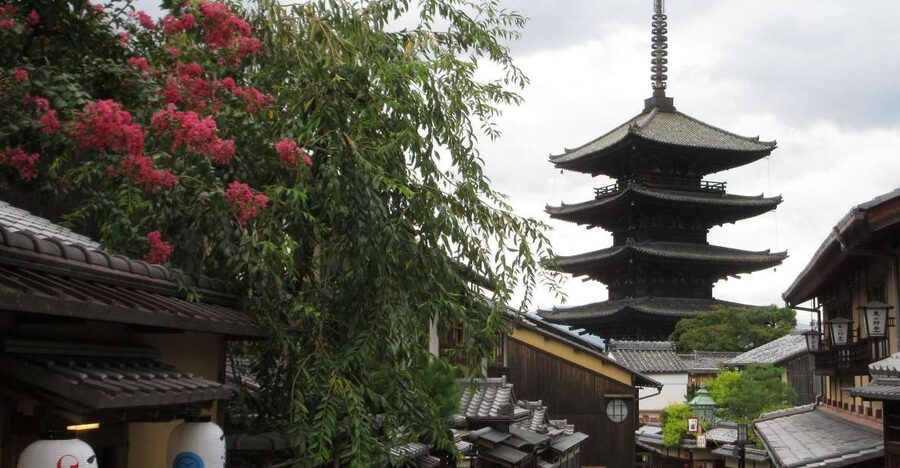
Book it if you want a guided day that connects Nara and Kyoto with an Italian-speaking local guide who can explain what you’re seeing, including cultural and religious context. Todai-ji, the deer park, Kiyomizu-dera, and the Gion-kobu Geisya area are all big-ticket experiences, and the tour helps you get more out of them than self-wandering in limited time.
Skip it or rethink it if you’re the type who wants long, quiet time in just one place, because the day packs in train rides, guided visits, and multiple on-foot segments. For this kind of schedule, good shoes and a flexible mindset are your best friends.
If you’re aiming for one high-quality day that feels organized and human, this is an excellent option.
FAQ
Is the tour guided in Italian?
Yes. The live tour guide speaks Italian and provides explanations of the historical monuments visited during the day.
What are the main stops during the day?
You visit Todai-ji Temple in Nara, then Kiyomizu-dera in Kyoto, and you also spend time in the Gion-kobu area, connected to Maiko and Geiko artists often referred to as Geisya.
Where does the tour start and where does it end?
The meeting point is at Kyoto Station, in the space between four escalators in front of the cab terminal (not the bus terminal), east just outside the north central entrance. The tour finishes at Pontocho.
How big is the group?
It is a small group, limited to 15 participants.
Does the price include transportation and entrance fees?
Yes. The tour includes the fares for the scheduled train and bus transport, and the entrance fees for the monuments included in the program.
How do you travel from Kyoto to Nara?
You travel by train for about 45 minutes, then take a short bus or coach transfer for about 15 minutes to reach the Todai-ji area.
Is there time for a break in Kyoto?
Yes. After returning to Kyoto Station, there is a break time of about 1 hour before the afternoon portion.
Is the tour wheelchair accessible?
The tour is listed as wheelchair accessible.
What are the cancellation terms?
Free cancellation is available up to 24 hours in advance for a full refund.
Can I reserve without paying immediately?
Yes. The option is listed as reserve now & pay later, so you can book and pay later to keep plans flexible.
Fresh options around Kyoto
- Private Kyoto Market Tour and Authentic Cooking Class with Aki★ 5.0 · 15 reviews
- Private Customized Tour with Local Guide In Kyoto★ 4.5 · 15 reviews
- One-Day Walking Tour of Amazing 8th Century Capital Nara★ 5.0 · 15 reviews
- Kyoto & Nara Private Customized, Guided Tour★ 4.3 · 15 reviews
- Fushimi Inari – Arashiyama: Torii Gates, Bamboo, Monkeys & Secret★ 5.0 · 15 reviews
- Guide tour of Japanese bathing culture at Funaoka Onsen★ 5.0 · 15 reviews
- Arashiyama Bamboo Forest Family Bike Tour ( Infants & Kids )★ 5.0 · 15 reviews
- Arashiyama & Nara Highlights: One-Day Private Tour Adventure★ 5.0 · 16 reviews
Full-Day, compared.
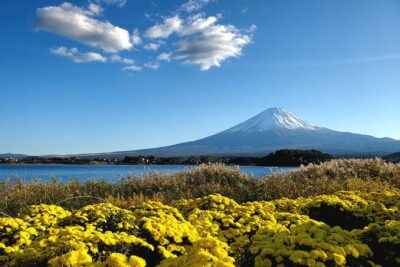
Mount Fuji Full-Day Private Tour from Tokyo (Customizable)
Read our review →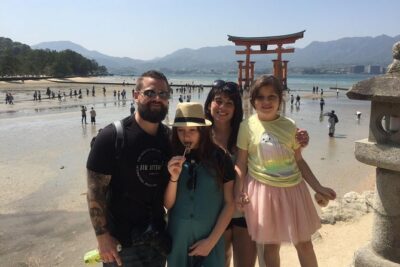
Hiroshima / Miyajima Full-day Private Tour with Government Licensed Guide
Read our review →
Tokyo Private Full-Day Tour by Car or Van
Read our review →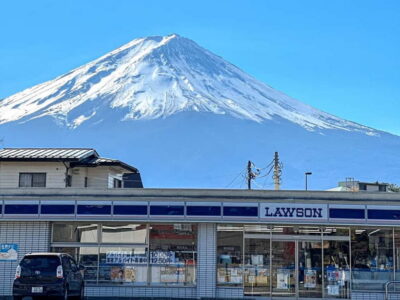

5 Top Highlights of Kyoto Full Day Bike Tour (E-bike option)
Read our review →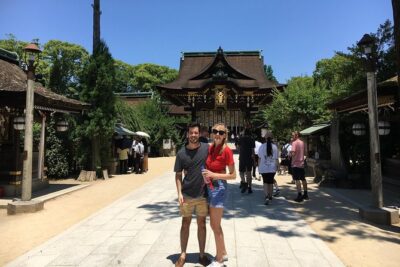
Full Day Biking Tour Exploring the Best of Kyoto
Read our review →