
Reviewed · DESSERT TOURS
Japanese Sweets (Mochi & Nerikiri) making at a Private studio
Stepping into a Tokyo home for sweets is a smart change of pace. You learn wagashi from scratch, with clear, patient coaching, and you also get the story behind the shapes and seasons. I especially liked the structured, step-by-step approach to making doughs, plus the thoughtful touches around tea and hospitality. The one drawback to consider is that it is not a sit-and-watch experience, so if you want photos from the sidelines, you will need to join in.
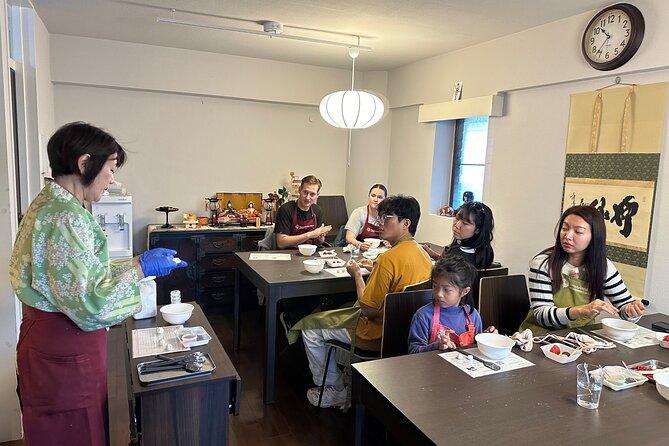
This is a small-group hands-on class (up to 8 people) run by Simply Oishii Wagashi School in the Meguro area. You can choose a morning or afternoon slot, and the whole thing runs about 2 hours 30 minutes. You leave with English instructions, so you can try again at home.
Key moments that make this class worth your time
- A private Tokyo home in Meguro where you actually see everyday life, not a studio set
- Small group size (max 8) so questions and corrections do not get lost
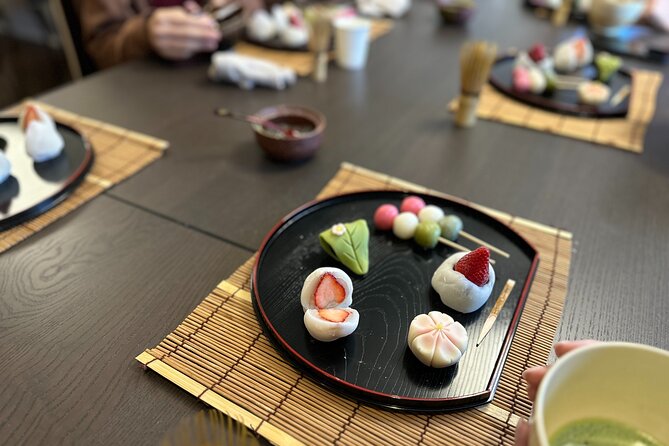
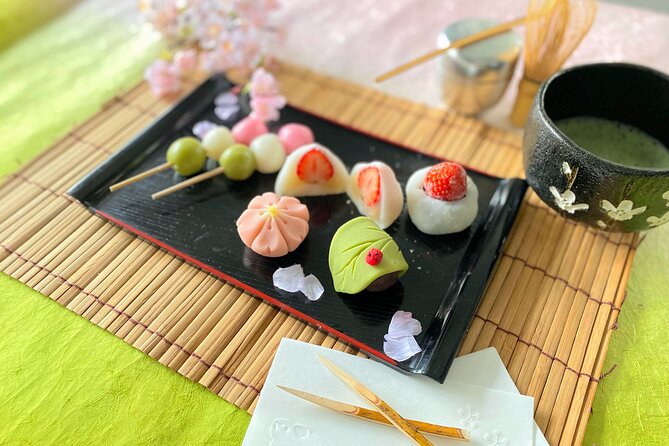
- From dough to decoration, including Strawberry daifuku mochi, three-color dango, and nerikiri
- English instruction from a certified Nerikiri Art Instructor, with local tips for Tokyo shopping and sights
- Color and shape symbolism for nerikiri, so what you make feels meaningful, not just pretty
- Plant-derived, gluten-free ingredients plus an apron and an English recipe sheet to take home
Meguro meeting point: a Tokyo home, not a classroom
You meet at a residential address in Meguro, Tokyo: 1-chome 3-16 プレジデント目黒ハイツ, Meguro City, Tokyo 153-0063. The activity ends back at the same place, so you do not have to worry about navigating after the class.
A few details matter here. First, this is a non-smoking setting, and it is designed for people who are participating. Observers are not allowed to sit in class. That keeps the pace focused, and it also means you will not feel awkward taking your turn with the tools and ingredients.
Second, you should plan your timing around the 2.5-hour session. There is no hotel pickup or drop-off, so you will want to arrive by public transportation at the exact meeting spot. The location is listed as near public transport, which helps.
If you like the idea of doing a cooking class where you feel like you are visiting someone’s kitchen, this fits. More than once, the standout element is how welcoming the instructors feel once you are inside. For example, classes are led by English-speaking instructors such as Yukka or Miyuki Suyari, and the vibe stays patient even when someone’s first attempt at kneading is… not perfect.
A few more Tokyo days worth comparing
- Mt Fuji and Hakone 1-Day Bus Tour Return by Bullet Train
★ 5.0 · 26,383 reviews - 1-Day Tokyo Bus Tour
★ 5.0 · 14,250 reviews - Tokyo: TOKYO SKYTREE® Admission ticket
★ 4.5 · 11,192 reviews
How the 2 hours 30 minutes plays out step by step
The flow is designed to build skills in a logical order. You start with context, then you practice, then you shape and finish with tasting.
1) A short mochi traditions presentation
You begin with a presentation about mochi traditions and festivals, and why mochi shows up so often in Japanese culture. This part is not long, but it gives meaning to the rest of the class. I like this because it turns snacks into craft, and it helps you understand why certain shapes and seasonal choices matter.
If you have ever wondered why mochi seems to vary across the year, this is where you get those connections. You will also get a sense of what you are aiming for when you make the dough later.
2) Strawberry daifuku mochi and three-color dango
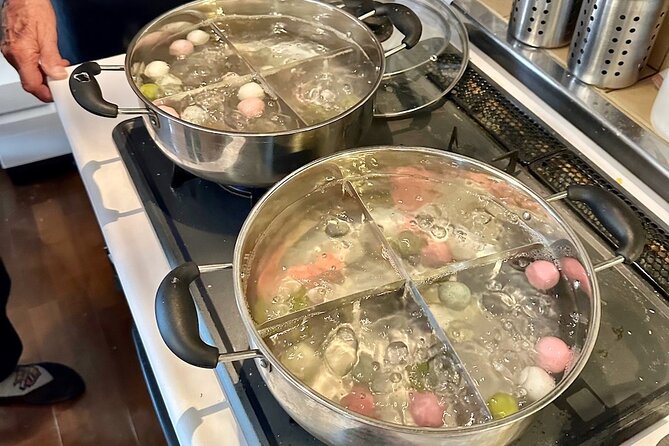
Next comes hands-on work. You will make Strawberry daifuku mochi and three-color dango, which are mochi balls served on skewers. This matters because you do not just do one repetitive item. You get to feel two different textures and handling styles.
Daifuku is all about dough consistency and shaping. Dango is about forming bite-size pieces and keeping the look even across your skewers. The class format gives you time to learn what the dough should feel like, not just what it should look like at the end.
Instructors are described as organized and step-by-step, and the best part is that corrections happen while you are still working. When you are new, it is a relief to have someone adjust your kneading or shaping rather than letting you figure it out alone.
Same corner of Japan, a different kind of day:
- Tokyo: teamLab Planets TOKYO Digital Art Museum Entry Ticket
★ 4.6 · 9,779 reviews - Mt Fuji & Hakone Cruise, Drum Show Bullet Train 1 Day from Tokyo
★ 4.0 · 7,413 reviews - Tokyo: Sumo Show Experience with Chicken Hot Pot and a Photo
★ 4.8 · 6,678 reviews - Tokyo: Shinjuku Food Tour (13 Dishes at 4 Local Eateries)
★ 5.0 · 6,603 reviews
3) Nerikiri wagashi dough, then coloring and shaping
After you finish the mochi items, you shift to nerikiri wagashi. Nerikiri is more of a shaping and art lesson than a simple cooking task. You start by making the nerikiri dough, then the instructor shows you how to color and shape it into a seasonal motif.
This is the part people usually remember because it feels like Japanese craft meets edible design. Even if your first attempt is not museum-quality, you get guidance on how to form the figures and how to work with color.
One helpful theme that comes up again and again in the teaching style: symbolism. You learn how colors and shapes connect to seasons and meaning. That gives your final wagashi something more personal than a generic sweet.
4) Matcha tasting, plus Omotenashi and Chado
The class ends with tasting your sweets with matcha green tea. You will learn how to make the matcha as part of the ending experience too. And then you get a short talk on Japanese Omotenashi, the hospitality spirit that is also part of Chado, the tea tradition.
This last section makes practical sense for most people. After you spend time shaping and coloring, the tasting grounds everything. You see how the sweets pair with tea, and you also understand why the tea ritual matters.
If you prefer non-caffeinated options, the class includes matcha green tea or another non-caffeinated tea. That flexibility helps if you are sensitive to caffeine.
Nerikiri wagashi: why this class feels more like craft than cooking
Plenty of workshops teach you how to make one dessert. What makes this one stand out is that nerikiri is a specific skill, and the lesson is paced so you can actually practice.
Here is what you gain from doing it the slow, correct way:
- You learn how the dough behaves before you start shaping details.
- You get instruction on coloring, so the process feels controlled instead of chaotic.
- You work on a seasonal motif, which gives your hands something concrete to build toward.
Also, the teaching staff is described as very fluent in English. That is not a small detail. When you are learning dough textures and fine shaping steps, you do not want to guess what the instructor means.
Even better, the instructors share practical advice beyond the food. People report getting suggestions on where to shop in Tokyo for tools or ingredients, plus sightseeing ideas for the rest of your time. That kind of local guidance is usually hard to find unless you meet someone who does this regularly.
If you are traveling with kids, this craft angle is often a win. A nerikiri lesson gives kids a way to focus their creativity while still staying structured. The minimum age is 4, and the class is not set up for safety reasons to include kids under 4.
The tea pairing and Omotenashi talk: why it is included
Matcha and wagashi belong together for a reason. The class keeps the tea part hands-on. You make matcha, then you taste it with what you made.
You also hear a short explanation of Omotenashi and Chado. The important thing here is tone, not performance. You are not being asked to put on a formal tea show. Instead, you get a clearer picture of the mindset behind Japanese hospitality and how tea fits into everyday respect.
This ending is also useful if you plan to eat around Tokyo afterward. You come away with a better sense of flavor pairing, and you stop thinking of matcha as just a drink. It becomes part of a whole small ritual that changes how you experience sweets.
Price and value: what you are paying for at $91.96
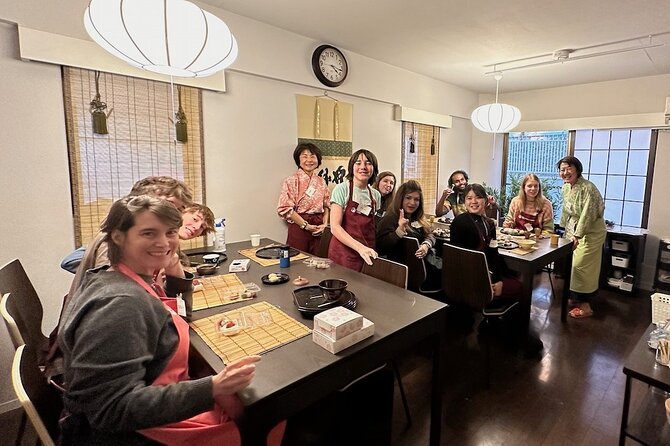
At about $91.96 per person for roughly 2.5 hours, this is not a cheap snack stop. But it is priced like an actual class where someone prepares ingredients, teaches multiple sweets, and guides you through dough work and tea.
Here is where the value comes from:
- Small group size means more attention while you knead, shape, and color.
- The class includes aprons, a food tasting, and an English recipe sheet you take home.
- You also get tea included, either matcha green tea or another non-caffeinated tea.
- Ingredients are listed as plant-derived and gluten-free, which is a clear benefit if you have dietary limits that matter to you.
There is also an optional upgrade worth asking about: you can request to combine this class with a mochi-making class. If you are a mochi fan, that is likely the easiest way to add more variety without changing the whole schedule.
One practical consideration: transportation and meals outside the class are not included. If you are trying to plan on a strict budget, treat this as the main event of a half-day chunk, not an add-on you can ignore.
Who should book this class, and who might skip it
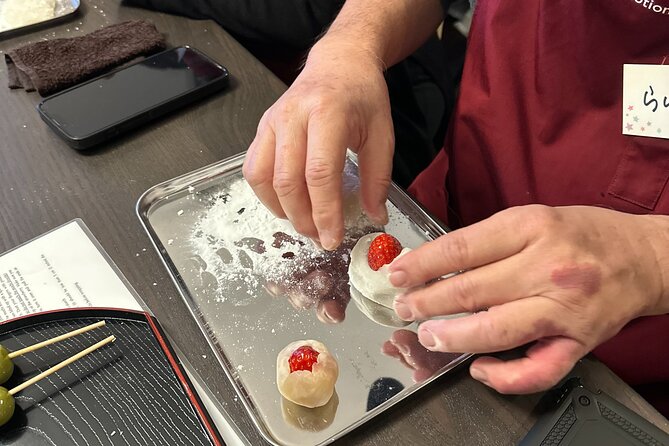
This class is a great fit if you want:
- A hands-on Japanese sweets workshop with real technique
- An experience tied to culture, not just cooking steps
- Clear English instruction and a friendly pacing style
- A take-home tool, the English recipe sheet, for practicing later
It is especially good for families where kids can participate. People mention bringing children like a 7-year-old or a 9-year-old and finding that the lesson worked well for them.
You might consider skipping or choosing a different option if:
- You want to watch only. Observers are not allowed to sit in class.
- You have tight scheduling for the exact meeting point in Meguro. There is no pickup.
Practical tips before you go
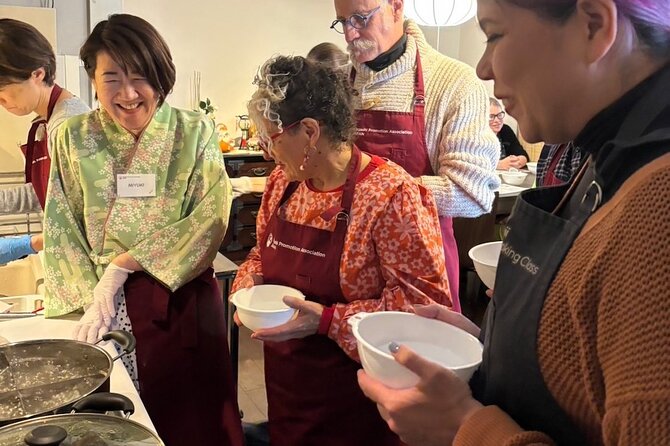
A few small moves make the day easier:
- Wear clothes you do not mind getting a bit sticky. Dough work is part of the lesson.
- Arrive a little early so you can settle in without rushing.
- If you have ingredient concerns, remember the class uses plant-derived, gluten-free ingredients, and the instructor can guide you on how the sweets work.
- If you are planning souvenirs, ask for advice during the class. People report that instructors share tips on where to shop for wagashi tools in Tokyo.
Also, depending on the class, you might receive extra help after the session. One person noted access to a video to help remember the steps. If that matters to you, it is worth asking when you book.
Should you book this Japanese sweets private studio class?
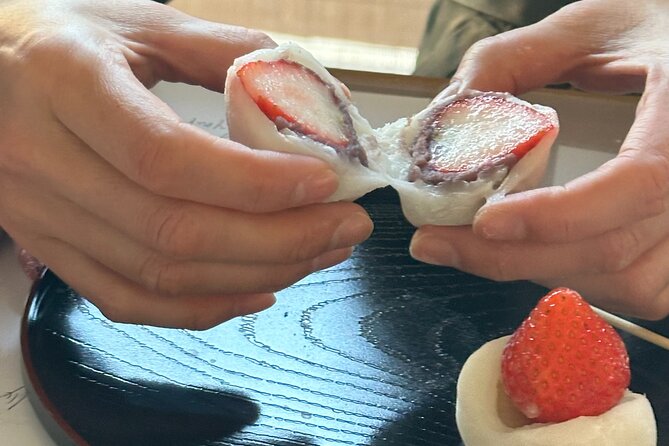
If you want a meaningful Tokyo activity that is more than eating, yes, this is a strong pick. You get multiple crafts in one sitting, including Strawberry daifuku mochi, three-color dango, and nerikiri, plus the tea pairing with matcha. The small-group size and patient, English-fluent instruction make it feel workable even if you have never made sweets before.
Book it if you like doing things with your hands, learning why the shapes matter, and leaving with a recipe you can actually use. If you prefer to observe from the sidelines, or if you are short on time and need a quick experience, you might want to choose something else.
FAQ
How long is the class?
The class runs about 2 hours 30 minutes.
Where is the meeting point?
You meet at プレジデント目黒ハイツ, 1-chome 3-16, Meguro, Meguro City, Tokyo 153-0063. It ends back at the same meeting point.
Is there a morning or afternoon option?
Yes. There is a choice of morning or afternoon class to fit your schedule.
What sweets will I make?
You will make Strawberry daifuku mochi, three-color dango (mochi balls on skewers), and nerikiri wagashi, including coloring and shaping a seasonal motif.
Is the class small?
Yes. The maximum group size is 8 travelers.
What is included in the price?
Included are the traditional sweets making lesson, food tasting, aprons, an English recipe sheet, and matcha green tea or another non-caffeinated tea.
Are the ingredients plant-derived and gluten-free?
Yes. All ingredients are listed as plant-derived and gluten-free.
Is hotel pickup included?
No. Hotel pickup and drop-off are not included.
What is the minimum age to attend?
The minimum age is 4 years. Children under 4 are not allowed in class due to safety reasons.
Can I cancel for a full refund?
Yes, you can cancel for a full refund if you cancel at least 24 hours before the experience starts. Free cancellation is available up to 24 hours in advance.
Fresh options around Tokyo
- Tokyo: Nikko Kegon Falls Lake Chuzenji Toshogu Temple & More★ 4.9 · 12 reviews
- Tokyo: Samurai History Walking Tour★ 5.0 · 12 reviews
- Harajuku: Kawaii Fashion and Pop-Culture Tour★ 4.7 · 12 reviews
- Tokyo: Mt. Fuji & Lake Kawaguchi Instagram Full Day Trip★ 4.1 · 12 reviews
- Shibuya Tokyo: Modern Kintsugi Workshop in Shibuya★ 5.0 · 12 reviews
- Tokyo: GTR Guided Daikoku Experience at Night★ 5.0 · 12 reviews
- Tokyo: Daikoku JDM Car Culture Tour★ 4.6 · 12 reviews
- Mt Fuji Private Day Trip from Tokyo with English speaking driver★ 5.0 · 13 reviews
Dessert Tours, compared.

Matcha Making Class in Tokyo with Authentic Japanese Sweets Set
Read our review →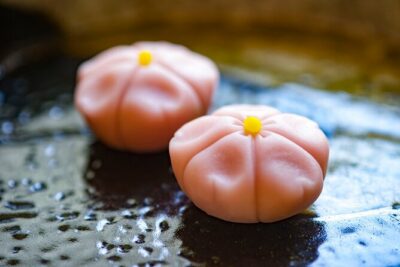
Matcha Making Class in Osaka with Authentic Japanese Sweets Set
Read our review →
Matcha Making Experience with Mochi Sweets in Asakusa
Read our review →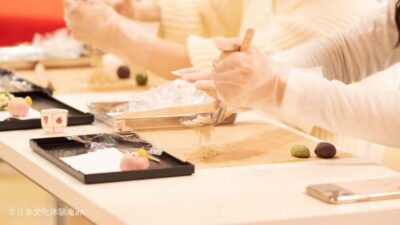
Japanese Traditional Sweets Making and Tea Ceremony
Read our review →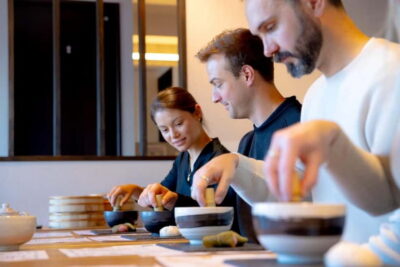
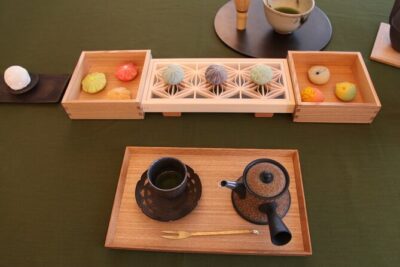
Make Traditional Nerikiri Sweets & Matcha experience in Shibuya
Read our review →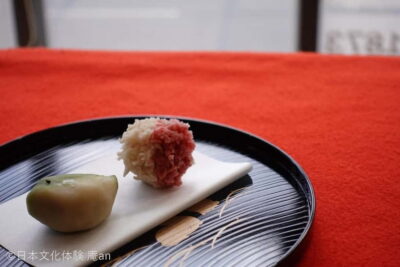
Japanese Traditional Sweets Making and Tea Ceremony
Read our review →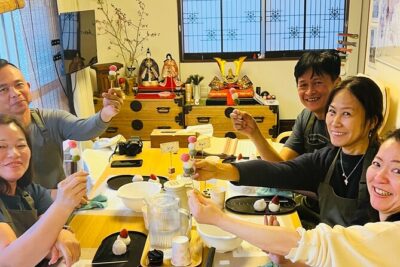
Private Mochi Sweets Making class near Shibuya area
Read our review →Browse the lists this tour appears in