
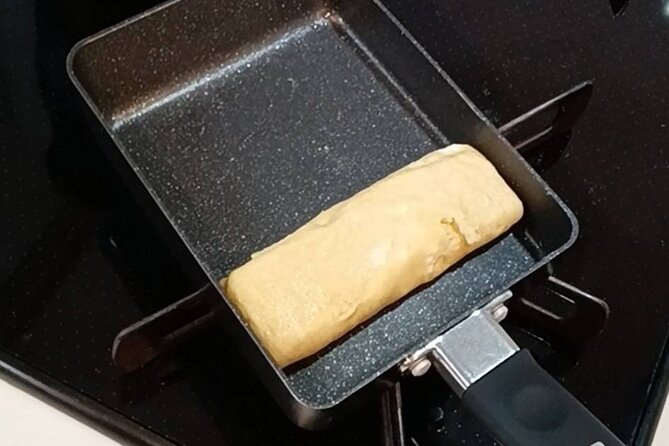
Reviewed · COOKING CLASSES
Japanese home cooking class in Osaka Umeda
Cooking in someone’s kitchen changes everything.
This Osaka Umeda cooking class is all about real home cooking with locals, not a demo behind glass. You choose what you want to make from local favorites, you learn what to buy at Japanese supermarkets and why, and you eat together with Japanese tea. The big plus is the private pace with feedback from the hosts, like when you are shaping onigiri or timing tempura. One consideration: because it is only about two hours, you may not cover every dish option, so pick what you really want ahead of time.
If you like food as a window into daily life, this is a strong use of your time. You’ll cook and eat in a typical Osaka kitchen and dining room, and you’ll also talk Japan while you work, from ingredient swaps to what restaurant versions usually change. The class runs at your speed, since it’s private for your group, so it feels less rushed than most food tours.
Key highlights worth planning for
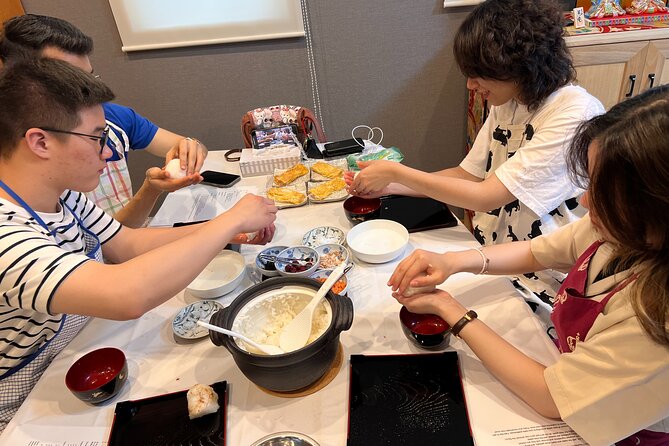
- Private, at-your-pace lesson with hands-on coaching and chances to ask questions
- A real Osaka home setting where you cook and eat in the same space
- Supermarket ingredient shopping tips so you can recreate the food back home
- Choose from local specialties such as bento and takoyaki, plus other Osaka-style dishes depending on your menu
- Lunch with Japanese tea to make it feel like a true meal, not just a snack break
- Printed recipes and instructions to take home and actually use later
Inside a real Osaka home, not a studio setup
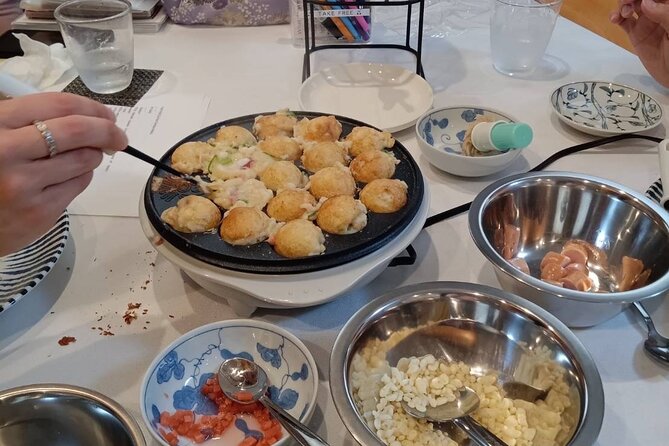
The strongest part of this experience is the setting. You’re not waiting in a classroom chair. You’re stepping into a working home kitchen and dining area where the pace feels like family time. That matters, because Japanese home cooking is built on small steps, good prep, and timing. Watching it in a real kitchen helps you understand why it turns out the way it does, not just which ingredients go where.
The hosts guide you through the cooking and also explain the parts that trip people up when they try to cook Japanese food later. One of the subtle teaching skills here is breaking tasks into manageable chunks. When you’re making something like tempura, you don’t just get told fry, you learn what the batter should look like and what to watch while the oil heats. When you work on items like onigiri, you get the hands-on rhythm that makes the rice hold together instead of turning into a sticky mess.
Also, this class is run by Japanese culture experience 桜ん坊. The energy is warm and practical. The instructors you may meet include Hisako and Naoko, and multiple people mention they’re patient, step-by-step, and good at communicating. That combo is a big deal if your Japanese is limited. Food is universal, but clear instructions make or break your confidence.
More Cooking Classes in Osaka
- Osaka: Ramen and Gyoza Cooking Class in Dotonbori
★ 5.0 · 378 reviews - Osaka Cooking Class: Okonomiyaki &Japanese cuisines experience
★ 5.0 · 261 reviews - Ramen and Gyoza Cooking Class in Osaka
★ 5.0 · 202 reviews
Picking your dish from an Osaka menu
You choose your dish from a menu of local specialties. The examples given include bento and takoyaki, and some sessions can include other favorites like udon, onigiri, and tempura. The key is that you’re not locked into a single script.
For you, that flexibility is value. You can tailor the lesson to your tastes and also to your skill level. If you want something that feels fun and very Japanese, bento is a great pick because it teaches organization and presentation. If you’re interested in Osaka street-food energy, takoyaki is a natural choice. If you want a full comfort meal, udon can be satisfying and relatively straightforward once you understand the technique.
One more reason to plan your dish choice: the time is short. Two hours sounds like plenty until you’re chopping, mixing, and cooking with hot tools. When you pick the dish you care about most, you get to focus instead of spending the best part of your class trying to decide midstream.
Supermarket wisdom: what to buy in Japan (and what to swap later)
A cooking class is more than the meal. The real win is learning how to shop in Japan. This lesson includes tips on Japanese supermarkets and which ingredients to buy. That sounds vague, but it usually turns into very practical guidance, like which sauces make the biggest difference and what to look for in packaged items.
Here’s how that helps you back home. Most people can cook ramen or rice, but the signature flavor comes from the right base: the right type of dashi ingredients, the right soy sauce style, the right seasoning balance. In Japan, those things are easy to find. Outside Japan, you need a plan. The hosts help you think through substitutions, so you don’t end up with a pot of something that tastes close but not right.
If you care about accuracy, this part is worth paying attention to. Japanese home cooking leans on consistent ingredients and simple techniques. Learn the ingredients, and you’ll be able to repeat the dish without guessing every time.
Lunch, tea, and the rhythm of a Japanese meal
This is a meal, not a break. Lunch is included, and you’ll sip water and Japanese tea with your food. That sounds small, but it changes how you experience the class. You cook, then you sit down and eat like it’s an actual household lunch.
That “cook then eat” structure also gives you immediate feedback. If something tastes too salty or needs more balance, you can ask right away while the dish is fresh and you’re still in the mindset of learning. And tea helps reset your palate between bites, which is useful when you’re comparing flavors like crispy tempura versus soft udon.
In some cases, the lesson includes a tea ceremony style moment. Even if it’s brief, it adds meaning. You’re not just tasting tea, you’re seeing how hospitality and calm timing fit into the meal. And if you’re traveling with kids, there’s a report of traditional kimono dress-up being offered. That is not guaranteed, but it’s the kind of thoughtful touch that can make the day memorable.
Same corner of Japan, a different kind of day:
- Osaka Go Karting Tour with Funny Costume
★ 5.0 · 2,658 reviews - Osaka Castle: Museum and Tower Entry Ticket
★ 4.5 · 2,380 reviews - Osaka: Shinsekai Food Tour with 13-15 Dishes at 5 Eateries
★ 4.8 · 2,204 reviews - Osaka Food Tour: 13 Dishes at 5 Local Eateries
★ 5.0 · 2,149 reviews
Cooking techniques you can actually repeat
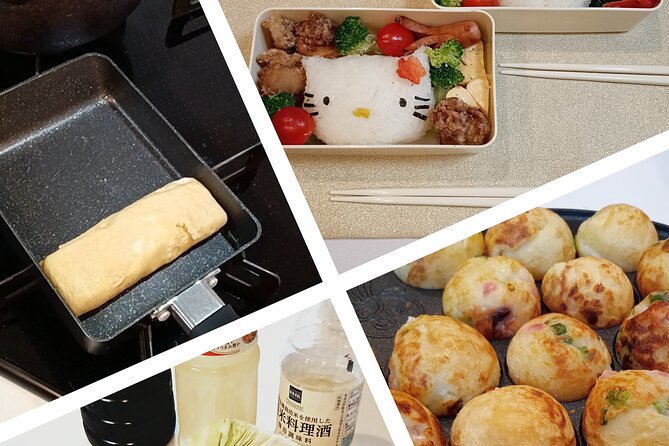
A good cooking class makes you feel capable. This one leans that way. People mention the hosts break steps down into easy sequences and that the cooking feels doable, even if you’ve never fried anything before.
Here are the practical techniques that stand out based on what people have made:
- Tempura technique: understanding how to handle frying steps so the coating comes out right
- Udon and noodle handling: learning what changes in texture and timing once you’re working with hot components
- Onigiri shaping: getting the method for forming the rice so it holds its shape
- Bento assembly style: learning how home-cooked portions get arranged neatly and efficiently
You’re also not just watching. The class format pushes you to do. Some meals involve multiple components, so you practice a small set of skills rather than only one action. That is why people leave with confidence to cook at home, not just a full stomach.
Private class value: why “only your group” matters
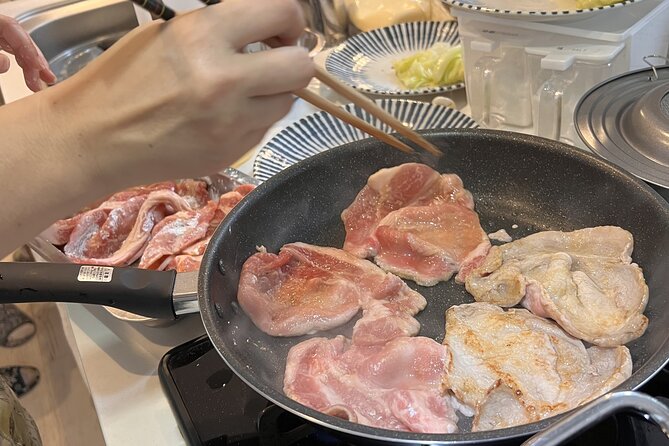
This is a private activity, meaning only your group participates. That’s a big deal for two reasons.
First, privacy changes your learning. You can ask questions without worrying about slowing down others. If you need clarification on something like how long to stir or when to stop mixing, you can get that specific answer quickly. Cooking is full of tiny decisions. Private time gives you room to make those decisions well.
Second, private time helps with pacing. The class can move at your preferred rhythm. If you’re a confident cook, you can push forward. If you’re cautious, you can slow down and get extra guidance. That’s also how you end up with a dish that looks better, not just tastes fine.
Where the lesson happens, and why location matters
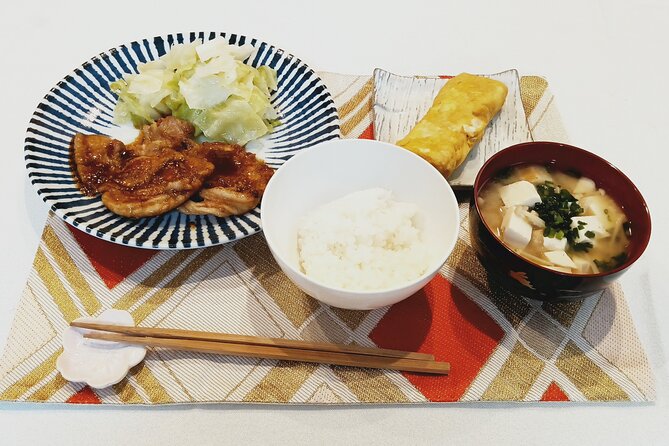
The meeting point is in the Fukushima Ward area of Osaka, in the Tamagawa area near 1-chōme-4-1. It also notes that you’re near public transportation, which is important in Umeda, where trains can be fast but walking between stations can still eat time.
Plan to arrive a little early. You’re stepping into a home, so you don’t want to rush the start. Once you’re there, the session runs about two hours and ends back at the meeting point.
If you’re building an itinerary, this timing is workable. A 10:00 am start fits nicely before your afternoon plans. You can eat lunch right after cooking, so you don’t need to scramble for food later.
What you get to take home
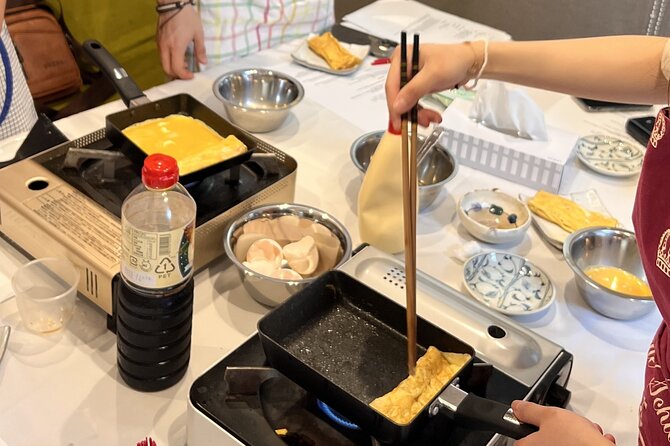
The class includes lunch, but the most useful souvenir is practical: printed recipes and instructions. Multiple people specifically mention that they were given recipe sheets they could take home. That matters because it turns the lesson into a repeatable routine.
When you have the written steps, you can recreate the dish even if you forget one tiny detail, like how to judge batter thickness or how to assemble components. Food memory fades quickly, but a recipe sheet gives you a fallback.
You also often get local recommendations. Some people mention that the hosts shared suggestions for other attractions in the area. That’s a bonus for planning, because you’re getting advice from someone who knows how visitors tend to move around Osaka.
Price and value: why $59.12 can make sense
At about $59.12 per person, this class sits in the mid-range for hands-on food experiences. It’s not the cheapest option, but you’re also not paying for a generic tasting.
Here’s what you are getting for the money:
- A private, two-hour cooking session for your group
- A real home setting where you cook and eat together
- Lunch included, with water and Japanese tea
- Ingredient and supermarket tips that help you cook again later
- Printed recipes and instructions to take home
If you’ve ever paid for a market tour plus a generic demo, this is different because you do the cooking. That’s what justifies the price for me. You’re buying a skill and a meal, not just content.
One consideration on value: since it is private, the price per person depends on group size. If you’re traveling solo, the class can feel more expensive than a shared group tour. If you’re a couple or small group, it can feel like great value because the attention is fully yours.
Who should book this Osaka Umeda class
I think this is a great fit if you want:
- A hands-on food experience in Osaka home life, not just restaurant-style tasting
- Clear instructions and the chance to cook at your pace
- Practical guidance on shopping for Japanese ingredients
It’s also good for couples. People mention that it can be a fun two-person activity, with enough structure to make cooking feel easy even as you learn.
If you’re a hardcore foodie who only wants rare specialties, you might find you prefer longer courses or deeper technique classes. But if your goal is to learn something you can repeat, this is the right kind of lesson.
When you might want a different option
Because the class is about two hours, it’s not a long meal training day. If you’re hoping to take on a very complex multi-dish banquet, you may feel the time limit.
Also, the dish options depend on what’s on the menu that day. You can choose from listed specialties, but you should expect that your selection may shape what you cook and how much variety you get during the session.
Should you book Japanese home cooking in Umeda?
Yes, if you want a meal plus real cooking skills in an actual Osaka home. The hosts, especially Hisako and Naoko, are repeatedly described as patient, kind, and good at turning cooking into easy steps. You’ll get supermarket insight, Japanese tea with lunch, and printed recipes you can use later.
Book it even if your cooking confidence is low. This class is built to help you feel capable, not overwhelmed. Just do one smart thing before you go: decide what dish you want most, since the time is limited and you’ll get the best experience by focusing.
If you want, tell me your dietary preferences (and whether you’re cooking with kids), and I’ll suggest which type of dish choice makes the most sense for your goals.
Fresh options around Osaka
- Osaka Winery Tour with Wine Tasting & Vineyard Walk★ 4.9 · 12 reviews
- Osaka: Early Morning Osaka Castle Guided Tour, Avoid Crowds★ 4.9 · 12 reviews
- Kyoto Day Trip from Osaka Port – Private Shore Excursion★ 5.0 · 13 reviews
- Osaka Private Pop Culture Tour: Historic Tenma to Dotonbori★ 4.5 · 13 reviews
- Osaka Castle Admission Ticket★ 4.0 · 13 reviews
- Hidden Osaka Foodie Tour: Nishinari Backstreets & Local Dining★ 5.0 · 13 reviews
- Discover Real Osaka: A Cultural Walk with Food & Drink★ 5.0 · 13 reviews
- Nara private tour (Shore excursion available from Osaka or Kobe port)★ 5.0 · 13 reviews
Cooking Classes, compared.
Ramen Cooking Class at Ramen Factory in Kyoto
Read our review →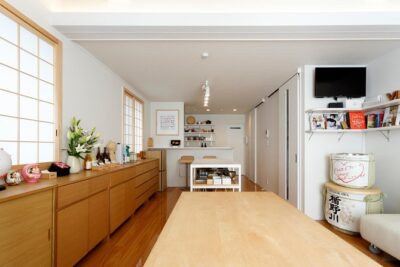
Ramen & Gyoza Cooking Class in Tokyo with Local Supermarket Visit
Read our review →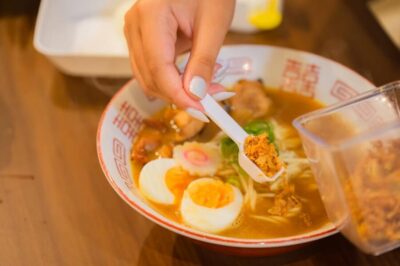
Ramen Cooking Class at a Ramen Factory with Souvenir
Read our review →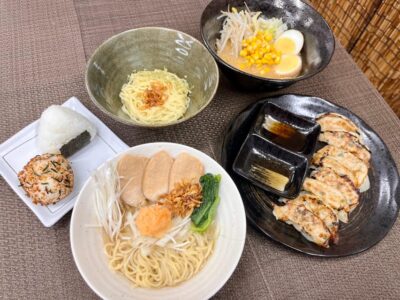
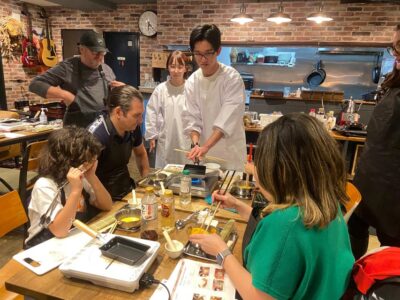
Japanese Washoku Bento Small Group Cooking Class
Read our review →
Easy Ramen Cooking Experience in Kabukicho, Shinjuku
Read our review →
Ramen and Sushi Cooking Class with Sake Pairing Set in Tokyo
Read our review →Browse the lists this tour appears in