
Reviewed · COOKING CLASSES
Japanese Cooking Class with Local Family in Takayama Old Town
Cooking with a local family in Takayama feels human. This intimate class takes you into a 200-year-old townhouse in Old Town, where you get tea, history, and seasonal home cooking with Hisa and Bob.
I also love the fact that you do real work, not just watch. You’ll make dashi, learn key ingredients, and cook a full meal together in their semi-outdoor kitchen, then sit down to eat. One consideration: at $211.37 per person, you’ll want to be ready to actively participate and enjoy the meal, not treat it like a quick snack stop.
Key Highlights You Should Know
- A 200-year-old townhouse that once served as a local clinic, now opened for your private visit in Takayama Old Town
- Welcome tea and wagashi before you start cooking, so you ease in like a family guest
- Semi-outdoor kitchen setup designed for communal cooking, with guidance through traditional techniques
- Five seasonal dishes, built around what you want to eat (including restrictions you share ahead of time)
- A Japanese-style fruit dessert finish, served fresh after the main meal
- An English-friendly, private experience with hosts fluent in English, for just your group
Why This Takayama Cooking Class Feels Like an Invitation
Takayama Old Town can be pretty easy to “tour.” This experience is different. Instead of standing on the sidelines, you step into a real family home and help make lunch or dinner from scratch.
What makes it work is the rhythm. First comes the quiet, welcoming part. You get Japanese tea and delicate wagashi, then you’re taught how Japanese home cooking fits into daily life in the Hida mountains. After that, the class shifts into steady hands-on cooking, side by side with people who actually live the seasonal lifestyle they’re explaining.
I like that it’s also clearly structured. You’ll prep, cook, and then eat the meal together. So even if you’re a confident cook, you get something useful and practical. And if you’re a beginner, you still get clear guidance, plus the comfort of being in a small group setting.
More cooking classes in Takayama:
- Ramen Cooking Class at Ramen Factory in Kyoto
★ 5.0 · 1,937 reviews - Ramen & Gyoza Cooking Class in Tokyo with Local Supermarket Visit
★ 5.0 · 823 reviews - Kyoto: Ramen Cooking Class at a Ramen Factory with Souvenir
★ 4.9 · 532 reviews
Step Inside the 200-Year-Old Townhouse (Former Clinic, Now Home)
You meet at 93 Kamisannomachi in Takayama’s Old Town. From the outside, it looks like a normal street. From the inside, it feels like you’ve quietly entered another pace of life.
The house itself is a major part of the story. It’s a 200-year-old wooden townhouse on the main street of Old Town, but it’s normally closed to the public. In the past, the space functioned as a local clinic, including a place where many babies were born. That context changes how you see the rooms. You’re not just touring a pretty old building. You’re stepping through spaces with a personal family timeline.
You’ll also get a guided walk through:
- the former clinic area
- the traditional living quarters
This is one of those moments where the setting stops being a backdrop. The hosts connect the house to the slower, seasonal way of life in the Hida mountains, and you start to understand why home cooking matters there. It’s practical and emotional at the same time.
Welcome Tea, Wagashi, and a Short Home-Cooking Primer
Before the chopping and stirring begins, you slow down. The welcome starts with Japanese tea and wagashi. It’s a small thing, but it sets the tone. You’ll feel like you’re being hosted, not processed.
Then you get a short introduction to Japanese home cooking. That part matters more than it sounds. Japanese meals are built in a specific order, and if you’re learning from scratch, a quick framework saves you from guessing. You also learn what ingredients play key roles, so later, when you’re working with dashi and seasonings, it clicks faster.
This is where I’d pay attention if you want to cook better at home. Ask questions during the intro. The hosts can adjust the pace to what you want, and the class is designed to be flexible around your food preferences and any restrictions you share.
Apron On, Semi-Outdoor Kitchen Ready
Once the intro is done, you’ll slip into a traditional apron and move into the semi-outdoor kitchen. That space is a big reason people love this class. It’s peaceful, but it’s also built for working together. You’re not cramped in a commercial kitchen. The setup feels like how meals might have been handled in earlier generations.
In this kitchen, you’ll learn the core fundamentals:
- making dashi
- understanding key ingredients
- cooking multiple seasonal dishes
And you’ll get hands-on teaching as you go. The hosts are described as fluent in English, so you won’t be stuck with gestures and hope. Clear instructions show up again and again in the feedback, and that matters if you want techniques you can repeat later.
Practical note: since this is cooking in a home kitchen environment, wear comfortable clothes and expect you might get a little flour or sauce on you. The class is designed to be fun and active, not fussy.
A few more Takayama days worth comparing
- Kanazawa: World Heritage Shirakawa-go Morning Guided Tour
★ 4.9 · 988 reviews - Kanazawa: World Heritage Shirakawa-go & Two Local Experience
★ 4.9 · 274 reviews - Kanazawa/Takayama: Shirakawago & Takayama Private Day Tour
★ 4.8 · 172 reviews - Departing from Takayama [Regular sightseeing bus] World Heritage Sites Shirakawago and Gokayama Ainokura
★ 4.5 · 137 reviews
Making Dashi and Working Through Traditional Techniques
Dashi is the heart of so many Japanese flavors. Here, you’re not just tasting it. You’re making it and learning what it does. That is one of the most valuable parts of the experience because it teaches you the logic of the cuisine, not only the final dish.
After dashi, the class focuses on key ingredients and how they’re used. You’ll learn about the ingredients that show up repeatedly in Japanese home cooking and how their flavor changes once combined.
Based on what’s been shared from past sessions, the menu can include dishes like:
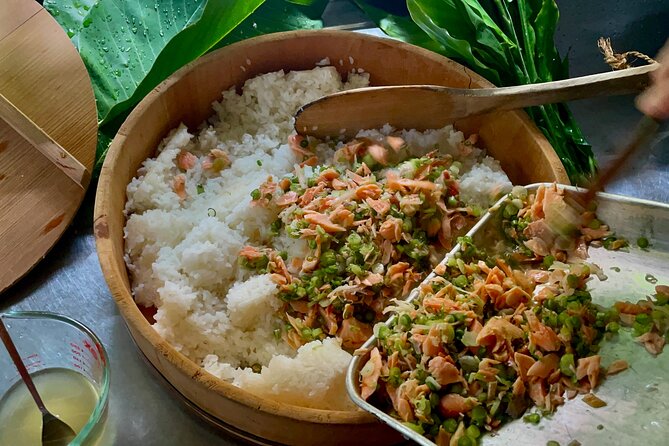
- sushi rolls
- gyoza and tempura
- tofu and sashimi
- Japanese omelette and rice ball-style cooking
- wagyu steak in some cases
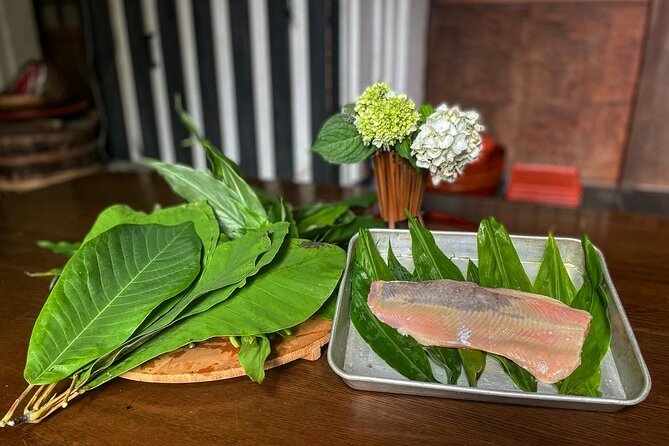
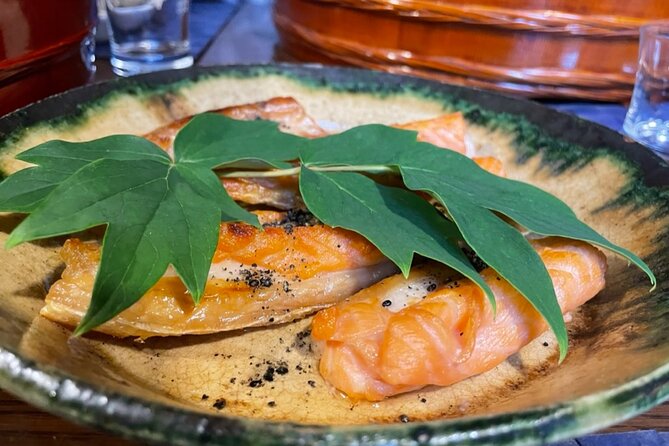
- seasonal fish, including options tied to Japan’s northern regions
What ties these examples together is the structure: you’re learning techniques and taste-building steps while you cook. And because the final meal is designed around five seasonal dishes, you get to practice more than one method instead of doing one “signature” dish over and over.
Even if you already cook, you’ll likely pick up small technique differences that make a big impact, especially around flavor timing and how ingredients are handled.
Five Seasonal Dishes, Tailored to Your Preferences
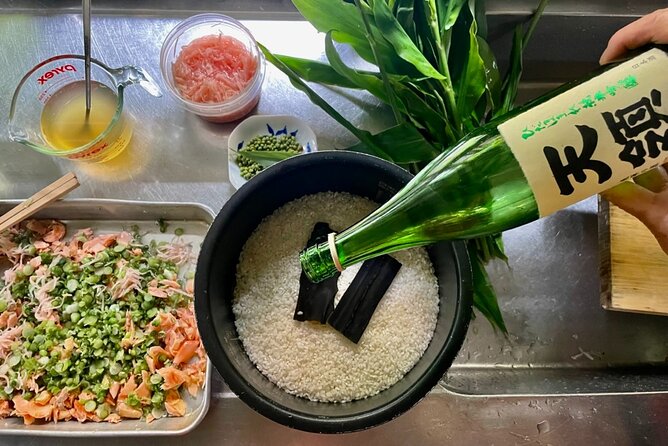
This is not a one-size-fits-all class. You’ll cook five seasonal dishes, and the menu is tailored to your preferences. That matters for two reasons.
First, it keeps the experience comfortable. If you have a food restriction or a personal preference, you can request it. The hosts state they’re happy to accommodate as much as possible.
Second, it turns the class into something you can use later. If you’re able to cook the dishes you actually want to eat, you’ll be more motivated to recreate them. And you’ll learn how Japanese flavors work with ingredients you enjoy, not only ingredients you tolerate.
You can also expect the class to explain ingredients and how they’re used. Many comments highlight that the hosts take time to walk through what you’re working with. You’re not just following steps. You’re learning the “why,” which is what makes home cooking stick.
Also, the class tends to feel casual. It’s hands-on and interactive, and the hosts share stories while you cook. That combination is why so many people call it more than a lesson. It’s a shared meal-making moment.
Dessert Fruit, Then You Sit Down and Eat
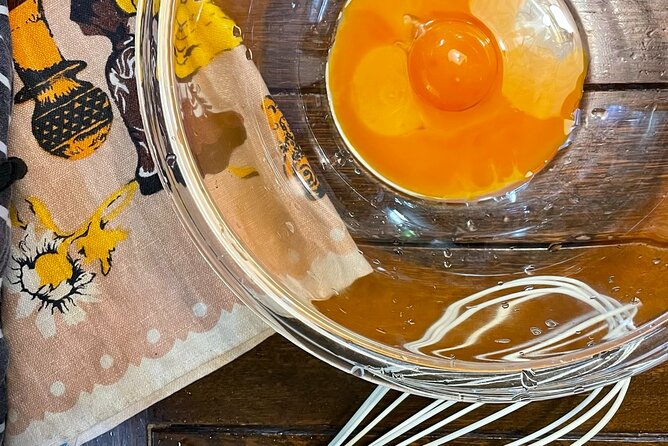
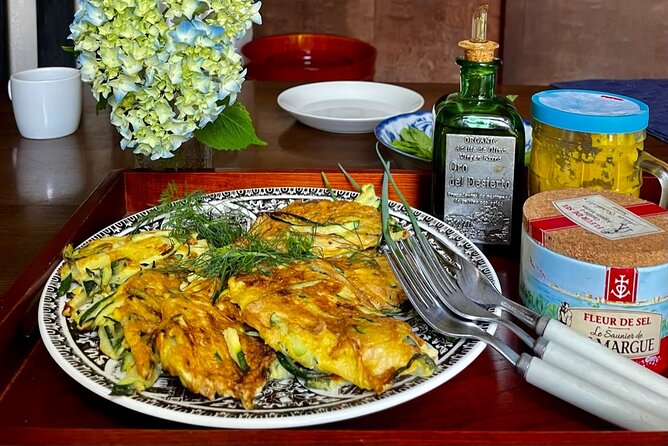
After cooking comes the best part: eating what you made. The meal ends with fresh seasonal fruit prepared in a uniquely Japanese style for dessert.
That fruit finish is a simple but smart design choice. Japanese meals often end with something light and seasonal, so the flavors feel complete without heaviness. It also reinforces the seasonal theme the hosts discuss at the start.
One detail that keeps showing up in feedback is the sense of abundance. The class is built around a full meal, not a token tasting. So you’re leaving with a satisfied stomach and at least a few techniques you can carry home.
If you care about pairing or alcohol: alcoholic beverages are not included. If you’re curious about local drinks, you can ask. The overall class focuses on cooking, tea, and the meal itself.
Timing Options: Lunch at 10:00 or Dinner at 4:30
You’ll choose one of two meal slots:
- 10:00 AM for lunch
- 4:30 PM for dinner
The experience runs about 3 hours. It starts at the address in Old Town, and it ends back at the meeting point.
Why the time slot matters: it affects your energy and how you fit the class into your Takayama day. Lunch is great if you want a cultural reset mid-morning and then head back out to explore Old Town with full clarity. Dinner works well if you prefer a slower evening, ending your day inside a home setting before going out for a night walk.
Either way, you’re getting tea as part of the welcome, and depending on your slot, lunch or dinner is included.
Price and Value: What $211.37 Buys in Real Life
$211.37 per person is not a bargain price. So you should ask yourself: what are you buying here?
You’re buying three things that are hard to find together:
- Access to a normally closed, 200-year-old family townhouse in Takayama Old Town
- A hands-on class with dashi and multiple seasonal dishes, not just a demonstration
- A personal cultural connection with English-fluent hosts, Hisa and Bob, and additional family members you may meet such as Tomoa
That combination is why the reviews are consistently glowing. This isn’t a factory-style cooking class. It’s a family kitchen experience with food, stories, and a meal at the end.
For value, think in terms of what you avoid. You avoid crowds. You avoid paying extra for a guide to translate a cookbook lesson into real context. You also avoid the common problem where cooking classes teach one dish and then let you go.
Here, you stay for multiple dishes and a full eating experience, and you get home-style guidance that makes the flavors easier to reproduce later.
Who This Fits Best (And Who Might Want Another Option)
This class is a strong match for:
- food lovers who want real technique, especially Japanese basics like dashi
- travelers who want something more personal than a standard museum or walking tour
- couples and small groups who like a private, guided experience
- anyone with diet preferences who wants to request changes when possible
It might not be ideal if:
- you want a quick, low-effort activity
- you’re not interested in cooking or eating a full meal
- you’re looking for a large group energy, since this is private and intimate by design
What to Tell Your Hosts Before You Cook
You’ll get the best result if you communicate clearly before you arrive. The hosts invite you to write requests about food and restrictions, and they say they’ll accommodate as much as possible.
I’d send notes on:
- dietary restrictions (if any)
- foods you strongly dislike
- whether you want a more relaxed pace or more explanation while cooking
This is also a chance to ask what to expect in your specific menu. Since you’ll cook five seasonal dishes tailored to your preferences, asking a question early helps you feel ready. And you’ll get more out of ingredient explanations when you already know what you want to focus on.
Should You Book This Japanese Cooking Class in Takayama Old Town?
Book it if you want an authentic home-cooking experience with real people, not a crowd workflow. You’ll step into a 200-year-old townhouse that once served as a local clinic, get Japanese tea and wagashi, then cook dashi and five seasonal dishes with Hisa and Bob. You finish with a fresh fruit dessert and sit down to eat a full meal you made yourself.
Skip it only if the price feels too high for a cooking class to you, or if you prefer passive sightseeing over hands-on work. If you like learning by doing, this is the kind of experience that makes Takayama feel personal.
If you’re in Takayama and you care about food as culture, this is one of the best ways to spend a few hours.
FAQ
How long is the Japanese cooking class in Takayama?
The class runs about 3 hours.
Where is the meeting point for the experience?
The start point is 93 Kamisannomachi, Takayama, Gifu 506-0846, Japan. It ends back at the meeting point.
Is this a private experience or shared with other people?
It is a private tour/activity. Only your group participates.
What meals are included?
Coffee and/or tea are included. If you choose the 10:00 AM slot, lunch is included. If you choose the 4:30 PM slot, dinner is included.
Can you accommodate food restrictions or special requests?
Yes. You can write your requests for food or any restrictions, and the hosts say they are happy to accommodate as much as possible.
Are alcoholic beverages included?
No. Alcoholic beverages are not included.
Is there free cancellation?
Yes. You can cancel for a full refund up to 24 hours in advance of the experience start time.
Fresh options around Takayama
- Takayama: Private Night Walking Tour with Dinner★ 4.5 · 13 reviews
- Ninja experience in Takayama – Special Course★ 4.9 · 13 reviews
- Takayama Rice Ball and Miso Soup Making at a buddhist temple★ 5.0 · 13 reviews
- Takayama Full-Day Private Tour with Government Licensed Guide★ 4.5 · 13 reviews
- Shirakawago&HidaTakayama&GujoHachiman 1 Day Tour from Nagoya★ 4.5 · 14 reviews
- Sake Tasting: Educational Tour of Six Takayama Breweries★ 5.0 · 14 reviews
- Takayama Half Day Tour (Private Guide)★ 5.0 · 15 reviews
- Takayama: Mochi-Making Experience at a Buddhist Temple★ 4.8 · 15 reviews
Cooking Classes, compared.
Ramen Cooking Class at Ramen Factory in Kyoto
Read our review →
Ramen & Gyoza Cooking Class in Tokyo with Local Supermarket Visit
Read our review →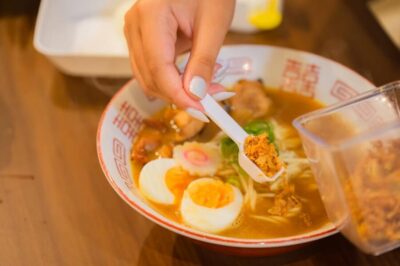
Ramen Cooking Class at a Ramen Factory with Souvenir
Read our review →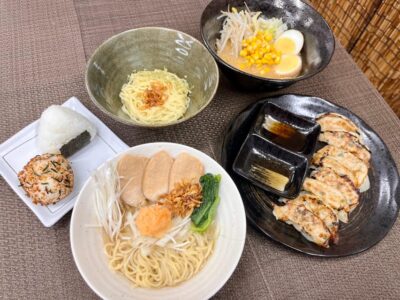
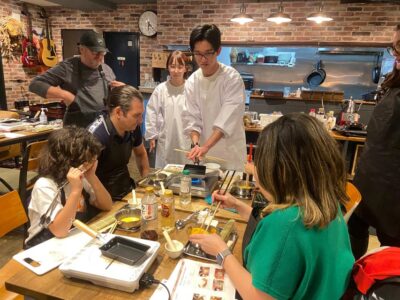
Japanese Washoku Bento Small Group Cooking Class
Read our review →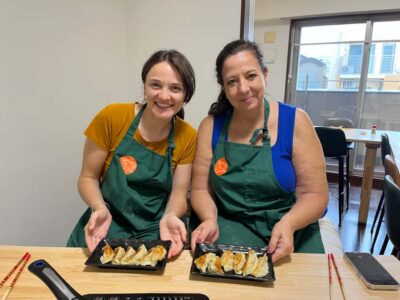
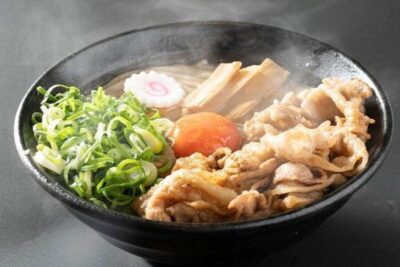
Easy Ramen Cooking Experience in Kabukicho, Shinjuku
Read our review →
Ramen and Sushi Cooking Class with Sake Pairing Set in Tokyo
Read our review →Browse the lists this tour appears in