

Reviewed · SAMURAI & NINJA EXPERIENCES
Imperial Palace Tour: Discover Samurai History with a Local Guide
A quiet stone path in Tokyo tells louder stories than you expect. This 2-hour Imperial Palace East Gardens walking tour mixes emperor-focused landmarks with the Edo Castle world that shaped the samurai era. You’ll hear the political background behind the walls, gates, and watchtowers, so the place stops feeling like just a scenic stop.
I especially like how practical the route feels, because you move at a walking pace that matches how you actually take in details. I also like the focus on specific Edo-era leftovers, like Tatsumi Yagura and Nijūbashi Bridge, instead of only broad museum-style explanations.
One drawback to plan for: it is a walking tour with a moderate fitness level, and the pace can still mean a fair bit of walking and standing. Also, if you are arriving right on time, do not assume the meetup will be perfectly obvious at first glance.
Key things I’d watch for before you go
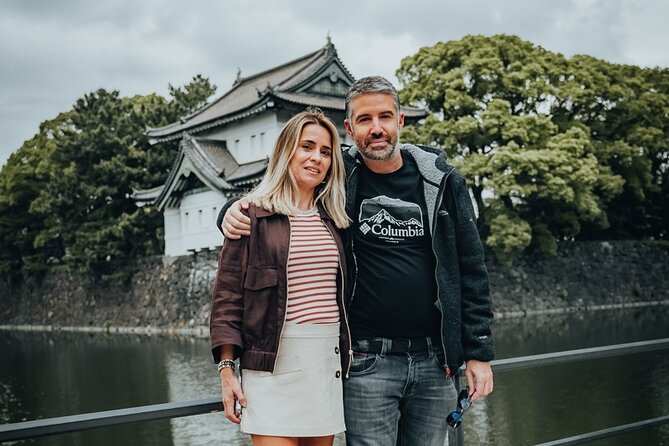
- Small group size (max 8) means you can ask questions without losing the thread.
- Free admission stops keep the value strong, since you are paying mainly for the guide and storytelling.
- Edo Castle remnants like stone ruins and gates give the history a concrete, visible shape.
- Iconic approach views from Nijūbashi Bridge help you place the palace complex in your mind.
- Tatsumi Yagura is a rare, watchtower-style look at the Edo period.
- Mobile ticket makes day-of logistics simpler once you have it loaded.
Imperial Palace East Gardens: why this walk hits different
Tokyo has plenty of big-ticket sights. This one is different because it is a walk through layers of power, not a single monument. The Imperial Palace grounds are calm on the surface, but the guide’s focus brings out the chessboard underneath: who controlled access, who guarded key approaches, and how the samurai system worked in practice.
What I like most is the contrast between what you see and what you learn. You will look at stonework, gates, moats, and landscaped paths. Then the guide connects those features to how Edo Castle functioned as the Tokugawa shogunate stronghold. That connection turns photographs into context. You start noticing alignments and access points, not just pretty angles.
Also, the East Gardens being open to the public helps. You get to experience the grounds as a real walking space, not only as a distant viewpoint. That makes it easier to understand why the Tokugawa era felt so controlled and purposeful.
More Samurai & Ninja Experiences in Tokyo
- Tokyo: Samurai Restaurant Show Ticket with 2 Drinks
★ 4.5 · 1,307 reviews - Tokyo: Samurai Ninja Museum Guided tour and Experience
★ 4.6 · 1,010 reviews - Tokyo: Samurai Sword & Archery Class from Samurai Descendant
★ 5.0 · 603 reviews
Price and value: $12.90 is mostly about the guide
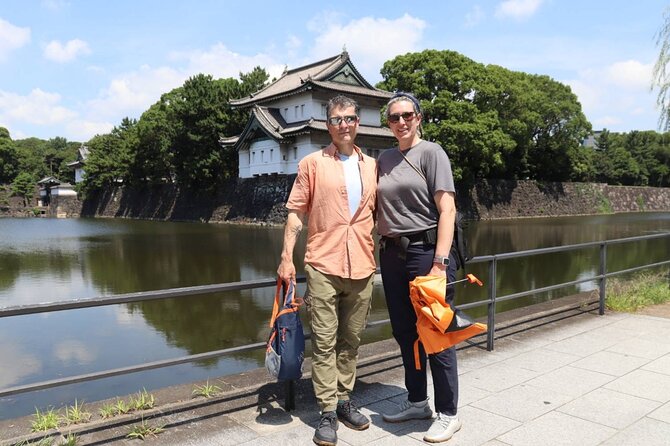
At $12.90 per person for about 2 hours, the math works well if you care about interpretation. The sightseeing points you stop at list free admission, including the watchtower area, Nijūbashi Bridge views, the East Gardens, and the Imperial Palace grounds.
So you are not paying for entry tickets. You are paying for someone to put the place into historical order. That is a smart buy in Tokyo, where you can easily spend time wandering without a clear story thread.
The small group also matters for value. A max of 8 travelers is small enough for questions and quick course corrections. If you have ever felt stuck in a large group where you only catch half the explanation, this format helps you stay engaged.
If you like history but do not want a classroom, this is the sweet spot: walk, look, listen, then look again with better eyes.
Finding the meetup spot at Kokyo Gaien Wadakura Fountain Park
Your start point is Starbucks Coffee – Kokyo Gaien Wadakura Fountain Park, 3-1 Kōkyogaien, Chiyoda City, Tokyo 100-0002. The good news is the area is near public transportation, so you are not stuck on a one-route commute.
Practical tip: arrive a few minutes early, even if it feels silly. One review mentioned a not-so-great start because the guide was hard to find at first, but the follow-up sorted things out and the rest of the tour landed well. That lines up with a common truth in Japan tours: clear meetup points matter, and you should give yourself a short buffer.
Since the tour ends back at the meeting point, you do not have to plan a complex end-of-day transit puzzle. It is a round-trip setup, which makes the experience feel easier to plug into your day.
Stop 1: Sakurada Tatsumi Yagura, Edo defense in a compact view
The first highlight is Sakurada Tatsumi Yagura, also known as Sakurada Nijū Yagura. This is a historic two-story watchtower inside the Imperial Palace grounds. It was built during the Edo period, and it is one of the few surviving structures of its kind.
Why this stop is worth your attention: watchtowers are not just architecture. They are purpose. Even without going deep into military details, you can understand the idea of surveillance, signaling, and control. A watchtower sitting inside a major complex gives you a tangible sense of how the Tokugawa shogunate defended and managed the area.
What to do here: take your time with the structure and imagine who might have used it. The guide’s explanation should help you connect this tower to the bigger Edo Castle story, so you are not looking at it as a random old building.
A small consideration: because it is only the first stop, you might still be getting your bearings. Give yourself a moment to settle in before you try to photograph everything at once.
More samurai and ninja experiences in Tokyo:
- Best Samurai Experience in Tokyo
★ 5.0 · 458 reviews - Ninja Experience (Family Friendly) at Samurai Ninja Museum TOKYO
★ 5.0 · 441 reviews - Tokyo: Samurai Entertainment Night Show in Kanda Shrine
★ 4.6 · 417 reviews - Tokyo Sword Experience – includes Museum Ticket/Ninja Experience
★ 5.0 · 314 reviews
Stop 2: Nijūbashi Bridge, the famous approach that matters
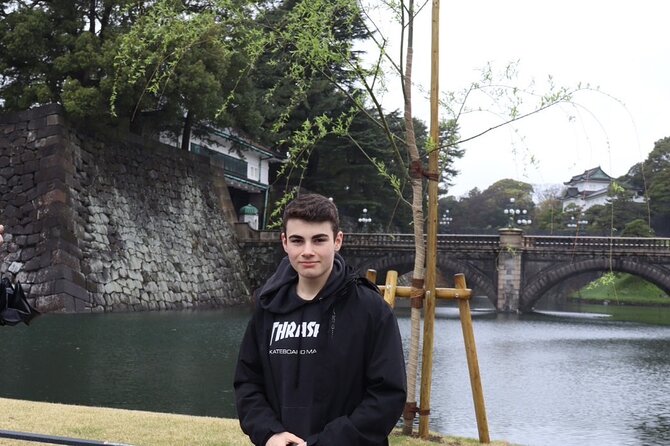
Next up is the Two-tiered Bridge, known as Nijūbashi. This is one of the most iconic views in the Imperial Palace area, with a double-arched stone design spanning the moat. It serves as the main approach to the inner grounds.
The bridge is famous for a reason. It shows the palace’s layout and how access was controlled. The geometry is not accidental, and the setting over the moat reinforces the idea of separation and hierarchy.
For your photos, think less about getting a perfect angle and more about getting the layout. If you understand what the bridge connects to, you will appreciate the rest of the tour more. When the guide later references walls, gates, and ceremonial movement, you will already have a mental map.
Time here is short (about 15 minutes), so treat it like a quick orientation checkpoint. If you linger too long, you will feel rushed for the East Gardens, which is where you can really slow down and absorb.
Stop 3: Imperial Palace East Gardens and the Edo Castle ruin feel
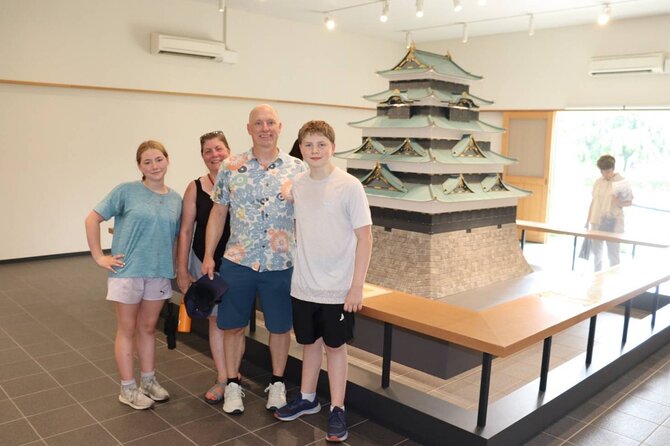
This is the heart of the experience. The East Gardens of the Imperial Palace sit on the former grounds of Edo Castle. The area is open to the public and features stone walls, gates, seasonal flowers, and traditional Japanese landscaping.
What makes this section valuable is that the history is not only explained, it is visible. Stone ruins and gate remnants give you physical anchors for the story. The Tokugawa shogunate connection becomes easier to understand when you can point to what used to be there.
You should expect a walking flow with stops for explanation, not a sprint between snapshots. The 30-minute slot helps you see the garden paths and key remnants without feeling like you are stuck in one narrow area.
A real-world note: seasonal flowers sound nice, but the main benefit here is the garden structure and the stonework. Even if the flowers are not in their peak moment, you can still appreciate the landscaping and the remnants. History does not depend on bloom schedules.
Stop 4: Imperial Palace grounds, emperors and the power behind the walls
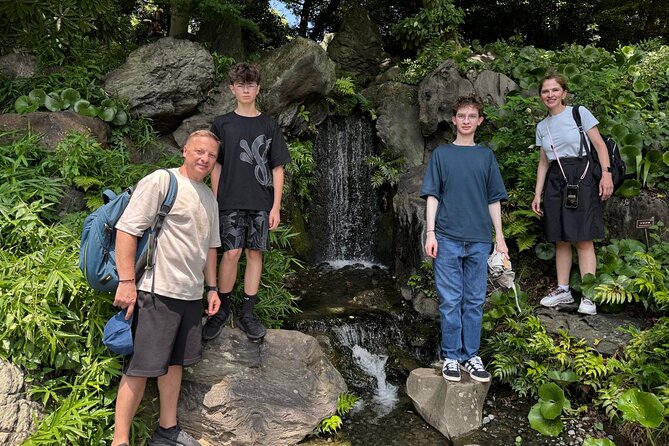
The tour finishes with the Imperial Palace as the residence of the Emperor of Japan and a major Tokyo landmark. It sits on the former site of Edo Castle, and you will also notice the surrounding moats and stone walls.
This stop helps pull the thread together. Up to this point, you have learned about Edo-era features and the look of defense and control. The palace area then frames how power continues through different eras, even as the political system changes.
Keep your eyes on the spatial relationships. Moats and walls do not just look old. They tell you where people could move, where they could not, and where authority was physically reinforced. That kind of understanding is exactly what makes walking tours worth it, even when the sights are already famous.
You also get the practical benefit of ending close to where you started. That makes it easy to keep exploring Tokyo afterward without a complicated handoff.
The guide effect: why small-group storytelling matters in Tokyo
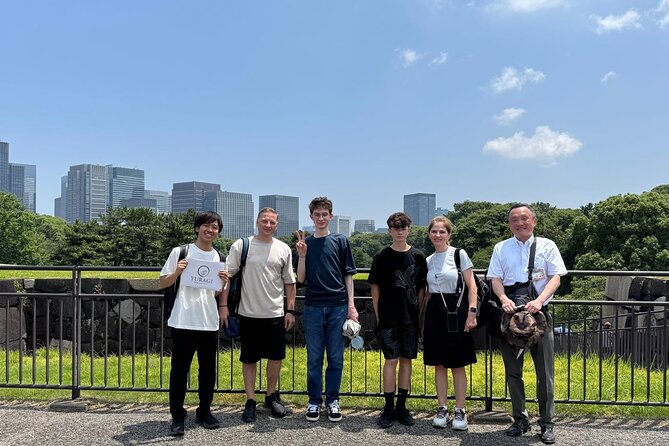
This tour caps at 8 travelers, and that size changes the whole experience. A smaller group means you are more likely to get explanations that match what you are asking. It also makes it easier to adjust pacing, especially when you want a moment to read or look closely at stone ruins and gates.
The best part is that the guide’s job is not just to say names. It is to connect the physical features to the human system behind them: emperors, samurai warriors, and political power that shaped Japan’s past.
I also appreciate how the tour’s structure stays practical. You get a clear sequence of stops, each with a reason for being there. That reduces the risk of wandering around the palace grounds with only a vague sense of what you are looking at.
One small caution: because this is a walking tour, group dynamics can affect how quickly you move. If you prefer a slow, no-rush pace, you may still need to keep up with the route. Bring patience, not only cameras.
How long is this, really, and how should you plan your day
The tour runs about 2 hours. That is a good length for Tokyo because it gives you time to see meaningful parts of the grounds without draining your whole day.
In planning terms, I would treat this like a morning or early afternoon anchor. Afterward, you will be in the general area of Chiyoda, which makes it easier to keep your itinerary coherent.
Wear comfortable shoes. You are walking through maintained paths, stone areas, and garden-style routes. The tour mentions a moderate physical fitness level, so if you are recovering from an injury or you usually avoid long walking days, you should think twice.
The payoff is that after 2 hours, you leave with more than photos. You leave with a map in your head, and you know which structures are there for a reason.
Mobile ticket and day-of flow
You will get a mobile ticket, and confirmation happens at booking. The tour is designed to be straightforward on the day, and it is near public transportation.
Since there is no need to buy paid entry tickets at the stops, your time is mainly spent with the guide and walking between points. That helps you avoid the classic Tokyo problem of spending energy on ticket booths and lines when you would rather spend it learning.
Service animals are allowed, so if that applies to you, you can plan without extra stress.
Who this tour is best for
This is a strong fit if you want samurai-era context but you do not want to spend your day in a museum. It also works well if you enjoy outdoor walking in a historic setting and you like learning how architecture reflects power.
It is especially good for:
- First-time visitors who want Imperial Palace landmarks with real meaning
- History lovers who like specific places, not only general timelines
- People who prefer a small group (max 8) for questions and interaction
It may be less ideal if you hate walking or you only want the absolute maximum time at the single most famous photo spot. This tour is balanced across multiple stops, and each one has a planned time.
Should you book this Imperial Palace Tour?
Yes, I think you should book it if you want Imperial Palace East Gardens to make sense. For $12.90 and 2 hours, with free admission at the main points, you are buying a guide’s brain more than a ticket. The small group size is the icing on the cake because you get better interaction than you would in a crowded tour.
I would book it even more confidently if you are the type who enjoys short, story-led stops. The route is built around distinctive Edo-era remnants like Tatsumi Yagura and Nijūbashi Bridge, plus the East Gardens and Imperial Palace setting. That mix gives you both iconic Tokyo and the political logic behind it.
Only hesitate if long walking days do not work for you, or if you dislike joining a group right at the start. If you do go, arrive early at the Starbucks meetup and give yourself a small buffer. It turns a potentially stressful start into a smooth history walk.
FAQ
What is the price for the Imperial Palace Tour?
The tour costs $12.90 per person.
How long does the tour last?
The tour lasts about 2 hours.
Is admission required for the stops on the tour?
The tour information lists admission ticket free for the stops included.
How big is the group?
The maximum group size is 8 travelers.
Where does the tour start?
The meeting point is Starbucks Coffee at Kokyo Gaien Wadakura Fountain Park, 3-1 Kōkyogaien, Chiyoda City, Tokyo 100-0002.
Will the tour end back at the meeting point?
Yes, the activity ends back at the meeting point.
How do I get my ticket?
You receive a mobile ticket.
Is the tour near public transportation?
Yes, it is near public transportation.
Is there free cancellation?
Yes. You can cancel up to 24 hours in advance for a full refund.
More Historical Tours in Tokyo
- Tokyo: Imperial Palace and Shogun Historical Walking Tour
★ 5.0 · 2,251 reviews - Tokyo: Imperial Palace Japanese History Walking Tour
★ 4.9 · 987 reviews - Yanaka Walking Tour: Historic and Traditional District of Tokyo
★ 5.0 · 530 reviews - Tokyo: Shinjuku Historical Walking Tour & Secret Backstreets
★ 5.0 · 530 reviews
Fresh options around Tokyo
- Tokyo: Nikko Kegon Falls Lake Chuzenji Toshogu Temple & More★ 4.9 · 12 reviews
- Tokyo: Samurai History Walking Tour★ 5.0 · 12 reviews
- Harajuku: Kawaii Fashion and Pop-Culture Tour★ 4.7 · 12 reviews
- Tokyo: Mt. Fuji & Lake Kawaguchi Instagram Full Day Trip★ 4.1 · 12 reviews
- Shibuya Tokyo: Modern Kintsugi Workshop in Shibuya★ 5.0 · 12 reviews
- Tokyo: GTR Guided Daikoku Experience at Night★ 5.0 · 12 reviews
- Tokyo: Daikoku JDM Car Culture Tour★ 4.6 · 12 reviews
- Mt Fuji Private Day Trip from Tokyo with English speaking driver★ 5.0 · 13 reviews
Samurai & Ninja Experiences, compared.
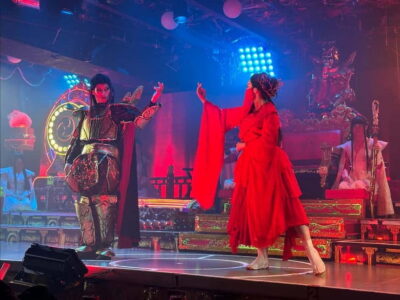
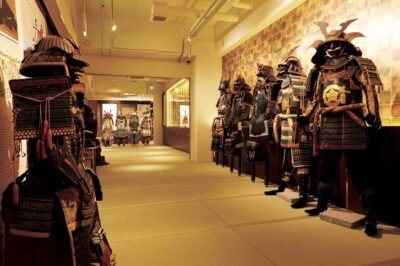
Samurai Ninja Museum Guided tour and Experience
Read our review →
Kendo and Samurai Experience with Uniform and Gear
Read our review →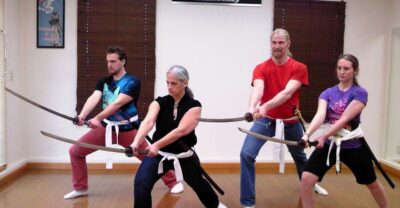
Samurai Sword Class by Experts in Traditional Arts
Read our review →
Skip the lines Basic Ticket at SAMURAI NINJA MUSEUM KYOTO
Read our review →
Samurai Sword & Archery Class from Samurai Descendant
Read our review →
Browse the lists this tour appears in