Reviewed · OSAKA TOURS
Hidden Osaka – Yukaku Red Light Tour & Culinary Adventure
Osaka at night has a habit of surprising you, if you’re willing to look past the main streets. This tour threads together the Tobita Yukaku red light district and Shinsekai with the kind of local context that makes the city make more sense. I like the fact that you get a guided walk in a sensitive area, with rules that keep things respectful, not just shock-value street viewing.
What I really like is the two-part focus on “place plus taste.” You’ll walk through the red light district and then switch gears to Shinsekai’s old-school fun around Luna Park, and you’ll cap it with an izakaya meal at two local stops where food and drinks are part of the story. One drawback to consider: this is not for everyone, because the subject matter is adult and the food choices are meant for bold eaters, so come with an open mind.
Quick takes on Hidden Osaka: Yukaku Red Light Tour and Culinary Adventure
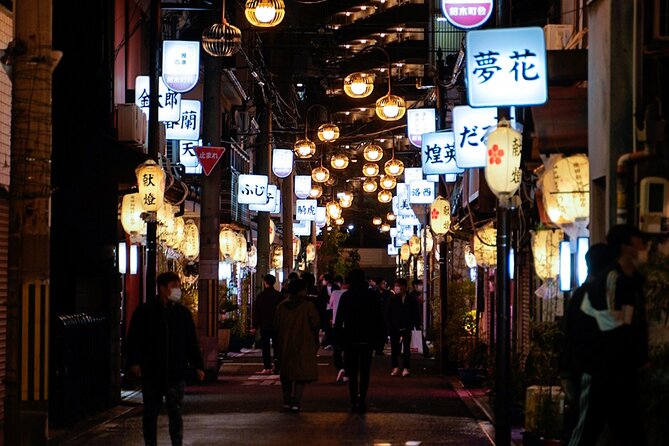
- Tobita Yukaku with real context, including why it’s considered the last of its kind in Japan
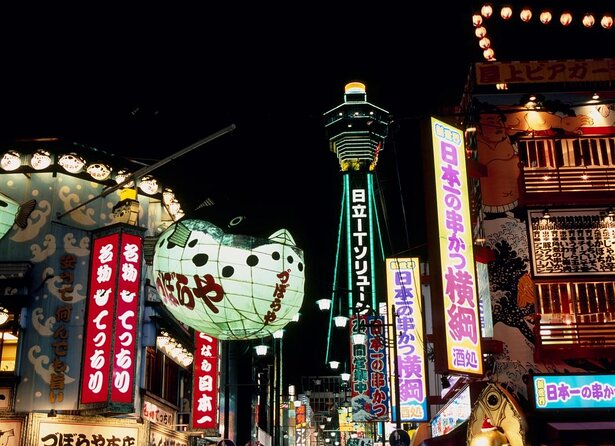
- Shinsekai and Luna Park vibes, an old theme park turned local hangout area
- Two izakaya stops for 50 percent food time, with you splitting the bill on what you order
- Small group size up to 7, so it’s easier to ask questions and stay on the move
- English-led guidance, with local-style explanations and practical etiquette cues
- Not for vegans, and the food plan leans adventurous rather than safe-and-comfort food
Why This Evening in Osaka Feels Worth Your Time
If you’ve ever wished Osaka had a “real life at night” layer beyond neon and shopping, this tour aims at that. You get a guided route through two areas with very different moods, but both show how Osaka thinks and lives after dark.
I like that the approach is structured. You start with Tobita Yukaku, then move into Shinsekai, and the meal plan keeps you from ending the night with only photos. The guide also sets expectations early, which matters a lot in a district with history and current residents.
The most important consideration is fit. This tour is designed for people who can handle adult topics respectfully and who are ready to try unusual food. If you want a polished, strictly wholesome night out, you’ll probably feel out of place.
A few more Osaka days worth comparing
- Osaka Go Karting Tour with Funny Costume
★ 5.0 · 2,658 reviews - Osaka Castle: Museum and Tower Entry Ticket
★ 4.5 · 2,380 reviews - Osaka: Shinsekai Food Tour with 13-15 Dishes at 5 Eateries
★ 4.8 · 2,204 reviews
Finding Your Meeting Point Near Doubutsuen-mae Station
You’ll meet at Doubutsuen-mae Station Exit 2 on the Osaka Metro, or at Cafe Causerie. This is a handy setup because it’s public-transit friendly. Still, it helps to arrive a few minutes early, especially since you’ll be walking and standing for most of the tour time.
The tour runs about 210 minutes, so plan an evening where you’re not racing between reservations. Comfortable shoes matter here. Multiple guide-led walking nights in Japan feel easy at the start and heavier by hour two, and this one is built to keep moving.
Tobita Yukaku Red Light District: History, Etiquette, and Staying Respectful
Tobita Yukaku is the heart of the “why” in this tour. You’re not just passing by streets. You’re learning what made this district a significant part of Osaka’s adult entertainment world, and the guide explains why it is often described as the last of its kind in all of Japan.
What makes this portion valuable is the emphasis on understanding and respect. The district is still a real part of the neighborhood, not a museum set. The guide’s instructions are there for a reason, and non-compliance can mean removal from the group.
You’ll also hear why this place looks the way it does, and what locals mean by the right kind of behavior. In practical terms, that means you’re guided through where to stand, how to move, and what not to do while you’re learning. That turns what could be uncomfortable curiosity into something more like cultural street-level education.
One more honest note: because the topic is tied to sex work history and adult entertainment, the tour can include sexualized discussion. If that makes you tense, skip it. If you can handle it with maturity and curiosity, you’ll likely find the explanations make it easier to process.
Shinsekai and Luna Park: From Adult History to Retro Osaka Fun
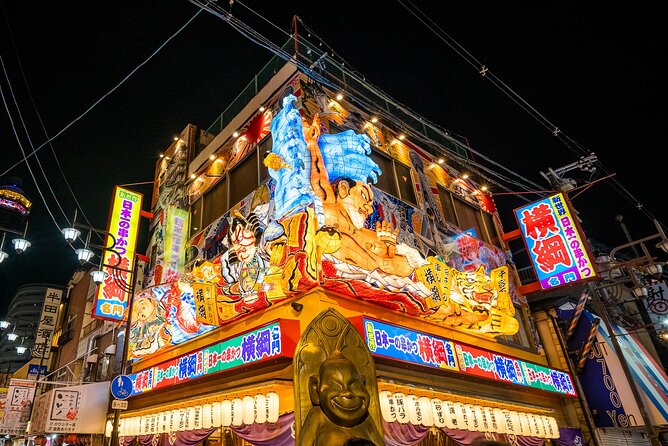
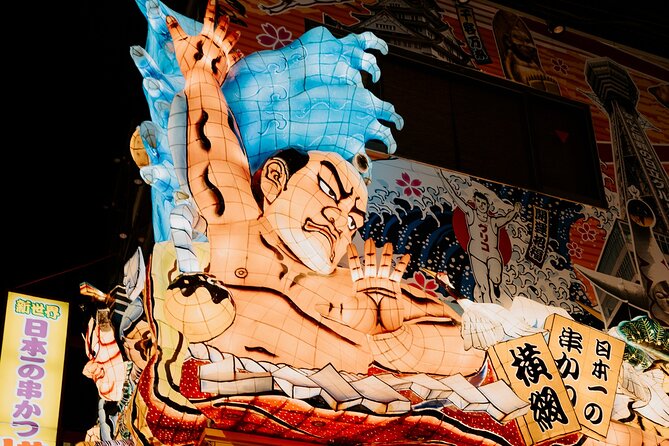
After the red light district, the tour pivots to Shinsekai. This is where Osaka can feel playful again, and it’s a smart contrast. You shift from a street scene with heavy context to a neighborhood shaped by retro design, snacks, and the kind of night energy that locals actually use for hanging out.
A highlight here is the Luna Park area. The name comes with amusement-park nostalgia, but the reality on the ground is more everyday than theme-park. It’s an old entertainment zone that people still treat as a neighborhood “meet up” spot, so you see how tourist landmarks become local routines over time.
In this part of the night, you’re also more in “walk, look, ask, and snack.” It’s not just sightseeing. The guide keeps tying places to stories and current-day habits, which helps you understand what you’re seeing instead of just collecting images.
Same corner of Japan, a different kind of day:
- Osaka Food Tour: 13 Dishes at 5 Local Eateries
★ 5.0 · 2,149 reviews - Hungry Osaka Street Food Tour:15 Tastings & 3 Drinks with a Local
★ 5.0 · 1,727 reviews - Osaka: teamLab Botanical Garden Entry Ticket
★ 4.5 · 1,710 reviews - Osaka: Tea Ceremony Experience
★ 4.9 · 1,426 reviews
The Izakaya Hopping Plan: What You Eat, How Spending Works, and How to Prep
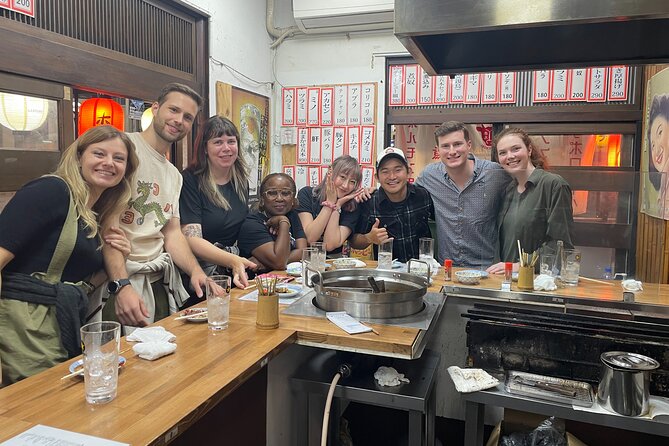
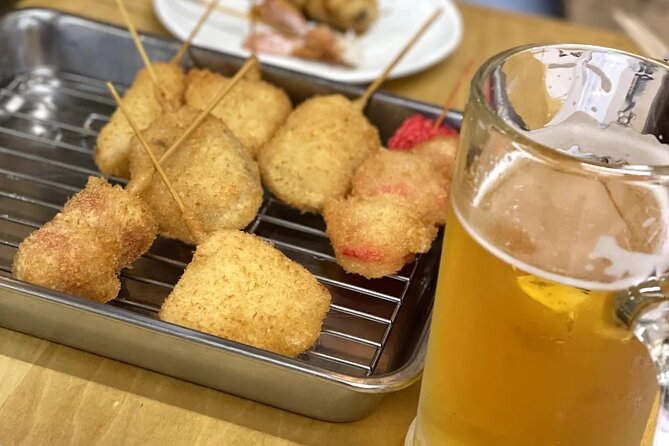
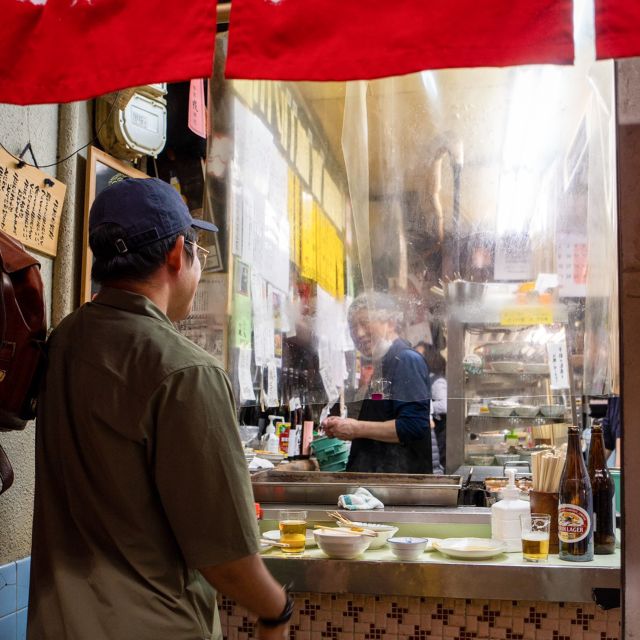
This is a food tour with a clear structure: you’ll stop at two izakaya restaurants. The tasting focus is about half the experience, so you’ll spend real time eating and drinking rather than doing a token bite.
Here’s the key detail: food and drinks are not included in the $45 price. Instead, you split the bill for what you order at the restaurants. That makes the $45 feel less like a full meal ticket and more like you’re paying for the guided selection, timing, and translation-free ordering experience.
Budget-wise, the tour notes that the average spending for an izakaya is about ¥4000. Since there are two izakaya stops, you should expect to pay additional costs on top of the tour price. Plan cash or a card you can use easily.
Two more practical prep tips:
- Don’t eat before the tour. The plan is built as a 50 percent food experience, so arriving hungry makes the night work.
- Bring openness, not a strict checklist. The food offerings are described as bold and adventurous, and you may try things you have never had before.
Diet matters too. The tour says vegans are not suitable. If you have other dietary restrictions, you’re asked to let the team know. That’s the right move, because ordering in small local restaurants gets harder when nobody can adjust the menu.
Drinks and Dining Etiquette: Why the Guide’s Choices Matter
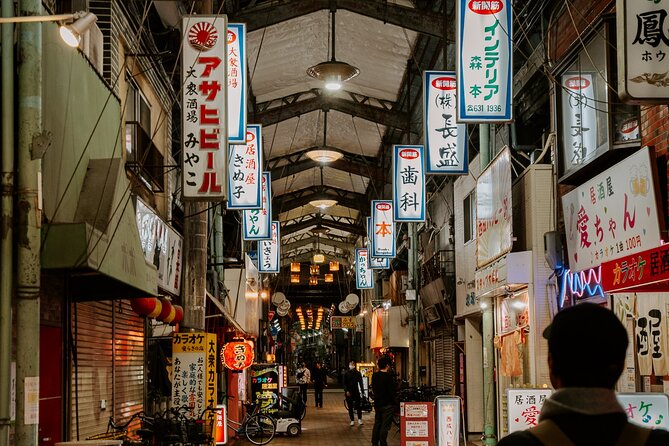
Even when the menu is small, ordering in Japan can be tricky if you don’t know what you want. That’s where this tour gives real value: the guide handles the “what to get” choices and keeps the meal flowing.
The tour description also notes that your dishes are paired with an appropriate drink to complement what you’re eating. That matters more than it sounds, because izakaya ordering can drift into guesswork if you’re alone. With a guide, the night becomes a guided taste session rather than you staring at a wall of items.
Also, izakaya culture is not just food. It’s rhythm. You’re likely to be guided into how to order and how to enjoy the stops as a group, while still feeling like you’re in Osaka, not in a tour bus schedule. The small group size helps here too.
Your Guide and the Small-Group Dynamic (Up to 7 People)
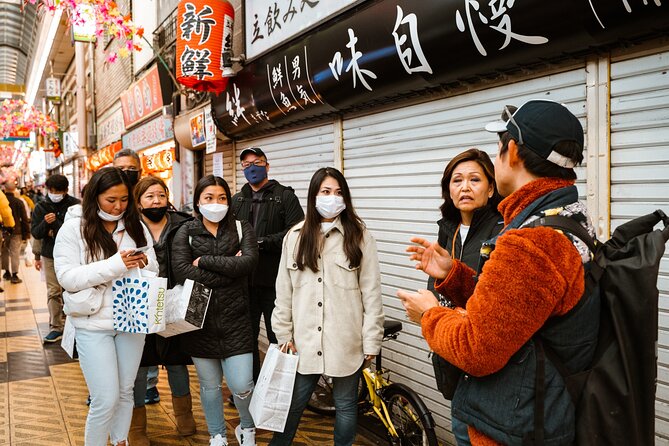
This tour is limited to a small group of up to 7 participants, and that shows in how the evening feels. You can ask questions without waiting in line for the guide. It’s also easier to keep the group together through narrow areas where the district’s layout matters.
The language is English, and the guides are described as Japanese with multi-language ability. You’ll often see guides in this format give more than “spot explanations.” They tend to answer broader questions about Osaka and even Japan, not just recite facts.
From different guides named in past evenings, the tone is often described as friendly, humorous, and interactive. Some guides stand out for strong storytelling skills, and several people mention that the guide helps set a respectful mood early. There’s also mention of the guide sometimes staying social after the tour, which signals a genuine relationship with the local nightlife scene rather than a strict job-only vibe.
One practical drawback tied to “end time” expectations: one person noted the tour ended back near the subway station rather than at a bar or restaurant. That’s not a reason to skip, but it’s smart to plan your next stop if you want the night to continue somewhere specific.
How Much Walking to Expect (And What to Wear)
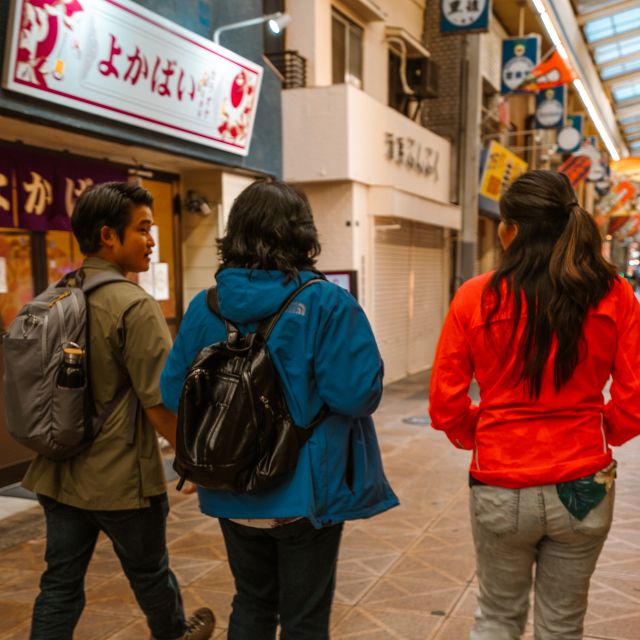
This is a 210 minute evening, with you walking and standing through both neighborhoods. Several people also note you should be ready for the physical side of the tour. So wear shoes that you’d actually trust for a few hours of city walking.
It’s also a night tour, so dress for comfort first. You’re moving between areas, and you might pause for explanations. If you’re sensitive to cold or heat, bring a layer that you can manage easily.
Who Should Book This Tour, and Who Should Skip
You should seriously consider this tour if:
- You want Osaka nightlife with context, not just mainstream attractions
- You enjoy history told in a street-level way, including difficult or adult topics
- You like eating at local izakaya spots and can handle adventurous food
- You prefer a small group where you can actually talk with the guide
You should skip it if:
- You’re vegan (not suitable)
- You dislike adult subject matter related to the district’s purpose
- You want only familiar “safe foods” and bland tastes
If you’re a solo traveler, this sort of guided structure can also make the night easier, because you’re not wandering alone trying to interpret signage and etiquette. Just follow the guide’s instructions closely. That’s not just courtesy, it’s part of how the tour stays respectful and smooth.
Price and Logistics: Getting Value From the $45 Base
At $45 per person, the base price is not meant to cover your full dinner bill. It’s more like you’re paying for the guided route through Tobita Yukaku and Shinsekai, plus a guided food experience at two izakaya restaurants.
The value equation is simple:
- You get a native-style explanation and help navigating a sensitive area
- You get hands-on guidance with ordering in small places
- You get access to two local stops rather than hunting on your own
Your real added cost is food and drinks, with the tour noting typical izakaya spending around ¥4000 per stop. If you budget for that, the $45 starts to feel fair for what you’re buying: guidance, timing, and cultural navigation.
Logistics are also straightforward. No hotel pickup or drop-off is listed, so you’ll handle your own getting there. That said, the meeting point near Doubutsuen-mae Station is easy enough to build into your evening plans.
Should You Book Hidden Osaka: Yukaku Red Light Tour and Culinary Adventure?
Book it if you want an Osaka night that’s different from the usual checklist, and you’re curious about how adult districts fit into Japan’s modern city story. The best part is the combination of street-level context and real izakaya food with a guide who can keep the tone respectful and the ordering easy.
Skip it if adult topics make you uncomfortable, if you’re vegan, or if you hate trying unfamiliar food. This tour is designed for bold eaters and mature conversation, not for people who want a purely light and polished evening.
If you do book, go in hungry, wear comfortable shoes, and follow the guide’s instructions in the district. That mix turns a sensitive neighborhood walk into an experience that feels both informative and genuinely fun.
FAQ
How long is the tour?
The tour duration is 210 minutes.
Where do I meet the guide?
The meeting point is Doubutsuen-mae Station Exit 2 (Osaka Metro Line) or Cafe Causerie.
Is the price ($45) enough to cover food and drinks?
No. Food and drinks prices are not included. The food and drinks bill will be split among the guests, and the tour notes average izakaya spending is about ¥4000.
What is included in the tour experience?
It includes Yukaku red light district exploration, Shinsekai entertainment district exploration, and a local food tour at 2 izakaya restaurants.
Is it suitable for vegans?
No. The tour is listed as not suitable for vegans.
What languages and group size should I expect?
The tour is guided in English, and it runs as a small group limited to 7 participants.
Fresh options around Osaka
- Osaka Winery Tour with Wine Tasting & Vineyard Walk★ 4.9 · 12 reviews
- Osaka: Early Morning Osaka Castle Guided Tour, Avoid Crowds★ 4.9 · 12 reviews
- Kyoto Day Trip from Osaka Port – Private Shore Excursion★ 5.0 · 13 reviews
- Osaka Private Pop Culture Tour: Historic Tenma to Dotonbori★ 4.5 · 13 reviews
- Osaka Castle Admission Ticket★ 4.0 · 13 reviews
- Hidden Osaka Foodie Tour: Nishinari Backstreets & Local Dining★ 5.0 · 13 reviews
- Discover Real Osaka: A Cultural Walk with Food & Drink★ 5.0 · 13 reviews
- Nara private tour (Shore excursion available from Osaka or Kobe port)★ 5.0 · 13 reviews
Osaka Tours, compared.


Shinsekai Food Tour with 13-15 Dishes at 5 Eateries
Read our review →
Osaka Food Tour: 13 Dishes at 5 Local Eateries
Read our review →
Hungry Osaka Street Food Tour:15 Tastings & 3 Drinks with a Local
Read our review →