
Reviewed · TRAIN EXPERIENCES
Full Day Hiroshima and Miyajima Tour by Bullet Train from Kyoto
Beauty and bomb history, same day. This full-day route from Kyoto strings together Japan’s top shrine scenery on Miyajima with the sobering Hiroshima memorial sights, all timed around the Shinkansen and guided stops.
I especially like the structure: pickup at the JTB Sunrise Tours Desk inside Avanti near Kyoto Station, a smooth bullet train ride to Hiroshima, then an English guide interpreter for the Hiroshima segment. I also like the pairing of UNESCO places, Itsukushima Shrine and Hiroshima Peace Memorial Park, so the day has both wonder and meaning.
The main drawback is time pressure. It is a long day (about 13 hours 20 minutes), and the Hiroshima museum plus Miyajima island are each given limited windows, so if you want to linger, you may feel rushed.
Key things I’d mark on your mental map
- Shinkansen to Hiroshima with a planned day-trip flow, not a do-it-yourself scramble
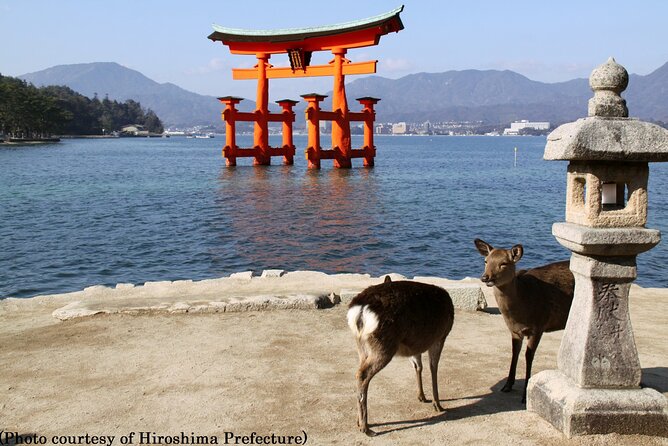
- Itsukushima Shrine on Miyajima, including the torii gate setting that looks like it floats at high tide (weather and timing can affect what you see)
- Genbaku Dome (Atomic Bomb Dome), preserved as a surviving structure from the bombing
- Hiroshima Peace Memorial Museum, with guided context you can’t get from signs alone
- Children’s Peace Monument and the origami cranes made by children, a quiet detail that sticks
- Max group size of 40, which usually makes it easier to stay together
From Kyoto Station to Hiroshima by Shinkansen, without the guesswork
This tour is built for people who want the Hiroshima experience without the planning headache. The day starts at 7:30am, with pickup at the JTB Sunrise Tours Desk inside Avanti (across from Kyoto Station Hachijo Exit). From there, you walk to Kyoto Station and board the Shinkansen for the ride to Hiroshima, about two hours.
Why this matters is simple: Hiroshima is far enough from Kyoto that DIY travel turns into time math. Here, you’re buying a tightly coordinated day, with transport and guidance handled for you, so you can spend your energy on the sights. The guide also introduces Hiroshima’s story, from earlier history through World War II and into today. That “why are we seeing this” framing is what makes the memorial sites land harder, and it helps you move through the museum with more clarity.
Group size is another practical win. With a maximum of 40 travelers, you’re not trying to herd 60 people down station corridors. Some participants also noted that train seating felt handled, including the feeling of reserved seats on the bullet trains, but the tour info also says seats may not be designated. Either way, your group is directed to the right place, which is what usually prevents that last-minute stress.
One thing to know if you are the type who needs signage and clear wayfinding: the meeting spot inside Kyoto Station areas can be tricky. If you are even slightly unsure, give yourself extra time the morning of departure.
More Miyajima tours:
- FromOsaka/Kyoto:Hiroshima & Miyajima Private Tour with Lunch
★ 5.0 · 32 reviews - Peaceful Hiroshima & Miyajima UNESCO 1 Day Bus Tour
★ 5.0 · 5,309 reviews - Hiroshima: Hiroshima and Miyajima UNESCO Sites 1-Day Tour
★ 4.9 · 2,330 reviews
Miyajima Island and Itsukushima Shrine, the scenic half of the day
After you arrive in Hiroshima, the tour shifts you toward Miyajimaguchi, then you transfer to a boat for the ride to Miyajima, often called the Sacred Island. This is the emotional rhythm switch of the day: from bullet train efficiency to ferry views, then walking into shrine atmosphere.
On Miyajima, the centerpiece is Itsukushima Shrine, a UNESCO World Heritage site established in the 6th century. It’s especially known for the Shinden-zukuri style architecture and the famous torii gate image that appears to float at high tide. High tide timing can affect how dramatic that “floating” view looks, but the shrine is still a standout regardless. If you time your photos right and keep your pace calm, the setting is genuinely memorable.
You’ll also see deer roaming the island. That detail sounds silly until it’s happening beside you, so keep an eye on where you step and follow staff cues.
The itinerary gives about 45 minutes on the island, then you have lunch time there on your own. The tour info points you toward local foods like oysters, Hiroshima-style okonomiyaki, and conger eel rice bowl, with lots of options around the shopping streets.
Here’s the honest practical consideration: lunch is not included. One review specifically warned that vegetarian options may be limited. If you follow a restricted diet, plan ahead and think about what you can comfortably eat on Miyajima without a long hunt.
Lunch on your own on Miyajima, how to avoid wasting the “island time”
Lunch on Miyajima is self-directed, which means you get freedom, but you also bear the small risk of running out of time. Since the schedule is tight overall, I treat Miyajima lunch like this: eat first, shop second, and don’t get trapped in a menu translation loop.
What helps is knowing what the island is best at. The tour info calls out oysters and Hiroshima’s okonomiyaki, plus conger eel rice bowl (as well as availability at many shops). If those fit your tastes, you’ll likely find something quickly. If not, consider choosing a simpler backup, like a set meal you can recognize fast, or a snack you can eat while walking.
Also, remember you’re not just eating. You are using your lunch window as part of sightseeing time, especially if you want a couple of extra shrine area photos or a stroll toward viewpoints.
If you’re traveling with kids, expect the island to feel like an outdoor playground plus a sacred site at the same time. That can be great, but you’ll want to keep a clear meeting point in your head so you don’t lose time.
Hiroshima Atomic Bomb Dome and the Genbaku Dome area, what you see first
In the afternoon, the tour pivots into Hiroshima’s memorial core. The next major stop is the Atomic Bomb Dome (also called the Genbaku Dome). This is one of the few buildings preserved as it was after the bombing, and it’s treated as a peace symbol as well as a historical reminder.
You don’t just look at a landmark here. You’re looking at a structure that survived when much of the city did not. That’s why the dome works even for people who don’t call themselves history buffs. It’s visual proof, frozen in time, and your guide’s storytelling helps connect what you’re seeing to the larger timeline.
Close by is the Children’s Peace Monument, draped with thousands of origami cranes made by children. It’s a small detail compared to the dome, but it’s the kind of human touch that tends to make people pause longer. Another key site in the memorial area is the Atomic Bomb Memorial Mound, which contains the ashes of 70,000 bomb victims, many unidentified or with no surviving relatives to claim them.
This stop is emotionally heavy, so I recommend doing two things: take a moment to slow your pace near the memorial elements, and don’t try to “power through” photos. If you scan quickly, you miss the effect.
Timing here is also worth noting. You typically have a shorter window compared to how long the meaning can linger in your head. If you want a deeper self-paced experience, you might later return on another day. But for a single day from Kyoto, this tour gives you the essential starting points in an organized way.
A few more Kyoto days worth comparing
- PERFECT KYOTO 1-Day Bus Tour
★ 5.0 · 13,518 reviews - Kyoto: Fushimi Inari, Kinkakuji, Bamboo Grove 1 Day Bus Tour
★ 4.8 · 4,316 reviews - Kyoto: Tea Ceremony in a Traditional Tea House in Kiyomizu
★ 4.9 · 3,519 reviews - Kyoto Geisha Walking Tour: Gion District & Hidden Gems
★ 4.7 · 3,273 reviews
Hiroshima Peace Memorial Park and Museum, where the story gets specific
After the Atomic Bomb Dome area, you visit Hiroshima Peace Memorial Park and then the Hiroshima Peace Memorial Museum. The park is a UNESCO World Heritage site and is visited by countless people as a symbol of peace. The museum is set inside the park and is described as an Important Cultural Property of Japan.
The big value of a guided visit is that the exhibits are not just facts. They are human stories, and context matters. Your guide leads you through what happened on August 6, 1945, and how Hiroshima has worked to recover and rebuild in the post-war years. That guidance is exactly what helps you make sense of the museum layout and the emotional pacing.
In practice, you should expect about an hour in the museum. That might sound short, but the museum’s scale is large and emotionally intense. If you try to read every caption, you can quickly run out of time. The best way to use the time is to pick a few exhibit themes that match your interest, then let the rest provide supporting details.
Family note: one review specifically mentioned that younger children might find museum photos of injuries and the dead disturbing. If you’re traveling with kids, you’ll need to judge what’s appropriate for your group and decide how long to stay in the hardest sections.
Audio and comfort are also worth mentioning. One participant said the tour audio equipment receivers did not work. Another said they were not provided with a headset. Since those are reports from real experiences, I’d suggest you arrive prepared with patience. If you strongly rely on audio, consider carrying small backup hearing-friendly options, and pay attention early in the museum so you can adjust if sound is off.
The full-day time math, what the schedule means for your energy
This tour runs from 7:30am and returns you to Kyoto Station around 9:00pm, with total duration listed at about 13 hours 20 minutes. That’s not a “quick trip.” It is a whole day that mixes train travel, a ferry crossing, shrine walking, then memorial sites and museum time.
You’ll likely feel the rhythm more than any single stop. The bullet train gives you speed, but the day still demands stamina: standing in lines, moving between stations and docks, then walking at Miyajima and again around the Peace Memorial area.
The upside is that the pace is structured. You’re not just hopping from one bus to another with no plan. The guide keeps the day moving, and multiple reviews praised organization and smooth transportation. One review praised the guide’s humor as a way to keep the day bearable, especially since Hiroshima is not a light topic.
One thing to keep expectations aligned: some participants felt there was too little time at Hiroshima, or too much time on Miyajima, while others thought the day fit well. For me, the takeaway is to decide what you value more. If Hiroshima is the priority for you, the day is still built to include Miyajima first, with lunch there. If you want more shrine and island time, you’ll probably feel the compressed schedule.
At the very end, you return by Shinkansen from Hiroshima Station back to Kyoto Station. There is no hotel drop-off, so you’ll need your own plan for dinner or the next day’s travel once you arrive.
Price and value: $399.71 is not cheap, so you need to know what you’re buying
At $399.71 per person, this tour is priced as a premium day-trip bundle. The value question comes down to what is included versus what you’d pay doing it alone.
What you get included:
- Round-trip Shinkansen Kyoto to Hiroshima
- Transportation around Hiroshima and to the ferry access area for Miyajima
- The boat transfer to Miyajima
- UNESCO-site admissions and other admission fees called out as included
- Miyajima visitor tax
- An English guide interpreter for the Hiroshima segment
- A guided experience at the memorial sites, plus the Genbaku Dome stop
What is not included:
- Lunch on Miyajima
- Any extra fees not listed
So why the price can still make sense for the right traveler: Hiroshima and Miyajima are exactly where planning friction can eat a day. The Shinkansen logistics plus ferry timing plus museum visit windows can turn into stress. This tour pays for the coordination so you can follow a clear route.
That said, you should also ask yourself what you want from a guide. If you prefer to read everything on your own and move at your pace, you may find this bundle limits freedom. But if you want the story organized, and you like having someone explain details like the significance of the Atomic Bomb Dome and the museum exhibits, the guided component is the thing you are really paying for.
Finally, the group size matters for price justification. With a maximum of 40 travelers, you’re not paying premium prices for a packed, chaotic experience.
Should you book this Kyoto to Hiroshima and Miyajima day tour?
Book it if:
- You want to see Itsukushima Shrine, the Atomic Bomb Dome, and the Hiroshima Peace Memorial Museum in one day from Kyoto
- You like guided context, especially for sites with heavy history
- You value organized transport and fewer moving parts, from station to ferry to memorial park
Skip it or reconsider if:
- You strongly prefer open-ended free time. This is scheduled, and the museum plus island time can feel tight.
- You are traveling with kids who may not handle museum imagery well. (The tour can still be meaningful, but you may want a shorter or more flexible plan.)
- You need certainty about audio equipment. A few reports mention receiver or headset issues, so be ready to adapt.
If you want my practical bottom line: this is a high-effort day that mixes beauty and moral weight in the same route. For most visitors, that combination is exactly what makes Hiroshima unforgettable, and having a guide helps you leave with understanding, not just photos.
FAQ
Where is the meeting point in Kyoto?
The tour meets at the JTB Sunrise Tours Desk inside Avanti (B1F), across from Kyoto Station Hachijo Exit.
What time does the tour start and when does it end?
It starts at 7:30am and returns to Kyoto Station around 9:00pm. The tour ends at Kyoto Station, with no hotel drop-off.
How long is the tour?
The duration is about 13 hours 20 minutes.
Is lunch included?
No. Lunch is not included, and you eat on your own while you are on Miyajima.
What does the tour include for sightseeing and admissions?
You visit Itsukushima Shrine, Miyajima, the Atomic Bomb Dome, and the Hiroshima Peace Memorial Museum, with admission fees and the Miyajima visitor tax included as listed.
Can I cancel for a full refund?
Yes. You can cancel up to 24 hours in advance for a full refund. If you cancel less than 24 hours before the experience start time, the amount paid will not be refunded.
Fresh options around Kyoto
- Kyoto Aquarium Admission Ticket★ 4.7 · 12 reviews
- Kyoto Gion Photoshoot – Private Session | Pro Photographer★ 5.0 · 12 reviews
- Gyoza Cooking Class in Kyoto: Traditional Japanese Dumplings★ 5.0 · 12 reviews
- Kyoto: Guided Food Tour with 12 Dishes & 3 Drinks★ 5.0 · 12 reviews
- Kyoto: Avoid the Crowds at the Hidden Gems of Arashiyama★ 4.9 · 13 reviews
- Kyoto Early Bird English Tour: Gion & Higashiyama(Private opt)★ 5.0 · 13 reviews
- Otsu-e Folk Art Workshop & Local Culture Walk Near Kyoto★ 5.0 · 13 reviews
- Kyoto, Osaka, Nara Full Day tour by Car English speaking Driver★ 3.5 · 13 reviews
Train Experiences, compared.
Mt Fuji and Hakone 1-Day Bus Tour Return by Bullet Train
Read our review →
Mt Fuji & Hakone Cruise, Drum Show Bullet Train 1 Day from Tokyo
Read our review →
Tokyo Mt Fuji 5th St & Hakone Cruise Bus Tour w/Bullet Train
Read our review →
Mt. Fuji & Hakone Tour w/ Return by Bullet Train
Read our review →
From Tokyo 1-Day Kyoto English-guided Tour by Bullet Train
Read our review →
Mt. Fuji and Hakone Day Trip From Tokyo with Bullet Train Option
Read our review →
Browse the lists this tour appears in