
Reviewed · COOKING CLASSES
Tokyo: Private Japanese Cooking Class with a Local Chef
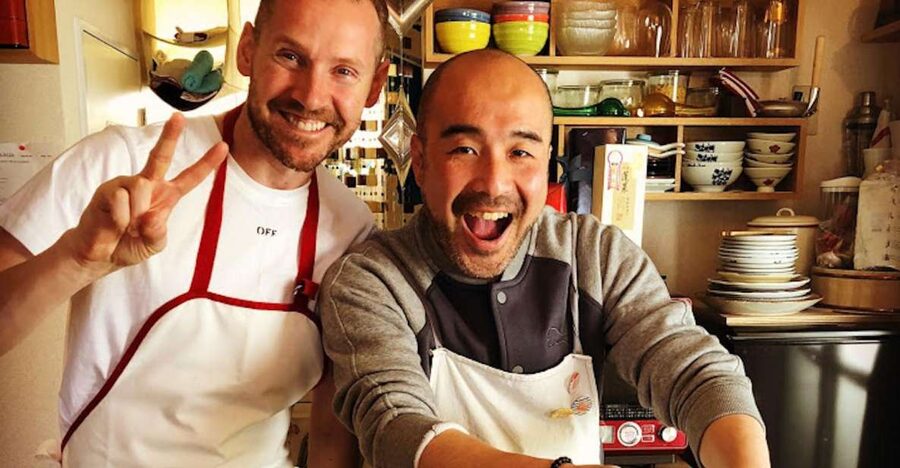
If you like food and real neighborhoods, this fits. You cook in a home kitchen in Shinjuku, led by Chef Sato, and you get a menu that changes by the day. I like that the class is hands-on, not watch-only, and that the focus stays on seasonal ingredients and the why behind the flavors. One consideration: you cannot fully choose your dishes, since the menu depends on the weekday.
This is also a chance to slow down in Tokyo. Between cooking, eating what you make, and chatting in plain English, the experience feels personal and relaxed, not staged. You’ll start at Shinjuku Station, move to Sato’s apartment, cook 2 to 4 items, then (on most morning classes) you can add a short local walk afterward.
Key things I’d plan for
- Menu changes by day, from teishoku set meals to popular street-food-style dishes
- Cook 2 to 4 items during the class, then eat your meal at the table
- English instruction with patient guidance while you chop, season, and cook
- Seasonal cooking is the theme, including talk about ingredients like miso and tofu
- Optional local outing after the morning session, to areas you may not find on maps
- A home setting in Shinjuku, not a restaurant classroom, with a relaxed group vibe
Why a home cooking class in Shinjuku beats another Tokyo food stop
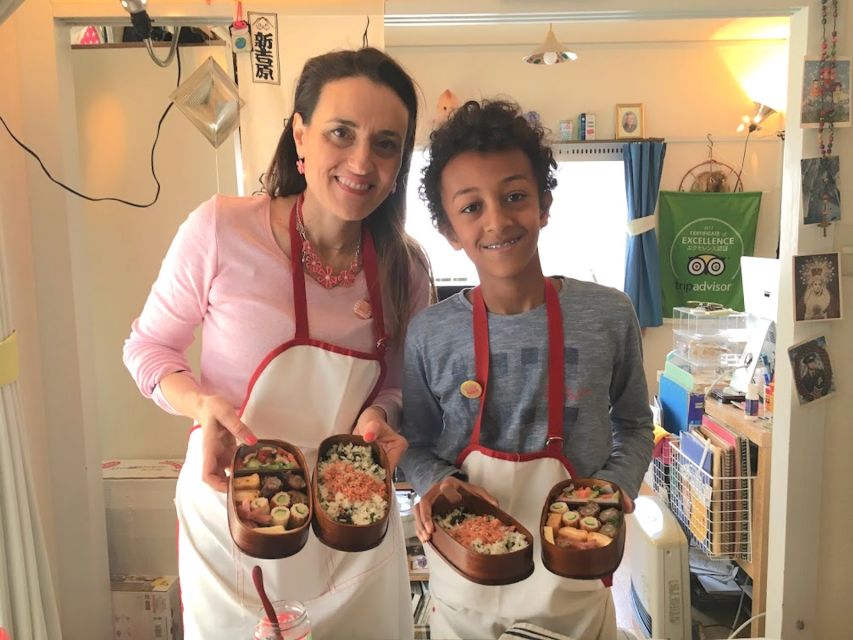
Tokyo can be loud, fast, and food-focused in a big-city way. This experience works because it does the opposite. You’re not just eating. You’re learning the method, the ingredient logic, and the small techniques that make Japanese food taste clean, balanced, and deeply satisfying.
You’ll also get something travel schedules often miss: conversation. Chef Sato’s teaching style shows up as easy back-and-forth, plus explanations that connect cooking to daily life. Some classes include chatting about his family path into cooking, and you end up with that rare feeling of being invited into someone’s world, not guided through a script.
The “cute apartment” part matters too. A home kitchen forces you to understand portions, timing, and how dishes actually come together in real kitchens. If you like practical skills you can repeat at home, this format helps.
More Cooking Classes in Tokyo
- Ramen & Gyoza Cooking Class in Tokyo with Local Supermarket Visit
★ 5.0 · 823 reviews - Tokyo: Easy Ramen Cooking Experience in Kabukicho, Shinjuku
★ 4.6 · 321 reviews - Ramen and Sushi Cooking Class with Sake Pairing Set in Tokyo
★ 5.0 · 291 reviews
Meeting point in Shinjuku: getting to the apartment without stress
You meet at Shinjuku Station east exit police box (3-38-38-1, Shinjuku, Shinjuku-ku). Pickup is included, and you’ll be guided from there to the cooking space.
Why I like this setup: it’s clear and central. Shinjuku can feel like a maze, so having a defined meeting landmark saves mental energy. Also, starting at the station is good for jet-lag days, since you’re not crossing Tokyo just to find the first step.
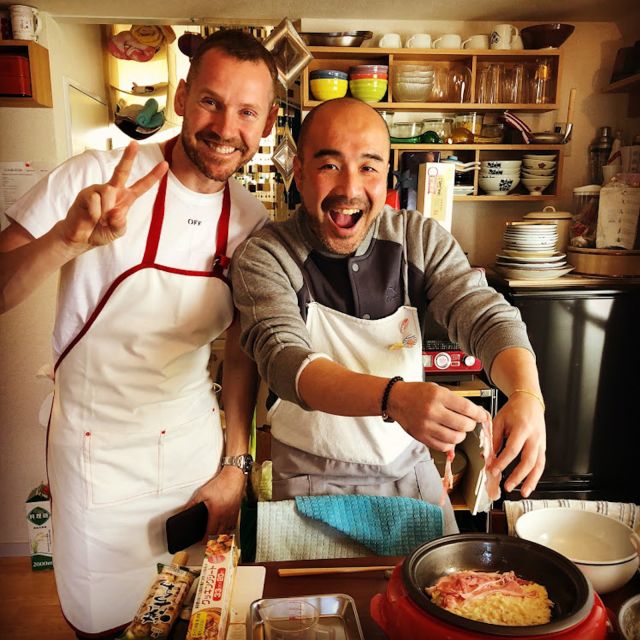
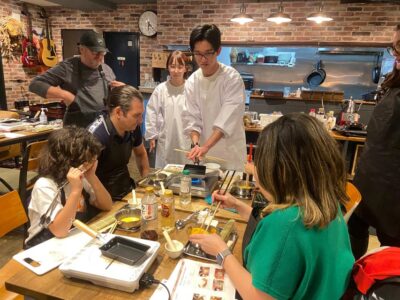
What to expect once you’re at the apartment: you’ll settle into a home-kitchen rhythm. Chef Sato is described as warm and welcoming, and the atmosphere stays relaxed and stress-free. You’re expected to participate, so you won’t be standing to the side for three hours.
The menu schedule you should care about (traditional vs popular food days)
This class has a real rhythm to it: the menu changes by weekday, and that controls what you’ll cook.
Saturday, Sunday, Monday, Tuesday (traditional meal days)
You’ll cook something from the teishoku tradition, or choose variations like donburi, obento, tonjiru, rice balls, and similar dishes. A teishoku set typically includes rice, a seasonal main dish, and two seasonal side dishes. The theme here is classic Japanese balance, where the sides matter just as much as the center plate.
Wednesday, Thursday, Friday (popular food days)
Expect a more familiar “Japan favorites” feel. You might cook teishoku with a fried main dish, or go toward options like curry rice, okonomiyaki, gyoza, ramen, rice burger, kara-age, yakisoba, and similar comfort foods. Even when the dish is popular, the teaching still emphasizes seasonal ingredients as the foundation.
Two practical points for choosing your day:
- If you want the clean, classic structure of Japanese meals, aim for the traditional days.
- If you want the dishes many people dream about after seeing Tokyo on screen, the popular days are where your odds improve for dishes like gyoza and ramen.
Also, Chef Sato has been known to check preferences ahead of time for some groups, so if you have dislikes, it’s worth sending a note when the confirmation opens.
What you’ll cook and how the class flows in 3 hours
The class runs 3 hours (about 270 minutes total when you include the optional outing). Within the cooking time, you’ll make 2 to 4 items, depending on the menu.
Here’s the flow in plain terms:
- You start in the apartment with ingredient explanations.
- Chef Sato demonstrates key steps.
- You take over hands-on tasks like chopping, seasoning, assembling, and cooking.
- You cook and plate together.
- You sit down and eat the meal you made.
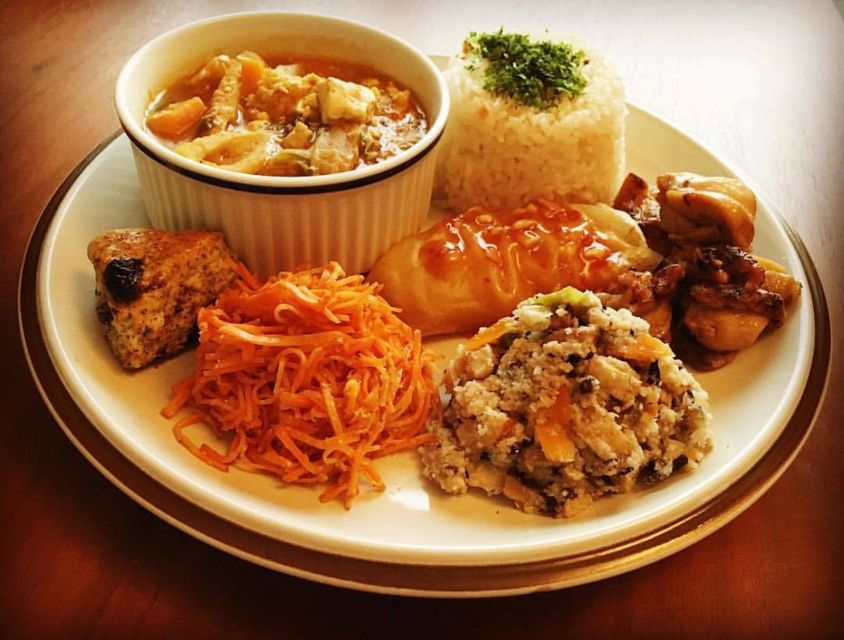
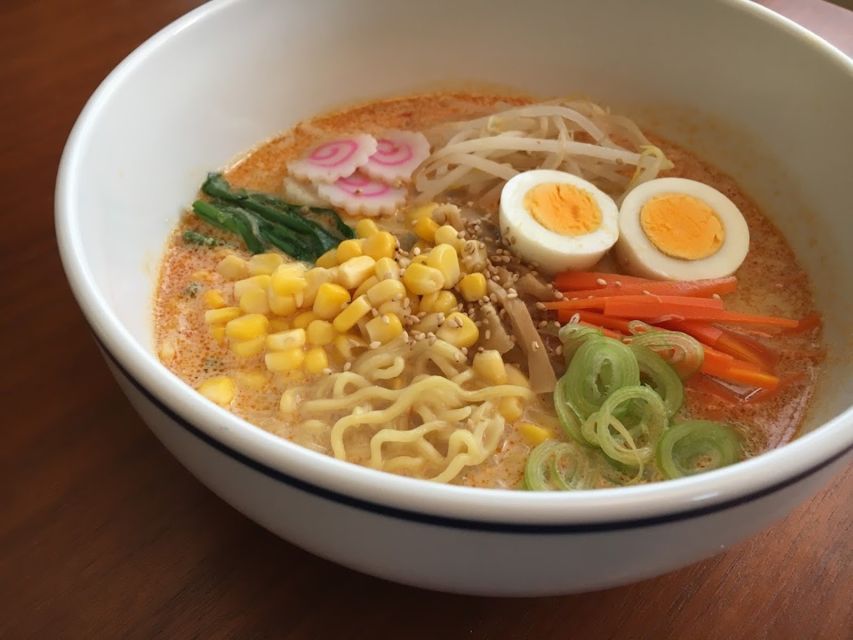
The most praised part is that you’re not just learning theory. People describe this as practical home cooking, with real participation. You might learn how to shape dumplings, build ramen components, or put together sides like salads and soups. One group mentioned making a full lunch course based on seasonal ingredients, then eating together at the table, which is exactly the kind of “real life” feel I look for.
Same corner of Japan, a different kind of day:
- Mt Fuji and Hakone 1-Day Bus Tour Return by Bullet Train
★ 5.0 · 26,383 reviews - 1-Day Tokyo Bus Tour
★ 5.0 · 14,250 reviews - Tokyo: TOKYO SKYTREE® Admission ticket
★ 4.5 · 11,192 reviews - Tokyo: teamLab Planets TOKYO Digital Art Museum Entry Ticket
★ 4.6 · 9,779 reviews
Dish examples to set expectations
The exact menu varies, but you can reasonably expect the class to hit core Japanese patterns such as:
- Gyoza and ramen made from scratch during some sessions
- Miso soup, rice, and vegetable sides
- Katsu curry over rice on certain popular-food days
- Spring tofu salad and appetisers like chikuwa vegetable dishes
- Fried or comfort-style items like kara-age, okonomiyaki, or yakisoba depending on the weekday
One charming detail: handouts with recipes are mentioned. That means you’re not leaving with memories only. You get a practical guide for recreating the dishes later.
The seasonal ingredient mindset, and why it changes how you cook at home
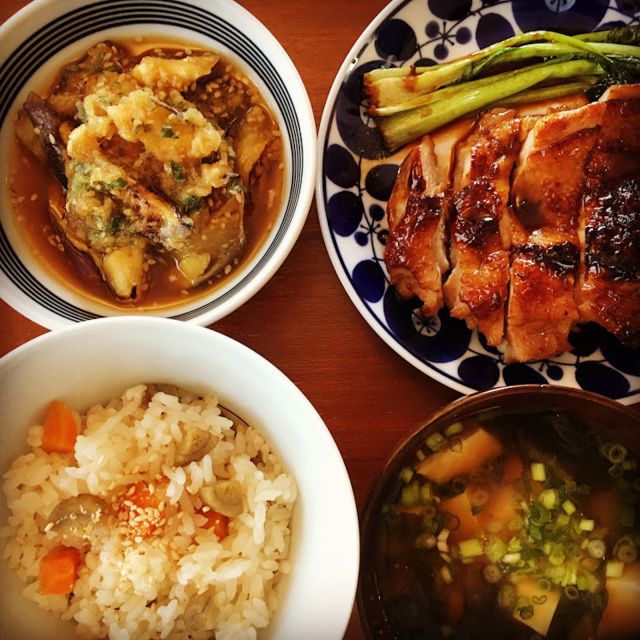
Seasonal cooking can sound like a slogan until someone explains it in kitchen terms. In this class, the idea shows up as how Chef Sato selects ingredients and how he talks about them.
You’ll hear the logic behind Japanese flavors, especially around staples like:
- miso (used in soups and as a flavor base)
- tofu (handled in a way that keeps it light and clean)
- rice and how it anchors the meal
- side dishes that balance richness, saltiness, and freshness
People also highlight that Chef Sato connects cooking to philosophy. You might hear family stories, and you’ll understand why the seasonal approach matters. That matters for you because it teaches a method you can apply even when you can’t find the exact same ingredients. You’ll learn to think in categories: what seasonally fits, what textures contrast, and how the meal stays balanced.
And yes, you’ll likely pick up small technical tricks. One example mentioned learning how to deal with odd potato spots. It’s a small moment, but it’s also the kind of real-world know-how that chefs guard.
That optional 1 PM to 3:30 PM Tokyo walk after the morning class
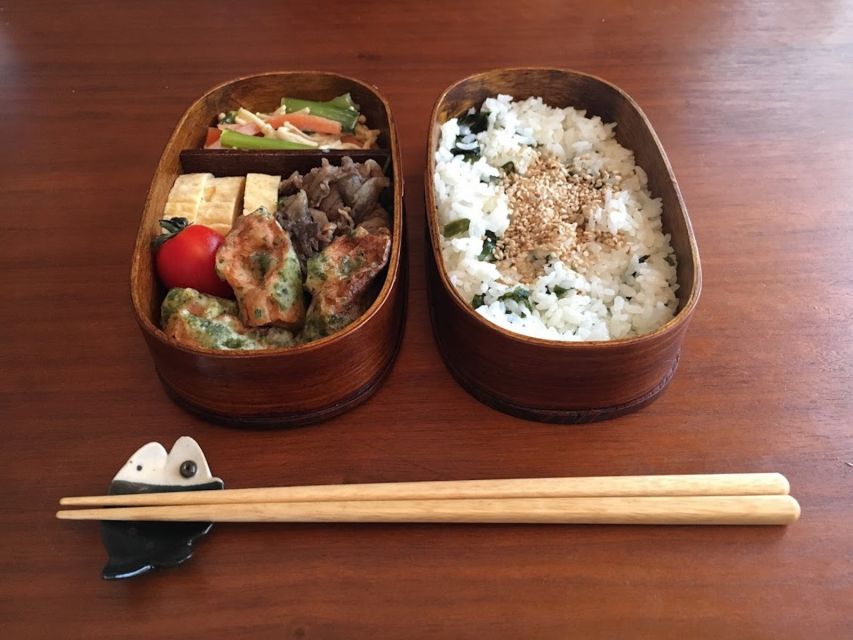
If you take the morning session, there’s an optional short trip from 1 PM to 3:30 PM. The idea is simple: after you cook, you go out and see parts of Tokyo that don’t always show up in standard itineraries.
This walk is described as going to amazing places not found in guide books, and you can get a sense of what daily Tokyo life looks like in that neighborhood web. Some groups mention areas like Shinjuku and even Nakano as part of the stroll, depending on the day.
Why this adds value: food culture is local. A dish tastes different when you understand the neighborhood rhythm around it. Even if the walk isn’t long, you’ll come back with places to snack, small streets to remember, and a clearer map of how Tokyo actually moves.
If you’re planning a full itinerary that day, you should treat this as a real chunk of time. It’s not a quick photo stop. It’s part sightseeing, part neighborhood context.
Price and value for $120 per person: what you’re really paying for
At $120 per person, you’re paying for three things at once:
- instruction in English, in a home kitchen
- a full meal made by you (not just tasting bites)
- inclusion like a free drink and pickup guidance
Many cooking classes focus on the cooking only. Here, the meal is the point. You also get a relaxed atmosphere that encourages questions, plus the chance to learn techniques you can repeat at home. People repeatedly mention that Chef Sato is generous with explanations and time, and that you end up eating something truly delicious, not a token portion.
Is it expensive compared with a supermarket snack crawl? Yes. But it’s not expensive compared with the cost of guided experiences where you get a skill plus a meal plus a local neighborhood touch. If you care about taking something home, in your hands and in your notebook, the price starts to make sense.
Also, the class is private. That matters. A private group means you’re more likely to get direct help during cooking, not generic group instructions.
Who this is perfect for (and who should think twice)
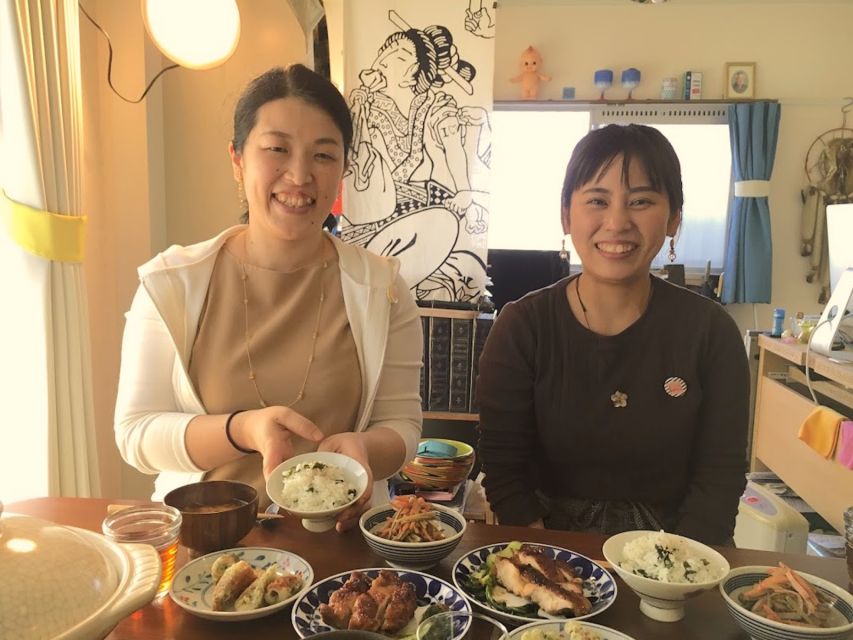
This class is best for you if:
- you want a hands-on skill, not just eating
- you enjoy chatting with locals and learning the story behind food
- you like Japanese cuisine and want to understand seasonal choices
- you want to see Tokyo beyond big-name sights, including neighborhoods like Shinjuku
It’s also a great fit for first-time home cooks. The environment is described as relaxed and stress-free, with patient guidance while you participate.
One consideration to keep in mind: because the menu depends on the weekday, you might not get your exact dream dish every time. If you’re very specific about needing gyoza and ramen together, you’ll want to choose your day around the popular-food schedule and be ready for the menu to follow its own logic.
Another practical consideration: the experience is in a home apartment setting. If you’re expecting a restaurant-style walkthrough, you may need to adjust your mindset. This is more like cooking with a host in their space.
Practical tips so you get the most from the class
A few ideas to make your day smoother:
- Pick your weekday based on what style you want, traditional teishoku structure or popular comfort-food dishes.
- Come hungry. You’re cooking and then eating what you make.
- Ask questions while you’re cooking. This class works best when you engage, not when you stay quiet.
- Use the handouts afterward. If you’re the type who forgets recipes, treat the printed guides like your cooking backup plan.
- After the morning class, if you add the optional trip, plan lighter evening time. You’ll be full, and you’ll likely want to pace your next meal.
Chef Sato’s English instruction is a big plus. You shouldn’t feel lost mid-dish, and you’ll be able to ask about ingredients, timing, and technique.
Should you book this Tokyo private cooking class?
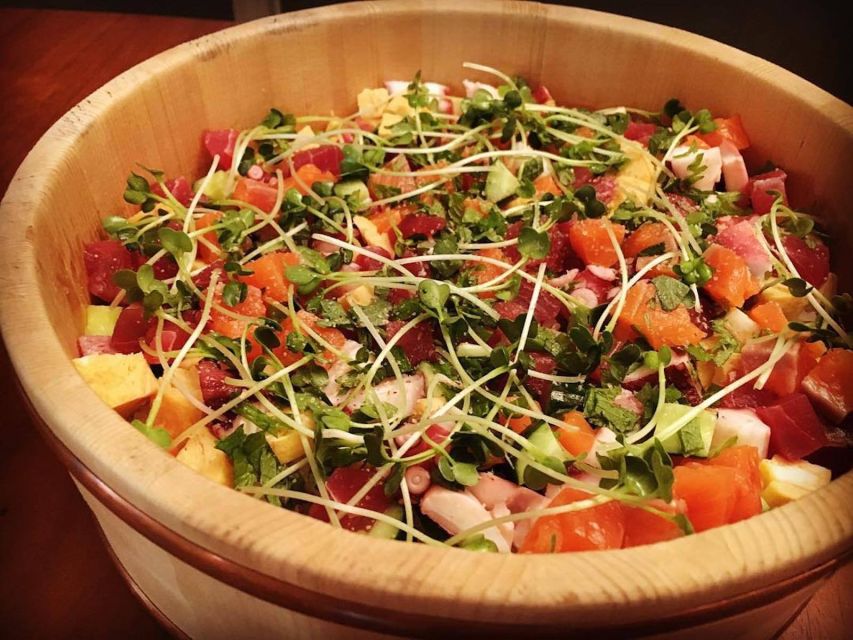
I think you should book it if you want a real skill-based Tokyo food experience. The reasons are straightforward: you cook 2 to 4 dishes in a home kitchen, you learn through participation, and you leave with both food and practical recipes. The seasonal focus also makes it more than a one-off meal. You’ll understand how Japanese cooks think about balance.
You might skip it if your schedule is tight and you only want the shortest possible activity, since even the core class is 3 hours and the morning option can stretch to 3:30 PM. Also, if you’re extremely picky about which exact dishes you want, know that the weekday menu controls the plan.
If your goal is to go beyond eating and actually learn the method behind Japanese flavors, this is one of the strongest ways to spend time in Tokyo.
FAQ
Where is the meeting point for the class?
You meet at Shinjuku Station east exit police box (3-38-38-1, Shinjuku, Shinjuku-ku, Tokyo 160-0022). Pickup is included.
What time does the morning and evening class run?
Morning class runs 10:30AM to 1PM. Evening class runs 6PM to 8:30PM.
How long is the experience?
The class itself is about 3 hours. The experience can total up to 270 minutes if you include the optional outing after the morning class.
What menu will we cook?
The menu depends on the day of the week. Traditional days are Saturday through Tuesday, and popular food days are Wednesday through Friday. You will cook one of the menus with 2 to 4 items.
What kinds of dishes are offered?
Traditional days include teishoku (a set meal with rice, seasonal main dish, and two seasonal side dishes), or options like donburi, obento, tonjiru, and rice balls. Popular days may include dishes like curry rice, okonomiyaki, gyoza, ramen, kara-age, and yakisoba.
Is an English instructor provided?
Yes. The instructor speaks English.
What’s included with the class?
Meals are included, along with a free drink of Japanese barley tea. Pickup at the meeting point is also included.
Is there anything after the morning class?
Yes. An optional short trip runs daily after the morning class from 1PM to 3:30PM, and it goes to places not found in guide books.
What are the cancellation and payment options?
Free cancellation is available up to 24 hours in advance for a full refund. There is also a reserve now, pay later option.
Fresh options around Tokyo
- Tokyo: Nikko Kegon Falls Lake Chuzenji Toshogu Temple & More★ 4.9 · 12 reviews
- Tokyo: Samurai History Walking Tour★ 5.0 · 12 reviews
- Harajuku: Kawaii Fashion and Pop-Culture Tour★ 4.7 · 12 reviews
- Tokyo: Mt. Fuji & Lake Kawaguchi Instagram Full Day Trip★ 4.1 · 12 reviews
- Shibuya Tokyo: Modern Kintsugi Workshop in Shibuya★ 5.0 · 12 reviews
- Tokyo: GTR Guided Daikoku Experience at Night★ 5.0 · 12 reviews
- Tokyo: Daikoku JDM Car Culture Tour★ 4.6 · 12 reviews
- Mt Fuji Private Day Trip from Tokyo with English speaking driver★ 5.0 · 13 reviews
Cooking Classes, compared.
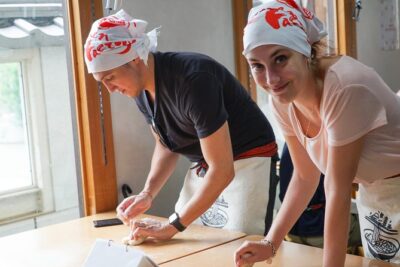
Ramen Cooking Class at Ramen Factory in Kyoto
Read our review →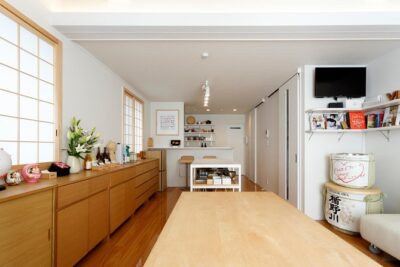
Ramen & Gyoza Cooking Class in Tokyo with Local Supermarket Visit
Read our review →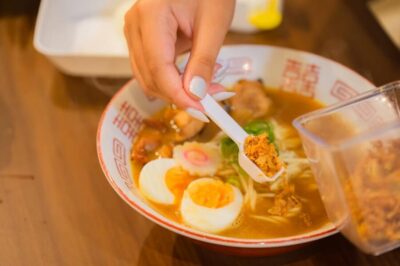
Ramen Cooking Class at a Ramen Factory with Souvenir
Read our review →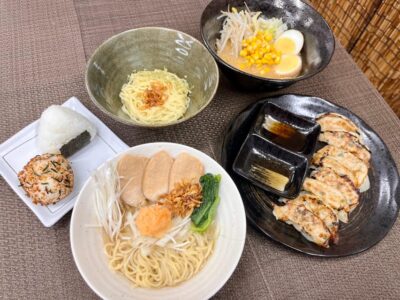
Japanese Washoku Bento Small Group Cooking Class
Read our review →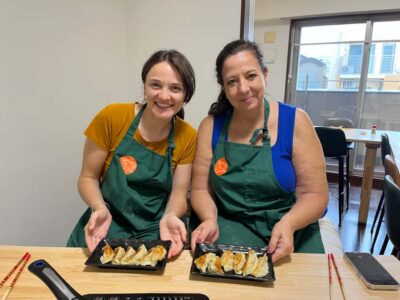
Easy Ramen Cooking Experience in Kabukicho, Shinjuku
Read our review →
Ramen and Sushi Cooking Class with Sake Pairing Set in Tokyo
Read our review →Browse the lists this tour appears in