
Reviewed · 1-DAY TOURS
Kyoto: Miyama Village, Amanohashidate & Ine Bay Day Trip
A morning by the sea sets the tone fast. This Kyoto day trip strings together three very different sights, from Ine Bay funaya boat houses to the pine-covered sandbar at Amanohashidate and the storybook calm of Miyama Kayabuki no Sato. I like that you get structured commentary plus time to roam on your own, especially in Ine, where the floating homes sit right above the water. The main thing to watch is the pace, a long day with shorter stops, plus optional add-ons like the cable car and any boat experience.
The biggest win here is the guide. Names that pop up in past departures include Liu San and Cave, and the common theme is clear explanations and smooth switching between languages (English, Japanese, and Traditional Chinese). One potential drawback is that extra paid viewpoints and boat-related activities can add up, and bad weather or holiday crowds can tighten the schedule.
Key Highlights You Should Not Miss
- Ine Bay funaya boat houses sitting above the sea, a rare waterfront village scene
- Amanohashidate’s pine-lined sandbar and the optional ropeway/cable car for a top panorama
- Chion-ji and Monju-do Hall for a more meaningful temple stop (not just photos)
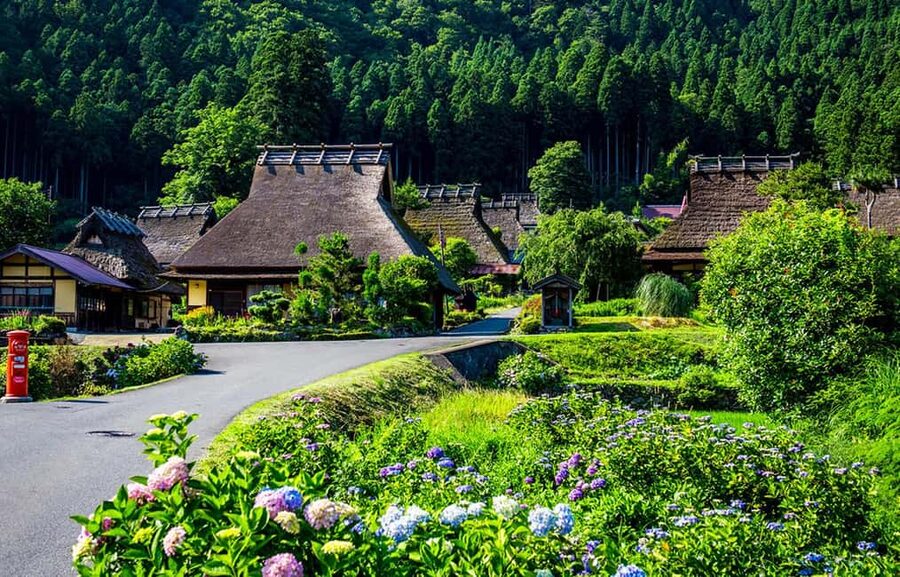
- The Miyama thatched village design and details like chigi and yukiwari that explain how homes endure winter
- Real free time built into the day, so you can linger where the views win
Osaka to Kyoto, Without the Train Stress
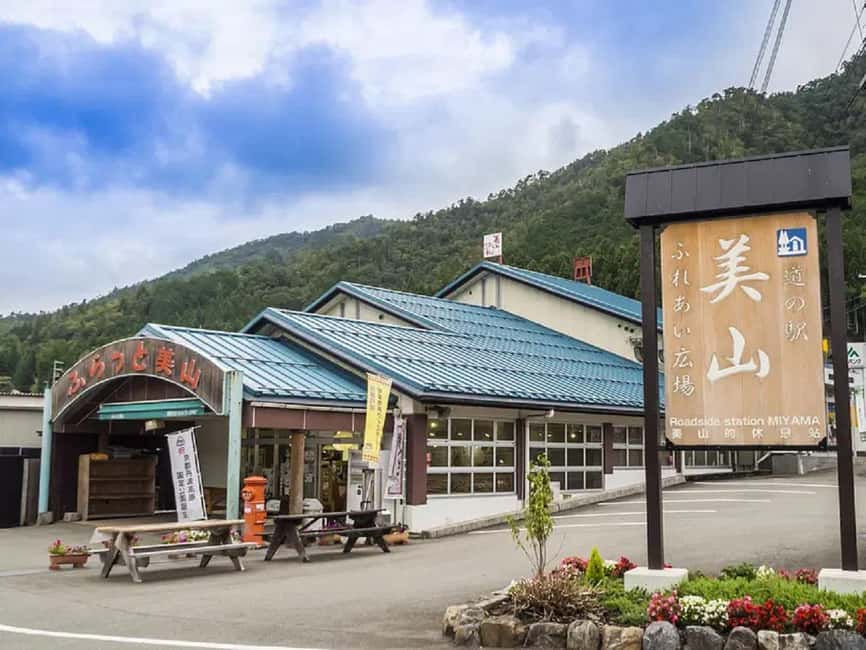
This trip starts in the Namba Shinsaibashi area at Nipponbashi Station Exit 2. You’ll meet around 7:05 AM and depart at 7:20 AM, and the bus leaves on time, no waiting for latecomers. If you want the calmest day, get there early, scope out the exact pickup area, and double-check any pre-trip email the night before (it can land in spam).
The comfort factor matters. You ride in an air-conditioned vehicle with a driver and a multi-language guide, and that is a big deal when you’re moving between three regions in a single day. You also pay for parking through the tour, which usually saves you time hunting down the logistics yourself.
The day runs about 10 hours, but the feel is more important than the number. You’re not doing nonstop walking, you’re sampling. That makes it a strong choice if you want iconic landscapes plus off-the-main-road countryside in one go.
A few more Kyoto days worth comparing
- PERFECT KYOTO 1-Day Bus Tour
★ 5.0 · 13,518 reviews - Kyoto: Fushimi Inari, Kinkakuji, Bamboo Grove 1 Day Bus Tour
★ 4.8 · 4,316 reviews - Kyoto: Tea Ceremony in a Traditional Tea House in Kiyomizu
★ 4.9 · 3,519 reviews
Ine Bay’s Funaya: Boat Houses That Still Live With the Tides
Ine Bay is where the tour turns from city day-trip to something quieter and stranger in the best way. You’ll head there first for a stop built around sightseeing and photos, then take a guided walk through the coastal village lanes. The signature view is the funaya: traditional two-story boat houses where the ground floor is for boats and the upper floor functions as living space.
The most memorable part is the setting. These homes appear to float, because they are built directly over the water, and the tides are part of daily life. You’ll likely spot the way families share the coastline with their work, not just viewing it from a distance.
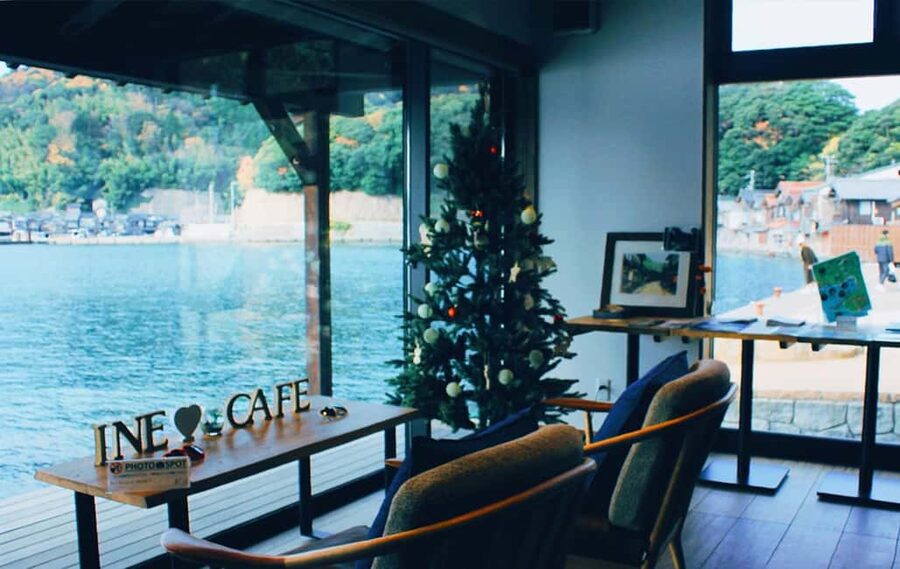
You’ll also have a little room to breathe. Expect a photo stop plus guided context, and you can pace yourself along the shoreline. Past departures include time for coffee at a seaside café with bay views, which is a great move if you want a break from photos while still staying in the scene.
One practical note from the tour info: be cautious of eagles in the area. It’s not something you plan around like a storm, but it is a good reminder to watch where you’re walking and keep your eyes open for wildlife near open spaces.
Amanohashidate: Sandbar, Pines, and the Flying Dragon View
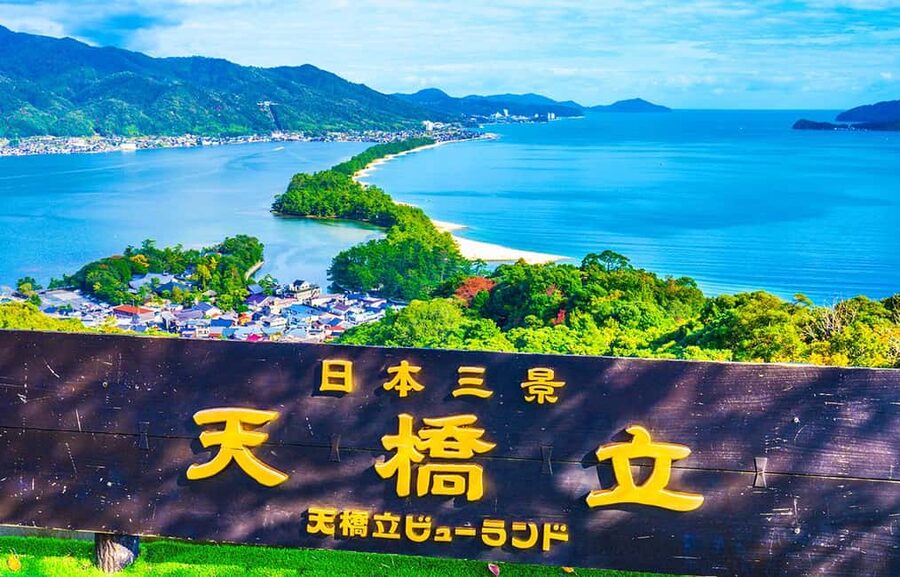
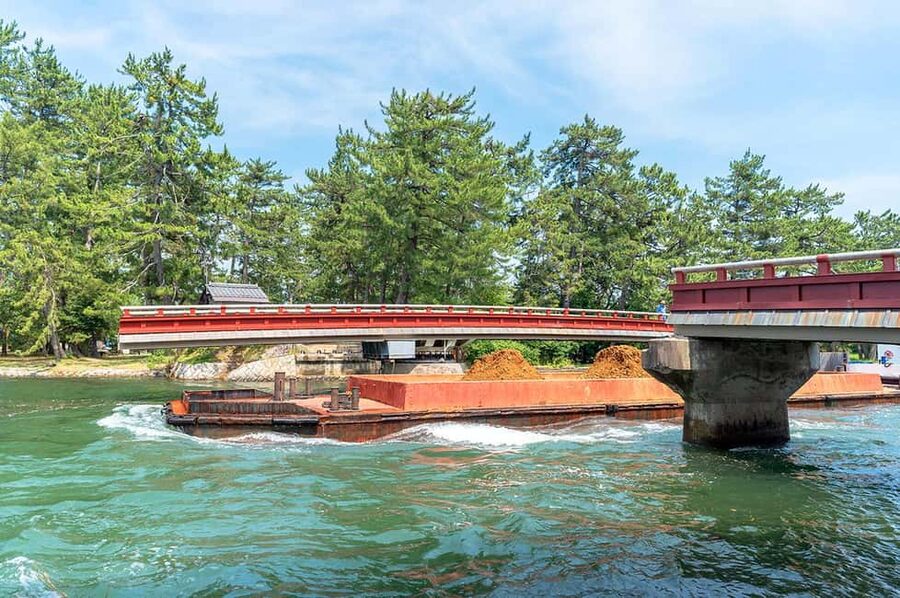
Next up is Amanohashidate, Japan’s “bridge to heaven” and one of the country’s top scenic spots. The highlight is the natural sandbar stretching about 3.6 kilometers, lined with over 8,000 pine trees that create that unmistakable long green sweep across the bay.
You’ll get guided commentary plus time to explore, and it includes a few classic stops that go beyond the postcard. One of the first things you should plan for is the viewpoint option: the cable car is self-paid, but it’s the easiest way to get that wide panorama, often called the Flying Dragon View.
If you like small rituals, Amanohashidate has a fun cultural element tied to good fortune. The tour includes a suggestion to view the scenery upside down between your legs. It sounds silly, and then you do it, and suddenly you’re part of the tradition.
You’ll also visit Chion-ji Temple and Monju-do Hall, sacred places where the focus is more on respectful prayer than snapping pictures. After that, there’s time at the beach area for photos and independent wandering, plus a stop at Amanohashidate Shrine.
Don’t skip the water stop. The Isoshimizu Spring is listed among Japan’s top 100 natural waters in the tour info. If you want the full experience, do the basic cleansing ritual before making a wish, it takes seconds and it ties the whole place together.
Two realistic considerations:
- The sandbar is iconic, but it is also busy, so you’ll want to manage expectations on crowd flow.
- You may find your time feels tighter here than you hoped if you love one sight and want more minutes. This is the common tradeoff with a day trip that tries to cover three major regions.
Miyama Kayabuki no Sato: Stepping Into a Thatched-Roof Time Capsule
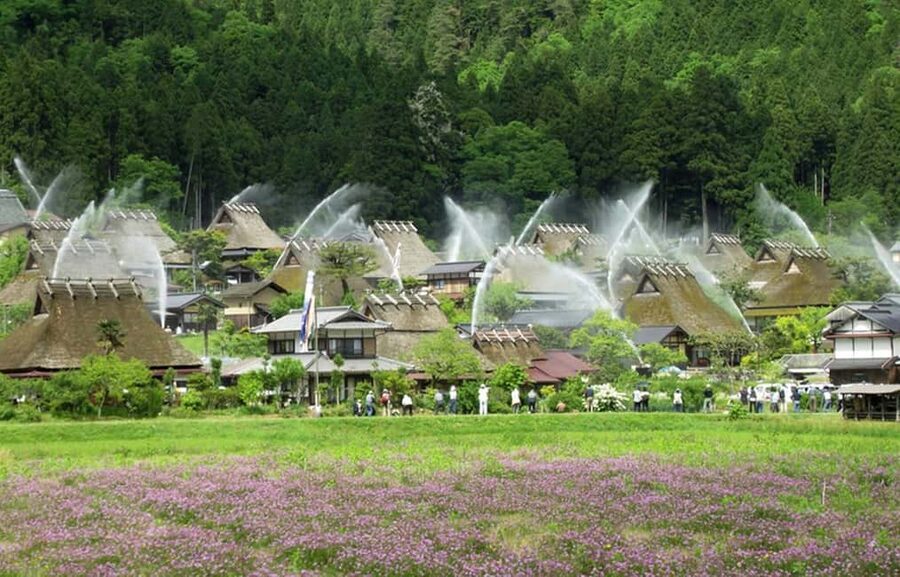
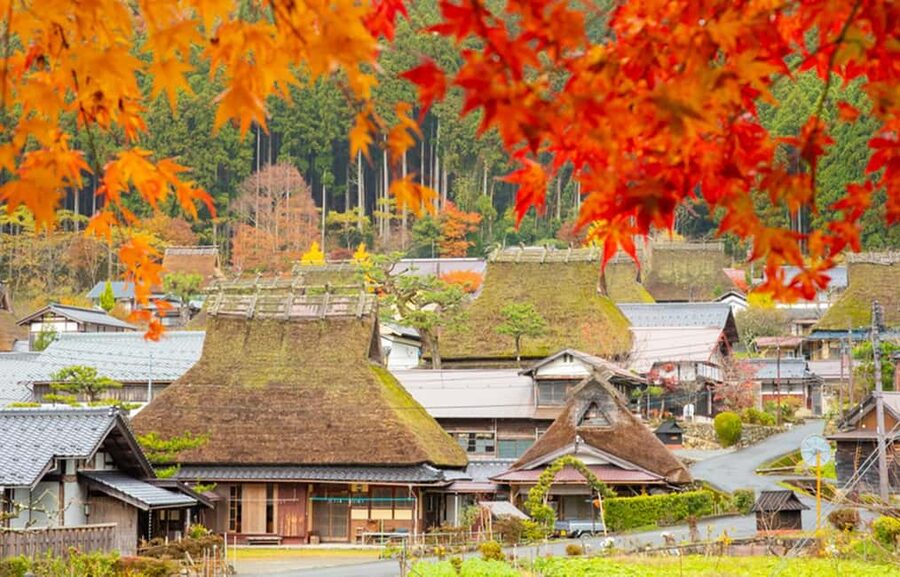
The final destination is Miyama Kayabuki no Sato, a mountain-side village that feels like a storybook. Miyama is known as one of the remaining thatched-roof villages in Japan, and the tour info emphasizes that it contains over 40 Edo-period style houses.
What makes Miyama more than a photo spot is the architectural detail. You’ll learn about how the homes are designed to last, including chigi (the crisscross beams) and yukiwari (snow-cutting rods). Those bits of structure explain the village’s relationship with winter weather, not just its aesthetic.
You’ll also have a chance to go inside a preserved thatched house. That interior look helps you understand scale and materials, and it’s the kind of detail you miss if you only pass by from the street. The tour includes a guided visit plus a short photo stop, which is ideal if you want context without standing around too long.
Food and breaks are built in. There’s time at Café Gallery Saika, and the tour notes creamy local ice cream while you watch the quiet village views. Even if you skip the café, the whole point is that the village slows your pace. It’s the calm payoff after bus rides and sea air.
Same corner of Japan, a different kind of day:
- Kyoto Geisha Walking Tour: Gion District & Hidden Gems
★ 4.7 · 3,273 reviews - Kyoto: Tea Ceremony Ju-An at Jotokuji Temple
★ 4.9 · 3,207 reviews - Kyoto: Gion Magical Night Walking Tour with Geisha Trivia
★ 4.9 · 2,393 reviews - Kyoto: 45-Minute Tea Ceremony Lesson Experience
★ 4.3 · 2,378 reviews
How the Day Paces Out, and Where It Can Feel Tight
This is a structured day trip, so it helps to understand the rhythm. You’ll spend time on a mix of photo stops, guided tours, and independent free time. The stop at Ine is fairly short, then Amanohashidate gets the bigger attention block, and Miyama has a compact guided window.
That setup is great for covering variety. You leave with sea views, a major national scenic icon, and a mountain village architecture lesson. It’s also why the day can feel long, because your travel segments stack up in between.
The tour info flags delays as a possibility on busy Japanese holidays and peak seasons. If that happens, some attractions may be shortened or rescheduled, and it’s smart not to schedule tight onward plans after your return.
If you’re the type who likes to linger for an hour with one view, you should be honest with yourself. This trip gives you enough time to appreciate and photograph, but not enough time to be fully bored with it. If you want a slower, deeper village day, you may prefer staying overnight elsewhere.
Price and Value: What Your $63 Gets You, Plus Extras
At $63 per person for a roughly 10-hour outing, this tour is built for value in three ways: transport, interpretation, and logistics handled for you. You get round-trip transportation from central Osaka, a comfortable air-conditioned vehicle, a parking fee covered, and a driver. You also get a guide with English, Japanese, and Traditional Chinese support, which is more than a simple audio tour would provide.
What is not included matters for budgeting. Lunch is not included, and personal expenses are on you. Also, key viewpoint or boat-style experiences may cost extra. The tour info specifically says the cable car is self-paid. One past guest also noted added cost for a boat ride and the land view, around Aud 50, so it’s smart to carry cash and set aside a little buffer.
Cash is useful here even if you usually pay by card. The tour info recommends bringing cash because some places and small purchases may only accept cash.
In plain terms: if you budget for one or two optional add-ons and you treat lunch as your own break, the rest of the day feels like a good deal for the distance you cover and the fact that someone else drives.
Small Tips That Make This Day Trip Feel Effortless
These are the practical details that make the difference between a smooth day and a scramble.
Wear comfortable shoes. You’ll be walking uneven paths and moving between viewpoints, shrines, and village lanes. Bring sunglasses too, especially for the seaside glare at Ine and the bright pine-lined sandbar at Amanohashidate.
Bring a camera, but also your curiosity. The tour guide content is part of the value, especially at Chion-ji and the Miyama architecture explanations. If you ask quick questions, you usually get quick answers in the language you need because guides are switching between languages during the day.
Plan to bring some cash for small purchases. Also, stick with weather-appropriate clothing. The day is outdoors for much of the experience, and you’ll enjoy it more if you’re not cold or sweaty.
One rule to remember: feeding animals is not allowed. That keeps the experiences clean and protects the local environment.
Who Should Book, and Who Should Skip This One
This day trip works best if you want a balanced sampler. You like nature and scenic icons, you enjoy cultural stops like temple and shrine visits, and you also want a rural contrast at the end in Miyama. It’s also a strong fit for solo travelers because the group format plus guide commentary reduces the stress of getting from place to place.
It is not a great fit for everyone. The tour info says it is not suitable for people with mobility impairments, so if walking long distances or uneven ground is a concern, you should look for an option with different accessibility planning.
If you hate being on a bus all day, you might feel the time. But if you treat the ride as transit and focus on each stop, the day becomes enjoyable rather than draining.
Should You Book This Kyoto, Ine, and Miyama Day Trip?
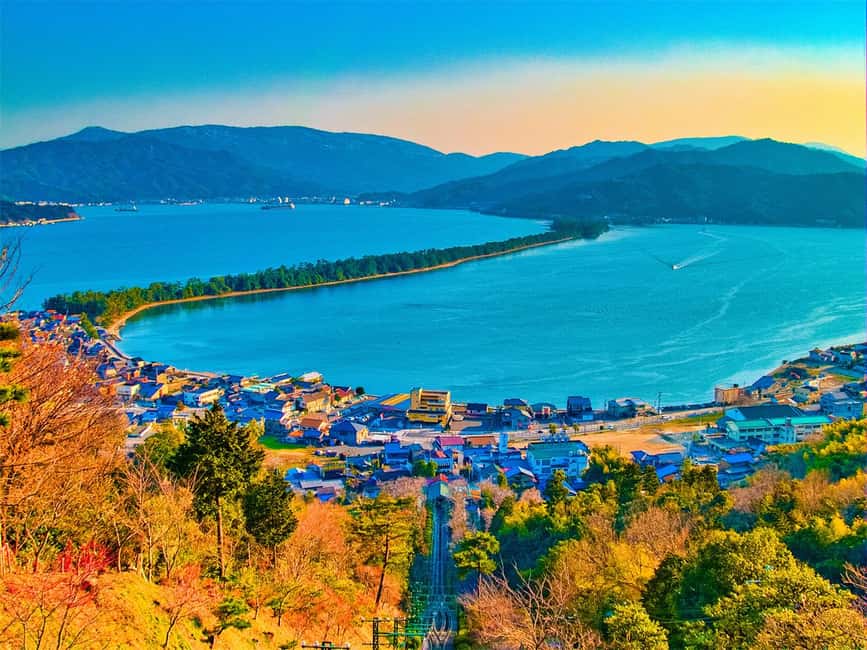
I’d book it if you want an efficient, scenic day that covers three very different landscapes without you having to coordinate trains, timing, and local transfers yourself. The combination of Ine Bay’s funaya atmosphere, Amanohashidate’s iconic sandbar and viewpoints, and Miyama’s thatched-roof architecture gives you a full slice of Japan beyond the Osaka-to-Kyoto highlights.
I’d skip or reconsider if you need lots of free time in just one place, or if extra fees for optional rides and a tight schedule would annoy you. Also, if cash-only purchases and optional add-ons are not your style, you’ll feel less in control of the day’s final cost.
If you do book, show up early at Nipponbashi Station Exit 2, keep one hour of flexibility in your head, and budget a little for self-paid viewpoints. You’ll end the day with sea views behind you and a quiet mountain village memory in your pocket.
FAQ
Where does the tour meet and when does it depart?
Meet at Nipponbashi Station Exit 2 in the Namba Shinsaibashi area. The tour meeting time is 7:05 AM, and it departs at 7:20 AM.
How long is the trip?
The duration is about 10 hours.
What’s included in the price?
You get an English-Japanese-Traditional Chinese speaking tour guide, comfortable bus transport, a driver, and the parking fee.
What is not included?
Lunch and personal expenses are not included.
What languages are available for the guide?
The guide is available in English, Japanese, and Traditional Chinese.
What should I bring for the day?
Bring comfortable shoes, sunglasses, a camera, some cash, and weather-appropriate clothing.
Is the cable car included?
The tour includes a cable car opportunity, and the tour info says it is self-paid.
Is the tour suitable for mobility impairments?
No. The tour info says it is not suitable for people with mobility impairments.
Can I cancel?
Yes. The tour offers free cancellation up to 24 hours in advance for a full refund.
Fresh options around Kyoto
- Kyoto: Fushimi Inari Taisha Shrine Walking Tour with Guide★ 4.8 · 18 reviews
- A Privately Guided Photoshoot in Beautiful Kyoto by a Pro★ 5.0 · 18 reviews
- Sekka Cotton Furoshiki Class★ 5.0 · 19 reviews
- Natural Indigo Dyeing with Local Masters (Private Atelier)★ 5.0 · 19 reviews
- Kyoto: Personalized Guided Private Tour★ 4.8 · 19 reviews
- Kyoto: Quiet and Graceful Tea Ceremony★ 4.5 · 19 reviews
- Oboro | Mindful Tea Ceremony in a 100-Year-Old Kyoto Teahouse★ 5.0 · 19 reviews
- Ikebana Traditional Japanese Art of Flower Arranging★ 4.5 · 19 reviews
1-Day Tours, compared.
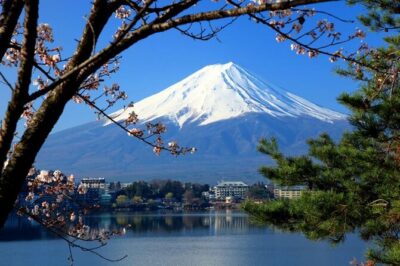
Mt Fuji and Hakone 1-Day Bus Tour Return by Bullet Train
Read our review →
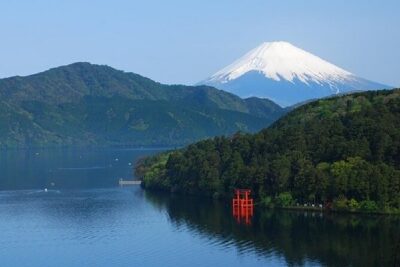
Mt Fuji & Hakone Cruise, Drum Show Bullet Train 1 Day from Tokyo
Read our review →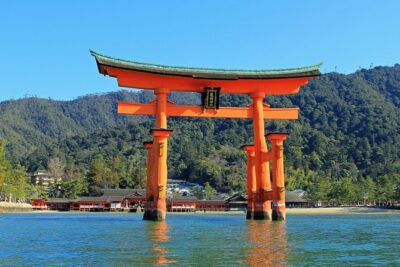
Peaceful Hiroshima & Miyajima UNESCO 1 Day Bus Tour
Read our review →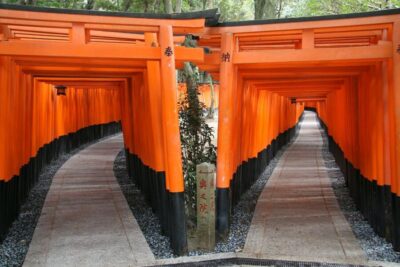
Fushimi Inari, Kinkakuji, Bamboo Grove 1 Day Bus Tour
Read our review →
Browse the lists this tour appears in