
Reviewed · SAMURAI & NINJA EXPERIENCES
Kyoto: Forge Your Own Ninja Weapon with Japanese Tin Casting
Tin casting in Kyoto feels like hands-on magic. You’ll melt and cast real metal to make a ninja weapon you can actually keep, guided by skilled instructors and a clear step-by-step process.
What I like most is the chance to craft something authentic, not a souvenir copy, and the way the workshop walks you from mold design to final oil finish. One thing to plan for: there’s no water provided, so bring a drink.
Key things you should know
- A real keepsake, made by you: you finish and take home a metal ninja piece in a dedicated box.
- Hands-on tin casting: you’ll melt tin, pour it into a mold, cool it, and refine the details.
- Choose your design: shuriken, kunai, or an oni-inspired metal mask, with add-ons for extra style.
- Beginner-friendly with staff support: this works well even if you’ve never done metalwork before.
- Easy location: about a 3-minute walk from Demachiyanagi Station, making it simple to plug into a Kyoto day.
- Photos and videos are part of the fun: you can document the process while you work.
Tin Casting in Kyoto: The Short Walk From Demachiyanagi
Kyoto is full of great crafts, but this one is special because you’re not just watching. You’re making something with your own hands, starting with casting sand and ending with a finished piece you can put on a shelf.
The studio is close to transit, around a 3-minute walk from Demachiyanagi Station. That matters because Kyoto days can get packed. Having a workshop that’s easy to reach reduces stress, and you can spend more time on your main plans, like temples and neighborhoods, instead of losing half your day to getting somewhere.
Before you go, know the practical side of tin casting: tin melts at about 230 degrees, and the workshop is set up to let beginners participate with staff guidance. You’re working with metal and tools, so you’ll want to show up ready to follow directions and slow down for safety.
Also, a heads-up from the setup itself: there’s no water, and drinking water is not listed as something included. Bring drinks so you’re comfortable during the session. That little detail makes the difference between having a relaxed time and feeling rushed.
More Samurai & Ninja Experiences in Kyoto
- Kyoto Samurai Experience
★ 5.0 · 1,294 reviews - Kyoto: Kendo and Samurai Experience with Uniform and Gear
★ 4.9 · 815 reviews - Kyoto: Samurai Sword Class by Experts in Traditional Arts
★ 4.9 · 657 reviews
Choosing Your Ninja Weapon: Shuriken, Kunai, or Oni Mask
The workshop centers on one main decision: what do you want to craft? You can create a shuriken, a kunai (ninja knife), or an oni-inspired metal mask. The format is designed so the process feels manageable, even though you’re working with real metal.
Here’s how the options usually play out in terms of experience:
- Shuriken or kunai (about 2 hours): you’ll go through the full casting flow and spend time shaping and polishing so the final edges look clean.
- Oni mask (about 2.5 hours): you’ll have a bit more time, plus extra finishing steps.
The mask option is where you can lean into dramatic style. You can add gold leaf for a punchier look, and you’ll also be able to attach a cord so it can be worn or displayed. That turns the item from purely collectible to something you can actually use for photos.
Size is another detail worth knowing early: the finished weapon is about 8 to 10 cm. That’s perfect for bringing home, easy to pack, and realistic for a workshop setting. It also means you’re not waiting for a large item to cure or finish. You’ll leave with something photo-ready and boxed.
From Casting Sand to Molten Tin: What You’ll Do in the Workshop
The heart of the experience is the sequence from mold to metal. This is where you learn what makes Japanese tin casting distinct: the mold is key, and the metal is only part of the story.
You typically start by designing and committing to your chosen piece. Next comes the mold stage, using special casting sand. You form the mold so it defines the final shape. This step is surprisingly important because it determines how crisp your details will be when the metal comes out.
Then you move into the main event: melting the tin and pouring it into the mold. You’ll do it under staff supervision, and the whole point is that the process is learnable. You’re not expected to already know what you’re doing. You’re guided through each step and allowed to participate.
After the pour, the metal goes through cooling in water. This rapid cooling is part of why the workshop works efficiently in a short time. You’re able to move from molten metal to a solid piece without waiting around for hours.
One practical note: the workshop is set up for a focused experience, and food, alcohol, and party groups are not allowed. The rules help keep the environment safe and on track while multiple people are working with tools and hot materials.
Shaping and Polishing: Turning a Casting Into a Real Weapon
Once your piece is solid, the workshop shifts from casting to craftsmanship. This is where your weapon starts to look like the design you imagined.
You’ll use tools to smooth and refine the surface, and you’ll work toward clean edges and clearer definition. The materials for shaping include files, and the workshop also uses grinders according to the process flow. You’ll be supervised as you work, and staff help you correct mistakes before they become permanent.
The included tools and materials are part of why this feels fair for the price. You’re not stuck trying to replicate a craft at home with random hardware store supplies. The workshop provides what you need, plus an apron rental and equipment rental, so you can focus on learning and creating.
This is also where photos become extra fun. You can capture the transformation, from rough cast to something sharp-looking and detailed. The experience is built for that documentation, and it’s a good moment to slow down and check the piece while you’re working.
If you’re the kind of person who likes finishing touches, this is the segment you’ll enjoy most. It’s one thing to cast metal. It’s another to shape it into a piece that feels deliberate.
More samurai and ninja experiences in Kyoto:
- Skip the lines Basic Ticket at SAMURAI NINJA MUSEUM KYOTO
★ 4.5 · 632 reviews - Ninja 1-hour Hands-on Lesson by Japanese master in Kyoto -Entry
★ 5.0 · 489 reviews - Kyoto: Ninja Weapon Forging Experience
★ 4.8 · 478 reviews - Kyoto: Samurai Kenbu Traditional Sword Dancing Show
★ 4.5 · 426 reviews
Finishing Steps That Make It Last: Rust Protection and Oil
Raw tin can look fine right after casting, but the workshop adds finishing to make the piece more presentable and durable for everyday handling. You’ll do a rust-preventive soak, then apply protective oil as the final step.
This is one of those unglamorous details that matters. A souvenir that degrades quickly is disappointing, especially when you made it yourself. The soak and oil help preserve the look and make the finished weapon easier to keep as a long-term memento.
If you chose the oni mask option, the finish can include gold leaf, which adds a dramatic accent. If you attach a cord, it becomes more than a display piece, giving you flexibility for photos and keepsake style.
The workshop also provides each item with a dedicated box. That matters more than it sounds. You’re walking away with an object that you shaped, and the box helps with packing and safe transport back into your Kyoto day and beyond.
Timing and Energy Levels: How to Fit 2 to 2.5 Hours in Kyoto
This experience is short enough to slot into a half-day plan, but long enough to feel complete. The typical duration is:
- Shuriken or kunai: about 2 hours
- Oni mask: about 2.5 hours
The workshop notes that completion times may vary, so I recommend arriving with flexibility rather than planning another reservation right on the dot.
In terms of pacing, the workshop flow has natural moments where you stop and reset, like cooling, tool changes, and finishing steps. That keeps the time from feeling like constant labor. It also gives you small windows to ask questions and get reassurance.
Bring a drink, and if you’re doing this alongside other Kyoto stops, plan to eat before or after. Food is not allowed during the workshop, and the environment is focused on crafting rather than snacking. A quick meal nearby makes the experience easier and more comfortable.
Value and Price: Is $103 Fair for a Real Metal Souvenir?
At $103 per person, this isn’t a cheap craft class. But for what you get, it’s easy to see why it lands as good value.
You’re paying for several things at once:
- Real tin and casting materials for the weapon you take home
- Tools and equipment rental, plus apron rental
- Staff guidance through the most intimidating steps, like melting and pouring metal
- Shaping, finishing, and protective treatment, so the result looks intentional and lasts longer than a basic souvenir
Many Kyoto activities include a nice object at the end, but not all of them let you make the core item yourself. Here, the entire process is about you shaping the outcome. That’s why the cost feels more like a workshop price than a museum admission price.
One more detail that supports value: the finished size is 8 to 10 cm, and it arrives boxed. That makes it practical to bring home, and you don’t need special storage skills.
If you’re deciding between a standard tourist experience and a hands-on craft that you can carry as a real keepsake, this is the type of option that usually wins. The memory is tied to something physical you made.
Who Should Book This Workshop (and Who Might Not Love It)
This is a strong fit if you want:
- A hands-on Kyoto activity with a clear beginning and end
- A unique souvenir made from a traditional-style process
- Something fun for adults, couples, or families with kids old enough to participate safely
- A craft experience with English and Japanese support
It’s also described as suitable for beginners and children with staff assistance. There are age limits, though. It’s not suitable for babies under 1 year, children under 5 years, and people over 95 years. Participants under 15 years need a guardian.
If you’re traveling with kids, this can be especially rewarding because the “I made this” factor tends to hit hard at that age. Some sessions may even end up more personal, depending on how the day is scheduled, so you might get lots of attention while you work.
If you hate rules, this might not be for you. Food, alcohol and drugs, smoking, and party groups are not allowed, and making fire is not permitted. The workshop is designed to stay focused and controlled, which helps the quality of your final piece.
And if you’re expecting a big guided sightseeing tour, this is not that. This is a craft workshop. Your payoff is the item in your hands and the skills you practice along the way.
Should You Book Kyoto Ninja Weapon Tin Casting?
I think you should book this if you want a Kyoto souvenir that feels earned. It’s not a printed charm or a generic replica. You’ll make a real metal ninja weapon using tin casting methods, then finish it properly with rust protection and oil. The location near Demachiyanagi Station is a real practical win, and the time window is easy to manage.
Choose the shuriken or kunai if you want a straightforward, classic design and a clean 2-hour block. Choose the oni mask if you want more time and extra visual flair like gold leaf and the option of a cord.
Don’t overthink it, but do plan around two small things: bring a drink since no water is provided, and be ready for a rules-based, hands-on metalworking environment. If that sounds like your kind of travel, this is a strong pick.
FAQ
Where is the workshop located in Kyoto?
The studio is about a 3-minute walk from Demachiyanagi Station.
What can I make in this tin casting class?
You can create a shuriken, a kunai, or an oni-inspired metal mask.
How long does the experience take?
Shuriken and kunai take about 2 hours. The oni mask option takes about 2.5 hours. Times can vary.
What size weapon will I be able to make?
The finished piece is approximately 8 to 10 cm.
What is included in the price?
Your experience includes design help, making the mold, melting and casting tin, shaping (including hammering), smoothing with a file, soaking in rust-preventive solution, and coating with oil. You also get apron rental, equipment rental, materials for one weapon, and a dedicated box for your piece.
What should I bring?
You should bring drinks.
Are children allowed?
Children must meet age requirements. It is not suitable for babies under 1 year or children under 5 years. Participants under 15 years must be accompanied by a guardian.
What languages are offered during the workshop?
The instructors offer English and Japanese.
Is smoking or food allowed during the workshop?
Smoking is not allowed, and food is not allowed. Alcohol and drugs are also not allowed.
Is there an option to cancel or pay later?
Free cancellation is available up to 24 hours in advance for a full refund, and there is a reserve now and pay later option.
Fresh options around Kyoto
- Kyoto Aquarium Admission Ticket★ 4.7 · 12 reviews
- Kyoto Gion Photoshoot – Private Session | Pro Photographer★ 5.0 · 12 reviews
- Gyoza Cooking Class in Kyoto: Traditional Japanese Dumplings★ 5.0 · 12 reviews
- Kyoto: Guided Food Tour with 12 Dishes & 3 Drinks★ 5.0 · 12 reviews
- Kyoto: Avoid the Crowds at the Hidden Gems of Arashiyama★ 4.9 · 13 reviews
- Kyoto Early Bird English Tour: Gion & Higashiyama(Private opt)★ 5.0 · 13 reviews
- Otsu-e Folk Art Workshop & Local Culture Walk Near Kyoto★ 5.0 · 13 reviews
- Kyoto, Osaka, Nara Full Day tour by Car English speaking Driver★ 3.5 · 13 reviews
Samurai & Ninja Experiences, compared.

Samurai Ninja Museum Guided tour and Experience
Read our review →
Kendo and Samurai Experience with Uniform and Gear
Read our review →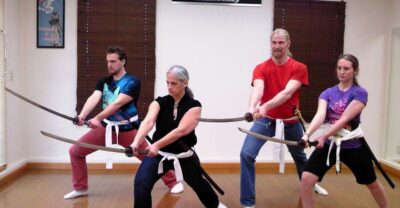
Samurai Sword Class by Experts in Traditional Arts
Read our review →
Skip the lines Basic Ticket at SAMURAI NINJA MUSEUM KYOTO
Read our review →
Samurai Sword & Archery Class from Samurai Descendant
Read our review →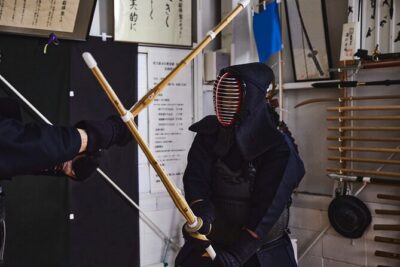
Browse the lists this tour appears in