
Reviewed · COOKING CLASSES
Kyoto: Japanese Washoku Bento Small Group Cooking Class
Bento is lunch with serious craft. In this Kyoto class, you cook a full washoku bento box with a chef, learning the core skills behind tempura, dashi, and tidy Japanese knife work. You’re not just eating Japanese food, you’re making the parts that make it feel so calm and precise.
I love the hands-on pace. You practice frying tempura, making dashi, and handling a knife in a way Japanese cooks aim for every day. I also like that the class ends with a big sit-down meal, where your bento turns into real lunch, not a demo.
One drawback to plan for is timing. The chef meets you at Kyoto Laundry Cafe near Saiin station, and if you arrive more than 15 minutes late, your spot can be canceled, so I suggest arriving early and taking your time.
Key highlights at a glance
- Small group, up to 5 people, so you get real attention while you cook
- Dashi from scratch, with the hands-on method behind the flavor base
- Tempura frying practice, plus the knife habits that make prep smoother
- Make four bento components, including sushi rolls, tempura, tofu salad, and a rolled omelette
- Washoku focus on balance, using fresh, seasonal ingredients for flavor and texture
- Chef-led English support, with past classes guided by chefs like Ai, Miyu, and Rie
Washoku bento in Kyoto, what you’re really learning
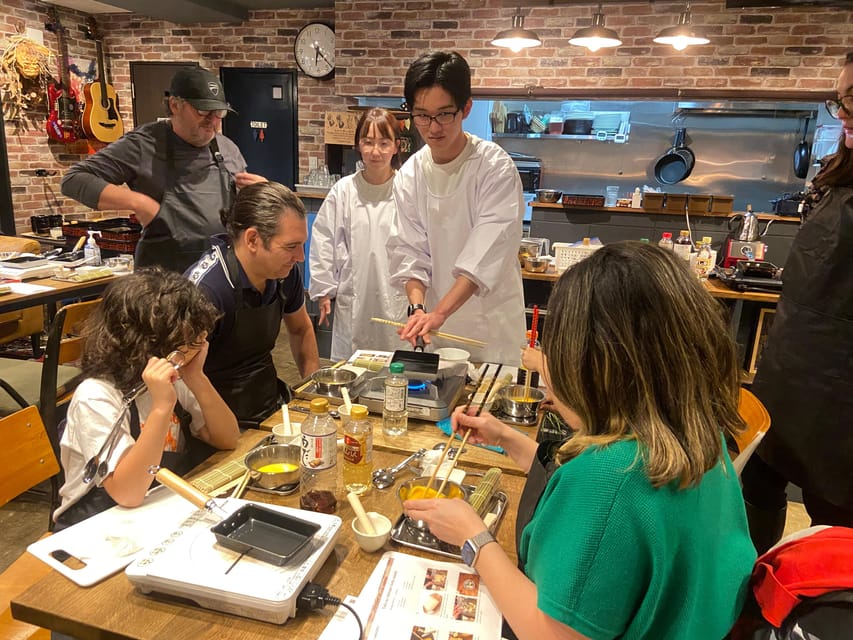
Kyoto is famous for dining out, but this is the kind of experience that teaches you what’s behind the meals. A bento box looks simple from the outside. Up close, it is organized taste: separate bites that work together through flavor balance, texture variety, and seasonal ingredients.
The class is built around washoku, Japan’s everyday approach to cooking. That means you’ll get more than a single recipe. You’ll learn why certain flavors are paired, why ingredients are cut and cooked a certain way, and how a homemade meal can still feel “designed.”
I especially like the way the skills connect. Dashi is a foundation flavor used in Japanese cooking, and it naturally shows up in bento preparation like rolled omelette. Then tempura adds contrast, crispy texture against softer bites. Put together, your bento teaches you the logic of Japanese lunches.
You’ll also notice the class has a practical rhythm. You cook, you eat, and you chat. It’s not rushed, but it keeps moving so you’re always doing something with your hands.
More Cooking Classes in Kyoto
- Ramen Cooking Class at Ramen Factory in Kyoto
★ 5.0 · 1,937 reviews - Kyoto: Ramen Cooking Class at a Ramen Factory with Souvenir
★ 4.9 · 532 reviews - Kyoto: Ramen, Gyoza, and Onigiri Cooking Class
★ 5.0 · 445 reviews
Meeting at Kyoto Laundry Cafe near Saiin Station
This class has a clear start point: Kyoto Laundry Cafe (Kyoto Laundry Cafe / 京都ランドリーカフェ). It’s set as the meeting location near Saiin station on the Hankyu line. The cafe is about five minutes from the station.
On the day, the chef comes to pick you up at the meeting point. That’s helpful because you don’t waste the first 20 minutes trying to find a hidden kitchen door.
Two practical notes I’d take seriously. First, use Google Maps for directions, not Instagram map pins. Second, don’t treat the meeting time like a suggestion. The program can cancel reservations if you show up more than 15 minutes late, so I recommend arriving 10 to 15 minutes early and settling in.
If you’re planning your day around famous Kyoto temples, consider giving yourself a buffer. Saiin is convenient for transit, but it’s not in the most central tourist cluster, so travel time can vary depending on where you start.
How the 150 minutes are likely to feel (and why it matters)
You have 150 minutes, which is long enough to actually build skill, not just taste and leave. A 2.5 hour cooking class can either feel chaotic or feel like a sequence. This one is designed to be a sequence.
Here’s what that usually looks like in practice based on how the class is structured:
- You start with the chef’s guidance on core tasks like knife handling and making dashi.
- You move into cooking components, including tempura frying practice.
- You assemble the bento and then sit down to eat together.
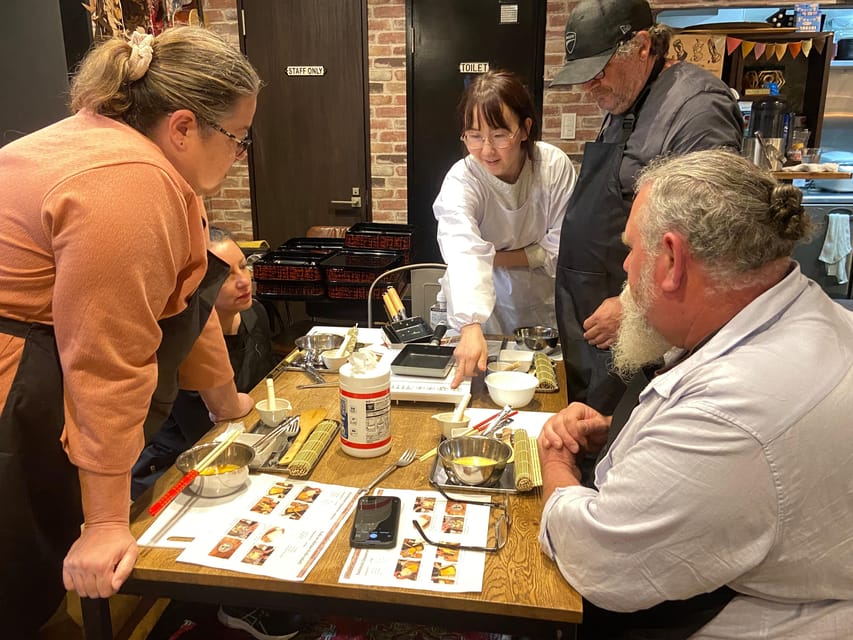
The best part is you’re doing it with a small group capped at 5 participants. That size matters because tempura and knife technique are not “watch only” topics. You need feedback, and you need time to practice your own cuts and motions.
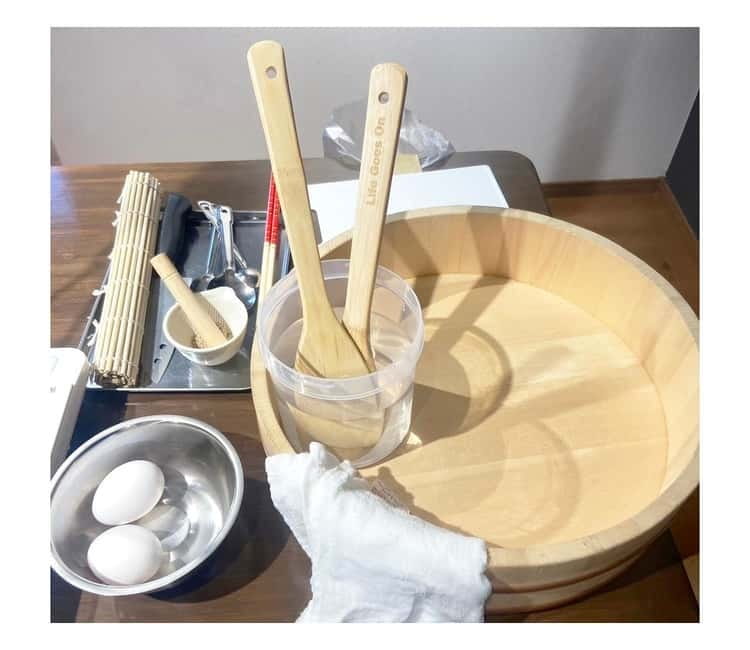
Also, the class includes aprons and other equipment. That removes one common barrier to cooking classes, which is showing up and immediately wondering whether you brought the right shoes or tools. You can just focus on cooking.
Getting your knife technique closer to how Japanese cooks work
Knife skills are one of the most underrated “leave with value” parts of a cooking class. Lots of classes teach recipes. Fewer teach technique.
In this bento class, you’ll get coaching on proper Japanese approach during knife work. That typically means learning how to grip, how to stabilize ingredients, and how to cut with intention rather than speed.
You’re not being asked to become a professional cook. But you do benefit from technique because it affects everything else you do in the class:
- Sushi rolls need neat, controlled prep
- Tempura needs ingredients cut so they fry evenly
- Rolled omelette and tofu salad look and taste better when components are portioned cleanly
One reason I like this kind of coaching is it’s transferable. Even if you never make tempura again, you’ll notice your cutting gets more consistent. That alone can make your home cooking feel less sloppy and more thoughtful.
Same corner of Japan, a different kind of day:
- PERFECT KYOTO 1-Day Bus Tour
★ 5.0 · 13,518 reviews - Kyoto: Fushimi Inari, Kinkakuji, Bamboo Grove 1 Day Bus Tour
★ 4.8 · 4,316 reviews - Kyoto: Tea Ceremony in a Traditional Tea House in Kiyomizu
★ 4.9 · 3,519 reviews - Kyoto Geisha Walking Tour: Gion District & Hidden Gems
★ 4.7 · 3,273 reviews
Dashi from scratch, the umami base that makes bento taste like bento
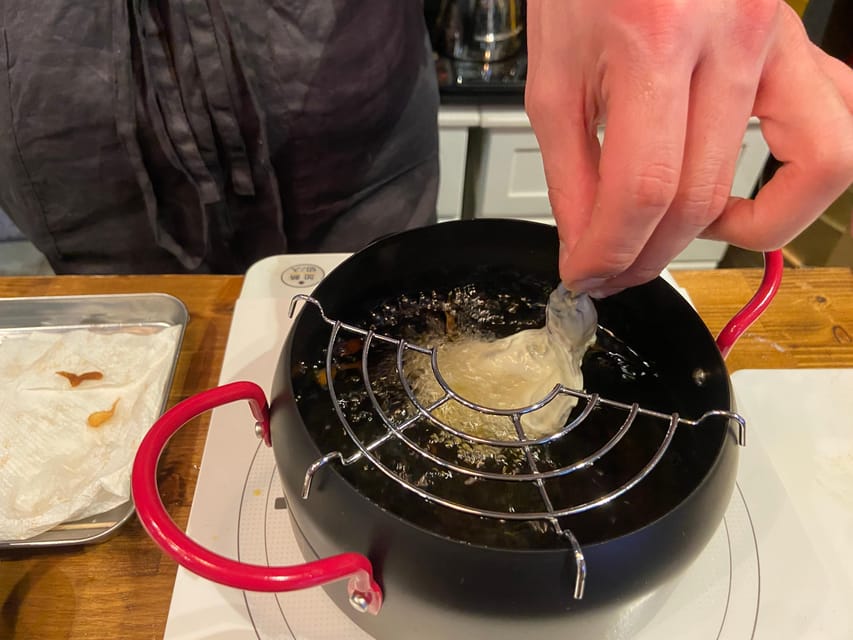
Dashi is the flavor foundation in a lot of Japanese cooking. It’s what gives many dishes that gentle depth instead of just salt or sweetness.
This class specifically includes learning how to make dashi stock from a local chef. You’ll get the method, not just the ingredients. That matters, because dashi is the kind of thing that tastes simple when you eat it, but it’s technique-driven when you try to make it.
Once you understand the logic of dashi, you start seeing it everywhere in washoku. It shows up as a backbone flavor, and it helps unify separate bento components into one meal.
In past sessions, chefs such as Ai and Rie have explained dashi clearly and kept the flow smooth while everyone cooked. If you’re the type who likes to know what you’re tasting, you’ll probably enjoy this part a lot.
Tempura frying practice, where “crispy” becomes a skill
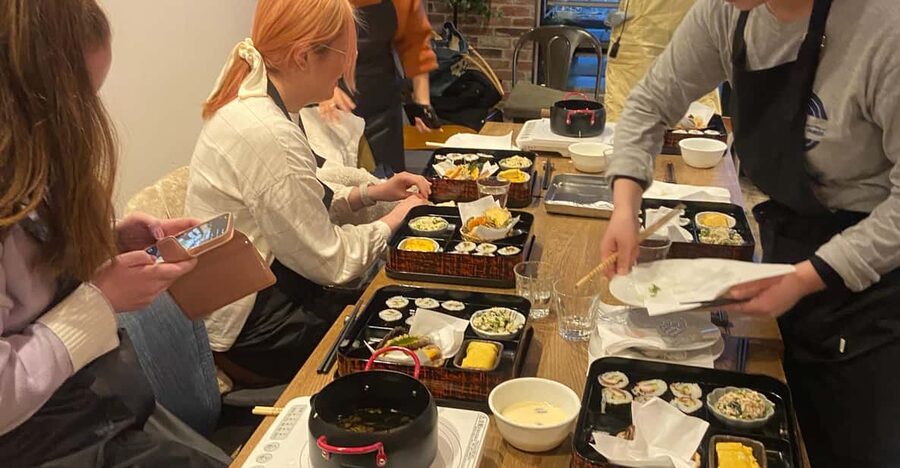
Tempura is popular in Japan, but it’s also one of the first dishes people struggle with at home. That’s why I like that this class includes how to fry tempura, not just how to plate it.
You’ll learn frying technique directly with guidance. The goal isn’t perfection in one try. It’s learning the fundamentals that help you control the outcome next time.
What you gain from practicing in a class like this:
- Better confidence handling hot oil safely with instruction
- Understanding how the process fits into the timing of the rest of the bento
- A new view of how texture is engineered, not accidental
Tempura also brings contrast to the rest of your bento. When you combine it with softer bites like tofu salad and egg-based rolls, the whole box feels balanced. That’s washoku in a nutshell: not one flavor dominating, but multiple textures creating satisfaction.
The four bento dishes you’ll make, and how they connect
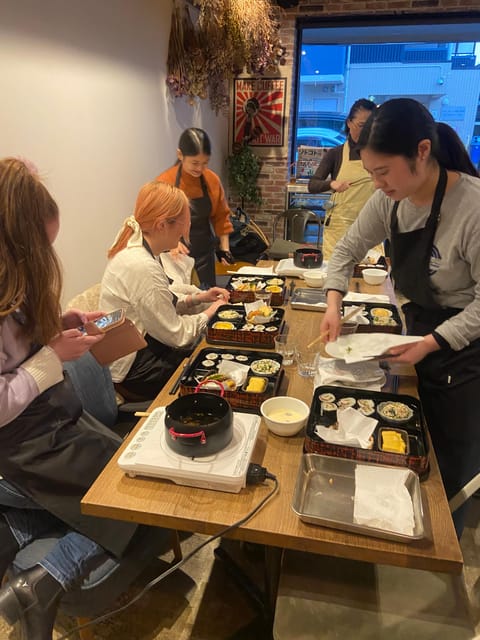
The class is centered on a bento box with 4 dishes. You’ll cook the components that make up a classic Japanese lunch experience.
Here’s what you can expect to make:
- Sushi rolls
- Tempura
- Tofu salad (often presented with sesame-style flavors in this kind of menu)
- A Japanese rolled omelette (commonly called dashimaki tamago)
Even without worrying about fancy restaurant standards, I like how these dishes work together. Sushi rolls offer clean, comforting flavor. Tempura adds crisp texture. Tofu salad brings softness and freshness. Rolled omelette adds an egg-based richness that pairs well with dashi.
You also get unique tools and techniques for each component. That’s part of the value. You experience different cooking styles inside one meal, all while still ending up with something you can eat.
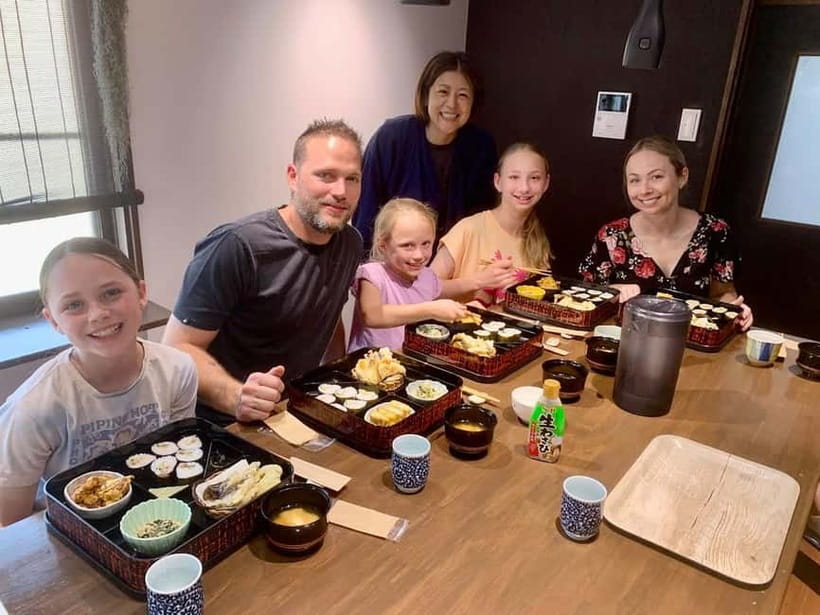
After you cook, you eat the bento together while chatting with the class. That matters more than it sounds. Cooking classes can be tiring if you’re just waiting to eat. Here, the meal feels like the reward for the work, and you get a chance to share what you made and compare notes.
Washoku values in real life: seasonality and balance
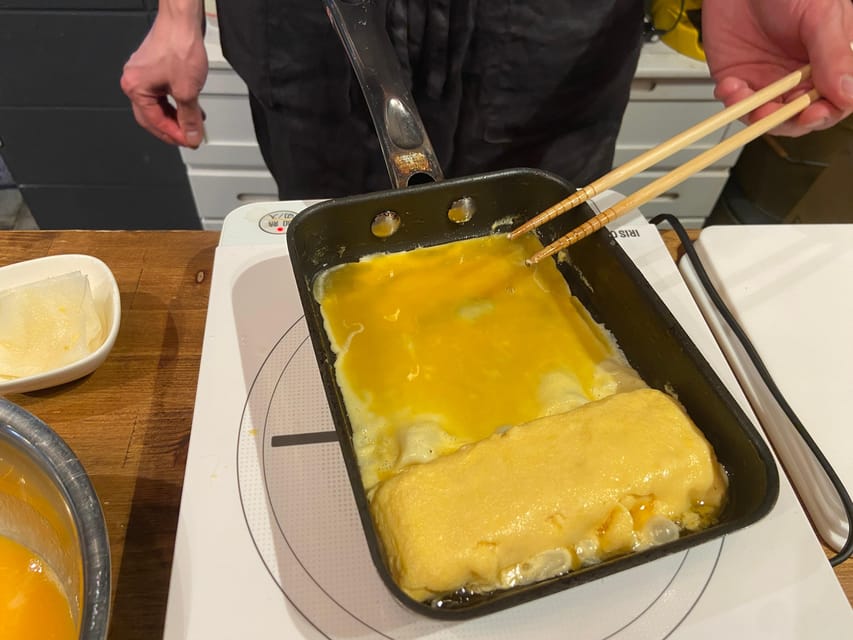
A big theme of this class is washoku, which emphasizes fresh ingredients and a harmony of flavors, colors, and textures. You see that idea in how bento is built.
Bento is portable, but it’s also visual. Separate dishes help each component keep its identity. When you learn to balance a crisp element with a soft one, or a savory foundation like dashi with lighter bites, you’re practicing a way of thinking that you can use later.
I like this because it’s not “cook this exact thing, forever.” It teaches principles. Next time you make lunch at home, you can choose:
- One warm, cooked element
- One lighter or fresh element
- One crunchy or fried texture (even if you do a simpler version)
- A sauce or stock-based flavor anchor
That’s how washoku feels less like a museum and more like an everyday skill.
Small group energy, and why the chef’s English helps
You’ll be guided in English and Japanese. That language pairing is a real advantage if you’re not confident with Japanese food vocabulary. It means you can ask questions without guessing.
Also, the class is small: limited to 5 participants. That size shows up in the way instruction likely feels. You can get quick corrections while you’re working, not after the fact.
From the chef names that have led previous classes, you may be taught by Ai, Miyu, or Rie, and sometimes with additional support like Nana. The consistent thread across those sessions is warmth and encouragement, plus explanations that keep the cooking from feeling mysterious.
If you like interaction, you’ll probably enjoy the class even more because you get to sit down together after cooking and talk as you eat.
Price and value: is $58 worth 2.5 hours?
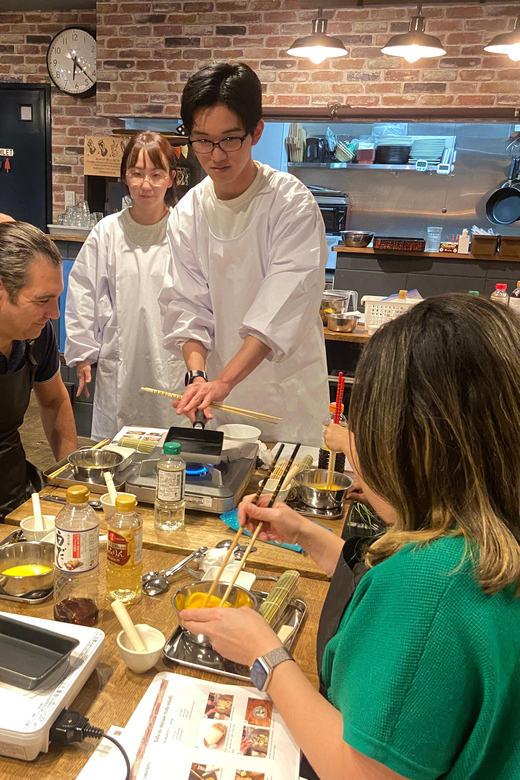
At $58 per person for 150 minutes, this is priced like a serious half-day activity, not a quick tasting. The key is what you get for that money.
You’re paying for:
- A chef/instructor
- Ingredients for 4 bento dishes
- Aprons and equipment
- Hands-on coaching in knife skills, dashi, and tempura frying
The value is in skill transfer. Instead of leaving with a souvenir photo, you leave with a method for making foundational components like dashi and an understanding of how to build a balanced bento plate.
If you’ve ever spent money on a meal that tastes great but doesn’t teach you anything, this is the opposite. It’s work, then reward. The people who love this class tend to do so because the end result looks good and tastes like what you came to Kyoto for, while you learn how to repeat parts at home.
Who should book this bento class, and who might want another option
This experience is not suitable for:
- Wheelchair users
- People with diabetes
- Babies under 1 year
- Children under 2, under 3, and under 4
So if you’re traveling with little kids, it’s worth checking your ages against those limits early.
If you’re an adult who enjoys food and doesn’t mind hands-on work, this is a strong fit. It’s also a good match for:
- First-time visitors to Kyoto who want something more personal than another temple ticket
- People who want practical cooking skills, not just a meal
- Couples, solo travelers, and small groups who prefer a calmer class size
If you have strong dietary restrictions or allergies, the data you provided doesn’t spell out specific substitutions. Still, you should plan to talk with the chef about your needs when you book or right when you arrive.
Final call: should you book this Kyoto bento class?
If your goal is to understand Japanese home cooking, this class is a good bet. The standout value is learning core techniques like dashi and tempura frying, plus practicing knife skills while building a real bento box you eat afterward. The small group size helps, and the washoku focus gives your food a coherent logic.
I’d book it if you want a hands-on afternoon in Kyoto and you like learning by doing. I’d think twice if you struggle with timing and getting to meeting points on time, since the chef pickup is tied closely to the scheduled start.
FAQ
How long is the Kyoto Japanese washoku bento cooking class?
The class lasts 150 minutes.
Where is the meeting point for the class?
The meeting point is Kyoto Laundry Cafe (京都ランドリーカフェ), near Saiin station on the Hankyu Railway.
Does the chef pick you up at Kyoto Laundry Cafe?
Yes. The chef comes to pick you up at the Kyoto Laundry Cafe meeting point.
What dishes will I make during the class?
You will make sushi rolls, tempura, tofu salad, and a Japanese rolled omelette.
What skills does the class teach besides cooking?
You learn knife skills and the Japanese approach to handling a knife, plus how to fry tempura and how to make dashi stock.
Is this a small group class?
Yes. The group is limited to 5 participants.
What languages are used during the class?
The instructor works in English and Japanese.
What is included in the class price?
The class includes the instructor, the cooking class, ingredients, aprons and other equipment, and you make 4 dishes.
Is it free to cancel?
You can cancel up to 24 hours in advance for a full refund.
Are there any age or accessibility limits?
The class is not suitable for wheelchair users. It is also not suitable for babies under 1 year and children under 2, under 3, and under 4 years, and it is not suitable for people with diabetes.
Fresh options around Kyoto
- Kyoto: Quiet and Graceful Tea Ceremony★ 4.5 · 19 reviews
- Oboro | Mindful Tea Ceremony in a 100-Year-Old Kyoto Teahouse★ 5.0 · 19 reviews
- Ikebana Traditional Japanese Art of Flower Arranging★ 4.5 · 19 reviews
- Kyoto Satoyama Cycling with Lunch and English Guide★ 5.0 · 19 reviews
- Kyoto International Party Solo Friendly Expats and Locals★ 5.0 · 19 reviews
- Tea Ceremony Experience in Traditional Kyoto Townhouse★ 5.0 · 19 reviews
- Kyoto: Amanohashidate Ine Funaya Tour★ 4.4 · 19 reviews
- Kyoto Private Food Tours with a Local Foodie: 100% Personalized★ 4.5 · 19 reviews
Cooking Classes, compared.
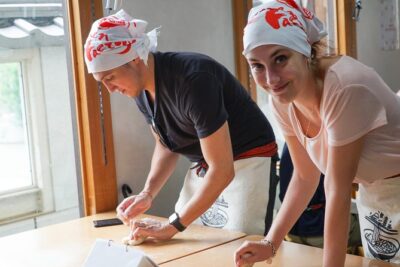
Ramen Cooking Class at Ramen Factory in Kyoto
Read our review →
Ramen & Gyoza Cooking Class in Tokyo with Local Supermarket Visit
Read our review →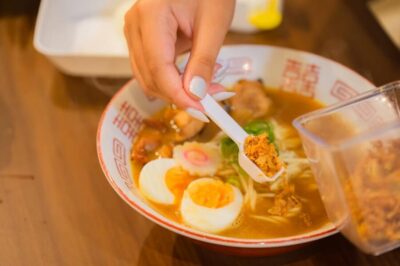
Ramen Cooking Class at a Ramen Factory with Souvenir
Read our review →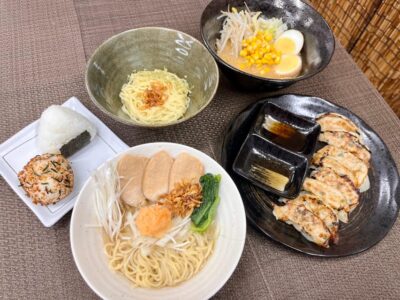
Easy Ramen Cooking Experience in Kabukicho, Shinjuku
Read our review →
Ramen and Sushi Cooking Class with Sake Pairing Set in Tokyo
Read our review →
Kyoto Ramen and Gyoza Cooking Class with Professional Chefs
Read our review →Browse the lists this tour appears in